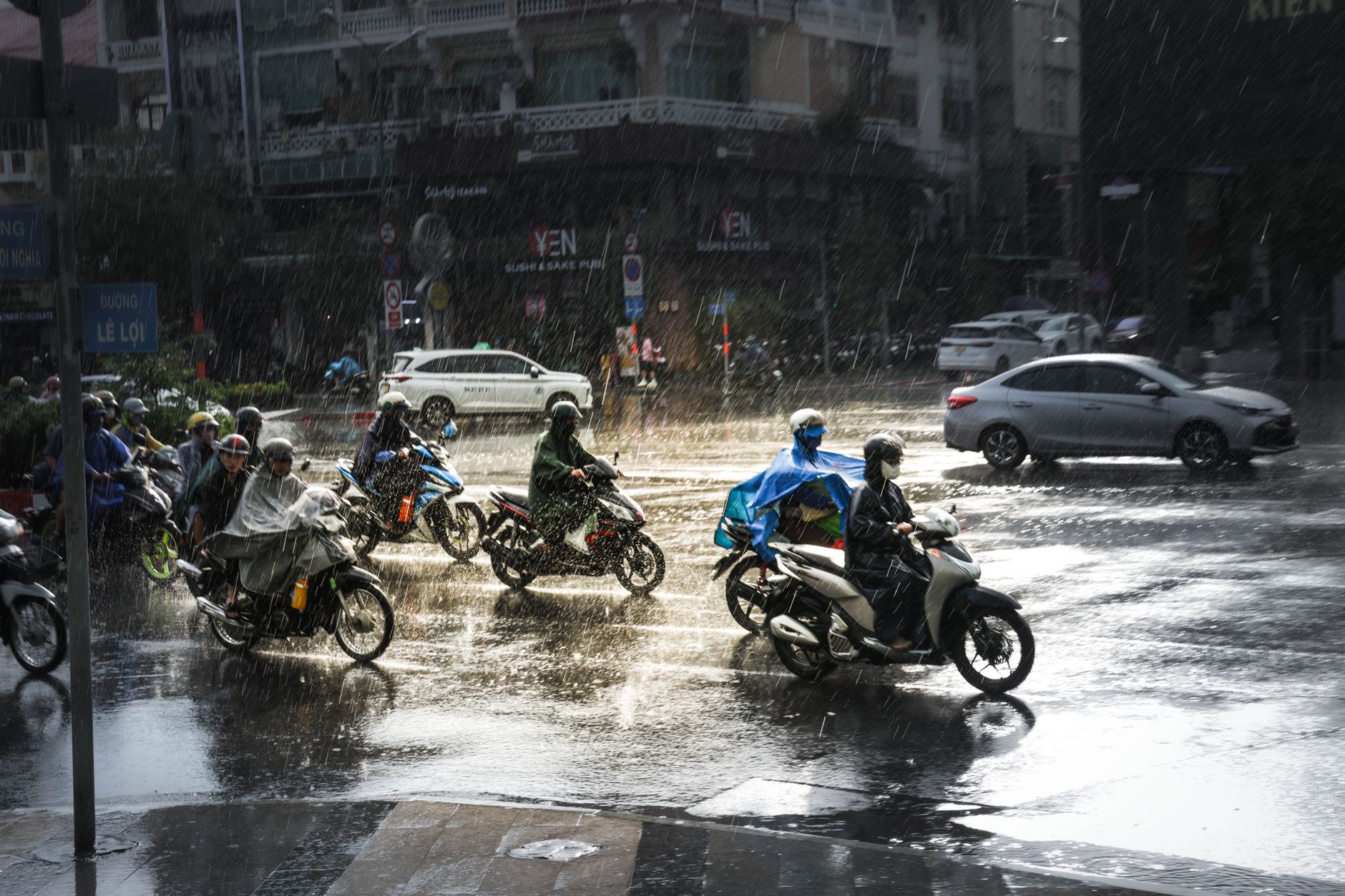
The country stretches 1,650 kilometers from north to south. This creates three distinct climate zones that operate on different weather schedules. When the north is soaked in monsoon rain, the south might be enjoying brilliant sunshine. When central Vietnam braces for typhoons, the north could be experiencing its clearest autumn days.
This guide breaks down exactly when and where it rains in Vietnam. It covers how to plan a trip around the monsoon without sacrificing experience. And it explains why rainy season travel often delivers better value, fewer crowds, and more authentic interactions.
Why Vietnam's three climate zones matter for your trip
Vietnam's weather follows a simple but critical pattern. The north has four seasons. The center has a wet and dry season with a dangerous typhoon window. The south has two seasons: wet and dry.
Northern Vietnam (Hanoi, Sapa, Ha Giang, Ninh Binh, Halong Bay) experiences its rainy season from May through September. July and August bring the heaviest rain. But the rain comes in bursts. A typical day involves a sudden heavy downpour for an hour, then clearing skies. The real challenge in the north is not rain but humidity. From June to August, temperatures hit 35°C (95°F) with humidity above 80 percent.
Central Vietnam (Hue, Da Nang, Hoi An, Phong Nha) has a different rhythm. The rainy season runs from September to January. The peak months are October and November, when typhoons frequently make landfall. This region receives the most concentrated rainfall in the country. Hoi An and Hue regularly flood during October and November.
Southern Vietnam (Ho Chi Minh City, Mekong Delta, Phu Quoc, Mui Ne) follows the simplest pattern. The rainy season goes from May to October. Rain usually arrives in the late afternoon as a short, intense shower. It clears within an hour. Mornings are typically sunny and pleasant.
Pro tip: Check the Vietnam Weather by Month guide for a detailed month-by-month breakdown of conditions in each region.
Month-by-month logic: where to go and when to avoid
The key to rainy season travel in Vietnam is strategic movement. You follow the good weather. Here is the monthly logic for 2026.
May to June: head south or stay flexible
May marks the start of rain in the north and south. But the rain is manageable. Northern Vietnam sees increasing showers but still has many clear days. This is a good time for Mai Chau and Pu Luong, where the rice terraces turn green.
Southern Vietnam gets afternoon showers. Mornings remain excellent for exploring Mekong Delta floating markets.
Central Vietnam is dry in May and June. This is the best window for Da Nang, Hoi An, and Hue before the rains arrive.
July to August: the north gets wet, the center gets hot
Northern Vietnam reaches peak monsoon. Sapa in the rainy season requires careful planning. Trails turn muddy. Fog can obscure views. But the rice terraces are at their most vibrant green.
Central Vietnam bakes under high heat. Temperatures in Da Nang and Hoi An reach 38°C (100°F). This is not ideal for extended outdoor exploration.
Southern Vietnam remains in its rainy season. But because rain comes in short bursts, travelers can still enjoy mornings at Cat Ba Island or afternoons exploring Ho Chi Minh City's indoor attractions like the War Remnants Museum.
September to October: avoid central Vietnam
This is the most important rule of Vietnam rainy season travel. From mid-September through November, central Vietnam faces the highest risk of typhoons and flooding. Typhoon season in central Vietnam can shut down airports, flood streets, and cancel tours.
Hoi An's ancient town floods when the Thu Bon River rises. Hue's Imperial Citadel can see water damage. Phong Nha cave tours sometimes close during heavy rain.
Instead, travel to the north. September and October bring the best weather to northern Vietnam. The rain subsides. Temperatures cool. The rice harvest season begins, turning Sapa and Mu Cang Chai into gold. This is the optimal time for the Ha Giang Loop and Cao Bang Loop.
Southern Vietnam remains accessible with its afternoon shower pattern.
November to December: the center clears, the north gets cold
November remains risky for central Vietnam. But by December, the rain eases. Hue and Hoi An become pleasant again. The Hoi An vs. Hue debate shifts in favor of both cities during this period.
Northern Vietnam turns cold and dry. Hanoi temperatures drop to 15°C (59°F). Sapa can reach near freezing. Pack warm layers.
Southern Vietnam enters its dry season. This is the best time for Phu Quoc, Mui Ne, and the Mekong Delta.
Pro tip: For a complete overview, read The Best and Worst Months to Visit Vietnam.
Typhoon season: what you actually need to know
Typhoons generate more anxiety than any other weather event in Vietnam. The fear is understandable but often exaggerated for travelers.
When and where typhoons hit
Typhoon season runs from June to December. The peak is September through November. Central Vietnam bears the brunt. Da Nang, Hue, Hoi An, and Quang Binh province (home to Phong Nha) are most affected.
Northern Vietnam rarely sees direct typhoon hits. Southern Vietnam experiences typhoons but with less frequency and intensity.
What happens when a typhoon comes
A direct typhoon hit means:
- Flights are canceled or delayed
- Ferries to islands like Cat Ba and Phu Quoc stop running
- National parks close for safety
- Streets in low-lying areas flood
- Power outages occur in some areas
But here is the reality. Most typhoons pass within 24 to 48 hours. The storm track is narrow. A typhoon hitting Da Nang might leave Hoi An, just 30 kilometers south, with only heavy rain.
How to stay safe
Is it safe to travel to Vietnam during typhoon season? The answer depends on flexibility. Travelers who book refundable accommodation and avoid non-refundable tours face minimal risk.
Monitor the Vietnam National Center for Hydro-Meteorological Forecasting website. Download the Windy app for real-time storm tracking. If a typhoon is predicted for your area, move to a different region. The beauty of Vietnam's three climate zones means an alternative destination is always available.
Pro tip: Avoid booking Halong Bay cruises or island ferries during typhoon warnings. These services cancel without refund if weather conditions are dangerous. Check When to Avoid Halong Bay for details.
Packing for Vietnam's rainy season
Packing correctly transforms a rainy season trip from miserable to manageable. Here is what works.
Rain protection
A lightweight, packable rain jacket is essential. Umbrellas are widely available in Vietnam for 30,000 to 100,000 VND ($1.25 to $4). But a jacket leaves hands free for holding a phone or map.
Waterproof phone cases or pouches protect against sudden downpours. A dry bag for electronics costs 150,000 VND ($6) and prevents disaster when crossing flooded streets.
Footwear
Sandals with good grip work better than sneakers in rain. They dry quickly and handle puddles. For hiking in places like Cat Ba National Park, bring quick-dry trail shoes. Avoid leather boots. They take days to dry in humidity.
Clothing
Quick-dry fabrics are worth the investment. Cotton stays wet for hours. Synthetic shirts and shorts dry in 30 minutes under a ceiling fan.
For northern Vietnam in the rainy season, pack a light fleece or sweater. Temperatures drop after rain. For central Vietnam, lightweight long sleeves protect against both sun and mosquitoes. For the south, the lightest possible clothing works.
Pro tip: Read How to dress for Vietnam in October for a region-specific packing list.
How rain affects specific activities
Rain changes the way certain experiences work. Knowing what to expect prevents disappointment.
Halong Bay and Lan Ha Bay cruises
Cruises run year-round. But visibility drops during rain. The limestone karsts look moody and atmospheric in mist. Some travelers prefer this to harsh sunlight. However, swimming and kayaking get canceled during storms.
Book a cruise from Cat Ba Island rather than Hanoi. Cat Ba offers more flexibility. If weather turns bad, you can reschedule for the next day without losing a long transfer.
Hiking in Sapa and northern mountains
Rain turns trails into mud. Sapa's famous rice terrace views disappear behind clouds. But the rainy season also means fewer tourists and lower prices.
The key is timing. Hike early in the morning before rain arrives. Most afternoon downpours start around 2 PM. Plan treks to finish by noon.
For H'Mong culture experiences, rainy season visits to villages feel more authentic. Fewer tourists mean more genuine interactions with local families.
Beach time in central and southern Vietnam
Rain does not ruin beach trips in the south. Afternoon showers last an hour. The sun returns. Beaches empty out during rain, then fill again.
Central Vietnam beaches like Da Nang and Nha Trang face rougher seas during the rainy season. Swimming can be dangerous due to strong currents. Check local warnings before entering the water.
Cave exploration in Phong Nha
Phong Nha caves are actually better in the rainy season. The underground rivers rise, making boat trips more dramatic. The Son Doong expedition closes during heavy rain due to flood risk. But Paradise Cave and Phong Nha Cave remain accessible year-round.
The catch is getting there. Flooding sometimes blocks the road from Dong Hoi to Phong Nha. Check Dong Hoi to Phong Nha transport for current conditions.
Comparison table: rainy season by region
| Region | Rainy months | Peak rain | Typhoon risk | Best rainy season activity | Alternative dry region |
|---|---|---|---|---|---|
| North (Hanoi, Sapa) | May-Sep | Jul-Aug | Low | Rice terrace photography in Sapa | South (HCMC, Phu Quoc) |
| Center (Hue, Hoi An, Da Nang) | Sep-Jan | Oct-Nov | High (Sep-Nov) | Temple visits in Hue | North (Hanoi, Ninh Binh) |
| South (HCMC, Mekong Delta) | May-Oct | Jun-Aug | Low | Floating market mornings | Center (Da Nang, Hoi An) |
| Highlands (Da Lat) | May-Oct | Jul-Aug | Low | Coffee farm tours | South (Mui Ne, Phan Thiet) |
| Islands (Phu Quoc, Con Dao) | May-Oct | Jul-Aug | Low-Med | Resort relaxation | Center (Da Nang) |
Budget advantages of rainy season travel
Rainy season brings lower prices. Hotels in Hoi An drop by 30 to 50 percent from September to November. Domestic flights cost less. Vietnam Airlines domestic flight ticket prices drop by 20 percent during monsoon months.
Tourist sites have shorter queues. The War Remnants Museum in Ho Chi Minh City sees half the visitors in June compared to December. Water puppetry shows in Hanoi rarely sell out during rainy evenings.
Street food vendors stay open. Rain does not stop Vietnamese cooks. Banh mi stalls operate under awnings. Pho shops serve steaming bowls that cut through humidity.
The cost of living in Vietnam for a single person drops during rainy season. Accommodation and transport eat up less of the budget.
Pro tip: For a detailed budget breakdown, read Backpacking Vietnam in 2026.
Cultural considerations during rainy season
Rain affects Vietnamese daily life in visible ways. Understanding these patterns helps travelers blend in.
Tet Nguyen Dan, the Lunar New Year, falls in late January or February 2026. This is dry season for most of Vietnam. But traveling in Vietnam during Tet brings its own challenges. Many businesses close for a week. Transport fills up.
The Mid-Autumn Festival in September or October coincides with rainy season in the north. Lantern parades proceed through light rain. Children carry star-shaped lanterns regardless of weather.
Temple visits require modest clothing. Temple etiquette in Vietnam demands covered shoulders and knees. Rain does not change these rules. Pack a scarf or shawl to cover up when entering pagodas.
Buddhism and pagodas in Vietnam offer excellent rainy day activities. Temples provide shelter from downpours. The incense-filled interiors create a meditative atmosphere during storms.
Sample rainy season itinerary: 14 days
This itinerary follows the weather logic for a September 2026 trip.
Days 1-4: Hanoi and Ninh Binh September brings pleasant weather to the north. Explore Hanoi's French colonial heritage in the morning. Visit temples in the afternoon. Take a day trip to Ninh Binh for boat rides through karst landscapes.
Days 5-7: Sapa or Mai Chau Skip Sapa if heavy rain is forecast. Choose Mai Chau instead. The valley sits at lower elevation. Rain is lighter. Homestays in Thai villages offer authentic experiences without the Sapa crowds.
Days 8-10: Phong Nha Fly from Hanoi to Dong Hoi. September is the last safe month for Phong Nha before typhoon season peaks. Explore Paradise Cave and Dark Cave. The underground rivers run high, making boat tours more dramatic.
Days 11-14: Ho Chi Minh City and Mekong Delta Fly south to escape any developing typhoons. Explore Ho Chi Minh City's street food scene. Visit the Cu Chi tunnels. Take a boat trip through the Mekong Delta floating markets.
Frequently asked questions
Q: Is it safe to ride a motorbike in Vietnam during the rainy season? Riding in rain requires extra caution. Roads become slippery. Visibility drops. Wet brakes take longer to stop. Stick to short distances during rain. Avoid riding at night. For long distances, use sleeper buses or trains instead.
Q: Does Grab operate normally during rain? Yes. Grab drivers work through rain. Surge pricing sometimes applies during downpours. Expect 20 to 30 percent higher fares during heavy rain. The Grab app works reliably in Hanoi, Ho Chi Minh City, and Da Nang.
Q: What happens if a typhoon hits during my trip? Stay indoors. Follow local news. Most typhoons pass within 24 hours. Hotels usually allow extended stays at the same rate. Avoid coastal areas and islands during typhoon warnings. Read Typhoon season in central Vietnam for detailed safety advice.
Q: Are national parks open during the rainy season? Most national parks remain open. Some trails close during heavy rain for safety. Cat Ba National Park operates year-round. Phong Nha cave tours run except during flood warnings. Check with park offices before visiting.
Q: Do mosquitoes get worse during the rainy season? Yes. Standing water from rain creates breeding grounds. Mosquito activity increases. Use DEET-based repellent. Sleep under mosquito nets. Read Mosquitoes, dengue and malaria in Vietnam for regional risk assessments.
Q: Can I still visit floating markets during the rainy season? Floating markets operate year-round. Rain does not stop the traders. Cai Rang floating market near Can Tho is busiest in the early morning. Arrive by 7 AM before the heaviest rain starts.
Q: What is the best month for a Vietnam cruise during the rainy season? October offers the best compromise. Northern cruises in Halong Bay and Lan Ha Bay see fewer crowds and misty scenery. Southern cruises in the Mekong Delta run smoothly. Avoid central Vietnam cruises in October due to typhoon risk. Check What is the best time of year for a Vietnam cruise for details.