What this guide covers and how to use it
Vietnam cruising is not a single experience. It is three separate geographies with their own optimal seasons.
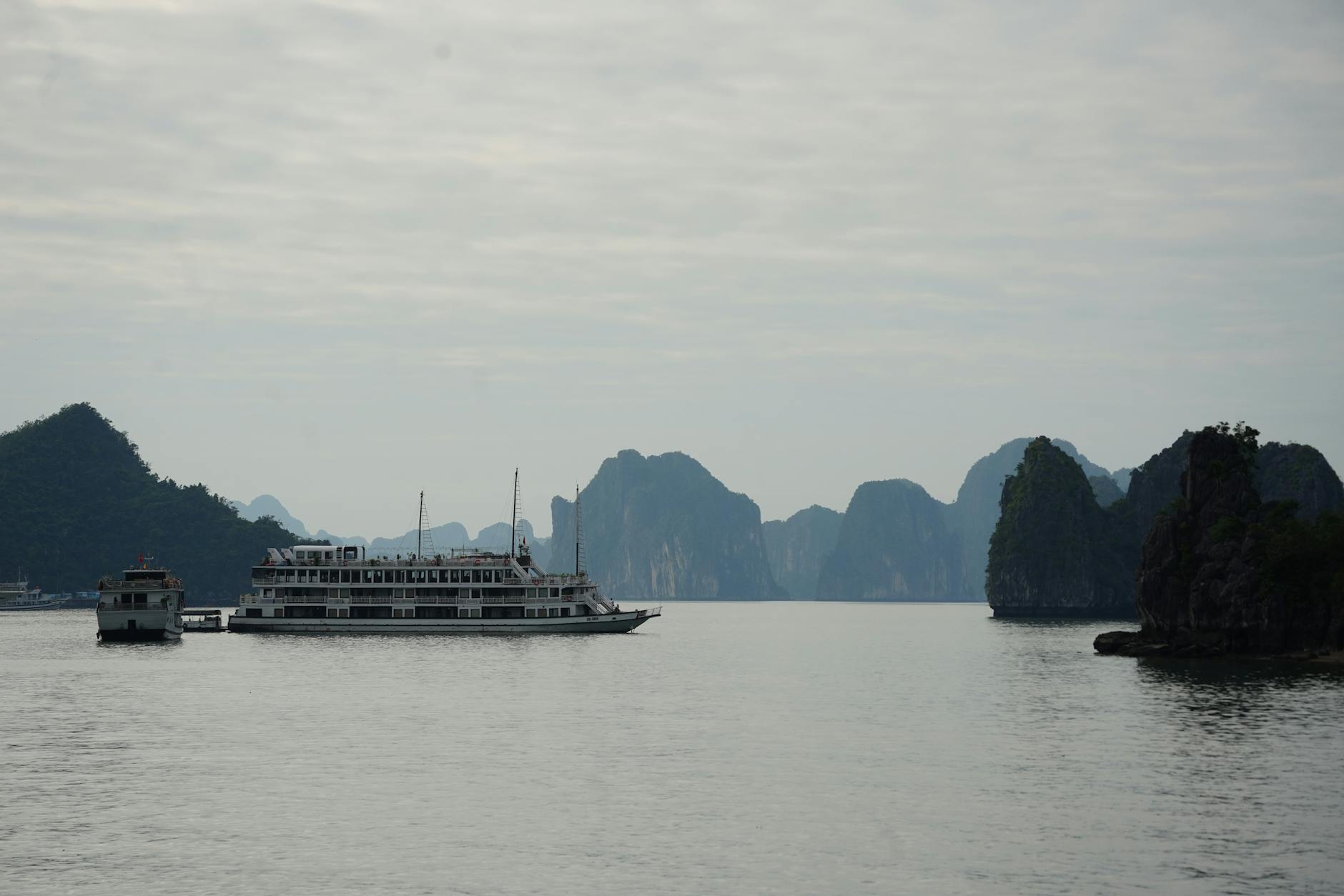
Northern waters include Ha Long Bay, Lan Ha Bay, and Bai Tu Long Bay. This is the most popular cruise region, famous for limestone karsts rising from emerald waters.
The central coast runs from Hue through Da Nang to Nha Trang. Cruises here combine beach stops, snorkeling, and visits to imperial landmarks.
The Mekong Delta in the south offers river cruises through floating markets, coconut groves, and canal networks. The climate here follows a simple wet-dry pattern.
No single month is perfect for all three regions. This guide helps you identify your priorities and match them to the right timing.
Why the "best time" question is more complicated than it seems
Generic answers fail for several reasons.
Typhoon season affects different regions at different times. The north sees storms from July to September. The central coast gets hit hardest in October and November. The Mekong Delta rarely experiences typhoons at all.
Peak tourist months drive up prices by 40 to 50 percent compared to low season. January and February bring Tet holiday crowds. July and August see domestic tourists on summer break.
Some months offer calm waters but poor visibility. December through February in the north can be foggy, obscuring the karst views that make the cruise worthwhile.
Vietnam does not have one uniform climate. The north has four distinct seasons. The central coast has a dry and wet season. The south has hot and wet seasons. A cruise plan that works for one region may fail completely in another.
Regional climate breakdown for cruises
Northern cruise waters (Ha Long Bay, Lan Ha Bay, Bai Tu Long Bay)
The north experiences a true winter and summer. Winter runs from November to February with temperatures between 15 and 22°C (59 to 72°F). Summer runs from June to September with temperatures between 28 and 35°C (82 to 95°F).
March-April and October-November are the transitional months. Temperatures sit between 18 and 25°C (64 to 77°F). Rainfall is low. Visibility is excellent. These are widely considered the optimal months for northern cruises.
Summer monsoon months (June to August) bring afternoon thunderstorms and high humidity. Prices drop significantly but the chance of storm-related cancellations rises.
Winter months (December to February) offer cool temperatures and calm waters. But morning fog can reduce visibility to less than 100 meters. The limestone karsts disappear into a gray haze.
Central coast cruises (Hue, Da Nang, Nha Trang)
The central coast has a distinct dry season from January to August and a wet season from September to December.
The dry season offers sunny skies, calm seas, and temperatures between 25 and 35°C (77 to 95°F). This is ideal for cruises that include beach stops and snorkeling.
The wet season brings heavy rainfall and typhoon risk. October and November are the worst months. Cruise itineraries along this coast face the highest cancellation rates during this period.
Nha Trang has its own microclimate. It sits in a rain shadow and receives less rainfall than Hue or Da Nang. Cruises from Nha Trang remain possible even during the wet season, though sea conditions can be rougher.
Mekong Delta cruises (Ho Chi Minh City to Can Tho)
The Mekong Delta follows a simple two-season pattern. The dry season runs from December to May. The wet season runs from June to November.
Mekong cruises operate year-round. The river does not close for weather. But conditions change significantly between seasons.
The dry season offers lower water levels, more comfortable temperatures around 25 to 32°C (77 to 90°F), and less mosquito activity. The floating markets are more active during these months.
The wet season brings higher water levels, which allows smaller boats to access narrow canals that are impassable in the dry season. The landscape turns greener. Tourist numbers drop. Rain typically comes in short afternoon bursts rather than all-day downpours.
Month-by-month cruise calendar
January
Cool and dry in the north (15 to 20°C). Pleasant in the central region. Dry in the Mekong. Peak tourist season with premium pricing. Northern cruises may experience fog reducing visibility. Book 3 to 4 months ahead.
February
Similar to January but warming slightly. Tet holiday period means some cruises operate on reduced schedules or charge premium rates of 50 to 100 percent above normal. Some operators close entirely for 2 to 3 days. Book 4 to 6 months ahead if traveling during Tet.
March
One of the best months for northern cruises. Temperatures between 18 and 25°C. Low rainfall. Good visibility. Still busy but less crowded than January and February. Excellent conditions for central coast and Mekong cruises as well.
April
Peak season pricing continues in the north. Warm and pleasant across all regions. Easter holiday period can bring additional crowds. Good visibility in Ha Long Bay. Central coast remains in its dry season prime.
May
Transition month in the north. Temperatures rise to 25 to 32°C. Rainfall increases. Start of low season pricing. Central coast remains good. Mekong dry season ends. This is a good month for budget travelers willing to accept some weather risk.
June
Summer monsoon begins in the north. Hot (28 to 35°C), humid, afternoon thunderstorms common. Lowest prices of the year for northern cruises. Central coast still excellent. Mekong wet season begins.
July
Similar to June in the north. Peak summer holiday season for domestic Vietnamese tourists. Central coast remains the best option this month. Northern cruises face the highest risk of storm cancellations.
August
Northern region remains hot and humid with high typhoon chance. Central coast still good but typhoon risk increases toward month end. Mekong wet season continues but remains navigable.
September
Typhoon peak season for northern and central Vietnam. Cruise cancellations are possible. Lowest prices but highest weather risk. Mekong remains wet but less typhoon-prone than the north.
October
Northern region improves dramatically. Cooler, drier, excellent visibility. Central coast still recovering from typhoon season. Mekong transitions to dry season. One of the best months for northern cruises.
November
Excellent conditions across the north. Temperatures between 18 and 25°C. Low rainfall. Calm waters. Central coast wet season continues. Mekong dry season begins. Good month overall but central coast remains risky.
December
Cool and dry in the north (15 to 22°C). Potential fog in the mornings. Central coast improves as rainfall decreases. Mekong dry season in full swing. Peak tourist pricing returns. Book 3 to 4 months ahead.
How weather affects the cruise experience
Visibility and photography
Fog in winter months (December to February) can obscure the limestone karsts in Ha Long Bay. You might see gray shapes instead of sharp peaks. Summer haze from humidity reduces clarity in June to August.
Optimal visibility months are March-April and October-November. These months offer the clearest air and the best conditions for photography.
Sea conditions and motion sickness
The calmest waters in the north occur during March-April and October-November. These months have minimal wind and low wave activity.
Rougher seas occur during the typhoon season (June to September) and during winter months (December to February) when northeasterly winds pick up.
For readers prone to seasickness, book a cruise in March-April or October-November. Choose a larger vessel with stabilizers. Book a cabin on the lower deck and toward the center of the ship.
Rain and activity cancellations
June to September in the north has the highest cancellation rate for outdoor activities. Kayaking, swimming, and cave visits get cancelled when storms pass through.
Day cruises are most vulnerable to weather cancellations. They have less flexibility to adjust itineraries. Overnight cruises can shift schedules to find better weather windows.
Pro tip: Book a 2-night cruise during shoulder season. The extra day provides flexibility to reschedule activities if one day has poor weather.
Pricing seasons and budget planning
| Season | Months | Price vs low season | Crowd level | Weather reliability |
|---|---|---|---|---|
| Peak | Jan-Apr, Oct-Dec | 30-50% higher | High | Good in at least one region |
| Shoulder | Mar-Apr, Oct-Nov | 10-20% higher | Medium | Best balance across regions |
| Low | May-Sep | 30-50% lower | Low | Variable, higher risk |
Peak season (January-April, October-December)
Prices run 30 to 50 percent higher than low season. The reasons are straightforward: favorable weather in at least one region, international holiday periods, and high tourist demand.
Shoulder season (March-April, October-November)
This offers the best balance of weather and pricing. Prices sit 10 to 20 percent above low season. Conditions are significantly better. These months are the sweet spot for most travelers.
Low season (May-September)
Prices drop 30 to 50 percent. The trade-off is higher weather risk, especially in the north. Book cruises with flexible cancellation policies during these months. Some operators offer free cancellation up to 24 to 48 hours before departure.
Crowds and capacity considerations
Peak tourist months
January-February and July-August are the busiest periods. January-February brings international tourists escaping winter. July-August brings domestic Vietnamese families on summer holiday.
Crowds affect the experience in specific ways. Queuing for cave visits can take 30 to 45 minutes. Sundeck areas on popular cruises fill up quickly. Service becomes less personalized as crew members split attention among more guests.
Quieter alternatives
Lan Ha Bay and Bai Tu Long Bay offer less crowded alternatives to Ha Long Bay. These areas are 30 to 60 minutes from the main Ha Long Bay zone.
Lan Ha Bay has similar limestone karst scenery but fewer tourist boats. It connects to Cat Ba Island, which serves as a base for independent travelers. Bai Tu Long Bay is the quietest option. It sees a fraction of the visitors that Ha Long Bay receives.
Pro tip: For a quieter experience, book a cruise that departs from Cat Ba Island or Bai Tu Long Bay instead of Ha Long City. You get the same scenery with half the crowds.
Special events and holidays that affect cruising
Tet (Lunar New Year, late January to February)
Tet is the most important holiday in Vietnam. Many cruises operate reduced schedules. Some close entirely for 2 to 3 days. Those that remain open charge premiums of 50 to 100 percent above normal rates.
Book 4 to 6 months ahead if traveling during this period. Confirm directly with the cruise operator that they are operating on your desired dates.
For more details on how Tet affects travel, read our guide on Tet in Vietnam: The Closure Trap That Ruins Tourist Trips.
Vietnamese public holidays (April 30, May 1, September 2)
These dates mark Reunification Day, Labor Day, and National Day. Domestic tourist spikes occur around these holidays. Prices increase and availability drops. Book 2 to 3 months ahead.
International holidays (Christmas, New Year, Easter)
Premium pricing and limited availability apply. December 24 to January 2 is the most expensive period of the year. Book 4 months ahead for Christmas and New Year cruises.
Choosing a cruise duration by season
Day cruises
Best in shoulder seasons (March-April, October-November) when weather is most reliable. Risky in typhoon season (July to September) when afternoon storms can cut trips short.
2-day, 1-night cruises
This is the most popular option. It works year-round but weather-dependent activities are more likely to proceed in March-April and October-November. The overnight component allows for sunset and sunrise views that day cruises miss.
3-day, 2-night cruises
Recommended for readers who want to explore Lan Ha Bay or Bai Tu Long Bay. These cruises travel further from the main tourist zone. The extra day provides more flexibility around weather windows.
Regional cruise options beyond Ha Long Bay
Lan Ha Bay cruises
Slightly less crowded than Ha Long Bay. Similar weather patterns but slightly more sheltered from wind. Good alternative during peak months. Cruises often depart from Cat Ba Island. For more details, read our guide on Lan Ha Bay Cruise from Cat Ba.
Bai Tu Long Bay cruises
The quietest option. Same limestone karst scenery. Best visited March-April or October-November for optimal conditions. Fewer tourists mean more personalized service and quieter anchorages.
Mekong Delta cruises
Year-round operation. Dry season (December to May) offers lower water levels and more comfortable temperatures. Wet season (June to November) means higher water levels allowing access to smaller canals. The landscape is greener during wet season.
For independent Mekong travel, read our guide on Mekong Delta Without a Tour: A 2025 Independent Travel Guide.
Central coast cruises (Hue to Nha Trang)
Best from January to August. Avoid October and November when typhoon risk is highest. Nha Trang offers more stable weather than Hue or Da Nang due to its microclimate.
What to pack by season
Cool season (November to February)
Pack layers. A light jacket is essential for evening cruising. Long pants and closed-toe shoes work well for cave visits. A light rain jacket handles potential drizzle.
Hot season (March to May)
Lightweight, breathable clothing is essential. Bring sun protection: a wide-brimmed hat, sunglasses, and high-SPF sunscreen. Pack swimwear for kayaking and swimming stops.
Rainy season (June to September)
A waterproof jacket is non-negotiable. Quick-dry clothing helps when you get caught in afternoon downpours. Waterproof bags protect electronics. Insect repellent is important as mosquitoes increase after rain.
For a complete packing guide, read How to dress for Vietnam in October: A complete packing guide for every region.
Booking strategies by season
Advance booking recommendations
Peak season (January to April, October to December): book 3 to 4 months ahead. Shoulder season (March-April, October-November): 2 to 3 months ahead. Low season (May to September): 1 to 2 months ahead, but check cancellation policies carefully.
Flexible booking options
Book cruises with free cancellation up to 24 to 48 hours before departure. This is especially important during typhoon season (July to September). Check the cruise operator's weather policy before booking. Reputable operators offer full refunds or rescheduling when they cancel due to weather.
Last-minute deals
Low season (May to September) offers the best chance of last-minute discounts. But availability of premium cabins may be limited. If you want a specific cabin type or cruise operator, book in advance even during low season.
Safety considerations by season
Typhoon season (July to September in north, October to November in central)
Reputable cruise operators monitor weather conditions closely. They cancel departures when typhoons approach. They do not sail in unsafe conditions.
Travel insurance that covers weather-related cancellations is recommended during these periods. Check that your policy specifically covers typhoon-related disruptions.
Fog season (December to February in north)
Reduced visibility does not mean unsafe navigation. Cruise operators still sail during foggy conditions. But the scenery may be partially obscured. If clear views of the karsts are important to you, avoid these months.
Heat and hydration (May to August)
Temperatures on open water can feel 5 to 10°C hotter than on land. The sun reflects off the water surface. Sun protection and hydration are critical. Bring at least 1 liter of water per person for daytime activities.
FAQ
Q: What is the best time of year for a Vietnam cruise?
A: There is no single best month because Vietnam has three distinct cruise regions. For northern cruises (Ha Long Bay, Lan Ha Bay), March-April and October-November offer the best weather. For central coast cruises, January-August is optimal. Mekong Delta cruises are best December-May. This guide provides a full month-by-month breakdown for each region.
Q: Is a cruise a good way to see Vietnam?
A: Cruises are an excellent way to see specific regions like Ha Long Bay or the Mekong Delta, but they cover only coastal areas. A cruise cannot replace overland travel to inland destinations like Hanoi, Hoi An, or Ho Chi Minh City. Most travelers combine a 2 to 3 day cruise with a longer land itinerary.
Q: What is the cheapest month for a Vietnam cruise?
A: June through September offers the lowest prices, typically 30 to 50 percent below peak season rates. However, this coincides with typhoon season in northern Vietnam, so weather-related cancellations are possible. Book cruises with flexible cancellation policies during these months.
Q: Can you cruise in Vietnam during typhoon season?
A: Reputable cruise operators monitor weather conditions closely and cancel departures when typhoons approach. July-September has the highest typhoon risk for northern cruises, while October-November is riskiest for the central coast. Travel insurance covering weather-related cancellations is recommended during these periods.
Q: Is Ha Long Bay better in summer or winter?
A: Neither summer nor winter is ideal. Summer (June-August) brings heat, humidity, and typhoon risk. Winter (December-February) brings cool temperatures and potential fog that reduces visibility. The best periods are the transitional months: March-April and October-November, when temperatures are moderate and rainfall is low.
Q: How far in advance should I book a Vietnam cruise?
A: Peak season (January-April, October-December): book 3 to 4 months ahead. Shoulder season (March-April, October-November): 2 to 3 months ahead. Low season (May-September): 1 to 2 months ahead, with flexible cancellation policies. For Tet holiday (late January-February), book 4 to 6 months ahead.
Q: What is the weather like in Ha Long Bay in December?
A: December in Ha Long Bay is cool and dry, with average temperatures of 15 to 22°C (59 to 72°F). Rainfall is low, but morning fog can reduce visibility. The water is calm, making for smooth cruising conditions. This is peak tourist season, so prices are high and availability is limited.
Q: Can I cruise the Mekong Delta year-round?
A: Yes. Mekong Delta cruises operate year-round. The dry season (December to May) offers lower water levels and more comfortable temperatures. The wet season (June to November) brings higher water levels that allow access to smaller canals. Both seasons have their advantages.