What You Need to Know Before Visiting Can Tho's Floating Markets
The classic image of the Mekong Delta's floating markets no longer matches the reality of 2026. Before booking your tour, understand what has changed.
Why Cai Rang Floating Market Is No Longer What It Used to Be
Several factors explain Cai Rang's dramatic decline. The construction of roads and bridges has allowed traders to transport goods by truck, faster and at lower cost. COVID accelerated this transition. Before 2020, there were between 300 and 500 merchant boats each morning. Today, that number has dropped to between 50 and 100, with a growing proportion being tourist boats.
Families who lived on the water have also migrated to dry land. Children go to school, parents work in factories or orchards. The floating lifestyle is eroding generation after generation.
Should You Still Go? Our Editorial Stance
Yes, but with adjusted expectations. The boat ride at sunrise remains beautiful. The floating breakfast is a fun experience. The tourist floating houses offer a glimpse of life on the water. However, if you're looking for the bustling commerce of yesteryear, you'll be disappointed.
This visit is suitable for travelers who want to see the Mekong Delta from the water, take sunrise photos, and understand the evolution of a tradition. It is not suitable for those hoping for a wild, unchanged market.
The Two Floating Markets of Can Tho: Cai Rang and Phong Dien
Two options are available to you. The choice depends on your priorities.
Cai Rang Floating Market: The Most Famous, The Most Touristy
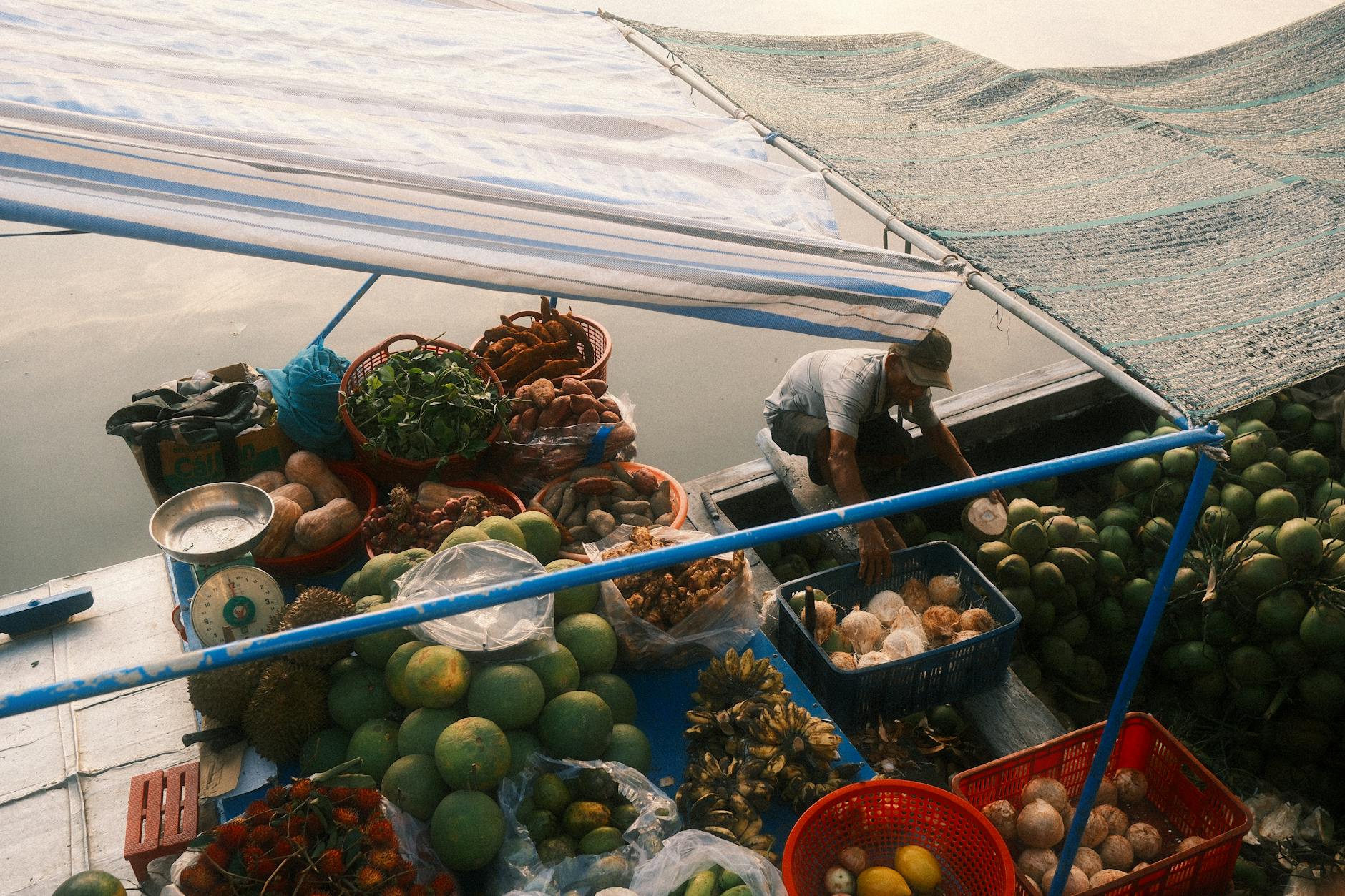
Cai Rang is the market all guides show you. At 6:00 AM, you'll see about fifty boats. About half are tourist boats carrying visitors like you. The other half sell fruits, vegetables, and noodles. The vendors wear traditional conical hats and pose for photos.
Activities include a floating breakfast (banh mi, coffee, soup), a visit to reconstructed floating houses, and a stop at a rice noodle factory. The atmosphere is lively but artificial. Prices are higher than elsewhere.
Phong Dien Floating Market: The More Authentic Alternative
Phong Dien is located 45-60 minutes from Can Tho city center. This market is smaller, with 15 to 30 boats. But the commercial activity is more real. Fewer tourists, more locals buying and selling. Boats are loaded with watermelons, pineapples, and green vegetables.
Access is less convenient. You'll need to negotiate a longer tour or hire a taxi to get there. Side activities are limited. But the experience is closer to what floating markets were like twenty years ago.
Comparison Table: Which to Choose Based on Your Profile
| Criteria | Cai Rang | Phong Dien |
|---|---|---|
| Size | Large (50-100 boats) | Small (15-30 boats) |
| Authenticity | Low to medium | Medium to high |
| Tourist crowds | Very high | Low |
| Accessibility | Easy, 30 min from center | 45-60 min from center |
| Side activities | Many (factories, orchards) | Limited |
| Best for | First visit, photos | Authenticity, peace |
How to Organize Your Visit: Step-by-Step Practical Guide
Plan your morning precisely. Every minute counts.
What Time? The Perfect Timing
The ideal departure is between 5:00 AM and 5:30 AM from your hotel. Arrive at Ninh Kieu Wharf by 5:45 AM. The crossing to Cai Rang takes 30 to 40 minutes. You'll be there at sunrise, around 6:15-6:30 AM.
Between 6:00 AM and 7:30 AM, activity is at its peak. Merchant boats are still there. The light is beautiful for photos. After 8:00 AM, the heat becomes intense. Most boats have packed up. Tourists leaving for afternoon excursions start arriving.
Practical Tip: If you leave after 6:00 AM from the wharf, you'll arrive after 7:00 AM. You'll mostly see tourist boats and tired vendors starting to pack up.
How to Book Your Boat
Three options are available to you.
Direct negotiation at Ninh Kieu Wharf is the simplest and cheapest. Arrive before 5:30 AM. The touts are very visible and used to tourists. Negotiate firmly but politely.
Booking through your hotel is more expensive but more reliable. The hotel arranges round-trip transport and the boat waits for you. This option is recommended if you don't speak English or if you're traveling with children.
Local guides offer private tours. You'll pay more (500,000-800,000 VND per person) but you'll have an escort who explains the history and culture.
Pitfall to Avoid: Some boatmen offer you a tour for 1,000,000 VND, claiming it's the official price. Refuse. The standard price is 300,000 to 500,000 VND per person.
Boat or Sampan: Which to Choose
Sampans are small, wooden, and allow navigation in narrow canals. They are ideal for photos and immersion. But they are slow and exposed to the sun.
Boats are larger, faster, and offer a roof for shade. They are more comfortable for families and the elderly. But they cannot enter small canals.
For a first visit, choose a boat. For a more intimate experience, opt for a sampan.
What to Ask for in the Tour
Standard tours include the ride to the market and back. Longer tours add stops.
The stop at the rice noodle factory is almost systematic. You'll see how fresh noodles are made. The visit lasts 15 minutes. The interest is limited, but it's part of the package.
A visit to a fruit orchard is more interesting. You can taste fresh fruit and walk through the gardens. Choose an orchard that seems authentic, not a tourist attraction with caged animals.
Disembarking at the Cai Rang land market is highly recommended. This covered market is 200 meters from the dock. The atmosphere is authentic and the products are varied.
How Much Does Visiting Can Tho Floating Market Cost
Prices vary by type of vessel, duration, and included stops.
Boat Tour Prices
| Type of Vessel | Duration | Included | VND Range | USD Range |
|---|---|---|---|---|
| Simple sampan | 2h | Round trip, no stops | 200,000 - 300,000 | $8 - $12 |
| Standard boat | 3h | Round trip, breakfast | 300,000 - 400,000 | $12 - $16 |
| Boat with stops | 4h | Round trip, breakfast, factory, orchard | 400,000 - 600,000 | $16 - $24 |
| Private tour with guide | 4-5h | All inclusive, English-speaking guide | 500,000 - 800,000 | $20 - $32 |
What Is Included or Not
The floating breakfast is generally included in standard tours. It includes a banh mi, a coffee, or soup. Additional drinks are extra.
The tip is not included. Boatmen appreciate a tip of 20,000 to 50,000 VND ($0.80 to $2.00).
Entry fees to side sites (factory, orchard) are sometimes included, sometimes not. Ask before you go.
Pitfall to Avoid: Some boatmen take you to a noodle factory where you're offered overpriced products to buy. Politely refuse. You are not obliged to buy.
How to Negotiate Without Getting Scammed
Know the reference prices before negotiating. A simple boat tour should not exceed 400,000 VND. A tour with stops should not exceed 600,000 VND.
Negotiate with a smile. Vietnamese people appreciate good humor. If the price seems too high, say "too expensive" (đắt quá) and offer your price. If the boatman refuses, walk away. Another will accept you.
Signs of an overpriced offer: a price quoted above 700,000 VND, a boatman who insists heavily, a proposal for a "VIP" tour with useless extras.
What to Do During and After the Floating Market Visit
Maximize your morning by combining several activities.
The Floating Breakfast: Myth or Reality
The floating breakfast is very real. You can order a banh mi (10,000-15,000 VND), a filter coffee (10,000-15,000 VND), or a noodle soup (20,000-30,000 VND). Vendors serve you from their boat, tied to yours.
The quality is decent but not exceptional. The bread is fresh, the coffee is strong. The soup is hot and flavorful. The experience is more interesting for the atmosphere than the gastronomy.
If you prefer to eat on land, wait until you reach the Cai Rang land market. You'll find more varied and better-prepared dishes there.
The Rice Noodle Factory: Useful Visit or Tourist Trap?
The rice noodle factory is a short visit (15 minutes) where you're shown the manufacturing steps. You'll see machines, workers, and noodles drying in the sun. At the end, you're offered dried noodles to buy.
The interest is limited. If you've already seen a food factory, you won't discover anything new. If you're in a hurry, skip this stop. If you have time, it remains an anecdotal curiosity.
Cai Rang Land Market: The Forgotten Gem
200 meters from the dock lies the Cai Rang land market. This covered market is frequented almost exclusively by locals. They sell everything: fruits, vegetables, meat, fish, clothes, utensils.
The atmosphere is authentic and noisy. Vendors shout their prices, customers bargain, scooters weave between stalls. It's very photogenic. Many travelers prefer this market to the floating market.
Photo Tip: Arrive early (before 7:00 AM) to capture the soft morning light. Vendors are happy to be photographed if you smile and show your camera.
Fruit Orchards: Which Are Worth the Detour
Several orchards offer tours around Can Tho. The best are those that grow a variety of fruits (mangoes, rambutans, durians, jackfruit) and offer tastings.
Avoid overly touristy orchards that look like amusement parks with caged animals and folk shows. Prefer family orchards where the owner guides you themselves.
Alternatives to Can Tho's Floating Markets
For those who want to explore other options in the delta.
Long Xuyen Floating Market: The Most Authentic Option
Long Xuyen is 1.5 hours' drive from Can Tho. This market is smaller than Cai Rang but much more authentic. Zero tourists. Only locals buying and selling agricultural products.
The downside is logistical: you need to arrange private transport or hire a taxi for the day. The market is active early in the morning, between 5:00 AM and 7:00 AM.
Phung Hiep Floating Market: The Most Unknown
Phung Hiep is located 1 hour's drive from Can Tho, accessible only by boat. This market is even smaller than Long Xuyen, with about ten boats. But the experience is unique: you navigate a maze of canals lined with palm trees.
For travelers willing to make the effort, Phung Hiep offers the closest experience to what floating markets were like thirty years ago.
River Cruises: An All-in-One Alternative
Several companies offer river cruises including visits to floating markets. These cruises last from 2 to 7 days and combine navigation, cultural visits, and onboard accommodation.
The advantage is simplified logistics: everything is organized for you. The disadvantage is the lack of flexibility: you follow a fixed itinerary with other travelers.
When to Visit Can Tho for the Floating Markets
Seasonal timing influences your experience.
Best Season
The dry season, from December to April, offers the best conditions. The sky is clear, the temperature is cooler in the morning, and rainfall is rare. Markets are more active because roads are passable.
The rainy season, from May to November, makes the visit more difficult. Morning showers are frequent. Dirt paths become muddy. Markets are less crowded.
Days of the Week
Floating markets are active every day of the week. Weekends are busier with Vietnamese tourists. Vietnamese public holidays and Tet (Lunar New Year) see a drop in activity as traders take vacations.
Weather Conditions
Morning temperatures range between 22°C and 28°C (72°F and 82°F) depending on the season. Humidity is high year-round. Wear light clothing, a hat, and sunscreen. Bring a raincoat if visiting during the rainy season.
How to Get to Can Tho and Get Around
Can Tho is accessible from several cities in Vietnam.
From Ho Chi Minh City
The bus is the most economical option. Buses depart from Mien Tay bus station. The journey takes 3 to 4 hours. The price is 110,000 to 150,000 VND ($4.50 to $6.00). Phuong Trang and Mai Linh are reliable companies.
A private car is more expensive but more comfortable. The price is 1,500,000 to 2,000,000 VND ($60 to $80) for a 4-seat car. Booking is done via Grab apps or through your hotel.
The plane connects Hanoi and Da Nang to Can Tho. The flight takes 2 hours. The price varies by season. This option is faster but less convenient as the airport is 15 km from the center.
From Other Delta Cities
From Chau Doc, allow 2 hours by bus. From My Tho, 1.5 hours. From Ben Tre, 2 hours. From Long Xuyen, 1 hour. Local buses are frequent and cheap.
Getting Around Can Tho
Taxi and Grab are the most practical options. The price of a ride within the city is 20,000 to 50,000 VND ($0.80 to $2.00). Scooter rental costs 100,000 to 150,000 VND ($4.00 to $6.00) per day.
Ninh Kieu Wharf is in the city center, a 10-minute walk from most hotels. It is easily accessible by taxi or scooter.
Where to Stay in Can Tho to Optimize Your Floating Market Visit
Your choice of accommodation influences your morning organization.
In the City Center: For an Easy Early Departure
Hotels near Ninh Kieu Wharf allow a stress-free 5:00 AM departure. Waking up is possible without additional transport. Recommended hotels include Ninh Kieu 2 Hotel, Victoria Can Tho Resort, and Muong Thanh Luxury Can Tho Hotel.
In the Countryside: For a More Immersive Experience
Ecolodges and guesthouses on the outskirts offer a green and quiet setting. The downside is dependence on the hotel for transport. Some ecolodges organize private tours including transport.
Budgets and Categories
Budget: 150,000 to 400,000 VND ($6.00 to $16.00) per night for a room in a guesthouse or hostel.
Mid-range: 400,000 to 1,000,000 VND ($16.00 to $40.00) per night for a 3-star hotel.
High-end: 1,000,000 VND and up ($40+) per night for a 4 or 5-star resort.
Frequently Asked Questions About Can Tho's Floating Markets
Q: Is Can Tho Floating Market still worth visiting in 2026?
Yes, but with adjusted expectations. The market has lost 70-80% of its commercial activity since 2020 and mainly attracts tourists. The experience remains interesting for the boat ride and floating breakfast, but no longer matches the classic image of floating markets of yesteryear.
Q: What is the best time to visit Can Tho Floating Market?
Between 6:00 AM and 7:30 AM. You need to leave the hotel around 5:00-5:30 AM to be there at sunrise. After 8:30 AM, the heat becomes intense and most merchant boats have already packed up.
Q: How long does it take to visit Can Tho and its floating markets?
Two days are recommended: one for the floating market and morning activities, another to explore the countryside, orchards, and cultural sites. A day trip from Ho Chi Minh City is possible but very frustrating.
Q: Can you visit the floating market without going through an agency?
Yes, and it's even recommended for more freedom. Go to Ninh Kieu Wharf before 5:30 AM, negotiate directly with the boatmen (300,000 to 500,000 VND depending on the tour) and go. The touts are very visible and used to tourists.
Q: What is Can Tho's culinary specialty not to be missed?
Bun rieu (crab rice noodle soup) for breakfast on the floating market, banh xeo with duck meat, and com chay kho quet (grilled rice with caramelized fish sauce). For the more adventurous, fried field mouse is a local specialty.
Q: Which is the best floating market between Cai Rang and Phong Dien?
It depends on your priorities. Cai Rang is larger and easier to access but very touristy. Phong Dien is smaller, less crowded, and retains more authentic activity. For a first visit, start with Cai Rang. For a more genuine experience, choose Phong Dien.
Q: Are there risks to eating on the boats at the floating market?
Risks are limited but real: basic hygiene is often sketchy, food preservation is questionable. Prioritize cooked and hot-served dishes (soups, grilled banh mi). Avoid unpeeled fruits and non-bottled water. Most travelers don't encounter problems.
Q: How do you get to Cai Rang Floating Market from Can Tho city center?
By boat from Ninh Kieu Wharf (30 to 40 minutes, the most authentic way), by taxi or Grab (15 to 20 minutes, about 80,000 to 100,000 VND), or by scooter if you're motorized. The boat remains the recommended option for the complete experience.