What you need to know before going
Mai Chau sits 140km southwest of Hanoi in Hoa Binh province. The valley sits at 400-600 meters altitude, which gives it cooler air than Hanoi but nothing like the mountain chill of Sapa.
The area is home to several ethnic groups. The White Thai are the majority, alongside Hmong, Muong, and Dao communities. Their stilt houses, weaving traditions, and hospitality define the visitor experience.
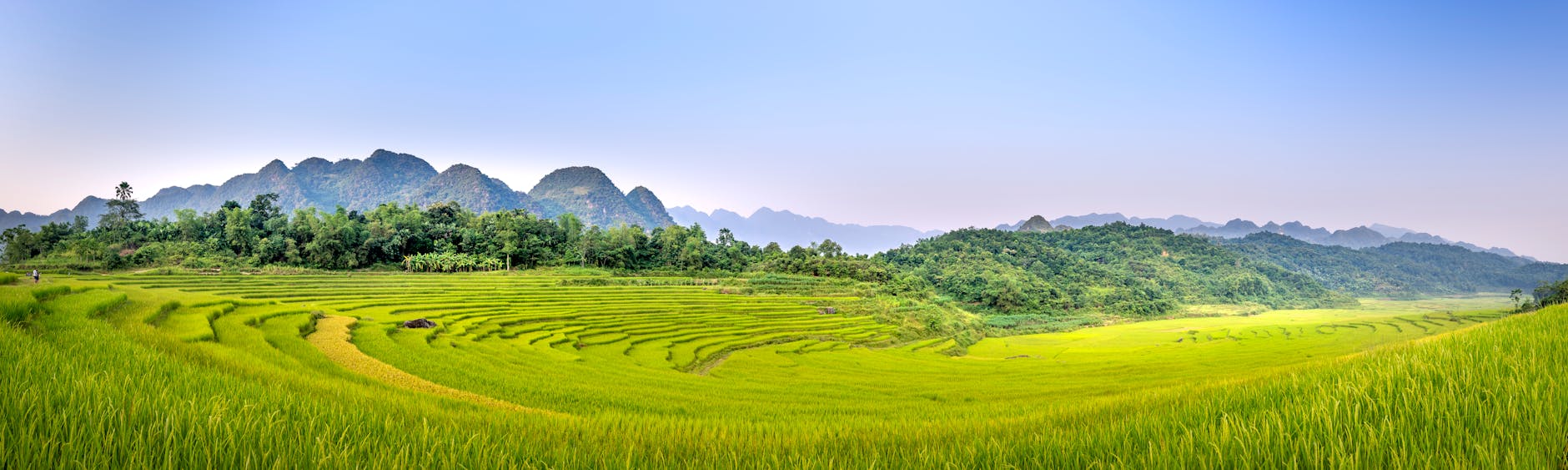
Mai Chau is not Sapa. The scenery is gentler. Rolling green hills surround a flat valley floor. Rice paddies stretch between villages. The scale is intimate, not dramatic. Infrastructure is basic but improving. Roads are paved. Tourist facilities exist without overwhelming the landscape.
Is Mai Chau worth visiting? An honest assessment
The question deserves a straight answer. Here is how Mai Chau compares to the alternatives.
| Destination | Travel from Hanoi | Scenery type | Crowd level | Cost per day | Best for |
|---|---|---|---|---|---|
| Mai Chau | 3-4 hours | Green valley, rice paddies | Moderate | 800K-1.5M VND | Cyclists, families, short trips |
| Sapa | 6-7 hours | Dramatic mountains, terraced fields | High | 1M-2M VND | Trekkers, photographers |
| Pu Luong | 4-5 hours | Remote valleys, jungle | Low | 700K-1.2M VND | Hikers, nature lovers |
| Ninh Binh | 2 hours | Karst peaks, rivers | Very high | 800K-1.5M VND | Boat rides, day trippers |
Mai Chau wins for travelers with limited time who want a relaxed countryside escape. It loses for those seeking dramatic mountain treks or complete solitude.
Who should visit: families with children, cyclists, travelers on a 3-5 day Northern Vietnam trip, anyone who finds Sapa too commercialized.
Who should skip: serious trekkers, photographers chasing iconic mountain shots, travelers with only one day to spare from Hanoi.
Best time to visit Mai Chau for your itinerary
Rice season calendar
The valley has two rice cycles. The first planting runs from January to May, with green fields peaking in May-June. The second planting runs June to September, with the golden harvest in late September to early October.
November through April shows harvested fields with brown earth. The mountains stay green year-round, but the paddies themselves look bare.
Weather by month
| Month | Temp range | Rainfall | Rice fields | Crowds | Rating |
|---|---|---|---|---|---|
| Jan | 12-20°C | Low | Harvested | Low | Fair |
| Feb | 14-22°C | Low | Harvested | Low | Fair |
| Mar | 17-25°C | Low | Ploughed | Low | Good |
| Apr | 20-28°C | Moderate | Young green | Moderate | Good |
| May | 23-30°C | High | Lush green | Moderate | Very good |
| Jun | 24-31°C | High | Green | Moderate | Good |
| Jul | 24-31°C | Very high | Green | Low | Fair |
| Aug | 24-30°C | Very high | Green to yellow | Low | Fair |
| Sep | 22-28°C | Moderate | Golden | High | Excellent |
| Oct | 19-26°C | Low | Harvested | High | Very good |
| Nov | 16-23°C | Low | Harvested | Moderate | Good |
| Dec | 13-20°C | Low | Harvested | Low | Fair |
Festival timing
The White Thai celebrate Xen Ban in February or March. This is a ceremony to welcome the new year with offerings, dancing, and rice wine. The Hmong hold Gau Tao in January or February, a spring festival with traditional games.
Weekend markets run year-round. The Pac Co Sunday market is the most famous. It starts at dawn and winds down by noon.
First-time visitors should aim for September-October. Photographers should target late September for golden rice. Budget travelers get the best deals November-March when crowds thin.
How many days do you need in Mai Chau?
1 day / overnight
A day trip is technically possible. You will spend 6-8 hours driving for only 4-5 hours in the valley. Enough for a quick bike ride and lunch. You will miss the sunset, the morning market, and any meaningful interaction with locals.
Pro tip: If you only have one day, skip Mai Chau entirely. Visit Ninh Binh instead. It is closer and offers more to see in a compressed timeframe.
2 days / 1 night
This is the sweet spot for most travelers. You arrive by early afternoon, cycle the valley, visit villages, eat dinner with a local family, and wake up for the morning market before heading back. The sample itinerary below covers this exactly.
3 days / 2 nights
Ideal for hikers and culture seekers. You have time to climb Chieu Cave, visit Mo Luong Cave, explore the Hang Kia-Pa Co area for cloud hunting, and take a cooking class. The extra day removes all pressure.
4+ days
Combine Mai Chau with Pu Luong. The two areas are only 1.5 hours apart. Spend 2 nights in Mai Chau for the valley experience, then 2 nights in Pu Luong for trekking and waterfalls. This is the best option for travelers who want both accessibility and adventure.
How to get to Mai Chau from Hanoi
By minibus / shuttle
Most common option. Hotels and travel agencies in Hanoi's Old Quarter offer shared minibuses for 200,000-350,000 VND ($8-14) per person. They leave around 7:00-8:00 AM and take 3.5-4 hours. The vans are cramped but reliable.
By private car
Costs 1,500,000-2,500,000 VND ($62-104) for a one-way trip. More comfortable and flexible. You can stop at Thung Khe Pass for photos. Book through your hotel or a reputable car service.
By motorbike
The route follows Highway 6 through Hoa Binh city. The drive takes 3-4 hours. Thung Khe Pass has steep switchbacks and frequent fog. Truck traffic is heavy.
Warning: Do not attempt this drive without significant motorbike experience. Accidents on this route are common. Read renting a motorbike in Vietnam: the legal truth nobody tells tourists before deciding.
By public bus
Buses leave from My Dinh bus station in Hanoi. The cost is 100,000-150,000 VND ($4-6). The bus drops you at the Mai Chau bus station, which is 2km from the main village area. You will need to arrange a taxi or motorbike taxi from there.
By tour
Day tours from Hanoi cost 800,000-1,500,000 VND ($33-62). They include transport, lunch, and a guide. The problem is the rushed schedule. Most tours spend 2 hours cycling and 1 hour eating before heading back. You see very little.
Pro tip: If you book a tour, choose a 2-day option. The day tours leave no time for genuine exploration.
Where to stay in Mai Chau: Homestays vs. eco-resorts
| Type | Price range | Authenticity | Comfort | Meals included | Best for |
|---|---|---|---|---|---|
| Homestay in Lac Village | 150K-400K VND/night | High | Basic | Yes, dinner + breakfast | Budget travelers, culture seekers |
| Homestay in Pom Coong | 200K-500K VND/night | High | Basic | Yes | Quieter experience |
| Mai Chau Ecolodge | 1.5M-3M VND/night | Low | High | Breakfast only | Comfort-focused travelers |
| Other eco-resorts | 1M-2.5M VND/night | Medium | High | Varies | Couples, families |
Homestays in Lac Village and Pom Coong
You sleep on a mattress on the floor of a stilt house. Bathrooms are shared. Meals are eaten with the family. The food is home-cooked and generous.
Lac Village is the main tourist hub. It has more homestays, more souvenir stalls, and more noise. Pom Coong is quieter. The experience is similar but with fewer crowds.
Eco-resorts
Mai Chau Ecolodge sits on a hillside overlooking the valley. Rooms have private bathrooms, air conditioning, and Western beds. The pool is a welcome feature in summer. You trade authenticity for comfort.
How to book directly
Call or message homestays on Facebook or WhatsApp. Prices are 20-30% cheaper than booking platforms. Most homestay owners speak basic English. Use Google Translate for detailed requests.
What "authentic" really means
An authentic homestay means sleeping on a thin mattress, using a squat toilet, and eating whatever the family cooks. It does not mean untouched culture. The White Thai have been hosting tourists for decades. They have adapted. The weaving demonstrations and rice wine tastings are genuine but performed.
The perfect 2-day Mai Chau itinerary (step by step)
Day 1: Arrival, cycling the valley, village visits
8:00 AM: Depart Hanoi by minibus or private car.
11:30 AM: Arrive in Mai Chau. Check into your homestay. Drop bags.
12:00 PM: Lunch at the homestay or a local restaurant. Try grilled buffalo meat and lam rice (rice cooked in bamboo tubes).
1:30 PM: Rent a bicycle from your homestay (50,000-100,000 VND). Start cycling south through Lac Village toward Pom Coong. The route is flat. The distance between villages is 3km.
2:30 PM: Reach Pom Coong. Park your bike. Walk through the village. Watch weavers at work. Say hello to children playing in the yards.
3:30 PM: Cycle east toward the rice paddies. Follow the dirt paths between fields. The views open up toward the surrounding mountains.
4:30 PM: Return to Lac Village. Visit the small market for snacks or drinks.
5:30 PM: Shower and rest.
7:00 PM: Dinner at the homestay. Expect 5-7 dishes shared family-style. Rice wine will be offered. Accept a glass. It is rude to refuse.
8:30 PM: Evening entertainment. Some homestays organize traditional dance performances. Others leave you to relax on the porch.
Day 2: Morning market, cave exploration, departure
6:00 AM: Wake up early. Walk to the Mai Chau morning market. It runs 5:00-8:00 AM. Locals sell vegetables, meat, and household goods. Few tourists come this early.
7:00 AM: Breakfast at the homestay. Usually pho or sticky rice with eggs.
8:00 AM: Check out. Leave bags at the homestay.
8:30 AM: Drive or cycle to Chieu Cave. The entrance is 5km from Lac Village. The climb has 1,000+ stone steps. It takes 30-45 minutes. The view from the top is worth the effort.
10:00 AM: Descend from Chieu Cave. Visit Mo Luong Cave if you have time. It is 2km further and less steep.
11:30 AM: Return to the homestay. Pick up bags.
12:00 PM: Lunch.
1:00 PM: Depart for Hanoi.
Bad weather backup plan: If it rains heavily, skip the cycling. Hire a car or motorbike taxi to visit the caves. The morning market is under cover. Most homestays have indoor common areas for relaxing.
What to do in Mai Chau (beyond the basics)
Cycling the valley
The best route is the 15km loop through Lac Village, Pom Coong, and the eastern rice paddies. The road is paved between villages but turns to dirt through the fields. Bikes are basic single-speed models. Check the brakes and tires before riding.
Hiking
Chieu Cave requires climbing 1,000+ steps. The reward is a panoramic view of the entire valley. Na Meo offers terraced rice fields and fewer tourists. The flag tower on the hill above Lac Village is a short 20-minute climb.
Caves
Mo Luong Cave is 1km long with stalactites and a stream running through it. Chieu Cave is smaller but has the better view. Lang Cave is undeveloped and requires a guide. Bring a torch for all caves.
Waterfalls
Go Lao Waterfall is 15km from Mai Chau. The water is deep enough for swimming in summer. Tat Nang Waterfall requires a 3km hike through jungle. Both are best visited May-October when water flow is strong.
Cloud hunting in Hang Kia-Pa Co
This area sits at 1,000 meters altitude. In winter months (November-February), clouds fill the valleys below. The viewpoint is 25km from Lac Village. You need a motorbike or private car. Leave by 5:00 AM to catch the sunrise.
Local markets
The Pac Co Sunday market is the main attraction. It starts at 6:00 AM. Hmong and Thai villagers sell traditional clothing, tools, and food. The Mai Chau morning market runs daily but is smaller.
Cultural experiences
Weaving demonstrations happen at most homestays. Cooking classes cost 150,000-300,000 VND ($6-12) and teach 3-4 dishes. Rice wine tasting is included with dinner at most homestays.
Rock climbing and adventure activities
A few operators offer rock climbing on the limestone cliffs near Lac Village. Ziplining and kayaking are available at nearby reservoirs. These activities are seasonal and weather-dependent.
What to eat in Mai Chau
Must-try dishes
| Dish | Vietnamese name | Description |
|---|---|---|
| Grilled buffalo meat | Thit trau nuong | Marinated buffalo grilled over charcoal |
| Lam rice | Com lam | Sticky rice cooked in bamboo tubes |
| Bamboo shoot salad | Nom mang | Sour and spicy salad with bamboo shoots |
| River fish | Ca suoi | Small river fish, fried whole |
| Sticky rice | Xoi | Purple or white sticky rice, often with toppings |
Where to eat
Homestay meals are the best option. You get home-cooked food and generous portions. Restaurants in Lac Village serve similar dishes but cost more. Market stalls offer cheap snacks like grilled corn and boiled eggs.
Dietary restrictions
Vegetarian options are limited. Most dishes use fish sauce or meat broth. Vegan travelers should contact homestays in advance. Some will prepare separate meals. Others will not understand the request.
Pro tip: Learn the phrase "Toi an chay" (I eat vegetarian). Repeat it clearly. Many locals assume vegetarian means no pork but still includes chicken or fish.
Mai Chau vs. Pu Luong: Which should you visit?
Scenery differences
Mai Chau is a flat valley with gentle hills. Pu Luong is a rugged mountain range with deep valleys and terraced rice fields. Pu Luong wins for dramatic views.
Crowds and development
Mai Chau has more tourists and better infrastructure. Pu Luong is quieter and more remote. Mai Chau feels like a tourist destination. Pu Luong feels like a discovery.
Activities available
Both offer cycling and trekking. Pu Luong has longer, more challenging treks. Mai Chau has easier cycling routes. Pu Luong has better waterfalls. Mai Chau has more cultural demonstrations.
How to combine both in one trip
Spend 2 nights in Mai Chau, then drive 1.5 hours to Pu Luong for 2 nights. This is the best Northern Vietnam itinerary for travelers who want variety without rushing. Read the full guide on Mai Chau and Pu Luong: Northern Vietnam's quieter alternative to Sapa.
Practical tips for a smooth trip
Cash situation
ATMs are limited. There is one at the Mai Chau post office and one at the bank near the bus station. Both run out of cash on weekends. Bring enough VND from Hanoi. Most homestays and small restaurants do not accept cards.
Language barriers
English is not widely spoken. Homestay owners know basic phrases. Restaurant menus have pictures. Download Google Translate offline before you go. Learn a few Vietnamese words: "xin chao" (hello), "cam on" (thank you), "bao nhieu" (how much).
What to pack
Insect repellent is essential. Mosquitoes are active year-round. Dengue fever is present in the region. Read mosquitoes, dengue and malaria in Vietnam: the realistic risk map for travelers for details.
Pack layers. Mornings and evenings are cool even in summer. A light jacket or sweater is useful year-round. A torch or headlamp helps for nighttime walks in the village.
Photography etiquette
Ask before photographing people. A smile and a gesture work when words fail. Do not photograph children without a parent's permission. Some ethnic minorities believe cameras capture their soul. Respect that.
Health and safety
Road conditions on Highway 6 are poor. Accidents happen. Wear a helmet if riding a motorbike. Food hygiene at homestays is generally good. Street food at markets carries higher risk. Stick to cooked foods and peeled fruits.
Altitude sickness is not a concern at 400-600 meters. Sunburn is. The valley sun is stronger than it feels.
Responsible tourism
Mai Chau has changed significantly in the last decade. Lac Village now has electricity, paved roads, and Wi-Fi. Tourism has brought money and development. It has also brought noise and plastic waste.
Do not give money to children who approach you. It encourages begging. Buy from adults instead. Support homestays that employ local staff. Avoid tours that promise "authentic" experiences but deliver staged performances.
Honest verdict: Is Mai Chau worth it?
Yes, for most travelers. Mai Chau delivers a genuine countryside experience without the hassle of long travel days. The cycling is easy. The food is good. The people are welcoming.
No, for travelers who want dramatic mountain scenery or complete solitude. Sapa and Pu Luong serve those needs better.
The ideal candidate for Mai Chau is a traveler with 2-3 days who wants to escape Hanoi, cycle through green fields, eat home-cooked meals, and sleep in a stilt house. If that sounds like you, go.
If you have 4+ days, combine Mai Chau with Pu Luong. You get the best of both worlds: accessibility and adventure, culture and nature, comfort and challenge.
For a deeper dive into specific activities, read what to do in Mai Chau: the complete 2026 travel guide. For the honest verdict on whether the trip is worth your time, read is Mai Chau worth visiting? An honest guide for 2026.
FAQ
Q: How many days do you need in Mai Chau? A: 2 days and 1 night is the sweet spot for most travelers. A day trip is possible but rushed. You will spend 6-8 hours driving for only 4-5 hours in the valley. For hikers or those wanting to combine with Pu Luong, 3-4 days is ideal.
Q: Is Mai Chau worth visiting compared to Sapa? A: It depends on your priorities. Mai Chau is closer to Hanoi (3-4 hours vs. 6+ hours), less crowded, and better for cycling. Sapa offers more dramatic mountain scenery and trekking. Mai Chau is worth visiting if you have limited time or want a relaxed countryside escape rather than a strenuous trek.
Q: What is the best time to visit Mai Chau for rice fields? A: For green rice paddies, visit May-June or September-October. For golden harvest season, late September to early October is best. November-April shows harvested fields with brown earth. The valley is green year-round from the surrounding mountains, but the paddies themselves are only lush during growing season.
Q: Can you do Mai Chau as a day trip from Hanoi? A: Technically yes, but it is not recommended. The drive is 3-4 hours each way on winding mountain roads. You will have only 4-5 hours in the valley. Enough for a quick bike ride and lunch, but you will miss the sunset, morning market, and any meaningful cultural interaction.
Q: What is there to do in Mai Chau besides cycling? A: Hiking to Chieu Cave (1,000+ steps with valley views), visiting Mo Luong Cave, swimming at Go Lao Waterfall, exploring Pac Co Sunday market, cloud hunting in Hang Kia-Pa Co, learning traditional weaving, and trying local dishes like lam rice and grilled buffalo meat.
Q: Is Mai Chau safe for solo female travelers? A: Yes, Mai Chau is generally safe. The valley is small and the local community is welcoming. However, the road from Hanoi involves mountain passes that can be dangerous, especially in rain or fog. Solo travelers should book transport through reputable companies and avoid driving a motorbike on Thung Khe Pass without experience.
Q: Should I visit Mai Chau or Pu Luong? A: Mai Chau is more developed and accessible, with better infrastructure for casual travelers. Pu Luong is more remote and rugged, with better trekking and fewer tourists. If you have 3+ days, you can combine both. They are only 1.5 hours apart.
Q: What is the biggest mistake tourists make in Mai Chau? A: Expecting the same dramatic mountain scenery as Sapa. Mai Chau is a valley. The views are beautiful but gentler. Another common mistake is not bringing enough cash. ATMs are scarce. Also, booking a day trip that leaves no time to explore the villages beyond the main tourist path.