Mistake #1: Expecting Clear Views Every Day
The Reality of Cloud and Fog
Sapa sits at 1,600 meters. During the rainy season (June–August peak, with May and September as shoulders), cloud cover is common until mid-morning or even all day. Fansipan peak visibility in August? About 60% of days have some cloud at the summit. This isn't a mistake you can completely avoid, but you can plan around it.
How to Adjust Your Schedule
- Check two forecasts: Use Windy.com for cloud cover predictions and AccuWeather for hourly precipitation. Look for days with “partly cloudy” as opposed to “heavy rain.”
- Prioritize morning activities: Rain typically starts in the late afternoon. Start treks by 7:00 AM to get miles in before the heaviest showers.
- Flex your itinerary: If your first day is clear, do Fansipan or the Muong Hoa Valley trek. If it's overcast, save the more sheltered Cat Cat Village visit.
Pro Tip: Even if it’s foggy at 1,600m, the valleys below (like Ta Van) can be clear and stunning. Don't assume the weather is the same everywhere.
Mistake #2: Wearing the Wrong Footwear
Why Hiking Sandals and Sneakers Fail
The trails turn into mud—slippery, deep, red mud that will destroy white sneakers and make plastic sandals dangerous. Leather boots with good tread (e.g., Merrell Moab or Salomon X Ultra) are ideal. But if you don't have those, decent trail runners with aggressive lugs will work. Just expect them to be permanently stained.
What to Actually Pack for Sapa's Mud
| Footwear Type | Best For | Why It Works | Cost Range (US$) |
|---|---|---|---|
| Leather hiking boots (waterproof) | Multi-day treks | Support + grip + mud shedding | $100–200 (2.5–5 million VND) |
| Trail runners (non-Gore-Tex) | Day hikes + warm weather | Dry fast, good grip | $80–120 (2–3 million VND) |
| Rubber boots (Wellington) | Village visits, heavy rain | Cheap, mud-proof, easy to clean | $15–25 (375k–625k VND) |
| Flip-flops / sandals | Only for evenings in town | Useless on trails | Don't wear them hiking |
Where to buy in Sapa: The market near the church sells rubber boots for around $12 (300,000 VND) . A bargain if you forgot yours.
Mistake #3: Booking a "Hard" Trek Without Understanding the Season
The Difference Between Wet-Season and Dry-Season Treks
Many itineraries sold online are copy-pasted regardless of month. In the dry season (October–April), the 10 km Muong Hoa Valley loop is moderate. In June, with rains swelling streams and mud making descents treacherous, it becomes a genuinely strenuous day. The rice terraces are slippery. The wooden bridges across creeks may be slick or washed out.
Recommended Treks by Rain Level
- Light rain (May, September): Muong Hoa Valley (full day, 10 km from Cat Cat to Ta Van) – still good, but use poles.
- Heavy rain (July–August): Ta Van–Giay Ta–Lao Chai (half-day, 5 km) – lower elevation, less exposed, and the path is mostly stone or steps. Also consider the Sin Chai trek (shorter, with waterfall views).
- Avoid: Fansipan trekking (the full 2–3 day climb) is dangerous in heavy rain due to lightning and slick rocks. The cable car is fine. Multi-day homestay treks through Ban Ho or Thanh Phu if you're not experienced with wet-weather navigation.
Warning: Do not attempt the full Fansipan summit trek alone in the rainy season. Several rescues happen each year. Take the cable car or join a guided group with proper gear.
Mistake #4: Underestimating the Cold and Rain Gear Needs
What "Warm" Actually Means at 1,600 Meters
Sapa in June averages 20–25°C (68–77°F) during the day, but with rain and wind, the feels like temperature can drop to 15°C (59°F) or lower. I've seen tourists shivering in tank tops and shorts because they thought "tropical country." Sapa is not the beach.
The Perfect Wet-Season Layering System
- Base layer: Merino wool or synthetic (not cotton) – cotton stays wet and cold.
- Mid layer: Fleece or light down jacket (e.g., Uniqlo Ultra Light Down).
- Outer layer: A proper waterproof rain jacket (not a poncho, unless you don't mind getting soaked from wind-driven rain). Gore-Tex is ideal but a good $30 (750,000 VND) jacket from Decathlon works.
- Pants: Quick-dry hiking pants or leggings. Do not wear jeans – they absorb water and weigh three times as much.
- Head & hands: A baseball cap under your hood keeps rain off your face. A pair of lightweight gloves (fleece or merino) for early mornings.
Where to buy in Sapa: The market also sells cheap ponchos for $1 (25,000 VND) , which work for short walks but not for a full day trek.
Mistake #5: Ignoring the Budget Reality — It's Cheaper, But Not Free
What Things Actually Cost in Sapa's Rainy Season
Hotels and homestays drop prices by 20–40% compared to October–November peak season. But don't expect rock-bottom prices if you're booking last minute in August (domestic tourists from Hanoi also come).
| Item | Low Season (May–Sep) | Peak Season (Oct–Nov) | Notes |
|---|---|---|---|
| 3-star hotel (e.g., Sapa Horizon) | $25–40/night (625k–1m VND) | $40–60/night (1m–1.5m VND) | Includes breakfast |
| Homestay (e.g., Eco Sapa Homestay) | $10–15/night (250k–375k VND) | $15–25/night (375k–625k VND) | Family meal often extra ($5) |
| Local bus Hanoi→Sapa | $10–12 (250k–300k VND) | $12–15 (300k–375k VND) | Overnight sleeper |
| Fansipan cable car | $35 (875,000 VND) | $35 (875,000 VND) | Price fixed year-round |
| Guide for day trek | $20–30 (500k–750k VND) | $25–40 (625k–1m VND) | Haggling possible |
Hidden cost: If your trek gets rained out, you may still need to pay for a guide if you didn't agree on a weather clause. Get it in writing.
Mistake #6: Not Adapting Your Itinerary for Rainy Day Activities
What to Do When the Sky Opens
If you get a full day of downpour—it happens—don't just sit in your hotel. Sapa has indoor and semi-indoor options that are worth it:
- Sapa Museum (near the church) – free entry, excellent exhibits on local hill tribes and the history of the region. Plan 45 minutes.
- Sapa Stone Church – the interior is beautiful during a storm; attend a Sunday mass if you're lucky.
- Social activities: Take a cooking class (about $20/500k VND) at Sapa O'Chau – a social enterprise that trains local youth. You'll learn to make thang co or pho chua.
- Coffee crawl: The Sapa Center area has multiple rainy-day cafes with mountain views that get moodier in mist. Try Cafe in the Clouds or Sapa Clay House.
- Fansipan cable car: Even in rain, the ride is impressive. At the top, it's usually cloudy, but you can explore the pagoda complex. It's atmospheric.
Insider Tip: The Bac Ha Market (Sunday only) is a 2-hour bus ride from Sapa. If your Sunday is rainy, go anyway—the market moves indoors under large tents, and it's one of the most authentic experiences in northern Vietnam.
Mistake #7: Letting Rain Ruin Your Photography
How to Shoot Sapa in the Wet Season
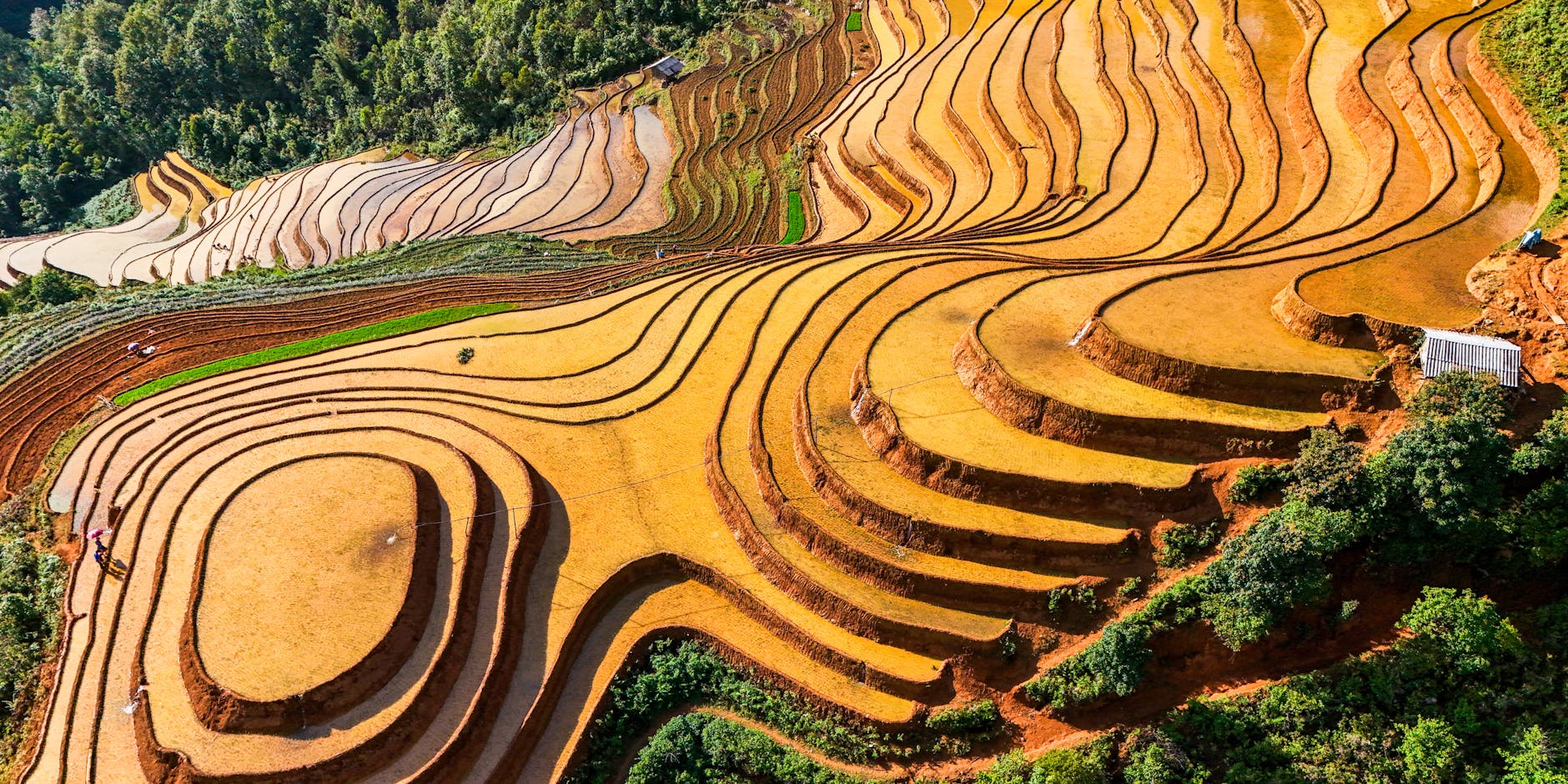
This is the one time you can actually get better photos than in dry season. Mist, fog, and rain create mood. The rice terraces are vibrant green. The clouds wrap around the mountains like a blanket.
- Gear: Bring a waterproof camera bag (a simple rain cover works) or a cheap plastic bag with a hole for the lens. Keep silica gel packets in your bag.
- Best light: Right after a storm—the air clears, the sun breaks through, and the reflections off wet rice terraces are spectacular.
- Subject: Capture local farmers working in the rain. They wear conical hats and plastic ponchos, and they keep working regardless. It tells a real story.
- Avoid: Shooting during heavy rain without a waterproof housing for your phone or camera. iPhones are water-resistant, but not designed for a monsoon.
Common Mistakes — Quick Summary
✅ Too high expectations for clear weather — plan for clouds, celebrate sun ✅ Wrong shoes — wear boots or rubber boots, not sneakers or sandals ✅ Overambitious treks — choose shorter, lower routes in heavy rain ✅ Inadequate clothing — layers + waterproof jacket, no jeans or cottons ✅ Not budgeting for seasonal prices — hotels are cheap, but guides and cable cars are not ✅ No rainy-day backup plan — have indoor activities saved ✅ Missed photo opportunities — embrace the fog, protect your gear
FAQ
Is Sapa worth visiting in rainy season? Yes. The landscapes are greener, crowds smaller, and prices lower. Just be prepared for mud and wet weather.
What is the rainiest month in Sapa? August typically has the highest rainfall, followed by July and June. May and September are transitional months with lighter rain.
Can you trek to Fansipan in the rain? You can take the cable car in any weather. The full summit trek is not recommended in heavy rain (risk of lightning, slipping, and hypothermia).
What shoes should I wear in Sapa in June? Waterproof hiking boots or sturdy trail runners. Rubber boots from the local market are a cheap and effective alternative.
Are homestays comfortable in Sapa's rainy season? Most are basic but functional—expect thin walls and potential leaks. Choose a homestay with a covered common area. Sapa O'Chau's homestay in Ta Van is well-rated for comfort.
Does it rain all day in Sapa in July? Usually not. Heavy showers come in the afternoon. Mornings can be clear or misty but still good for trekking.
Is it cold in Sapa in summer? Temperatures range 20–25°C, but wind and rain can make it feel 10–15°C. Pack a fleece and waterproof jacket.
What should I pack for a 3-day trip to Sapa in rainy season? Two pairs of quick-dry pants, merino/synthetic tops, waterproof jacket, fleece, hat, sunscreen (UV is strong at altitude), insect repellent, and a dry bag for electronics.