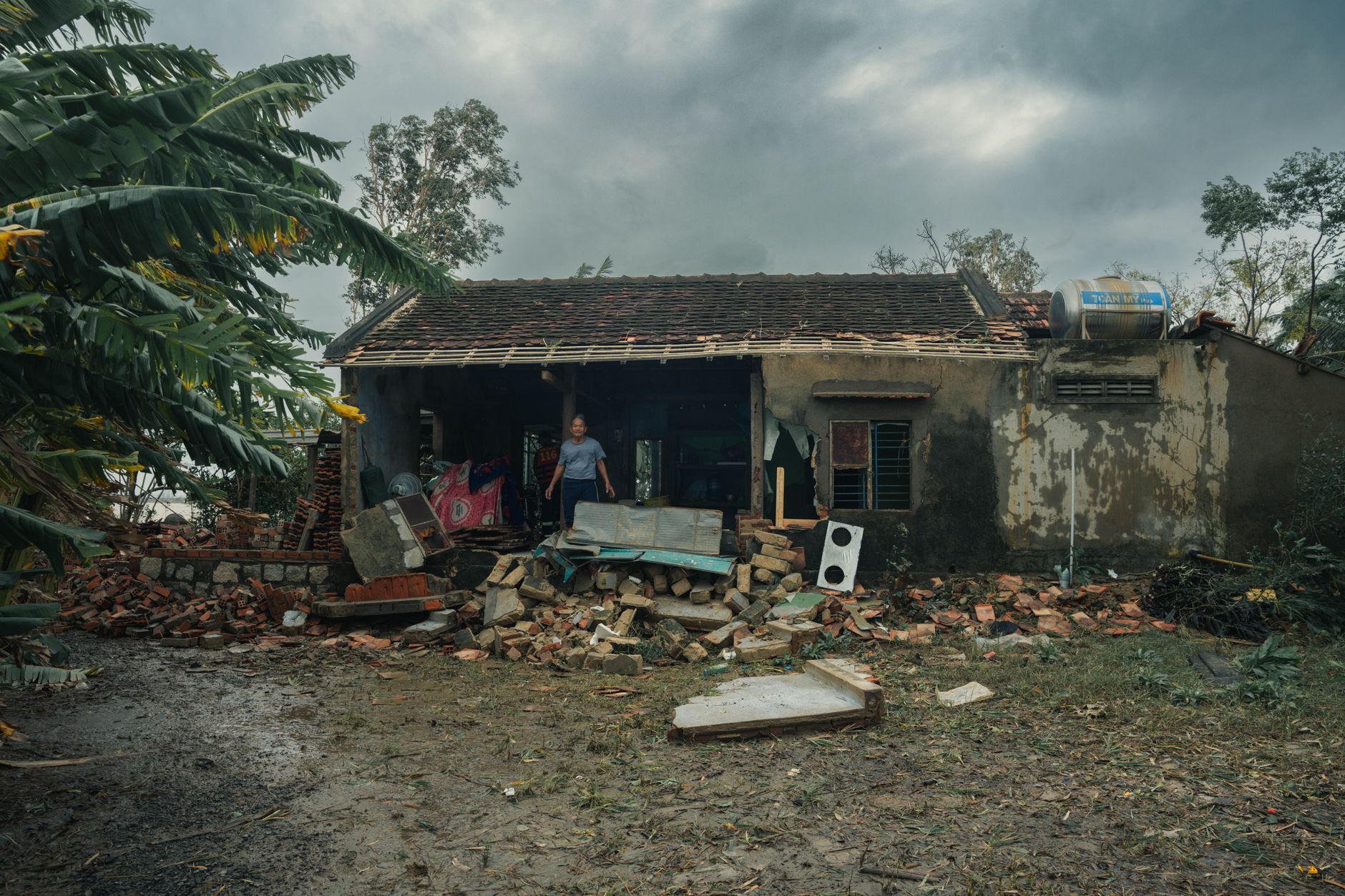
The honest answer is more nuanced than any travel forum will tell you. Vietnam spans over 1,600 kilometers from north to south. A typhoon slamming into Da Nang means nothing for Ho Chi Minh City. The storm that cancels Ha Long Bay cruises in August leaves Phu Quoc untouched.
This guide breaks down exactly what happens during typhoon season, which regions are affected when, and how to plan a safe trip regardless of the forecast. No sugarcoating. No alarmism. Just the facts you need to make an informed decision.
Understanding Vietnam's typhoon season: when and where storms hit
Vietnam sits in the path of the Northwest Pacific typhoon belt, one of the most active storm regions on Earth. But the country's elongated shape means storms rarely affect the entire territory at once.
The three climate zones and their storm windows
Northern Vietnam (Hanoi, Ha Long Bay, Sapa, Ninh Binh)
Typhoon risk peaks from July to September. Storms that hit the north typically form in the South China Sea and curve toward the Gulf of Tonkin. By October, the risk drops sharply as weather patterns shift.
Ha Long Bay is the most affected destination. Cruise operators cancel tours during storm warnings, not because the bay becomes dangerous, but because wind and waves make cruising unsafe. Sapa faces landslide risks during heavy rain. Hanoi rarely experiences direct typhoon damage, but street flooding is common after intense downpours.
Central Vietnam (Da Nang, Hoi An, Hue, Nha Trang)
This region faces the highest typhoon risk in the country, concentrated from September to November. October and November are historically the most active months.
The central coast is a typhoon magnet. Warm ocean waters and geographic features funnel storms directly into Da Nang, Hoi An, and Hue. Typhoon Damrey in 2017 and Typhoon Molave in 2020 both hit in October and November, causing significant damage and flooding.
Southern Vietnam (Ho Chi Minh City, Mekong Delta, Phu Quoc, Con Dao)
Typhoon risk in the south is very low. Most storms weaken significantly before reaching this latitude, or they track northward before making landfall.
The real weather issue in the south during June to November is the monsoon season. Heavy afternoon downpours are normal. Street flooding in Ho Chi Minh City happens regularly but drains within hours. Direct typhoon hits are extremely rare.
Historical data on typhoon frequency and strength
According to the Vietnam National Center for Hydro-Meteorological Forecasting, an average of 5 to 6 typhoons make landfall or directly affect Vietnam each year. Typical wind speeds at landfall range from 90 to 150 kilometers per hour, equivalent to a Category 1 or 2 hurricane.
Most storms weaken rapidly once they hit land and move inland. The mountainous terrain of central Vietnam breaks up storm systems quickly. The most destructive storms are those that stall over populated areas, dumping massive amounts of rain and causing flooding and landslides.
How climate change is shifting patterns
Storms are arriving earlier and later than traditional seasons. The typhoon window is expanding at both ends. Storm intensity is increasing, though not necessarily frequency. Rising sea levels compound storm surge risks in coastal areas like Da Nang and Hoi An.
For travelers, this means the old rules still apply as a general guide, but flexibility is more important than ever.
The real risks during typhoon season: separating fact from fear
Most travelers worry about the wrong things. Understanding what actually happens during a typhoon helps you make rational decisions.
Direct storm risks: what happens when a typhoon hits
Strong winds cause structural damage, downed power lines, and flying debris. Storm surge affects low-lying coastal areas. Inland flooding follows torrential rain. Landslides occur in mountainous regions like Sapa, Ha Giang, and the central highlands.
Airports and ports close for 12 to 48 hours before and after a storm. This is standard procedure, not a sign of crisis.
Indirect risks: the aftermath that affects travelers more
Flooded roads can make transportation impossible for days. Power outages last 24 to 72 hours in affected areas. Water sources become contaminated. Food supply chains get disrupted in remote areas. Tours get cancelled. National parks close. Attractions restrict access.
These are logistical problems, not safety emergencies. But they can derail a tightly planned itinerary.
The risk you do not hear about: being stranded, not being in danger
The most common issue travelers face during typhoon season is disruption, not danger. Overland travel between regions can be delayed for 2 to 5 days. Train services are more reliable than roads during storms. Hotels in major cities rarely sustain serious structural damage.
As one seasoned traveler on Reddit put it: "I spent three days in a Da Nang hotel during Typhoon Molave. Boring, not scary. The hotel staff brought food, the power came back after 36 hours, and I lost two days of my itinerary. That was the worst of it."
Month-by-month regional risk assessment
This is the most practical section of this guide. Use it to match your travel dates and destinations against actual risk levels.
| Month | Northern Vietnam | Central Vietnam | Southern Vietnam | Best alternative |
|---|---|---|---|---|
| June | Moderate risk | Low risk | Very low risk | Ho Chi Minh City, Mekong Delta |
| July | High risk | Low risk | Very low risk | Phu Quoc, Con Dao |
| August | High risk | Low to moderate | Very low risk | Southern Vietnam |
| September | Moderate to high | Moderate to high | Low risk | Ho Chi Minh City |
| October | Low risk | High risk | Moderate risk | Hanoi, Sapa |
| November | Very low risk | Very high risk | Moderate risk | Hanoi, northern Vietnam |
June to July: Northern Vietnam at highest risk
Hanoi and Ha Long Bay experience 1 to 2 storms typically. Heavy rain is manageable but cruise cancellations are common. Sapa and the northern mountains face landslide risks. Treks may be cancelled.
Central and southern Vietnam remain generally safe. The best bets during these months are Ho Chi Minh City, the Mekong Delta, Phu Quoc, and Con Dao.
August to September: Peak season for the north, storms begin in central
Ha Long Bay cruises are frequently cancelled or rerouted. Da Nang and Hoi An see increasing rain. The first storms of the central season arrive in late September.
Nha Trang remains relatively safe but should monitor forecasts. Southern Vietnam offers the best conditions during these months.
October: The danger shifts to central Vietnam
Da Nang, Hoi An, and Hue face the highest typhoon risk of the year. Historical storms like Typhoon Damrey (2017) and Typhoon Molave (2020) both hit in October and November.
Northern Vietnam sees rapidly improving weather. This is an excellent time to visit Hanoi. Southern Vietnam experiences heavy rain season but low typhoon risk.
November: Central Vietnam at peak, south getting wetter
The central coast faces the most active month historically. Plan with extreme caution if traveling to Da Nang, Hoi An, or Hue. Hoi An experiences annual flooding events. The Old City can be submerged under waist-deep water.
Ho Chi Minh City sees heavy afternoon rains but is rarely storm-impacted. Phu Quoc and the southern islands remain viable options but check forecasts before booking.
What to do if a typhoon hits during your trip
Most articles stop at telling you a typhoon might happen. This one tells you exactly what to do when it does.
Before the storm: how to prepare when a warning is issued
Monitor official sources. The Vietnam Meteorological Agency provides English updates. Zoom Earth and Windy.com offer real-time satellite imagery and storm tracking.
Download offline maps and save important phone numbers. Stock up on bottled water, snacks, and cash. ATMs may go down during power outages. Charge all devices and power banks fully.
Confirm your hotel's emergency procedures and backup power capabilities. Contact your airline or tour operator proactively. Do not wait for them to contact you.
During the storm: staying safe indoors
Stay inside and away from windows and glass doors. Do not attempt to drive or walk through flood waters. Six inches of moving water can knock you off your feet. One foot of water can sweep a car away.
Follow hotel staff instructions. They have local knowledge and experience with storms. Keep travel documents in a waterproof bag. Monitor local news using Google Translate for Vietnamese sources.
After the storm: navigating the aftermath
Check for transportation updates. Airports typically reopen within 24 to 48 hours. Train services resume faster than roads or flights. The Reunification Express between Hanoi and Ho Chi Minh City continues in most conditions.
Flood water may be contaminated with sewage. Avoid contact. Be patient with recovery efforts. Local infrastructure may be damaged. Contact your embassy if you need assistance or evacuation.
Pro tip: The most reliable transport during storm season is the train. The North-South Reunification Express runs on tracks less affected by flooding than roads. Book a soft sleeper cabin and treat the delay as part of the adventure.
Regional safety during typhoon season: where to go and when
Northern Vietnam (Hanoi, Ha Long Bay, Sapa, Ninh Binh)
Safest months: October to April. Riskiest months: July to September.
Ha Long Bay cruises are the most affected activity. Storms mean cancellations, not danger. The bay itself is safe, but tour operators will not operate in high winds. Sapa treks may be cancelled due to landslide risk. Hanoi rarely experiences direct typhoon damage, but heavy rain causes street flooding.
For a detailed look at how weather affects specific destinations, read our Vietnam Weather by Month: The Best Time to Visit Each Region guide.
Central Vietnam (Da Nang, Hoi An, Hue, Nha Trang, Quy Nhon)
Safest months: January to August. Riskiest months: September to November, especially October and November.
Hoi An floods annually. Check water levels before booking. Da Nang beaches close during storm warnings. Nha Trang has lower typhoon risk than further north but is still affected. The Hai Van Pass between Da Nang and Hue may close during storms.
For a deeper dive into what happens when a storm hits this region, see our dedicated guide on Typhoon Season in Central Vietnam: What Happens If One Hits Your Trip.
Southern Vietnam (Ho Chi Minh City, Mekong Delta, Phu Quoc, Con Dao)
Safest months: December to April (dry season). Rainy season runs May to November, but typhoon risk is very low.
Heavy afternoon downpours are normal and not dangerous. Mekong Delta flooding occurs but is slow-rising and predictable. Phu Quoc and Con Dao are rarely affected by direct typhoon hits.
Comparing typhoon risk to other travel risks in Vietnam
Putting storm risk in perspective helps you make rational decisions instead of fear-based ones.
Traffic accidents versus typhoons
Over 7,000 traffic deaths occur annually in Vietnam according to WHO data. Typhoon-related deaths average under 50 per year among locals. Deaths among tourists from typhoons are extremely rare.
The most dangerous thing most travelers do is ride a motorbike, not travel during storm season. For more on this topic, read our guide on Renting a Motorbike in Vietnam: The Legal Truth Nobody Tells Tourists.
Food poisoning versus storm disruption
Traveler's diarrhea affects 30 to 50 percent of visitors. Storm-related trip disruption affects perhaps 5 to 10 percent of visitors during peak season. Food safety is a higher probability risk than weather.
Petty theft versus storm damage
Bag snatching and pickpocketing are daily occurrences in tourist areas. Storm damage to personal property is extremely rare for travelers. You are statistically more likely to have your phone stolen than to be in a typhoon.
For a complete overview of safety concerns, see Is Vietnam Safe in 2026? An Honest Country-Wide Risk Assessment.
Essential gear and preparations for typhoon season travel
What to pack for storm season
A waterproof phone pouch or dry bag is essential. Quick-dry clothing and a lightweight rain jacket work better than umbrellas in wind. Waterproof shoes or sandals that can handle flooding are worth the investment.
A headlamp or flashlight is critical during power outages. Bring a power bank of at least 20,000 mAh. Keep physical copies of documents in a waterproof folder. A basic first aid kit with water purification tablets adds extra security.
Insurance considerations specific to storm season
Verify that your policy covers weather-related trip cancellation. Check for named storm clauses that may exclude coverage. Medical evacuation coverage is essential. Storms can damage local hospitals.
Trip interruption coverage is more important than cancellation coverage for storm season. Recommended minimum coverage is $100,000 for medical expenses and $200,000 for evacuation.
Booking strategies for storm season
Book refundable accommodation when possible. Build buffer days into your itinerary, at least 2 to 3 days per region. Avoid tight connections between regions during September to November.
Book morning flights when possible. Afternoon storms are more common. Consider travel insurance that covers cancel for any reason for peak storm months.
The truth about specific destinations during typhoon season
Is Ha Long Bay safe during typhoon season?
Cruises are cancelled, not dangerous. Operators are strict about safety. The bay itself can be visited, but junk boat tours will not operate in storms. The best time for reliable cruising conditions is October to April. From July to September, expect cancellations and plan alternative activities.
Is Hoi An safe in October and November?
The Old Town floods regularly, sometimes waist-deep. Flooding is predictable and monitored. Hotels will warn you. The risk is inconvenience, not danger. Many travelers love Hoi An in the rain for the fewer crowds and atmospheric streets. Check the Hoi An flood forecast before booking.
Is Ho Chi Minh City affected by typhoons?
Direct typhoon hits are extremely rare. Heavy rain causes street flooding that drains within hours. The city is the safest major destination during storm season. Mekong Delta tours may be affected by river flooding.
Are the islands (Phu Quoc, Con Dao, Cat Ba) safe?
Phu Quoc has very low typhoon risk. It is the best southern option during storm season. Con Dao is similar, remote but safe. Cat Ba is affected by the same weather as Ha Long Bay. Avoid it from July to September. Ferry services to islands are the first thing cancelled in storms.
For more on island travel, read our guide on Cat Ba Island: Your Unpolished Base for Ha Long Bay Without the Crowds.
Official warnings and where to get reliable information
Government travel advisories
The US State Department maintains a Level 1 advisory (Exercise Normal Precautions) year-round. The UK Foreign Office provides general safety guidance without specific typhoon warnings. The Canadian travel advisory mentions natural disasters but offers no specific storm warnings. Australian Smartraveller advises monitoring weather conditions.
Vietnamese official sources
The Vietnam National Center for Hydro-Meteorological Forecasting provides English updates at nchmf.gov.vn. The Vietnam Disaster Management Authority issues warnings. Local English-language news includes VNExpress International and Tuoi Tre News. Check airport status directly with airlines, not third-party sites.
Independent weather tracking tools
Windy.com offers the best visualization of storm tracks. Zoom Earth provides real-time satellite imagery. Tropical Tidbits offers detailed typhoon forecasting. Ventusky provides user-friendly weather maps.
When should you actually cancel your trip?
Reasons to consider postponing
You are traveling to central Vietnam in October or November specifically for beaches and water activities. You booked a Ha Long Bay cruise as the centerpiece of a trip during July to September. You are traveling with young children or elderly family members with mobility issues. You have a very tight itinerary with no flexibility for delays. You booked non-refundable, expensive tours in high-risk areas during peak storm months.
Reasons not to cancel
You are visiting Ho Chi Minh City or southern Vietnam during any month. You are traveling to northern Vietnam after September. You have a flexible itinerary with buffer days. You are primarily interested in cities, museums, and food rather than outdoor activities. You booked refundable accommodation and tours.
How to make the call: a practical decision framework
Check historical storm data for your specific dates and destinations. Monitor forecasts 7 to 10 days before departure. Long-range forecasting is reliable for typhoons. Have a backup plan with alternative destinations in case of storms. Consider splitting your trip to spend storm-prone time in southern Vietnam.
Frequently asked questions about typhoon safety in Vietnam
Q: Is it safe for US citizens to visit Vietnam during typhoon season?
Yes. The US State Department maintains a Level 1 advisory (Exercise Normal Precautions) year-round. Typhoon season does not change this rating. The primary risk is trip disruption, not personal danger, especially if traveling to southern Vietnam or avoiding central Vietnam during October and November.
Q: What months are typhoon season in Vietnam?
Typhoon season officially runs from June to November, but risk varies by region. Northern Vietnam is most affected from July to September. Central Vietnam faces highest risk from September to November, especially October and November. Southern Vietnam has very low typhoon risk throughout the year.
Q: Should I cancel my trip to Vietnam because of typhoon season?
Not necessarily. Cancellation depends on your destination, itinerary flexibility, and risk tolerance. Traveling to central Vietnam in October or November for beach activities is risky. Traveling to Ho Chi Minh City or northern Vietnam after September is generally fine. The key is having flexible bookings and a backup plan.
Q: What happens if a typhoon hits while I am in Vietnam?
Hotels will instruct guests to stay indoors away from windows. Power and internet outages may occur for 24 to 72 hours. Airports typically close 12 to 24 hours before landfall and reopen within 24 to 48 hours after. Follow hotel staff instructions, stock water and cash, and wait for official updates before attempting to travel.
Q: Is Ha Long Bay safe during typhoon season?
The bay itself is safe, but cruise operators cancel tours during storm warnings. July to September sees frequent cancellations. The risk is missing out on the cruise experience, not personal danger. October is a transition month with improving conditions. November through April offers the most reliable cruising weather.
Q: Is it cheaper to travel to Vietnam during typhoon season?
Yes, significantly. Flight and hotel prices drop 30 to 50 percent during June to November compared to peak season from December to March. This is a major advantage for budget travelers who are flexible with their plans. The trade-off is the risk of weather-related disruptions.
Q: Does the whole country get affected by typhoons?
No. Vietnam is over 1,600 kilometers long. A typhoon typically affects a 200 to 400 kilometer stretch of coastline. While one region is hit by a storm, other regions may have completely normal weather. This is why regional planning is essential during typhoon season.