What you need to know before going
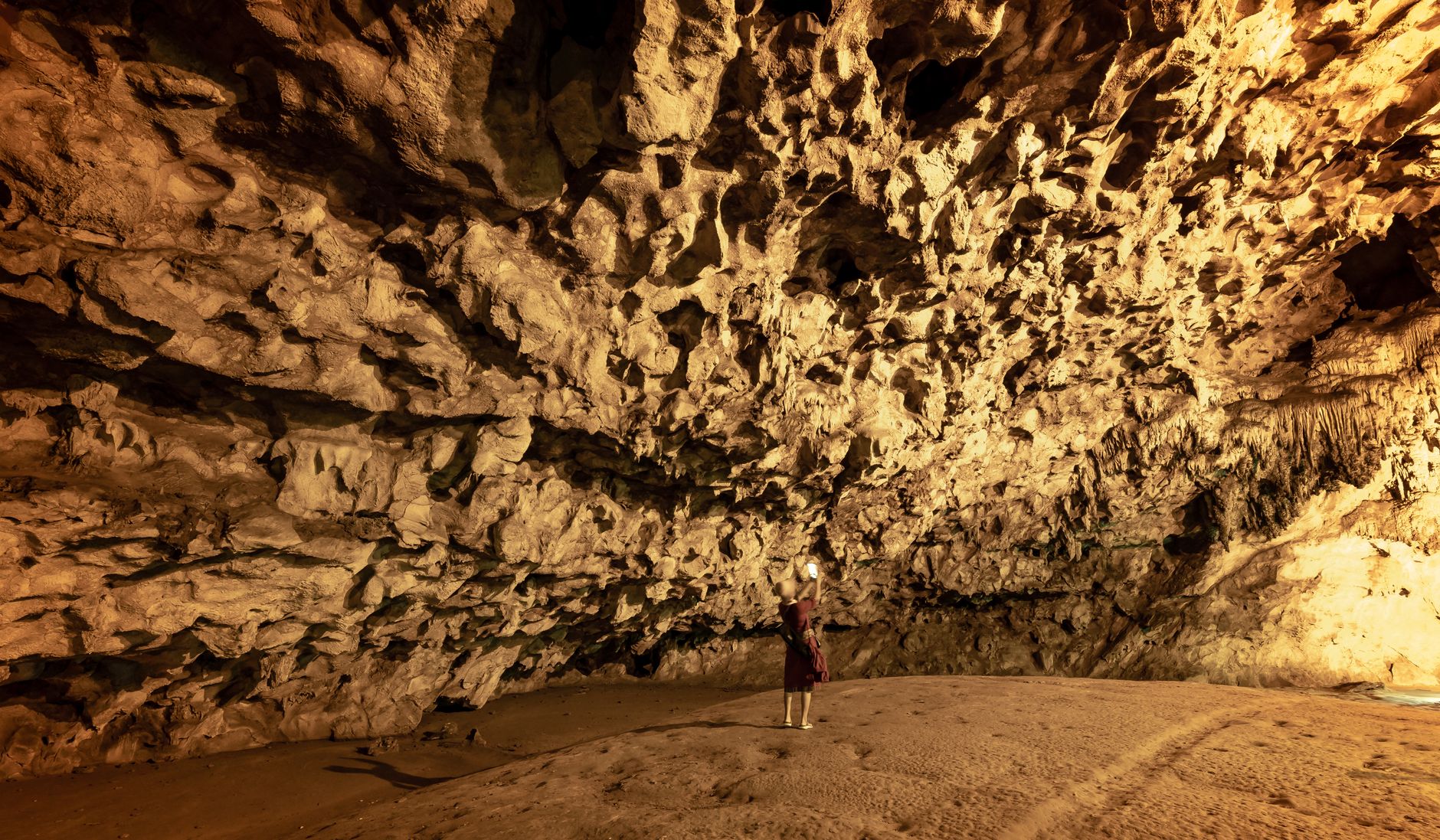
Phong Nha is not a city. It is a small village called Son Trach that serves as the gateway to Phong Nha Ke Bang National Park, a UNESCO World Heritage site. The landscape features dramatic limestone karst mountains rising from farmland. The main attraction is underground: the park contains some of the largest and most spectacular caves on Earth.
Infrastructure here is basic. You will find a handful of restaurants, guesthouses, tour operators, and one small convenience store. There is no nightlife to speak of. The nearest city, Dong Hoi, sits 50 kilometers east on the coast and offers more accommodation and dining options. But staying there means a 45 to 90 minute commute each way to reach the caves.
The type of traveler who enjoys Phong Nha is someone who values natural landscapes over urban amenities. If you want beach resorts, nightlife, or easy accessibility, alternatives like Hoi An or Da Nang will serve you better.
How Phong Nha compares to other Vietnam destinations
Travelers often compare Phong Nha to Ninh Binh, Halong Bay, and Hue. Here is an honest side-by-side comparison.
| Destination | Landscape type | Crowd level | Daily budget | Best for |
|---|---|---|---|---|
| Phong Nha | Karst mountains, caves | Low to moderate | $40-60 | Cave exploration, rural cycling |
| Ninh Binh | Karst mountains, rivers | Moderate to high | $35-50 | Boat rides, hiking, temples |
| Halong Bay | Limestone islands, water | High | $80-150 | Cruises, kayaking, photography |
| Hue | Imperial city, river | Moderate | $30-45 | History, food, culture |
Phong Nha wins for raw natural spectacle underground. Ninh Binh offers similar above-ground karst scenery but with more crowds and less dramatic caves. Halong Bay is spectacular from the water but comes with a much higher price tag and tourist density. Hue offers history and culture that Phong Nha cannot match.
For landscape alone, Phong Nha ranks among Vietnam's most unique destinations. But it requires more effort to reach and fewer comforts once you arrive.
Best time to visit Phong Nha
The weather in central Vietnam follows a distinct pattern that directly affects cave access, hiking conditions, and overall enjoyment.
| Month | Avg temp (°C) | Rainfall | Open caves | Closed caves | Best for |
|---|---|---|---|---|---|
| Jan-Feb | 18-22 | Low | Paradise, Phong Nha | Expedition caves | Dry cave visits, cycling |
| Mar-May | 22-30 | Low to moderate | All | None | Peak season, all activities |
| Jun-Aug | 28-35 | Low | All | None | Hot but clear, swimming |
| Sep-Nov | 24-30 | High | Paradise, Phong Nha (may close) | Expedition caves, Dark Cave | Low season, budget travel |
| Dec | 18-23 | Moderate | Paradise, Phong Nha | Expedition caves | Cool weather visits |
September through November is the wettest period. October typically sees the most rainfall. During this time, Phong Nha Cave and Dark Cave may close due to high water levels. Expedition caves shut entirely. December through August offers more reliable conditions.
Pro tip: If you visit between September and November, check cave status with local operators before booking transport. Paradise Cave stays open more reliably than others during rain.
For the best balance of good weather and manageable crowds, March to May is ideal. June to August is hot but clear, and swimming in the river or at the beach in Dong Hoi becomes pleasant.
How to get to Phong Nha
Phong Nha is remote. Getting there requires planning.
| Mode | From | Duration | Cost (VND/USD) | Comfort | Frequency |
|---|---|---|---|---|---|
| Sleeper bus | Hanoi | 10-12 hours | 250,000-400,000 ($11-17) | Moderate | Multiple daily |
| Sleeper bus | Hoi An/Da Nang | 6-8 hours | 200,000-350,000 ($9-15) | Moderate | Multiple daily |
| Train to Dong Hoi + bus | Hanoi | 10-11 hours + 1 hour | 400,000-800,000 ($17-34) | High (train) | Few daily |
| Train to Dong Hoi + bus | Hue | 3-4 hours + 1 hour | 150,000-300,000 ($6-13) | High (train) | Few daily |
| Flight to Dong Hoi + bus | Hanoi/HCMC | 1.5 hours + 1 hour | 1,000,000-2,000,000 ($43-86) | High | Limited daily |
| Self-drive (motorbike) | Hanoi | 2-3 days | Fuel + accommodation | Variable | Flexible |
The sleeper bus is the most common option for budget travelers. Buses from Hanoi depart in the evening and arrive in Phong Nha early morning. The road is mostly paved but winding through mountain passes.
Trains run to Dong Hoi station. From there, local buses and taxis cover the remaining 50 kilometers to Phong Nha. The train is more comfortable than the bus, especially for overnight travel.
Flights to Dong Hoi airport operate from Hanoi and Ho Chi Minh City. Vietnam Airlines and Vietjet serve this route. From the airport, taxis cost around 400,000 VND ($17) for the 45-minute drive to Phong Nha.
Self-driving on a motorbike is possible but requires experience with mountain roads and awareness of safety risks. Road conditions vary, and lighting is poor at night.
Warning: Avoid night driving on scooters in Phong Nha. Roads lack lighting, and animals or potholes can appear suddenly. Stick to daylight hours.
Where to stay in Phong Nha
Accommodation clusters in three distinct areas. Each has trade-offs in convenience, atmosphere, and access to activities.
Town center (Son Trach): This is where most restaurants, tour operators, and rental shops are located. Walking distance to everything. Rooms are basic but functional. Budget guesthouses start at 150,000 VND ($6) per night. Mid-range hotels run 400,000-800,000 VND ($17-34).
Riverside outskirts: A 5-10 minute drive from the center. Quieter, with better views of the river and karst mountains. Some nice mid-range resorts and homestays here. Prices similar to town center but require a scooter or bicycle.
Countryside homestays: Located in the farming villages surrounding Phong Nha. Very quiet, very rural. You will need a scooter to reach restaurants and caves. Prices are lower, often 100,000-200,000 VND ($4-9) per night including breakfast. The trade-off is isolation.
For most travelers, staying in or near the town center offers the best balance of convenience and atmosphere. The complete guide to accommodation in Phong Nha covers specific recommendations for each area.
The caves: which ones are worth your time and money
This is the core of any Phong Nha visit. Here is an honest breakdown of each major cave.
| Cave name | Type | Difficulty | Duration | Cost (VND/USD) | Best for | Skip if |
|---|---|---|---|---|---|---|
| Paradise Cave | Dry, walkway | Easy | 2-3 hours | 250,000 ($11) | First-time visitors, families | You have limited time |
| Phong Nha Cave | Wet, boat | Easy | 2-3 hours | 550,000/boat ($23) + 150,000 ($6) entry | Boat ride experience | You visited Paradise Cave first |
| Dark Cave | Wet, zipline | Moderate | 3-4 hours | 450,000 ($19) | Adventure seekers, groups | You want natural cave experience |
| Hang En | Expedition | Hard | 2 days | $200+ | Experienced trekkers | Limited fitness or budget |
| Son Doong | Expedition | Extreme | 4 days | $3,000 | Serious adventurers | Tight budget or time |
Paradise Cave is the most impressive dry cave. It features a 31-kilometer long system with well-lit wooden walkways through massive chambers. The scale is breathtaking. This is the cave that most visitors remember most vividly. It can be visited independently without a tour.
Phong Nha Cave is a wet cave entered by boat. The boat ride through the river entrance is beautiful. But the cave itself underwhelms after Paradise Cave. The lighting is dimmer, and the walkable sections are shorter. If you only see one cave, choose Paradise. If you have time for two, do Paradise first and Phong Nha second.
Pro tip: Phong Nha Cave requires sharing a boat. The cost is 550,000 VND per boat for up to 12 people. Solo travelers should wait at the dock for others to share with. Otherwise you pay the full boat price alone.
Dark Cave is more theme park than caving experience. You take a zipline across the river, then wade through mud inside the cave. It is fun for groups and families but lacks the natural wonder of Paradise or Hang En. The mud bath is either a highlight or a reason to skip, depending on your preferences.
Hang En and Son Doong are expedition-only caves. They require multi-day treks through jungle, river crossings, and camping underground. These are world-class experiences but come with high price tags and physical demands. Only about 1,000 people visit Son Doong each year.
For a detailed breakdown of entry fees and cave selection, read the complete Phong Nha ticket guide.
Non-cave activities: what else is worth doing
Phong Nha offers more than caves, but not everything deserves your time.
Cycling the countryside: The rural roads around Phong Nha are quiet and scenic. Rice paddies, water buffalo, and karst mountains create a classic Vietnam landscape. Bicycle rental costs 50,000-100,000 VND ($2-4) per day. This is genuinely worth doing for half a day.
Bong Lai Valley: A rural area about 15 kilometers from town. Known for the "Duck Stop" where you can feed ducks and eat roasted duck. The valley itself is pretty but the activities feel contrived. Worth a visit if you have extra time, but not essential.
Botanical Garden: A small garden near Paradise Cave with a short hiking trail and a waterfall. Entry costs 40,000 VND ($2). It is a pleasant stop if you are already heading to Paradise Cave, but not worth a dedicated trip.
Kayaking on the Son River: Several operators offer kayak rentals. Paddling through the karst landscape is enjoyable. Costs around 100,000-200,000 VND ($4-9) per hour.
Monkey Bridge: A bamboo bridge crossing the river near town. It is a photo spot, not an activity. You can cross it for free. It takes five minutes.
For travelers with limited time, prioritize cycling and Paradise Cave. The other activities are filler.
How many days do you need in Phong Nha
This is one of the most common questions from travelers. Here are three clear itineraries.
1 day (rushed): Arrive early morning. Visit Paradise Cave (3 hours). Eat lunch. Visit either Phong Nha Cave or Dark Cave (3 hours). Leave in the evening. This works but you will spend more time traveling than exploring. Not recommended.
2 days (sweet spot): Day 1: Arrive, check in, cycle the countryside in the afternoon. Day 2: Paradise Cave in the morning, Phong Nha Cave or Dark Cave in the afternoon. This covers the essentials without rushing.
3-4 days (deeper exploration): Day 1: Arrive, cycle, relax. Day 2: Paradise Cave plus botanical garden. Day 3: Multi-day cave trek or Dark Cave plus countryside. Day 4: Depart. This allows for a deeper experience including an expedition cave if desired.
For most travelers, two full days is the minimum. The detailed guide on how many days to spend in Phong Nha provides more specific itineraries.
Real costs: what you will actually spend
Here is a transparent breakdown of actual costs. Competitors often quote entry prices only. They omit boat sharing costs, mandatory guide fees, transport to trailheads, and equipment rental.
Entry fees and cave costs:
- Paradise Cave: 250,000 VND ($11)
- Phong Nha Cave: 150,000 VND ($6) entry + 550,000 VND ($23) per boat (shared)
- Dark Cave: 450,000 VND ($19) including zipline and equipment
- Botanical Garden: 40,000 VND ($2)
- National park entry: Free (included in cave tickets)
Transport:
- Bus from Hanoi: 250,000-400,000 VND ($11-17)
- Bus from Hoi An/Da Nang: 200,000-350,000 VND ($9-15)
- Scooter rental: 150,000-200,000 VND ($6-9) per day
- Bicycle rental: 50,000-100,000 VND ($2-4) per day
Accommodation:
- Budget guesthouse: 150,000-300,000 VND ($6-13) per night
- Mid-range hotel: 400,000-800,000 VND ($17-34) per night
- Countryside homestay: 100,000-200,000 VND ($4-9) per night
Food:
- Street food / local restaurant: 30,000-60,000 VND ($1.30-2.60) per meal
- Western restaurant: 80,000-150,000 VND ($3.50-6.50) per meal
- Daily food budget: 100,000-300,000 VND ($4-13)
Total daily budget:
- Budget: $25-35 per day (dorm or cheap guesthouse, street food, bicycle)
- Mid-range: $40-60 per day (private room, mix of local and Western food, scooter rental)
- Splurge: $80-150 per day (resort, nice restaurants, private tours)
The Phong Nha budget guide provides more detailed cost breakdowns for different travel styles.
Safety and practical concerns
Phong Nha has specific risks that many guides gloss over.
Unexploded ordnance (UXO): Phong Nha was heavily bombed during the Vietnam War. Unexploded bombs and mines remain in the surrounding countryside. Stick to marked trails and established paths. Do not wander off into the jungle. Local guides know safe routes. The risk is real but manageable if you follow basic precautions.
Cave flooding: During the rainy season (September to November), caves can flood rapidly. Check weather forecasts before entering any cave. If rain is forecast, skip wet caves like Phong Nha and Dark Cave. Expedition caves close entirely during this period.
Road safety: Roads in Phong Nha are poorly maintained in places. Potholes, loose gravel, and limited lighting create hazards. If you rent a scooter, wear a helmet and drive slowly. Avoid driving at night.
Medical access: Phong Nha has a small clinic for basic issues. Serious medical emergencies require transport to Dong Hoi (45-90 minutes) or Hue (3 hours). For major issues, medical evacuation to Hanoi or Ho Chi Minh City may be necessary. Travel insurance with evacuation coverage is strongly recommended.
Mosquitoes and dengue: Dengue fever is present in central Vietnam. Use mosquito repellent, especially during dawn and dusk. Accommodation with screens or air conditioning reduces risk.
For a broader assessment of safety across Vietnam, read the country-wide safety guide.
Is Phong Nha worth visiting? The final verdict
Phong Nha is worth visiting if you match these criteria:
- You enjoy dramatic natural landscapes and cave exploration
- You are comfortable with basic infrastructure and limited amenities
- You have at least two full days to spend
- You are willing to put in some travel effort to reach a remote destination
- Your budget allows for cave entry fees and transport costs
Phong Nha is not worth visiting if:
- You have limited mobility or cannot handle stairs and uneven surfaces
- You prefer beach resorts, nightlife, or urban comforts
- You have only one day to spare (the travel time is too high for the reward)
- You are on a very tight budget (cave costs add up quickly)
- You are primarily interested in history, culture, or food (Hue or Hoi An serve these better)
For travelers who fit the profile, Phong Nha ranks among Vietnam's most unique and memorable destinations. The caves are genuinely world-class. The countryside is beautiful. The lack of crowds compared to Ninh Binh or Halong Bay is a real advantage.
For those who should skip, alternatives like Ninh Binh offer similar above-ground landscapes with better infrastructure. Hue provides rich history and excellent food. Hoi An delivers charm and accessibility. Choose based on your priorities, not the hype.
FAQ
Q: Is Phong Nha worth visiting? A: For travelers who enjoy dramatic natural landscapes, cave exploration, and rural cycling, yes. It ranks among Vietnam's most unique destinations. For those seeking beach resorts, nightlife, or easy accessibility, alternatives like Hoi An or Da Nang may suit better.
Q: How many days should I spend in Phong Nha? A: Two full days is the minimum to see Paradise Cave plus one other cave and explore the countryside. Three days allows for a multi-day cave trek or deeper rural exploration. One day is possible but rushed and not recommended for the travel time required.
Q: Is it better to stay in Dong Hoi or Phong Nha? A: Stay in Phong Nha for proximity to the caves and countryside atmosphere. Dong Hoi is a coastal city 50 km away with more accommodation and restaurant options but requires a 45-90 minute commute each way. Phong Nha is the better base for cave-focused trips.
Q: Can you visit Phong Nha caves without a tour? A: Paradise Cave and Phong Nha Cave can be visited independently. You buy tickets at the entrance and explore on well-marked walkways. Dark Cave requires a tour. All expedition caves (Son Doong, Hang En, Tu Lan) are restricted and require licensed guides.
Q: Is Phong Nha expensive? A: Accommodation and food are affordable. Budget travelers can manage $25-35 per day. Cave entry fees and transport add up. Paradise Cave costs 250,000 VND ($11). Phong Nha Cave requires boat sharing at 550,000 VND per boat ($23). Expedition caves cost $200-3,000. Budget $40-60 per day for a comfortable visit.
Q: When is the rainy season in Phong Nha? A: September through November is the wettest period. October typically sees the most rainfall. During this time, Phong Nha Cave and Dark Cave may close due to high water levels. Expedition caves shut entirely. December through August offers more reliable conditions.
Q: Is Phong Nha safe for solo travelers? A: Yes, Phong Nha is generally safe with friendly locals and a small tourist community. The main risks are road safety (poorly maintained roads, limited lighting) and unexploded ordnance if leaving marked trails. Solo travelers should stick to established paths and avoid night driving on scooters.