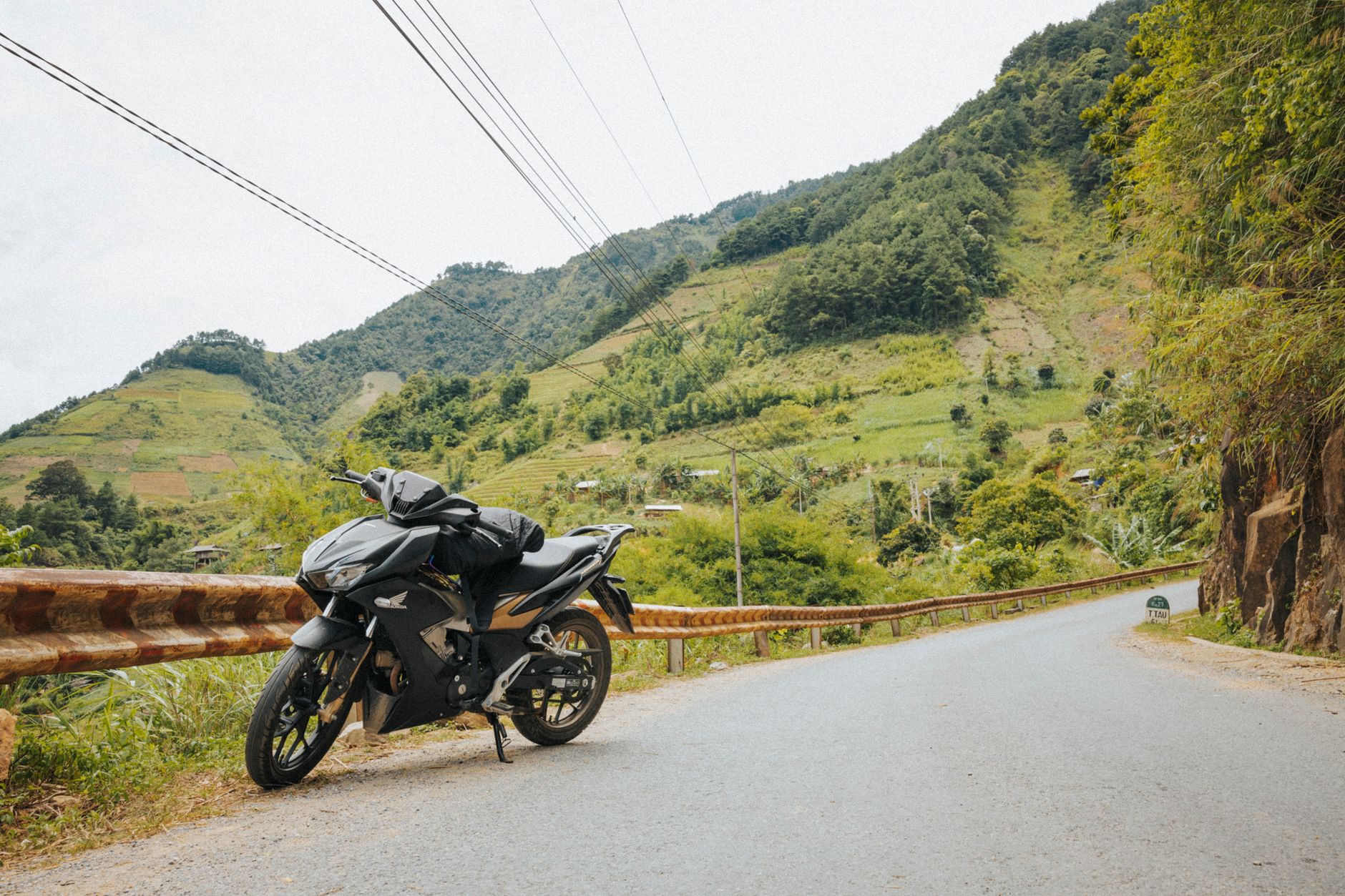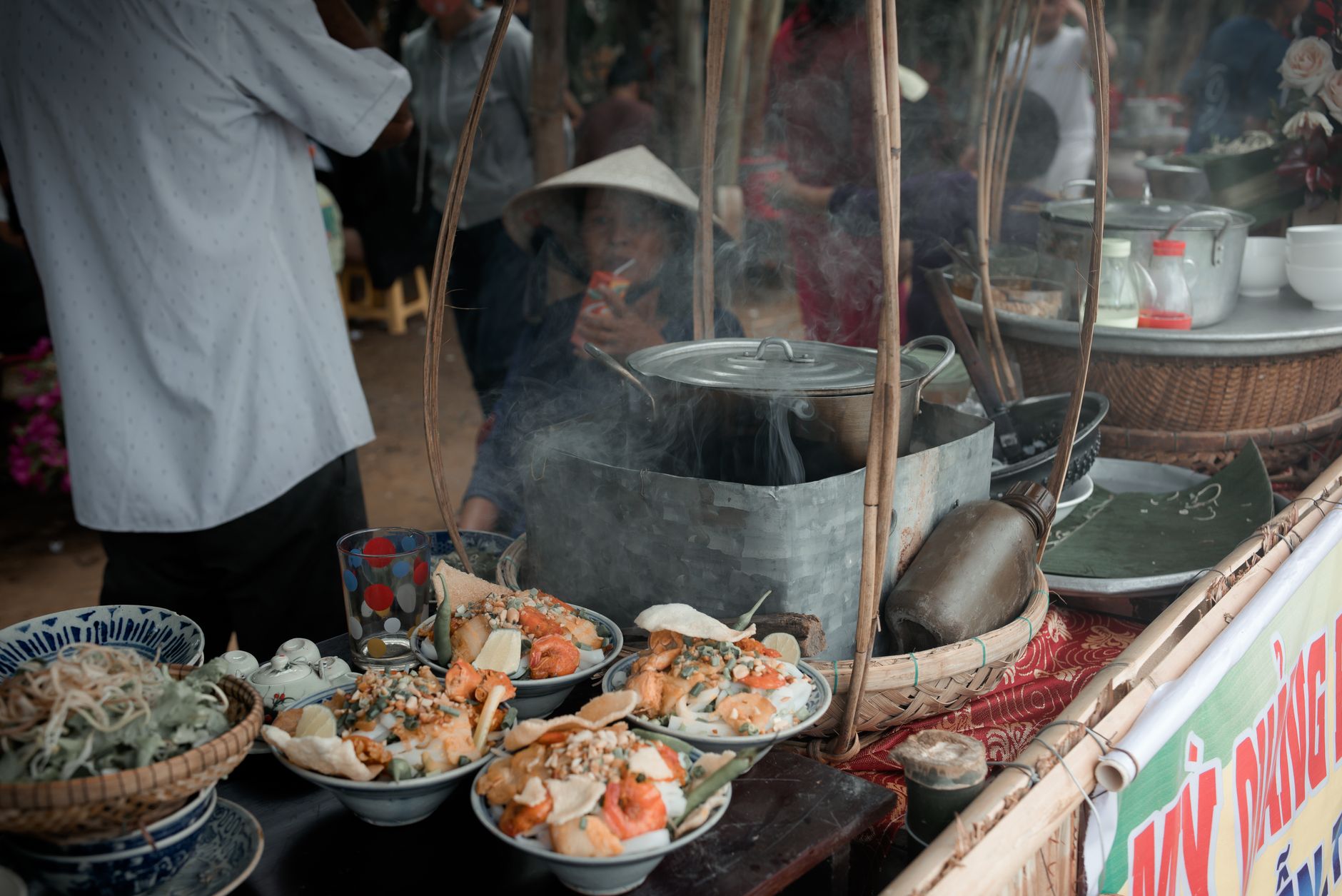
The key is moving south with the weather. Northern Vietnam shines from October to April. Central Vietnam peaks from February to August. The south stays warm year-round with a dry season from November to April. The Best and Worst Months to Visit Vietnam: A Region-by-Region Guide breaks down the full climate picture.
Before you pack, check visa requirements. Most nationalities qualify for the Vietnam e-visa, which takes 3-5 working days. Vietnam E-Visa 2026: Step-by-Step Guide, Rejections & Traps covers the process. For US citizens, How long does it take to get a Vietnam visa from the USA? answers timing questions. If you need it faster, Vietnam e visa processing time urgent offers options.
Now, the route.
Practical tip: don't forget travel insurance before heading to Vietnam — Heymondo applies an automatic 15% discount through our partner link, no code needed.
Week 1: Hanoi, Cao Bang, and Ninh Binh
Days 1-3: Hanoi
Start in Hanoi. The capital demands at least two full days. Spend the first morning in the Old Quarter, where 36 streets each once sold a single product. Walk Hang Bac (silver), Hang Gai (silk), and Hang Ma (paper offerings). The chaos is the attraction.
Visit the Temple of Literature, Vietnam’s first university from 1076. Then see Ho Chi Minh’s mausoleum (open mornings only, closed Monday and Friday). The complex includes his stilt house and the One Pillar Pagoda.
Eat a bowl of bun cha at a sidewalk stall in the Old Quarter. Order ca phe trung (egg coffee) at Giang Cafe on Nguyen Huu Huan Street. For a deeper dive into Hanoi’s food culture, read Bun Cha vs Bun Bo Hue: The Mistake Tourists Keep Making.
On day three, take a morning trip to the Quang Ba Flower Market at 4AM: Hanoi's Pre-Dawn Ritual. Then catch a midday bus to Cao Bang.
Pro tip: Use Grab for taxis in Hanoi. Does Grab Work in Vietnam? Complete Guide 2026 explains the app. Avoid cyclo rides without agreeing on the price first.
Days 4-6: Cao Bang (The Offbeat Stop)
Most first-timers rush from Hanoi to Sapa or Ha Giang. Cao Bang is quieter and less visited. It sits near the Chinese border and holds Ban Gioc Waterfall, the widest waterfall in Vietnam at 300 meters across.
Getting to Cao Bang takes 5-6 hours by sleeper bus from Hanoi. How to get to Cao Bang details the options. Buses cost 200,000-350,000 VND ($8-14).
Spend day four exploring Cao Bang City. Visit the local market in the morning. Cao Bang Market: Complete Guide for an Authentic Visit helps you navigate it. The market sells local herbs, hill-tribe textiles, and grilled meats.
Day five is the highlight. Hire a motorbike or join a small-group tour to Ban Gioc Waterfall. The road passes rice terraces and limestone peaks. The waterfall itself straddles the Vietnam-China border. You can take a bamboo raft to the base for 50,000 VND ($2).
Cao Bang to Ban Gioc Waterfall: The complete travel guide for 2026 covers transport and entry fees. The entrance ticket costs 45,000 VND ($1.85).
Day six offers two options. Drive the Cao Bang Loop, a 3-4 day circuit through remote villages. Or return south to Ninh Binh. If you choose the loop, Cao Bang Loop self drive: The complete 2026 guide has the route details.
Warning: Cao Bang roads are winding and sometimes unpaved. Is the Cao Bang Loop safe to drive? offers honest advice. If you lack experience on a motorbike, book a tour instead.
Days 7-8: Ninh Binh
From Cao Bang, take a sleeper bus to Ninh Binh (8-9 hours, 250,000-400,000 VND/$10-16). Ninh Binh is often called “Halong Bay on land” for its towering limestone karsts rising from rice paddies.
Day seven: Rent a bicycle or motorbike and ride to Tam Coc. The boat trip through three caves takes 90 minutes and costs 150,000 VND ($6) per person. The scenery rivals Halong Bay but without the crowds. Why Ninh Binh Crushes Halong Bay for a Truly Quiet Escape explains why.
Day eight: Visit Bai Dinh Pagoda, Southeast Asia’s largest Buddhist complex. Then climb Mua Cave viewpoint for a panoramic photo of the karst landscape. The 500-step climb is worth it.
Ninh Binh in 2 Days: The Only Itinerary You Need (2026) provides a detailed day-by-day plan.
Week 2: Phong Nha, Hue, and Hoi An
Days 9-11: Phong Nha-Ke Bang National Park
Take the train from Ninh Binh to Dong Hoi (5-6 hours, 200,000-500,000 VND/$8-20). From Dong Hoi, it’s a 45-minute drive to Phong Nha town. Dong Hoi to Phong Nha: The complete transport guide for 2026 covers every option.
Phong Nha is a UNESCO World Heritage site with the oldest karst system in Asia. The caves here are enormous. Paradise Cave stretches 31 kilometers. Son Doong is the world’s largest cave, but it requires a 4-day expedition and costs $3,000.
For a 3-day visit, choose two caves. Day nine: Paradise Cave (entrance 250,000 VND/$10). Day ten: Phong Nha Cave (entrance 150,000 VND/$6) which you explore by boat. Day eleven: Hang En Cave, the world’s third-largest cave, on a 2-day trek.
How long do you need in Phong Nha national park? suggests 2-3 days minimum. Which cave is best to visit in Phong Nha? helps you decide.
Pro tip: Book cave tours at least one week in advance during peak season (June-August). Phong Nha-Ke Bang National Park tickets sell out quickly.
Days 12-13: Hue
From Dong Hoi, take the train to Hue (3 hours, 150,000-400,000 VND/$6-16). The train passes through Hai Van Pass, one of Vietnam’s most scenic coastal routes. What is the most scenic train ride in Vietnam? ranks it among the best.
Hue was Vietnam’s imperial capital from 1802 to 1945. The Citadel, a walled fortress along the Perfume River, takes half a day to explore. The Imperial City inside holds palaces, temples, and the Forbidden Purple City.
Day twelve: Visit the Citadel in the morning. In the afternoon, take a dragon boat to Thien Mu Pagoda, the city’s oldest pagoda.
Day thirteen: Explore the royal tombs. Khai Dinh Tomb blends Vietnamese and European architecture. Tu Duc Tomb sits in a pine forest. Both cost 150,000 VND ($6) each.
Visiting Hue, Vietnam: The Complete Travel Guide to the Imperial Capital has full details on opening hours and transport.
Eat bun bo Hue, the city’s signature beef noodle soup. It’s spicier and richer than pho. Bun Cha vs Bun Bo Hue: The Mistake Tourists Keep Making explains the difference.
Days 14-16: Hoi An
From Hue, take a 3-hour bus or train to Da Nang (100,000-200,000 VND/$4-8), then a 30-minute taxi to Hoi An. Hoi An’s Old Town is a UNESCO site with 800 preserved buildings from the 15th to 19th centuries.
Day fourteen: Walk the Old Town. Visit the Japanese Covered Bridge, Phuc Kien Assembly Hall, and Tan Ky Old House. The entrance ticket costs 120,000 VND ($5) and covers five attractions.
Day fifteen: Take a day trip to My Son Sanctuary, the ruins of Cham Hindu temples from the 4th to 14th centuries. It’s 40 kilometers from Hoi An. A half-day tour costs 400,000-600,000 VND ($16-24).
Day sixteen: Relax at An Bang Beach, a 15-minute bike ride from the Old Town. Or take a cooking class. How to Make Vietnamese Mayonnaise? The Authentic Recipe for a Perfect Banh Mi is a good starting point for home cooks.
Hoi An’s tailors can make custom clothing in 24 hours. Expect to pay 400,000-800,000 VND ($16-33) for a suit or dress.
Pro tip: Hoi An floods during November-December. Check the weather forecast before booking. Hoi An & Hue in Late May: The Mistake That Melts Your Trip warns about heat and humidity in late spring.
Week 3: Ho Chi Minh City and the Mekong Delta
Days 17-18: Ho Chi Minh City (Saigon)
Fly from Da Nang to Ho Chi Minh City (1 hour 20 minutes, 500,000-1,500,000 VND/$20-60). Domestic Flights in Vietnam: Vietjet vs Bamboo vs Vietnam Airlines Honestly Compared helps you choose the cheapest option.
Ho Chi Minh City moves faster than Hanoi. The energy is electric. Day seventeen: Visit the War Remnants Museum (entrance 40,000 VND/$1.60). Then walk to Notre-Dame Cathedral and the Central Post Office, both French colonial landmarks.
Day eighteen: Explore District 1’s street food. Try com tam (broken rice) at a stall in District 4. Com Tam in District 4: The Saigon Locals' Lunch Map points to the best spots. In the evening, visit the Bui Vien Walking Street for drinks and live music.
Visiting Ho Chi Minh City: The Complete Travel Guide to Saigon covers all major attractions and neighborhoods.
Pro tip: Use the Saigon Metro Line 1 to reach Ben Thanh Market from Suoi Tien Park. Saigon Metro Line 1 one year on: what it actually changed for travelers explains the system.
Days 19-21: Mekong Delta (Can Tho and Ben Tre)
The Mekong Delta is a labyrinth of rivers, canals, and floating markets. Day nineteen: Take a bus from Ho Chi Minh City to Ben Tre (2 hours, 100,000-200,000 VND/$4-8). Ben Tre is less touristy than My Tho. Rent a bicycle and explore coconut plantations and brick kilns.
Day twenty: Travel to Can Tho (2 hours by bus, 100,000 VND/$4). Wake up at 5:00 AM on day twenty-one for Cai Rang Floating Market. Boats sell fruit, vegetables, and noodles from their hulls. The market peaks at 6:00-8:00 AM.
Can Tho Floating Market: Complete 2026 Guide for Visiting Cai Rang and Phong Dien has the schedule and prices. What is the most beautiful floating market in Vietnam? 2026 Comparison to Choose the Right One compares Cai Rang with others.
In the evening, visit the Can Tho Night Market: 2026 Practical Guide for an Authentic Evening. Try grilled snakehead fish and fresh sugarcane juice.
Mekong Delta Without a Tour: A 2025 Independent Travel Guide shows you how to navigate the region on your own.
Transport Logistics: How to Move Between Stops
Vietnam’s transport network is reliable and cheap. Here is the quick reference:
| Route | Mode | Duration | Cost (VND) | Best For |
|---|---|---|---|---|
| Hanoi to Cao Bang | Sleeper bus | 5-6 hours | 200,000-350,000 | Budget, overnight |
| Cao Bang to Ninh Binh | Sleeper bus | 8-9 hours | 250,000-400,000 | Budget, overnight |
| Ninh Binh to Dong Hoi | Train | 5-6 hours | 200,000-500,000 | Scenic views |
| Dong Hoi to Hue | Train | 3 hours | 150,000-400,000 | Coastal scenery |
| Hue to Da Nang | Train/bus | 2.5-3 hours | 100,000-200,000 | Hai Van Pass |
| Da Nang to HCMC | Flight | 1 hour 20 min | 500,000-1,500,000 | Time savings |
| HCMC to Ben Tre | Bus | 2 hours | 100,000-200,000 | Budget |
| Ben Tre to Can Tho | Bus | 2 hours | 100,000 | Budget |
| Can Tho to HCMC | Bus | 3.5 hours | 150,000-250,000 | End of trip |
Sleeper buses are comfortable for overnight trips. Book through 12Go.asia or at your hotel. Trains are slower but more spacious. The North-South Reunification Express: A 36-Hour Train Journey Through Vietnam describes the full rail experience.
For flights, Vietnam Airlines Domestic Flight Ticket Prices 2026 lists current rates. Vietjet and Bamboo Airways offer cheaper alternatives.
Budget Breakdown for 21 Days
Daily costs vary by region:
- Accommodation: 200,000-600,000 VND ($8-25) for a private room in a guesthouse. Dorm beds cost 100,000-200,000 VND ($4-8).
- Food: 100,000-300,000 VND ($4-12) per day for street food and local restaurants.
- Transport: 100,000-500,000 VND ($4-20) per day depending on distances.
- Activities: 100,000-500,000 VND ($4-20) per day for entrance fees and tours.
Total for three weeks: 12,000,000-25,000,000 VND ($500-1,040) excluding international flights. Cost of living in Vietnam for single person provides a deeper breakdown.
What to Pack
Vietnam’s climate varies from north to south. Pack layers. How to dress for Vietnam in October: A complete packing guide for every region applies year-round with minor adjustments.
Essentials: lightweight long pants, quick-dry shirts, a rain jacket, comfortable walking shoes, sandals, sunscreen, insect repellent, and a reusable water bottle.
Health precautions matter. Mosquitoes, Dengue and Malaria in Vietnam: The Realistic Risk Map for Travelers identifies high-risk areas. Vaccinations for Vietnam and Cambodia: The Complete 2026 Travel Health Guide lists recommended shots.
Safety and Practical Tips
Vietnam is safe for travelers. Is Vietnam Safe in 2026? An Honest Country-Wide Risk Assessment rates it as low-risk for violent crime. Petty theft happens in crowded areas. Keep your phone and wallet in front pockets.
Crossing the street requires a steady pace and eye contact with drivers. Crossing the street in Vietnam: the real technique nobody explains clearly teaches the method.
Tipping is not expected but appreciated. Tipping in Vietnam 2026: When It's Insulting, When It's Expected clarifies the rules.
Bargaining in Vietnam: Complete Guide to Negotiating Like a Local in 2026 explains how to haggle at markets without offending.
FAQ
Q: Can I do this itinerary in reverse (south to north)? Yes. The route works in either direction. Just adjust for weather. Start in the south during dry season (November-April) and move north as temperatures rise.
Q: How much luggage can I bring on sleeper buses? Most sleeper buses allow one large bag and one small bag. Store large bags in the undercarriage. Keep valuables with you.
Q: Do I need to book domestic flights in advance? Book flights at least 2-3 weeks ahead for the best prices. Last-minute tickets can cost double.
Q: Is English widely spoken in Cao Bang? Less than in Hanoi or Ho Chi Minh City. Download Google Translate offline. Learn basic Vietnamese phrases like “cam on” (thank you) and “bao nhieu” (how much).
Q: What if I get sick during the trip? Vietnamese pharmacies sell many medications over the counter. Vietnamese Pharmacies: What Travelers Can Buy Over the Counter lists what is available. For serious issues, Medical Emergencies in Vietnam’s Big Cities: What Travelers Need to Know covers hospital options.
Q: Can I skip Cao Bang and go to Ha Giang instead? Yes. Ha Giang is more famous for its loop. But Cao Bang is less crowded and offers Ban Gioc Waterfall. Is it worth going to Cao Bang? compares both.
Q: What is the best way to get from Cao Bang to Ninh Binh? Take a sleeper bus from Cao Bang bus station to Ninh Binh. The journey takes 8-9 hours. Buses depart at 7:00 PM and 9:00 PM. Book through your hotel.