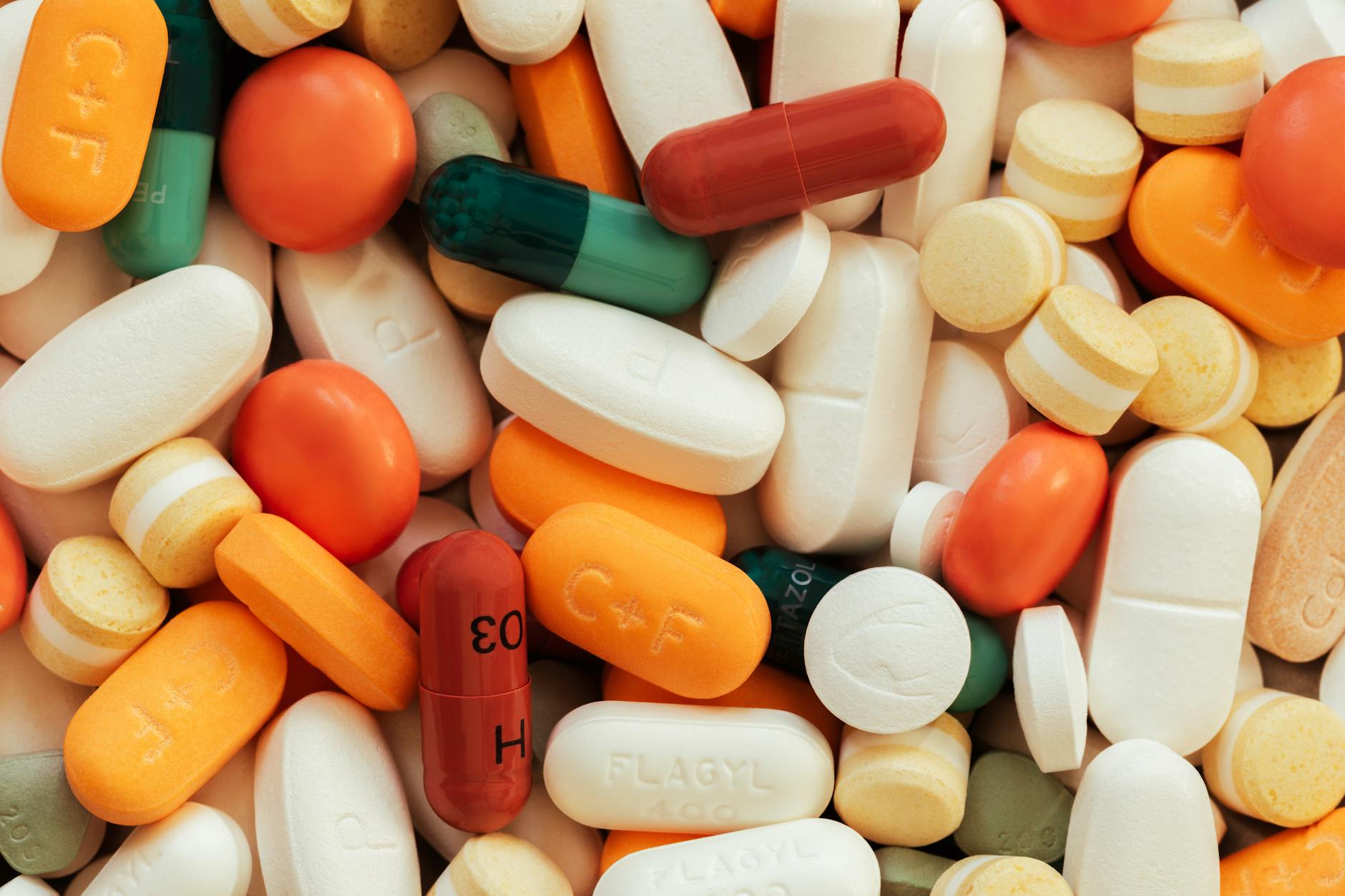
This guide explains what you can realistically buy across the counter in 2026, what to pay, what's safe to self-treat, and where you should absolutely see a doctor instead.
How Vietnamese Pharmacies Actually Work
Vietnam technically requires prescriptions for antibiotics, controlled medications, and many other drug classes. In reality, enforcement is inconsistent, particularly outside major hospital pharmacies. A neighborhood nhà thuốc will often sell antibiotics, sleeping aids, and other "prescription-only" drugs to anyone who asks, sometimes after a brief conversation about symptoms.
This is changing. Since the Ministry of Health's renewed crackdown that began in 2024, urban pharmacies — especially the big chains like Pharmacity, Long Châu, and An Khang — increasingly ask for prescriptions for antibiotics. Smaller independent shops are still more flexible.
Pro tip: Chain pharmacies are cleaner, well-lit, and stock more reliable international brands. Independent neighborhood pharmacies often charge less and ask fewer questions, but quality control varies. For anything important, stick with chains.
Most pharmacists speak limited English, but they're used to travelers and can usually understand symptoms if you point, mime, or use Google Translate. Many will recognize medication names if you show the box or write the generic name on paper.
Antibiotics Without a Prescription: The Reality
This is the topic travelers ask about most. Yes, you can usually buy antibiotics over the counter in Vietnam — but should you? Mostly no.
Antibiotic resistance is a serious and growing problem in Vietnam, partly because of decades of unrestricted access. Self-prescribing antibiotics for a stomach bug or a cold (which is viral and unaffected by antibiotics) is one of the worst things a traveler can do.
That said, there are legitimate situations: a confirmed bacterial infection diagnosed before you traveled, a flare-up of a condition you've had before, or a true emergency where reaching a clinic is impractical.
| Antibiotic | Common Use | Price for full course (2026) |
|---|---|---|
| Amoxicillin 500mg | Generic bacterial infections | 60,000–90,000 VND (~$2.40–3.60) |
| Azithromycin 500mg | Travelers' diarrhea (bacterial), respiratory | 80,000–150,000 VND (~$3.20–6.00) |
| Ciprofloxacin 500mg | UTI, severe gut infections | 70,000–120,000 VND (~$2.80–4.80) |
| Doxycycline 100mg | Skin infections, tick-borne illness | 90,000–180,000 VND (~$3.60–7.20) |
| Metronidazole 500mg | Giardia, anaerobic infections | 50,000–80,000 VND (~$2.00–3.20) |
Warning: Do not self-medicate with antibiotics unless a doctor at home has briefed you on exactly when and how to use them. Misuse contributes to global resistance and can mask serious conditions like dengue or appendicitis, both of which can initially feel like food poisoning.
If you genuinely need a diagnosis, an international clinic visit in Hanoi or HCMC costs around 1,200,000–2,500,000 VND ($48–$100) and is far safer than guessing.
Stomach Medications: Imodium, Rehydration, and More
Travelers' diarrhea is the single most common health issue in Vietnam. Fortunately, the pharmacy options here are excellent and inexpensive.
Loperamide (Imodium) is widely available, sold under the brand name Imodium or as generic loperamide. A blister of 10 capsules costs around 25,000–45,000 VND (~$1.00–1.80). It's useful for travel days when you can't be near a bathroom, but it doesn't cure the infection — it just slows things down.
Oral rehydration salts (ORS) are sold everywhere, often labeled Oresol or Hydrite. Sachets cost 3,000–8,000 VND (~$0.12–0.32) each. Stock up; these are your real first-line treatment.
Smecta (diosmectite) is a clay-based intestinal absorbent that's popular in Vietnam and France but not widely sold in the US or UK. It's gentle and effective for mild diarrhea. About 60,000–100,000 VND (~$2.40–4.00) per box.
Probiotics like Enterogermina (in liquid vials) or Lactobacillus capsules are stocked everywhere and reasonably priced at 80,000–200,000 VND (~$3.20–8.00) per pack.
Antacids and PPIs: Omeprazole, esomeprazole, and ranitidine alternatives are easy to find at 40,000–120,000 VND (~$1.60–4.80) for a pack.
Pro tip: Carry ORS sachets and a small strip of loperamide with you on day trips and overnight bus journeys. Both are tiny, weigh nothing, and you'll thank yourself.
Malaria Prophylaxis: What's Available, What's Not
Most travelers to Vietnam do not need malaria prophylaxis. The major tourist routes — Hanoi, Halong Bay, Hue, Hoi An, Da Nang, Nha Trang, Ho Chi Minh City, Mekong Delta — are considered low to no risk. The CDC and WHO recommend prophylaxis primarily for travelers spending time in rural forested areas of the central highlands, the southern provinces bordering Cambodia, and certain remote parts of Binh Phuoc and Dak Nong.
If you're heading off-grid and didn't get prophylaxis at home, options in Vietnam are limited:
- Doxycycline is the most readily available option, used both as an antibiotic and malaria prevention. Around 90,000–180,000 VND (~$3.60–7.20) for a course.
- Mefloquine (Lariam) is occasionally stocked in larger pharmacies but is increasingly avoided due to neuropsychiatric side effects.
- Atovaquone-proguanil (Malarone) — the most popular Western prophylaxis — is difficult to find and often unavailable even in major Hanoi and HCMC pharmacies. If you need it, source it before flying.
For treatment of actual malaria, do not self-diagnose. Go to a hospital. The Pasteur Institute in HCMC and the National Hospital for Tropical Diseases in Hanoi are specialist options.
Warning: Dengue and Zika, both mosquito-borne, are far more common in Vietnam than malaria. There is no pharmacy prevention for either. The only defense is DEET-based repellent (widely sold for 60,000–150,000 VND / $2.40–6.00) and covering up at dawn and dusk.
Dental Emergencies: What a Pharmacy Can and Can't Do
A pharmacy is not a dentist, but it can buy you time until you see one. For dental emergencies, you can typically buy:
- Paracetamol and ibuprofen for pain (5,000–25,000 VND / $0.20–1.00 per blister)
- Stronger painkillers containing codeine combinations, sometimes available without prescription
- Clove oil for topical pain relief on a sore tooth
- Temporary dental cement kits (Dentemp-equivalent) at larger pharmacies, around 80,000–150,000 VND (~$3.20–6.00)
- Chlorhexidine mouthwash for gum infections, ~50,000 VND ($2.00)
- Antibiotics (amoxicillin is standard for dental abscess) — but please see a dentist, not just a pharmacist
Vietnam has excellent and affordable dentistry. A consultation in Hanoi or HCMC costs 200,000–500,000 VND ($8–$20) at a reputable clinic, and even complex work is a fraction of Western prices. Don't tough it out with painkillers if you've cracked a tooth or have an abscess.
What You Can Easily Buy: A Quick Reference Table
| Category | Examples | Typical 2026 Price (VND / USD) |
|---|---|---|
| Pain relief | Paracetamol, ibuprofen, aspirin | 5,000–30,000 / $0.20–1.20 |
| Cold & flu | Tiffy, Decolgen, Panadol Cold | 30,000–80,000 / $1.20–3.20 |
| Allergy | Cetirizine, loratadine | 25,000–60,000 / $1.00–2.40 |
| Motion sickness | Cinnarizine, dimenhydrinate | 20,000–50,000 / $0.80–2.00 |
| Sleep aid | Melatonin (chain pharmacies), diphenhydramine | 80,000–250,000 / $3.20–10.00 |
| Eye drops | Lubricant and antibiotic drops | 20,000–80,000 / $0.80–3.20 |
| Antifungal cream | Clotrimazole, ketoconazole | 30,000–90,000 / $1.20–3.60 |
| Burn/wound care | Silver sulfadiazine, antiseptic | 40,000–120,000 / $1.60–4.80 |
| Insect bite cream | Hydrocortisone 1%, Tiger Balm | 25,000–80,000 / $1.00–3.20 |
| Contraceptives | Condoms, oral pills, morning-after | 30,000–250,000 / $1.20–10.00 |
What NOT to Buy Locally
Some things look like a bargain in Vietnamese pharmacies but aren't worth the risk:
Counterfeit "Viagra," weight-loss pills, and male enhancement products. Vietnam has a counterfeit problem with these specific categories. Stick to your home country.
Unbranded "herbal" medicines from unmarked containers. Traditional medicine is a legitimate field, but mystery pills from street stalls are a gamble. Some have been found to contain undeclared steroids or NSAIDs.
Insulin and refrigerated medications, unless you've verified the pharmacy's cold chain. Power cuts happen, and degraded insulin is dangerous. Use only hospital pharmacies for these.
Controlled psychiatric medications. Even if available, you risk legal trouble carrying them through airports without documentation. Bring your own with a doctor's letter. Entry quantities are capped as well: 10 days of treatment without a permit for medicines on Vietnam's psychotropic list (Xanax, Valium, zolpidem). See the guide to bringing psychotropic medication into Vietnam.
Prescription painkillers (tramadol, oxycodone). Penalties for unauthorized possession are severe in Vietnam and at customs in transit countries.
Vaccines from random pharmacies. Get vaccines at proper clinics like Family Medical Practice, Vinmec, or the Pasteur Institute. Cold chain matters.
Warning: Always check the expiration date and packaging seal before leaving the pharmacy. Counterfeit medicine exists, particularly in tourist-heavy areas. Chain pharmacies (Pharmacity, Long Châu, An Khang, Medicare) source through verified supply chains and are the safer choice.
Pharmacy Chains vs Independent Shops
| Feature | Chain Pharmacies | Independent Nhà Thuốc |
|---|---|---|
| English signage/staff | Sometimes | Rarely |
| Price | Slightly higher, fixed | Often lower, sometimes negotiable |
| Prescription enforcement | Stricter | Looser |
| International brands | Good selection | Limited |
| Quality assurance | High | Variable |
| Hours | Many 24h in cities | Usually close by 9–10pm |
| Receipt provided | Yes | Often no |
For most travelers, the small price premium at a chain is worth the peace of mind.
FAQ
Do I need to bring my own first-aid supplies, or can I buy everything in Vietnam? You can buy nearly everything for far less than at home, including bandages, antiseptic, plasters, and basic meds. The exceptions are specialty items (Malarone, specific brand-name drugs, EpiPens) and anything you take regularly for a chronic condition — bring those.
Can I really walk in and buy antibiotics without a prescription? Often yes, especially at independent pharmacies, though chain pharmacies in cities increasingly ask for one. Just because you can doesn't mean you should. Misusing antibiotics is risky for you and contributes to resistance.
Are pharmacy prices fixed, or do I haggle? Chain pharmacies have fixed prices clearly labeled. Independent shops occasionally round up for foreigners — it's reasonable to ask "bao nhiêu?" (how much?) and check the box for the printed price, which is legally required in Vietnam.
What's the Vietnamese word for pharmacy and key medicines? Pharmacy is nhà thuốc or hiệu thuốc. Antibiotic is kháng sinh, painkiller is thuốc giảm đau, diarrhea medicine is thuốc tiêu chảy, and fever reducer is thuốc hạ sốt.
Will my travel insurance cover pharmacy purchases? Most policies reimburse over-the-counter medications if related to a covered illness, provided you keep receipts. Chain pharmacies issue proper receipts; independent shops often don't. If you may claim, shop at a chain.
Is it safe to use Vietnamese pharmacies for kids? Generally yes for basic items like fever reducers, ORS, and bandages. Pediatric paracetamol syrup is widely available. For anything beyond that, take a child to an international pediatric clinic — same-day consultations are usually available in major cities.
What should I do in a real medical emergency? Skip the pharmacy. Go directly to an international hospital: Vinmec, FV Hospital, Family Medical Practice, or Raffles Medical in HCMC and Hanoi. Emergency number in Vietnam is 115 for ambulance, though response in cities is often faster via taxi or Grab to a hospital directly.
Vietnamese pharmacies are convenient, cheap, and stock most of what a traveler will ever need. The key is knowing the line between sensible self-care — paracetamol for a headache, ORS for a stomach upset, antifungal cream for a rash — and situations where pharmacist advice isn't enough. When in doubt, an international clinic visit costs less than a nice dinner back home and is the only honest answer for anything serious.