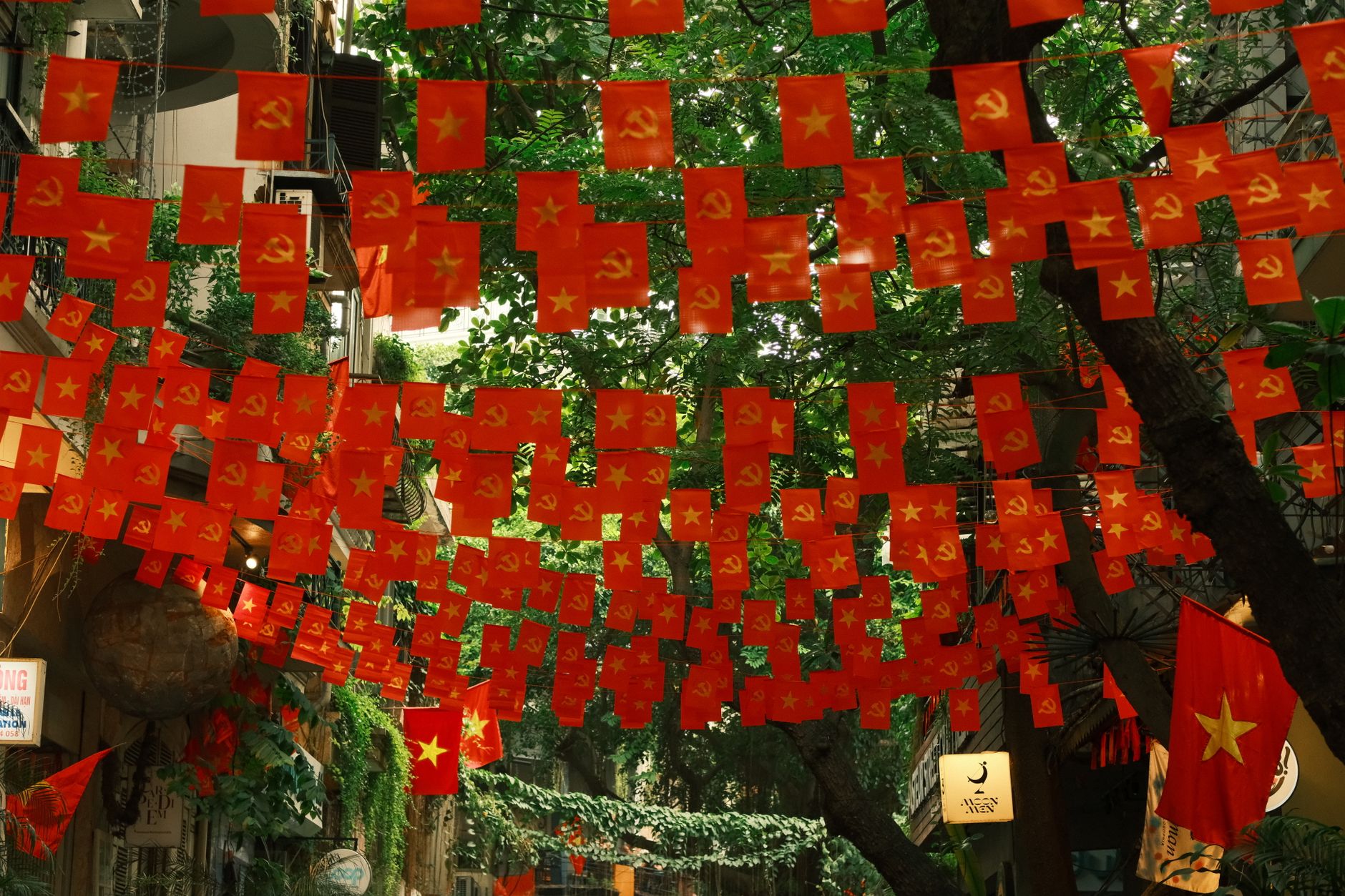
September in Vietnam at a glance: where it is cold, wet or hot
Nowhere in Vietnam is cold at sea level in September. The northern mountains are cool to chilly at night, and every zone is humid. That is the honest short answer to "is it cold in Vietnam in September?" The clothing decision is about sweat management and rain, not warmth, except in Sapa, Ha Giang, Fansipan and Da Lat.
Early versus late September
The north is still in summer rain and heat in the first half of the month, with Hanoi highs around 32-33°C. By late September, nights drop to about 22-23°C and the first dry, golden autumn days appear. Typhoon activity peaks around this period, and the central coast rainy season starts building. Pack for the early-month pattern if you travel before about 15 September, and add a light layer for the second half.
Quick-reference table
| Zone | Day / night (°C) | Rain | What to wear |
|---|---|---|---|
| Hanoi, Ninh Binh | 30-33 / 22-26 | About half the days, afternoon downpours | Quick-dry tops, loose trousers, packable shell, closed sandals |
| Sapa | 21-24 / 14-16 | 20+ wet days, fog | Base layer, fleece, waterproof shell, trail shoes, leech socks |
| Ha Giang | 25-28 valley / 15-17 passes | Frequent, heavy | Rain jacket and trousers, ankle shoes, gloves, warm layer |
| Mu Cang Chai | 24-27 / 17-19 | Frequent | Long sleeves, grip shoes, washable clothes, poles |
| Mai Chau, Pu Luong | 29-32 / 22-24 | Showery | Quick-dry tee, trekking trousers, water sandals, thin night layer |
| Ha Long, Lan Ha Bay | 30-32 / 25-26 | Haze, cloud, storm risk | Sun shirt, windbreaker, hat with strap, water shoes |
| Hue | 31-33 / 24-25 | Building, heavy bursts | Sun hat, light long sleeves, poncho, covered knees |
| Da Nang, Hoi An | 31-33 / 24-25 | Increasing | Cover-up, quick-dry shorts, grippy sandals, light evening layer |
| Phong Nha | 30-32 / 23-24 | Heavy, flood risk | Old quick-dry clothes, swimwear, secure shoes |
| Nha Trang, Quy Nhon | 30-32 / 24-25 | 100-170 mm, drier | Beachwear, thin rain layer, UPF clothing, hat |
| Da Lat | 23-25 / 15-17 | Afternoon showers | Sweater, light shell, long trousers, trainers |
| Buon Ma Thuot | 27-29 / 20-21 | Strong wet season | Grippy shoes, poncho, dark colours |
| Ho Chi Minh City | 31-32 / 24-25 | About 20 days, afternoon bursts | Quick-dry tops, shorts or light trousers, water-tolerant sandals |
| Mekong Delta | 31-32 / 24-25 | Frequent | Long sleeves, conical hat, heel-strap sandals, repellent |
| Phu Quoc, Con Dao | 30-31 / 25-26 | Wet season, rough seas | Two swim sets, rash guard, dry bag, thin rain jacket |
| Mui Ne | 30-32 / 24-25 | Notably drier, windy | Wind-resistant sun layers, strapped hat, easy-empty sandals |
How to read the numbers
Figures are approximate climatological averages. Verify against Vietnam's national hydrometeorological service before publishing. The feels-like point matters more than the thermometer: 31°C at 80%+ humidity feels like 37-40°C, so clothing choice is about sweat management, not temperature.
What to wear in northern cities: Hanoi and Ninh Binh
Hot, sticky and showery: about 30-33°C by day and 24-26°C at night in early September, easing to 28-31°C and 22-24°C by late September. Rain falls on about half the days, often as sudden afternoon downpours, and roads flood.
Hanoi (Old Quarter, museums, Mid-Autumn evenings)
- Short-sleeve tops in quick-dry synthetic, Tencel or lightweight cotton.
- Loose trousers or midi skirts.
- A packable shell or poncho.
- A thin cardigan for air-conditioned cafes and trains.
- Closed-toe walking sandals or breathable trainers that tolerate puddles. Wet marble and tiled pavements make smooth flip-flops slippery.
Mid-Autumn Festival turns lantern streets such as Hang Ma and Hang Luoc into dense crowds, so wear closed shoes and carry little. The festival usually falls between early September and early October on the lunar calendar, next on 15 September 2027. National Day on 2 September also brings crowds.
Ninh Binh (Tam Coc, Trang An, Hang Mua)
- Sun hat and sunglasses for boat rides of roughly 2 hours with little shade.
- Quick-dry shorts or capri trousers.
- Grippy sandals or trail runners for the 500 steps of Hang Mua, which are slippery when wet.
- Add a light long sleeve against sun and mosquitoes at dusk.
What to wear in the northern mountains: Sapa, Ha Giang, Mu Cang Chai, Mai Chau and Pu Luong
This is the one zone where layers matter in September. Sapa is about 21-24°C by day and 14-16°C at night, with fog and heavy rain on 20+ days. Landslides and slippery paths are real risks.
Sapa town and treks (Muong Hoa Valley, Lao Chai, Ta Van)
- Merino or synthetic base layer.
- Light fleece or insulated mid-layer for evenings.
- Waterproof shell with hood, not just water-resistant.
- Quick-dry trekking trousers.
- Trail shoes with deep lugs, because rice-terrace paths are red mud.
- Leech socks or gaiters, plus insect repellent.
- Dry bag or pack liner.
Fansipan summit at 3,143 m runs roughly 8-12°C with wind and cloud, so a windproof layer, hat and light gloves are worthwhile even if the town is mild. Homestay nights are damp and often unheated, so pack dry sleepwear and spare socks.
Ha Giang loop
- Rain gear for a motorbike: jacket and trousers, not a poncho that flaps.
- Closed shoes with ankle cover.
- Gloves and a warm layer for Dong Van and Meo Vac passes, which are about 15-17°C at night.
- Valley towns such as Ha Giang city and Quan Ba are warmer, at about 25-28°C.
Check licence and insurance rules before renting a motorbike. Many accidents involve inexperienced riders in wet conditions.
Mu Cang Chai (harvest season)
- Golden terraces usually peak from about mid-September to early October, depending on altitude and year.
- Typical conditions are 24-27°C by day and 17-19°C at night.
- Muddy terrace edges call for grip, a stick or poles, and clothes that can be washed off.
- Wear long sleeves and trousers for sun, insects and brushing against rice stalks.
Bright colours work against gold terraces in photos, but avoid fragile fabrics near barbed wire and thorns.
Mai Chau and Pu Luong
- Warmer, about 29-32°C by day and 22-24°C at night.
- Lightweight trekking trousers and a quick-dry tee.
- Water-friendly sandals or shoes for stream crossings and slippery bamboo bridges.
- Leeches are likely after rain.
- A thin layer is enough at night.
What to wear for Ha Long Bay and Lan Ha Bay cruises
About 30-32°C by day and 25-26°C at night, humid, with haze or cloud common. Typhoon season means authorities suspend cruises during storm warnings, so flexible plans and travel insurance matter more than any garment.
Deck, cabin and wind
A sun-protective long-sleeve shirt, a light cardigan or windbreaker for sunrise and sunset on the water, and a hat with a chin strap. Air-conditioned cabins and dining rooms run cold at about 20-22°C, so bring a layer to sit inside.
Kayaking, swimming and caves
Quick-dry shorts, a rash guard or swim top, water shoes or secure sandals, and a dry bag for a phone. Cave steps such as Sung Sot are slick, so flip-flops are poor choices. Pack a plastic bag for damp clothes, as nothing dries fully on a boat.
What to wear on the central coast: Hue, Da Nang, Hoi An, Phong Nha, Nha Trang and Quy Nhon
Hot at about 31-33°C by day and 24-25°C at night, with the rainy season ramping up. Rainfall is heaviest from October to November, but September rain, storms and floods can already disrupt plans. Nha Trang and Quy Nhon are the drier outliers.
Hue (Imperial City, royal tombs)
Lots of open-air walking. Wear a sun hat, light long sleeves, shoulders and knees covered for tombs and pagodas, and an umbrella or poncho. Heavy rain can arrive within minutes.
Da Nang and Hoi An
- Beach-to-town transitions: bring a cover-up, quick-dry shorts and sandals with grip.
- Hoi An Old Town alleys flood in heavy rain, so avoid suede and canvas and consider sandals that dry fast.
- Evening lantern strolls need light layers and anti-mosquito measures.
- Tailoring is available, but allow 24-48 hours and choose breathable fabrics rather than heavy suiting.
Phong Nha
Cave days call for old quick-dry clothes, swimwear for water caves, and secure shoes or water shoes. Check what the operator supplies. Mud and rain are likely. Flooding can close roads, so keep a dry set of clothes in the bag.
Nha Trang and Quy Nhon
Lower rainfall at about 100-170 mm, so pack beachwear plus a thin rain layer. Sun is intense, so include UPF clothing and a hat. Sea conditions can still change quickly.
Typhoon note
Check forecasts, keep a waterproof pouch for documents, avoid coastal activities under warnings, and expect flight and train changes.
What to wear in the Central Highlands: Da Lat and Buon Ma Thuot
Treat this as its own zone, not part of the south. Elevation gives Da Lat about 23-25°C by day and 15-17°C at night at roughly 1,500 m, with afternoon showers. Buon Ma Thuot is warmer at about 27-29°C by day and 20-21°C at night, with a strong wet-season pattern.
Da Lat
Light sweater or fleece for evenings, light jacket or shell, long trousers, and closed shoes or trainers with grip for pine forests and waterfalls. Canyoning requires quick-dry clothes and rented gear. Cold, damp mornings feel cooler than the numbers suggest.
Buon Ma Thuot
Coffee-farm visits and waterfalls such as Dray Nur and Dray Sap call for grippy sandals or trail shoes and a poncho. Muddy red soil stains clothes permanently, so wear dark colours.
What to wear in southern cities: Ho Chi Minh City and the Mekong Delta
Wet-season heat: about 31-32°C by day and 24-25°C at night, humidity over 80%, and rain on roughly 20 days in the month. Typically it is a heavy burst in the afternoon, then clear skies.
Ho Chi Minh City
Lightweight tops in quick-dry or loose cotton or Tencel, shorts or light trousers, and sandals that handle flooded streets. A compact umbrella or poncho is best bought locally. Air-conditioned malls, museums and buses are cold, so keep a thin layer. The Cu Chi tunnels need closed shoes and clothes that can get dirty.
Mekong Delta
Boat days call for long sleeves for sun and spray, a conical hat that is cheap locally, sandals with a heel strap, and repellent for dusk. Floating markets start early, so pack a thin layer for dawn. Dengue risk rises in the rainy season, so long, loose clothing helps.
What to wear on southern beaches and islands: Phu Quoc, Con Dao and Mui Ne
Phu Quoc and Con Dao are in their wet season at about 30-31°C by day and 25-26°C at night, with rough seas, jellyfish risk, occasional ferry and flight disruption, and some resorts closed or running at reduced capacity. Mui Ne is notably drier and windy.
Phu Quoc
Swimwear in two sets so one can dry, a rash guard, sandals, a thin rain jacket, and a dry bag for boat trips. Expect red flags on beaches, so confirm swimming conditions locally.
Con Dao
Quiet, humid and jungle-heavy: light long sleeves, trail sandals, and repellent. Visits to cemeteries and the old prison call for respectful, covered clothing.
Mui Ne
Wind-resistant sun layers, a hat with a strap, and sunglasses. On the sand dunes, wear lightweight long sleeves and a scarf against sand. Footwear should be sandals you can empty easily.
What to wear for temples, pagodas and the Ho Chi Minh Mausoleum
Can a woman wear shorts in Vietnam? Yes in cities and at the beach, but not at religious sites. The rule is simple: shoulders and knees covered, no see-through fabric, and shoes off at the main hall.
Pagodas and temples
Keep a lightweight scarf or sarong in the daypack. Speak quietly and do not point feet at altars.
Ho Chi Minh Mausoleum (Hanoi)
Strict rules apply: shoulders and knees covered, no hats, no hands in pockets, no cameras or phones inside, and respectful behaviour in the queue. It opens mornings only and closes on some weekdays. It historically closes for roughly two to three months of annual maintenance in autumn, often starting in September or October, so confirm current dates before building an itinerary.
Cao Dai, Hue tombs and ethnic villages
Same coverage rule. Ask before photographing people, and avoid flashy outfits in homestay villages.
Men's and women's notes, footwear strategy and fabrics that work or fail
Women
- Shorts are acceptable in cities, but longer lengths feel more comfortable and draw less attention outside the big cities.
- Dresses with sleeves, midi skirts, and anti-chafe shorts in humidity.
- A bra in a quick-dry fabric.
- Local sizes can be small, so sizing up on arrival is hard, and bringing key items is easier than buying them.
Men
- Shorts are common, but long trousers are better for temples and the mausoleum.
- Lightweight shirts, not heavy polos, and quick-dry underwear.
- Larger sizes are difficult to buy in Vietnam.
Footwear strategy
Maximum three pairs: a closed walking shoe or trail runner with grip, a strapped sandal that tolerates water, and flip-flops for showers and beaches. Add a second pair of socks per day in rainy zones. Waterproof shoes with Gore-Tex-type membranes trap heat and sweat in the lowlands, so keep them for trekking only.
| Zone | Shoe type | Avoid | Reason |
|---|---|---|---|
| Hanoi, HCMC | Closed walking sandal or breathable trainer | Smooth flip-flops | Wet tile and flooded streets |
| Sapa, Mu Cang Chai | Trail runner with deep lugs | Road sneakers | Red mud on terraces |
| Ha Giang loop | Ankle-covering closed shoe | Flapping poncho over sandals | Wet roads, exhaust heat |
| Ha Long Bay | Water shoe or secure sandal | Flip-flops | Slick cave steps |
| Phong Nha | Secure shoe or water shoe | Suede, canvas | Mud and water caves |
| Beaches | Sandal you can empty | Heavy boots | Sand and boat decks |
Fabrics that work
Merino blends, lightweight synthetics, Tencel or lyocell, linen blends, and thin nylon.
Fabrics that fail
| Fabric | Verdict | Where | Why |
|---|---|---|---|
| Denim | Fails | Everywhere | Stays wet for days in humidity |
| Heavy cotton | Fails | North, south | Slow drying, heavy when damp |
| Thin white linen | Fails | Cities, temples | Transparent in rain |
| Silk | Fails | Lowlands | Visible sweat marks |
| Cotton hoodie | Fails | Lowlands | Too warm, dries slowly |
| PVC raincoat | Fails | Everywhere | Traps heat, cooks the wearer |
| Down jacket | Fails | Sea level | Unnecessary below 1,000 m |
| Merino blend | Works | Mountains, cities | Warm when damp, odour-resistant |
| Lightweight synthetic | Works | Everywhere | Fast drying, packs small |
| Tencel, lyocell | Works | Cities | Soft, breathable, quick-dry |
Packing lists by itinerary type
Each list targets a carry-on of about 7-8 kg.
Two-week north-to-south itinerary
A layer for Sapa or Da Lat, a rain shell, 5-6 tops, 2 bottoms plus 1 spare, 1 dress or smart outfit, 3 pairs of footwear, and a laundry plan.
Beach week (Nha Trang, Mui Ne or Phu Quoc)
Swim items in two sets, a cover-up, sandals, a rash guard, sun layers, and a dry bag. If the weather turns, especially on Phu Quoc, shift to indoor plans and keep a thin rain jacket handy.
Trekking trip (Sapa, Mu Cang Chai, Pu Luong)
Merino base, fleece, waterproof shell, trekking trousers, leech socks, trail shoes, poles, dry bags, headlamp, and a spare dry set for evenings.
City and culture trip (Hanoi, Hue, Hoi An, HCMC)
Smart casual outfits, a scarf for temples, a thin layer for air conditioning, sandals plus closed walking shoes, and a day bag that survives rain.
What to buy cheaply in Vietnam instead of packing, and laundry
Buy locally
- Rain ponchos at about 30,000-60,000 VND ($1.20-2.40).
- Compact umbrellas, flip-flops at about 50,000-150,000 VND ($2-6), and conical hats.
- Basic fleeces or windbreakers in Sapa and Hanoi at about 250,000-600,000 VND ($10-24), though quality varies. Check zips and seams, and avoid relying on "branded" outdoor gear from markets for serious trekking.
- Hoi An tailoring: a shirt runs about 400,000-800,000 VND ($16-32).
- Cheap cotton tees.
Laundry
Washing typically costs about 25,000-40,000 VND per kg ($1-1.60) in cities, or per-piece charges in hotels. Drying in 80-90% humidity is slow, so request machine dryers, use quick-dry fabrics, and avoid last-day laundry. Sink-washing works if clothes are hung in an air-conditioned room with a fan running.
Approximate exchange rate: about 26,000 VND = 1 USD. Verify before publishing.
What to wear in other months: January · February · March · April · June · July · August · October · November · December
FAQ
Q: Is it cold in Vietnam in September? Not at sea level. Lowlands run about 28-33°C by day. The exceptions are Sapa and the northern mountains at about 14-16°C at night, colder at altitude, and Da Lat at about 15-17°C at night, where a fleece or light jacket is needed.
Q: Can a woman wear shorts in Vietnam? Yes, in cities, beach areas and on the street. Shorts are not appropriate in pagodas, temples, the Mausoleum or rural villages, where knees and shoulders should be covered. Longer shorts or a light skirt or trousers in the day pack solve it.
Q: What not to bring into Vietnam? Skip heavy winter gear, denim-heavy outfits, and flimsy white clothing. Also avoid military-style or camouflage clothing, which can draw unwanted attention. Check current import rules on e-cigarettes and vapes, drones and large quantities of medication, and confirm via official sources.
Q: What to pack for a Vietnam trip in September? Quick-dry short-sleeve tops, light trousers or skirts, a packable rain shell, strapped sandals plus a closed walking shoe, a sun hat, repellent and a thin warm layer. Add trekking or leech protection for the northern mountains and swimwear for the coast.
Q: Do I need a rain jacket or an umbrella in September? Yes. Rain is frequent in Hanoi, the north, the central coast and the south. A ventilated shell works for trekking, while a cheap poncho or umbrella from a local shop works for cities.
Q: Is September a typhoon month, and what should be packed because of it? Storm risk is real, especially for Ha Long Bay and the central coast. Pack a waterproof pouch, spare dry clothes and a power bank, buy travel insurance that covers weather disruption, and monitor official forecasts.
Q: What should be worn for the Mid-Autumn Festival? Light, modest clothes with closed shoes for crowds and wet streets, plus a poncho or small umbrella. Evenings are warm, so a thin layer is enough. The festival usually falls between early September and early October, next on 15 September 2027.
Q: Can clothes be washed and dried easily in September? Washing is cheap and easy, but drying is slow in high humidity. Choose quick-dry fabrics, ask for machine drying, and avoid leaving laundry to the last day.