Chapo
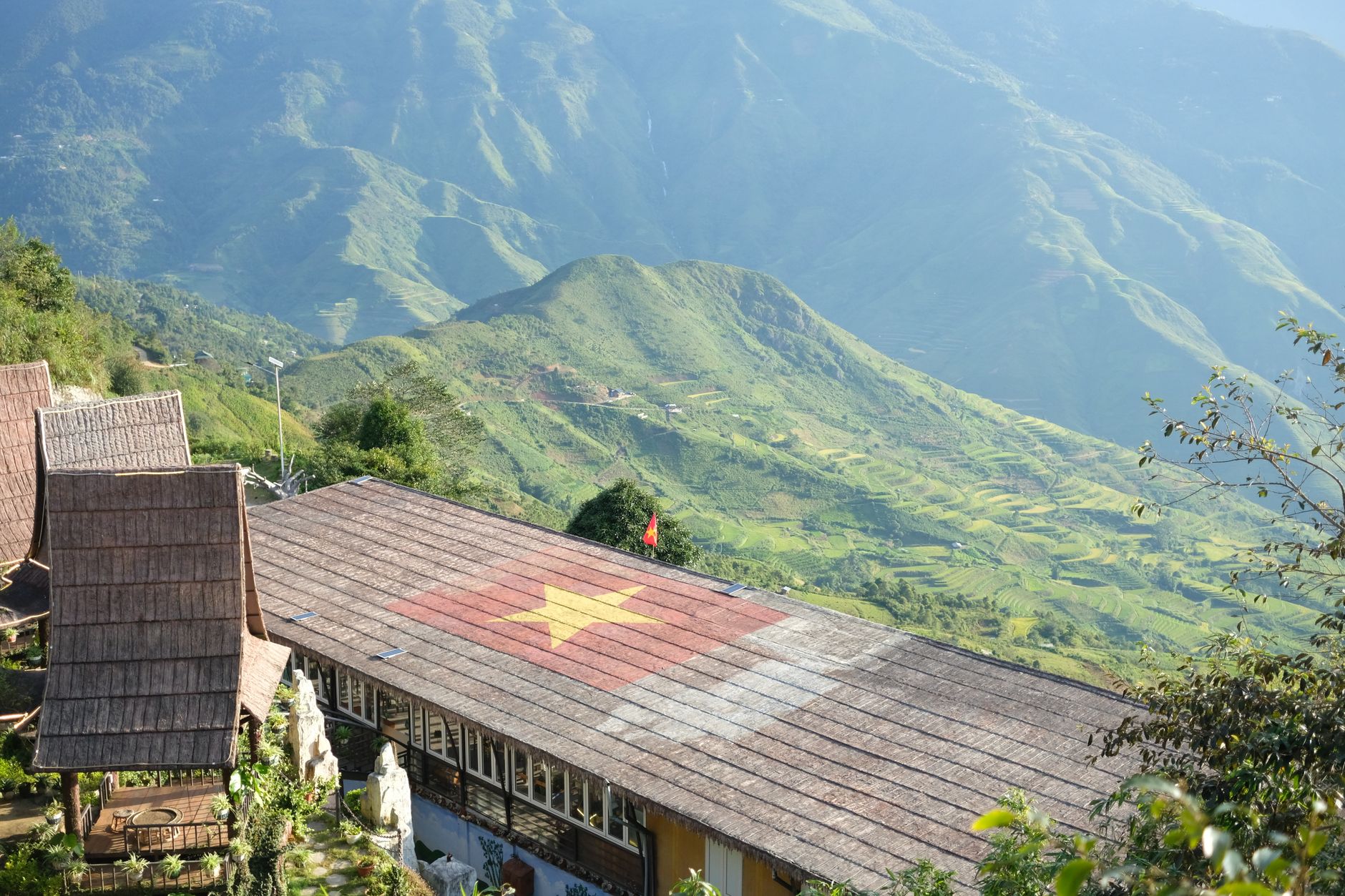
Perched at 1,600m altitude in Lào Cai province, Sapa offers cool temperatures year-round, stunning rice terraces, and authentic encounters with Hmong, Dao, and Tay ethnic groups. Plan 2-3 nights to explore Cat Cat Village, conquer Fansipan via cable car, and trek through Muong Hoa Valley.
en-bref
- Best time to visit: March-May (spring flowers) and September-October (golden rice harvest)
- Duration: 2-3 nights recommended
- Altitude: 1,600m (5,250ft) with temperatures 15-18°C average year-round
- Must-see: Fansipan Peak, terraced rice fields, Cat Cat Village, Stone Church
- Must-try: Sturgeon hotpot, Thắng Co horse stew, Muong Hum grilled fish
- From Hanoi: 5-6 hours by sleeper bus ($12-15 / 300,000 VND)
- Budget: $10-17/day for modest travel without excursions
Introduction
Sapa captures the imagination with its层叠 rice terraces cascading down mountainsides, colorful ethnic markets, and the ever-present mist that rolls through the Hoàng Liên Sơn mountain range. Once the French colonial "summer capital" of northern Vietnam, this town at 1,600m altitude offers a refreshing escape from Vietnam's tropical heat.
A voyage à Sapa means more than just sightseeing—it's about trekking through villages where Hmong women in indigo-dyed skirts sell handwoven textiles, riding the cable car to Vietnam's highest peak at 3,143m, and warming up with hotpot on cool evenings. While tourism has grown significantly, venturing beyond the town center reveals authentic cultural experiences and some of Southeast Asia's most dramatic landscapes.
The primary keyword "visiter Sapa" fits naturally here as you'll discover why this destination remains one of Vietnam's most compelling offerings for nature lovers and cultural enthusiasts alike.
Geography & Orientation
Sapa sits in Lào Cai province, northwest Vietnam, approximately 320km from Hanoi. The town rests in a valley surrounded by mountains reaching over 2,000m, with Mount Fansipan (3,143m) dominating the skyline to the southwest.
Key Geographic Facts
| Attribute | Details |
|---|---|
| Altitude | 1,600m (5,250ft) |
| Distance from Hanoi | 320km / 6 hours by road |
| Temperature range | -3°C (winter) to 29°C (summer) |
| Annual rainfall | 2,763mm (May-September rainy season) |
| Foggy days/year | 137 days average |
The town center clusters around Sapa Lake and the Stone Church, with most attractions within walking distance. Villages like Cat Cat (3km west), Ta Van (10km south), and Ta Phin (15km east) require short motorbike or taxi rides.
Tip: Download offline maps before arriving. Mobile signal can be spotty in mountain villages, and GPS helps when trekking through rice terraces.
History & Cultural Context
Sapa's name comes from the Hmong language, where "Sa Pả" means "sand area." French colonists discovered the cool highland climate in the 1920s and built it as a mountain resort, leaving the distinctive Stone Church (1895) as their most complete architectural legacy.
Today, Sapa hosts six main ethnic groups, each with distinct languages and traditions:
- Hmong (Black Hmong): Known for indigo dyeing, hemp textiles, and silver jewelry
- Dao Red: Famous for brocart weaving with gold/silver threads
- Tay: Rice farmers speaking a language related to Thai
- Giay: Traditional paper-making and rice cultivation
- Xá Phó: Rare ethnic group with unique funeral customs
- Vietnamese: Mainly in town center running businesses
The Muong Hoa Valley, a proposed UNESCO site, contains ancient stone carvings dating back centuries, hinting at pre-colonial cultural significance.
The Incontournables – Sites & Monuments
Mount Fansipan – "Roof of Indochina"
At 3,143m, Fansipan is Vietnam's highest peak. The Sun World Fansipan Legend cable car (9km from town) takes 15 minutes to reach the summit complex, replacing the 2-day trek required previously.
Cable car ticket prices (2026):
- Adults: 750,000 VND ($30)
- Children (1m-1.3m): 550,000 VND ($22)
- Children under 1m: Free
The summit features Buddhist temples, observation decks with 360° views, and cloud-watching platforms. On clear days, you can see into China's Yunnan province.
Don't miss: Visit early morning (7-8 AM) for the clearest skies. Afternoon clouds often obscure views.
Ham Rong Mountain
Located just behind the Stone Church, Ham Rong Mountain ("Dragon's Head") offers panoramic town views with minimal effort. The 148-hectare ecological area includes:
- Central Flower Garden: Flowers arranged to spell "SAPA"
- Orchid Garden: 200 orchid species thriving in cool climate
- Heaven's Gate: Cloud-level viewpoint overlooking Muong Hoa Valley
- Zodiac Garden: Photo opportunities with 12 animal statues
Entrance: 70,000 VND ($2.80) for adults, 30,000 VND ($1.20) for children 1m-1.3m [web:31][web:34]
Opening hours: 7:00 AM – 8:00 PM
Allow 2 hours for the full ascent via stone staircases to the 1,800m summit viewpoint.
Sapa Stone Church
The Stone Church (Église en Pierre) built in 1895 is the town's landmark. French colonial architecture with stone construction, it sits on the main square beside Sapa Lake. Evening markets and cultural performances happen here regularly.
Cat Cat Village
Cat Cat Village is a traditional Hmong settlement 3km west of town, easily accessible via paved path with stairs descending to waterfalls.
Highlights:
- Traditional Hmong houses on stilts
- Waterfall viewing platform (3-tier cascade)
- Textile workshops showing hemp processing
- Bronze drum casting demonstrations
Entrance fee (2026): 150,000 VND ($6) for adults, 70,000 VND ($2.80) for children 1m-1.3m [web:32][web:35]
Opening hours: 7:00 AM – 5:30 PM
Note: Cat Cat is the most touristy village due to proximity to town. For authentic experiences, choose Ta Van or Lao Chai instead.
Neighborhoods to Explore
Town Center (Sapa Lake & Stone Church Area)
The town center concentrates hotels, restaurants, and shops around Sapa Lake. Walkable streets include Hoang Liên Street (main commercial strip) and Ham Rong Street.
Best for: First-time visitors, those without mobility challenges, night market access
Pros:
- Walking distance to Stone Church, market, restaurants
- Most hotel options across all budgets
- Night market (Saturday evenings) and love market (weekends)
Cons:
- Can be crowded on weekends
- Less scenic views than hillside accommodations
Bac Ha Area (Weekend Market)
Though 100km from Sapa (3-hour drive), Bac Ha deserves mention for its Sunday morning ethnic market—one of Northern Vietnam's most authentic. Colorful Hmong, Dao, and Tay traders in traditional dress sell livestock, textiles, and local produce.
Market hours: 6 AM – 12 PM (arrive before 10 AM for maximum color)
Muong Hoa Valley Villages
Scattered along the valley floor, villages like Lao Chai, Ta Van, and Hta Phin offer the most scenic rice terrace views and authentic homestay opportunities.
Gastronomy – Eating in Sapa
Sapa's cool climate supports unique agriculture, including Vietnam's only highland salmon farming. Regional dishes emphasize hearty, warming foods.
Must-Try Local Dishes
| Dish | Description | Price Range |
|---|---|---|
| Lẩu Cá Hồi (Salmon Hotpot) | Fresh salmon slices in savory broth with vegetables, tofu, mushrooms | $8-12 / 200,000-300,000 VND |
| Lẩu Cá Trí Tuệ (Sturgeon Hotpot) | Mountain stream fish with firm, sweet flesh | $10-15 / 250,000-375,000 VND [web:13] |
| Thắng Co | Traditional Hmong horse meat stew with bones, offal, herbs (cardamom, cinnamon) | $3-5 / 75,000-125,000 VND [web:16] |
| Thịt Heo Mù Tạc (Seven-Dish Pork) | Free-range black pig prepared 7 ways: boiled, grilled, steamed, stir-fried, braised | $5-8 / 125,000-200,000 VND [web:13] |
| Cá Suối Nướng (Muong Hum Grilled Fish) | Small river fish marinated with spices, grilled over open flame | $3-5 / 75,000-125,000 VND [web:16] |
| Cơm lam | Sticky rice cooked in bamboo tubes | $1-2 / 25,000-50,000 VND |
Restaurant Recommendations
Plum Eco House: Cozy vibe, great food, reasonable prices. Family-run with traditional dishes [web:13].
Ksuyong Ha: Traditional family-run restaurant specializing in Ksoui noodle dish with thick pork bone and beef sauce [web:13].
Zong Long Pork Platter Restaurant: Best for the seven-dish pork specialty [web:13].
Food safety tip: Stick to busy restaurants with high turnover. Street food is generally safe but avoid raw vegetables if you have a sensitive stomach.
Nightlife & Entertainment
Sapa's nightlife is low-key compared to Hanoi or Ho Chi Minh City, focusing on cozy bars and cultural performances rather than clubs.
Evening Activities
- Night Market (Saturday): Handicrafts, local food, live music beside Stone Church
- Love Market (Weekends): Traditional ethnic meeting place for young people (now mostly cultural performance for tourists)
- Cultural Shows: Ham Rong Mountain performs traditional dances 3-4 times daily [web:31]
- Bar Hopping: Hoang Liên Street has several mountain-view bars serving local rice wine (rượu cơm)
Top bars:
- Sapa Heaven Bar: Rooftop views, craft cocktails
- Celsius 0°: Coldest bar concept, warm interior, local beer
- Sport Bar: Sports screenings, pool table
Most venues close by 11 PM–midnight.
Shopping & Handicrafts
What to Buy
- Textiles: Hmong hemp skirts, Dao brocart scarves, indigo-dyed fabrics
- Silver jewelry: Traditional Hmong silver necklaces, bracelets
- Embroidery: Hand-embroidered wall hangings, bags, passport covers
- Local products: Mountain honey, dried mushrooms, açai berries
Where to Shop
Sapa Market (central town): Main handicraft market, open daily 6 AM–6 PM. Bargaining is expected—start at 60% of asking price.
Ethnic village shops: Direct purchases from artisans in Ta Van and Lao Chai often offer better prices and authenticity.
Bargaining etiquette: Smile, be friendly, and walk away if the price doesn't work. Most vendors will call you back with a better offer.
Unique & Unusual Activities
Sapa Alpine Coaster
The Sapa Alpine Coaster near Fansipan offers 3.5km of track with mountain views, reaching speeds up to 45 km/h. Ticket: ~200,000 VND ($8).
Homestay Experience in Rice Terraces
Sleep in traditional Hmong or Dao houses with families in Ta Van or Lao Chai. Includes dinner preparation with family, morning rice field walks, and authentic cultural immersion.
Cost: $10-15/night including meals [web:23]
Homestay tip: Bring small gifts for your host family (school supplies for children, tea, or fruit). Respect local customs—ask before photographing people.
Sunrise at Đỉnh Fansipan
Catch the first cable car (6:30 AM) to see sunrise over the clouds from 3,143m. The golden light illuminating mist-filled valleys is photographic gold.
Day Trips from Sapa
Bac Ha Market (Sunday)
Distance: 100km / 3 hours each way Best for: Authentic ethnic market experience When: Sunday mornings (6 AM–12 PM)
Can Cau Market (Saturday)
Distance: 70km / 2.5 hours Best for: Less touristy alternative to Bac Ha When: Saturday mornings
Mu Cang Chai Rice Terraces
Distance: 200km / 5 hours Best for: Photographer's paradise with 500ha of UNESCO-recognized terraces When: September-October (golden harvest) [web:11]
Cat Cat Village Half-Day
Distance: 3km / 30-minute walk or 10-minute motorbike Best for: Quick introduction to Hmong culture without full-day commitment
Practical Information
When to Visit Sapa
| Season | Months | Temperature | What to Expect |
|---|---|---|---|
| Winter | Dec–Feb | 45–57°F (7–14°C) | Cold, frosty, occasional snow, foggy [web:22] |
| Spring | Mar–May | 55–70°F (13–21°C) | Flowers bloom, rice planting, mild & dry [web:25] |
| Summer | Jun–Aug | 64–75°F (18–24°C) | Hot, rainy, green rice fields [web:22] |
| Autumn | Sep–Nov | 55–68°F (13–20°C) | Golden rice harvest, clear skies |
Best months: September–October (golden rice terraces) and March–May (spring flowers) [web:27]
Avoid: January–February if you want clear views (heavy fog common)
Getting to Sapa
| Transportation | Cost | Duration | Notes |
|---|---|---|---|
| Sleeper bus | $12-15 / 300,000 VND | 5-6 hours | Most popular budget option [web:23] |
| Night train + bus | $22-25 / 550,000-625,000 VND | 7-8 hours | Train to Lao Cai, then bus to Sapa [web:23] |
| Private car | $100-110 / 2,500,000 VND | 5-6 hours | Comfortable, fits 4 people [web:23] |
Train stations:
- Hanoi: 120 rue Le Duan, Hoan Kiem
- Lao Cai: Khanh Yen, Pho Moi
Bus booking: Reserve 2-3 days ahead via hotel reception or online (12Go.asia, BookMeBus). Premium sleeper buses (Hoang Long, Syn Vien) cost $2-3 more but offer better comfort.
Budget Breakdown
| Category | Economy | Mid-Range | Luxury |
|---|---|---|---|
| Accommodation/night | $10-15 / 250,000-375,000 VND | $25-40 / 625,000-1,000,000 VND | $80+ / 2,000,000+ VND |
| Food/day | $5-8 / 125,000-200,000 VND | $10-15 / 250,000-375,000 VND | $25+ / 625,000+ VND |
| Activities | $20 (1 trekking tour) | $40-50 (cable car + trek) | $100+ (private guide + tours) |
| Total 3-day trip | ~$100/person | ~$150-200/person | ~$350+/person [web:23] |
Where to Stay
Budget:
- Eco Palms House (Lao Chai Village): Sustainable bamboo lodge in rice terraces
- Hmong House Sapa: Traditional homestay in town center
Mid-range:
- ALIANA Boutique Sapa Hotel & Spa: 30 Hoàng links Street, modern rooms with mountain views, outdoor pool
- SaPa Farmer House: Farm-to-table dining, homestay experience
Luxury:
- Topas Ecolodge: Thanh Kim, eco-friendly boutique hotel with panoramic mountain views
- KK Sapa: Premium option with spa and rooftop bar [web:12]
Booking tip: Weekend rates (Fri–Sat) can be 30–50% higher than weekdays. Book 1–2 weeks ahead for best availability.
Getting Around Sapa
- Walking: Town center is fully walkable
- Motorbike rental: $5-7/day; requires experience with mountain roads
- Taxi/moto-taxi: Short trips to villages ($3-5 / 75,000-125,000 VND)
- Guided tours: Include transport, guide, meals; $20-30/day for trekking [web:23]
Packing List
- Warm jacket, gloves, beanie (Nov–Feb temperatures drop near freezing) [web:22]
- Rain jacket/umbrella (May–September rainy season)
- Sturdy hiking shoes (rice terrace trails can be muddy)
- Power bank (power outages occasional in remote villages)
- USD cash (ATMs available but limited; small bills preferred)
Cultural Etiquette
- Ask permission before photographing ethnic minorities [web:27]
- Dress modestly when visiting villages (cover shoulders and knees)
- Remove shoes when entering homes
- Respect market photography: Don't bombard people with cameras; photograph discreetly [web:20]
Suggested Itineraries
2-Day/1-Night Quick Trip
Day 1:
- Morning: Arrive from Hanoi, check into hotel
- Afternoon: Visit Stone Church, Ham Rong Mountain (2 hours)
- Evening: Night market, sturgeon hotpot dinner
Day 2:
- Morning: Cat Cat Village (half-day, 150,000 VND entrance)
- Afternoon: Return to Hanoi by 3 PM bus
3-Day/2-Night Classic Sapa
Day 1:
- Morning: Arrive, check into Ta Van homestay
- Afternoon: Trek through Lao Chai–Ta Van rice terraces (3 hours)
- Evening: Homestay dinner with family
Day 2:
- Morning: Cable car to Fansipan summit (750,000 VND)
- Afternoon: Ta Phin village, Dao Red brocart weaving demonstration
- Evening: Return to town center, massage at spa
Day 3:
- Morning: Ham Rong Mountain sunrise, Stone Church
- Afternoon: Depart for Hanoi
4-Day/3-Night Deep Dive
Add Bac Ha market (Sunday) or Cat Cat Village with extended trekking. Consider a second homestay in different village for cultural variety.
Conclusion
A voyage à Sapa delivers what few Vietnamese destinations can: cool mountain air, dramatic rice terraces that change with every season, and genuine encounters with ethnic minorities maintaining centuries-old traditions. While the town center has become touristy, venturing to villages like Ta Van and Lao Chai reveals authentic culture still thriving.
The keyword visiter Sapa brings you to one of Southeast Asia's most visually stunning destinations, where a cable car ride can take you from 1,600m to 3,143m in 15 minutes, yet trekking through Hmong villages still feels like stepping back in time. Whether you're chasing golden rice terraces in September, spring flowers in April, or simply escaping Vietnam's heat, Sapa rewards patient travelers who look beyond the tourist trail.
Plan 2–3 nights, book a homestay outside town center, and prioritize trekking over sightseeing for the most memorable experience.