This guide breaks down what March actually looks like on the ground in each region, where to go, what to pack, and what to expect for crowds and prices.
The big picture: what March means for each region
Vietnam's three regions operate on different weather calendars. Understanding this is the key to planning a good March trip.
| Region | March weather | Crowds | Best for |
|---|---|---|---|
| North (Hanoi, Ha Long, Ninh Binh, Sapa) | Cool, damp, light drizzle, 18-24°C | Moderate | City culture, food, bay cruises |
| Central (Hue, Da Nang, Hoi An) | Warm, dry, sunny, 24-30°C | Moderate | Beaches, old towns, photography |
| South (HCMC, Mekong Delta, Phu Quoc) | Hot, dry, 28-35°C | Moderate to high | Beaches, islands, river life |
| Highlands (Da Lat) | Mild, occasional rain, 15-24°C | Low | Nature, coffee, trekking |
The north remains cool and damp in March. The famous "mua phun" (drizzle season) can make Hanoi feel grey and clingy. But the temperatures are comfortable for walking, and the lack of intense heat makes exploring the Old Quarter pleasant.
Central Vietnam hits its stride in March. The rainy season has ended, and the oppressive humidity of summer has not yet arrived. This is arguably the best month of the year for Da Nang, Hoi An, and Hue.
The south is firmly in its dry season. Expect hot days, strong sun, and very little rain. This is prime beach weather on Phu Quoc and along the coast near Nha Trang.
Northern Vietnam: drizzle, green rice, and quieter bays
March in the north is a study in contrasts. Hanoi experiences what locals call "mua xuan," the spring season. Temperatures hover between 18°C and 24°C (64-75°F). The air feels damp, and light rain can fall for days at a time. This is not the dramatic downpour of summer. It is a fine, persistent mist that soaks everything slowly.
The upside? The city looks lush. Trees along the boulevards push out fresh green leaves. The lakes reflect the soft grey sky, and the usual motorbike chaos feels muted. It is a good month for museum visits, coffee shop hopping, and eating your way through the Old Quarter. The Hanoi food scene is in full swing regardless of weather.
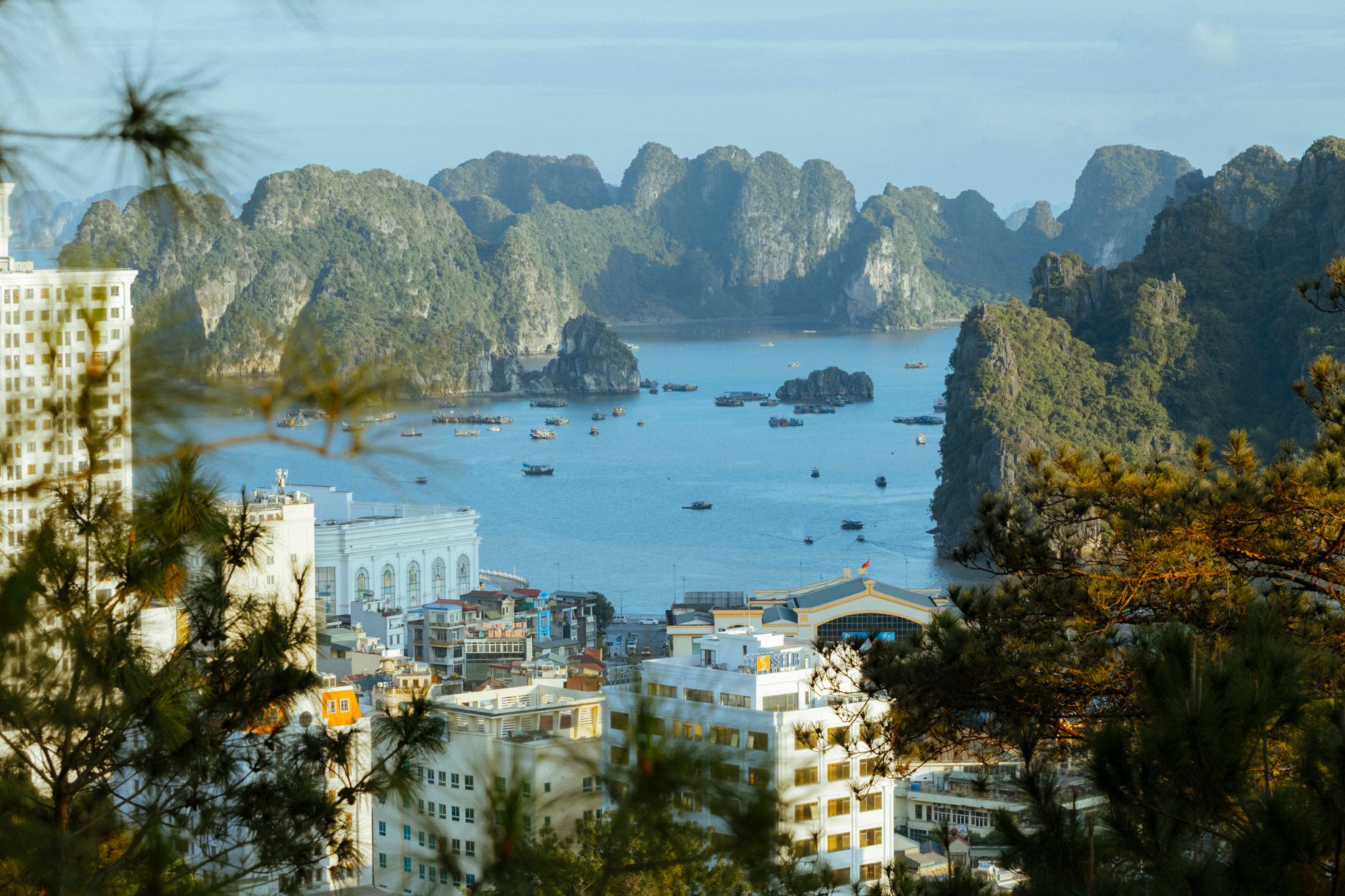
Ha Long Bay in March is a gamble. The drizzle can reduce visibility to almost nothing, turning the karst landscape into a ghostly grey silhouette. But when the clouds break, the bay is stunning. The best day trips from Ha Long Bay to Cat Ba and Lan Ha Bay often have better conditions than the main bay itself. If you are set on a cruise, book one that allows flexible itineraries. Check the weather forecast before committing to a multi-night trip.
Ninh Binh in March is special. The rice paddies are flooded and freshly planted, creating mirror-like reflections of the limestone karsts. This is the best time to see the rice fields in Ninh Binh for the "green on green" look. The boat tours through Tam Coc run regularly, and the crowds are manageable compared to the summer months. The local food scene is worth exploring, especially the goat meat dishes that the region is known for.
Sapa and the northern mountains remain cool and often cloudy in March. The terraced rice fields are bare at this time of year, as planting does not begin until May. But the valleys are covered in peach and plum blossoms, especially in the orchards around Mu Cang Chai and Ha Giang. If you are considering the northwest Vietnam loop, March offers moderate temperatures and fewer riders on the road.
Pro tip: Pack a lightweight rain jacket and quick-dry shoes for the north. The drizzle does not stop activities, but it makes everything feel damp. A small umbrella is essential in Hanoi.
Central Vietnam: the golden month
If there is one region that shines in March, it is central Vietnam. The stretch from Hue down to Hoi An enjoys warm, dry, and sunny conditions. Daytime temperatures range from 25°C to 30°C (77-86°F). Humidity stays manageable, and rain is rare.
Da Nang is at its best. The beaches are clean, the water is warm enough for swimming, and the Marble Mountains are clear of haze. This is the time to explore the Son Tra Peninsula and the Hai Van Pass. The local food scene is excellent year-round, but eating outdoors in March is genuinely pleasant.
Hoi An in March is beautiful. The old town is not yet packed with summer crowds, and the weather is ideal for wandering the narrow lanes. The lantern festival runs on the 14th day of each lunar month, and March often sees one or two of these events. The daily budget for Hoi An is manageable, and the beach versus old town accommodation debate is worth considering based on your priorities.
Hue in March is dry and warm. This is a significant improvement over the wet months of October through January. The Imperial Citadel and the royal tombs are best explored in this kind of weather. The Perfume River boat trips are pleasant, and the food scene, especially the bun bo Hue, is worth the trip alone.
March is also a good month for the DMZ tours from Hue. The Vinh Moc Tunnels and Khe Sanh are more manageable in dry conditions.
Warning: Book accommodation in Hoi An and Da Nang early if your March trip coincides with the Hung Kings Festival (10th day of the third lunar month, usually falling in April). Domestic tourists travel heavily during this period.
Southern Vietnam: hot, dry, and busy
March is peak dry season in the south. Ho Chi Minh City experiences temperatures between 28°C and 35°C (82-95°F). The humidity is present but not oppressive. Rain is rare, and when it does fall, it is a brief afternoon shower that passes quickly.
The Mekong Delta is in its sweet spot. The water levels are moderate, the floating markets are active, and the fruit orchards are producing. This is a good month for a multi-day delta exploration rather than a rushed day trip.
Phu Quoc is hot and dry in March. The island sees long stretches of sunshine, calm seas, and excellent snorkeling conditions. This is one of the best months for island hopping in southern Vietnam. Expect higher prices than the rainy season, but the conditions justify the premium.
Nha Trang in March is warm and sunny. The beach scene is active, and the diving conditions are good. The city is busier than in the winter months, but the crowds are manageable. The day trips from Nha Trang to the surrounding islands and bays run regularly.
Mui Ne and Phan Rang are excellent in March for kitesurfing. The wind season is in full swing, and the conditions are consistent. Even if you do not kite, the beaches and the famous sand dunes are worth visiting.
Da Lat and the highlands: an escape from the heat
Da Lat sits at 1,500 meters above sea level, which gives it a completely different climate from the rest of southern Vietnam. March brings mild temperatures between 15°C and 24°C (59-75°F). Occasional afternoon showers are possible, but they rarely last long.
This is a good month for exploring the waterfalls and farms around Da Lat. The coffee scene is in full production, and the flower gardens are blooming. The sleeper coach routes from HCMC run frequently, making this an easy escape from the heat.
The Central Highlands route through Buon Ma Thuot and Kon Tum is also viable in March. The roads are dry, and the coffee plantations are in harvest. This is a quieter alternative to the more touristy destinations.
What to pack for March
Packing for Vietnam in March depends entirely on your route. If you are only visiting the south, pack light and breathable clothing. If you are doing a full north-to-south itinerary, you need layers.
| Item | North | Central | South |
|---|---|---|---|
| Light jacket | Yes | Optional | No |
| Rain shell | Yes | No | No |
| Long pants | Yes | Yes | Optional |
| Shorts | No | Yes | Yes |
| Swimwear | No | Yes | Yes |
| Sunscreen | No | Yes | Yes |
| Umbrella | Yes | No | No |
The dress code at temples and pagodas applies year-round. Shoulders and knees should be covered when entering religious sites. This matters in the south, where the heat makes covering up less appealing.
For what to wear this month, region by region, see How to dress for Vietnam in March: a complete packing guide for every region.
Crowds and prices in March
March is a moderate travel month in Vietnam. The peak winter season (December through February) has ended. The summer rush (June through August) has not begun. The domestic holiday of Hung Kings Festival can cause a spike in late March or early April, depending on the lunar calendar.
Prices for flights and hotels in March are generally lower than in peak season. Domestic flights between Hanoi, Da Nang, and HCMC are reasonably priced. Book at least two weeks ahead for the best rates.
Accommodation in Hoi An and Da Nang fills up faster than other destinations. This is because the weather is so good. Where to stay in Da Nang options range from budget guesthouses in My Khe to luxury resorts on the Son Tra peninsula. Book early if you have a specific property in mind.
March itinerary suggestions
For a one-week trip focused on the north:
- 3 days in Hanoi for the Old Quarter, museums, and food
- 2 days in Ninh Binh for the karst landscapes and boat rides
- 2 days in Ha Long Bay or Cat Ba for the bay scenery
For a one-week trip focused on the center:
- 2 days in Da Nang for the beaches and city sights
- 2 days in Hoi An for the old town and nearby beaches
- 2 days in Hue for the citadel and royal tombs
- 1 day for the Hai Van Pass drive between Da Nang and Hue
For a one-week trip focused on the south:
- 2 days in Ho Chi Minh City
- 2 days in the Mekong Delta
- 3 days on Phu Quoc or in Nha Trang
The 3 weeks in Vietnam itinerary works well starting in March. The weather improves as you move south, which aligns with a north-to-south route.
Practical considerations for March travel
The air quality in northern Vietnam can be poor in March. The combination of lingering winter inversions and agricultural burning in the region creates hazy conditions. If you have respiratory sensitivities, consider spending more time in central or southern Vietnam.
The laundry situation is straightforward. Most hotels offer same-day or next-day service for a small fee. In the damp north, clothes take longer to dry. Pack enough to avoid needing laundry every other day.
The translation apps are useful for navigating markets and street food stalls. Vietnamese is a tonal language, and pronunciation errors can lead to confusion. Google Translate with the Vietnamese language pack downloaded works well offline.
March is a good month for golf in Vietnam. The courses in central Vietnam, particularly around Da Nang, are in excellent condition. The weather is comfortable for a full round without the extreme heat of summer.
The bottom line on March
March is one of the best months to visit Vietnam if you focus on central Vietnam. The weather is nearly perfect, the crowds are moderate, and the prices are reasonable. The north is damp but manageable, and the south is hot but dry.
The key is to match your expectations to the region. Do not expect sunny beach weather in Hanoi. Do not expect cool mountain air in Phu Quoc. Plan your route around the conditions, and March will reward you with some of the best travel experiences Vietnam offers.
FAQ
Q: Is March a good time to visit Ha Long Bay? A: March can be hit or miss for Ha Long Bay. The drizzle season in the north can reduce visibility significantly. However, when the weather clears, the bay is stunning. Check the forecast before booking a multi-night cruise. Cat Ba and Lan Ha Bay often have better conditions than the main bay.
Q: What is the weather like in Hoi An in March? A: Hoi An in March is warm and dry. Daytime temperatures range from 25°C to 30°C (77-86°F). Rain is rare, and the humidity is lower than in summer. This is one of the best months to visit the old town and the nearby beaches.
Q: How much does a trip to Vietnam cost in March? A: A mid-range daily budget is around 1.8 million VND ($70) per person. This covers a decent hotel, three meals, local transport, and one paid activity. Budget travelers can manage on 1.2 million VND ($47) per day, while luxury travelers should plan for 3 million VND ($118) or more.
Q: Is March a busy month for tourism in Vietnam? A: March is moderate. The winter peak has ended, and the summer rush has not begun. Domestic travel spikes around the Hung Kings Festival, which falls in late March or early April. Book accommodation in Hoi An and Da Nang early if your trip overlaps with this holiday.
Q: What should I pack for northern Vietnam in March? A: Pack layers. Mornings and evenings are cool, around 18°C (64°F). Afternoons can reach 24°C (75°F). A light jacket, a rain shell, and comfortable walking shoes are essential. The drizzle can make streets slippery, so non-slip soles matter.
Q: Can I swim in the sea in March? A: Yes, in central and southern Vietnam. The water temperature in Da Nang, Nha Trang, and Phu Quoc ranges from 26°C to 28°C (79-82°F). The sea in northern Vietnam, around Ha Long Bay, is cooler and less inviting for swimming.