There is one wildcard that changes everything: Tet, the Vietnamese Lunar New Year. In 2026, Tet falls on February 17, which means the run-up in late January brings festival preparation, price surges, and transport chaos. If you are traveling in the second half of January, plan around Tet or embrace it fully.
This guide breaks down what January actually looks like on the ground, region by region. No fluff, just the practical details.
The three Vietnams in January
Vietnam spans over 1,600 kilometers from north to south. January treats each end completely differently. Understanding this split is the key to planning a good trip.
Northern Vietnam (Hanoi, Ha Long Bay, Sapa, Ninh Binh):
- Temperatures: 10-20°C
- Conditions: cool, dry, occasional drizzle
- Crowds: moderate, fewer international tourists
- Best for: city exploring, trekking, cultural sites
Central Vietnam (Da Nang, Hoi An, Hue, Nha Trang):
- Temperatures: 20-27°C
- Conditions: dry and sunny, occasional cold fronts
- Crowds: high, especially in Hoi An
- Best for: beaches, old towns, photography
Southern Vietnam (Ho Chi Minh City, Mekong Delta, Phu Quoc):
- Temperatures: 25-33°C
- Conditions: hot, dry, low humidity
- Crowds: very high, especially around Tet
- Best for: beaches, islands, city life
The contrast between Sapa's cold mountain mornings and Phu Quoc's hot beaches is the single biggest factor in packing and planning. You cannot do both comfortably in one week without a flight between them.
Northern Vietnam: cold, dry, and crowd-free
Hanoi in January feels like a proper winter city. Mornings hover around 12-14°C, and the sky often stays grey. The old quarter's narrow streets hold the cold, so bring a real jacket, not just a light layer. Rain is less common than in February or March, but the humidity makes the chill feel sharper than the thermometer suggests.
The upside is the lack of crowds. January is the quietest month for international tourism in the north. Hotels in Hanoi's old quarter drop to 400,000-800,000 VND ($16-32) per night for mid-range options, compared to 700,000-1,200,000 VND ($28-48) in peak months like October or November.
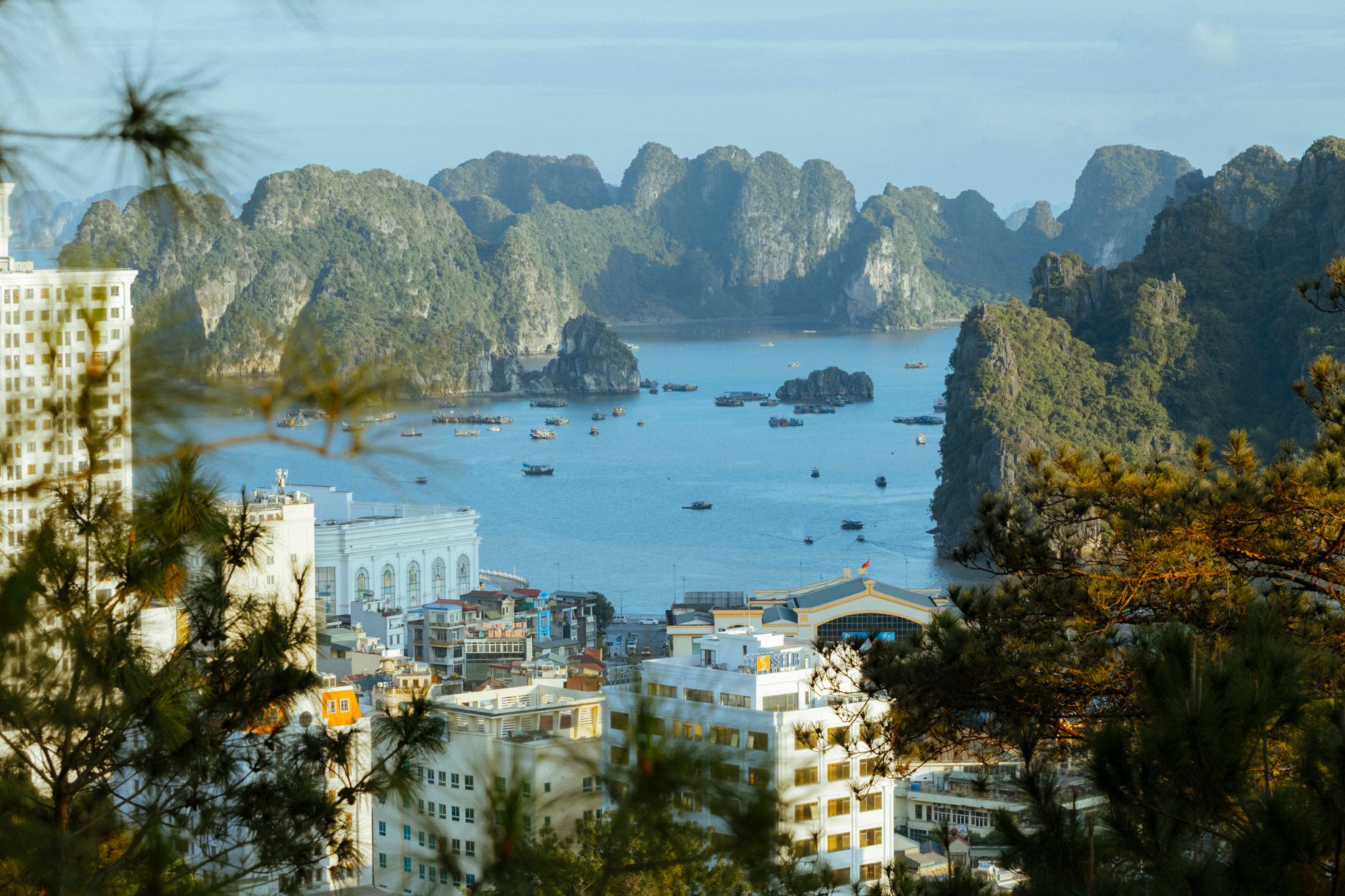
Ha Long Bay in January is a gamble. The bay is famous for its mist, and January brings plenty of it. Some travelers love the moody, dramatic seascapes. Others feel cheated when they cannot see the karst peaks clearly. Cruises still run daily, and prices are lower than in November or December. A standard overnight cruise costs 1,500,000-3,000,000 VND ($60-120) per person, depending on the boat and cabin. Getting to Ha Long Bay from Hanoi takes 2.5-3 hours by bus or car.
Sapa and the northern mountains sit at 1,500-1,600 meters elevation. Temperatures drop to 5-10°C, and frost is possible at night. The rice terraces are bare in January, so the landscape looks brown rather than green. But the trekking is still excellent, and the lack of crowds makes it a different experience from the busy March-May season. Homestays in villages like Ta Van or Lao Chai cost 150,000-300,000 VND ($6-12) per night.
Pro tip: Pack thermal layers for the north. A down jacket, beanie, and gloves make the difference between enjoying Hanoi's winter and hiding in your hotel room.
Central Vietnam: the sweet spot
Central Vietnam in January offers the best weather-to-crowd ratio in the country. The rainy season ends in December, leaving January dry and sunny. Temperatures sit at 22-27°C, perfect for beach days and exploring old towns without overheating.
Da Nang is the anchor. The city's beaches, especially My Khe, are clean and uncrowded in January. The water is warm enough for swimming, around 24-25°C. The Da Nang food scene thrives year-round, and January brings no weather issues for street food crawling. Hotel prices are moderate: 600,000-1,500,000 VND ($24-60) for a solid mid-range room.
Hoi An is the busiest spot in central Vietnam in January. The old town's lantern-lit streets attract huge crowds, especially in the evenings. The Hoi An daily budget runs higher than Da Nang due to accommodation prices and restaurant markups. Expect to pay 800,000-2,000,000 VND ($32-80) per night for a decent hotel. The old town versus beach debate matters more in January because the beach side is quieter and cooler in the evenings.
Hue sits further north and runs 3-5°C cooler than Da Nang. The imperial city is worth a visit in January for the clear skies and comfortable walking conditions. The DMZ tours run year-round, and January's dry weather makes the long day trip more bearable.
Nha Trang is the southern end of central Vietnam and the warmest option in this region. Temperatures reach 28-30°C, with calm seas and excellent visibility for diving. This is the peak season for Nha Trang, so book accommodation early. Beachfront hotels run 1,000,000-2,500,000 VND ($40-100) per night.
Pro tip: Base yourself in Da Nang and day-trip to Hoi An. It saves money, avoids the Hoi An crowds, and gives you better beach options. The Da Nang to Hoi An transport takes 45 minutes by Grab or taxi.
Southern Vietnam: hot, dry, and packed
Southern Vietnam in January delivers what most travelers want: consistent sunshine and heat. Ho Chi Minh City averages 26-32°C with low humidity. Rain is rare, and when it does fall, it comes as a brief afternoon shower.
The downside is crowds. January is the busiest month for international tourism in the south. Add the run-up to Tet, and the city becomes a different beast. Markets get busier, streets fill with decorations, and prices creep up.
Ho Chi Minh City itself offers a full cultural calendar in January. The War Remnants Museum and Cu Chi tunnels are busy but manageable if you arrive early. The Saigon food scene is at its best in dry weather; sidewalk stalls stay packed until late.
The Mekong Delta is a solid January choice. The dry season means easier boat travel and clearer skies. Cai Rang floating market in Can Tho is busiest in the early morning, around 6-8 AM. January's dry weather makes the Mekong Delta itinerary more comfortable, though the region is hotter than central Vietnam.
Phu Quoc is the big-ticket beach destination in January. The island's dry season peaks now, with calm seas and 28-32°C temperatures. The west coast beaches, especially Long Beach and Duong Dong, are packed. The south coast around Sao Beach is quieter. Hotel prices on Phu Quoc double in January compared to the rainy season. Budget 1,500,000-3,500,000 VND ($60-140) per night for a decent resort room.
Con Dao offers an alternative to Phu Quoc's crowds. The islands are quieter, more expensive to reach, and less developed. Con Dao hotels on a budget exist but book out weeks in advance for January. The trade-off is worth it for travelers who want empty beaches and a slower pace.
Pro tip: If you are in the south during the last week of January, expect Tet preparation to affect everything. Restaurants close early, transport books out, and prices spike. Book everything at least two weeks ahead.
For what to wear this month, region by region, see How to dress for Vietnam in January: a complete packing guide for every region.
Tet: the January wildcard
Tet Nguyen Dan, the Vietnamese Lunar New Year, is the most important holiday in Vietnam. In 2026, Tet falls on February 17. The holiday period runs roughly February 14-20, but the impact starts earlier.
In late January, cities begin decorating. Flower markets appear on street corners. People travel home to their families, filling trains and buses. Hotels in major cities fill up. Restaurants in tourist areas stay open, but local eateries close for a week or more.
For travelers, Tet is a double-edged sword. The festive atmosphere is unique, with traditional foods, decorations, and a genuine sense of celebration. But the practical downsides are real: closed shops, limited transport, and higher prices.
If you want to experience Tet, plan for it. Book accommodation weeks ahead. Understand that many businesses close for 5-7 days. If you prefer smooth travel with everything open, aim to leave Vietnam before February 10 or arrive after February 25.
Where to go in January: a quick comparison
| Destination | Temp (°C) | Conditions | Crowds | Best for |
|---|---|---|---|---|
| Hanoi | 12-20 | Cold, dry | Low | Old quarter, museums, egg coffee |
| Ha Long Bay | 13-18 | Cool, misty | Medium | Cruises, photography |
| Sapa | 5-12 | Cold, clear | Low | Trekking, homestays |
| Da Nang | 22-27 | Warm, dry | Medium | Beaches, food, day trips |
| Hoi An | 21-26 | Warm, dry | High | Old town, lanterns, tailoring |
| Nha Trang | 24-29 | Hot, dry | High | Beaches, diving, islands |
| Ho Chi Minh City | 26-32 | Hot, dry | High | City life, food, history |
| Phu Quoc | 27-32 | Hot, dry | Very high | Beaches, resorts |
| Con Dao | 26-31 | Hot, dry | Low | Empty beaches, history |
What to pack for January
Packing for January means preparing for three different climates.
For the north: thermal layers, a down or fleece jacket, beanie, gloves, and closed shoes. Mornings and evenings are genuinely cold, especially in Sapa and Ha Long Bay.
For central Vietnam: light layers for the day, a jacket for cooler evenings. The temperature drops noticeably after sunset in Hoi An and Hue. Waterproof shoes are useful if you plan to walk the old town streets in the morning when dew is heavy.
For the south: summer clothing, swimwear, sunscreen, and a hat. The sun is strong even in January. Heat and hydration matter more than you expect, especially in Ho Chi Minh City where you spend hours walking.
For the whole trip: a universal power adapter, a VPN for blocked sites, and a local SIM card or eSIM. Translation apps are useful, especially for street food and market bargaining.
Budget realities in January
January is peak season, so prices run 20-40% higher than in shoulder months. Here is what to expect:
Accommodation:
- Hostel dorm: 120,000-250,000 VND ($5-10)
- Budget hotel: 350,000-700,000 VND ($14-28)
- Mid-range hotel: 800,000-1,800,000 VND ($32-72)
- Luxury resort: 3,000,000-8,000,000 VND ($120-320)
Transport:
- Domestic flights: 800,000-2,500,000 VND ($32-100) one way
- Sleeper bus: 250,000-500,000 VND ($10-20)
- Train: 400,000-900,000 VND ($16-36) depending on class
Food:
- Street food: 30,000-80,000 VND ($1.20-3.20)
- Casual restaurant: 80,000-200,000 VND ($3.20-8)
- Mid-range restaurant: 200,000-500,000 VND ($8-20)
Daily budget total:
- Backpacker: 500,000-800,000 VND ($20-32)
- Mid-range: 1,200,000-2,000,000 VND ($48-80)
- Comfortable: 2,500,000-4,000,000 VND ($100-160)
Pro tip: Book domestic flights within Vietnam at least 3-4 weeks ahead in January. Last-minute fares on routes like Hanoi to Da Nang or Ho Chi Minh City to Phu Quoc can double in the week before Tet.
Final thoughts
January in Vietnam is a month of contrasts. The north offers cold, quiet streets and dramatic mountain scenery. Central Vietnam delivers the best all-round weather with manageable crowds. The south guarantees sun, heat, and the most tourists.
The Tet factor shapes the entire month. Travel before February 10 and everything runs normally. Travel during the Tet window and expect closures, crowds, and higher prices. Travel after February 25 and the country returns to normal with fewer tourists.
For first-time visitors, the classic route works well in January: start in Hanoi for 2-3 days, fly to Da Nang for the beaches and Hoi An, then finish in Ho Chi Minh City or Phu Quoc. That route gives you the full range of Vietnam's January weather without feeling rushed.
FAQ
Q: Is January a good time to visit Vietnam? Yes, for most of the country. Central and southern Vietnam have excellent weather. Northern Vietnam is cold but dry. The main issue is crowds and higher prices, especially in late January near Tet.
Q: What is the warmest place in Vietnam in January? Phu Quoc and the southern islands are the warmest, with temperatures around 27-32°C. Ho Chi Minh City and the Mekong Delta run slightly cooler at 26-32°C.
Q: Does it rain in Vietnam in January? Rarely. January is the dry season for most of the country. Northern Vietnam gets occasional drizzle, but significant rain is uncommon. The central coast is dry after the November-December rainy season.
Q: What should I wear in Vietnam in January? It depends on the region. The north requires warm layers and a jacket. Central Vietnam needs light clothing plus a layer for evenings. The south is hot, so summer clothing works. Pack for the coldest destination on your itinerary.
Q: When is Tet in 2026? Tet falls on February 17, 2026. The holiday period runs roughly February 14-20, but preparation and recovery extend the impact from late January through February 25.
Q: Is Ha Long Bay worth visiting in January? Yes, but with expectations set. The bay is often misty in January, which can obscure views. Some travelers love the atmosphere. Others prefer clearer months like March or April. Cruise prices are lower than peak months, and crowds are thinner.
Q: What are the best day trips from Da Nang in January? The best day trips from Da Nang include Hoi An, the Marble Mountains, Son Tra Peninsula, and Ba Na Hills. All run well in January's dry weather. Hue is also reachable as a day trip, though it is a long day.