This guide compares the three scenes, separates local haunts from tourist traps, and explains how to stay safe while you are out.
Hanoi: early nights, bia hoi and the Old Quarter
Hanoi's nightlife ends early by regional standards. Most bars close by midnight or 1 AM on weekends. The city wakes early, and so does its drinking culture. The center of gravity is the Old Quarter, specifically the area around Ta Hien Street and Luong Ngoc Quyen, sometimes called "beer street" by visitors.
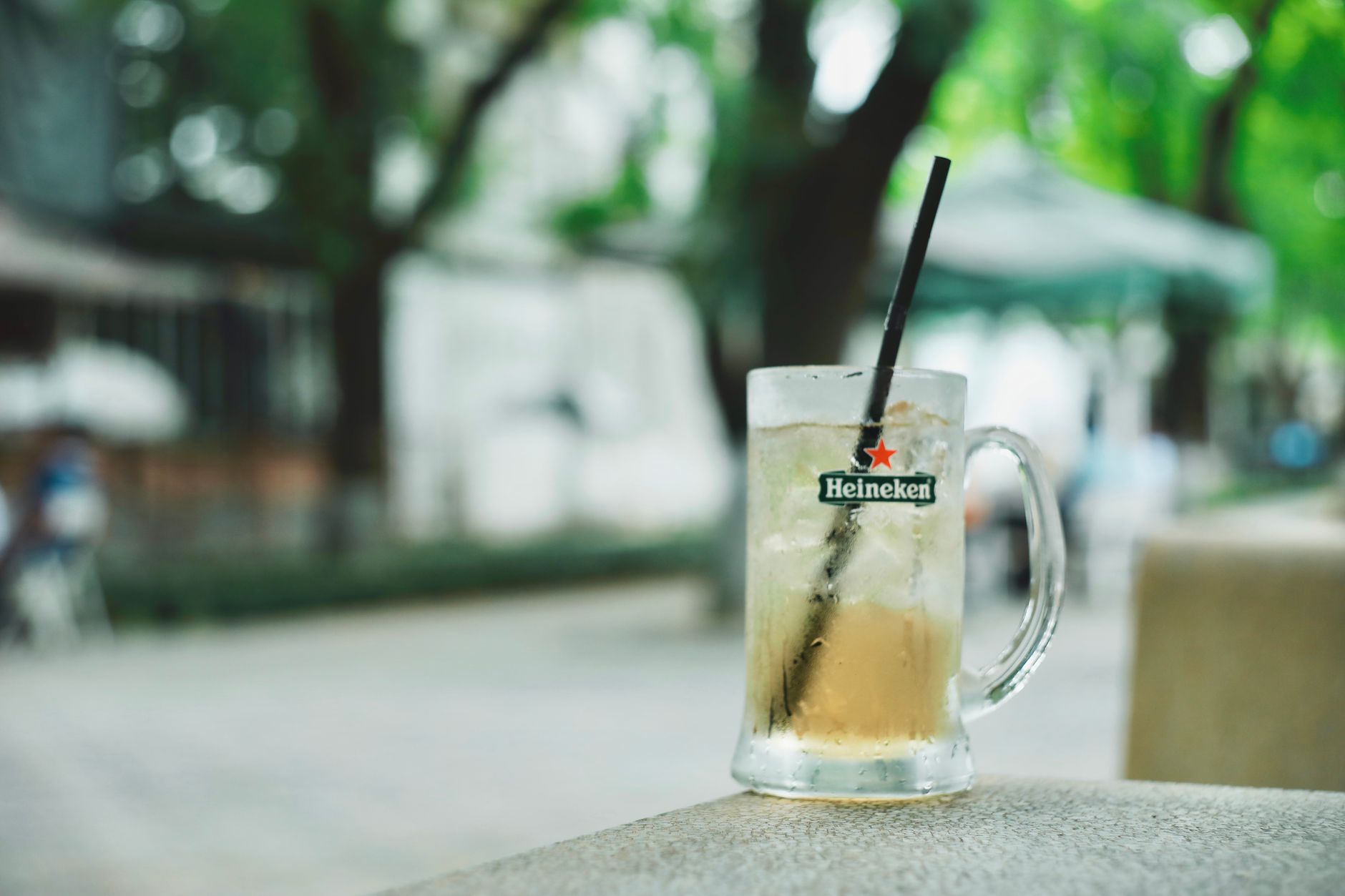
The local ritual is bia hoi, fresh beer brewed daily and served for 8,000 VND (about 0.30 USD) per glass. Bia hoi: Hanoi's fresh beer culture and where to drink it covers the full picture, but the short version is this: find a corner where plastic stools face the street, order a glass, and watch the motorbike traffic flow past. The beer is light, around 3% alcohol, and best consumed within hours of brewing.
Ta Hien is the tourist version of this. It is loud, crowded and fun in a chaotic way. For a more local experience, walk a few blocks to Ngo Huyen or Hang Buom streets, where the same beer costs less and the crowd is almost entirely Vietnamese. The difference matters. On Ta Hien, expect hawkers selling selfie sticks and bia hoi at double the local price. Two streets away, the same glass costs the standard rate.
For something stronger, the cocktail scene in Hanoi has improved significantly. Standout venues include:
- The Haflington (26 Bat Dan): A hidden speakeasy behind a barbershop facade. Cocktails run 180,000 to 250,000 VND (7.50 to 10.50 USD).
- Tadioto (92B Nguyen Huu Huan): A long-running bar that hosts art events and DJ sets. Beer and cocktails in the 150,000 to 220,000 VND range (6.50 to 9.50 USD).
- Dragonfly (15B Trang Tien): A classic expat bar with pool tables and live music on weekends.
Rooftop bars in Hanoi are less about glamour and more about views. The Lotte Center Sky Lounge on the 65th floor of the Lotte Tower offers the best panorama of the city, with cocktails from 250,000 VND (10.50 USD). The Summit Lounge at the Sofitel Legend Metropole has a colonial-era charm, with prices to match: a gin and tonic will set you back around 280,000 VND (12 USD).
Pro tip: Hanoi bars often close earlier than advertised on weekdays. If a place says it closes at midnight, assume last call is 11:30 PM. The staff want to get home on their motorbikes before the streets empty out.
The Dong Xuan Night Market runs from 6 PM to 11 PM on weekends, stretching from Hang Ngang to Dong Xuan Market. It is more of a shopping street than a food market, with stalls selling clothes, electronics and souvenirs. The food options are limited compared to what you will find in the day market. Go for the atmosphere, not the eating.
For a late-night meal, head to Pho Gia Truyen (49 Bat Dan) for beef pho that starts serving at 6 PM and runs until the broth runs out, usually around midnight. Or try Quan An Ngon (18 Phan Boi Chau), a garden restaurant with dozens of Vietnamese dishes served until 10 PM.
Ho Chi Minh City: the city that never sleeps
Ho Chi Minh City, still called Saigon by most locals, is Vietnam's nightlife capital. The city runs on a different clock. Dinner starts at 8 PM, bars fill up by 10 PM, and clubs keep going until 3 or 4 AM on weekends.
The main areas are:
District 1, around Nguyen Hue Walking Street and Ton Duc Thang: This is where the rooftop bars cluster. The most famous is the Saigon Saigon Bar at the Caravelle Hotel, a historic spot where journalists watched the Vietnam War unfold. Drinks start at 220,000 VND (9.50 USD). The Chill Skybar on the 26th floor of AB Tower has a pool and a young crowd, with cocktails from 250,000 VND (10.50 USD). The Social Club at the Hotel des Arts is more refined, with a good wine list and views over the city.
Bui Vien Street, District 1: This is the backpacker strip, and it is exactly what you expect. Loud music, cheap beer, hawkers selling everything from sunglasses to marijuana (often fake, sometimes not). The street is closed to traffic on weekend nights, turning into a pedestrian zone. A beer costs 30,000 to 50,000 VND (1.30 to 2.20 USD). The crowd is overwhelmingly foreign. If you want to meet other travelers, this is the place. If you want to meet Vietnamese people, look elsewhere.
District 3 and the local scene: For a more authentic night out, head to the area around Nguyen Van Trang Street or the alleys near Temple Club (29 Ton That Thiep). These are small bars with local crowds, playing Vietnamese pop or acoustic covers. The Acoustic Bar (52/4 Nguyen Van Trang) is a good example: live music, cheap drinks (beer from 60,000 VND or 2.60 USD), and a mostly Vietnamese clientele.
The Ben Thanh Night Market is the city's most famous evening market, but it is also the most tourist-oriented. Prices are higher than the day market, and vendors are aggressive. The food stalls are decent, particularly for grilled seafood and sugarcane juice. Sugarcane juice and sinh to: Vietnam's street drinks and which ones are safe explains what to order and what to skip.
For a better night market experience, take a short drive to Vo Van Tan Street in District 3, where a smaller market serves mostly locals. Or head to Chinatown in District 5, where the Binh Tay Market area has late-night food stalls serving dim sum and noodle soups until 2 AM.
Warning: Bui Vien has a reputation for drink spiking. Watch your glass at all times, and be careful accepting drinks from strangers. The same applies to the clubs around Pham Ngu Lao Street. Stick to bottled beer, which is harder to tamper with.
Da Nang: beach bars and riverside lounges
Da Nang is the middle child of Vietnamese nightlife. It is more relaxed than Saigon, more modern than Hanoi, and increasingly popular with young Vietnamese travelers. The nightlife scene is spread across three areas:
The Han River waterfront, around Bach Dang Street: This is where the city's upscale bars and lounges are concentrated. The Brilliant Hotel's rooftop bar (162 Bach Dang) has good views of the Dragon Bridge and the city lights. The The Gioi Club (78 Le Duan) is a local favorite for live music. Cocktails range from 180,000 to 250,000 VND (7.50 to 10.50 USD).
My Khe Beach, along Vo Nguyen Giap Street: The beachfront has a string of bars and clubs that open in the late afternoon and stay busy until midnight. The New Phuong Dong Club is the most established, with a large dance floor and a mix of local and international music. The Sky36 Bar at the Novotel Danang Premier Han River Hotel is another option, with a rooftop pool and views over the beach.
An Thuong, the expat neighborhood: This area behind My Khe Beach has a growing collection of craft beer bars and casual pubs. 7 Bridges Brewing (Tran Hung Dao) is the city's original craft brewery, with a rotating tap list and pizzas. Brewman (An Thuong 5) is smaller but equally good. Beers run 90,000 to 140,000 VND (4 to 6 USD) per glass.
Da Nang does not have a traditional night market in the same way as Hanoi or Saigon. The Helio Night Market (1 Le Quang Dao) is the closest thing, with food stalls, live music and a small stage for performances. It opens at 5 PM and winds down around 11 PM. The Son Tra Night Market near the base of the Marble Mountains is smaller and more local, with grilled seafood and fresh fruit.
Pro tip: Da Nang is the best city in Vietnam for a sunset drink. The beach bars on My Khe fill up around 5 PM as the sun drops behind the Son Tra Peninsula. Order a fresh coconut (30,000 VND, 1.30 USD) and watch the surfers come in. It is a different kind of nightlife, but it is the one locals actually enjoy.
Night markets compared
| Market | City | Hours | Best for | Crowd | Price level |
|---|---|---|---|---|---|
| Dong Xuan | Hanoi | Fri-Sun, 6 PM-11 PM | Souvenirs, clothes | Mostly Vietnamese | Low |
| Ben Thanh | HCMC | Daily, 5 PM-12 AM | Food, tourist goods | Mostly tourists | High |
| Helio | Da Nang | Daily, 5 PM-11 PM | Food, live music | Mixed | Medium |
| Son Tra | Da Nang | Daily, 4 PM-10 PM | Seafood, local snacks | Mostly locals | Low |
| Vo Van Tan | HCMC | Daily, 6 PM-11 PM | Local street food | Mostly locals | Low |
The pattern is clear: the more tourists a market attracts, the higher the prices and the lower the food quality. Vietnam's food markets: how to visit, eat and shop like a local has more detail on navigating these spaces.
Safety notes for a night out
Vietnam is generally safe at night, but the risks that exist are specific. Here is what to watch for:
Scams: The most common is the "dear friend" scam, where a local approaches you, speaks good English, and invites you to a bar or club. The bill arrives and it is 10 times what you expected. If someone you just met suggests a specific venue, decline. Common scams in Vietnam: 12 tourist traps to avoid in 2026 covers this and others in detail.
Drink spiking: This happens in tourist bars in Ho Chi Minh City, particularly around Bui Vien and Pham Ngu Lao. Keep your drink in sight, and prefer bottles over glasses.
Traffic: The biggest danger after dark is getting hit by a motorbike. Cross streets slowly and steadily, making eye contact with drivers. Crossing the street in Vietnam: the real technique nobody explains clearly explains the method. After 11 PM, some drivers run red lights. Look both ways even on one-way streets.
Getting home: Grab is the safest option for late-night transport. A ride across central Hanoi or Saigon costs 40,000 to 80,000 VND (1.70 to 3.50 USD). Motorbike taxis, called xe om, are cheaper but less safe, especially if the driver has been drinking. Does Grab Work in Vietnam? Complete Guide 2026 has the details on coverage and pricing.
Solo travelers: Women traveling alone should be cautious in the same way they would be anywhere. The tourist bars are generally safe, but the streets around them can be chaotic. Stay in well-lit areas, and avoid walking alone through quiet alleys after midnight. Vietnam Solo Travel 2026: A Safety Guide for First-Time Women has more specific advice.
Local versus tourist spots: how to tell the difference
The easiest way to find where locals drink is to look for plastic stools. In Vietnam, the height of the seat is inversely proportional to the authenticity of the experience. If everyone is sitting on plastic stools 30 centimeters off the ground, you are in a local place. If the venue has upholstered chairs, air conditioning and a cocktail menu, you are in a tourist spot.
Neither is better. They serve different purposes. The plastic stool experience is about drinking cheap beer and eating street food. The air-conditioned bar is about cocktails and comfort. A good night out in any of these cities includes both.
Another sign: the language of the menu. If the menu is in Vietnamese only, the prices are local. If it is in English, expect a markup. The difference can be 50% or more. How to order at a local Vietnamese restaurant: the phrases, the menu and the bill has the vocabulary you need to navigate a Vietnamese-only menu.
Planning around the weather
Nightlife in Vietnam is seasonal. The rainy season affects outdoor venues. In Hanoi, the period from May to September brings sudden downpours that can flood streets within minutes. Rooftop bars close their terraces, and bia hoi corners move indoors.
In Ho Chi Minh City, the rainy season runs from May to November, with heavy showers in the late afternoon and early evening. The rain usually passes within an hour, but it can disrupt outdoor seating and street food stalls.
Da Nang has a different pattern. The city is prone to typhoons from September to November, which can shut down beach bars entirely. Typhoon Season in Central Vietnam: What Happens If One Hits Your Trip explains what to expect.
The dry season, from December to April, is the best time for outdoor nightlife across all three cities. The weather is cooler, the skies are clear, and the streets are busier.
The bottom line
Vietnam's nightlife is not a single scene. It is three different scenes, each reflecting the character of its city. Hanoi is intimate and early, best experienced with a glass of bia hoi in hand. Ho Chi Minh City is loud and late, a place for rooftop bars and dance floors. Da Nang is relaxed and coastal, where the beach is the bar and the river is the backdrop.
The best approach is to match your expectations to the city. Do not go to Hanoi expecting a 3 AM club scene. Do not go to Da Nang expecting the energy of Saigon. Each city has its own rhythm, and the nightlife follows it.
Start with a night market, move to a local bar for a drink, then finish with street food. That sequence works in all three cities, and it is how most Vietnamese people actually spend their evenings.
FAQ
Q: What time do bars close in Vietnam? A: Hanoi bars generally close by midnight or 1 AM on weekends. Ho Chi Minh City bars and clubs stay open until 2 to 4 AM, especially on Bui Vien Street. Da Nang falls in between, with most venues closing by 1 AM.
Q: Is it safe to drink tap water or ice in Vietnam bars? A: Ice in established bars and restaurants is made from purified water and is safe. Street stalls also use factory-made ice, which comes in large blocks and is safe. The main risk is drink spiking, not the ice itself.
Q: How much does a night out cost in Vietnam? A: A budget night with street beer and food costs around 200,000 VND (8.50 USD). A mid-range night with cocktails and a club entry fee costs 500,000 to 800,000 VND (21 to 34 USD). Upscale rooftop bars can push that higher.
Q: Are night markets in Vietnam worth visiting? A: Yes, but choose wisely. The Dong Xuan Night Market in Hanoi is more authentic but limited in food options. Ben Thanh in Saigon is touristy and overpriced. The Helio Night Market in Da Nang has the best food-to-crowd ratio.
Q: What is the dress code for clubs in Vietnam? A: Most clubs in Ho Chi Minh City and Da Nang require smart casual. No shorts, flip-flops or sportswear in upscale venues. Hanoi is more relaxed, but the rooftop bars at luxury hotels expect collared shirts and closed shoes.
Q: Can I use Grab to get home after midnight? A: Yes, Grab operates 24 hours in Hanoi, Ho Chi Minh City and Da Nang. Prices increase slightly after midnight, but availability is generally good. In central areas, you will rarely wait more than five minutes.
Q: Is it safe to walk alone at night in Vietnam? A: In central areas of Hanoi, Ho Chi Minh City and Da Nang, yes, with normal precautions. Stick to well-lit streets, avoid quiet alleys, and be careful crossing roads. The biggest risk is traffic, not crime.