The Taxi and Ride-Hail Scams (Still the #1 Problem)
Airport transfers and city taxis remain the most common rip-off, especially at Noi Bai (Hanoi) and Tan Son Nhat (Ho Chi Minh City) airports. Two operators are safe: Vinasun (white cars, red/green logo) and Mai Linh (green cars). Everything else, including taxis with near-identical paint jobs and logos, should be treated with suspicion.
The rigged meter trick
Fake taxis use meters that tick over 3–5x faster than legitimate ones. A 7 km ride from Hanoi's Old Quarter to Tay Ho that should cost around $5 (130,000 VND) suddenly reads $25 (650,000 VND). Drivers will also "forget" to start the meter and quote a flat fare at the end.
The currency switch
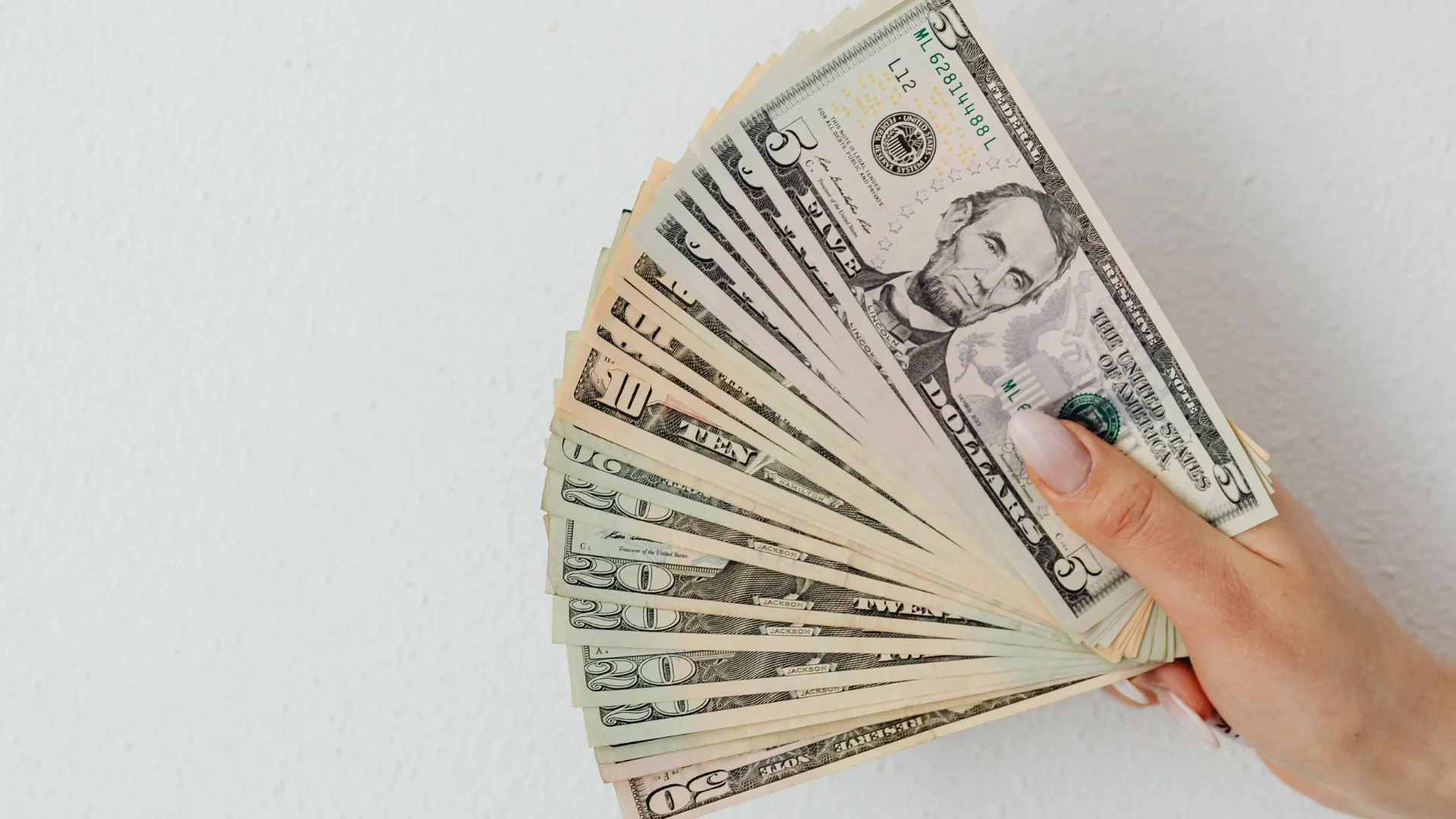
You hand over a 500,000 VND note ($20). The driver palms it, holds up a 50,000 VND note ($2), and insists you underpaid. The notes look similar — both are blue-ish polymer. Always say the amount out loud as you hand it over, and keep large bills separate from small ones.
Pro tip: Skip street taxis entirely. Use Grab or Xanh SM (the new electric ride-hail app, often cheaper and cleaner) for every ride. The price is fixed in-app before you confirm. Grab from Noi Bai to Hanoi Old Quarter is around $13–16 (340,000–420,000 VND); a fake taxi will try for $50+.
The Cyclo, Xich Lo, and Motorbike Taxi Scams
Cyclos (the three-wheel pedal rickshaws) in Hanoi's Old Quarter and around Hoan Kiem Lake are a tourist staple — and a frequent setup. The agreed price is "100" for a 30-minute ride. You assume 100,000 VND (~$4). At the end, the driver insists it was $100 USD, or 1,000,000 VND. He'll get aggressive, sometimes block your path, and a friend may appear.
The same trick works with informal xe om (motorbike taxis) hanging around tourist sights.
Service | Realistic price (2025) | How to book safely |
|---|---|---|
Cyclo, 30 min | $6–8 (150,000–200,000 VND) | Agree in writing, show the number on your phone |
Xe om, short ride (2 km) | $1.50–2 (40,000–50,000 VND) | Use GrabBike instead |
GrabBike, 5 km | $1.20–2 (30,000–50,000 VND) | App only |
Xanh SM Bike, 5 km | $1.20–1.80 (30,000–45,000 VND) | App only |
The Shoeshine, Coconut, and Donut Setup
This is the classic Old Quarter and District 1 hustle. Three variations, same outcome:
Shoeshine grab: A man walks up, points at a tiny scuff on your shoe, and before you respond, he's pulled off your shoe and started "fixing" it. The agreed $2 becomes $20.
Coconut yoke: A woman puts her bamboo pole and conical hat on your shoulder for a photo. You take one snap. She then sells you two coconuts at $10 each (~250,000 VND each) — about 8x the going rate.
Donut tray: A vendor offers you "one to try." You take one. She then demands $5 for a small bag you didn't ask for.
The defense is simple but feels rude until you've done it once: don't engage, don't touch anything, don't let anything be put on you. A firm "không, cảm ơn" (no, thank you) and continuing to walk works.
Restaurant and Bar Bill Padding
The menu without prices
Most common in seafood restaurants on Tran Quoc Hoan street near the Hanoi train station, around Bui Vien in Saigon, and in Nha Trang. The menu has no prices, or prices in tiny print, or the staff brings a different priced menu to foreigners. Live seafood is weighed in the back and "weighs" 2–3x what it should.
The drink-spiking and bar-girl scam
In certain bars in Bui Vien (HCMC), Pham Ngu Lao, and parts of the Hanoi Old Quarter, a young woman invites you to buy her a drink. The drinks appear, you don't see prices. The bill arrives: $300–600. Bouncers stand by the door. This is a coordinated operation, not a misunderstanding.
Warning: Never accept an invitation from a stranger to a specific bar, even if they're charming, well-dressed, or speak excellent English. Pick your own venue. If a bill arrives with no menu or itemization, photograph the bill, ask for itemized prices, and threaten to call tourist police (113). Most operators back down once you start filming.
The bird's nest "upgrade"
In pho and com restaurants near major tourist sights, staff may add unrequested side dishes (peanuts, tissues, wet wipes, fruit) to your table. These are not free. Decline anything you didn't order — a polite "không cần" (don't need) works.
Money, ATM, and Exchange Scams
The fast-count
At currency exchanges (especially gold shops in the Old Quarter that double as exchanges), the cashier counts your money quickly, then folds it and hands it over. You're short 1–3 large notes. Always recount before leaving the counter, in front of the cashier.
The torn-note refusal
Vendors and taxi drivers will refuse a 500,000 VND note claiming it has a tear, then "helpfully" swap it for a smaller note while pocketing yours. Check any note handed back to you — it's a switch, not a swap.
Skimmed ATMs
Freestanding ATMs in tourist areas (especially the row near St. Joseph's Cathedral in Hanoi and around Ben Thanh Market) have had skimming devices reported as recently as 2024. Use ATMs inside bank branches: Vietcombank, BIDV, Techcombank, or VPBank. Lower withdrawal fees too — usually 22,000–55,000 VND ($0.90–2.20) per transaction versus $5+ at tourist ATMs like Citibank-branded standalone machines.
Tour, Hotel, and Halong Bay Booking Scams
The fake hotel
You book "Hanoi Charming Hotel" on Booking.com. You arrive, and a hotel with the same name on a different street says "yes, that's us" and checks you in to an inferior building. The real hotel is two blocks away. Vietnam has dozens of clusters of near-identically-named hotels. Always verify the exact street address before getting out of the taxi, and call the hotel directly if anything seems off.
The Halong Bay bait-and-switch
You book a "luxury overnight cruise" for $90. On arrival, you're told the boat is full and downgraded to a "sister boat" — older, dirtier, smaller cabin. Refunds are refused. Book Halong cruises through reputable operators (Indochina Junk, Bhaya, Heritage Line, Paradise) directly via their websites, not through Old Quarter walk-in agencies offering deep discounts.
The Sapa trekking guide swap
You book a homestay-trekking package online. On arrival in Sapa, you're handed off to a different guide and a different family than advertised. The fix: book directly through community-based operators like Sapa Sisters or Ethos Spirit, where the guide is named on your booking.
Insider Tips: How Experienced Travelers Move Through Vietnam
The 30-second rule: If a stranger approaches you on the street with perfect English and an interesting story (motorbike broke down, sister getting married tomorrow, studying English and wants to practice), assume it's a setup. Genuine local hospitality almost never starts with a stranger approaching a tourist in District 1 or the Old Quarter.
Carry small notes. Break 500,000 VND notes at hotels or 7-Eleven. Pay exact change when possible — it eliminates the currency switch entirely.
Photograph the meter and license plate before taxis even start. Drivers behave differently when they know you have evidence.
Walk away from any negotiation that gets emotional. Real Vietnamese vendors will let you walk. Scammers escalate because they're counting on social pressure.
Use Google Translate's camera function on menus and bills. Bilingual menus often have different prices on the Vietnamese side.
Tourist police exist and work. Call 113 (general police) or visit a tourist police kiosk in major tourist zones. They will side with you in clear overcharging cases, especially with photos.
Tip in cash, not on the card. Card tips often get added at "suggested" 18% on already-inflated bills in tourist restaurants.
Common Mistakes That Make You a Target
Pulling out a thick wad of cash to pay for a $2 banh mi. Carry one day's spending money in an outer pocket, the rest hidden.
Saying "yes" to anything you didn't fully understand. Default to "no, thank you" and walk on.
Accepting the first taxi at the airport arrivals door. The official Grab pickup area is usually on a different floor or column — look for signs.
Believing a low advertised price. A $25 "luxury" Halong Bay cruise does not exist. The real floor for a decent boat is $110–140 per person.
Arguing in English when you should be filming. Pull out your phone and start recording. The dynamic changes instantly.
Tipping huge amounts. Vietnamese service workers don't expect 20% — 5–10% in restaurants is generous, and round-ups are fine for taxis.
FAQ
Is Vietnam safe for tourists in 2025? Yes — violent crime against foreigners is rare. The risks are petty: bag-snatching from motorbikes (especially in HCMC District 1), pickpocketing in crowded markets, and the financial scams above. Standard precautions handle 95% of incidents.
How do I avoid getting ripped off by taxis in Vietnam? Use Grab or Xanh SM exclusively for ride-hail. If you must take a street taxi, only use Vinasun (white) or Mai Linh (green), verify the meter starts at 11,000–15,000 VND, and pay with small bills.
Are Grab and Xanh SM safe in Vietnam? Yes, both are safe and the fares are fixed in-app before you ride. Xanh SM (Vingroup's electric fleet) is often slightly cheaper and the cars are newer. Both work at all major airports.
How much should I tip in Vietnam? Tipping is not traditional but appreciated in tourist contexts. 5–10% in restaurants if no service charge, 20,000–50,000 VND ($0.80–2) for hotel porters and housekeeping, and round up Grab fares. Don't tip xe om or street vendors.
What's the safest way to exchange money in Vietnam? Withdraw from in-branch ATMs of Vietcombank, BIDV, or Techcombank. For cash exchange, gold shops on Ha Trung street in Hanoi give the best rates — but count every note before leaving. Avoid airport exchange counters (rates are 3–5% worse).
Should I bargain in Vietnam, and how much? Bargain in markets (Ben Thanh, Dong Xuan), souvenir shops, and with cyclos/xe om. Start at 40–50% of the asking price and settle around 60–70%. Don't bargain in restaurants, fixed-price stores, or with Grab.
What scams happen at Hanoi and Ho Chi Minh City airports? Mainly taxi-related: fake Vinasun/Mai Linh cars, drivers refusing meters, and overcharging by 3–5x. Walk past the touts at arrivals and head to the official Grab/Xanh SM pickup zone — it's signposted and usually one floor up or just outside the terminal exit.
Is the bar scam in Bui Vien really that bad? Yes, and it's been reported consistently through 2024–2025. Stick to street-front bars with visible menus and prices. Avoid any venue where you're personally invited by someone on the street, and never go upstairs or to a "second location."
Vietnam rewards travelers who pay attention. The scams above sound intimidating in a list, but in practice almost all of them collapse the moment you refuse to engage or pull out your phone. The country's genuine warmth — the noodle vendor who remembers your order, the homestay family in Mai Chau who feeds you three times what you paid for — is the rule, not the exception. The scammers are loud because they have to be. Walk past them, and Vietnam opens up.