But April is not uniform. Vietnam stretches over 1,650 kilometers, and the weather in Hanoi has almost nothing in common with Ho Chi Minh City. This guide breaks down what April actually looks like on the ground, region by region, so you can plan a route that matches your tolerance for heat, humidity, and crowds.
The big picture: what April means for each region
Vietnam's climate splits into three distinct zones, and April treats each one differently. Understanding this is the key to planning a sensible itinerary. If you try to apply one weather expectation to the whole country, you will get it wrong.
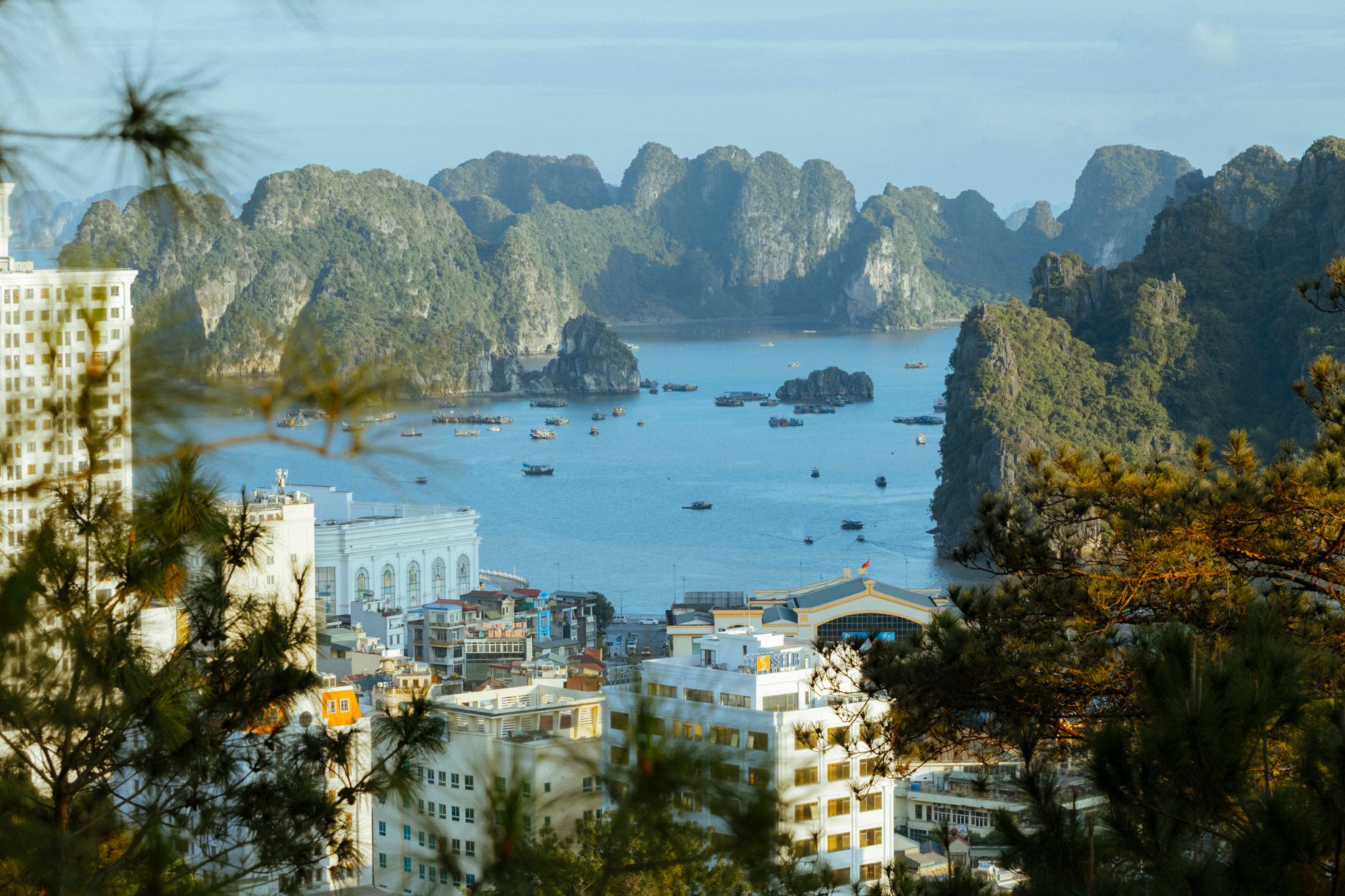
North Vietnam (Hanoi, Ha Long Bay, Ninh Binh, Sapa): April is one of the best months to visit the north. Winter's chill has faded, but the brutal summer heat has not arrived. Daytime highs in Hanoi hover around 28°C to 32°C, with overnight lows near 22°C. Humidity is rising but remains bearable compared to July. Rain is possible but usually comes as short afternoon showers rather than all-day downpours. Ha Long Bay and Ninh Binh see similar conditions, with clear mornings and the famous karst landscapes looking sharp in the spring light. For Sapa and the northern mountains, April brings warmer days and the tail end of the rice planting season. The terraces are filled with water in late April, creating mirror reflections that photographers chase. For more on how the regions differ, see North, Central and South Vietnam: how the three regions actually differ.
Central Vietnam (Da Nang, Hoi An, Hue): This is the golden window for the central coast. The wet season is over, and the sea is calm. Da Nang and Hoi An enjoy long sunny days with temperatures around 30°C to 34°C and low humidity. The water is warm enough for swimming, and the beaches are not yet crowded with summer domestic tourists. Hue, further north, is slightly cooler and can see the occasional drizzle, but nothing like the autumn floods. This is the month to do beach time, explore the old town, and take day trips into the mountains. For a deeper look at the region's seasonal patterns, check The best time to visit Da Nang: weather, seasons and crowds.
South Vietnam (Ho Chi Minh City, Mekong Delta, Phu Quoc): The south is hot and getting hotter. April temperatures in Ho Chi Minh City routinely hit 35°C to 38°C, with humidity climbing toward the end of the month. The dry season is ending, and the first monsoon rains typically arrive in the last week of April. These are short, heavy downpours that cool things down briefly. Phu Quoc and the southern beaches are still good in early April, but the sea gets choppier as the month progresses. The Mekong Delta is lush and green, though the heat can be draining. If your itinerary is south-heavy, plan for early morning activities and long air-conditioned lunches.
Crowds and prices: the shoulder season advantage
April sits between the peak winter season and the summer domestic travel rush. International tourist numbers drop noticeably after March. You will find shorter queues at attractions, more availability at hotels, and prices that are 10 to 20 percent lower than in December or February.
There is one major exception: the Hung Kings Festival, which falls on the 10th day of the third lunar month, usually in April. In 2026, it falls on April 25. This is a national holiday, and Vietnamese families travel domestically. Expect busy trains, full hotels in tourist towns, and some businesses closing for the long weekend. The main celebrations happen at the Hung Kings Temple in Phu Tho, north of Hanoi, but the holiday affects the whole country. For a full rundown of holiday closures, see Public holidays and closures in Vietnam: a year-round planning guide.
Another factor to watch is Reunification Day on April 30. This marks the fall of Saigon in 1975 and is a public holiday. Combined with Labor Day on May 1, it creates a long domestic travel window from April 30 to May 3. If your trip overlaps these dates, book transport and accommodation well in advance.
Where to go in April: the honest breakdown
Hanoi and the north
Hanoi in April is pleasant. The tree-lined streets of the Old Quarter are comfortable for walking in the morning and evening. The midday sun is strong but not punishing. This is a good month for the classic northern loop: Hanoi, Ha Long Bay, Ninh Binh, and possibly Sapa if you have time.
For Ha Long Bay, April offers some of the clearest skies of the year. The famous limestone karsts look their best against a bright blue backdrop. Cruise prices are moderate, and the bay is less congested than in winter. For those who want to avoid the cruise crowds entirely, Cat Ba Island: Your Unpolished Base for Ha Long Bay Without the Crowds is a solid alternative. Lan Ha Bay, on the other side of Cat Ba, is quieter and just as scenic.
Ninh Binh is also excellent in April. The rice paddies are being prepared for the summer crop, and the light is soft and clear. Cycling through Tam Coc and Trang An is comfortable, though you will want to start early to beat the midday heat. For the best timing on the rice fields, see Ninh Binh: when to visit for the best light on the rice fields.
Sapa is warming up, with daytime highs around 20°C to 24°C. The mountains are green, and the valleys are less foggy than in winter. The rice terraces are not yet flooded for the new season, but the trekking trails are dry and the views are clear. This is a good month for moderate trekking without the summer crowds.
Central Vietnam: the sweet spot
If you only have one region to visit in April, make it central Vietnam. Da Nang, Hoi An, and Hue form a compact triangle with excellent weather, manageable crowds, and a huge range of activities.
Da Nang's beaches come into their own in April. My Khe Beach has warm, calm water and long sunny days. The city's famous bridges, including the Dragon Bridge, are less crowded than in summer. This is also a good month for day trips into the Ba Na Hills and the Marble Mountains, where the cooler mountain air provides relief from the coastal heat. For neighborhood guidance, see Where to stay in Da Nang: neighborhoods and hotel picks by budget.
Hoi An is lovely in April. The old town's lantern-lit streets are pleasant in the evenings, and the daytime heat is manageable if you plan around it. The beaches near Hoi An, An Bang and Cua Dai, are clean and uncrowded. This is also a good month for cycling to the surrounding villages and rice paddies. For a realistic budget, check Hoi An daily budget: what a realistic 2026 trip actually costs.
Hue is slightly cooler and can see a few cloudy days, but it is still a good time to explore the Citadel and the royal tombs. The Perfume River is calm, and the imperial city feels less oppressive than in the summer months. For accommodation options, see Where to stay in Hue: neighborhoods and hotel picks by budget.
The south and the beaches
Ho Chi Minh City in April is hot. There is no way around it. The heat peaks in the late afternoon, right before the first monsoon showers arrive. The city's museums and cafes offer air-conditioned refuge, and the food scene remains excellent year-round. If you are starting or ending your trip here, plan for indoor activities during the hottest hours.
Nha Trang is a mixed bag in April. The sea is warm and the beaches are sunny, but the city is gearing up for its summer peak. Prices are still moderate, and the crowds are manageable. This is a good month for island hopping and water sports. For diving conditions, see The best time to visit Nha Trang: weather, seasons and diving conditions.
Phu Quoc is best visited in early April. The dry season is ending, and the seas get rougher toward the end of the month. If you want beach time in the south, go in the first two weeks of April. After that, the monsoon starts to affect the western coast.
Da Lat, in the central highlands, is a smart addition to any April itinerary. The high elevation keeps temperatures around 20°C to 25°C, offering relief from the coastal heat. The waterfalls are still flowing from the tail end of the dry season, and the flower farms are in full bloom. For more on what to do, see Da Lat things to do: waterfalls, farms and the Crazy House.
What to pack for April
Packing for April requires a layered approach. The north and central regions are warm but not extreme, while the south is genuinely hot. Here is a practical list:
- Light, breathable clothing for daytime. Cotton and linen work best.
- A light jacket or long-sleeved shirt for cooler evenings in the north and for air-conditioned buses and trains.
- A compact rain jacket or umbrella. April sees scattered showers, especially in the south and north.
- Swimwear. Central Vietnam's beaches are at their best.
- Sunscreen, a hat, and sunglasses. The UV index is high even on cloudy days.
- Insect repellent. Mosquitoes become more active as the wet season approaches.
- Comfortable walking shoes. You will do more walking than you expect.
For more on staying safe in the heat, see Heat, sun and hydration in Vietnam: staying safe in the tropical climate.
For what to wear this month, region by region, see How to dress for Vietnam in April: a complete packing guide for every region.
April weather comparison table
| Destination | Avg. high (°C) | Avg. low (°C) | Rain days | Sea temp (°C) | Crowd level |
|---|---|---|---|---|---|
| Hanoi | 31 | 22 | 8 | N/A | Moderate |
| Ha Long Bay | 29 | 21 | 7 | 24 | Moderate |
| Ninh Binh | 31 | 22 | 8 | N/A | Low |
| Da Nang | 33 | 24 | 4 | 27 | Low |
| Hoi An | 33 | 24 | 4 | 27 | Low |
| Hue | 32 | 23 | 6 | 26 | Low |
| Ho Chi Minh City | 36 | 26 | 8 | 28 | Moderate |
| Nha Trang | 33 | 25 | 5 | 27 | Moderate |
| Phu Quoc | 34 | 26 | 7 | 29 | Moderate |
| Da Lat | 25 | 16 | 10 | N/A | Low |
Sample April itinerary: the 10-day central route
If you want to maximize good weather and minimize travel time, focus on central Vietnam. Here is a realistic 10-day route:
Days 1-3: Da Nang. Fly into Da Nang International Airport. Spend the first day on My Khe Beach and exploring the city's bridges and markets. On day two, take a day trip to the Marble Mountains and Son Tra Peninsula. On day three, head to Ba Na Hills for the Golden Bridge and the cooler mountain air. For more ideas, see Da Nang things to do: beaches, bridges and the mountains behind the city.
Days 4-6: Hoi An. Take the 45-minute taxi or shuttle from Da Nang. Spend the first day in the old town, visiting the Japanese Covered Bridge, the assembly halls, and the night market. On day two, take a cooking class or a cycling tour into the countryside. On day three, relax at An Bang Beach. For accommodation, see Where to stay in Hoi An: old town versus the beach.
Days 7-8: Hue. Take the train or bus over the Hai Van Pass. Visit the Citadel, the imperial tombs, and take a boat ride on the Perfume River. For a full list of sights, see Hue things to do: the citadel, tombs and the Perfume River.
Days 9-10: Back to Da Nang or fly north. Spend a final day on the beach or fly to Hanoi to start a northern loop. If you have more time, add Ninh Binh and Ha Long Bay to the itinerary.
The Hung Kings Festival and other April events
The Hung Kings Festival on April 25 is the most significant cultural event in April. It commemorates the legendary Hung Kings, considered the founders of Vietnam. The main ceremony takes place at the Hung Kings Temple in Phu Tho province, about 90 kilometers northwest of Hanoi. Expect processions, incense offerings, and large crowds. For a deeper understanding, see Hung Kings Festival: Vietnam's founding myth and how to see the rituals.
Other April events include the tail end of the Perfume Pagoda Festival, which runs from the first lunar month through the third lunar month. If you are in Hanoi in early April, a visit to the Perfume Pagoda is possible. See Perfume Pagoda Festival: Vietnam's biggest spring pilgrimage for details.
Practical concerns for April travel
Transport: Book domestic flights early if your trip overlaps the Hung Kings Festival or the April 30 to May 3 holiday window. Trains and sleeper buses fill up fast during these periods. For train routes and booking, see Vietnam by train: routes, tickets and the Reunification Express.
Accommodation: April is shoulder season, so most hotels have availability. The exception is the holiday window at the end of the month. Book at least two weeks ahead if you are traveling during that period.
Health: The heat and humidity can be draining, especially in the south. Drink plenty of water, use sunscreen, and take breaks during the hottest hours. For more on staying healthy, see What to eat in Vietnam to not get sick: A practical guide for travelers.
Is April the best month to visit Vietnam?
For most travelers, April is a strong contender for the best month to visit Vietnam. The north is comfortable, the central coast is near perfect, and the south is hot but manageable. The crowds are thinner than in peak season, and prices are moderate. The main downside is the heat in the south and the holiday rush at the end of the month.
If your priority is beach time, central Vietnam is the clear winner in April. If you want to trek in the mountains, the north is excellent. If you are set on the south, go early in the month and plan around the heat.
The one group that should think twice is travelers who cannot handle high humidity. The south in late April is sticky, and the central highlands can see afternoon showers. For those travelers, the winter months of December to February offer drier conditions, though with more crowds. See Vietnam in January: weather, crowds and where to go for a comparison.
FAQ
Q: Is April a good time to visit Ha Long Bay? Yes. April offers clear skies, moderate temperatures, and calm seas in Ha Long Bay. Visibility is good for cruising, and the crowds are thinner than in winter. Book a cruise that includes Lan Ha Bay for quieter waters.
Q: What is the weather like in Hoi An in April? Hoi An in April has daytime highs around 33°C, low humidity, and very little rain. The sea is warm and calm. This is one of the best months to visit the old town and the nearby beaches.
Q: Does it rain a lot in Vietnam in April? It depends on the region. Central Vietnam sees almost no rain in April. The north sees occasional showers, usually in the afternoon. The south starts to see the first monsoon rains in the last week of April, but they are short and heavy rather than all-day events.
Q: What should I pack for Vietnam in April? Pack light, breathable clothing, a light jacket for air-conditioned spaces and cooler northern evenings, a rain jacket or umbrella, sunscreen, insect repellent, and swimwear. Comfortable walking shoes are essential.
Q: Is April a busy tourist month in Vietnam? April is shoulder season for international tourists, meaning fewer crowds than December or February. The exception is the Hung Kings Festival and the Reunification Day holiday at the end of April, when domestic travel spikes significantly.
Q: Can I swim in the sea in Vietnam in April? Yes, especially in central Vietnam. Da Nang, Hoi An, and Nha Trang have warm, calm seas in April. Phu Quoc is good in early April but gets rougher toward the end of the month as the monsoon approaches.
Q: Is it too hot to visit Ho Chi Minh City in April? Ho Chi Minh City is hot in April, with highs around 36°C and high humidity. It is not unbearable, but plan for indoor activities during the afternoon and carry water with you at all times. Early mornings and evenings are the most comfortable times to explore.