Getting oriented: the three Phu Quocs
Phu Quoc is not one island. It is three distinct areas that happen to share a coastline.
Duong Dong is the main town, home to the night market, the airport, and most of the island's everyday life. It is where you will find the schools, the hospitals, the fish sauce factories, and the traffic jams. Most independent travelers base themselves here because it has the widest range of accommodation and restaurants.
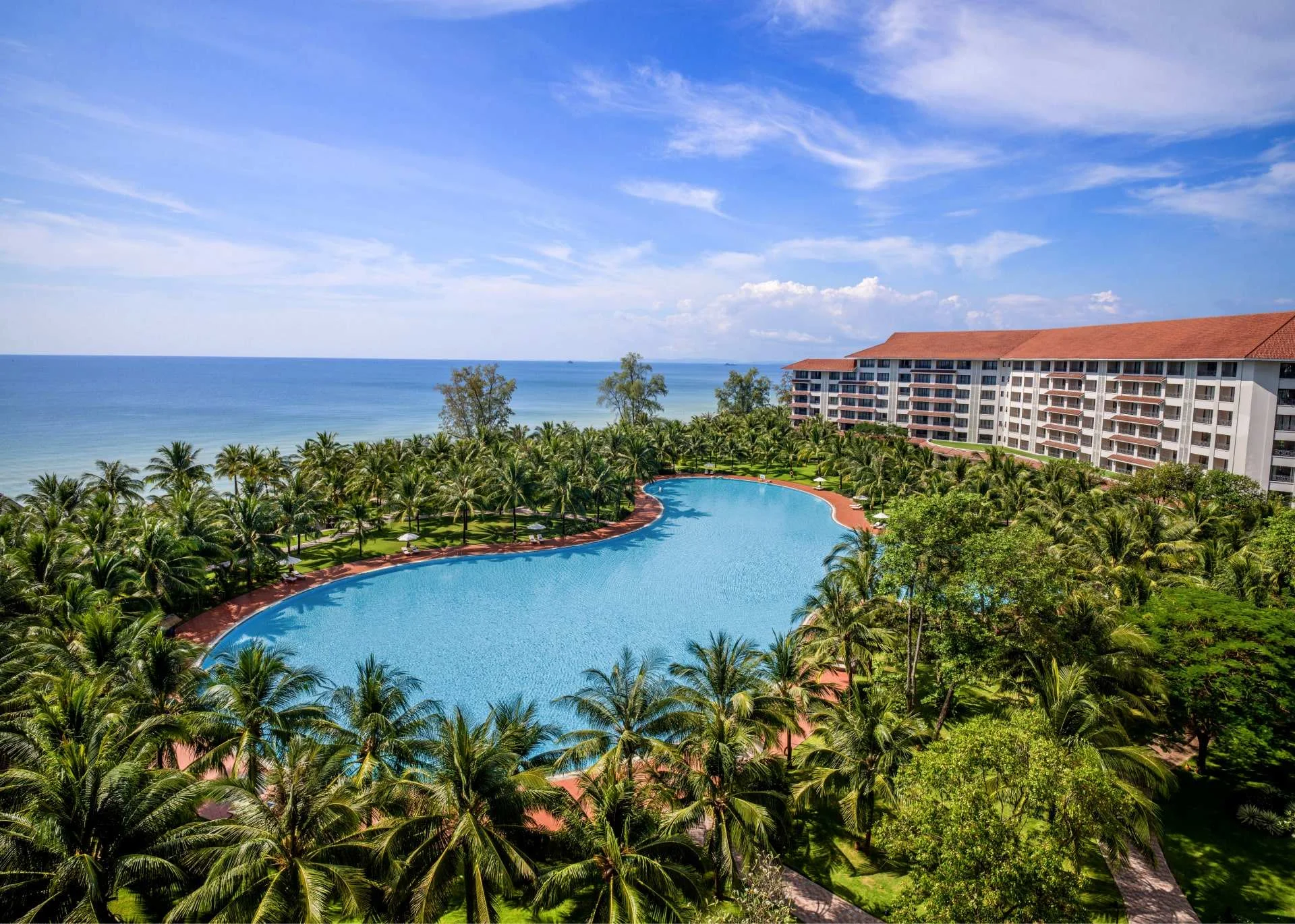
The south coast is where the big money went. This is the zone of international resorts, the Sunset Town development, and the cable car station. The beaches here are groomed and pretty, but the vibe is manufactured. If you want a pool, a swim-up bar, and a sunset that looks like a postcard, this is your area.
The north and east are where Phu Quoc still feels like an island rather than a theme park. The national park covers most of this territory. The beaches are rougher, the roads are worse, and the rewards are quieter water, more local life, and a sense that you have actually left the resort bubble.
The island is roughly 50 kilometers long and 25 kilometers wide. A motorbike is the best way to see it, and rental shops in Duong Dong charge around 150,000 VND ($6) per day. Taxis and Grab cars are available but add up quickly if you plan to explore. The driving in Vietnam guide covers the rules and permits you need before you rent.
The beaches worth your time
Every beach on Phu Quoc is public. The resorts sit behind them, but the sand itself belongs to everyone. This is worth remembering when a security guard tries to wave you away from a beach that fronts a five-star property. A polite smile and a walk past usually works.
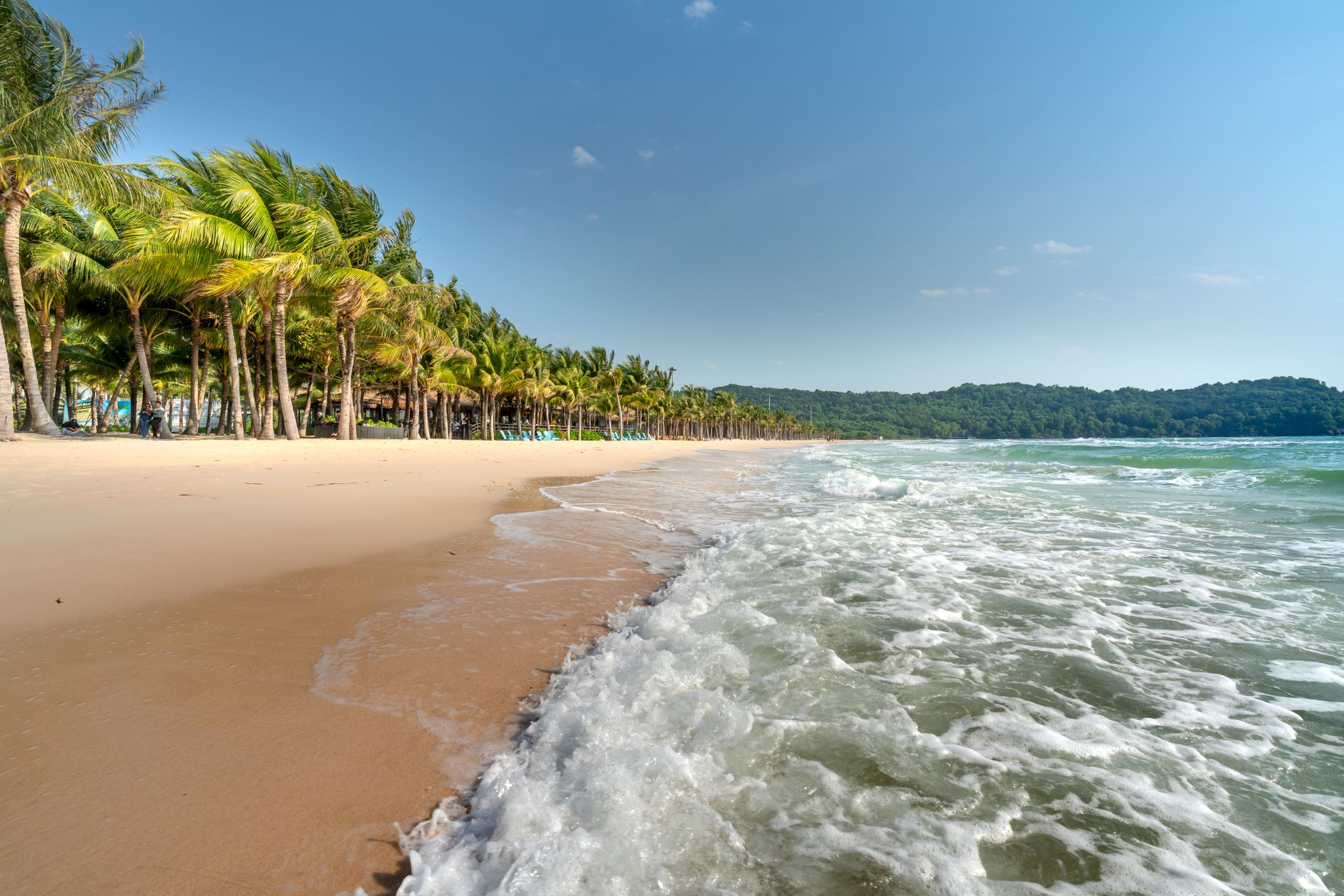
Sao Beach on the southeast coast remains the most beautiful stretch of sand on the island. The water is clear, the sand is fine and white, and the curve of the bay protects it from the worst of the monsoon swell. It gets busy with day-trippers from the resorts, especially between 10am and 3pm. Go early or late. The sun loungers cost 100,000 VND ($4) for the day, and the beach bars sell fresh coconut for 40,000 VND ($1.60).
Ong Lang Beach on the west coast is the compromise pick. It has the sunset views without the Sunset Town crowds. The water is shallower and less clear than Sao Beach, but the beach bars are more relaxed and the crowd is mostly independent travelers. Several bungalow operations line this stretch, and the food is better than the average resort restaurant.
Bai Thom on the northeast coast is the wild card. The road there is rough in places, and the beach is not maintained. What you get instead is an almost empty stretch of sand, a few fishing boats, and a sense of what the island looked like before the developers arrived. Bring your own water and snacks. There is no infrastructure here.
Starfish Beach on the north coast gets mentioned in every guidebook, but the starfish population has declined sharply in recent years due to the crowds and the boats. The beach itself is average. Skip it unless you are already in the area.
For the best swimming conditions, aim for the dry season months of December through March. The water is calmest then, and the visibility for snorkeling is at its peak. The best time to visit Vietnam guide has more detail on how the seasons affect different parts of the country.
The cable car and Sunset Town: worth the hype?
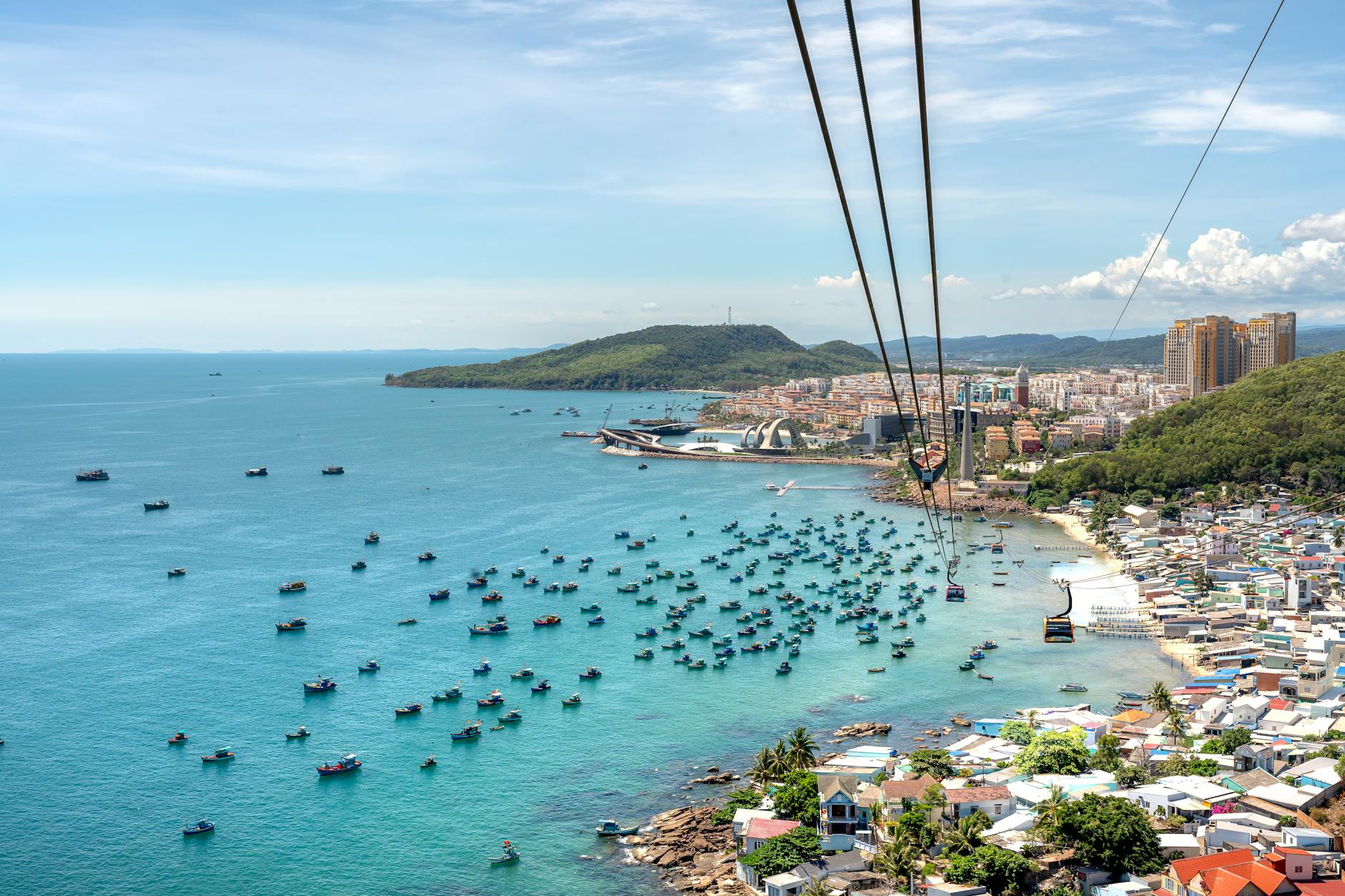
The Sun World Hon Thom cable car is the island's marquee attraction, and it delivers. The 7.9-kilometer ride takes about 20 minutes one way, crossing over the water and several small islands before dropping you on Hon Thom, also called Pineapple Island. The views from the top are genuinely spectacular, especially late in the afternoon when the light turns golden.
The ticket price is steep. A full-day pass costs 650,000 VND ($26) for adults, which includes the cable car ride and access to the amusement park on Hon Thom. The park has a water park, a beach club, and a few rides. The water park is decent, but the real reason to come is the ride itself. If you are not interested in the water slides, consider going in the late afternoon when the crowds thin out and the light is better.
Pro tip: Buy your tickets online the night before. The queue at the ticket counter can hit 45 minutes on weekends and during Vietnamese public holidays. The public holidays guide lists the dates when the island gets busiest.
Sunset Town, the development at the cable car base, is a strange creation. It is a purpose-built "Mediterranean village" with pastel buildings, cobblestone streets, and a nightly multimedia show called Kiss of the Sea. It feels like a movie set, because it is one. That does not make it worthless. The sunset views from the promenade are excellent, and the Kiss Bridge, a pedestrian bridge with a gap in the middle, is a genuinely clever piece of design. The shows are slick and the restaurants are overpriced. Go for the sunset, skip the dinner.
Snorkeling and diving: what you actually see
The coral reefs around Phu Quoc are healthier than most people expect. The island sits in the Gulf of Thailand, and the waters around the An Thoi archipelago, the cluster of islands south of the main island, support a decent range of hard and soft corals. The fish life is not as abundant as what you will find in Nha Trang or Con Dao, but it is accessible and good for beginners.
Day trips to the An Thoi islands cost around 500,000 to 800,000 VND ($20 to $32) per person, including lunch and snorkeling gear. The boats leave from An Thoi harbor in the south. The standard itinerary hits three or four islands over six hours, with snorkeling stops at each. The quality of the experience varies hugely depending on the operator and the weather. Ask your hotel or guesthouse for a recommendation rather than booking through a street agent.
For certified divers, the options are limited but real. A few dive shops operate on the island, offering two-dive trips for around 2,500,000 VND ($98). The visibility peaks in the dry season, and the water temperature sits at a pleasant 27 to 29 degrees Celsius year-round. The wreck dives are the highlight, with a few sunken ships from the 1990s that have become artificial reefs.
Warning: The monsoon season from June to September brings rough seas and poor visibility. If diving is your main reason for visiting Phu Quoc, check the Nha Trang diving conditions guide and consider going there instead. The diving is better and the conditions are more predictable.
Phu Quoc National Park: the side most visitors miss
More than half of Phu Quoc is protected as national park. Most visitors never set foot in it. That is their loss.
The park covers the northern two-thirds of the island, including the mountain range that runs down the spine. The forest is primary tropical jungle in places, and it supports a population of gibbons, macaques, and a remarkable number of bird species. The park headquarters near Ganh Dau has information boards and a few short trails. The most accessible walk is the one to Suoi Tranh waterfall, a modest cascade that flows year-round but is most impressive during the wet season.
The best way to experience the park is on a motorbike. The road from Duong Dong north through Cua Can and on to Ganh Dau passes through the forest edge, with occasional views across to Cambodia. On a clear day, you can see the Cambodian islands of the Kep archipelago. The road is paved all the way, and the traffic is light outside of the resort zones.
For a longer hike, the trek to the top of Mount Chua, the island's highest peak at 603 meters, takes about four hours round trip. The trail starts near the national park headquarters and requires a guide. It is not technically difficult, but the heat and humidity make it a genuine workout. The reward is a view across the entire island and the Gulf of Thailand beyond.
Food: beyond the night market
The Duong Dong night market is the most famous food destination on the island, and it is mostly a tourist trap. The seafood is fresh, but the prices are inflated and the quality varies. A grilled squid that costs 150,000 VND at a local restaurant in the town will cost 300,000 VND ($12) at the night market. The market is worth a walk-through for the atmosphere, but eat elsewhere.
The real food scene is scattered around the island. The best seafood is served in simple open-air restaurants along the east coast, where the fishing boats come in. The village of Ham Ninh on the eastern shore has a row of stilt houses serving directly from the boats. The sea urchins, served raw with lime and chili, are a local specialty and worth trying if you are adventurous. A full seafood meal for two costs around 600,000 VND ($24).
Phu Quoc is also famous for its fish sauce, which is considered the best in Vietnam. The island's fish sauce factories have been producing the dark, salty liquid for over a century. The Phu Quoc fish sauce museum in Duong Dong has a small exhibition on the history and production process. The factory tours are free, and you can buy bottles at the source for significantly less than in the mainland supermarkets.
For the classic Vietnamese dishes, look for the small family-run places away from the main tourist streets. A bowl of hu tieu, the southern noodle soup, costs 40,000 VND ($1.60) and is a better breakfast than anything served at a resort buffet. The southern Vietnamese food guide has more on what to order.
Practical planning for 2026
Getting there: Phu Quoc International Airport (PQC) receives direct flights from Hanoi, Ho Chi Minh City, and several Asian cities including Bangkok, Kuala Lumpur, and Singapore. Vietnamese carriers Vietjet and Vietnam Airlines fly the Ho Chi Minh City route multiple times daily, with fares from 800,000 VND ($31) each way. The flight takes about an hour. The airport arrival guide covers what to expect when you land.
The ferry option is slower but cheaper. Superdong operates fast ferries from Rach Gia on the mainland, with the journey taking about 2.5 hours and costing 260,000 VND ($10) per person. From Ha Tien, the crossing takes about 1.5 hours and costs 220,000 VND ($9). The ferries can be rough in the wet season, and travelers prone to seasickness should take medication beforehand. The ferries and boats guide has more details on the routes.
Getting around: Grab operates on Phu Quoc, and a ride from the airport to Duong Dong costs around 120,000 VND ($5). Motorbike rental is the most practical option for exploring, with daily rates from 150,000 VND ($6). Several rental shops in Duong Dong also offer scooters with better suspension for the rougher roads in the north. Check the motorbike rental legal guide before you book.
Where to stay: The accommodation range runs from 200,000 VND ($8) dorm beds in Duong Dong hostels to 15,000,000 VND ($590) per night at the luxury resorts on the south coast. The sweet spot for independent travelers is the mid-range segment in Duong Dong or Ong Lang, where a clean room with air conditioning and a pool costs between 800,000 and 1,500,000 VND ($31 to $59) per night. The Vietnam family itinerary guide has suggestions for those traveling with children.
Budget breakdown for 2026:
| Item | Budget | Mid-range | Luxury |
|---|---|---|---|
| Accommodation (per night) | 300,000 VND ($12) | 1,000,000 VND ($39) | 4,000,000 VND ($157) |
| Meals (per day) | 200,000 VND ($8) | 500,000 VND ($20) | 1,500,000 VND ($59) |
| Transport (per day) | 100,000 VND ($4) | 200,000 VND ($8) | 500,000 VND ($20) |
| Activities (per day) | 200,000 VND ($8) | 600,000 VND ($24) | 1,500,000 VND ($59) |
| Total per day | 800,000 VND ($31) | 2,300,000 VND ($90) | 7,500,000 VND ($295) |
When to go: The dry season from November to March offers the best weather, with blue skies, calm seas, and temperatures around 27 to 30 degrees Celsius. This is also the busiest and most expensive time. The shoulder months of April and October are a good compromise, with decent weather and thinner crowds. The wet season from May to September brings daily downpours, but also cheaper prices and emptier beaches. The month-by-month Vietnam weather guide has the full breakdown.
Island hopping: Phu Quoc is the base for exploring the southern islands. The An Thoi archipelago has a dozen islands within easy reach, and day trips are easy to arrange. For a longer excursion, the island hopping guide covers the options for combining Phu Quoc with Con Dao and Nam Du. Con Dao, in particular, offers a completely different experience: quieter, wilder, and with better diving.
The verdict
Phu Quoc is not the untouched paradise it was twenty years ago. The development has been rapid and sometimes ugly. But the island still has real assets: good beaches, a functioning national park, decent snorkeling, and a food scene that rewards those who leave the resort grounds. The key is to plan around the crowds and the tourist infrastructure rather than against them. Stay in Duong Dong, rent a motorbike, eat where the locals eat, and save the cable car for a late afternoon. Do that, and Phu Quoc delivers more than most beach destinations in Vietnam.
FAQ
Q: How many days do you need on Phu Quoc? A: Three to four days is enough to cover the main attractions: a beach day, the cable car, a snorkeling trip, and a motorbike loop through the north. Those who want to dive or simply relax on the beach should add another two or three days.
Q: Is Phu Quoc expensive compared to the rest of Vietnam? A: Yes, it is one of the pricier destinations in the country. The island imports most of its goods, and the tourist infrastructure pushes prices up. Expect to pay roughly 20 to 30 percent more than in equivalent mainland destinations like Nha Trang or Da Nang.
Q: Can you swim at Phu Quoc beaches year-round? A: The dry season from November to March offers the best swimming conditions with calm, clear water. During the wet season, the sea gets rougher and some beaches develop strong currents. The beaches on the east coast are generally calmer than those on the west.
Q: Is it safe to rent a motorbike on Phu Quoc? A: Renting is straightforward, but the roads have some hazards: sandy patches, potholes, and the occasional water buffalo. A valid international driving permit is required by law. The driving in Vietnam guide explains the requirements in detail.
Q: What is the best area to stay for first-time visitors? A: Duong Dong is the most practical base. It has the widest range of accommodation, the best food options, and easy access to the rest of the island. The south coast is better for those who want a resort experience and do not plan to explore much.
Q: Do you need a visa to visit Phu Quoc? A: Phu Quoc has a special visa exemption for travelers entering directly through the island's international airport. Visitors can stay for up to 30 days without a visa. Those entering Vietnam through other airports and then flying to Phu Quoc need a standard Vietnam visa. The visa exemptions guide has the full details.