Most visitors land at Phu Quoc International Airport, which sits in the south. That simple fact influences everything. The south is where the island's energy concentrates. The north is where travelers go to escape it.
This guide breaks down the practical differences between the two halves, with specific hotel recommendations at each budget level. No fluff, just the information needed to pick the right base.
The geography of Phu Quoc's two halves
Phu Quoc is Vietnam's largest island, stretching roughly 50 kilometers from north to south. The shape resembles a teardrop. Duong Dong Town sits on the west coast, about halfway down. The airport lies just south of town. The island's main port, Bai Vong, anchors the southeast corner.
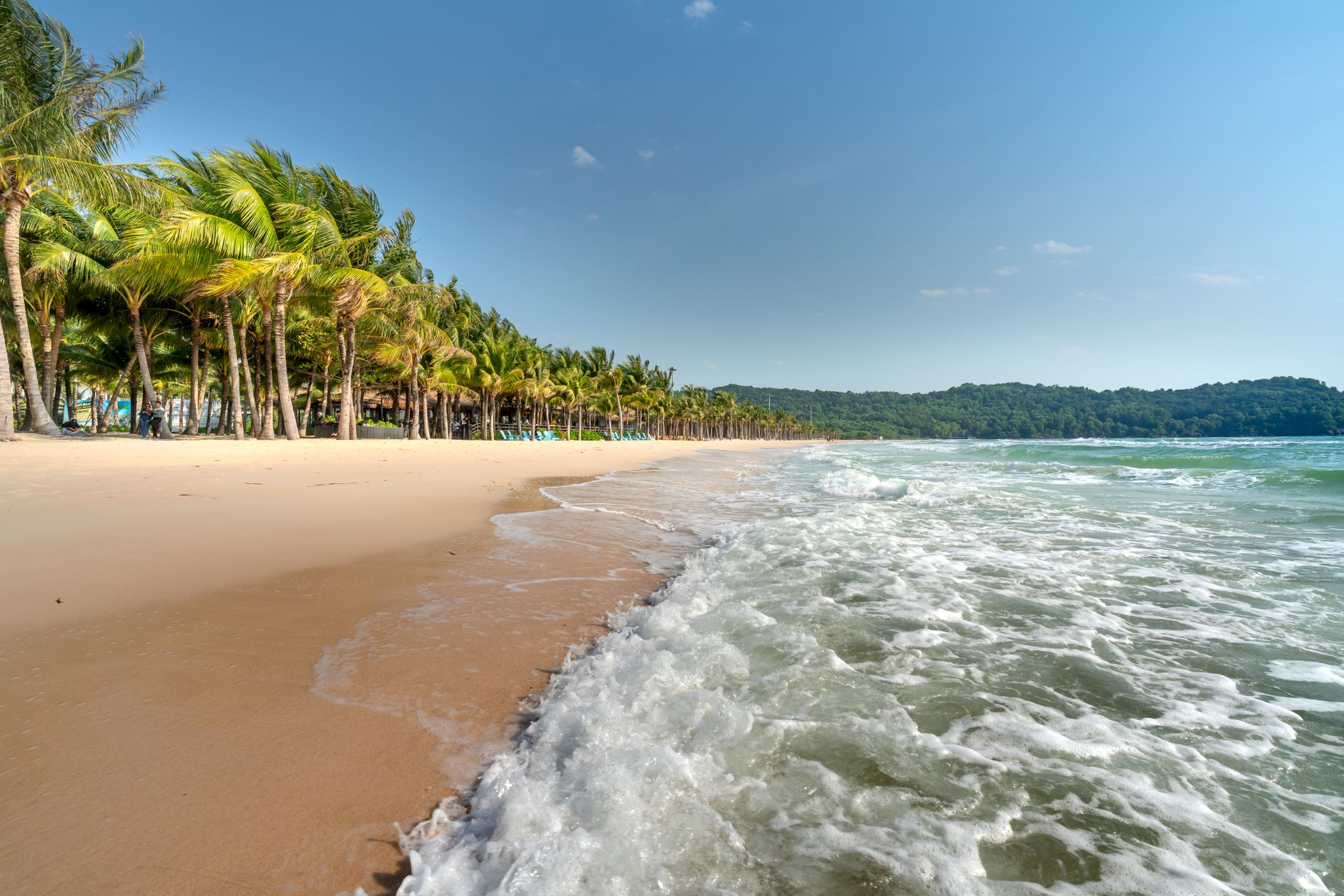
The south offers convenience. Everything is close: the airport, the night market, the ferry terminals, and most of the island's restaurants and bars. Long Beach, the island's most developed stretch of sand, runs south from Duong Dong for about 20 kilometers. This is where most mid-range and budget accommodation clusters.
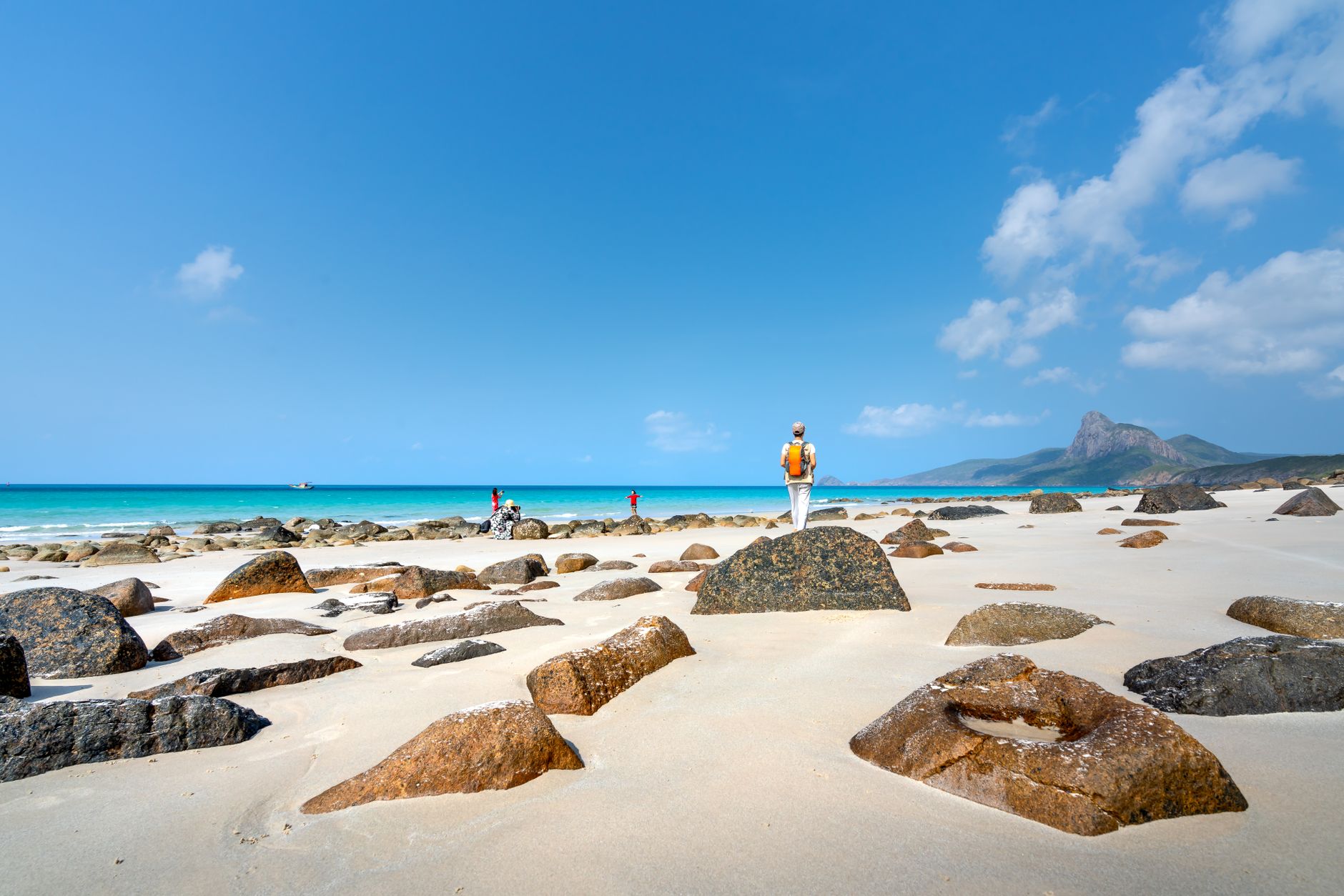
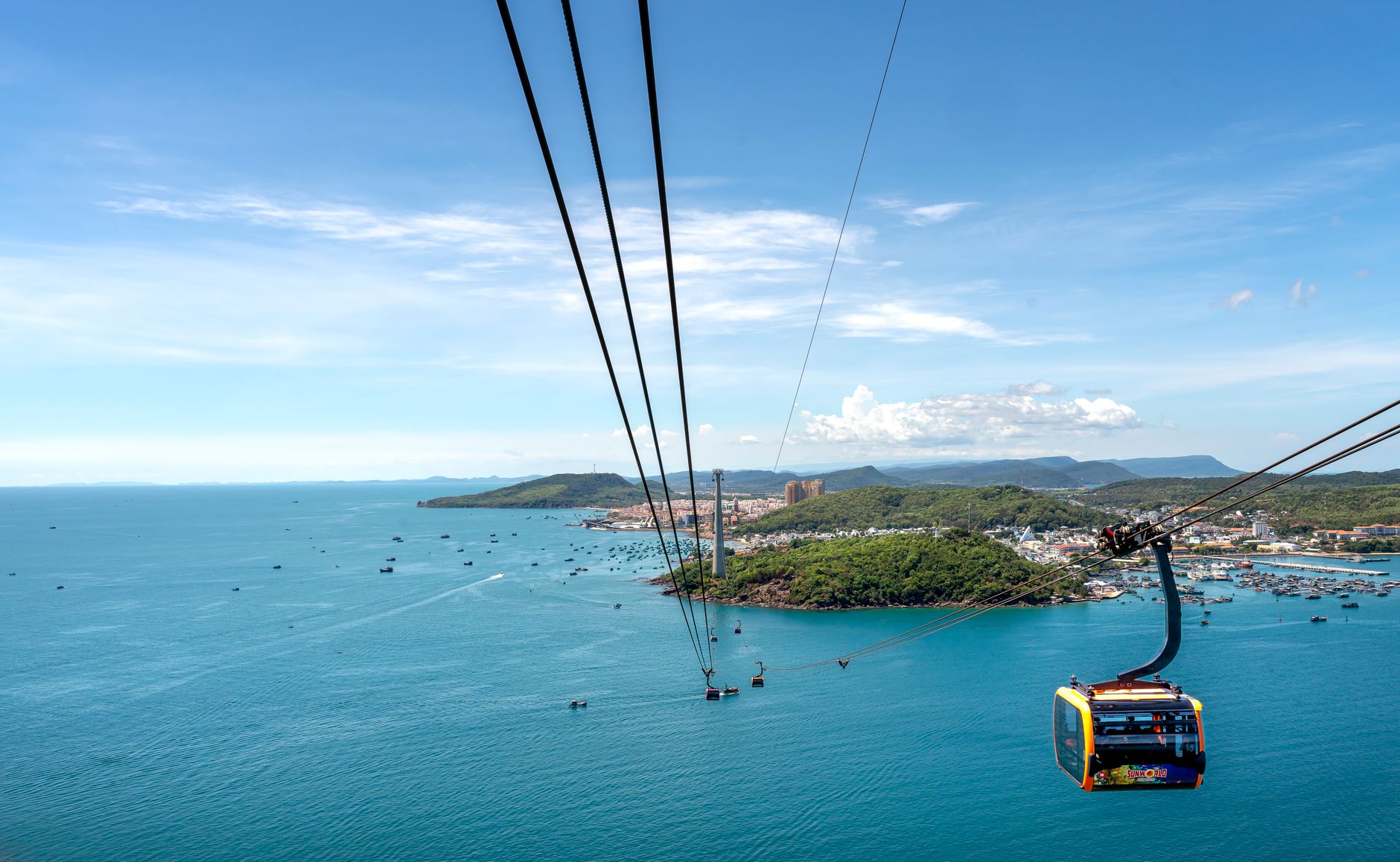
The north is quieter. Roads are rougher. Development is sparser. The beaches here, particularly Ong Lang and Bai Dai (Long Beach), are wider and less crowded than their southern counterparts. The northern tip of the island holds VinWonders, a massive theme park, and Vinpearl Safari. The interior is protected as Phu Quoc National Park, which covers more than half the island's land area.
The two halves connect via one main road, DT45. Driving from Duong Dong to the northern resorts takes 60 to 90 minutes depending on traffic and road conditions. Motorbike is the most flexible option, but Grab operates throughout the island. Taxis are plentiful in the south but scarcer in the north.
South Phu Quoc: Duong Dong and Long Beach
The south is where Phu Quoc feels like a functioning town rather than a resort island. Duong Dong is the island's administrative and commercial center. It has a working fishing port, a night market, and the island's densest concentration of local restaurants serving seafood pulled fresh from the Gulf of Thailand.
Who should stay in the south
The south suits first-time visitors, short stays, and anyone who wants easy access to restaurants and services. It also works well for travelers arriving on late flights or departing early, since the airport is only 10 to 15 minutes from most southern hotels.
Families with young children often prefer the south for the convenience. The Duong Dong Night Market offers easy evening entertainment. The nearby beaches, while not the island's best, are swimmable and have amenities like rental loungers and food stalls.
Nightlife seekers should also base themselves in the south. Duong Dong has the island's only real concentration of bars and late-night venues. The northern resorts shut down early, often by 10 PM.
Where to stay in the south
Budget: Phu Quoc Backpackers Hostel Located just outside Duong Dong's center, this hostel offers dorm beds from 180,000 VND ($7) per night. Private rooms run 400,000 to 600,000 VND ($16 to $24). The hostel organizes daily snorkeling trips and motorbike rentals. It is social without being a party hostel, which makes it a solid choice for solo travelers.
Mid-range: Sea Star Resort This small resort on Long Beach sits about 15 minutes south of Duong Dong. Garden bungalows start at 1,200,000 VND ($48) per night. Sea Star has its own restaurant serving Vietnamese and Western dishes. The beach here is wide and relatively quiet compared to the stretch closer to town. The pool is small but adequate.
Mid-range: Mango Bay Resort Mango Bay occupies a slice of coastline about 20 minutes north of Duong Dong, technically on the edge of the north but still within easy reach of town. Eco-friendly bungalows start at 1,800,000 VND ($72) per night. The resort has no air conditioning in some units, relying instead on natural ventilation. This is a deliberate choice that works well during the dry season but can be uncomfortable in the humid summer months.
Luxury: JW Marriott Phu Quoc Emerald Bay This is the island's most famous hotel, located on the southern tip near Khem Beach. The property was designed by Bill Bensley and looks like a fictional 19th-century French university campus. Rooms start at 6,000,000 VND ($240) per night. The resort has its own private beach, multiple pools, and some of the best service on the island. It is 30 minutes from the airport and 40 minutes from Duong Dong.
Pro tip: The JW Marriott is stunning, but it is isolated. Guests who want to explore the island's restaurants and markets will spend significant time and money on taxis. Factor that into the daily budget.
North Phu Quoc: Ong Lang, Bai Dai, and Vinpearl
The north offers a different experience entirely. The beaches are wider, the water is clearer, and the crowds are thinner. This is where travelers come to disconnect.
Who should stay in the north
The north suits couples on honeymoon, families who want resort amenities without leaving the property, and anyone seeking a beach holiday rather than an island exploration trip.
The northern resorts are self-contained. They have their own restaurants, pools, spas, and activity desks. Guests can easily spend a week without leaving the property. That is the point.
The trade-off is isolation. Getting to Duong Dong for dinner or the night market requires a 30 to 60 minute drive each way. Taxis from the north cost 400,000 to 700,000 VND ($16 to $28) each way. Grab is sometimes available but less reliable in the north.
Where to stay in the north
Budget: Ngoc Hien Bungalow This small guesthouse in Ong Lang offers basic but clean bungalows from 500,000 VND ($20) per night. It has a small pool and a restaurant serving Vietnamese home cooking. The beach is a five-minute walk away. This is one of the few budget options in the north, and it fills up quickly during peak season.
Mid-range: Chen Sea Resort & Spa Chen Sea sits on a quiet stretch of Bai Dai beach. Villas start at 2,800,000 VND ($112) per night. The resort has a good restaurant, a spa, and a beautiful infinity pool overlooking the Gulf of Thailand. The beach is clean and rarely crowded. The resort offers free shuttle service to Duong Dong twice daily, which helps with the isolation.
Mid-range: Phu Quoc Eco Beach Resort This eco-focused resort in Ong Lang offers rustic bungalows from 1,500,000 VND ($60) per night. The property runs on solar power and grows its own vegetables. The restaurant serves excellent Vietnamese food. The beach is one of the island's best, with calm water and soft sand. The resort organizes kayaking and fishing trips.
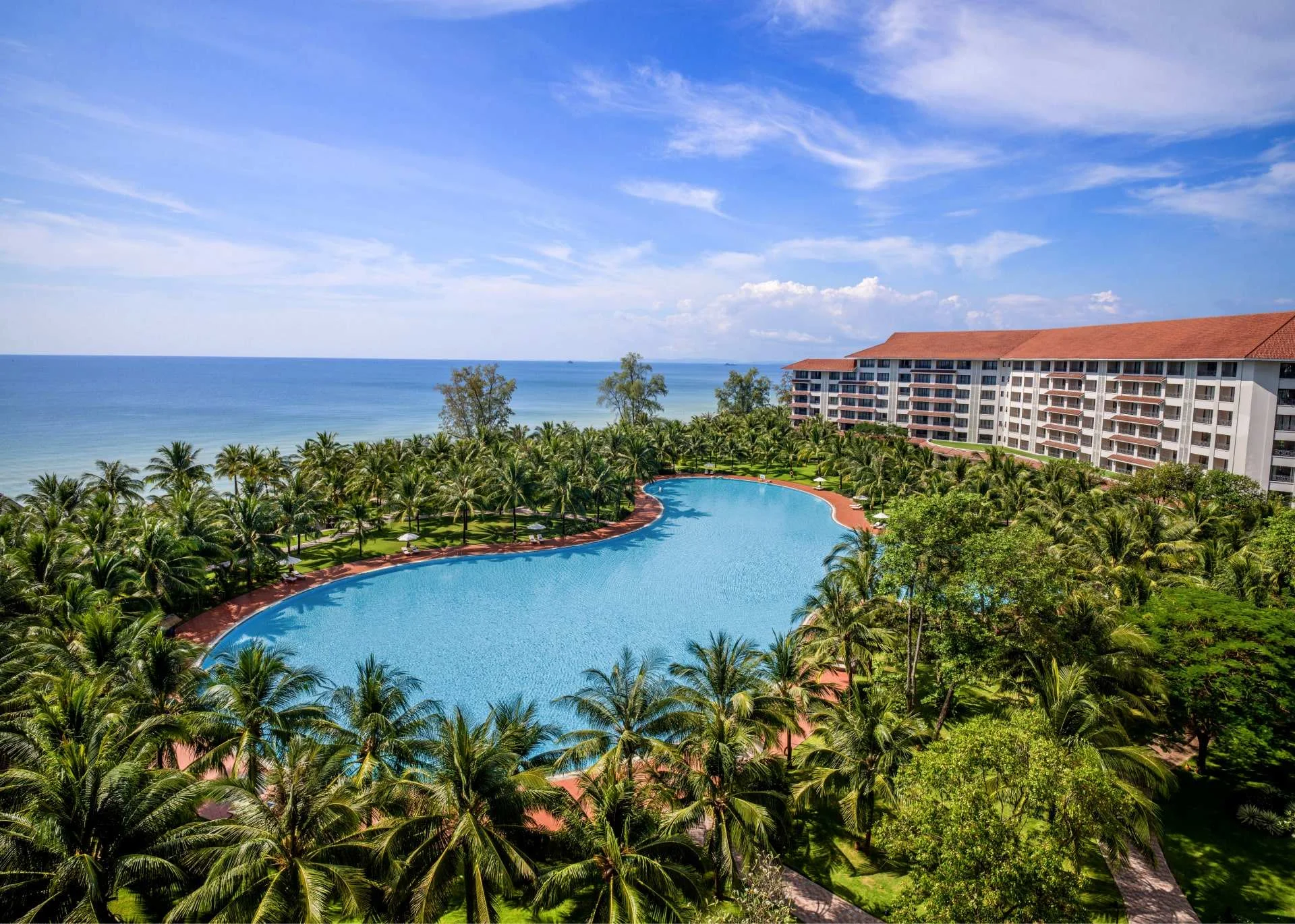
Luxury: Vinpearl Resort & Spa Phu Quoc Located at the island's northern tip, this massive resort sits adjacent to VinWonders theme park and Vinpearl Safari. Rooms start at 4,500,000 VND ($180) per night. The property has multiple pools, a private beach, and a golf course. Guests get free access to the theme park and safari, which makes it an excellent value for families. The downside is the distance from everything else on the island.
Pro tip: Vinpearl guests often never leave the resort complex. That is fine for a three-night stay. For longer trips, the isolation becomes a problem. Plan accordingly.
Comparison table: north versus south
| Factor | South (Duong Dong, Long Beach) | North (Ong Lang, Bai Dai, Vinpearl) |
|---|---|---|
| Airport access | 10-20 minutes | 45-90 minutes |
| Restaurant options | Dozens, including night market | Limited to resort restaurants |
| Nightlife | Bars, live music, late-night food stalls | Minimal, most venues close by 10 PM |
| Beach quality | Good, but crowded near town | Excellent, wide and uncrowded |
| Family amenities | Fewer resort options | VinWonders, Vinpearl Safari, water park |
| Daily budget (mid-range) | 1,200,000-2,500,000 VND ($48-100) | 1,500,000-3,500,000 VND ($60-140) |
| Getting around | Easy, Grab and taxis abundant | Need to arrange transport in advance |
| Overall vibe | Lively, convenient, commercial | Quiet, isolated, resort-focused |
Getting between north and south
The island's main road, DT45, connects the two halves. It is paved for most of the route but narrows in sections. Motorbike rental costs 150,000 to 250,000 VND ($6 to $10) per day, and the ride from Duong Dong to the northern tip takes about 90 minutes.
Taxis are metered and reliable. A ride from Duong Dong to Ong Lang costs around 350,000 VND ($14). To Vinpearl in the far north, expect to pay 600,000 to 800,000 VND ($24 to $32). Grab operates in Phu Quoc, but coverage thins out in the north. Book early or be prepared to wait.
For travelers staying in the north who want to visit Duong Dong's night market, consider arranging a round-trip taxi. The driver will wait for a set time and take you back. This costs more than two one-way trips but guarantees a ride back, since finding a taxi late at night in the north can be difficult.
When to stay in each half
The weather does not differ dramatically between north and south, since the island is small. The dry season runs from November to March, with the most reliable sunshine and calm seas. This is peak tourist season, and prices reflect it.
The wet season, from June to September, brings heavy afternoon rains. The north tends to receive slightly more rainfall than the south. The south also has better drainage and more paved roads, which makes getting around easier during storms.
For travelers visiting during the wet season, the south is the more practical choice. The north's dirt roads turn to mud, and some budget accommodations close entirely.
For dry season visits, either half works. The north offers better beach time. The south offers better access to the island's cultural attractions and nightlife.
Pro tip: January is the busiest month on Phu Quoc. Book at least two months ahead for mid-range and luxury hotels. Budget options often sell out completely.
How to split your stay
Many travelers choose to split their time between both halves. A typical split is three nights in the south, followed by three nights in the north. This allows for exploring the island's culture and food scene while still getting proper beach time.
The south portion works well for arriving, settling in, and visiting the night market, the fish sauce factories, and the pearl farms. The north portion is for relaxation: long beach walks, swimming, and doing very little.
A split stay also solves the airport problem. Arriving late? Stay in the south for the first night. Want to maximize beach time before departure? Move north for the final stretch.
For honeymooners, the north is the better choice for the entire stay. The resorts are more romantic, quieter, and more private. The south's nightlife is not a draw for most couples.
For families, the south is generally easier. The proximity to restaurants, markets, and services matters when traveling with children. The Vinpearl complex in the north is the exception, offering everything families need in one place.
The verdict
The south is the right choice for most first-time visitors. It offers convenience, variety, and easy access to everything the island has to offer. The beaches are not the best in Vietnam, but they are good enough for most travelers.
The north is for repeat visitors, honeymooners, and anyone whose primary goal is to disconnect. The beaches are better, the pace is slower, and the resorts are more luxurious. The trade-off is isolation.
There is no wrong answer. The wrong answer is not researching which half matches your travel style before booking. The island is small enough to explore either way. But the base matters.
Choose the south for convenience and energy. Choose the north for quiet and beach quality. Or split the difference and experience both.
FAQ
Q: Which side of Phu Quoc has the best beaches? The north has wider, cleaner, and less crowded beaches. Ong Lang and Bai Dai are superior to Long Beach in the south, which suffers from erosion and crowding near Duong Dong Town.
Q: Is it easy to get from the airport to the northern resorts? Yes, but it takes time. The drive from Phu Quoc International Airport to the northern resorts takes 45 to 90 minutes depending on the specific property. Taxis are available at the airport, but expect to pay 500,000 to 800,000 VND ($20 to $32) for the trip.
Q: How much should I budget for a hotel in Phu Quoc? Budget travelers can find basic rooms for 300,000 to 600,000 VND ($12 to $24) per night in the south. Mid-range resorts cost 1,200,000 to 3,000,000 VND ($48 to $120). Luxury properties start at 5,000,000 VND ($200) and go up significantly from there.
Q: Is the north of Phu Quoc worth visiting for the day? Yes. The VinWonders theme park and Vinpearl Safari are the island's biggest attractions. Even without visiting those, the northern beaches are worth the drive for a day trip. Combine a morning at Ong Lang beach with lunch at a local seafood restaurant.
Q: When is the best time to visit Phu Quoc? The dry season from November to March offers the best weather. December and January are the peak months, with the most sunshine and the highest prices. The wet season from June to September has lower prices but frequent heavy rain.
Q: Can I visit both north and south without staying in both? Yes. The island is small enough to explore from a single base. Staying in the south and doing a day trip north is the most practical option. The reverse works too, but the return drive late at night is less convenient.