What this route covers and who it’s for
The loop connects three distinct highland cities, each at a different elevation. Da Lat sits at 1,500 meters with pine forests and cool air. Buon Ma Thuot drops to 500 meters in the coffee belt. Kon Tum sits at 525 meters near the Lao border. The total driving distance is roughly 800 kilometers if you return to Da Lat, or 450 kilometers if you fly out of Pleiku or continue to Hoi An.
This route suits travelers who want cultural depth over beach time. It also suits those comfortable with basic infrastructure in smaller towns. Lak Lake has limited electricity in some homestays. Kon Tum’s village paths are unpaved. The rewards are genuine: fewer tourists, more direct encounters with ethnic minority cultures, and landscapes that change from pine forest to rubber plantations to volcanic highlands.
Allow 7 to 10 days. The short version skips Lak Lake and Mang Den. The long version adds detours and rest days.
When to go: weather windows and road conditions
The Central Highlands have a dual-season climate. The dry season runs from November to April. The wet season runs from May to October.
Dry season advantages: Roads are dry and stable. Visibility on mountain passes is clear. Waterfalls have less volume but are still impressive. This is the peak season for domestic tourists, especially around Tet (January-February).
Wet season realities: Rain turns road surfaces slippery, especially on Highway 27 between Da Lat and Buon Ma Thuot. Landslides can occur on the mountain passes near Lak Lake. Afternoon downpours are common from June to September. The upside: fewer crowds and lush green landscapes.
Fog is a real hazard from December to February, particularly in the early morning and late afternoon on the Da Lat passes. Drivers should start early and finish by 3:00 PM.
| Month | Avg Temp (°C) | Rainfall (mm) | Road Conditions | Crowds |
|---|---|---|---|---|
| November | 18-25 | 80 | Good, dry | Low |
| December | 15-23 | 40 | Good, fog risk | Medium |
| January | 15-24 | 30 | Good, fog risk | High (Tet) |
| February | 16-26 | 25 | Good | High |
| March | 17-28 | 40 | Good | Medium |
| April | 18-29 | 80 | Good | Medium |
| May | 19-28 | 180 | Slippery | Low |
| June | 19-27 | 200 | Slippery | Low |
| July | 19-27 | 220 | Wet, landslide risk | Low |
| August | 19-27 | 210 | Wet, landslide risk | Low |
| September | 19-27 | 190 | Wet | Low |
| October | 18-26 | 140 | Drying | Low |
Getting to the starting point: Da Lat
Most travelers start in Da Lat. Here are the options:
From Ho Chi Minh City: Buses run every 30 minutes from Mien Dong bus station. The journey takes 6-7 hours and costs 180,000-250,000 VND ($7-10). Several sleeper bus companies operate overnight services.
From Nha Trang: The 135km drive takes 3 hours by car or 4 hours by bus. Buses cost 100,000-150,000 VND ($4-6).
By air: Da Lat’s Lien Khuong Airport (DLI) receives flights from Hanoi (2 hours, from 1,200,000 VND or $48) and Ho Chi Minh City (1 hour, from 600,000 VND or $24). The airport is 30km from the city center. A taxi costs 200,000-250,000 VND ($8-10).
From Buon Ma Thuot: If you are already in the highlands, buses run between the two cities in 4 hours for 120,000-150,000 VND ($5-6).
Route overview: three itinerary options
7-day express loop: Da Lat (2 nights) — Lak Lake (1 night) — Buon Ma Thuot (2 nights) — Kon Tum (2 nights) — fly out of Pleiku. This skips Mang Den and the return to Da Lat. Daily driving averages 2-3 hours.
9-day standard loop: Da Lat (2 nights) — Lak Lake (1 night) — Buon Ma Thuot (2 nights) — Kon Tum (3 nights) — return to Da Lat by bus. This adds a full day in Kon Tum’s villages and a buffer for weather delays.
10-day slow loop: Same as the 9-day version but adds Mang Den (1 night) and an optional extension to Hoi An. This is the most relaxed pace with time for spontaneous stops.
Day 1-2: Da Lat to Lak Lake (135km, Highway 27)
The descent from Da Lat’s pine forests to the coffee and pepper plantations of Lam Dong province is one of the most scenic drives in Vietnam. Highway 27 is well-paved but winding, with frequent truck traffic. Allow 3-4 hours driving time, plus stops.
Worthwhile stops:
- Elephant Falls (Thuy Tien): A 30-meter waterfall 30km from Da Lat. Entrance fee is 20,000 VND ($0.80). The path down is steep and slippery after rain.
- Linh An Pagoda: Features a giant Buddha statue and views over the surrounding valley. Free entry.
- Silk factory at Duc Trong: Watch the silk-making process. Small entrance fee of 10,000 VND ($0.40).
Lak Lake: Arrive by late afternoon. Overnight options include homestays in Jun Village (basic, 100,000-200,000 VND or $4-8 per person) and the Lak Resort (mid-range, 500,000-800,000 VND or $20-32 per night). The resort has hot water and WiFi. The homestays offer more authentic experiences but limited facilities.
Pro tip: Book the Jun Village homestay through a local contact in Da Lat. Walk-ins are possible but availability is not guaranteed.
Day 3-4: Lak Lake to Buon Ma Thuot (110km, Highway 27 and 14)
The drive continues north on Highway 27, then joins Highway 14. The landscape shifts from lake country to coffee plantations. Allow 2-3 hours.
Dray Sap and Dray Nur waterfalls: This complex is one of the few places in Vietnam where you can swim safely. The pools are deep but currents are gentle in the dry season. Entrance fee is 30,000 VND ($1.20). A guide is not required.
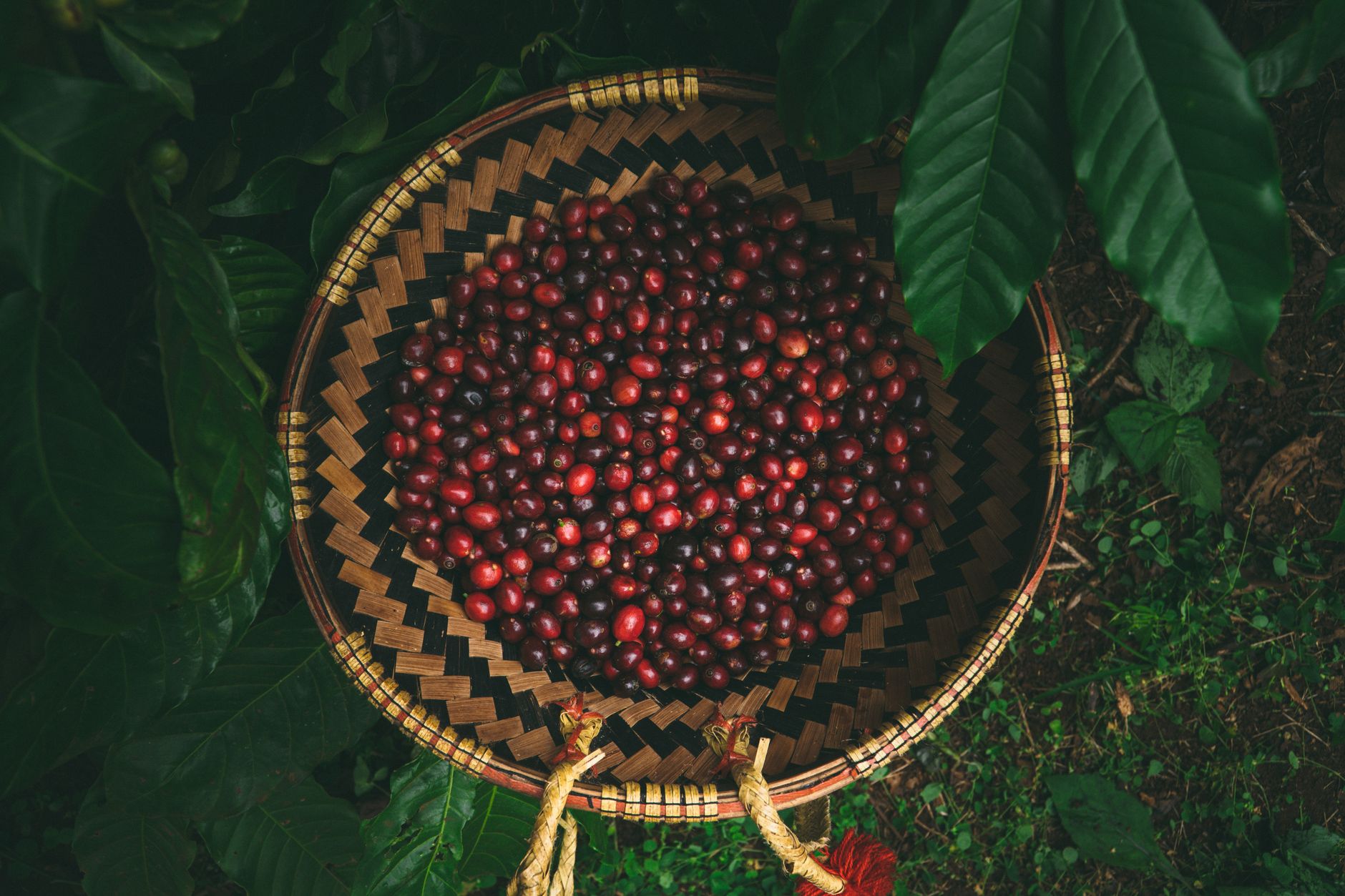
Buon Ma Thuot: The city is Vietnam’s coffee capital. It has the best accommodation on the entire loop.
What to see:
- Ethnographic Museum: Covers the 49 ethnic groups of the Central Highlands. Entrance is 40,000 VND ($1.60). Allow 1.5 hours.
- Trung Nguyen Coffee Village: A coffee-themed park with tasting rooms. Free entry. Coffee prices are higher than local cafes but the variety is unmatched.
- Buon Ma Thuot Market: Open daily until 6:00 PM. Good for local produce and coffee beans to take home.
Accommodation: Budget guesthouses start at 200,000 VND ($8) per night. Mid-range hotels like the Saigon Ban Me Hotel cost 500,000-800,000 VND ($20-32).
Warning: Avoid the “coffee tours” offered by touts near the market. They are overpriced and rushed. Visit a local cafe like Lien Minh instead.
Day 5: Buon Ma Thuot to Kon Tum (200km via Pleiku, Highway 14)
This is the longest driving day. Highway 14 is generally good asphalt but has construction zones near Pleiku. Allow 4-5 hours driving time.
Pleiku stop: The city itself is not memorable, but To Nung Lake (Bien Ho) is worth a quick visit. This volcanic crater lake is 3km from the city center. Entrance is free. The lake is surrounded by coffee plantations.
What you see from the road: Extensive rubber plantations and ethnic minority villages. The villages are visible but not easily accessible from the main road. Do not stop without a local guide or prior arrangement.
Arriving in Kon Tum: The city is smaller and quieter than Buon Ma Thuot. Accommodation is concentrated near the Dak Bla riverfront.
Day 6-7: Exploring Kon Tum and the Bahnar villages
Kon Tum is the base for cultural exploration. The city itself has several notable sites.
Key sites in town:
- Wooden Church (1913): Built by French missionaries using traditional Bahnar construction techniques. Free entry. Open daily until 5:00 PM.
- Kon Klor suspension bridge: A 50-meter bridge over the Dak Bla River. Free. Best visited at sunset.
- The seminary: A working Catholic seminary with a small museum. Free. Call ahead to arrange a visit.
- Orphanage behind the cathedral: Accepts visitors but ask permission before photographing children.
Visiting Bahnar villages: The villages of Kon Robang and Kon Klor are accessible by motorbike or taxi from the city center. A round-trip taxi costs 200,000 VND ($8).
Etiquette:
- Bring small gifts: school supplies, fruit, or snacks for children. Do not give money directly.
- Ask permission before photographing anyone. Many elders will refuse. Respect that.
- Dress modestly: cover shoulders and knees.
- Do not visit during funeral ceremonies. Ask your homestay host or hotel staff if any ceremonies are happening.
- Accept jar wine (Ruou Can) only if invited. Drink through the communal straw as a sign of respect.
Pro tip: The best Ruou Can tasting in town is at Eva Cafe or Dakbla Restaurant. Both serve it to visitors. Prices range from 50,000-100,000 VND ($2-4) per jar.
Day 8 (optional): Mang Den extension or return to Da Lat
Mang Den extension: This 50km detour north of Kon Tum is called the “second Da Lat.” It has seven lakes and three waterfalls. The area is undeveloped. Accommodation is limited to basic guesthouses (150,000-300,000 VND or $6-12 per night). Restaurants are few. The reward is genuine solitude.
Return to Da Lat: A direct bus from Kon Tum to Da Lat takes 8-9 hours and covers 300km. Buses depart from the Kon Tum bus station at 6:00 AM and 1:00 PM. Tickets cost 200,000-250,000 VND ($8-10). The alternative is to take a bus to Pleiku (1 hour, 50,000 VND or $2) then connect to Da Lat (6 hours, 180,000 VND or $7).
Transport deep dive: comparing your options
| Mode | Cost per day | Total duration | Freedom level | Best for |
|---|---|---|---|---|
| Self-drive motorbike | 150,000-250,000 VND ($6-10) rental | 7-10 days | Maximum | Experienced riders with valid license |
| Easy Rider (motorbike with driver) | $60-85 per person | 7-10 days | Medium | Solo travelers and couples |
| Private car with driver | $100-150 | 7-10 days | Low | Groups of 3-4, comfort seekers |
| Bus | 120,000-150,000 VND ($5-6) per segment | 10-12 days | Minimum | Budget travelers, no stops |
Self-drive motorbike: Maximum freedom but requires a valid Vietnamese driver’s license. International driving permits are not recognized. If stopped at a checkpoint, expect a fine of 500,000-1,500,000 VND ($20-60) and possible impoundment. Rental costs include basic insurance but not theft or damage coverage.
Easy Rider: The most popular option. Pricing includes the driver, fuel, and driver accommodation. Food and your own accommodation are extra. Negotiate the total route and inclusions before departing. Reliable drivers can be found through hotels in Da Lat or through forums like GT-Rider.
Private car with driver: Most comfortable. Drivers typically speak limited English and may not act as guides. Book through hotels or transport companies. Fuel and driver accommodation are included in the daily rate.
Bus: Cheapest but least flexible. Da Lat to Buon Ma Thuot has frequent service (every 30 minutes). Buon Ma Thuot to Kon Tum has fewer options (3-4 buses per day). You will miss the waterfalls, Lak Lake, and village stops.
Road conditions and safety: what nobody tells you
Potholes: Highway 14 between Kon Tum and Pleiku has sections with large potholes, especially after rain. Drive slowly through construction zones.
Fog: The passes between Da Lat and Buon Ma Thuot are prone to fog from December to February. Visibility can drop to 20 meters. Use headlights and reduce speed.
Livestock: Cows and water buffalo wander onto rural roads, especially near villages. They are most active at dawn and dusk.
Aggressive drivers: Local buses and trucks drive aggressively on Highway 14 and 27. They expect motorbikes to yield. Stay to the right and check your mirrors frequently.
Breakdowns: Cell service exists on most of Highway 14 but is patchy on Highway 27 near Lak Lake. Save your hotel’s number and a local mechanic’s contact before departing. Most Vietnamese drivers will stop to help a stranded foreigner. Carry basic tools and a tire repair kit if self-driving.
Fuel stations: They are sparse between Lak Lake and Buon Ma Thuot. Fill up in Da Lat or Duc Trong before heading north.
Medical facilities: Buon Ma Thuot has the best hospital on the route. Kon Tum has a district hospital for minor issues. For serious emergencies, evacuate to Da Lat or HCMC.
Where to stay: honest accommodation guide
| Town | Budget option | Mid-range option | Price range | Notes |
|---|---|---|---|---|
| Da Lat | The Common Room (dorm) | Dalat Palace Hotel | $8-12 / $40-60 | Book ahead in peak season |
| Lak Lake | Jun Village homestay | Lak Resort | $4-8 / $20-32 | Homestays have cold water only |
| Buon Ma Thuot | Thanh Binh Guesthouse | Saigon Ban Me Hotel | $8-12 / $20-32 | Best quality on the loop |
| Kon Tum | Kon Tum Homestay | Indochine Hotel | $8-12 / $25-40 | Riverside options preferred |
| Mang Den | Mang Den Guesthouse | N/A | $6-12 | Limited availability |
What to avoid: In Buon Ma Thuot, avoid the “mini hotels” near the bus station. They are noisy and poorly maintained. In Kon Tum, avoid the guesthouses on the main highway. They have unreliable hot water.
Food and drink along the route
Buon Ma Thuot coffee: The city grows both robusta and arabica. Robusta is stronger and more bitter. Arabica is smoother. Local cafes charge 15,000-25,000 VND ($0.60-1.00) per cup. The Trung Nguyen Coffee Village charges 50,000-80,000 VND ($2-3) for the same quality.
Kon Tum’s Ruou Can: This fermented rice wine is served in a clay jar. Drink it through a communal bamboo straw. It is available at Eva Cafe and Dakbla Restaurant. Alcohol content varies from 15-25%.
Local dishes:
- Com lam: Sticky rice cooked in bamboo tubes. Available at roadside stalls near Lak Lake.
- Grilled chicken: Marinated in local spices. Best in Kon Tum’s village homestays.
- Wild vegetables: Served with meals in Kon Tum. The selection changes seasonally.
Vegetarian options: Limited outside Da Lat. Da Lat has several vegetarian restaurants near the market. In Buon Ma Thuot and Kon Tum, request “com chay” at local restaurants. They may prepare a simple vegetable dish.
Warning: Avoid salads and raw vegetables at roadside stalls. Stick to cooked food. Drink bottled water only.
Budget breakdown for 2026
| Category | Budget cost (9 days) | Mid-range cost (9 days) | Notes |
|---|---|---|---|
| Transport | $100-150 | $200-300 | Bus vs. Easy Rider |
| Accommodation | $80-120 | $180-280 | $8-12 vs. $20-32 per night |
| Food | $60-90 | $120-180 | $7-10 vs. $13-20 per day |
| Entrance fees | $10-15 | $10-15 | Waterfalls, museums |
| Incidentals | $30-50 | $50-80 | Souvenirs, coffee, tips |
| Total | $280-425 | $560-855 | Excluding flights |
What to pack
Layers: Temperatures range from 15°C at night in Da Lat to 30°C during the day in Buon Ma Thuot. Pack a fleece or light jacket for evenings. A scarf or buff is useful for dusty roads.
Rain gear: A quality rain jacket is essential even in the dry season. Afternoon showers can occur unpredictably.
Sunscreen and insect repellent: The highland sun is strong. Mosquitoes are active near water and in villages. Repellent with DEET is recommended.
Basic first-aid kit: Include bandages, antiseptic, pain relievers, and anti-diarrhea medication. Pharmacies are available in towns but may not have Western brands.
Headlamp: Useful for homestays in Lak Lake and Kon Tum villages where electricity may be unreliable.
Quality gear: Hard to find outside Da Lat. Bring everything you need from home or buy in Da Lat’s central market.
Connecting onward: from Kon Tum to Hoi An or Laos
To Hoi An: The 288km drive via the Ho Chi Minh Road is spectacular but slow. Allow 8-9 hours. The road is generally good asphalt but has narrow sections through mountain passes. Services are limited. Fill up in Kon Tum before departing.
To Laos: The border crossing at Bo Y (also called Tay Giang) is 60km west of Kon Tum. The crossing is open daily from 7:00 AM to 5:00 PM. Visa on arrival is available for most nationalities. Check requirements before departing. Road conditions on the Vietnamese side are good. The Lao side is unpaved in sections.
FAQ
Q: Is it safe to drive a motorbike through the Central Highlands? A: The roads are generally well-paved but winding, with hazards including fog, livestock, and aggressive truck drivers. Self-driving without a Vietnamese license is technically illegal. Most travelers opt for an Easy Rider (driver) or private car.
Q: How long does it take to drive from Da Lat to Buon Ma Thuot? A: The 135km drive takes 3-4 hours by car or motorbike, depending on stops. Highway 27 is well-paved but winding through mountain passes. Add 1-2 hours if visiting waterfalls along the way.
Q: What is the best time of year for this route? A: The dry season from November to April offers the best road conditions and visibility. The wet season (May-October) brings slippery roads and reduced visibility on mountain passes, though landscapes are greener and crowds smaller.
Q: Can you visit ethnic minority villages without a tour? A: Yes, but with preparation. The Bahnar villages near Kon Tum (Kon Klor, Kon Robang) are accessible by motorbike or taxi. Bring small gifts (school supplies, fruit), ask permission before photographing, and dress modestly. Avoid visiting during funeral ceremonies.
Q: How much does an Easy Rider cost for this route? A: Expect $60-85 per person per day, which includes the driver, fuel, and driver accommodation. Food and your own accommodation are extra. Negotiate the total route and inclusions before departing.
Q: Where can I try authentic Ruou Can (jar wine)? A: Kon Tum has the most authentic experience. Eva Cafe and Dakbla Restaurant offer it to visitors. In villages, you may be offered jar wine during ceremonies. Accept only if invited and drink through the communal straw as a sign of respect.
Q: Is it possible to do this route by public bus? A: Partially. Regular buses connect Da Lat-Buon Ma Thuot (4 hours, 120,000-150,000 VND) and Buon Ma Thuot-Kon Tum (4-5 hours, 100,000-130,000 VND). However, you will miss the waterfalls, Lak Lake, and village stops. A private car or motorbike is strongly recommended.
Q: What should I do if I break down between towns? A: Cell service exists on most of Highway 14 but is patchy on Highway 27 near Lak Lake. Save your hotel’s number and a local mechanic’s contact before departing. Most Vietnamese drivers will stop to help a stranded foreigner. Carry basic tools and a tire repair kit if self-driving.