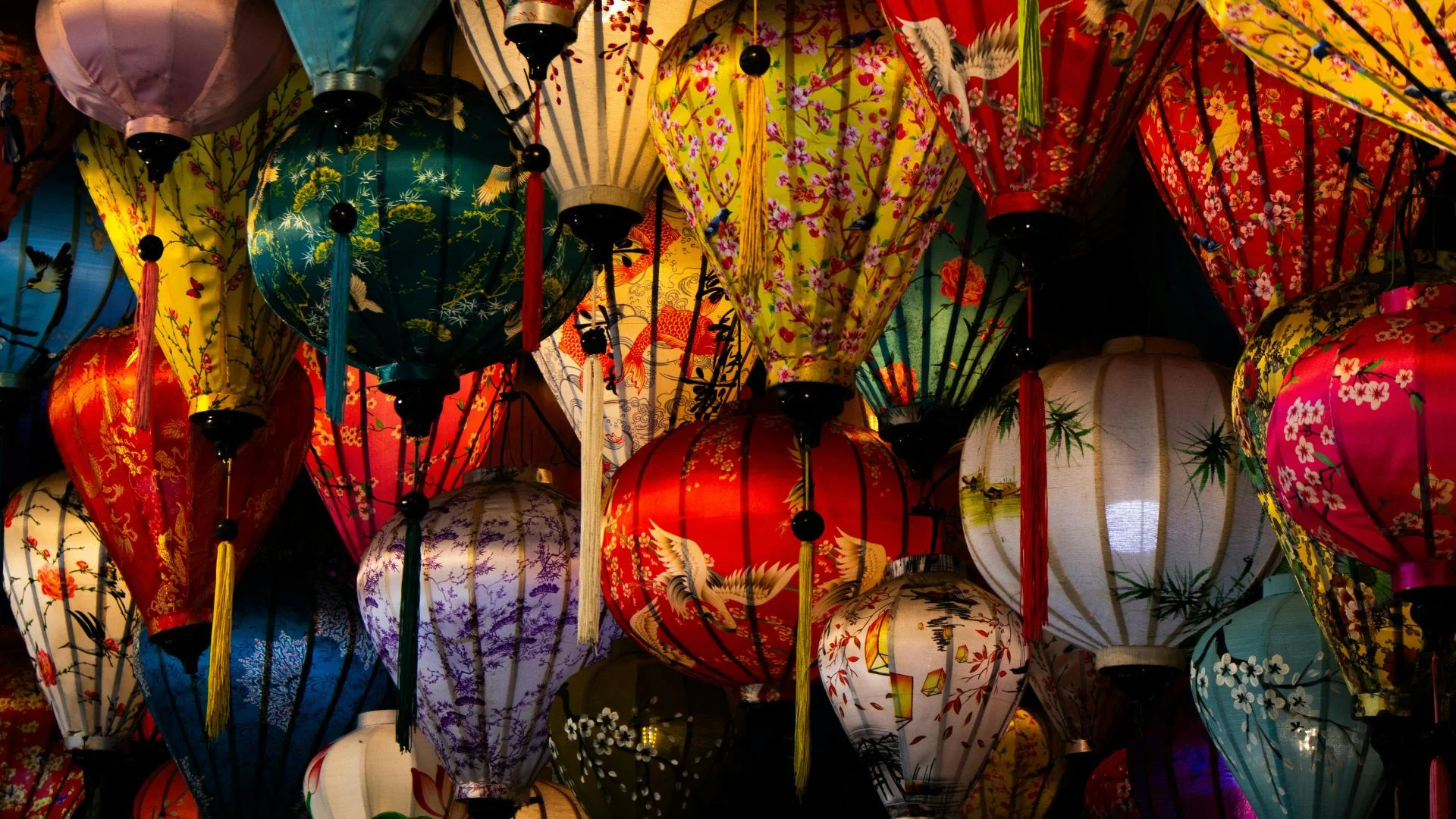
Hoi An does not announce itself loudly. No skyscrapers, no honking highway overpasses. What greets you instead is a low skyline of terracotta rooftops, a river that glows amber at dusk, and narrow streets where the smell of cao lau drifts from kitchen windows at all hours. This is Vietnam's most intact ancient trading port — and one of Southeast Asia's most rewarding destinations for travelers who want depth alongside their beach days.
This guide covers everything you need to know to visit Hoi An with confidence: what to see, where to eat, how to move around, and how to make the most of 2 to 5 days in this remarkable city.
Geography & Orientation
Hoi An sits in Quang Nam Province, in central Vietnam, roughly 30 km south of Da Nang. The Thu Bon River curves around the southern edge of the Ancient Town before emptying into the South China Sea a few kilometers east.
The city is compact and easy to navigate on foot or by bicycle:
Ancient Town (Old Town): The historic core, a UNESCO World Heritage Site since 1999. Most temples, assembly halls, and heritage houses are concentrated here.
An Bang Beach area: About 4 km northeast of the Old Town, connected by a flat road ideal for cycling.
Cam Nam Island: Just across the small bridge south of the Old Town — quieter, less touristy, worth a walk.
Cam Thanh & Tra Que: Rural villages to the east and north, surrounded by rice paddies and vegetable gardens.
Orientation tip: The Old Town is largely car-free and walkable. Buy a combined entrance ticket (~$5 / 125,000 VND) to access the main heritage sites. Without it, you can still stroll freely through the streets.
History & Cultural Context
Hoi An was one of Southeast Asia's most significant trading ports between the 15th and 19th centuries. Merchants from China, Japan, the Netherlands, and Portugal all settled here, and their presence left a permanent architectural imprint. The famous Japanese Covered Bridge, the Chinese assembly halls, and the shophouse facades blending Vietnamese, Chinese, and European styles all date from this era.
When the Thu Bon River silted up in the late 19th century and Da Nang took over as the region's main port, Hoi An was largely bypassed by industrialization — which is precisely why its old town survived. Unlike many historic Vietnamese cities, Hoi An was not heavily bombed during the American War, preserving much of its pre-modern fabric.
Today, the city balances heritage tourism with an active local community. Fishermen still work the Thu Bon at dawn, vegetable farmers tend fields in Tra Que, and local schools fill the Old Town alleys during lunch hour.
Top Sights & Landmarks When Visiting Hoi An
The Ancient Town
The Old Town is the anchor of any Hoi An visit. Wander Tran Phu Street and Bach Dang Street along the riverfront. Combined ticket entry gives access to five heritage sites of your choosing from a list of museums, assembly halls, and ancient houses.
Must-see sites include:
Japanese Covered Bridge (Chua Cau): Built in the early 17th century, this 18-meter wooden bridge is Hoi An's most recognizable symbol. Cross it early morning before the crowds arrive.
Tan Ky Ancient House: A 200-year-old merchant's residence that showcases the architectural fusion of Vietnamese, Chinese, and Japanese styles. Guided entry included in the combined ticket.
Phuc Kien Assembly Hall (Fujian Assembly Hall): The most elaborate of Hoi An's Chinese community halls, dedicated to the goddess Thien Hau. Vibrant colors, incense smoke, and ceremonial statues make it genuinely atmospheric.
Museum of Trade Ceramics: A well-curated small museum with artifacts retrieved from shipwrecks, explaining Hoi An's role in the maritime trade of the 15th–17th centuries.
Hoi An Market (Cho Hoi An): A busy covered market near the river, where locals buy fish, herbs, and produce. More honest than the night market — go in the morning.
An Bang Beach
An Bang Beach is a 10-minute bike ride (or 5-minute taxi) from the Ancient Town. It is one of central Vietnam's better stretches of sand: wide, relatively uncrowded compared to Da Nang, and lined with low-key beach bars and seafood restaurants. Rent a sunbed for about $2 / 50,000 VND. Good swimming from March to August.
The Countryside
Hoi An's surroundings are part of what makes it special. The Tra Que Vegetable Village (3 km north) has been cultivating herbs and greens using traditional methods for centuries. You can join a farming workshop for around $8–$12 / 200,000–300,000 VND. Cam Thanh is home to a network of water coconut palm waterways — the setting for the famous basket boat tours.
Neighborhoods to Explore
Neighborhood | Character | Best For |
|---|---|---|
Ancient Town | Heritage shophouses, lanterns, museums | Sightseeing, dining, shopping |
An Bang Beach | Relaxed beach village | Swimming, beach bars, sunset drinks |
Cam Nam Island | Local residential, quiet | Authentic local life, boutique guesthouses |
Cam Thanh | Rural waterways, coconut palms | Basket boats, eco-activities |
Cua Dai area | Mix of hotels and beach | Mid-range accommodation, quieter beach access |
Where to stay: Budget travelers do well near the Old Town's eastern edge (Nguyen Du, Le Loi streets). Mid-range and boutique hotels cluster around Cam Nam and the An Bang road. Beach resorts line the Cua Dai and An Bang coastline.
Food & Gastronomy in Hoi An
Eating in Hoi An is one of the main reasons to come. The city has its own culinary identity — distinct from Hanoi or Ho Chi Minh City — built on fresh local herbs, Thu Bon River seafood, and centuries of trade influences.
Essential Dishes to Try
Cao Lau: Thick rice noodles with slices of roasted pork and herbs, dressed in a dark soy-based broth. The noodles are said to be made with water drawn from a specific well in the Old Town — the dish does not travel well, which makes eating it here more meaningful.
White Rose Dumplings (Banh Bao Vac): Translucent shrimp dumplings, steamed and served with a sweet dipping sauce. Delicate and distinctive.
Banh Mi Hoi An: The local banh mi is considered among Vietnam's best — crusty baguette filled with pâté, pickled vegetables, fresh coriander, and a choice of protein. Banh Mi Phuong (on Phan Chau Trinh Street) is the city's most famous address for this.
Mi Quang: Wide turmeric-yellow rice noodles with shrimp, pork, peanuts, and herbs — a Quang Nam staple.
Quang-style Wonton (Hoành Thánh): Fried or boiled dumplings, often served as an evening street snack.
Where to Eat
Morning Glory Restaurant (Nguyen Thai Hoc St): Solid local classics in a well-restored shophouse. Lunch or dinner, around $6–$15 / 150,000–375,000 VND per person.
Chua Cau Street food stalls: Several simple stalls near the Japanese Bridge serve cao lau and mi quang for under $2 / 50,000 VND.
An Bang Beach seafood: Open-air restaurants along the beachfront serve grilled squid, clams in chili, and garlic shrimp. Budget $10–$20 / 250,000–500,000 VND for a full seafood meal.
Cooking class tip: Hoi An is one of the best places in Vietnam to take a cooking class. Half-day market tours + cooking sessions are widely available for $25–$40 / 625,000–1,000,000 VND and give a genuine grounding in local techniques.
Nightlife & Evening Activities
Hoi An's nights are atmospheric rather than high-energy. The city is not a party destination — and that is part of its appeal.
Lantern Boat Ride on the Hoai River: On the 1st and 15th of every lunar month, the Old Town goes dark (electric lights off) and hundreds of paper lanterns float on the river. Even on ordinary evenings, a short boat ride ($2–$5 / 50,000–125,000 VND for 20–30 minutes) is quietly magical.
Hoi An Night Market (Nguyen Hoang Street): Open daily from 5 PM to 11 PM. Stalls sell lanterns, ao dai, embroidered goods, and street food. Bargaining expected.
Cong Nu Ngoc Hoa Food Night Market: The better option for eating — small plastic stools, local vendors, and dishes priced under $2.
Rooftop bars: A few spots along Bach Dang Street offer sunset cocktails with views over the river and Old Town.
Bai Choi performances: A traditional Vietnamese folk singing game, held Saturday evenings near the river. Free to watch, participatory if you like.
Noise curfew: Hoi An enforces relatively early closing times in the Ancient Town (most venues close by 11 PM). Don't expect a late-night scene here.
Shopping & Craftsmanship
Hoi An has been a center for textile production and craftsmanship for centuries. It remains one of the best places in Vietnam to buy made-to-measure clothing.
Tailor shops: Over 400 tailors operate in the city. A tailored silk ao dai starts around $30–$60 / 750,000–1,500,000 VND. A custom blazer or dress runs $40–$80 / 1,000,000–2,000,000 VND. Order at least 24–48 hours before departure and request a fitting.
Lanterns: Hand-sewn silk lanterns are Hoi An's signature souvenir. Prices range from $1–$10 depending on size. Nguyen Hoang Night Market is the most concentrated spot.
Lacquerware and ceramics: The Thanh Ha Pottery Village (3 km west of the Old Town) produces traditional terra-cotta pieces. Watch artisans at work and buy directly from the workshop.
Embroidery and linen: Several boutiques along Le Loi and Nguyen Thai Hoc streets sell high-quality embroidered linen and cotton.
Bargaining guide: Fixed prices are the norm in boutiques and established shops. At open-air markets and street stalls, a polite 20–30% counter-offer is standard practice.
Unusual Activities
Beyond the main circuit, Hoi An rewards travelers who look slightly beyond the obvious:
Basket Boat (Thung Chai) Tour in Cam Thanh: These round woven coracles are a Quang Nam fishing tradition. Tours through the coconut palm waterways take about 90 minutes and cost around $10–$15 / 250,000–375,000 VND. Local guides spin and twirl the boats — more entertaining than it sounds.
Lantern-Making Workshop: Several craft studios in the Old Town run 1–2 hour sessions teaching you to assemble and decorate a bamboo-frame silk lantern. Around $8–$12 / 200,000–300,000 VND.
Sunrise Cycling in Tra Que: Rent a bicycle ($1.50–$2 / 40,000–50,000 VND/day) and reach Tra Que village by 6:30 AM to watch farmers tend their herb beds in early light. Almost no other tourists around.
Hoi An Memories Show: A large-scale outdoor performance staged on Cua Dai Island, depicting the history of Hoi An through acrobatics, dance, and water effects. Tickets around $25 / 625,000 VND.
Day Trips from Hoi An
Hoi An is ideally positioned for excursions into central Vietnam's most significant historical sites.
My Son Sanctuary (40 km west): A UNESCO-listed valley of Cham Hindu temples, dating from the 4th to 13th centuries. Half-day or full-day tours depart from Hoi An for around $12–$20 / 300,000–500,000 VND.
Hue (120 km north): The former imperial capital, with its Citadel, royal tombs, and Thien Mu Pagoda. Reachable by bus (3 hours, ~$6–$8 / 150,000–200,000 VND) or organized tour.
Da Nang (30 km north): Vietnam's third-largest city, with the Marble Mountains, Dragon Bridge, and Museum of Cham Sculpture. Easy 45-minute trip by taxi ($10–$15 / 250,000–375,000 VND one way) or local bus ($0.50 / 12,000 VND).
Ba Na Hills (from Da Nang): A French colonial hill station home to the famous Golden Bridge (held by two giant stone hands). Best booked as a day trip from Da Nang.
Cham Islands (Cu Lao Cham): A marine protected area 18 km offshore, accessible by speedboat (30 minutes, ~$15–$25 / 375,000–625,000 VND round trip). Good snorkeling and pristine beaches.
Practical Information
Getting There
Route | Method | Duration | Approx. Cost |
|---|---|---|---|
Da Nang Airport → Hoi An | Taxi / private car | 45–60 min | $12–$18 / 300,000–450,000 VND |
Da Nang → Hoi An | Local bus (line 1) | 1 hr 30 min | $0.50 / 12,000 VND |
Hue → Hoi An | Bus / shuttle | 3–4 hrs | $6–$10 / 150,000–250,000 VND |
Nha Trang → Hoi An | Sleeper bus | 8–10 hrs | $10–$15 / 250,000–375,000 VND |
Getting Around
Walking: The Ancient Town is compact — most sights within 15 minutes on foot.
Bicycle rental: $1.50–$2/day. Ideal for beach trips and village visits.
Motorbike rental: $4–$7/day. Useful for My Son or longer countryside rides.
Grab (ride-hailing): Available and reliable for trips to the beach or airport.
Best Time to Visit
Period | Weather | Notes |
|---|---|---|
February – April | Warm, dry, low humidity | Best overall conditions |
May – August | Hot (30–35°C), mostly dry | Beach season, busiest months |
September | Transitional, some rain | Fewer crowds |
October – January | Rainy, risk of flooding | Old Town can flood in October–November |
Flooding note: The Old Town floods during heavy rain season (Oct–Nov). Water levels can reach knee-height on some streets. If visiting then, pack waterproof sandals and check weather forecasts.
Budget Overview
Travel Style | Daily Budget |
|---|---|
Budget backpacker | $25–$40 / 625,000–1,000,000 VND |
Mid-range traveler | $60–$100 / 1,500,000–2,500,000 VND |
Comfort / boutique | $120–$200+ / 3,000,000–5,000,000 VND |
Ancient Town ticket: ~$5 / 125,000 VND (covers 5 sites)
Street meal: $1.50–$3 / 37,000–75,000 VND
Restaurant dinner: $6–$15 / 150,000–375,000 VND
Suggested Itineraries
2 Days in Hoi An
Day 1 – The Ancient Town Morning: Walk the Old Town before 9 AM. Cross the Japanese Covered Bridge, visit Phuc Kien Assembly Hall, browse Hoi An Market. Lunch: cao lau near Chua Cau Street stalls. Afternoon: Museum of Trade Ceramics, Tan Ky Ancient House. Evening: Riverfront at sunset, lantern boat ride, Night Market.
Day 2 – Countryside & Beach Morning: Bicycle to Tra Que Vegetable Village for a cooking or farming session. Midday: Cycle to An Bang Beach, lunch at a beachside seafood restaurant. Afternoon: Swim, relax. Return for sunset drinks on a Bach Dang Street rooftop.
4–5 Days in Hoi An
Add to the above:
Day 3: My Son Sanctuary day trip.
Day 4: Basket boat tour in Cam Thanh, afternoon pottery in Thanh Ha Village, tailor fitting.
Day 5: Day trip to Da Nang (Marble Mountains + Cham Museum) or Cham Islands (snorkeling).
Essential Tips Before You Go
Visa: Most nationalities qualify for Vietnam's e-visa (90 days, single or multiple entry). Apply online at least 3 days before travel.
Currency: Vietnamese Dong (VND). ATMs widely available. Most local vendors and guesthouses are cash only — carry small bills.
SIM card: Buy a local SIM at Da Nang Airport (Viettel, Vietnamobile) for ~$5 / 125,000 VND. Excellent 4G coverage throughout the region.
Electricity: 220V, Type A/C plugs.
Language: Vietnamese. In the Old Town, English is widely spoken in hotels, restaurants, and tour agencies.
Dress code: Shoulders and knees should be covered when entering temples and assembly halls. Lightweight cotton or linen works best year-round.
Safety: Hoi An is one of Vietnam's safer tourist destinations. Petty theft can occur around the Night Market — keep phones and wallets in front pockets in crowds. Motorbike bag-snatching, while rare, has been reported on roads near the beach.