Vietnam at a glance: the short answer
Vietnam is famous for street food and coffee, limestone karst scenery, war history, heritage towns, motorbike street life and 54 officially recognized ethnic groups. The country runs about 3,260 km of coastline and roughly 1,650 km from north to south, with a population near 101 million. The Kinh majority makes up about 85% of that figure. Nine UNESCO World Heritage Sites are listed, and the exchange rate sits at roughly 26,000 VND per USD.
| Icon | Where | Best months | Typical cost | Verdict |
|---|---|---|---|---|
| Pho and street food | Nationwide, best in Hanoi | Oct to Apr (north) | 40,000 to 70,000 VND (USD 1.50 to 2.70) | Worth it, every day |
| Coffee culture | Hanoi, Hue, Saigon | Year-round | 20,000 to 60,000 VND (USD 0.80 to 2.30) | Worth it, skip weasel coffee |
| Ha Long Bay | Quang Ninh, north | Oct to Apr | USD 120 to 400+ per cruise | Worth it once, choose Lan Ha for quiet |
| Trang An and Ninh Binh | Red River Delta | Feb to May, Sep to Nov | 250,000 VND (USD 9.60) boat trip | Often better than Ha Long for first-timers |
| Hoi An Ancient Town | Central coast | Feb to Aug | 120,000 VND (USD 4.60) | Worth it, avoid the October floods |
| Hue Imperial City | Central coast | Feb to Aug | 200,000 VND (USD 7.70) | Worth it for history |
| Cu Chi Tunnels | Near Saigon | Nov to Apr | 125,000 VND (USD 4.80) | Worth it, Ben Duoc over Ben Dinh |
| My Khe Beach | Da Nang | Apr to Aug | Free | Worth it in the calm season only |
| Sapa rice terraces | Far north | Sep to Oct | Varies by trek | Crowded, consider Mu Cang Chai |
| Grand World Phu Quoc | Phu Quoc | Nov to Apr | Free to walk, shows ticketed | Fun for an evening, not heritage |
What Vietnam is called today
The official name has been the Socialist Republic of Vietnam since 1976. Older names include Dai Viet, Dai Nam and Annam. Saigon was officially renamed Ho Chi Minh City in 1976, but locals still say "Saigon", especially for the central districts.
A 2025 change most guides miss
Vietnam merged its 63 provinces into 34 on 1 July 2025. Hoi An now falls under Da Nang city, Ninh Binh absorbed Ha Nam and Nam Dinh, and Ho Chi Minh City absorbed Binh Duong and Ba Ria-Vung Tau. Older maps, tickets and blog posts may still use the old names, so check before booking transport.
Food: why Vietnamese cuisine tops every list
Food is the first answer most people give, but the story goes well past pho and banh mi. The country has three distinct regional cuisines, and knowing which one you are eating changes the trip.
| Region | Flavor profile | Signature dishes | Typical price | Where to try |
|---|---|---|---|---|
| North (Hanoi) | Subtle, less sweet, balanced | Pho, bun cha, cha ca | 40,000 to 70,000 VND (USD 1.50 to 2.70) | Old Quarter stalls, Hanoi |
| Centre (Hue, Hoi An, Da Nang) | Spiciest, imperial influences | Bun bo Hue, mi Quang, cao lau, banh beo | 35,000 to 80,000 VND (USD 1.35 to 3.10) | Hue markets, Hoi An old town |
| South (Saigon, Mekong) | Sweeter, herb-heavy, generous | Com tam, hu tieu, banh xeo, banh mi | 20,000 to 60,000 VND (USD 0.80 to 2.30) | Saigon street stalls, Mekong towns |
Hanoi pho was added to Vietnam's national intangible heritage list in 2024. Cao lau is only made authentically in Hoi An, using water from a specific well. A banh mi in Saigon runs 20,000 to 40,000 VND (USD 0.80 to 1.50).
Street food safety without paranoia: pick busy stalls with high turnover and food cooked in front of you. Ice is generally industrial and safe in cities. Do not drink tap water. Go easy on raw herbs if your stomach is sensitive.
The Michelin Guide arrived in Vietnam in 2023, which means cheap stalls now sit alongside fine dining in the same listings. Some dishes divide visitors: mam tom (fermented shrimp paste), balut (trung vit lon) and durian. Dog meat is still sold in parts of the north, though Hanoi authorities have urged residents to phase it out.
Coffee culture: robusta, condensed milk and egg foam
Vietnam is the world's second-largest coffee producer, and the vast majority of its output is robusta. That is why the coffee tastes so strong compared with the arabica most visitors drink at home.
Ca phe sua da (iced coffee with condensed milk) costs 20,000 to 35,000 VND (USD 0.80 to 1.35). Egg coffee was invented in Hanoi in 1946 during a milk shortage and now costs 35,000 to 60,000 VND (USD 1.35 to 2.30). Hue is known for salt coffee, and coconut coffee is popular across the country.
The phin, a small metal drip filter, is the tool behind the ritual. Coffee here is a social habit, not a takeaway one. Expect to sit on a plastic stool on the sidewalk for twenty minutes.
Ca phe chon, so-called weasel coffee, is often fake. The authentic version usually involves caged civets. Skip it and spend the money on a good local roast instead.
Landscapes: karst, caves, rice terraces and the Mekong
Vietnam's natural icons are real, but each one comes with a crowd, a cost and a season attached.
Ha Long Bay and Lan Ha Bay
Roughly 1,600 to 2,000 islands and islets sit in the bay, depending on the counting method. The site has been UNESCO-listed since 1994 and was extended to the Cat Ba archipelago in 2023. Overnight cruises run about USD 120 to 400+ per person. Crowding, waste and boat-safety history are real issues. Lan Ha Bay is quieter. Fog and cooler weather run from December to March, and typhoon cancellations are possible from June to October.
Trang An and Ninh Binh, "Ha Long Bay on land"
Trang An became a UNESCO mixed site in 2014. The boat trip lasts 2 to 3 hours on one of three routes and costs about 250,000 VND (USD 9.60). For first-timers it often beats Ha Long: fewer boats, no overnight commitment, and the same limestone towers rising straight out of the water.
Is Trang An worth visiting? Yes. Go early in the morning to avoid the group tours.
Ninh Binh in practice
Two days is ideal. Day 1 covers Trang An and the Hang Mua viewpoint, about 500 steps and roughly 100,000 VND (USD 3.80). Day 2 covers cycling around Tam Coc and Hoa Lu, the ancient capital. Ninh Binh city itself has little to see, since the attractions sit 10 to 20 minutes away. Ninh Binh is about 95 km from Hanoi, roughly 2 hours by bus or train.
| Area to stay | Atmosphere | Distance to Trang An | Best for |
|---|---|---|---|
| Tam Coc | Lively, restaurants and bars | 15 to 20 minutes | Travelers who want atmosphere |
| Trang An homestays | Quiet, rural | 5 to 10 minutes | Couples and early risers |
| Ninh Binh city | Functional, transport links | 15 to 20 minutes | Short stays and onward travel |
Golden rice season in Tam Coc runs late May to early June. Bai Dinh pagoda is huge but commercial and heavily crowded around Tet.
Phong Nha-Ke Bang caves
Son Doong is the world's largest known cave passage. A local man, Ho Khanh, found it in 1990 and it was surveyed in 2009. Expeditions run through a single licensed operator at roughly USD 3,000, with limited annual permits. Paradise Cave and Phong Nha Cave are affordable alternatives. Flooding can close sites from September to November.
Rice terraces of the far north
Sapa is famous but heavily developed and crowded, and vendor pressure in the villages is persistent. Mu Cang Chai and Hoang Su Phi are quieter alternatives. Harvest gold lasts from mid-September to early October, and water-filled terraces appear from May to June.
The Mekong Delta
Floating markets are famous, but many, including Cai Rang, are shrinking as roads replace waterways. Arrive at dawn and lower expectations.
Famous rock formations
Beyond Ha Long and Trang An, the list includes the Dong Van Karst Plateau UNESCO Global Geopark in Ha Giang, the Marble Mountains in Da Nang and the Ganh Da Dia basalt columns in the former Phu Yen province.
Beaches and islands: which coast, which month
Most guides list beaches without explaining that the central coast and the south have opposite seasons. That single fact decides whether your beach day works.
My Khe Beach, Da Nang
A 10 km urban beach with free access and lifeguard zones. American servicemen nicknamed the area "China Beach". The calm season is April to August. From October to January there are big waves, rip currents and red flags. Nearby Son Tra peninsula is home to red-shanked douc langurs. Do not confuse it with My Khe in Quang Ngai.
An Bang and Cua Dai, Hoi An
Cua Dai has suffered serious coastal erosion, and the beach is narrower than the photos suggest. An Bang is the better swimming option near Hoi An.
Phu Quoc
Foreigners arriving directly can stay up to 30 days visa-free. The island is set to host APEC 2027. Overdevelopment is real, especially along the west coast. The dry season runs from November to April.
Grand World Phu Quoc: famous, but not culture
A developer-built entertainment district with Venice-style canals, gondolas and night shows. Walking around is free, but shows and rides are ticketed. Fun for an evening, not heritage. Similar developer complexes have opened elsewhere in the country.
Nha Trang, Quy Nhon and Con Dao
Nha Trang is lively and good for diving. Quy Nhon is quieter. Con Dao offers turtle nesting and a dark history as a prison island.
Swimming risks: rip currents on central beaches, jellyfish in some seasons, and the typhoon season from September to December on the central coast. Follow red flags.
History and the war: what visitors see and how it is told
The war is a major reason Vietnam is famous, and an obvious question for any visitor. The context matters as much as the sites.
The "American War"
In Vietnam the conflict is called the Resistance War against America. Its fame comes from guerrilla tunnels, the Ho Chi Minh Trail, Agent Orange, its global media impact and Reunification Day on 30 April 1975.
Key sites with prices
Cu Chi Tunnels: Ben Dinh is more touristy, Ben Duoc is more authentic, and entry is about 125,000 VND (USD 4.80). The shooting ranges are optional and loud. The War Remnants Museum in Saigon costs about 40,000 VND (USD 1.50) and contains graphic content. Also worth visiting: Hoa Lo Prison in Hanoi, the DMZ and Vinh Moc tunnels in Quang Tri, and the Ho Chi Minh Mausoleum, which closes annually for maintenance and enforces a dress code with no photos inside.
Unexploded ordnance still contaminates large areas, with Quang Tri most affected. Stay on marked paths in rural central Vietnam and never touch metal objects.
Before 1945
About 1,000 years of Chinese rule, independence after the Battle of Bach Dang in 938, the Champa kingdom at My Son, the Nguyen dynasty in Hue and French colonial rule.
Heritage towns and architecture
Hoi An Ancient Town
UNESCO-listed since 1999, with the Japanese Covered Bridge restored in 2024, lanterns and tailoring. The ticket for foreigners is about 120,000 VND (USD 4.60). The town floods from October to November, which matters if you are reading this in late October. Hoi An sits on the central coast, about 30 km south of Da Nang airport, and since July 2025 it is administratively part of Da Nang city.
Hue Imperial City and royal tombs
The former Nguyen dynasty capital from 1802 to 1945. The Imperial City costs about 200,000 VND (USD 7.70). Budget a full day plus the tombs.
Hanoi Old Quarter and French Quarter
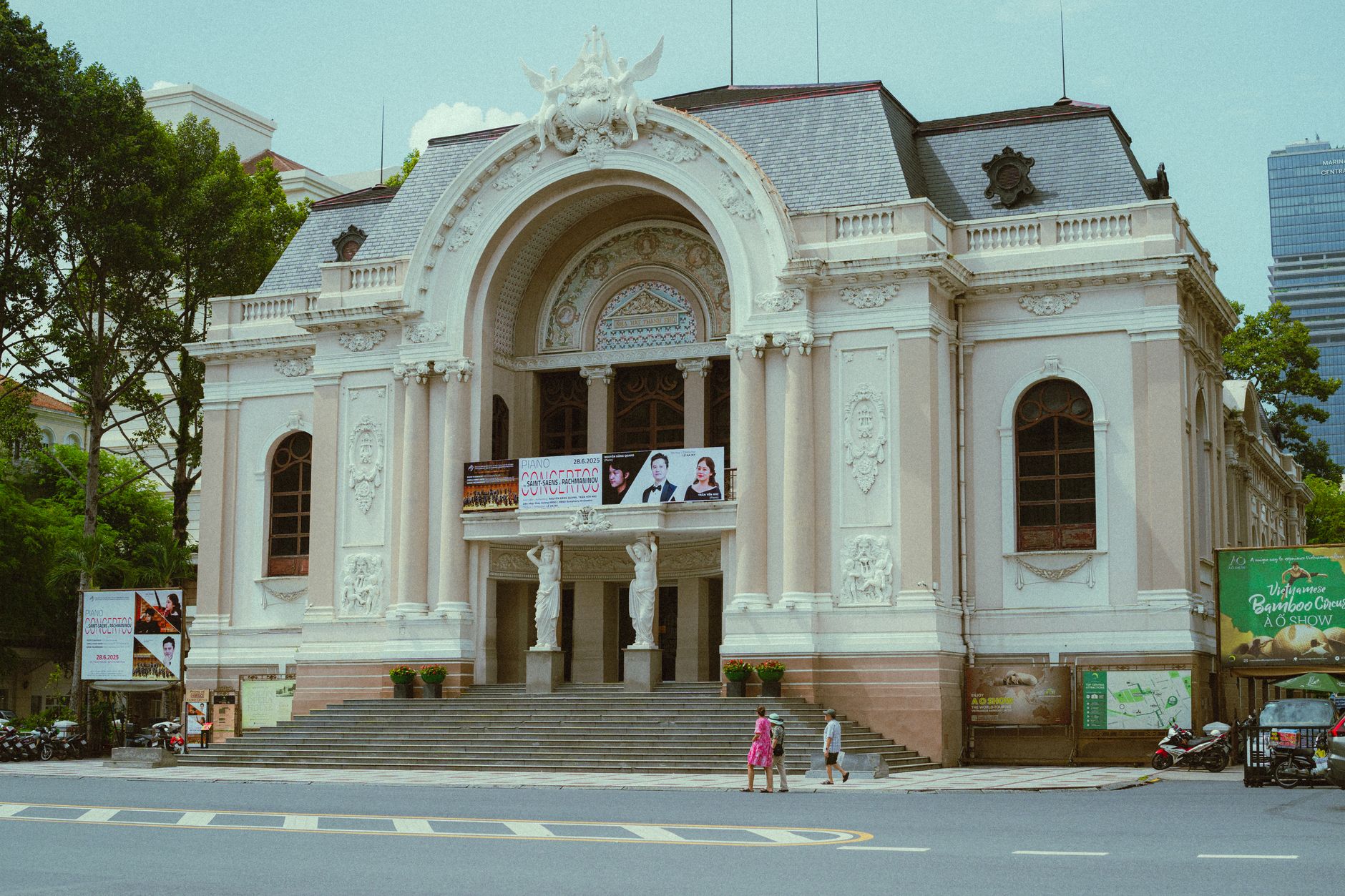
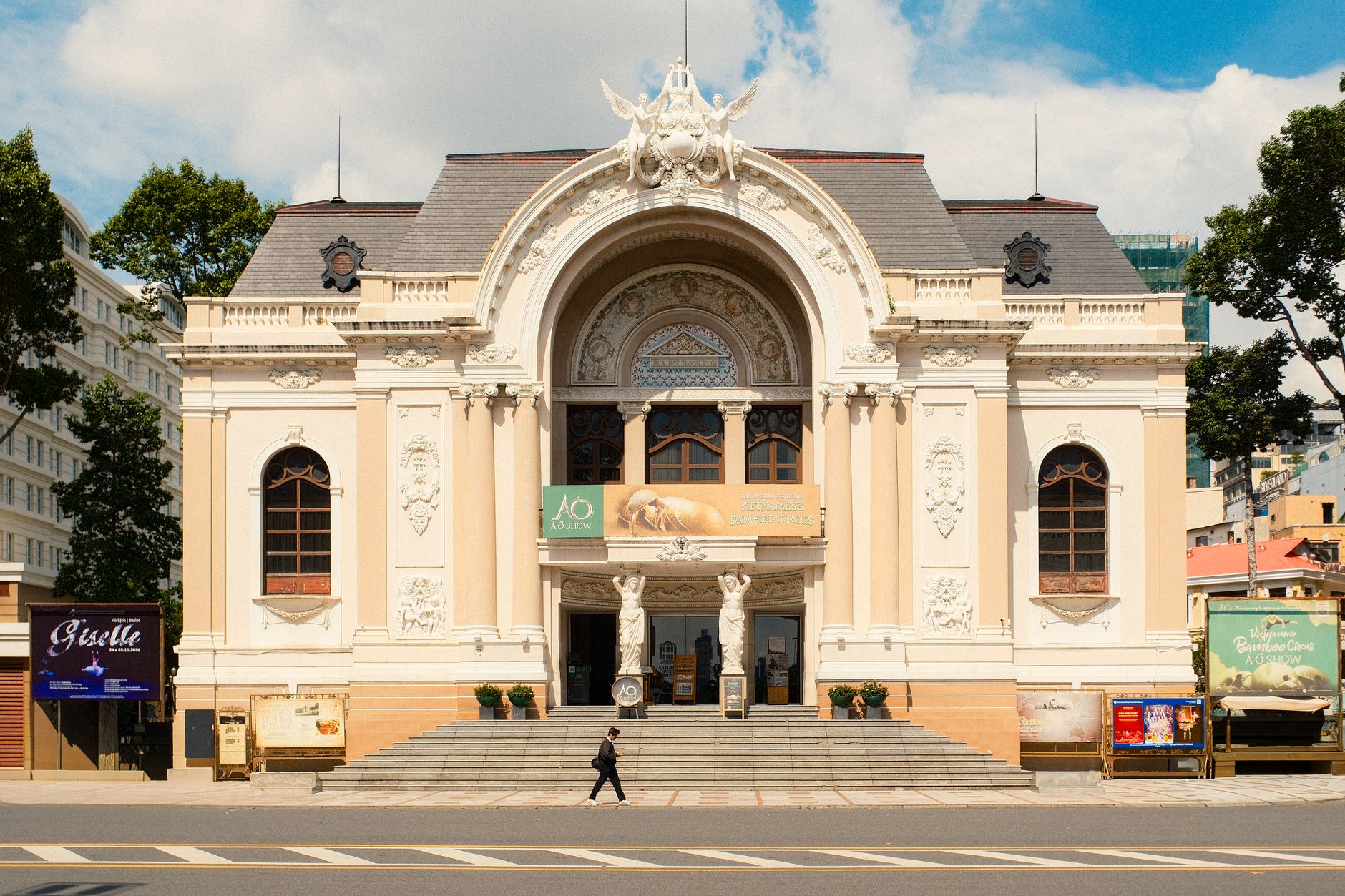
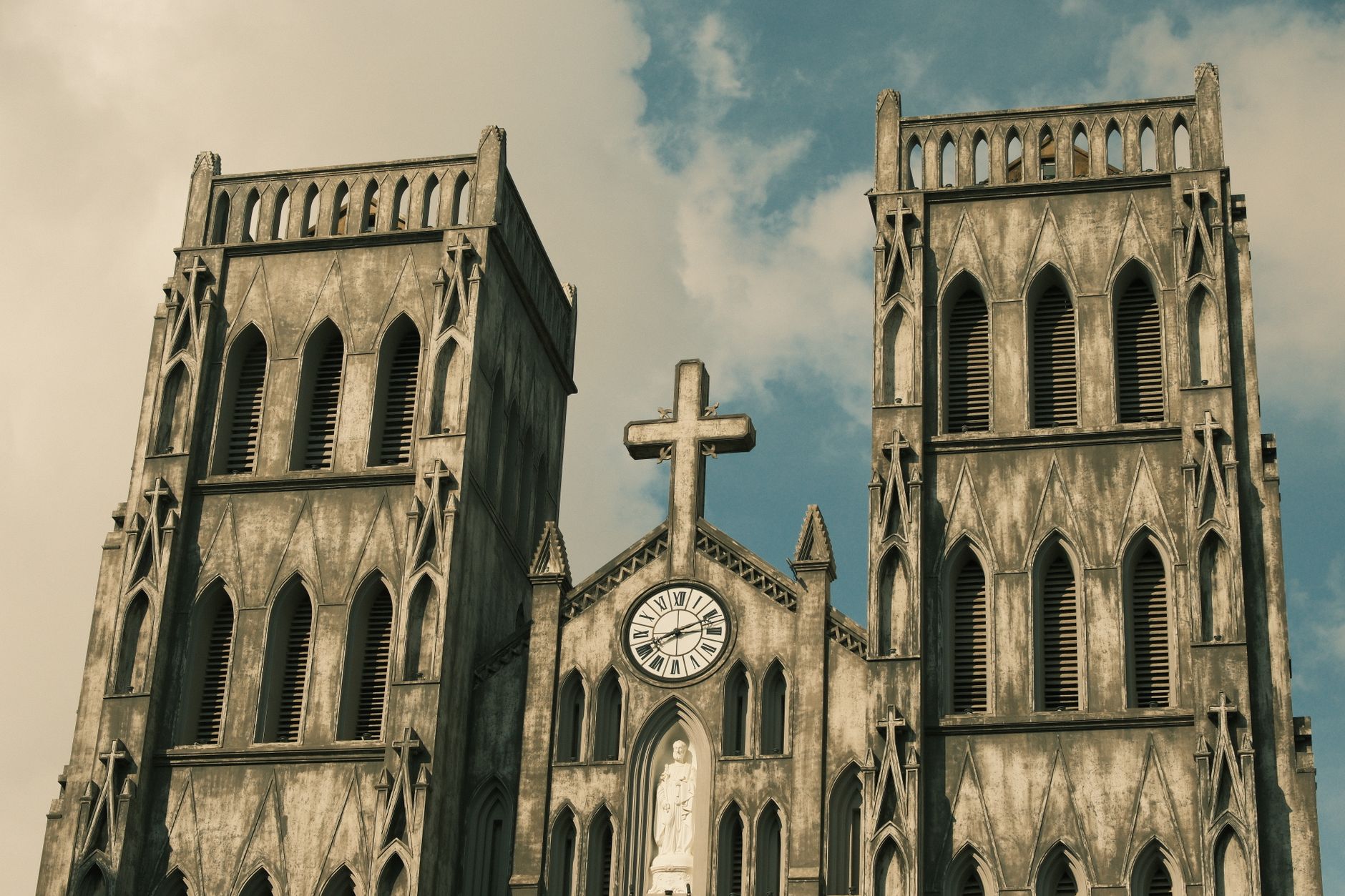
The "36 streets", the Opera House and St Joseph's Cathedral. The Thang Long Imperial Citadel is UNESCO-listed (2010).
My Son Sanctuary
The Cham temples were damaged by wartime bombing. Go early to avoid heat and groups.
Culture, religion and traditions
What is the main religion in Vietnam?
Census data show most people declare no religion. In practice, ancestor veneration and folk belief are nearly universal, combined with Mahayana Buddhism, Confucian values and Taoist elements. Catholicism makes up about 6 to 7%. Cao Dai and Hoa Hao are indigenous religions. Mother Goddess worship has been UNESCO-listed since 2016.
Icons you will see everywhere
The ao dai, the non la (conical hat), water puppetry, ca tru and quan ho folk singing, and household altars.
Festivals and their next dates
| Festival | Lunar date | Next date after Oct 2026 | Where | Crowd and price impact |
|---|---|---|---|---|
| Hoi An full-moon lantern night | 14th day of each lunar month | Late October and late November 2026 | Hoi An | Busy, book ahead |
| Tet (Lunar New Year) | 1st day of the 1st lunar month | 6 February 2027 | Nationwide | Closures, price surges, full transport |
| Lantern festival (Tet Nguyen Tieu) | 15th day of the 1st lunar month | 20 February 2027 | Hoi An, Saigon's Cholon | Very busy |
| Perfume Pagoda pilgrimage | Opens 6th day of the 1st lunar month | 11 February 2027 | Huong Son, near Hanoi | Crowded weekends |
| Hung Kings Commemoration | 10th day of the 3rd lunar month | Mid-April 2027 (confirm) | Phu Tho | National holiday |
| Reunification Day | Fixed | 30 April 2027 | Nationwide | Domestic travel peak |
| National Day | Fixed | 2 September 2027 | Nationwide | Domestic travel peak |
| Mid-Autumn Festival | 15th day of the 8th lunar month | 15 September 2027 | Hanoi old town, Hoi An | Busy evenings |
Etiquette that matters
Cover shoulders and knees at temples. Remove shoes in homes and some pagodas. Do not point feet at altars. Pass items with both hands. Avoid public anger, since losing face works against you.
Is "Trang" a Vietnamese name?
Yes, a common given name, mostly female. Trang An echoes Chang'an, the classical Chinese name for an imperial capital, and has long been a poetic name for Hanoi.
Motorbikes, street life and the famous chaos
Tens of millions of motorbikes shape daily life. The traffic looks chaotic but moves at a predictable rhythm once you understand it.
Crossing the street
Walk at a slow, steady pace and do not run or stop suddenly. Use Grab or Be for rides and agree fares in advance for cyclos.
Riding yourself: the legal reality
Foreigners need a Vietnamese license or an International Driving Permit under the 1968 convention, plus a home license for the matching vehicle category. Without one, travel insurance is often void. Road deaths number in the thousands each year. The Ha Giang loop is famous, but crashes are common, so hiring an easy rider (a local driver) is the safer option.
Hanoi Train Street
Police have closed it periodically since 2019, and cafés operate intermittently. The safety risks and fines are real.
What to buy, and what is illegal to bring home
Ho Chi Minh City shopping map
Ben Thanh Market is touristy and requires hard bargaining. Binh Tay Market in Cholon is wholesale and more local. Saigon Square sells copies. Dong Khoi has design shops. Tan Dinh Market is the place for fabric.
| Item | Best place | Price range | Watch out for |
|---|---|---|---|
| Robusta and blended coffee | Ben Thanh, specialty roasters | 100,000 to 400,000 VND per kg (USD 3.80 to 15.40) | Fake "weasel" labels |
| Phu Quoc pepper and fish sauce | Binh Tay, specialist shops | 60,000 to 250,000 VND (USD 2.30 to 9.60) | Leaks in luggage, airline rules |
| Lacquerware | Dong Khoi design shops | 200,000 VND upward (USD 7.70+) | Machine-made sold as handmade |
| Silk and ao dai tailoring | Hoi An tailors | 1,500,000 VND upward (USD 58+) | Allow 24 to 48 hours and two fittings |
| Ceramics | Bat Trang village, Hanoi | 50,000 to 500,000 VND (USD 1.90 to 19.20) | Breakage in transit |
| Ethnic textiles | Cooperative shops in the north | 300,000 VND upward (USD 11.50+) | Buy directly from cooperatives |
Do not buy ivory, rhino horn, tortoiseshell, coral or snake wine with protected species. All are illegal. Counterfeit goods risk heavy customs fines in the EU, especially in France and Italy. Be wary of "agarwood" and "jade" sold at tourist prices.
What the brochures skip: honest downsides
Scams and dual pricing
Rigged taxi meters, shoe-shine and coconut-porter photo tricks in Hanoi, and inflated "tourist" prices. Use apps and agree on prices first.
Air pollution
Hanoi's AQI often reaches unhealthy levels from November to March. Check AQI apps, and consider an N95 mask for sensitive travelers.
Weather and disasters
Central floods and typhoons run from September to December. Northern winters bring cold, and Sapa can approach freezing.
Overtourism
Ha Long, Sapa and Hoi An at peak hours are crowded. Early mornings and weekdays help.
Cash and cards
Cards are accepted in cities, but cash is essential in markets and rural areas. ATM fees run about 50,000 to 110,000 VND per withdrawal.
How to see the famous highlights in one trip
How many days
In 10 days: Hanoi, Ninh Binh, Ha Long, Hoi An or Hue, and Saigon. In 14 to 21 days, add Phong Nha, the Mekong, or Ha Giang or Sapa.
Choosing the right month
No single month is perfect nationwide. Spring (March to April) and autumn in the north (October to November) balance well.
Entry basics
E-visas are available to all nationalities for up to 90 days, with multiple entry. Visa-free stays apply to a list of countries (verify the current list). Phu Quoc has its own 30-day exemption.
FAQ
Q: What are the most famous things in Vietnam? Pho and street food, robusta coffee, Ha Long Bay, Trang An, Hoi An, the Hue citadel, Cu Chi Tunnels, rice terraces and motorbike culture. The at-a-glance table above gives seasons and costs for each.
Q: What is the main religion in Vietnam? Most people officially declare no religion, but ancestor veneration and folk practices are nearly universal, mixed with Buddhism, Confucianism and Taoism. Catholicism is about 6 to 7%, and Cao Dai and Hoa Hao are home-grown faiths.
Q: What is the Vietnam War famous for? Guerrilla warfare, the Cu Chi tunnels, the Ho Chi Minh Trail, Agent Orange, its role in global protest movements and the fall of Saigon in 1975. Vietnamese call it the American War, and unexploded ordnance remains a real hazard in Quang Tri.
Q: Is Trang An worth visiting? Yes. For many visitors it is calmer and more intimate than Ha Long Bay. The 2 to 3 hour rowing boat trip costs about 250,000 VND (USD 9.60). Go early, avoid Vietnamese holidays, and allow two days for Ninh Binh.
Q: How many days do you need in Ninh Binh, and where should you stay? Two days covers Trang An, Hang Mua, Tam Coc and Hoa Lu comfortably. Tam Coc suits travelers who want atmosphere, Trang An homestays suit those who want quiet, and Ninh Binh city suits short stays focused on transport.
Q: Which part of Vietnam is Hoi An in? Central Vietnam, about 30 km south of Da Nang airport. Since the July 2025 merger it is administratively part of Da Nang city.
Q: What is My Khe Beach famous for? It is a long, clean urban beach in Da Nang, nicknamed "China Beach" during the war. Swimming is best from April to August, and red-flag rip currents are common from October to January.
Q: What should you buy in Ho Chi Minh City? Coffee, pepper, lacquerware, silk, ao dai tailoring and ceramics, from Ben Thanh, Binh Tay or design shops on Dong Khoi. Avoid wildlife products and counterfeits, which can bring heavy fines at European customs.
Your questions and tips
A question, an update, an experience to share? Our team reads every message before it is published.
No comments yet. Ask the first question or share a tip!