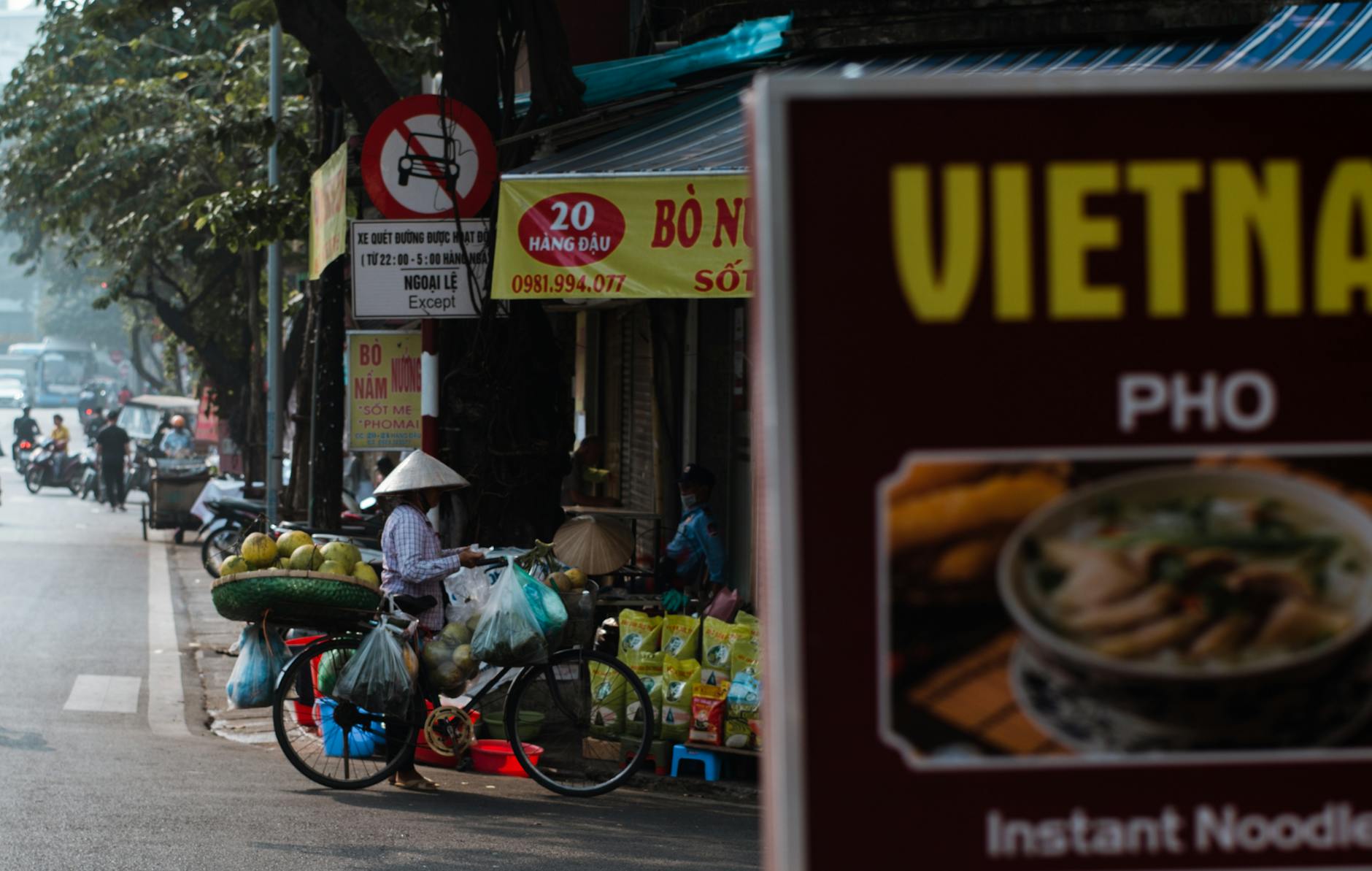
Why this mistake ruins the trip for so many tourists
The most common mistake among those traveling to Vietnam is trying to cover too much in too little time. Most 15-day itineraries include Hanoi, Sapa, Halong Bay, Ninh Binh, Phong Nha, Hue, Hoi An, Ho Chi Minh City, and the Mekong Delta. The result: spending more hours on night buses than actually enjoying the destinations. This mistake not only causes physical exhaustion but also prevents you from connecting with the country's real pace and experiences that require time, such as cave expeditions or kayaking on the rivers.
The real consequences of a poorly planned itinerary
- Stress and accumulated fatigue that reduce your ability to enjoy.
- Superficial visits: arrive, take a photo, and leave.
- Excessive reliance on night buses, which prevent proper rest.
- Inability to improvise or stay longer in a place you fall in love with.
- Greater exposure to unforeseen events: delays, cancellations, or adverse weather conditions.
Why travelers fall into this trap
- The distance between destinations in Vietnam is greater than it appears on a map.
- Actual travel times are double or triple the estimates.
- The desire to "see it all" leads to unrealistic decisions.
- Lack of information about travel times and road conditions.
- Pressure from social media and blogs that show impossible routes as "must-dos."
To see the real distances, open our map of Vietnam: the country stretches more than 1,600 km from north to south, and you can print it as a PDF.
How to plan a realistic route through Vietnam
The key is to prioritize quality over quantity. A well-designed itinerary allows you to enjoy each destination without rushing, with time to explore, rest, and let yourself be surprised. Below are the guidelines for creating a route that works.
How many days you really need for each area
- Hanoi and surroundings (Ninh Binh, Halong/Lan Ha Bay): minimum 5 days. The city deserves at least two full days, plus one day for Ninh Binh and two for the bay.
- Central Vietnam (Phong Nha, Hue, Hoi An): minimum 6 days. Phong Nha needs 2-3 days if you want to see caves and do activities; Hue and Hoi An require at least 1-2 days each.
- South (Ho Chi Minh City, Mekong Delta): minimum 4 days. The city needs 2 days and the delta another 2, although ideally, dedicate 3 days to the delta if you want to explore it in depth.
How to choose which destinations to include based on your interests
- Nature and adventure: prioritize Phong Nha, Sapa, and Ninh Binh. Dedicate at least 3 days to Phong Nha if you want to go on cave expeditions. Check our guide on Which cave is best to visit in Phong Nha? to choose the one that best suits your level.
- Culture and history: Hanoi, Hue, and Hoi An are essential. You can reduce time in Phong Nha to 1 day if you only want to see the main caves.
- Beaches and relaxation: include Hoi An (An Bang Beach) or a southern island like Phu Quoc. Avoid traveling to Central Vietnam just for beaches if your time is limited.
- Gastronomy: Hanoi, Hoi An, and Ho Chi Minh City offer the best culinary experiences. Don't sacrifice time in these destinations if food is your priority.
Example of a balanced 15-day itinerary
- Days 1-4: Hanoi (2 days) + Ninh Binh (1 day) + night in Hanoi.
- Days 5-6: Lan Ha Bay (2-day, 1-night cruise). Return to Hanoi for a flight or night bus.
- Days 7-9: Phong Nha (3 days). Main caves and outdoor activities.
- Days 10-12: Hoi An (3 days). Ancient town, beach, and cooking.
- Days 13-15: Ho Chi Minh City (2 days) + Mekong Delta (1 day). Return flight.
This itinerary removes Hue and Sapa but allows you to enjoy each destination without rushing. If you have more time, you can add them. For a more condensed version, check our article on Vietnam in 10 Days: The Realistic North-to-Center Route.
The specific mistake no one tells you about: ignoring real travel times
The problem isn't just wanting to see too much, but underestimating the time lost on transfers. Night buses aren't always the magic solution they promise to be.
How long it really takes between popular destinations
| Route | Approx. Distance | Actual Bus Time | Recommended Alternative |
|---|---|---|---|
| Hanoi to Sapa | 320 km | 6-8 hours | Night train (8-9 hours) |
| Hanoi to Ninh Binh | 110 km | 2-3 hours | Day train or bus |
| Ninh Binh to Phong Nha | 500 km | 8-10 hours (night) | Flight Hanoi-Dong Hoi + bus |
| Phong Nha to Hue | 200 km | 4-5 hours | Day bus or private car |
| Hue to Hoi An | 120 km | 3-4 hours | Bus with stop at Hai Van Pass |
| Hoi An to Ho Chi Minh City | 850 km | 1h 15min (flight) | Direct flight |
The myth of the night bus as a magic solution
Night buses are a popular option to save time and money, but they have real disadvantages:
- Sleep quality: reclining seats are not beds. Sleeping sitting up or semi-reclined for 8-10 hours is not restful.
- Frequent stops: buses stop every 2-3 hours for breaks, which lengthens the journey.
- Variable conditions: the air conditioning can be excessive or insufficient, and engine noise makes it hard to rest.
- Safety: although most companies are reliable, road accidents are not uncommon in Vietnam.
Practical tip: If you decide to use a night bus, choose reputable companies like Sinh Tourist or Camel Travel. Read recent reviews on forums before booking.
The alternative: combine domestic flights with short bus or train journeys. Flying between Hanoi and Da Nang (for Hoi An) or between Hanoi and Ho Chi Minh City saves hours and allows you to arrive rested. For more details on transport options, check our comparison of Domestic Flights in Vietnam: Vietjet vs Bamboo vs Vietnam Airlines Honestly Compared.
How to avoid the mistake of overloading your itinerary
Planning wisely is the best way to avoid the most common mistake. Here are the keys to designing a route that works.
Prioritize 3-4 destinations instead of 6-7
- Choose one area of the country and focus on it: North (Hanoi, Sapa, Ninh Binh, Halong Bay), Central (Phong Nha, Hue, Hoi An), or South (Ho Chi Minh City, Mekong Delta, Phu Quoc).
- If you want to see two areas, choose the ones that are best connected: North + Central or Central + South. Trying to cover all three in 15 days is a recipe for exhaustion.
- Leave at least one buffer day for every 5 days of travel for unforeseen events or to stay longer in a place you like.
Include "do nothing" days
- Schedule at least one full day without planned activities in each destination.
- Use those days to wander aimlessly, try street food, rest, or improvise based on recommendations from other travelers.
- The best memories often come from these unplanned moments.
Don't underestimate recovery time after night buses
- If you arrive at a destination after a night bus, don't plan demanding activities for that day.
- Spend the morning resting, showering, and exploring the surroundings calmly.
- Save the main visits for the next day, when you are rested.
The mistake of not considering the season and weather
The season in Vietnam varies drastically between regions. Traveling at the wrong time can ruin the experience, especially in areas prone to torrential rain or typhoons.
How the weather affects each region
- North (Hanoi, Sapa, Ninh Binh): the best time is from October to April. From May to September is the rainy season, with intense heat and humidity. Sapa is especially cold and cloudy in winter (December-February).
- Central (Phong Nha, Hue, Hoi An): the dry season runs from February to August. From September to November is typhoon season, with a risk of flooding in Phong Nha and Hoi An. Hue can be very rainy between October and December.
- South (Ho Chi Minh City, Mekong Delta): the climate is more stable, with two seasons: dry (November-April) and rainy (May-October). Rains are usually intense but brief, and do not prevent travel.
The mistake of visiting Phong Nha during the rainy season
Phong Nha is one of the destinations most affected by rain. Between September and November, floods can close caves and roads, leaving travelers stranded in the town with nothing to do. Many forums and blogs warn about this situation, but travelers still take the risk due to a lack of information.
Warning: If you travel between September and November, read our article on Typhoon Season in Central Vietnam: What Happens If One Hits Your Trip to understand the real risks.
What to do if you travel during the rainy season:
- Check the weather forecast in advance (use Windy or AccuWeather).
- Have a Plan B: if the caves close, you can spend time exploring the town, kayaking on the Son River (if there are no floods), or visiting the Botanical Garden.
- Book accommodation with free cancellation in case you need to change plans.
For an overview of the climate across the country, read The Best and Worst Months to Visit Vietnam: A Region-by-Region Guide.
The mistake of not carrying enough cash
Vietnam remains a country where cash is king, especially outside of major cities. Many travelers make the mistake of relying on cards and end up in a bind.
Where paying in cash is mandatory
- Phong Nha: most guesthouses, restaurants, and shops only accept cash. There are some ATMs, but they don't always work.
- Sapa and rural areas: cash is the only option. ATMs are scarce and often empty.
- Markets and street stalls: throughout the country, cash is the norm.
- Local transport: taxis, buses, and motorbike taxis accept cash, although some taxis in big cities now accept cards.
How much cash to carry and where to get it
- Carry enough for 3-4 days, especially if you are heading to rural areas.
- ATMs in major cities (Hanoi, Ho Chi Minh City, Da Nang) are reliable, but they charge fees (around 30,000-50,000 VND per transaction, about $1.20-$2.00 USD).
- Avoid exchanging money at airports or tourist exchange offices, where rates are worse. Banks offer better rates.
- Carry US dollars as a backup: they can be easily exchanged at banks and jewelry stores.
The mistake of not getting adequate travel insurance
Many travelers underestimate the risks of traveling to Vietnam without medical insurance that covers emergencies, evacuations, and adventure activities.
Why insurance is mandatory (even if it doesn't seem so)
- Traffic accidents: Vietnam has one of the highest rates of motorbike accidents in the world. A fall can require hospitalization and evacuation.
- Illnesses: dengue fever, stomach infections, and other health problems are common. A hospitalization can cost thousands of euros.
- Adventure activities: cave excursions, trekking, and water sports are not covered by basic insurance. You need a policy that includes risk sports.
- Medical evacuation: if you suffer a serious injury in a remote area (like Phong Nha or Sapa), evacuation to a hospital in Hanoi or Ho Chi Minh City can cost over 10,000 euros.
Practical tip: Check our guide on Medical Emergencies in Vietnam's Big Cities: What Travelers Need to Know to know which hospitals to go to.
What your insurance should cover
- Medical assistance abroad with a minimum coverage of 50,000 euros.
- Repatriation or medical evacuation.
- Trip cancellation due to illness or unforeseen events.
- Adventure sports: specify that it includes trekking, spelunking, and water sports.
- Theft or loss of luggage.
The mistake of not respecting traffic rules and driving
Driving a motorbike in Vietnam is an experience many travelers want to have, but it is also one of the most dangerous activities in the country.
The reality of driving in Vietnam
- Chaotic traffic: rules are more of a suggestion than an obligation. Overtaking from any side, unexpected turns, and lack of signals are the norm.
- Poor road conditions: especially in rural and mountainous areas, potholes, mud, and lack of lighting are common.
- Local drivers: many do not respect traffic lights or right-of-way. Pedestrians and cyclists are also unpredictable.
- International Driver's Permit: since 2020, Vietnam requires a valid International Driver's Permit to drive motorbikes over 50cc. Driving without one can result in heavy fines and insurance problems.
For more legal details, read our article on Renting a Motorbike in Vietnam: The Legal Truth Nobody Tells Tourists.
Safe alternatives to motorbikes
- Taxi or Grab: in cities, it is the safest and most economical option. Short rides cost between 20,000 and 50,000 VND ($0.80-$2.00 USD). Check our guide on Grab vs Cash Taxis at Tan Son Nhat: The Saigon Airport Truth.
- Local bus: for short distances between towns, it is cheap and reliable, although it can be crowded.
- Organized tour: for visiting caves or trekking, tours include transport and a guide, eliminating the risks of driving.
- Bicycle: in flat areas like Hoi An or Ninh Binh, cycling is a safe and pleasant option. Discover our Ninh Binh Cycling Routes 2025: Real Itineraries Through Rice Paddies & Karst.
The mistake of not trying street food out of fear
Many travelers avoid street food for fear of food poisoning, but they miss out on one of the most authentic experiences in Vietnam.
How to eat on the street without risks
- Choose stalls with high turnover: if there is a line of locals, the food is fresh and safe.
- Observe hygiene: stalls that use gloves, keep ingredients refrigerated, and have clean surfaces are more reliable.
- Avoid ice of dubious origin: at street stalls, ice is usually industrially produced and safe, but in very rural areas, it may be from non-potable water.
- Wash fruits and vegetables: if you buy peeled or cut fruit, make sure it has been washed with potable water.
- Take probiotics: taking probiotics before and during your trip can help prevent stomach problems.
For a complete guide, read Vietnamese Street Food Safety: How to Eat Everywhere Without Getting Sick.
Street food dishes you can't miss
- Phở: Vietnam's most famous noodle soup. Try the Hanoi version (phở bò) and the Ho Chi Minh City version (phở gà).
- Bánh mì: the Vietnamese sandwich, a fusion of French and local influences. The best are found in Hoi An and Ho Chi Minh City.
- Bún chả: grilled pork served with rice noodles and herbs. A specialty of Hanoi.
- Gỏi cuốn: fresh spring rolls with shrimp, pork, herbs, and rice noodles.
- Chè: sweet dessert based on beans, fruits, and coconut milk. Sold at street stalls throughout the country.
The mistake of not bringing appropriate clothing for the climate and culture
The clothes you bring can make the difference between a comfortable experience and one full of discomfort.
What to bring according to the season and region
- North in winter (December-February): waterproof jacket, thermal layers, scarf, and gloves. Temperatures can drop below 10°C in Hanoi and even lower in Sapa.
- North in summer (May-September): light, breathable clothing, sunscreen, hat, and sunglasses. Humidity is high and the heat can be exhausting.
- Central and South all year round: light clothing, but bring a light jacket for the evenings and for the air conditioning on buses and trains.
- Footwear: comfortable sneakers for walking and sandals for the beach and city strolls. For the Phong Nha caves, you need footwear with good grip that can get wet.
Dress code in temples and sacred places
- Cover shoulders and knees when visiting pagodas and temples.
- Bring a scarf or sarong to cover yourself if necessary.
- Remove your shoes before entering temples and private homes.
The mistake of not learning a few basic Vietnamese words
Vietnamese is a tonal and difficult language to pronounce, but locals appreciate any attempt to speak their language.
Essential phrases for the traveler
- Xin chào (sin chao): hello.
- Cảm ơn (cam on): thank you.
- Xin lỗi (sin loi): sorry/excuse me.
- Bao nhiêu tiền? (bao nhiêu tiên): how much does it cost?
- Không, cảm ơn (kong, cam on): no, thank you.
- Một, hai, ba... (mot, hai, ba): one, two, three...
How to use translation apps
- Google Translate works well for text, but voice translation can be inaccurate due to the tones.
- Download the Vietnamese language pack for offline use.
- Use the camera function to translate menus and signs.
For more communication tips, read Nod, Smile, and Swipe: How to Survive Vietnam Without Speaking Vietnamese.
Frequently Asked Questions (FAQ)
Q: What is the biggest mistake you can make in Vietnam?
A: Trying to cover too many destinations in too little time. Most travelers underestimate travel times and end up spending more hours on night buses than enjoying the places they visit.
Q: How many days do you need to see Vietnam?
A: For a complete tour of the country, you need at least 3 weeks. With 15 days, it is recommended to choose two regions (North and Central, or Central and South) and dedicate enough time to them. Check our detailed itinerary in Two Weeks in Vietnam 2026: The Only First-Timer Itinerary You Need.
Q: Is it safe to drive a motorbike in Vietnam?
A: Not for beginners. Traffic is chaotic and roads can be in poor condition. If you don't have experience driving in Southeast Asian countries, it is better to opt for taxis, buses, or organized tours.
Q: What is the best time to visit Phong Nha?
A: From February to August. Between September and November is typhoon season, with a risk of flooding that can close the caves.
Q: Can you pay by card in Vietnam?
A: In big cities and hotels, yes. But in rural areas, markets, and small restaurants, cash is mandatory. Always carry enough cash for 3-4 days.
Q: Is travel insurance necessary for Vietnam?
A: Yes, especially if you plan to do adventure activities like trekking, spelunking, or driving a motorbike. Medical emergencies can be very expensive.
Q: What should I bring to visit the Phong Nha caves?
A: Footwear with good grip that can get wet, comfortable clothing, a light jacket (it's cool inside the caves), water, and sunscreen for the outside. Read our guide on Phong Nha Caves on a Budget: Real Costs & Best Picks for more details.
Q: How can I avoid "culture shock" in Vietnam?
A: Inform yourself about local customs, respect the dress code in temples, learn a few basic phrases, and maintain an open and flexible attitude towards cultural differences.