What "South Vietnam" means: a former country and a travel region
Search results for the term split into two camps. History pages cover a state that no longer exists. Travel blogs treat the south as a loose list of beach towns. Both are correct, and the two meanings rarely appear side by side.
The Republic of Vietnam (1955 to 1975)
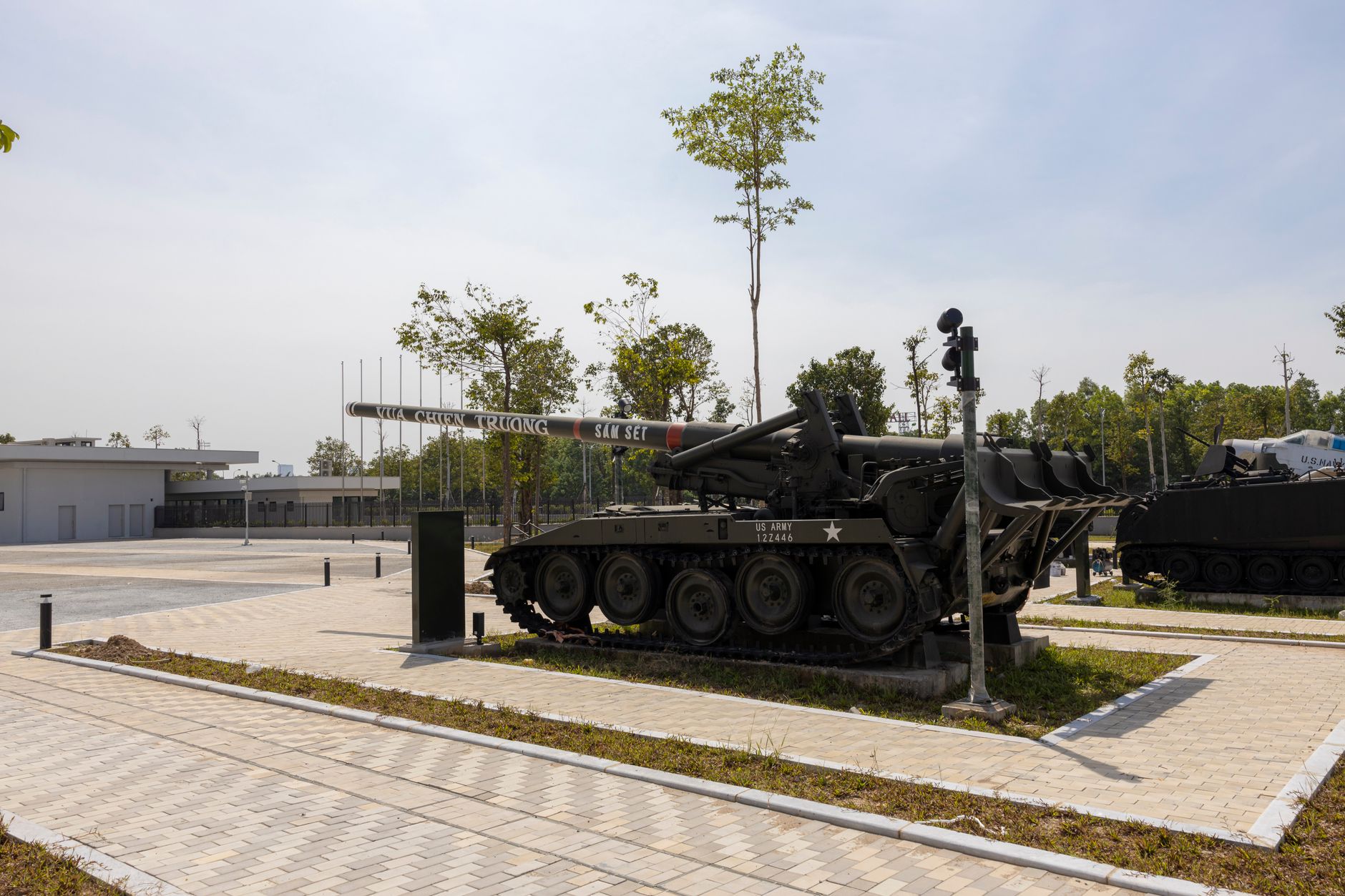
The Republic of Vietnam was proclaimed in 1955 with Saigon as its capital. At its end it covered about 173,809 km² and held roughly 19.6 million people, a 1974 figure that should be checked against a second source before quoting. Ngo Dinh Diem led the state until his overthrow in 1963, a period marked by the Buddhist crisis and the self-immolation of the monk Thich Quang Duc at a Saigon intersection. The state ended on 30 April 1975, when tanks entered the Independence Palace. Visitors meet this history in the War Remnants Museum, the Reunification Palace and the Con Dao prison complex.
South Vietnam as a travel region today
For this guide, the south is everything below roughly Da Lat and Mui Ne, plus the Mekong Delta and the islands off the southern coast. The French called the region Cochinchina, or Nam Ky in Vietnamese; locals say Nam Bo. None of these names appear on a bus ticket, but they explain why older maps and menus look different from current ones.
Are North and South Vietnam still split?
No. Vietnam was formally reunified as the Socialist Republic of Vietnam on 2 July 1976. The myth persists for three reasons: the diaspora's yellow flag, the everyday use of "Saigon" for Ho Chi Minh City, and real regional differences in accent, food and temperament. The old flag is politically sensitive inside Vietnam and should not be displayed.
What is not the south
Hue and Hoi An sit in central Vietnam, roughly 1,000 km north of Ho Chi Minh City. Several popular guides list them under "South Vietnam", which throws off itinerary planning by a full day of travel. Treat the Hai Van Pass as the practical border between centre and south for trip-planning purposes.
Mapping the south: subregions and the 2025 province mergers
Vietnam cut its provinces from 63 to 34 in July 2025. Most guides still use the old names, which confuses anyone booking buses, hotels or ferries. Tourist city names have not changed, but the province line on your booking confirmation might.
The five travel zones
Ho Chi Minh City and its surroundings; the Mekong Delta; the southern highlands around Da Lat; the south-central coast with Mui Ne and Nha Trang; and the islands, Phu Quoc, Con Dao and Nam Du.
What changed on the map
Ben Tre merged into Vinh Long. Can Tho absorbed Soc Trang and Hau Giang. Kien Giang, which covered Phu Quoc, Nam Du and Ha Tien, merged into An Giang. Binh Thuan, home to Mui Ne, merged into Lam Dong. Ba Ria-Vung Tau, including Con Dao, merged into Ho Chi Minh City. Verify each before publishing, since administrative details continue to settle.
| Travel zone | Main places | New province (2025) | Old province |
|---|---|---|---|
| Saigon and around | Ho Chi Minh City, Cu Chi, Vung Tau, Con Dao | Ho Chi Minh City | HCMC, Ba Ria-Vung Tau |
| Mekong Delta | Can Tho, Vinh Long, Ben Tre, Chau Doc, Ca Mau | Can Tho, An Giang, Vinh Long, Ca Mau | Can Tho, Soc Trang, Hau Giang, Kien Giang, Ben Tre |
| Southern highlands | Da Lat | Lam Dong | Lam Dong, Binh Thuan |
| South-central coast | Mui Ne, Phan Thiet, Nha Trang | Lam Dong, Khanh Hoa | Binh Thuan, Khanh Hoa |
| Islands | Phu Quoc, Nam Du, Con Dao | An Giang, Ho Chi Minh City | Kien Giang, Ba Ria-Vung Tau |
Why the south feels different from the north
Terrain is flatter, the climate is hot year-round, and the culture is more informal and commercial. Food runs sweeter and heavier on fresh herbs, built on a rice and fruit economy organized around water.
| Topic | South | North |
|---|---|---|
| Climate | Hot year-round, dry Nov to Apr | Four seasons, cold Dec to Feb |
| Food | Sweeter, herb-heavy, coconut and fruit | Savory, lighter broth, less sugar |
| Pace | Informal, commercial, late nights | More reserved, earlier evenings |
| Dialect | Southern accent, "Saigon" in daily use | Hanoi accent, different vocabulary |
| Best season | November to April | October to April, spring and autumn best |
| Main cities | Ho Chi Minh City, Can Tho, Da Lat | Hanoi, Hai Phong, Ha Long, Ninh Binh |
Ho Chi Minh City (Saigon) and day trips
Tan Son Nhat airport is the entry point for most visitors, and the city holds 9 to 10 million residents. A usable plan matters more than a list of famous names.
Which district for which traveler
District 1 covers Ben Nghe, Ben Thanh and the Pham Ngu Lao backpacker area, with the noise of Bui Vien at night. District 3 has colonial villas, quieter streets and good cafes. District 5, Cho Lon, is the Chinese heritage quarter, home to Thien Hau temple and some of the city's best food. Thao Dien, across the river, is the expat area with international restaurants. After the 2025 merger, "Ho Chi Minh City" also covers former Binh Duong and Vung Tau areas, though those are separate trips.
Core sights and what they cost
The Reunification Palace, the War Remnants Museum, the Central Post Office, Notre-Dame Cathedral, the Jade Emperor Pagoda, Ben Thanh Market and the Saigon Opera House form the standard circuit. The War Remnants Museum contains graphic content and is not suitable for young children. Notre-Dame Cathedral has been under restoration for years, so check the exterior scaffolding status before promising a photo stop. Ben Thanh Market is tourist-priced; haggle or eat elsewhere. Entry fees change often, so verify each before publishing.
Getting around
Metro Line 1, from Ben Thanh to Suoi Tien, opened in December 2024. It is useful mainly for Thu Duc and Suoi Tien, not for central sightseeing. Grab bike and car are the default; agree the fare in the app and never negotiate with street drivers. Crossing the street takes a steady pace. Never stop and never run.
Day trips
The Cu Chi tunnels sit about 60 km out, 1.5 to 2 hours by road. They are tight, hot and include an on-site shooting range, so expect noise and claustrophobia. The Cao Dai Holy See and Ba Den Mountain in Tay Ninh take about 2 to 2.5 hours, with a midday ceremony at 12:00. Cat Tien National Park rewards an overnight stay. Vung Tau is a beach town 2 hours away by road or fast ferry, crowded on weekends.
Eating in Saigon
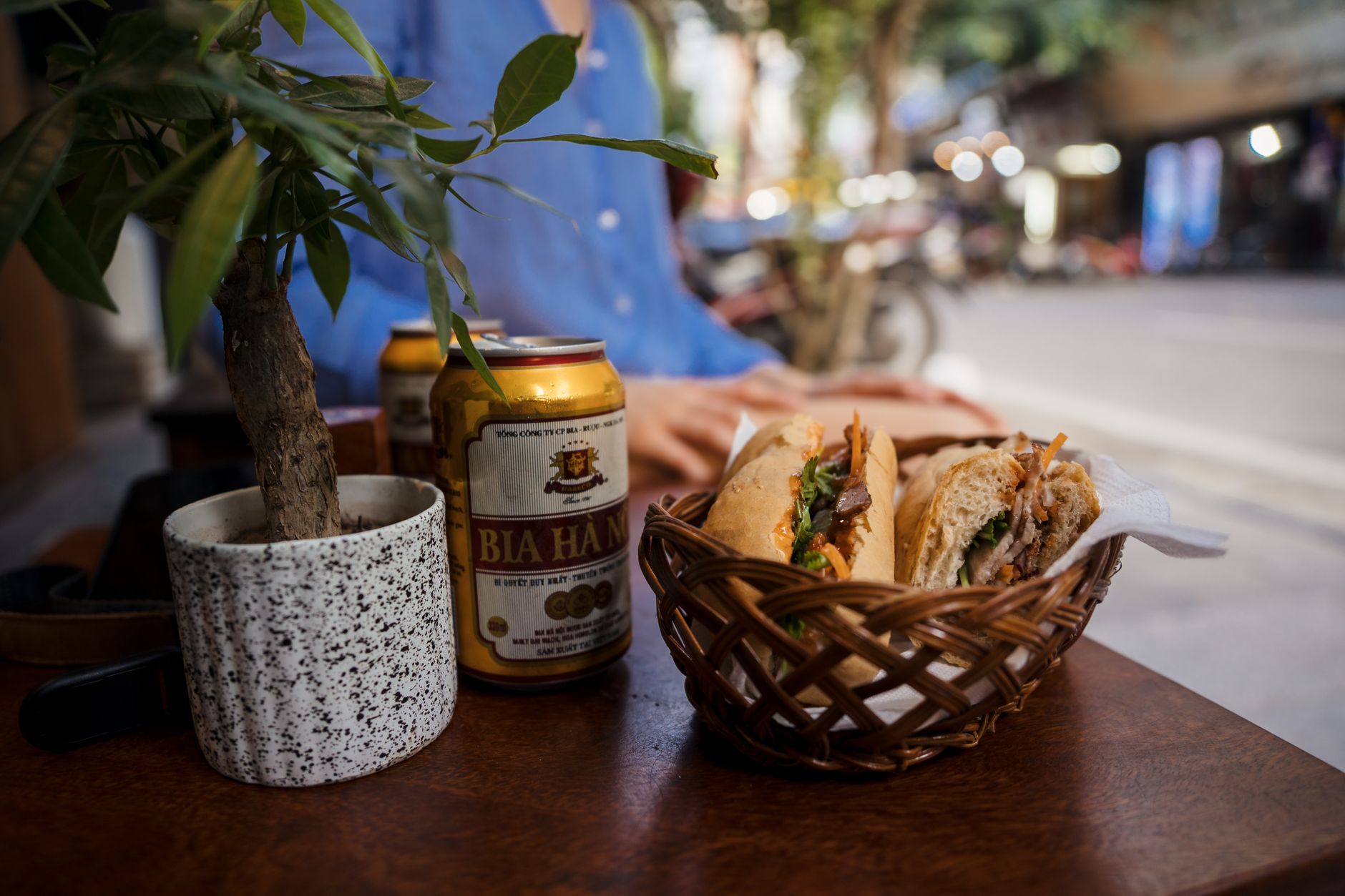
Com tam, banh mi, hu tieu and banh xeo anchor the street menu. The snail streets of District 4, especially Vinh Khanh, fill up after dark. A street meal runs 40,000 to 70,000 VND (US$1.5 to 2.7).
Book the Cu Chi tunnels for early morning. By 10:00 the site is hot, crowded and loud from the shooting range.
The Mekong Delta: what to see, and how many days it needs
Most guides reduce the delta to a floating market or a one-day boat tour. The real question is whether to go for a day or stay overnight.
Day trip vs overnight
A one-day trip to My Tho or the former Ben Tre area means 3 to 4 hours on the road for 3 to 4 hours of actual delta. Two nights in Vinh Long, Can Tho or Cai Be gives more time on the water for a modest extra cost. Be honest about the mass-market format: a coconut candy workshop, a bee farm and a rowboat through a canal, all timed to a tour bus schedule.
Can Tho
The delta's main city has the Ninh Kieu waterfront, the Binh Thuy ancient house and Ong Temple. Cai Rang floating market peaks between 05:30 and 07:30. It has shrunk as roads and bridges replaced boat trade, and the experience varies by day. Smaller Phong Dien market is quieter and less staged.
Beyond Can Tho
Vinh Long and the former Ben Tre area offer canals, coconut and fruit orchards, and homestays. Chau Doc sits on the Cambodian border with Sam Mountain and the Tra Su cajuput forest. Ca Mau marks the southern tip, with mangroves and Cape Ca Mau. Soc Trang has Khmer pagodas and the Ok Om Bok festival, which usually falls around October to November.
Seasons in the delta
The high-water season, roughly September to November, means flooded fields, fish and fruit at their best. The dry season is easier for cycling and road travel. March to May is hot.
Getting there
Express buses leave from the Mien Tay bus station, and new expressway sections have shortened the run to Can Tho. Expect 150,000 to 250,000 VND (US$6 to 10). Check current road status before quoting exact times.
The southern highlands and south-central coast: Da Lat, Mui Ne, Nha Trang
These places sit in a transition zone, but visitors treat them as south, and some guides cover them. Keep the focus on decisions.
Da Lat
At about 1,500 m, daytime temperatures run 15 to 25°C with cool nights. Coffee farms, waterfalls such as Datanla and pine forests justify the trip. The city is crowded at weekends and holidays and has become heavily commercialized, with the Crazy House and themed photo spots drawing long lines. Travel time from Ho Chi Minh City is about 6 to 7 hours by road or a 1-hour flight.
Mui Ne and Phan Thiet
Sand dunes and kitesurfing define this stretch, best from November to April. It is now part of Lam Dong province after the merger.
Nha Trang
A long city beach, the Cham Po Nagar towers from the 8th century onward, and island boat trips form the core. Expect heavy Russian and Chinese tourism, a high-rise skyline and a rainy season from about October to December. Travelers who want a quiet beach town will not find it here. Those who want facilities, seafood and nightlife will.
Islands: Phu Quoc, Con Dao and Nam Du
Phu Quoc gets most of the attention, but the other two islands suit very different trips.
Phu Quoc
The largest island at about 574 km² has an airport with direct flights from Ho Chi Minh City, about 1 hour, with fares roughly 700,000 to 2,000,000 VND (US$27 to 77). A visa-free stay of up to 30 days has applied to foreign visitors arriving on the island; verify the current rule. Beaches include Long, Sao, Ong Lang and Bai Khem, plus the Dinh Cau night market and snorkelling around An Thoi. Be warned: construction is heavy, some beaches carry litter, and the wet season from May to October brings rough seas. The sleeper bus plus ferry from Ho Chi Minh City takes 10 or more hours and is poor value compared with flying.
Con Dao
Remote and quiet, Con Dao is linked to the prison system used in the French colonial and later Republic of Vietnam eras. Hang Duong cemetery is the main memorial site. Turtle nesting runs roughly May to September, with strict viewing rules. Flights from Ho Chi Minh City take about 1 hour, and the island is now administratively part of Ho Chi Minh City.
Nam Du archipelago
About 21 islands off Rach Gia, now in An Giang province, offer simple homestays, basic infrastructure and a working fishing economy. Ferries and speedboats from Rach Gia take about 2 to 2.5 hours, roughly 200,000 to 400,000 VND (US$8 to 15); verify current fares. The best window is about December to April. Boats are cancelled in rough weather, so a buffer day is essential. Expect limited ATMs, few English speakers and intermittent water or power on some islands.
| Island | Access | Best months | Atmosphere | Infrastructure | Who it suits |
|---|---|---|---|---|---|
| Phu Quoc | 1-hour flight from HCMC | Nov to Apr | Resort and construction | High | Families, resort stays |
| Con Dao | 1-hour flight from HCMC | Nov to Apr | Quiet, historic | Medium | History, turtles, calm |
| Nam Du | 2 to 2.5-hour boat from Rach Gia | Dec to Apr | Fishing villages, homestays | Low | Budget, off-grid travel |
On Nam Du, bring cash and a power bank. Cards rarely work and ATMs are scarce.
Vietnam War and Republic-era sites: how to visit them well
Many travel sites either cover only politics or mention the Cu Chi tunnels and War Remnants Museum in a single line. Context makes these sites worth the visit.
Why the south has a different story
The Republic of Vietnam, the Buddhist protests of 1963 and the refugee exodus after 1975 shaped the south in ways the north did not experience. Present the facts neutrally and note that official museum narratives are one-sided.
Key sites
The Reunification Palace, formerly Independence Palace, is where tanks entered on 30 April 1975. The War Remnants Museum, the Cu Chi tunnels, the Con Dao prison complex and the Phu Quoc prison cover the rest. "Re-education" camps and the boat people are largely absent from local museums, so read ahead if those subjects matter to you.
Practical etiquette
Ask before photographing people. Avoid flippant behaviour at war sites, including the Cu Chi shooting range. Speak with care about politics. The yellow flag and Republic-era symbols are not displayed publicly.
When to go: month by month, by subregion
A single "November to April" line does not cover a region this large. The table below separates the zones.
The dry-wet pattern
The dry season runs roughly November to April, the wet May to October, with heat peaking March to May, when Ho Chi Minh City highs reach 35 to 37°C. Rain usually arrives as afternoon downpours rather than all-day soakings, which keeps the wet season workable on the mainland.
Subregion exceptions
Phu Quoc brings rough seas and rain from May to October. Nha Trang sees rain and storms around October to December. Da Lat is cool and dry December to March and rainy May to October. The Mekong Delta floods September to November.
| Zone | Best months | Months to avoid | Why |
|---|---|---|---|
| Ho Chi Minh City | Dec to Apr | Mar to May | Heat peaks at 35 to 37°C |
| Mekong Delta | Nov to Apr | Mar to May | Heat and low water |
| Da Lat | Dec to Mar | May to Oct | Rain, cool nights |
| Mui Ne | Nov to Apr | May to Oct | Kitesurf season ends |
| Nha Trang | Feb to Aug | Oct to Dec | Storms and rain |
| Phu Quoc | Nov to Apr | May to Oct | Rough seas, rain |
| Con Dao | Nov to Apr | Jun to Sep | Wind and waves |
| Nam Du | Dec to Apr | May to Nov | Boat cancellations |
Holiday periods
Tet, Lunar New Year, falls on 6 February 2027, with most businesses shut for several days around it and travel prices rising. Reunification Day on 30 April combines with 1 May into a crowded beach period every year.
Getting there and around
Transport in the south is a mix of cheap buses, short flights and limited rail.
International gateways
Tan Son Nhat (SGN) is the main gateway. Long Thanh International Airport in Dong Nai is scheduled to begin commercial operations around the end of 2026; verify status before publishing, since it will change airport transfer advice.
Domestic hops
Flights work best for Phu Quoc, Con Dao, Da Lat and Nha Trang. Buses serve the delta. Trains are limited in the far south: the main line stops in Ho Chi Minh City and Binh Duong, with no rail to Can Tho.
Bus quality and safety
Sleeper buses and limousine vans vary widely. Avoid night buses with unlicensed drivers, use apps and licensed bus stations, and expect fatigue, speeding and last-minute roadside drop-offs on the cheapest routes.
| Destination | Mode | Duration | Cost (VND / USD) | Notes |
|---|---|---|---|---|
| Can Tho | Express bus | 3 to 4 hours | 150,000 to 250,000 / $6 to 10 | From Mien Tay station |
| Da Lat | Bus or flight | 6 to 7 hours / 1 hour | Bus 250,000+ / $10+ | Flight faster, pricier |
| Mui Ne | Bus | 5 to 6 hours | 200,000+ / $8+ | Overnight options exist |
| Nha Trang | Flight or bus | 1 hour / 8 to 9 hours | Flight 800,000+ / $30+ | Bus overnight |
| Phu Quoc | Flight | 1 hour | 700,000 to 2,000,000 / $27 to 77 | Sleeper bus plus ferry is 10+ hours |
| Con Dao | Flight | 1 hour | Verify | Limited daily seats |
| Nam Du | Boat from Rach Gia | 2 to 2.5 hours | 200,000 to 400,000 / $8 to 15 | Cancelled in rough seas |
Costs, visas and money in 2026
Prices below use about 26,000 VND per US$1; verify the current rate.
Daily budgets
| Item | Backpacker | Midrange | Comfortable |
|---|---|---|---|
| Dorm or budget room | 150,000 to 300,000 VND / $6 to 12 | 600,000 to 1,200,000 VND / $23 to 46 | 2,000,000+ VND / $77+ |
| Meal | 40,000 to 70,000 VND / $1.5 to 2.7 | 150,000 to 300,000 VND / $6 to 12 | 500,000+ VND / $19+ |
| Grab ride across town | 30,000 to 60,000 VND / $1.2 to 2.3 | Same | Same |
| Intercity bus | 150,000 to 300,000 VND / $6 to 12 | Same | Flight instead |
| Entry fees per day | 100,000 to 200,000 VND / $4 to 8 | Same | Same |
Visas
E-visas run up to 90 days. Visa exemptions apply to certain nationalities for 14 to 45 days depending on the country; check the current government list. Phu Quoc has had its own 30-day exemption, which should be verified before travel.
Money and connectivity
ATMs charge fees, often 40,000 to 60,000 VND per withdrawal. Cash is needed on islands and in the delta. eSIM and local SIM options are cheap and widely available.
Sample itineraries: 5, 7 and 10 days
5 days: Saigon and the delta
Three nights in Saigon, one night in the delta, one buffer day. Enough for the main sights, Cu Chi and a taste of the Mekong.
7 days: Saigon, Mekong, Da Lat
Three nights Saigon, two nights in the delta, two nights in Da Lat. Fly or take the bus back from Da Lat.
10 days: the full south
Saigon (3), Mekong including Can Tho (2), Da Lat (2), Phu Quoc or Con Dao (3), with flights between legs. In dry season, swap the island for Nam Du.
Combining with the rest of Vietnam
Pair the south with Hoi An or Hanoi by domestic flight. Allow at least a day of travel between the far south and the north.
Safety, health and respectful travel
Street crime
Phone and bag snatching from passing motorbikes happens in District 1 and around Bui Vien. Keep phones away from the curb side. Watch for fake taxi meters and overpriced fruit sellers.
Traffic
Road accidents are the main danger to visitors. Helmets are legally required on motorbikes. Foreign visitors need a valid license, an international driving permit under the correct convention plus a Vietnamese license rules check, and insurance cover. Many policies exclude motorbike accidents without proper licensing.
Health
Dengue peaks in the wet season; use repellent, as no vaccine is widely available for travelers. Heat exhaustion is a real risk from March to May. Stomach problems often trace to ice and street food. Rabies risk comes from dogs and monkeys, especially in Cat Tien and on Phu Quoc. Jellyfish appear on some beaches.
Sea and weather
Ferries and speedboats are cancelled during the monsoon and storms. Wear life jackets on island boats and never board an overloaded vessel.
Environment and ethics
Do not lift starfish. Respect turtle-nesting protocols. Avoid animal shows and elephant rides. Carry out plastic waste from islands where collection is limited.
FAQ
Q: Are North and South Vietnam still split? A: No. The country was reunified on 30 April 1975, with the fall of Saigon, and formally on 2 July 1976 as the Socialist Republic of Vietnam. Regional differences in accent, cuisine and climate remain, which is why the idea of a separate south lingers.
Q: What was the population of South Vietnam in 1975? A: Roughly 19 to 20 million. A 1974 figure of about 19,582,000 is often cited, and an exact 1975 number is uncertain because of wartime displacement. Vietnam today has over 100 million people.
Q: What are the must-see places in southern Vietnam? A: Ho Chi Minh City with Cu Chi, the Mekong Delta around Can Tho and Vinh Long, Da Lat, and Phu Quoc. For quieter travel, Con Dao and Nam Du. Hue and Hoi An are in central Vietnam, not the south.
Q: What is a good 10-day itinerary for Vietnam? A: For the south only: 3 days Saigon, 2 days in the Mekong Delta, 2 days in Da Lat and 3 days on an island. Add the north and centre only if you have more time.
Q: When is the best time to visit South Vietnam? A: November to April for most places, with the hottest weather from March to May. The wet season still works for Saigon and the delta, but Phu Quoc and Nam Du are best avoided from roughly May to October.
Q: How many days are needed for Ho Chi Minh City and the Mekong Delta? A: Three days for Saigon plus one night in the delta is a workable minimum. A two-night delta stay suits travelers who want more than a tourist-boat itinerary.
Q: Is Nam Du worth visiting, and how do you get there? A: Yes, for travelers who accept basic facilities. Access is by boat from Rach Gia, about 2 to 2.5 hours. The best season is roughly December to April, and a buffer day is advisable because rough seas cancel crossings.