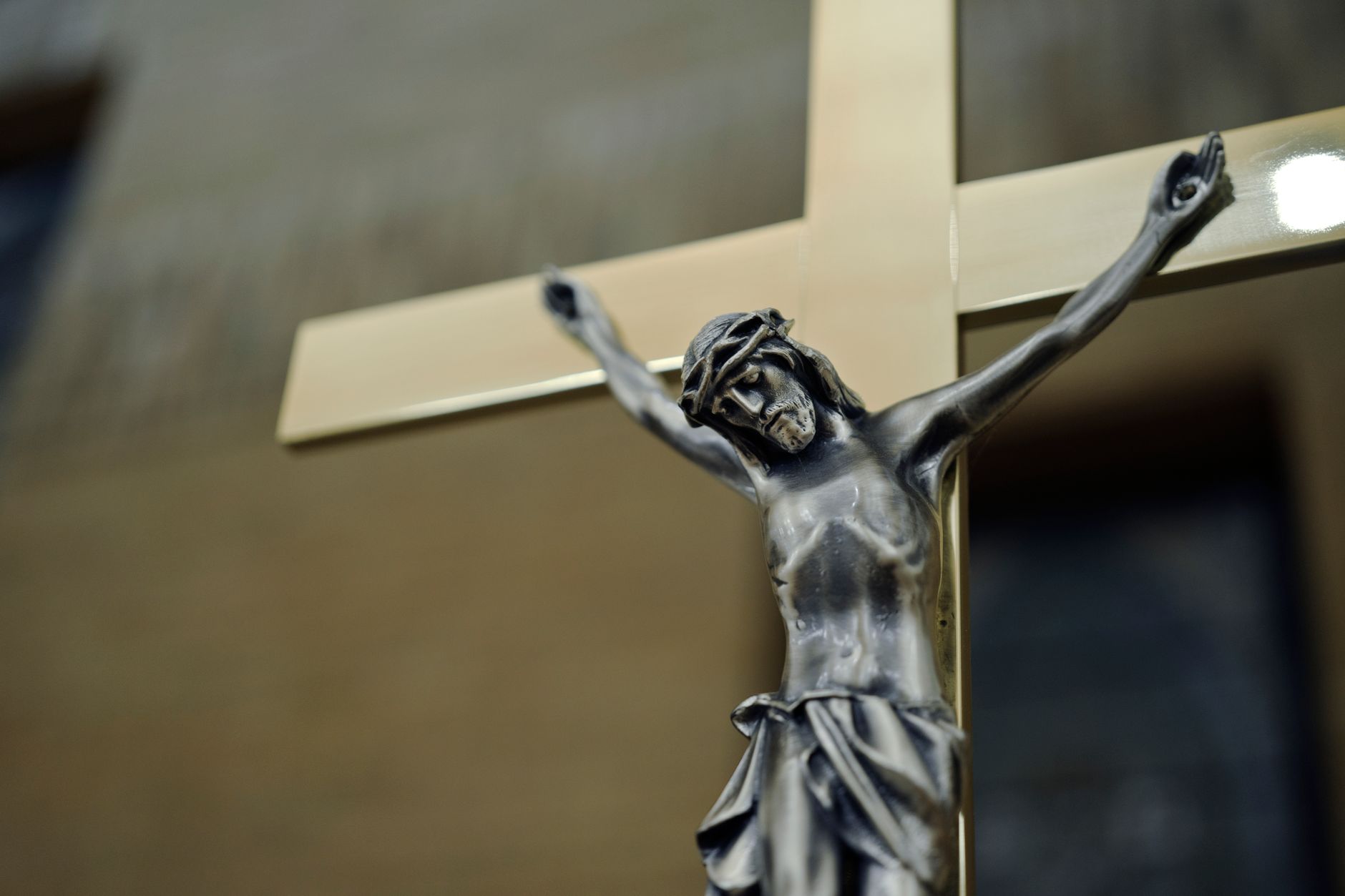
Vietnam has 7 million Catholics. That is 7.4 percent of the population, but it is the fifth-largest Catholic community in Asia. Most travel guides treat the country’s churches as photo opportunities. They are not wrong about the photos. But the cathedrals here are living places. People pray in them. They get married in them. They argue about renovations in them.
This guide covers what a traveler actually needs to know: which cathedrals are worth the detour, how Christmas works in practice, and why the Catholic north looks different from the south.
What you need to know before going
Catholicism arrived in Vietnam in 1615 with Jesuit missionaries who landed in Hoi An. The faith survived persecutions, wars, and a complicated relationship with the state. Today the church operates under the Committee for Solidarity of Vietnamese Catholics, a government body that approves appointments and activities. The Vatican appointed a resident papal representative in 2023, the first in decades. Relations are improving, but tensions remain.
For travelers, the practical effect is minimal. Churches are open. Masses are held. Visitors are welcome. But the political context explains why some cathedrals feel more guarded than others, and why certain restoration projects become national debates.
The country has 27 dioceses and 3 archdioceses: Hanoi, Hue, and Ho Chi Minh City. Each has its own character. The north is older, more rural, and more traditional. The south is younger, more urban, and more commercial. Both are worth visiting.
Why Vietnam has 7 million Catholics: A short history for travelers
The first Jesuit missionaries arrived from Portugal in 1615 and settled in Hoi An. They learned Vietnamese. They translated catechisms. The most famous among them, Alexandre de Rhodes, created the romanized writing system called Quoc Ngu, which is still used today. His work made Vietnamese easier to learn and harder for the Chinese-influenced court to control.
The Nguyen dynasty saw Catholicism as a threat. Starting in the 1820s, emperors issued edicts against missionaries and Vietnamese converts. Between 130,000 and 300,000 Christians died in waves of persecution. The 117 Vietnamese Martyrs, canonized in 1988, include priests, nuns, and laypeople. Their feast day is November 24.
The French colonial period (1887-1954) changed everything. Missionaries returned. Churches were built. Catholicism grew rapidly, especially in the north. Then came 1954. The Geneva Accords divided Vietnam at the 17th parallel. Catholics in the north feared communist rule. About 800,000 of them moved south in what became known as the “exodus.” The migration reshaped Vietnamese Catholicism. The south gained population and influence. The north lost many of its leaders but kept its identity.
Today the church is growing again. Vocations are strong. Seminaries are full. The relationship with the Vatican is stable. The faith is Vietnamese now, not foreign.
The cathedrals worth visiting: A practical guide to 8 key churches
St. Joseph’s Cathedral, Hanoi
Built in 1886 in neo-Gothic style, this cathedral sits at 40 Nha Chung Street in the Old Quarter. The exterior is weathered gray stone. The interior is dim and cool. The pews are wooden and hard.
Mass schedule: weekdays at 5:30am and 6pm. Sundays have multiple masses starting at 5am. The 9am Sunday Mass draws the largest crowd. Arrive 30 minutes early for a seat.
The best time to visit is before 8am on a weekday. The light comes through the stained glass. The street outside is quiet. By 10am, tour groups fill the nave. During Christmas, the entire area becomes a pedestrian zone. Thousands gather outside. Most are not attending Mass. They are there for the lights and the atmosphere.
Pro tip: The cathedral’s interior feels cramped during services. Stand near the back for better airflow and a view of the whole space.
Notre-Dame Cathedral Basilica of Saigon
Completed in 1880, all materials were imported from France. The bricks came from Marseille. The stained glass came from Chartres. The two bell towers rise 58 meters. It sits at 1 Cong Xa Paris, District 1, in the heart of Ho Chi Minh City.
The cathedral is under renovation as of 2026. The interior is closed to the public. The exterior is visible but surrounded by scaffolding. Do not plan a visit around entering the building. Instead, walk around the square. Look at the statue of the Virgin Mary. Visit the nearby Diamond Plaza for a view from above.
Good alternatives: Tan Dinh Church (the pink church) is a 10-minute walk away. Saigon Notre-Dame Church on Nguyen Du Street is smaller but open.
Warning: Fake donation collectors operate near the cathedral. They wear fake badges and ask for money for “restoration.” Give only at official church donation boxes.
Phat Diem Cathedral, Ninh Binh
This is the most architecturally unique church in Vietnam. Built between 1875 and 1898, it combines Vietnamese pagoda design with Catholic cathedral structure. The main building has curved roofs and stone carvings of dragons. The bell tower survived both French and American bombing.
It is located 120 kilometers south of Hanoi. Take a train from Hanoi to Ninh Binh station (2 hours, 150,000 VND or $6). From there, take a taxi (30 minutes, 200,000 VND or $8). A day trip is possible but rushed. Stay overnight in Ninh Binh for a better experience.
The cathedral complex includes several smaller chapels and a lake. Allow two hours to explore. Mass is held daily at 5:30am and 6pm. Visitors are welcome but should dress modestly.
Pro tip: Visit during the week to avoid crowds. Weekends bring busloads of domestic tourists.
Phu Cam Cathedral, Hue
This modernist cathedral was completed in 1963. It is the seat of the Archdiocese of Hue. The architecture divides opinion. Some call it bold. Others call it ugly. The concrete structure rises in a series of stepped arches, like a giant staircase to heaven.
It is located at 1 Doan Huu Trung Street, about a 10-minute walk from the Perfume River. Combine it with a visit to the Imperial City. Mass is at 5am and 5:30pm daily. English Mass is available on Sundays at 8am.
Tan Dinh Church, Ho Chi Minh City
The “pink church” at 289 Hai Ba Trung, District 3. Built in 1876, it was painted pink in the 1950s. The color is a social media magnet. The church is also an active parish with a lively community.
Mass schedule: weekdays at 5am and 5:30pm. Sundays at 5am, 7am, 8:30am, 4pm, and 5:30pm. Best photography time is late afternoon when the sun hits the pink facade. During Christmas, the church is illuminated and packed with visitors.
Warning: Tourist crowds during Christmas are intense. Expect to wait 20 minutes for a clear photo.
La Vang Basilica, Quang Tri
This is the most important Marian pilgrimage site in Vietnam. In 1798, Catholics fleeing persecution gathered in the forest near La Vang. They prayed to the Virgin Mary. They reported an apparition. A chapel was built in 1901. A basilica was built in 1961. It was destroyed during the war. A new basilica is under construction.
It is located 60 kilometers from Hue. Take a bus or hire a private car (1.5 hours, 300,000 VND or $12). Pilgrims come year-round, but the biggest event is the La Vang Congress, held every three years. The next one is in 2026.
Accommodation is limited. Stay in Hue and make a day trip. Bring water and sunscreen. The site is exposed.
Bui Chu Cathedral, Nam Dinh
Built in 1885, this cathedral was the subject of a major restoration controversy. In 2020, the diocese tore down the original structure and rebuilt it. Critics called it destruction. Supporters called it necessary. The debate matters because it reflects the tension between preservation and practicality in Vietnam.
It is located 90 kilometers south of Hanoi. Take a bus from Hanoi’s Giap Bat station (2 hours, 100,000 VND or $4). The cathedral is in the town of Bui Chu, about 15 minutes from the bus stop.
Chau Doc Holy See, An Giang
This lesser-known church in the Mekong Delta combines Western and Khmer influences. Built in the 1940s, it has a unique blend of Gothic arches and Khmer-style roof ornamentation. It is located in Chau Doc town, a popular stop for travelers heading to Cambodia.
Mass is at 5am and 5:30pm daily. The church is quiet and uncrowded. Combine it with a visit to the nearby Sam Mountain and the floating villages.
What Christmas actually looks like in Vietnam: Separating myth from reality
Christmas in Vietnam is not what Instagram suggests. It is not a silent night with snow. It is loud, crowded, and commercial. And it is not just for Catholics.
Non-Catholics celebrate Christmas as a festival. Young people dress up. They take photos. They exchange gifts. They eat at Western restaurants. The secular version of Christmas is bigger than the religious one in most cities.
For Catholics, Christmas is serious. Advent is observed. Confession is packed. Midnight Mass is the main event. But even the religious celebration has a Vietnamese twist. The Mass includes traditional hymns sung in Vietnamese. The Nativity scene often features Vietnamese figures in conical hats.
The practical reality: Christmas Day is not a public holiday. December 24 and 25 are regular working days. Many businesses close early on Christmas Eve, but banks and government offices stay open. Plan accordingly.
Pro tip: If you want a quiet, traditional Christmas, visit a rural parish in the north. If you want lights and crowds, stay in the cities.
Christmas in Hanoi vs. Ho Chi Minh City: Two very different celebrations
Hanoi: Quiet, traditional, church-centered
St. Joseph’s Cathedral is the focal point. On Christmas Eve, the area around Nha Chung Street becomes a pedestrian zone. Thousands gather. They drink egg coffee. They take photos. They listen to the choir.
But most of them do not go inside. The cathedral fills up by 8pm for the 9pm vigil Mass. Latecomers stand outside and watch on screens. The atmosphere is festive but respectful. Street vendors sell balloons and grilled corn. The temperature drops to 15°C. Bring a jacket.
Arrive by 8pm for a good spot. Expect street closures from 6pm. Bring cash for food and drinks. ATMs in the area run out by 10pm.
Ho Chi Minh City: Commercial, crowded, multi-faith
Notre-Dame Cathedral and Nguyen Hue Walking Street are the centers. The decorations are more elaborate. The crowds are larger. The participation is more secular.
Tan Dinh Church is illuminated with pink and white lights. Young Vietnamese queue for photos. The atmosphere is more party than prayer. Midnight Mass at Notre-Dame is held in the square because the interior is under renovation. Thousands attend.
Avoid driving near major churches after 6pm on December 24. Traffic is gridlocked. Walk or take the metro.
The Catholic north: What makes it different
Northern Vietnam has higher concentrations of Catholics in rural areas. Ninh Binh, Nam Dinh, Thai Binh, and Phu Tho provinces have large Catholic populations. The churches are older. The communities are tighter. The faith is more traditional.
The 1954 exodus changed the north. Many Catholic leaders moved south. Those who stayed developed a distinct identity. They are proud of their history. They are protective of their traditions.
Visiting a rural Catholic village is different from visiting a city cathedral. The churches are simpler. The Mass is longer. The congregation sings without a choir. The priest knows everyone’s name.
Practical advice for visiting rural parishes: dress modestly (shoulders and knees covered). Arrive early. Sit in the back. Do not take photos during Mass. If you are invited to stay for coffee after, accept. It is a sign of welcome.
Pro tip: The best way to visit rural Catholic communities is with a local guide. Many parishes do not have English-speaking priests.
Practical tips for attending Mass in Vietnam
- Language: Most Masses are in Vietnamese. Major cathedrals in Hanoi and Ho Chi Minh City offer English Masses on Sundays and Christmas. Check individual church schedules.
- Dress: Shoulders and knees covered. This is enforced more strictly in the north. Women should bring a scarf. Men should wear long pants.
- Seating: Many churches lack enough pews. Latecomers stand. Arrive 20 minutes early for a seat.
- Photos: Permitted before and after Mass. Not during consecration. Turn off the flash.
- Collection: Small bills are appreciated. 10,000 VND ($0.40) is standard. Do not feel obligated if you are visiting as a tourist.
Safety, etiquette, and cultural sensitivity
Churches are active places of worship. Treat them with respect. Do not talk loudly. Do not climb on altars. Do not take selfies during Mass.
Street vendors outside major churches can be aggressive. A polite “khong, cam on” (no, thank you) works. Do not engage with sellers who grab your arm.
Scams near tourist-heavy cathedrals include fake donation boxes and people offering to “help” with parking. Give only at official church donation boxes. Park only in designated areas.
Getting there: Transportation to key Catholic sites
| Church | Nearest city | Transport options | Time | Best for |
|---|---|---|---|---|
| St. Joseph’s Cathedral | Hanoi | Walking (Old Quarter) | 0 min | City travelers |
| Notre-Dame Cathedral | HCMC | Walking (District 1) | 0 min | City travelers |
| Phat Diem Cathedral | Ninh Binh | Train (Hanoi to Ninh Binh, then taxi) | 2.5 hrs | Day trippers |
| La Vang Basilica | Hue | Bus or private car | 1.5 hrs | Pilgrims |
| Bui Chu Cathedral | Nam Dinh | Bus from Hanoi | 2 hrs | Heritage enthusiasts |
| Phu Cam Cathedral | Hue | Walking or taxi | 10 min from center | Hue visitors |
When to visit: Seasonal considerations
December through February is peak season for Christmas. The weather is cool and dry in the north. Temperatures range from 15°C to 22°C. The south is warmer, around 25°C to 30°C.
Tet (late January or early February) can close churches for several days. Check local schedules.
Easter is quieter but more authentic. The services are longer. The congregations are smaller. The atmosphere is more solemn.
Summer (May to October) is hot and humid. Un-airconditioned churches can be uncomfortable. Bring a fan and water. Rainy season affects outdoor processions.
FAQ
Q: Can non-Catholics attend Christmas Mass in Vietnam? A: Yes, visitors are welcome at most churches, but should dress modestly, arrive early, and remain quiet during services. Taking photos during consecration is generally not permitted.
Q: What time does Christmas Mass start in Vietnam? A: Christmas Eve vigil Mass typically starts at 8pm or 9pm on December 24, with some churches offering an earlier Mass at 6pm. Christmas Day Masses run from 5am to 7pm depending on the parish.
Q: Is Christmas a public holiday in Vietnam? A: No. Christmas is not a public holiday in Vietnam. December 24 and 25 are regular working days, though many businesses close early on Christmas Eve.
Q: What language is Mass in at Vietnamese churches? A: Most Masses are in Vietnamese. Major cathedrals in Hanoi and Ho Chi Minh City offer English Masses, typically on Sundays and Christmas. Check individual church schedules.
Q: How many Catholics are in Vietnam? A: Approximately 7 million, representing 7.4% of the population. Vietnam has the fifth-largest Catholic population in Asia after the Philippines, India, China, and Indonesia.
Q: What is the most famous Catholic church in Vietnam? A: Notre-Dame Cathedral Basilica of Saigon is the most photographed, but Phat Diem Cathedral in Ninh Binh is the most architecturally unique, combining Vietnamese pagoda design with Catholic cathedral structure.
Q: Was Catholicism persecuted in Vietnam? A: Yes, particularly under the Nguyen dynasty in the 19th century. Between 130,000 and 300,000 Christians died in various persecutions. The 117 Vietnamese Martyrs were canonized in 1988.
Q: Can you visit Phat Diem Cathedral from Hanoi in one day? A: Yes. The cathedral is 120km south of Hanoi, reachable by train (2 hours to Ninh Binh station) plus taxi (30 minutes). A day trip is feasible but rushed; an overnight stay in Ninh Binh is recommended.