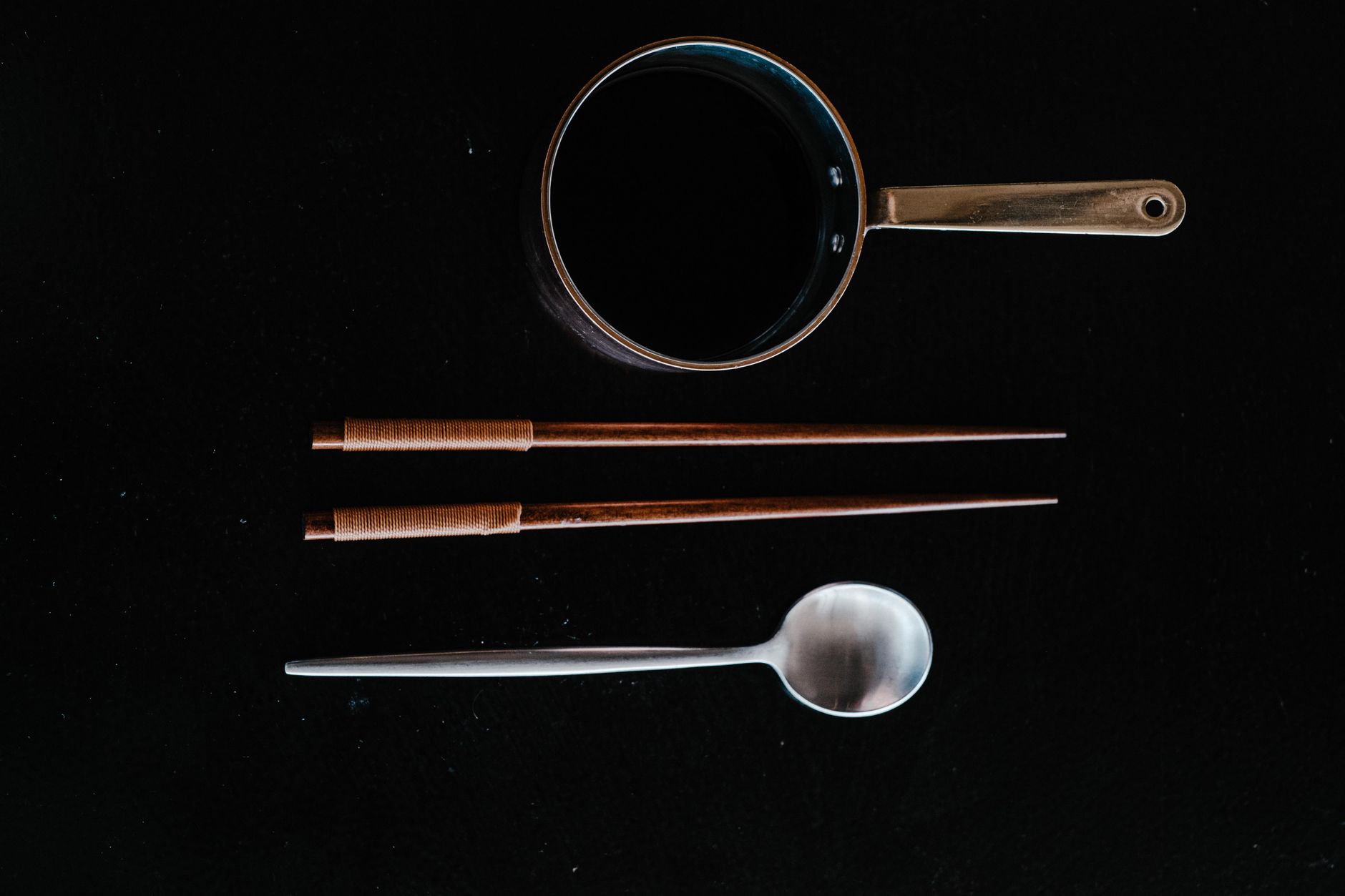
Why Vietnamese table manners matter more than you think
Vietnamese dining is fundamentally different from Western individual-plate meals. Meals are shared family-style from communal platters. Every action at the table communicates respect or disrespect.
The concept of "face" governs social interactions in Vietnam. Losing face means losing social standing and respect. At the dining table, rude behavior causes the offender to lose face. It also embarrasses the host or family. A simple meal is never just about food. It is about relationships, hierarchy, and hospitality.
Elders hold the highest status at any Vietnamese table. They eat first. They are served first. They receive the best portions. Ignoring this hierarchy is one of the fastest ways to cause offense. Understanding these basics prevents the most common traveler mistakes.
The rice bowl: your personal anchor at the table
Unlike Western meals where each person has a large plate, Vietnamese dining centers on a small rice bowl. This bowl is your personal territory. Everything else is shared.
How to hold your rice bowl correctly
Lift the rice bowl with one hand and hold your chopsticks in the other. Bring the bowl close to your mouth rather than leaning down to the table. This is practical: it prevents rice from dropping and shows you are engaged with the meal. Do not rest your elbows on the table while eating.
Why you should never leave rice uneaten
Leaving rice in your bowl signals dissatisfaction with the meal. It implies the host did not provide enough food or that the cooking was poor. Take small portions and finish what you take. If you are full, say "Tôi no rồi" (I am full) rather than leaving food behind.
What to do with bones, shells, and unwanted bits
This is a practical problem no travel guide addresses well. Vietnamese meals often include fish with bones, prawns with shells, and meat with small bones. Do not spit them onto the table. Use a side plate if one is provided. If not, place bones and shells on a napkin next to your bowl. Some locals place them directly on the tablecloth in front of them, but as a foreigner, stick to the napkin method.
The "both hands on the table" rule
Keep both hands visible above the table. Hiding one hand below the table suggests you might be doing something inappropriate. Rest your forearms on the edge of the table, not your elbows.
Chopsticks 101: how to use them properly
Many travelers can manage basic chopstick use. But Vietnamese etiquette has specific rules that go beyond simple functionality.
The correct grip and movement
Hold the first chopstick like a pencil, resting it between your thumb and index finger. The second chopstick rests against your ring finger and is held steady by your thumb. Move only the top chopstick in a scissor-like motion. Do not stab food. Do not use chopsticks like spears.
How to pick up food from shared platters
Use serving spoons when available. If no serving spoon is present, use the blunt end of your chopsticks. These are the ends that did not touch your mouth. This keeps communal dishes hygienic. Never use your personal chopsticks to pick food directly from a shared platter.
What to do if you are not comfortable with chopsticks
Asking for a fork is acceptable in most restaurants. Many urban restaurants and tourist-oriented places provide forks without asking. Street food stalls may only have chopsticks. Carrying a personal set of travel chopsticks or a fork is a practical solution. Making an effort with chopsticks is appreciated but not required.
Chopstick taboos: what never to do
This is where most travelers accidentally offend. Each taboo has a clear cultural reason. Understanding the "why" helps you remember and respect the rules.
Never stick chopsticks upright in your rice bowl
This is the most serious chopstick offense. Chopsticks standing upright in a bowl of rice resemble incense sticks burned at funerals and ancestral altars. The gesture is a direct invitation for death. Always rest chopsticks on a chopstick rest or across the rim of your bowl.
Never pass food from your chopsticks to someone else's
This action mirrors a cremation ritual where bones are passed between chopsticks after burning. It is deeply associated with death and funeral ceremonies. If you want to give food to someone, place it directly in their rice bowl.
Never point or gesture with chopsticks
Pointing chopsticks at someone is considered aggressive and confrontational. It is similar to pointing a finger in someone's face. Keep chopsticks aimed at your food only.
Never spear food with chopsticks
Stabbing food with chopsticks turns them into skewers. This is considered barbaric and disrespectful. Use the scissor grip to pick up food properly.
Never suck or chew on chopsticks
This is unhygienic and rude. It suggests impatience or lack of manners. Keep chopsticks clean and in your food, not in your mouth.
Never place chopsticks crossed on the table
Crossed chopsticks symbolize bad luck and are associated with funeral offerings. Lay them parallel to each other on a chopstick rest or across your bowl.
Where to rest chopsticks between bites
Use the chopstick rest if one is provided. If not, lay them across the rim of your bowl or on the edge of your plate. Do not lay them directly on the table.
| Chopstick taboos: do vs. don't |
|---|
| Action |
| Sticking chopsticks upright in rice |
| Passing food between chopsticks |
| Pointing or gesturing with chopsticks |
| Spearing food with chopsticks |
| Sucking or chewing on chopsticks |
| Crossing chopsticks on the table |
Shared dishes: the art of communal eating
Vietnamese meals are served family-style with multiple dishes in the center. Each person has their own rice bowl and shares from the communal platters.
Take small portions from shared platters
Do not load your bowl with large amounts from one dish. Take small portions so everyone can enjoy each dish. You can always take more later.
Use serving spoons when available
If serving spoons are provided, use them every time. If not, use the blunt end of your chopsticks. Never use your personal chopsticks to pick food from shared dishes.
Do not "fish" through dishes for the best piece
Take what is on top. Digging through a dish to find the best piece of meat or the largest prawn is rude. It implies selfishness and disrespects other diners.
The rice bowl is your plate
Put food into your rice bowl before eating it. Do not eat directly from the communal platters. Your rice bowl functions as your personal plate.
How to handle dipping sauces
Dipping sauces like nước chấm (fish sauce with lime and chili) are served in small communal bowls. Pour a small amount into your personal bowl or onto your rice. Never double-dip. Never eat directly from the communal sauce bowl.
Who serves whom: the hierarchy of the table
Vietnamese meals follow a clear social order. Respect for elders and guests is paramount.
The eldest or most senior person sits at the head of the table
This person is served first. Wait for them to begin eating before you start. In formal settings, no one touches food until the eldest person has taken the first bite.
Younger people serve elders and guests before themselves
If you are the youngest at the table, offer to serve others before serving yourself. Pour drinks for others before pouring your own. This shows respect and good upbringing.
The host or hostess may place choice pieces of food in your bowl
This is a gesture of hospitality and care. Accept the food graciously and thank the person. The host is showing generosity by giving you the best pieces. If you are full, say "Cảm ơn, tôi no rồi" (Thank you, I am full) rather than refusing outright.
How to politely decline more food
Do not say "no" directly. Vietnamese hosts insist on feeding guests generously. Say "Tôi no rồi, cảm ơn" (I am full, thank you). If the host insists again, accept a small portion to avoid causing them to lose face.
The "invitation" ritual in northern families
In northern Vietnam, the youngest person at the table verbally invites everyone to start eating. They say "Mời cả nhà ăn cơm" (Please, everyone, eat rice). This ritual signals that the meal has officially begun. Travelers in Hanoi and surrounding areas should wait for this invitation before eating.
Toasting rules: how to drink without embarrassment
Drinking is a social ritual in Vietnam, especially with rice wine (rượu) or beer (bia). The rules are specific and easy to follow.
The correct way to say cheers
The most common toast is "Một, hai, ba, dô!" (One, two, three, cheers!). In southern Vietnam, people often say "Yo!" or "Dô!" Hold your glass up and make eye contact.
Hold your glass with both hands when toasting someone older
Use both hands to hold your glass when toasting someone older or of higher status. This shows respect. If you are toasting someone younger or of equal status, one hand is fine.
Keep your glass lower than the person you are toasting
Lower your glass slightly below the other person's glass when clinking. This is a sign of respect. The higher-status person should keep their glass higher. If you are the junior person, always lower your glass.
Drink together as a group
Never drink alone at a shared table. Always wait for a group toast. Drinking alone is considered antisocial and rude. If you want to drink, initiate a group toast.
What to do if you do not drink alcohol
It is acceptable to decline alcohol. Say "Tôi không uống rượu" (I do not drink alcohol). Offer a toast with tea or a soft drink instead. Vietnamese hosts understand that not everyone drinks. Do not feel pressured.
The "tap tap" finger gesture when someone pours tea
When someone pours tea for you, tap your index and middle fingers on the table two or three times. This is a silent thank you. The gesture originated from a legend about a Chinese emperor and is now standard practice across Vietnam.
Who pays the bill: navigating the check
Bill-paying in Vietnam follows different rules than Western "splitting the check" culture. Understanding these dynamics prevents awkward moments.
The person who extended the invitation typically pays
If someone invites you to a meal, they are expected to pay. Do not offer to split the bill. Accept the invitation and thank them sincerely.
If no one invited, the most senior person often pays
In group meals without a clear host, the most senior or highest-status person often picks up the check. Younger people may offer to pay but are usually refused.
"Treating" is common among friends
Friends take turns paying for meals rather than splitting the bill. One person pays this time, another pays next time. Offering to treat a friend is a sign of generosity and strengthens the relationship.
How to offer to pay without causing offense
Offer to pay once. If the other person refuses, accept graciously. Do not argue or insist repeatedly. Arguing over the bill creates an awkward scene. A simple "Let me pay this time" is sufficient.
What happens if you are a guest of a Vietnamese family
Expect the family to insist on paying. They will refuse your offers to contribute. Accept this gracefully and thank them. If you want to show gratitude, bring a gift to the home or treat them to a meal on another occasion.
Tipping culture
Tipping is not expected in local Vietnamese restaurants. It is not part of the culture. In tourist-oriented restaurants, upscale venues, or for exceptional service, a small tip of 5-10% is appreciated but never required. Tour guides and spa staff may expect tips more than restaurant servers.
| Bill-paying scenarios |
|---|
| Situation |
| Someone invites you |
| Group meal, no host |
| Friends dining together |
| Guest of a family |
| Formal business dinner |
Regional differences: north vs. south vs. central Vietnam
Table manners vary across Vietnam's three regions. Travelers visiting multiple areas should adjust their behavior.
Northern Vietnam (Hanoi and surrounding areas)
Northern dining is more formal. The "invitation" ritual is standard. Etiquette is stricter. Elders are given maximum respect. Meals are more reserved and structured. Do not rush through the meal. Wait for cues from the eldest person.
Central Vietnam (Hue, Da Nang, Hoi An)
Central Vietnam has royal culinary traditions from the Nguyen dynasty. Meals feature smaller portions and more dipping sauces. Presentation matters. The food is often spicier than in other regions. Be prepared for more elaborate dining customs in formal settings.
Southern Vietnam (Ho Chi Minh City and the Mekong Delta)
Southern dining is more relaxed. The pace is faster. Street food culture dominates. Etiquette is less strict than in the north. People are more direct and casual. Still follow basic rules like waiting for elders, but the atmosphere is generally more laid-back.
| Regional dining differences |
|---|
| Region |
| Northern Vietnam |
| Central Vietnam |
| Southern Vietnam |
Common mistakes travelers make and how to avoid them
This practical summary covers the most frequent faux pas travelers commit at Vietnamese tables.
Leaving chopsticks in a bowl
The funeral association is strong. Never leave chopsticks standing upright in rice or any food. Rest them properly.
Eating directly from shared platters
This is unhygienic and rude. Use serving spoons or the blunt end of your chopsticks. Put food in your rice bowl first.
Refusing food too forcefully
Vietnamese hosts insist on feeding guests. Refusing too strongly causes the host to lose face. Accept small portions or say "Tôi no rồi" politely.
Pouring your own drink before others
Always serve others first. Pour drinks for everyone at the table before pouring your own. This includes tea, beer, and soft drinks.
Pointing with chopsticks or feet
Both are disrespectful. Pointing with feet is especially offensive because feet are considered the lowest and dirtiest part of the body.
Not finishing rice
Leaving rice uneaten implies the meal was not satisfying. Take small portions and finish what you take.
Quick reference: Vietnamese table etiquette at a glance
| Do | Don't |
|---|---|
| Lift your rice bowl with one hand | Stick chopsticks upright in rice |
| Use serving spoons for shared dishes | Pass food between chopsticks |
| Wait for elders to eat first | Point with chopsticks |
| Hold your glass with both hands when toasting elders | Spear food with chopsticks |
| Serve others before yourself | Suck or chew on chopsticks |
| Accept food graciously from hosts | Cross chopsticks on the table |
| Say "Tôi no rồi" when full | Leave rice uneaten |
| Tap fingers when tea is poured | Pour your drink before others |
Key Vietnamese phrases for dining
| Situation | Vietnamese phrase | Pronunciation | English meaning |
|---|---|---|---|
| Invitation to eat | Mời anh/chị | Muy ang/chee | Please, go ahead (to a man/woman) |
| Thank you | Cảm ơn | Gam un | Thank you |
| I am full | Tôi no rồi | Toy no roy | I am full |
| Delicious | Ngon quá | Ngon wa | Very delicious |
| Cheers | Một, hai, ba, dô! | Mot, hai, ba, yo! | One, two, three, cheers! |
| I do not drink alcohol | Tôi không uống rượu | Toy kom uong rue-oh | I do not drink alcohol |
FAQ
Q: What is one of the biggest mistakes you can make in Vietnam? A: Sticking chopsticks upright in a bowl of rice is among the most serious etiquette violations. The gesture resembles incense sticks burned at funerals and is considered a direct invitation for death. Always rest chopsticks on a chopstick rest or across the rim of your bowl.
Q: What is considered disrespectful in Vietnamese culture? A: At the table, disrespectful behaviors include pointing with chopsticks, eating before elders have started, refusing food too forcefully, and leaving rice uneaten in your bowl. Outside the table, touching someone's head, pointing your feet at people or altars, and public displays of anger are also disrespectful.
Q: What is considered rude when using chopsticks? A: Several chopstick actions are rude: sticking them upright in rice, passing food from chopstick to chopstick, spearing or stabbing food, sucking or chewing on chopsticks, gesturing or pointing with them, and using them to pull dishes toward you. Use serving spoons for shared platters.
Q: Is it rude to leave chopsticks in a bowl in Vietnam? A: Yes, it is considered extremely rude and taboo. Chopsticks left standing upright in a bowl of rice mimic the incense sticks placed in rice at funerals and altars. This action is associated with death and bad luck. Always lay chopsticks flat across your bowl or on a rest.
Q: Is it polite to leave food on your plate in Vietnam? A: No, leaving food on your plate, especially rice, can imply you did not enjoy the meal or that the host was not generous enough. Take small portions and finish what you take. If you are full, politely say "Tôi no rồi" (I am full) rather than leaving food uneaten.
Q: Should I tip in Vietnamese restaurants? A: Tipping is not expected in local Vietnamese restaurants and is not part of the culture. In tourist-oriented restaurants, upscale venues, or for exceptional service, a small tip of 5-10% is appreciated but never required. Tour guides and spa staff may expect tips more than restaurant servers.
Q: Can I use a fork instead of chopsticks in Vietnam? A: Yes, most restaurants will provide a fork if you ask, though many small street food stalls may only have chopsticks. It is not considered rude to use a fork, though making an effort with chopsticks is appreciated. Note that knives are rarely provided. Food is typically pre-cut or soft enough to eat with chopsticks or a spoon.
Q: What should I do if a Vietnamese person puts food in my bowl? A: This is a gesture of hospitality and care, not a breach of hygiene. Accept the food graciously and thank the person. The host is showing generosity by giving you choice pieces. If you are full, say "Cảm ơn, tôi no rồi" (Thank you, I am full) rather than refusing outright.