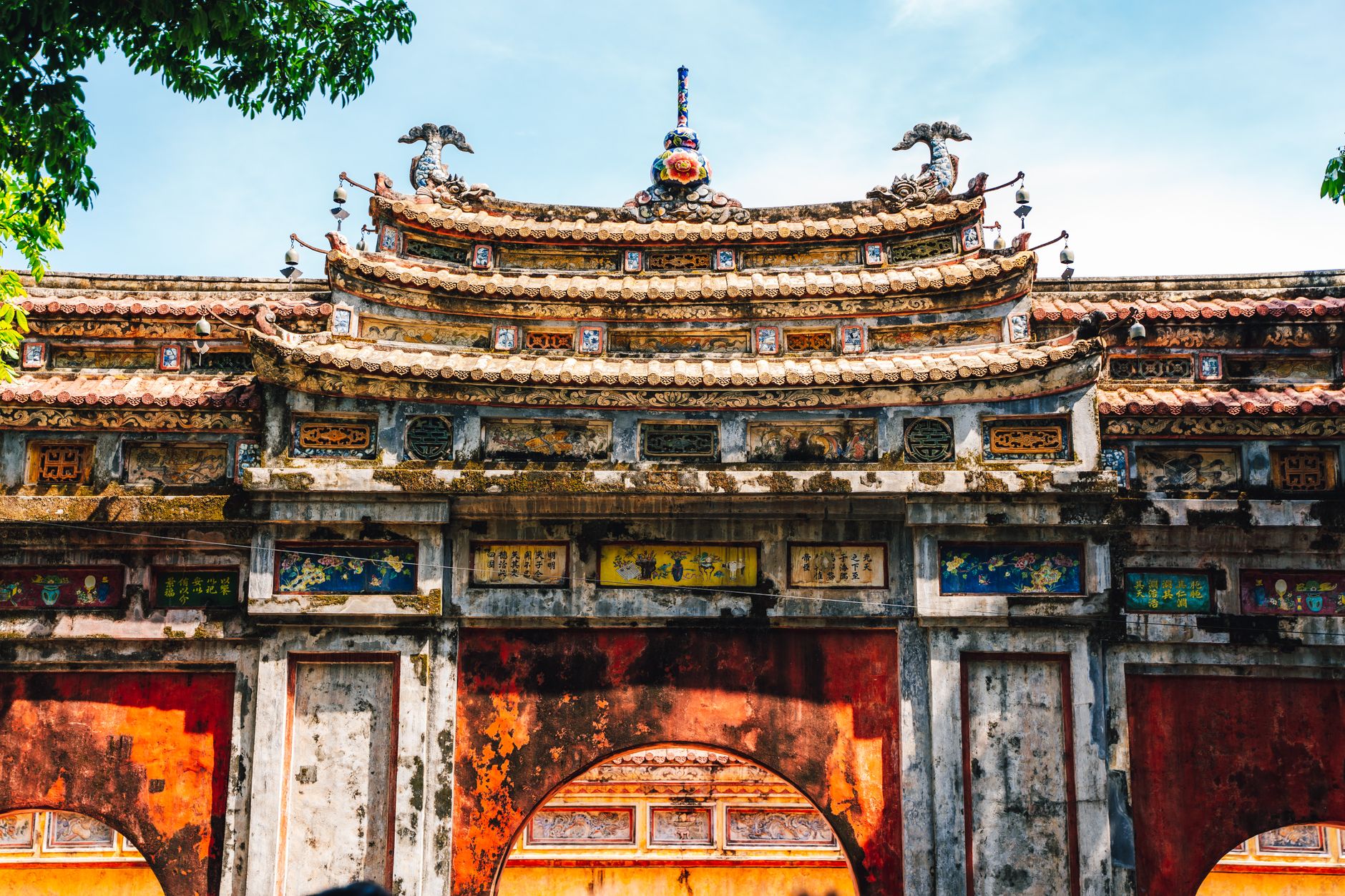
What the Hue Festival actually is (and isn't)
The Hue Festival is a government-organized international arts festival launched in 2000. It was modeled on the Avignon Festival in France and the Edinburgh Festival in Scotland. The idea was to revive Hue's cultural heritage while positioning the city as a global arts destination.
For its first 25 years, the festival ran as a biennial event. A concentrated week of performances, parades, and ceremonies every two years. In 2026, the organizers shifted to a "four-season" model. This means events now span the entire year, divided into spring, summer, autumn, and winter seasons.
Here is what the festival is not: a single coherent event where everything happens at once. Under the four-season model, most months have only a handful of events. Some are small community gatherings. Others are large-scale productions with international troupes. The promotional material treats every event as equally important. The reality is different.
The real draw remains the International Arts Festival Week in June. This is the concentrated, high-energy version of the festival. For 2026, that week ran from June 13 to 18 and is now over. The remaining seasons offer a quieter, more spread-out experience.
Hue Festival 2026 dates: The four-season breakdown
The Thua Thien Hue Provincial People's Committee announced the 2026 dates in late 2025. Each season has a theme and a set of core events.
Spring (January-March): "Tradition and Resurgence" Key dates included the Ban Soc Ceremony on January 1, the Thuong Tieu Ceremony on January 25, and the Xa Tac Offering Ritual on March 9-10. Tet Nguyen Dan fell on February 17, with celebrations throughout the Citadel.
Summer (April-June): "The Shining Imperial City" This season included the Hue Nam Temple Festival on April 2-3, Trinh Cong Son Music Day on April 12, and the Lotus Festival in early June. The main event was the International Arts Festival Week from June 13 to 18.
Autumn (July-September): "Hue in Its Most Romantic Season" This season is currently running. Key events include the Phuoc Tich ancient village festival from July 23-25, the Truyen Lo Ceremony in August, the Mid-Autumn Lantern Festival in September, and traditional boat races on the Perfume River.
Winter (October-December): "A Season of Warmth and Reflection" Still ahead. Events include the International Music Festival, the Bolero singer contest, Ca Hue traditional folk music performances, the Wellness and Healthy Living Week from November 26-27, and the New Year's Eve countdown on December 31.
Dates for the 2027 festival seasons have not been announced yet. Typically, the provincial government releases the schedule in November or December of the preceding year.
The main event: International Arts Festival Week (June 13-18, 2026)
This was the centerpiece of the 2026 festival year. Since it is now over, this section serves as a reference for what to expect in future editions.
The opening ceremony took place at Ngo Mon Gate, the main entrance to the Imperial City. It featured a large-scale theatrical performance with hundreds of performers, elaborate costumes, and fireworks. The show started at 8pm and ran for approximately two hours.
Daily performances were scheduled across multiple stages. The Imperial City hosted major evening shows. An Dinh Palace held art exhibitions and smaller performances. The Perfume River banks were used for water-based events and community stages.
The "Colors of Culture" street parades ran on June 14 and 16. These processions moved through the streets around the Citadel, featuring international performance troupes, traditional Vietnamese dance groups, and elaborate floats. The parades started at 4pm and lasted about 90 minutes.
The Ao Dai Festival was held on June 17 at the Imperial City. Hundreds of models and performers showcased traditional Vietnamese ao dai in a fashion show format. The event started at 7pm.
The fireworks display closed the festival on June 18. It was launched from the Perfume River near the Trang Tien Bridge. The display started at 9pm and lasted 20 minutes.
Attendance during the week was estimated at 250,000 to 300,000 visitors. This is based on figures released by the Vietnam National Administration of Tourism for previous editions.
Ticketing: Prices, where to buy, and what to expect
Ticketing for the 2026 International Arts Festival Week followed a tiered system. The same structure is expected for future editions.
Single event tickets for major performances inside the Imperial City cost 200,000 to 500,000 VND ($8 to $20). Day passes covering multiple events cost 600,000 to 800,000 VND ($24 to $32). Full week passes cost 2,500,000 to 3,500,000 VND ($100 to $140).
Street parades, riverside performances, and community stage events were free and open to all. No tickets were required.
Official sales channels included the festival website, TicketBox, tourist information centers, and on-site booths at major venues. Advance purchase was recommended for the opening ceremony and headline performances, which sold out three to five days before the event.
Warning: Counterfeit tickets were reported outside major venues during the 2026 main week. Only buy from official channels. Check for holographic security marks on paper tickets.
Some events (the Hue Nam Temple Festival, the Lotus Festival) are free but require registration for capacity management. Registration details are posted on the festival website two to three weeks before each event.
Venues across Hue: Where events take place
The festival uses multiple venues across the city. Knowing the layout helps with planning.
The Imperial City (Citadel) is the main venue. It hosts the opening and closing ceremonies, major evening performances, and the Ao Dai Festival. It is located on the north bank of the Perfume River.
An Dinh Palace is about 2 kilometers south of the Citadel. It hosts art exhibitions, smaller performances, and cultural workshops. Walking time from the Citadel is approximately 25 minutes.
Nghinh Luong Dinh Pavilion sits on the Perfume River bank near the Trang Tien Bridge. It is used for water-based events, boat races, and riverside performances.
Tu Tuong Park is located in the city center, south of the river. It hosts kite festivals, community events, and food fairs.
Various pagodas host spiritual ceremonies. Thien Mu Pagoda (7 kilometers west of the city center) and Hue Nam Pagoda (5 kilometers south) are the main locations.
Pro tip: A bicycle is the best way to move between venues in central Hue. The city is flat and distances are manageable. Rental costs 30,000 to 50,000 VND ($1.20 to $2) per day.
Accommodation pressure: What to expect and how to book
Accommodation during the International Arts Festival Week is the biggest challenge. This section focuses on the June main week, but prices also rise during major events in other seasons.
Budget and mid-range hotels in central Hue book out 4 to 6 weeks in advance. Prices rise 40% to 80% above normal. A room that costs 400,000 VND ($16) in low season can cost 700,000 VND ($28) during the festival week.
Luxury hotels above $150 per night have more availability. They tend to book out 2 to 3 weeks before the event.
Areas to avoid: Streets near festival stages, especially around the Citadel and along Le Loi Street. Noise from performances and crowds continues until 11pm or later.
Areas with better value: An Cuu district (south of the river, 15-minute walk to the Citadel), Vy Da district (east of the city center, quiet residential area), and the area around Hue Railway Station (20-minute walk to the Citadel).
For the June 2027 main week, book by March 2027. For autumn and winter events, booking 2 to 3 weeks ahead is usually sufficient.
Alternatives if Hue is full: Lang Co beach (1 hour north by road) has a few mid-range resorts. Da Nang (2 hours south) has a much larger hotel inventory with frequent buses and trains connecting to Hue.
| Area | Normal price (USD/night) | Festival price | Booking deadline | Noise level |
|---|---|---|---|---|
| Citadel area (north bank) | $15-30 | $25-55 | 4-6 weeks before | High |
| Le Loi Street (south bank) | $20-40 | $35-70 | 4-6 weeks before | High |
| An Cuu district | $12-25 | $18-35 | 2-3 weeks before | Low |
| Vy Da district | $10-20 | $15-30 | 2-3 weeks before | Very low |
| Hue Railway Station area | $12-22 | $18-32 | 2-3 weeks before | Low |
| Lang Co beach | $30-80 | $40-100 | 1-2 weeks before | Very low |
The spring season (January-March): Royal rituals and Tet
The spring season focuses on revived Nguyen Dynasty ceremonies. These are re-enactments, not living traditions. But they are visually impressive and draw smaller crowds than the summer events.
The Ban Soc Ceremony on January 1 at Ngo Mon Gate re-enacts the emperor's distribution of the imperial calendar. It is a formal, processional event with mandarin costumes and ritual music. Attendance is around 500 to 1,000 people.
The Thuong Tieu Ceremony on January 25 involves erecting the Tet pole at the Citadel. This marks the beginning of Tet preparations. It is a shorter, less crowded event.
The Xa Tac Offering Ritual on March 9-10 is the largest spring event. It re-enacts the emperor's prayer for good harvests at the Xa Tac Altar, located south of the Citadel. Attendance is around 2,000 to 3,000 people.
Tet Nguyen Dan (Lunar New Year) fell on February 17 in 2026. The Citadel was decorated with lanterns and flowers. Special performances were held throughout the week.
Pro tip: Spring events are the best choice for culture enthusiasts who want to avoid crowds. The ceremonies are authentic in form if not in function. Photography is allowed, but flash is prohibited during ritual segments.
The summer season (April-June): Beyond the main week
The summer season includes several events outside the International Arts Festival Week.
The Hue Nam Temple Festival on April 2-3 is the largest Mother Goddess worship festival in Vietnam. It includes river processions, trance rituals, and offerings at Hue Nam Pagoda. The trance rituals can be intense. Some visitors find the atmosphere overwhelming. The Perfume River boat service is suspended during the temple parade on April 2.
Trinh Cong Son Music Day on April 12 honors Vietnam's most famous songwriter. It is held at the Imperial City and features performances by Vietnamese singers. It is a relaxed, seated event with around 1,000 attendees.
The Lotus Festival in early June celebrates the lotus flower, Hue's symbol. It includes lotus-themed art exhibitions, food stalls, and a boat parade on the Perfume River. It is free and family-friendly.
The kite flying festival runs from June 1 to 7 at Tu Tuong Park. It is a casual, daytime event. Local kite makers display their creations. Children can participate in kite-making workshops.
The autumn season (July-September): Lanterns and boat races
This season is currently running. It offers the most pleasant weather and the lowest crowds of any festival season.
The Phuoc Tich ancient village festival from July 23-25 celebrates this 500-year-old village 40 kilometers north of Hue. Events include traditional pottery demonstrations, folk games, and a village feast. Transport to the village is not included. Hire a taxi or join a guided tour from Hue.
The Truyen Lo Ceremony in August honors scholars from Hue's history. It is held at the Imperial City's Temple of Literature. It is a small, formal event with around 300 attendees.
The Mid-Autumn Lantern Festival in September is the highlight of the autumn season. Lantern displays fill the Citadel and the streets around the Perfume River. Children carry star-shaped lanterns in evening processions. The festival is free and family-friendly.
Traditional boat races on the Perfume River are held on a weekend in September. Teams of rowers compete in long wooden boats. The best viewing spots are on the Phu Xuan Bridge and the Quoc Hoc Hue High School riverside. These areas are less crowded than the main riverbank near Trang Tien Bridge.
The Coupe de Hue cycling race runs through the city and surrounding countryside. It attracts professional cyclists from Vietnam and Southeast Asia.
Pro tip: Autumn is the best season for families. The weather is cooler (25-30°C), the crowds are thin, and the events are child-friendly. Book accommodation 2 weeks ahead.
The winter season (October-December): Music and food
This season is still ahead for 2026. It runs from October through December.
The International Music Festival brings performers from across Asia and Europe. It is held at the Imperial City and An Dinh Palace. Dates for 2026 have not been confirmed yet. Check the festival website in September.
The Bolero singer contest is a popular event with local audiences. It features amateur and semi-professional singers performing Vietnamese bolero music. It is held at a community stage near the Perfume River.
Ca Hue (traditional Hue folk music) performances are held throughout the winter. These are intimate events at small venues, including the Nghinh Luong Dinh Pavilion and some pagodas. They are free and last about one hour.
The Wellness and Healthy Living Week runs from November 26-27. It includes yoga sessions, meditation workshops, and vegetarian food stalls at Tu Tuong Park.
The New Year's Eve countdown on December 31 is held at the Imperial City. It includes live music, a light show, and fireworks at midnight.
Warning: Winter is the rainy season in Hue. October and November are the wettest months. Flooding can occur in low-lying areas. Event cancellations are possible. Check weather forecasts and have backup plans. Pack waterproof shoes and a rain jacket.
Should you reshape your itinerary for the Hue Festival?
The honest answer depends on your travel style and priorities.
For culture enthusiasts: Yes, for the spring rituals. The Ban Soc and Xa Tac ceremonies offer a glimpse into Nguyen Dynasty court culture that you cannot see at other times of year. The summer main week is also worth it if you enjoy large-scale performances.
For photographers: Yes, for the summer parades. The "Colors of Culture" street parades provide the best photo opportunities. The Ao Dai Festival and fireworks display are also excellent. Spring and autumn events are less visually dramatic but offer quieter shooting conditions.
For budget travelers: No, avoid June. Accommodation prices rise 40-80%. Restaurants near the festival venues add surcharges. Street food prices remain stable, but queues are longer. Visit in autumn or winter instead.
For families: Autumn is best. The Mid-Autumn Lantern Festival, kite flying, and boat races are child-friendly. The summer main week is too crowded and hot for young children. Evening performances run past 10pm, which is difficult with early bedtimes.
For first-time Vietnam visitors: Only if your dates align naturally. The festival is worth seeing, but it is not so spectacular that it justifies rearranging a multi-city itinerary. If you are already in central Vietnam in June, spend 3 days in Hue. If not, do not change your plans.
How to plan your Hue visit around the festival
Minimum stay: 3 days for the International Arts Festival Week. 2 days for other seasons.
Check official schedules: The festival website updates event details 3 to 4 weeks before each season. Do not rely on third-party sources.
Book accommodation first: For the June main week, book by March. For other seasons, book 2 to 3 weeks ahead. Use booking sites with free cancellation in case schedules change.
Pack appropriately: Rain gear for any season. Comfortable walking shoes. Modest clothing for temple events (covering shoulders and knees). Sunscreen and a hat for summer events.
Combine with sightseeing: Visit the Imperial City in the morning before festival setup begins. Visit the royal tombs (Minh Mang, Tu Duc, Khai Dinh) on non-festival days. Thien Mu Pagoda is accessible any time. Do not try to see everything in one day.
Getting to Hue during the festival
By air: Phu Bai Airport (HUI) has limited domestic connections. Flights from Hanoi and Ho Chi Minh City take 1 hour 15 minutes. There are no direct international flights. Da Nang International Airport (DAD) is 2 hours south by road. It has more domestic and international connections. Book flights 4 to 6 weeks ahead for the June main week.
By train: The Reunification Express stops at Hue Railway Station. Trains from Hanoi take 13 to 15 hours. Trains from Ho Chi Minh City take 18 to 20 hours. Book sleeper cabins 2 to 3 weeks ahead for June travel. The station is a 15-minute walk from the Citadel.
By bus: Buses run from Da Nang (2.5 hours), Hoi An (3 hours), Hanoi (12 hours), and Ho Chi Minh City (18 hours). Expect delays during the June main week due to road closures for parades.
Getting around Hue: Rental motorbikes cost 100,000 to 150,000 VND ($4 to $6) per day. Bicycles cost 30,000 to 50,000 VND ($1.20 to $2) per day. Both are better than cars or taxis during festival street closures.
Practical tips for enjoying the festival
Best riverbank spots for boat races: Phu Xuan Bridge area and Quoc Hoc Hue High School riverside. These are less crowded than the main riverbank near Trang Tien Bridge.
Best time to visit the Imperial City during festival week: Mornings before 9am. Crowds are lower and temperatures are cooler. Some areas may be closed from midday for event preparation.
Best streets for authentic Hue street food during festival hours: Nguyen Hue and Pham Ngu Lao streets. These stay open late and are less affected by festival crowds.
Streets to avoid during parade times: Le Duan and Hung Vuong streets. Traffic is blocked for 90 minutes during parades. Use side streets or walk.
Safety, scams, and practical warnings
Pickpocketing: Risks increase during crowded parades and at night markets. Keep valuables in a front pocket or a money belt. Do not carry large amounts of cash.
Motorbike theft: Use secure parking lots with attendants. Do not leave bikes unlocked on the street. Parking costs 5,000 to 10,000 VND ($0.20 to $0.40).
Counterfeit tickets: Only buy from official channels. Check for holographic security marks. Do not buy from touts outside venues.
Overpriced taxis: Use ride-hailing apps (Grab) instead of street taxis. Fares are fixed and displayed before booking. Cyclo drivers may quote 3 to 4 times the normal price during the festival week. Negotiate before boarding.
Food safety: Street vendors operating at high volume during the festival may cut corners. Choose stalls with high turnover and visible cooking. Avoid raw or undercooked food.
Emergency numbers: Police: 113. Ambulance: 115. Fire: 114. The nearest international-standard hospital is Hue Central Hospital, located at 16 Le Loi Street.
FAQ
Q: How many days in Hue is enough during the festival? A: For the International Arts Festival Week, 3 full days allows attendance at the opening ceremony, one street parade, and one evening performance plus daytime sightseeing. For other seasons, 2 days is sufficient to attend one or two events alongside normal sightseeing.
Q: Is it better to stay in Hue or Hoi An during the festival? A: For the festival itself, stay in Hue. Hoi An is 3 hours away by road, making day trips impractical for evening events. If accommodation in Hue is fully booked or overpriced, Da Nang (2 hours) is a better alternative with more frequent transport connections.
Q: What will the Hue Festival 2026 include? A: Nearly 80 events across four seasons. Spring royal ritual re-enactments. The summer International Arts Festival Week with global performance troupes. Autumn lantern festivals and boat races. Winter music concerts and food events. The main highlight was the June 13-18 International Arts Festival Week, which is now over.
Q: When should I book accommodation for the June 2026 festival? A: The June 2026 main week is over. For the June 2027 main week, book by March 2027. Budget and mid-range options in the Citadel area and along Le Loi Street fill fastest. By April, only luxury hotels above $150 per night and rooms in An Cuu or Vy Da districts are likely available.
Q: Are all Hue Festival events free? A: No. Street parades, riverside performances, and community stage events are free. Major performances inside the Imperial City, the opening and closing ceremonies, and ticketed concerts require purchased tickets. Day passes and full-week passes are available.
Q: What is the weather like during the summer festival week? A: June in Hue averages 28-35°C with high humidity and afternoon thunderstorms. Mornings and evenings are more comfortable for outdoor events. Bring rain gear, sunscreen, a hat, and stay hydrated.
Q: Can I visit the Imperial City normally during the festival? A: During the International Arts Festival Week, parts of the Imperial City may be closed during event setup and performance times. The Citadel opens at its usual 7am, but some areas (Ngo Mon Gate, Thai Hoa Palace) may have restricted access from midday for event preparation. Check daily schedules at the ticket booth.
Q: Is the Hue Festival suitable for families with young children? A: Autumn (July-September) is best for families. The lantern festival, kite flying, and boat races offer child-friendly entertainment. The summer main week is crowded and hot, which can be challenging with young children. Evening performances often run past 10pm, so plan for earlier bedtimes.