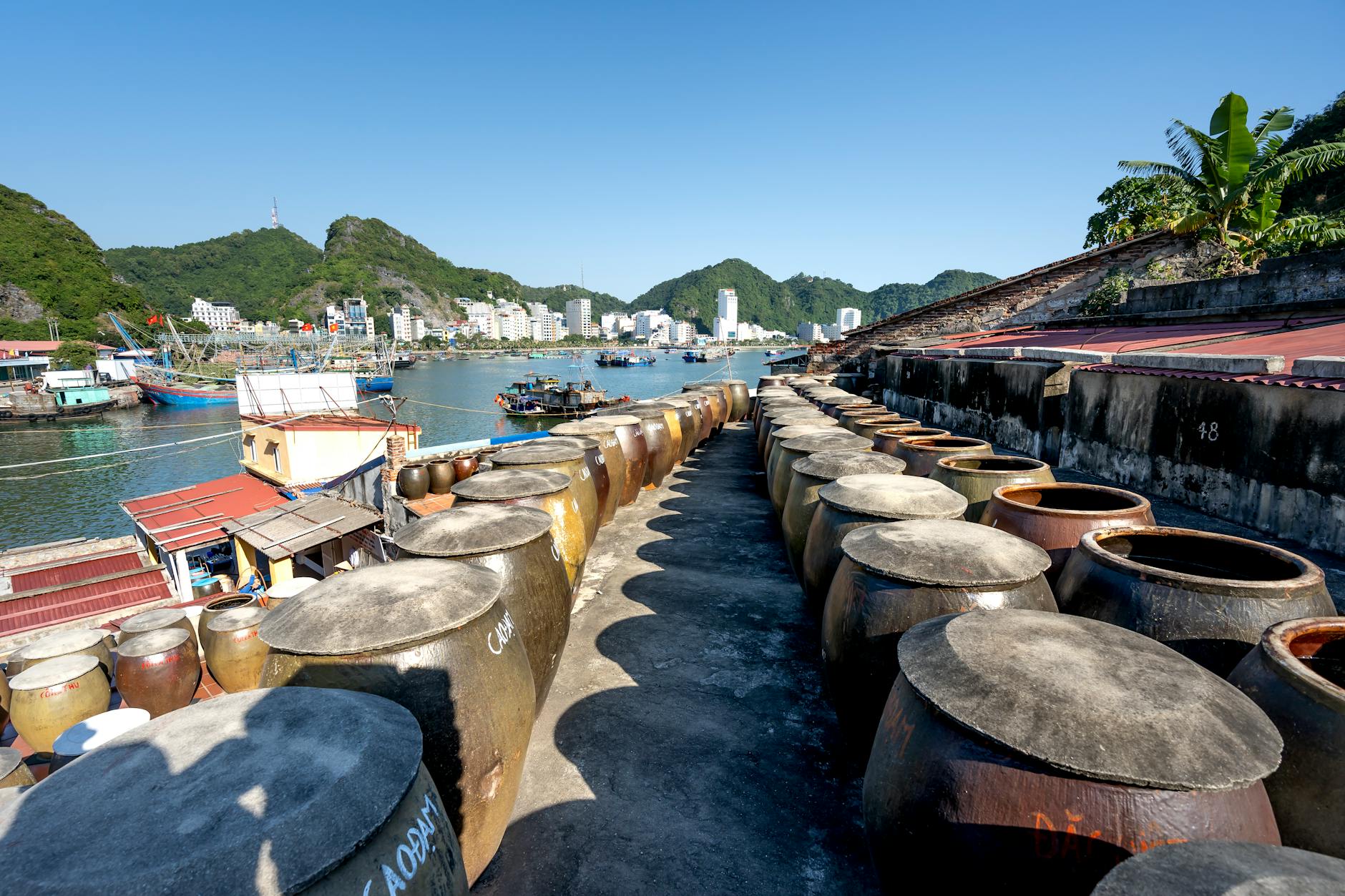
What you need to know about Cat Ba Island in 2026
Cat Ba Island sits south of Halong Bay in the Cat Ba Archipelago. It is the largest island in the archipelago and the administrative center of Cat Ba Town. The entire area is a UNESCO Biosphere Reserve, meaning the surrounding waters and forests are protected for their rich biodiversity.
The critical update for 2026 is the ongoing Cat Ba Central Bay development. This large-scale tourism project involves land reclamation, new buildings, and waterfront infrastructure along the harborfront. Construction is active with dust, noise, and restricted access in parts of Cat Ba Town. Many experienced travelers now recommend staying outside the town center entirely.
The natural attractions remain largely unaffected. Lan Ha Bay, Cat Ba National Park, and the beaches are still spectacular. The construction affects the urban experience, not the wilderness.
Is Cat Ba Island worth visiting right now?
Yes, for most travelers. But honesty requires caveats.
Cat Ba offers what Halong Bay cruises cannot: independence. You set your own schedule, choose your own activities, and pay less. The island appeals to independent travelers, nature lovers, and budget-conscious adventurers. The kayaking in Lan Ha Bay rivals anything in Halong Bay with fewer crowds. The hiking in the national park is genuine jungle trekking, not a paved walkway.
Who should skip Cat Ba? Travelers seeking luxury resorts or pristine untouched beaches will be disappointed. The construction in town is real and visible. The beaches are not postcard-perfect white sand. Water quality varies.
Compare Cat Ba to alternatives: Travel to Ha Long Bay: a complete guide to Vietnam’s legendary seascape offers cruise-based luxury. Why Ninh Binh Crushes Halong Bay for a Truly Quiet Escape provides karst scenery without the sea. Cat Ba sits in the middle: adventurous, unpolished, and real.
How many days do you need on Cat Ba Island?
Three to four days is ideal. This allows one day for kayaking Lan Ha Bay, one day for hiking the national park and visiting caves, and one day for beaches and relaxation. A buffer day helps with weather or slow travel.
Two days covers the highlights if you move efficiently. Day one: kayak Lan Ha Bay in the morning, Cannon Fort for sunset. Day two: hike Ngu Lam Peak, visit Trung Trang Cave, swim at Cat Co beaches.
One day is too rushed. The travel time from Hanoi takes 3.5 to 5 hours each way. A single day means more time in transit than on the water.
Five or more days suits hikers, climbers, and slow travelers. Viet Hai Village and Butterfly Valley offer additional activities that reward extra time.
How to get to Cat Ba Island from Hanoi and Hai Phong
The most common route is bus plus ferry from Hanoi. Buses depart from Hanoi's Old Quarter daily. They stop at Got Pier in Hai Phong for the 30-45 minute ferry to Cat Ba. Total journey time: 3.5 to 5 hours. Cost: 250,000-350,000 VND ($10-15) for the combined ticket.
Private car plus ferry costs more but offers flexibility. Drive to Got Pier, park the car (100,000 VND/$4 per day), take the ferry. This works well for groups.
Motorbike plus ferry is popular among experienced riders. The Hanoi-Hai Phong highway is good. Ferries charge 50,000 VND ($2) for a motorbike. Read Renting a Motorbike in Vietnam: The Legal Truth Nobody Tells Tourists before attempting this.
The scenic public ferry from Tuan Chau near Halong City takes one hour. This route offers beautiful views but runs less frequently. Check schedules at Tuan Chau pier.
Pro tip: Some group transfers include mandatory stops at souvenir shops. Ask your bus company about this before booking. The direct buses without stops cost slightly more but save time.
Getting around Cat Ba Island
Motorbike rental is the best option for exploring. Costs: 150,000-200,000 VND ($6-8) per day. Gas is extra. Road conditions vary. After rain, some unpaved roads become slippery. Google Maps works for main roads but is unreliable for smaller tracks.
Taxi and electric cart options exist for short trips. Taxis from the harbor to Cat Co beaches cost about 50,000 VND ($2). Electric carts are common in town but limited in range.
Walking works for Cat Ba Town and the Cat Co beach area. The cliffside path connecting Cat Co 1, 2, and 3 is walkable and scenic.
Warning: A motorbike is almost essential for accessing the best beaches and viewpoints. Tung Thu Beach, Viet Hai Village, and Butterfly Valley are difficult to reach without one. See How to get around Cat Ba Island: The complete transport guide for 2026 for full details.
The best things to do on Cat Ba Island
Kayaking Lan Ha Bay
This is the single best activity on the island. Lan Ha Bay has flat water, sea caves, and hidden lagoons. It is less crowded than Halong Bay and more accessible from Cat Ba.
Independent kayaking is straightforward. Pay the 40,000 VND ($1.60) conservation fee at the floating houses near the bay. Rent a kayak for 100,000-150,000 VND ($4-6) per hour. Paddle to the sea caves and explore the lagoons. No guide needed.
Organized tours include kayaking, lunch, and cave visits. Costs: 400,000-600,000 VND ($16-24) per person. These are useful for solo travelers or those who prefer structure.
Safety tip: Check tide levels before paddling into sea caves. High tide can block exits. Bring sun protection and water. The bay has no shade.
Hiking Cat Ba National Park (Ngu Lam Peak)
The classic hike covers 3.6 kilometers return. Difficulty: moderate. Duration: 1.5-2 hours. The trail is well-marked but humid. Bring at least 1.5 liters of water per person.
The first viewpoint has barriers and offers a good photo stop. The second viewpoint is a 360-degree panorama with no railings. Travelers with vertigo should skip the final section. The last 20 meters involve rocky scrambling.
Entry fee: 80,000 VND ($3.20) per person. This includes access to Trung Trang Cave. Park opens 7:00 AM to 5:00 PM. Start early to avoid midday heat.
For a deeper dive, read Cat Ba National Park: The Complete Hiking & Wildlife Guide (2026).
Exploring the beaches (Cat Co 1, 2, 3 and beyond)
Cat Co 1 is the most crowded beach. It has the most amenities: chairs, umbrellas, food stalls. Water quality is average. Best for families with children because the water is shallow.
Cat Co 2 is more relaxed. Fewer vendors, quieter atmosphere. The water is clearer than Cat Co 1. A small bar serves drinks. Best for couples and solo travelers.
Cat Co 3 has the best sunset views. The beach faces west. It is also the smallest of the three. Gets busy in late afternoon. Best for sunset photography.
| Beach name | Crowd level | Water quality | Amenities | Best for |
|---|---|---|---|---|
| Cat Co 1 | High | Average | Chairs, umbrellas, food stalls | Families with children |
| Cat Co 2 | Moderate | Good | Small bar, limited chairs | Couples, solo travelers |
| Cat Co 3 | Moderate-high | Good | Minimal | Sunset photos |
| Tung Thu | Low | Good | None | Solitude, local vibe |
| Chut Chit | Very low | Variable | None | Abandoned resort exploration |
Hidden gems: Tung Thu Beach is a local favorite with quieter water and fewer tourists. Chut Chit Beach has an abandoned resort vibe and is almost empty. Both require a motorbike to reach.
Note: None of the beaches have lifeguards. Jellyfish season runs June to August. Check with locals before swimming.
Visiting Trung Trang Cave
A 300-meter limestone cave with well-lit paths and impressive stalactite formations. Entry fee: 80,000 VND ($3.20) or included in the national park ticket. Location: 15 kilometers from Cat Ba Town, accessible by motorbike or taxi.
The cave has slick stone surfaces. Wear shoes with grip. No flashlight needed. The chambers are cathedral-like and cool. Compare this to Hospital Cave for historical interest.
Cannon Fort for sunset views
The best viewpoint on the island. History: Japanese, then French, then American War military outpost. Entry fee: 40,000 VND ($1.60) plus 10,000 VND ($0.40) for motorbike parking.
Two viewing platforms exist. One overlooks the bay and islands. The other overlooks the harbor and sunset. An on-site cafe sells drinks. The steep winding road to the top is manageable by motorbike or taxi.
Warning: The playground equipment near the viewpoint is slightly tacky. The views make up for it. Arrive 45 minutes before sunset for the best light.
Hospital Cave
A three-level cave hospital used during the Vietnam War. Entry fee: 40,000 VND ($1.60). The mannequin displays are eerie. English information is minimal. Bring a guide or read about the cave's history beforehand.
Worth visiting for history buffs. Located on the way to the national park, so combine both in one day. The cave is cool and damp. Bring a light jacket.
Rock climbing at Butterfly Valley
Cat Ba is one of Vietnam's best climbing destinations. The Hive at Butterfly Valley is the main climbing area. Difficulty levels range from beginner to advanced. Gear rental is available but expensive. Experienced climbers should bring their own equipment.
Best seasons: spring and autumn. Summer is too hot. Winter is possible but overcast. Costs: 500,000-800,000 VND ($20-32) for a half-day guided session.
Monkey Island (Hon Lao)
A 10-minute boat ride from Cat Ba. The monkeys are aggressive. Do not carry food openly. Keep bags closed. The viewpoint hike requires scrambling and proper shoes.
Warning: The monkeys have been known to snatch bags, open backpacks, and bite. Maintain distance. Do not feed them.
The beach on Monkey Island is average. Accommodation on the island is poor quality. Better as a day trip. Boat transfers cost 100,000-150,000 VND ($4-6) round trip.
Visiting Viet Hai Village
A remote fishing village on the eastern side of the island. Accessible by hiking trail or boat. The village offers a glimpse of traditional Cat Ba life untouched by the construction in town.
Homestay options exist for overnight stays. Costs: 200,000-400,000 VND ($8-16) per night. Boat tours that include Viet Hai cost 300,000-500,000 VND ($12-20).
Where to swim on Cat Ba Island
Best for families: Cat Co 1. Shallow water, gentle waves, amenities nearby.
Best for solitude: Tung Thu Beach and Chut Chit Beach. Quiet, few tourists, natural setting.
Best for sunset swimming: Cat Co 3. Swim as the sun sets behind the karsts.
Best for swimming during a kayak trip: The coves of Lan Ha Bay. Find a quiet spot, anchor the kayak, swim in clear water.
Water temperature by season: Summer (June-August) 28-30°C. Spring and autumn 24-27°C. Winter 18-22°C. Most visitors find winter water too cold for comfortable swimming.
Safety: No lifeguards at any beach. Jellyfish present June to August. Ask locals about current conditions.
Where to eat on Cat Ba Island
What to eat: seafood hotpot (lau hai san), grilled oysters (hau nuong), bun ca (fish noodle soup), banh da cua (crab noodle soup), fried bananas from street carts.
Where to find seafood: the harbor area. Restaurants along the water serve fresh catches. Prices are higher than inland but lower than Halong Bay.
Western food options are prevalent. Pizza, burgers, and pasta are available. Quality varies.
Warning: Food hygiene at some street stalls is questionable. Choose stalls with high turnover and clean preparation areas. See Vietnamese Street Food Safety: How to Eat Everywhere Without Getting Sick for tips.
The food scene on Cat Ba is less impressive than Hanoi's. Manage expectations. Focus on fresh seafood rather than culinary complexity.
Where to stay on Cat Ba Island
Strategic advice based on the construction situation. Stay outside Cat Ba Town.
| Area | Vibe | Distance from town | Price range (per night) | Best for |
|---|---|---|---|---|
| Hung Son | Quiet, residential | 3 km | 300,000-800,000 VND ($12-32) | Couples, families |
| Xuan Dam | Rural, peaceful | 5 km | 200,000-600,000 VND ($8-24) | Budget travelers |
| Viet Hai | Remote, traditional | 15 km | 200,000-400,000 VND ($8-16) | Hikers, slow travelers |
| Cat Ba Town center | Convenient but noisy | 0 km | 400,000-1,500,000 VND ($16-60) | Those who prioritize nightlife |
Warning: Do not book accommodation in the center of Cat Ba Town without checking recent reviews about construction noise. Read reviews from the past three months specifically.
Accommodation types: bungalows, homestays, hostels, hotels. Bungalows in Hung Son offer the best balance of comfort and quiet. Homestays in Viet Hai provide cultural immersion.
When to visit Cat Ba Island
Spring (March-May): Best balance of weather and crowds. Temperatures 22-28°C. Low humidity. Clear skies. Ideal for hiking and kayaking.
Summer (June-August): Hot and humid. Temperatures 28-35°C. High humidity. Crowded with domestic tourists. Water is warm. Jellyfish season.
Autumn (September-November): Pleasant temperatures 20-26°C. Chance of typhoons in September and October. Fewer crowds. Good for outdoor activities.
Winter (December-February): Quiet but cool and overcast. Temperatures 15-20°C. Water too cold for swimming for most. Good for hiking without heat.
Avoid peak domestic holiday periods: Tet (late January or early February), April 30 (Reunification Day), September 2 (National Day). Ferries are crowded. Accommodation prices double. See Tet in Vietnam: The Closure Trap That Ruins Tourist Trips for details.
Practical tips for visiting Cat Ba Island
Cash: Many places do not accept cards. ATMs exist in Cat Ba Town but sometimes run out of money on weekends. Bring enough cash from Hanoi.
Power cuts: Common but brief. Usually last 10-30 minutes. Most hotels have backup generators.
Mosquito protection: Essential. Dengue is present. Use DEET-based repellent. See Mosquitoes, Dengue and Malaria in Vietnam: The Realistic Risk Map for Travelers.
Reef-safe sunscreen: Required for swimming in Lan Ha Bay. Standard sunscreen damages coral.
Travel insurance: Essential if riding a motorbike. Medical evacuation from Cat Ba is expensive. See Is Vietnam Safe in 2026? An Honest Country-Wide Risk Assessment.
Ferry booking: Book ahead on weekends and holidays. Walk-up tickets sell out.
Packing list: Dry bag, water shoes, bug spray, layers for boat trips, flashlight, cash.
Common mistakes to avoid on Cat Ba Island
Staying in Cat Ba Town without checking construction noise levels. The dust and noise are significant. Stay outside town.
Booking a Halong Bay cruise from Cat Ba without comparing prices. Cat Ba operators sometimes charge more than Hanoi operators for the same cruise.
Assuming all beaches are swimmable at all tides. Low tide exposes rocks at some beaches. Check tide tables.
Underestimating the humidity on hikes. The national park trail is humid even on cool days. Bring more water than you think you need.
Expecting a peaceful island paradise. The construction is real. Manage expectations.
Falling for aggressive tour touts at the harbor. Compare prices at three different operators before booking. See Common Scams in Vietnam: 12 Tourist Traps to Avoid in 2026.
FAQ
Q: Is Cat Ba Island worth visiting in 2026?
A: Yes, for most travelers with caveats. The construction in Cat Ba Town is significant and ongoing. Staying outside the town center is strongly recommended. The natural attractions remain spectacular and largely unaffected. Travelers seeking pristine untouched beaches may be disappointed. Those who value adventure and natural beauty over resort luxury will find Cat Ba rewarding.
Q: How many days should you spend on Cat Ba Island?
A: Three to four days is ideal. This allows one day for kayaking Lan Ha Bay, one day for hiking the national park and visiting caves, and one day for beaches and relaxation. Two days covers the highlights if you are efficient. One day is too rushed to justify the travel time from Hanoi.
Q: How long is the ferry ride to Cat Ba Island?
A: The ferry from Got Pier in Hai Phong to Cat Ba takes 30-45 minutes. The scenic public ferry from Tuan Chau near Halong City takes about one hour. The total journey from Hanoi to Cat Ba takes 3.5 to 5 hours depending on traffic and route.
Q: What is the best time to visit Cat Ba Island?
A: Spring (March to May) and autumn (September to November) offer the best weather and manageable crowds. Summer (June to August) has warm water but high humidity and domestic tourism peaks. Winter (December to February) is quiet but often overcast with water too cold for comfortable swimming.
Q: Can you visit Cat Ba Island without a tour?
A: Yes, and it is often better to do so. Independent travelers can arrange motorbike rental, kayak rental from floating houses, and national park entry without a tour. This approach offers more flexibility and lower costs. Organized tours are useful for multi-activity days but include unnecessary stops and markups.
Q: Is Cat Ba Island safe for solo travelers?
A: Yes, Cat Ba is generally safe for solo travelers. The main risks are motorbike accidents and minor scams at the harbor. Petty theft is uncommon. The island has a well-established backpacker infrastructure with social accommodation options.
Q: Are the monkeys on Monkey Island dangerous?
A: The monkeys can be aggressive, especially if they see food. They have been known to snatch bags and bite. Do not carry visible food. Keep bags closed. Maintain distance. The viewpoint hike is worthwhile, but treat the monkeys with caution.
Q: What is the construction in Cat Ba Town and how does it affect visitors?
A: The Cat Ba Central Bay project is a large-scale tourism development involving land reclamation and new buildings. As of 2026, construction is ongoing with dust, noise, and restricted access along the harborfront. The main impact is that staying in central Cat Ba Town means dealing with disruption. Accommodations outside the town center are unaffected.