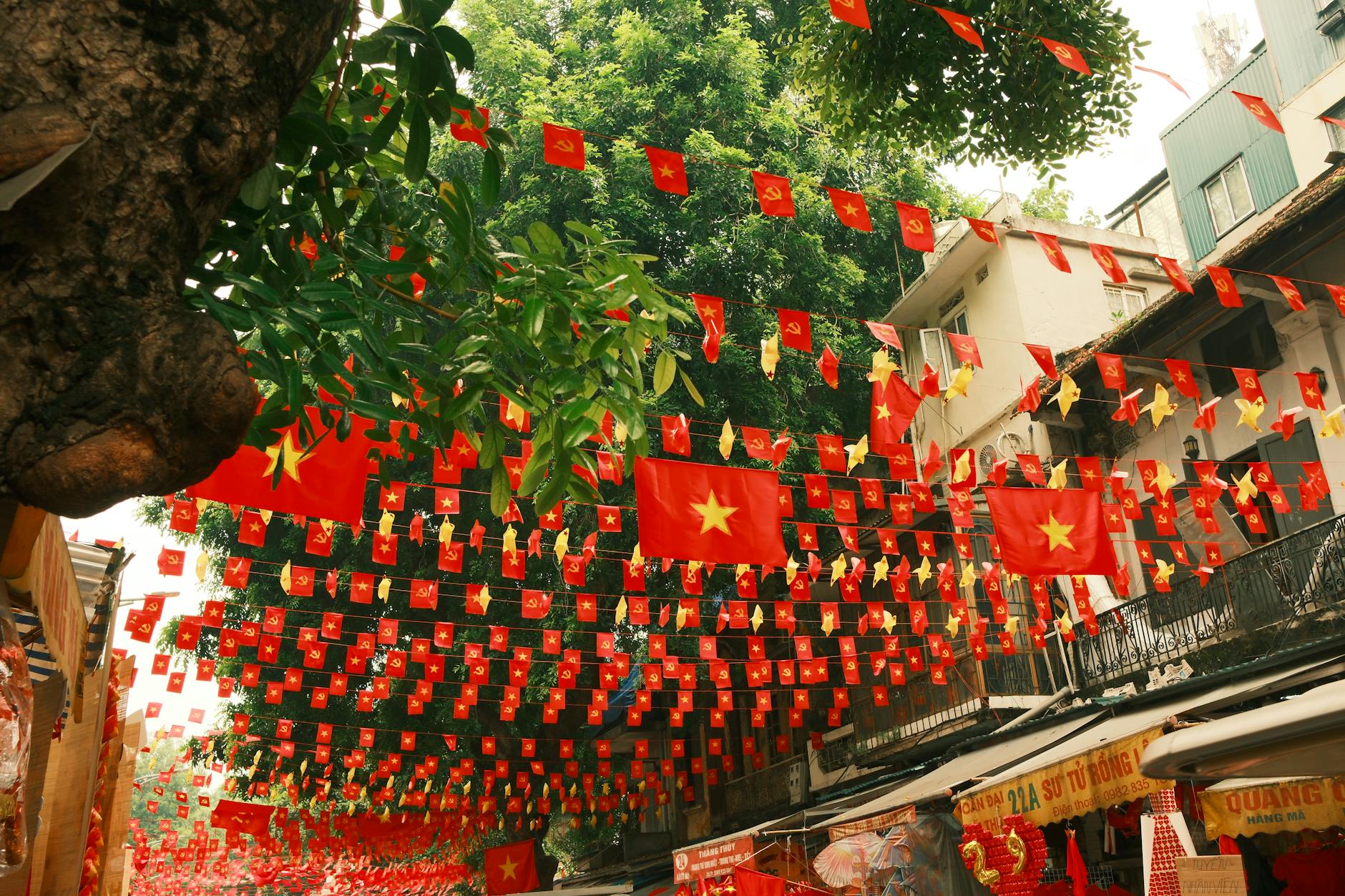
Vietnam climate overview: Why is there no one-size-fits-all answer?
Vietnam's climate is divided into three distinct regions. Northern Vietnam has a humid subtropical climate with four seasons: spring, summer, autumn, and winter. Central Vietnam is influenced by monsoons, with rain and typhoons concentrated at the end of the year. Southern Vietnam has two seasons: wet and dry.
At the same time, the three regions can have completely opposite weather. In December, Northern Vietnam can be bitterly cold below 10°C while Southern Vietnam is sunny and warm at 28°C. In July, Central Vietnam has beautiful sunshine but Northern Vietnam is enduring thunderstorms.
Seasonal climate map of the 3 regions
Northern Vietnam: Spring (February-April) has drizzle, summer (May-August) is hot and humid, autumn (September-November) is cool, winter (December-January) is very cold.
Central Vietnam: Dry season (January-July) is hot and sunny, rainy/typhoon season (August-December) has a high risk of flooding.
Southern Vietnam: Dry season (November-April) is sunny and beautiful, rainy season (May-October) has heavy rain concentrated in the late afternoon.
The deciding factor for timing: Trip purpose > Month
Before choosing a month, answer three questions: Do you want to swim at the beach or go hiking? Do you prefer a bustling or quiet atmosphere? Is your budget flexible?
If you want to swim at the beach, May-August in Central Vietnam is ideal. If you want to go trekking, September-October for the rice harvest season or December-February for the flower season in the Northwest. If you want low prices, May and September-November (excluding holidays) are the most budget-friendly times.
January-February: Festival season and flower hunting
Actual weather: Northern Vietnam is very cold, with possible drizzle. Average temperature in Hanoi is around 15-18°C, Sa Pa can drop below 5°C. Central Vietnam is dry and cool, temperatures 20-25°C. Southern Vietnam is sunny and beautiful, dry season, temperatures 25-32°C.
Lunar New Year (Tết) usually falls in late January or early February. This is the best time of year for festive atmosphere. However, it's also when hotel prices increase 2-3 times, shops close, and taxis are scarce.
Ideal destinations for January-February
- Northern Vietnam: Sa Pa, Mộc Châu, Hà Giang for hunting peach blossoms, plum blossoms, and buckwheat flowers. Hanoi welcomes the Tết atmosphere with vibrant streets.
- Central Vietnam: Đà Nẵng, Hội An, Huế have cool weather, little rain. The Đà Nẵng Fireworks Festival (if held) often takes place around this time.
- Southern Vietnam: Phú Quốc, Côn Đảo, the Mekong Delta have the most ideal weather of the year.
Warning: Travel during Tết - dos and don'ts
Do: Book flights and hotels at least 2 months in advance. Prepare for high prices. Bring snacks as many food stalls are closed.
Don't: Travel on the exact 3 days of Tết (Day 1, 2, 3) if you want full dining options. Take taxis outside the city center as fares skyrocket. Visit small, remote tourist spots as services are limited.
Tip: If you want to avoid crowds and high prices, avoid the week before and after Tết. Traveling in late January or early February (1 week after Tết) will be quieter.
March-April: The "golden" time for a Vietnam cross-country trip
International experts from Travel + Leisure and Lonely Planet rate this as the best time for a cross-Vietnam trip. The weather is pleasant in all 3 regions, with little rain or typhoons, and it's not yet the summer peak season.
Northern Vietnam warms up, temperatures 18-25°C, with ban flowers and kapok flowers in full bloom. Central Vietnam has mild sunshine and calm seas. Southern Vietnam starts to get hotter but is still in the dry season.
March: Ban flowers, kapok flowers, and traditional festivals
March is the season for ban flowers in the Northwest (Điện Biên, Sơn La, Lai Châu). Red kapok flowers bloom in Hanoi and the northern delta provinces. The Hương Pagoda Festival and Hùng Kings' Festival take place this month.
Ideal destinations: Sa Pa (beautiful weather, little rain), Hà Giang (ban flowers in bloom), Ninh Bình (ideal weather for cycling through rice paddies and karst mountains).
April: Reunification Day/Labor Day holiday (April 30-May 1) - book at least 1 month in advance
April has the April 30-May 1 holiday, lasting 4-5 days. This is a peak domestic travel period. Flight prices increase 30-50%, hotels are fully booked.
Book at least 1 month in advance. If you want to avoid crowds, choose less popular destinations like Mai Châu and Pu Luông instead of Sa Pa.
May-June: Early summer - Central Vietnam's beaches reign supreme
Northern Vietnam starts getting hot and humid, temperatures 30-35°C, with afternoon thunderstorms. Central Vietnam has beautiful sunshine and calm seas, temperatures 28-33°C. Southern Vietnam enters the rainy season, but the rain is short, mainly in the late afternoon.
This is the ideal time for Đà Nẵng, Nha Trang, Quy Nhơn. Central Vietnam's beaches are clear blue, with gentle waves and low typhoon risk.
Best beach destinations for May-June
- Đà Nẵng: Mỹ Khê Beach, Marble Mountains, Bà Nà Hills. See detailed guide to Đà Nẵng.
- Nha Trang: 6 km long beach, scuba diving, island tours. Honest review of Nha Trang in 2026.
- Quy Nhơn: Pristine beaches, less crowded than Nha Trang.
- Hidden beaches in Central Vietnam: 3 secluded beaches few people know about.
Note: Sudden thunderstorms in Northern Vietnam and the Central Highlands
In May-June, Northern Vietnam and the Central Highlands often have sudden thunderstorms in the late afternoon. If traveling to Đà Lạt or Sa Pa, bring a raincoat. Rain usually lasts 30-60 minutes then clears.
July-August: Summer peak season - Crowded and expensive
This is the hottest, most crowded, and most expensive time. Flight and hotel prices increase 30-50%. Central Vietnam's beaches are packed with people.
However, if you go to the right places, you can still have a good experience. Central Vietnam's beaches (Đà Nẵng, Nha Trang, Quy Nhơn) are still beautiful. The northern mountains (Sa Pa, Hà Giang) are cooler than the lowlands.
Warning: July-August is the start of the typhoon season in Northern and Central Vietnam. In 2026, 2-3 typhoons are forecast to affect coastal provinces. Learn more about typhoon season in Central Vietnam.
How to save money traveling in peak season
- Book flights 2-3 months in advance. Compare prices of Vietjet, Bamboo, and Vietnam Airlines.
- Choose hotels 2-3 km from the center. Prices are 40% cheaper.
- Eat at local markets instead of beachfront restaurants.
- Travel on weekdays (Monday-Thursday) instead of weekends.
Which areas to avoid in July-August?
- Northern Vietnam: Hanoi is hot and humid, temperatures 35-40°C. Hạ Long is crowded, with murky water.
- Mekong Delta: Heavy rainy season, flooded roads, river tourism is less attractive.
- Central Vietnam coastal provinces at risk of typhoons: Monitor weather forecasts.
September-October: Autumn and flood season
The most beautiful time of year for Hanoi. Hanoi autumn with golden leaves, light breeze, temperatures 25-30°C. The rice harvest season in Sa Pa, Mù Cang Chải, Hoàng Su Phì is most beautiful from late September to early October.
The Mekong Delta enters its flood season (September-November). Fields are flooded, with fish and điên điển flowers. A unique experience, but check flood conditions before going.
Central Vietnam begins its rainy and typhoon season. September-October is when typhoons make landfall most frequently in Đà Nẵng, Huế, Quảng Bình.
Hunting the ripe rice season: Exact timing by location
- Sa Pa: Rice ripens from September 15 to October 5. Mường Hoa Valley, Tả Van, Bản Hồ.
- Mù Cang Chải (Yên Bái): Rice ripens from September 20 to October 10. La Pán Tẩn, Chế Cu Nha terraced fields.
- Hoàng Su Phì (Hà Giang): Rice ripens from September 25 to October 15. Most beautiful in Thông Nguyên, Bản Luốc communes.
Tip: Arrive 1 week before the peak rice season to avoid crowds. By mid-October, harvesting begins, and the landscape is no longer pristine.
Central Vietnam in September-October: Should you go?
You can go if you accept the risk and have a backup plan. Choose destinations less affected by typhoons, like Đà Lạt (highlands, no typhoons). Phong Nha is possible but check the weather 3 days in advance.
If you want to be sure of avoiding typhoons, avoid Central Vietnam in September-October. Choose Northern Vietnam (Hanoi autumn, ripe rice in Sa Pa) or Southern Vietnam (Mekong Delta flood season).
November-December: Year-end - Southern Vietnam and the northern mountains
Southern Vietnam enters its most beautiful dry season. Phú Quốc, Côn Đảo, the Mekong Delta have ideal weather. Temperatures 25-32°C, beautiful sunshine, clear blue sea.
Northern Vietnam enters winter. Sa Pa, Mộc Châu are great for cloud hunting, mustard flowers, buckwheat flowers. Nighttime temperatures drop below 10°C, daytime 15-20°C.
Central Vietnam still has rain, but it decreases from late November. Đà Nẵng, Hội An start to get sunshine.
November-December: Smart choice for limited budgets
This is the low season in Northern and Central Vietnam (except for New Year's). Flight and hotel prices are 30-40% cheaper than in summer.
If you want to save money, choose Northern Vietnam in November (before the deep cold sets in). Hanoi, Ninh Bình, Hạ Long have cool weather and few tourists.
Warning: Intense cold in the northern mountains
In December, Sa Pa, Hà Giang, Cao Bằng can drop below 5°C. Some years see frost. If going, bring warm clothes, gloves, and a beanie.
Check the weather forecast before you go. During severe cold spells, mountain roads can freeze. See safety guide for driving in Cao Bằng.
Quick comparison table: Choose your month by interest
| Interest | Ideal Months | Months to Avoid | Notes |
|---|---|---|---|
| Beach swimming | 5-8 (Central Vietnam) | 9-11 (typhoon season) | Central beaches best in May-July |
| Trekking, hiking | 9-10 (rice season), 12-2 (flower season) | 5-8 (thunderstorms) | Sa Pa, Hà Giang, Cao Bằng |
| Exploring the Mekong Delta | 11-4 (dry season) | 5-10 (rainy season) | Flood season Sep-Nov is unique |
| Festivals, culture | 1-2 (Tết), 3-4 (festivals) | 7-8 (hot, crowded) | Tết is lively but expensive |
| Budget-friendly, few tourists | 5, 9-11 (excluding holidays) | 1-2 (Tết), 7-8 (summer) | Sep-Oct Central Vietnam has typhoon risk |
| Photography | 3-4 (ban flowers), 9-10 (ripe rice) | 5-8 (harsh sun, rain) | Best light is early morning and late afternoon |
Frequently asked questions about choosing the time to travel to Vietnam
Q: What is the best month to travel to Vietnam?
There is no single best month for the whole country. If you want pleasant weather in all 3 regions, March-April and October-November are most ideal. If you're only going to one region, you need to consider it separately.
Q: Where should I travel in June?
June is most suitable for Central Vietnam beaches (Đà Nẵng, Nha Trang, Quy Nhơn) and the northern mountains (Sa Pa, Hà Giang). Southern Vietnam starts its rainy season but is still doable if you accept afternoon rain.
Q: Is traveling during typhoon season in Vietnam dangerous?
There is risk, especially in Central Vietnam (August-November) and the northern coast. Monitor weather forecasts, avoid sea activities, and always have a backup plan. Learn more about typhoon season in Central Vietnam.
Q: Should I go to Northern or Southern Vietnam in December?
Northern Vietnam is cold (10-20°C), great for cloud hunting, mustard flowers, and Christmas atmosphere. Southern Vietnam is dry, sunny, and warm (25-32°C), ideal for beaches and islands. The choice depends on your weather preference.
Q: What is the cheapest month to travel to Vietnam?
September-November (excluding Mid-Autumn Festival and National Day September 2) and May (early summer) usually have the lowest flight and hotel prices. However, September-October in Central Vietnam has a risk of rain and typhoons.
Q: Should I travel to Vietnam in July?
Yes, if you like the beach and accept crowds and high prices. Book at least 1-2 months in advance. Avoid northern provinces (hot, humid, lots of rain) and areas at risk of typhoons.
Q: When is the best time to travel to Vietnam?
It depends on your purpose: cross-country trip (March-April or October-November), beach swimming (May-August in Central Vietnam), exploring the Northwest (September-October for ripe rice, December-February for flowers), Mekong Delta (November-April dry season).