What you need to know before going
Vietnam requires an e-visa for most passport holders. Apply at the official government portal at least three working days before departure. The single-entry visa costs USD 25 and allows up to 30 days. Multi-entry options exist for USD 50 but require additional processing time.
The best travel months for luxury travelers are October through April. This window offers reliable weather across the entire north-south route. March and April combine excellent conditions with lower crowds than December and January. May to September brings rain to the north and heat to the south, though hotel rates drop significantly.
Domestic flights are non-negotiable for luxury travelers. Vietnam Airlines and Bamboo Airways offer the best service. Business class upgrades cost USD 50-100 more than economy on major routes and include lounge access and priority boarding. VietJet offers lower base fares but charges for luggage and seat selection.
"Luxury" in Vietnam means different things depending on the destination. International chain properties like Park Hyatt and Sofitel meet or exceed global standards. Independent five-star hotels vary considerably. Some offer exceptional value. Others fall short on service, maintenance, or amenities. This itinerary provides honest assessments of each.
How this itinerary works: Route, pacing, and philosophy
The route moves north to south: Hanoi (3 nights), Ninh Binh (2 nights), Ha Long Bay (2 nights), Hoi An (3 nights), Ho Chi Minh City (2 nights), and the Mekong Delta (2 nights). This allows genuine slow travel at a luxury tier. Each destination gets enough time for meaningful exploration without rushing between sites.
The itinerary skips Sapa, Ha Giang, and Phu Quoc. Sapa requires a minimum of 3 nights and involves significant travel time from Hanoi. Ha Giang demands 4-5 days for the loop. Phu Quoc works best as a standalone beach extension rather than a stop on a multi-destination trip. Adding any of these would require extending the trip to 18-21 days.
Hotel selection prioritizes properties that deliver on their promises. Each recommendation includes an honest assessment of what justifies the rate and what does not. The goal is not to find the cheapest five-star option but the one that provides genuine value at its price point.
Hanoi: 3 nights for culture and colonial elegance
Where to stay and why
Sofitel Legend Metropole Hanoi remains the benchmark for luxury in Vietnam. The hotel’s history dates to 1901. The location on Ngo Quyen Street places guests steps from the Opera House and a 10-minute walk from Hoan Kiem Lake. The service standard is consistent. The rooms in the old wing offer character; the new wing provides more space and modern amenities. The premium over four-star alternatives runs USD 100-150 per night. For travelers who value history, location, and reliable service, the upgrade is justified.
Capella Hanoi targets design-focused travelers. The property channels the city’s 1920s opera scene with bold interiors and theatrical touches. The rooms are smaller than the Metropole’s. The service is attentive but less polished. The hotel suits couples and solo travelers who prioritize aesthetics over space. Families may find the Metropole more practical.
Honest assessment: Choose the Metropole for a classic luxury experience. Choose Capella for design and intimacy. Neither property is worth the rate if the traveler plans to spend most of the day outside the hotel. In that case, a four-star option like the Apricot Hotel provides excellent value at half the price.
What to do with private guiding
A morning food walk through the Old Quarter with a private guide costs USD 60-90 per person for a 3-hour tour. A good guide explains the history behind each dish and navigates the narrow streets efficiently. Avoid guides who rush through stops or take travelers to commission-paying restaurants.
The Temple of Literature opens at 8:00 AM. Arrive by 8:15 to avoid the crowds that gather after 9:30. The Ho Chi Minh Mausoleum opens Tuesday through Thursday and weekends from 7:30 to 10:30 AM. Skip the line by booking a private guide who holds priority access.
An evening at the Hanoi Opera House costs USD 30-80 per ticket depending on the performance. Book at least two weeks in advance for weekend shows. Private water puppet shows cost USD 150-250 for a group of four and require 3-4 days lead time.
Where to eat
La Verticale offers French-Vietnamese fusion in a converted colonial villa. The tasting menu costs USD 60-80 per person. The wine pairing adds USD 40. The food is refined but not groundbreaking. The setting is the main draw.
Chim Sao serves Northern Vietnamese cuisine in a casual setting. The cha ca (turmeric fish with dill) is the standout dish. Dinner for two costs USD 30-40. The restaurant does not take reservations. Arrive by 6:30 PM to avoid the wait.
Bun Cha Huong Lien gained fame after Anthony Bourdain and Barack Obama ate there. The bun cha is excellent. The tourist connection does not diminish the quality. A meal costs USD 3-5 per person.
Honest note on Hanoi fine dining: The city’s high-end restaurant scene lags behind Bangkok and Singapore. The best meals in Hanoi are often the simplest ones: a bowl of pho at a street stall, a plate of bun cha at a local joint. Do not come to Hanoi for Michelin-star experiences.
Ninh Binh: 2 nights for landscape and privacy
The case for staying overnight
Day trips from Hanoi to Ninh Binh depart around 7:00 AM and return by 7:00 PM. The drive takes 2 hours each way. This leaves 6-7 hours on the ground, which is enough for a rushed boat ride and a temple visit. Staying overnight allows for a relaxed afternoon boat ride, an early morning hike, and genuine immersion in the landscape.
Where to stay
Tam Coc Garden Resort sits in the middle of rice paddies with views of limestone karsts. The rooms are spacious but not luxurious by international standards. The service is warm and personal. The resort’s main asset is its setting. Rates run USD 120-180 per night.
Emeralda Resort Ninh Binh offers a more polished experience with a large pool, spa, and manicured grounds. The rooms are comfortable but generic. The property feels like a resort dropped into the countryside rather than part of it. Rates run USD 150-220 per night.
What “luxury” means here: Neither property qualifies as five-star by international standards. The luxury comes from the setting, the privacy, and the chance to experience the landscape without crowds. Travelers expecting Four Seasons-level service will be disappointed. Travelers seeking a peaceful base for exploring Ninh Binh will be satisfied.
Private tour of Trang An and Bai Dinh
A private car and guide for a full day costs USD 100-130. This includes pickup from the hotel, entrance fees, and the boat ride at Trang An. The guide handles navigation and provides context for the temples and caves.
Why Trang An beats Ha Long Bay: The scenery is similar: limestone karsts rising from calm water. The difference is the crowds. Trang An sees a fraction of Ha Long Bay’s visitors. The boat ride takes 2-3 hours through a series of caves and valleys. The experience feels intimate rather than touristic.
Practical advice: The boat ride requires climbing in and out of a small sampan. Wear shoes that can get wet. Bring sunscreen and a hat. The sun is intense even on cloudy days. The Bai Dinh pagoda complex involves significant walking. Allow 1.5-2 hours for the visit.
Ha Long Bay: 2 nights on the water
Choosing the right cruise
The difference between “luxury” and “deluxe” cruises is significant. Top-tier operators include Heritage Line, Paradise Peak, and Emperor Cruises. These vessels use quality materials, employ trained staff, and maintain consistent standards. Budget “luxury” cruises use lower-grade materials, hire untrained staff, and cut corners on food and service.
Why two nights matters: A one-night cruise departs in the morning, boards at noon, and returns the next morning. This leaves roughly 24 hours on the water, including sleeping time. A two-night cruise provides a full day of exploration, better access to Lan Ha Bay, and a more relaxed pace. The additional cost is USD 300-500 per person. It is worth every dollar.
Honest assessment: The photos do not show the crowds at peak times. During holidays and weekends, Ha Long Bay can feel like a floating parking lot. Two-night cruises that venture into Lan Ha Bay avoid the worst of it. Engine noise can be an issue on older vessels. Cabins on budget cruises are smaller than the photos suggest. Book with a reputable operator and read recent reviews.
Private versus shared cruising
A private junk charter for two people costs USD 2,500-4,000 for two nights. This includes the entire vessel, crew, meals, and itinerary flexibility. The experience is unmatched for privacy and customization.
A top-tier shared cruise with a suite costs USD 800-1,200 per person for two nights. This provides excellent service, quality food, and a well-planned itinerary. The shared experience means fixed meal times and group activities. For most luxury travelers, this is better value than a private charter.
What to actually do
Kayaking and cave exploration are the highlights. The best routes depart from Lan Ha Bay, where the water is cleaner and the crowds thinner. The guide should know which caves to visit and which to skip.
Tai chi at sunrise is worth waking up for. The experience lasts 30 minutes and takes place on the sundeck. Cooking demonstrations are skippable. The dishes taught are basic, and the setup feels staged.
The honest truth about Ha Long Bay versus Lan Ha Bay: Lan Ha Bay offers superior scenery with fewer boats. The water is clearer. The caves are less trafficked. Choose a cruise that operates primarily in Lan Ha Bay. The premium over a standard Ha Long Bay cruise is USD 100-200 per person.
Hoi An: 3 nights for heritage and beach
Where to stay
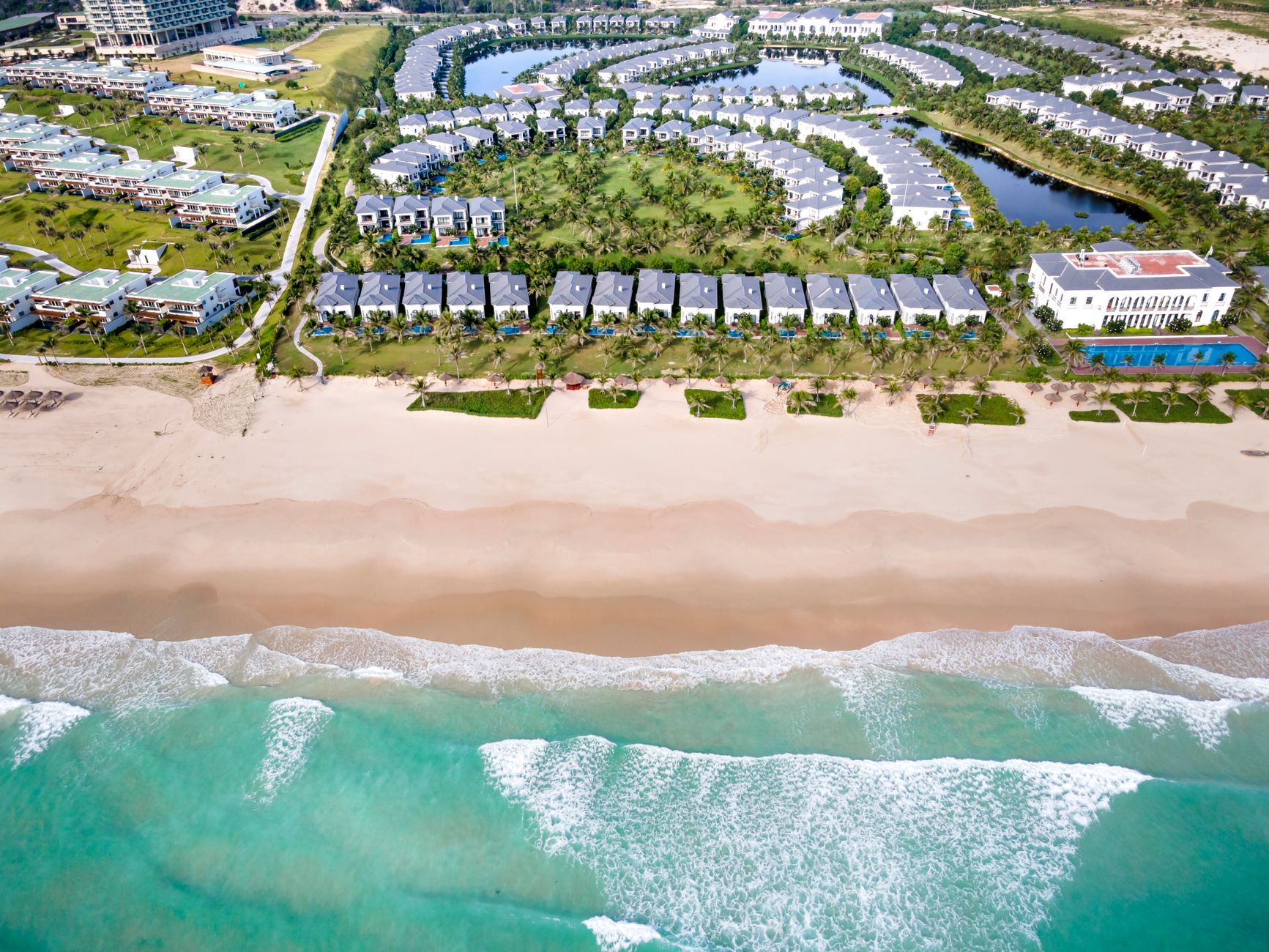
Four Seasons Nam Hai is the gold standard for luxury in Hoi An. The beach is pristine. The villas are spacious and private. The service is attentive without being intrusive. Rates run USD 500-800 per night. The property justifies the premium through consistent quality across all touchpoints.
The Anam offers a strong alternative at a lower price point. The beach is good. The rooms are comfortable. The service is friendly but less polished than the Four Seasons. Rates run USD 250-400 per night. This is the best value option for travelers who want a resort experience without the Four Seasons price tag.
La Siesta Hoi An Resort & Spa provides boutique charm at USD 150-250 per night. The property is smaller than the resorts. The location is within walking distance of the Old Town. The rooms are well-appointed. The service is personal.
Why staying outside the Old Quarter is better: The Old Quarter is crowded, noisy, and hot during the day. Staying at a beach resort allows for a quiet retreat after exploring. The drive from the resorts to the Old Town takes 10-15 minutes.
Private tours and experiences
An Old Town walking tour with a heritage guide costs USD 50-80 for a 2-hour tour. The guide explains the history of the merchant houses, the Japanese Covered Bridge, and the assembly halls. Walking alone misses the context that brings the sites to life.
A morning market visit and private cooking class costs USD 60-100 per person. The best schools include Red Bridge and Vy’s Market. Both include a market tour, hands-on cooking, and a meal. The premium over group classes is worth it for the personalized attention.
The basket boat tour in Cam Thanh village is touristy but fun with the right guide. A private tour costs USD 30-50 per person. The guide should take travelers to the less crowded areas of the coconut forest.
Tailor experience: Hoi An is famous for custom clothing. Shops like Yaly and Bebe deliver consistent quality. Expect to pay USD 80-150 for a suit and USD 30-50 for a dress. Avoid shops that promise 24-hour turnaround. Quality tailoring requires 2-3 days with at least one fitting.
Dining in Hoi An
The Field offers a stunning setting overlooking rice paddies. The food is good but not exceptional. The experience is about the atmosphere. Dinner for two costs USD 40-60.
Bep Market serves Vietnamese street food in a clean, modern space. The cooking station format allows for sampling multiple dishes. Dinner for two costs USD 20-30.
Banh Mi Phuong and Cao Lau Thanh are the street food options that beat any fine dining. Banh Mi Phuong costs USD 1-2 per sandwich. Cao Lau Thanh costs USD 2-3 per bowl. These are the meals that define Hoi An.
Honest note on Hoi An restaurant quality: The city’s mid-range restaurants are overrated. Many serve mediocre food in pretty settings. The best meals are at the street stalls and the high-end resorts. Skip the restaurants in the Old Quarter.
Ho Chi Minh City: 2 nights for urban energy
Where to stay
Park Hyatt Saigon is the gold standard. The location on Lam Son Square places guests steps from the Opera House and Notre-Dame Cathedral. The rooms are spacious and well-appointed. The service is professional and consistent. Rates run USD 300-500 per night. The property justifies the premium through quality across all categories.
The Reverie Saigon offers over-the-top luxury with Italian marble, crystal chandeliers, and bold design. The rooms are impressive. The service is less polished than the Park Hyatt. The hotel suits travelers who want a statement property. It does not suit travelers who prefer understated elegance.
Hotel des Arts Saigon provides mid-range luxury at USD 150-250 per night. The rooftop bar offers excellent views. The rooms are comfortable. The service is good. This is the best value option for travelers who plan to spend most of their time outside the hotel.
Private city tour
The Cu Chi Tunnels are best visited by private speedboat. The transfer takes 1 hour each way compared to 2 hours by car. The cost is USD 200-300 for the boat and guide. The experience includes a guided tour of the tunnels, a chance to crawl through sections, and a demonstration of wartime techniques. The car transfer costs USD 80-120 but adds significant travel time.
The War Remnants Museum requires 1.5-2 hours. The Reunification Palace requires 1 hour. Visit the museum first, then the palace. The museum is emotionally heavy. The guide should provide context without sensationalizing the content.
An evening food tour by Vespa costs USD 60-90 per person. The tour visits 4-5 stops across the city. The experience is fun and efficient. It is worth the hype for travelers with limited time.
Where to eat
Anan Saigon offers a chef’s table experience with modern Vietnamese cuisine. The tasting menu costs USD 80-100 per person. The wine pairing adds USD 50. The food is creative and well-executed. This is the best fine dining option in the city.
Bun Bo Hue 3A3 serves Central Vietnamese beef noodle soup in a no-frills setting. The broth is rich and spicy. A bowl costs USD 3-5. This is the meal that rivals any fine dining in the city.
Honest note on Saigon’s fine dining scene: The quality has improved significantly in recent years. Anan Saigon and Noir hold their own against international standards. The value is excellent compared to similar restaurants in Hong Kong or Singapore.
Mekong Delta: 2 nights for river life and relaxation
Why stay overnight instead of day-tripping
A day trip from Ho Chi Minh City departs at 7:00 AM and returns at 7:00 PM. The drive takes 2 hours each way. The boat ride is rushed. The stops feel like tourist traps. Staying overnight allows for a relaxed boat ride, an early morning visit to the floating market, and genuine interaction with the delta communities.
Where to stay
Azerai Can Tho is the standout luxury option. The property sits on an island in the Bassac River. The rooms are spacious and modern. The pool overlooks the water. The service is attentive. Rates run USD 200-350 per night. The premium over other options is justified by the setting and service quality.
Island Lodge offers a lower price point with authentic character. The rooms are comfortable but dated. The setting is beautiful. Rates run USD 100-150 per night.
Mekong Rustic provides basic accommodation with strong local character. The property is not luxury by any definition. It suits adventurous travelers who prioritize experience over comfort.
Private boat tour
A private sampan and guide for a full day costs USD 80-120. This includes the boat, driver, and guide. The guide arranges stops at the floating market, fruit orchards, and local workshops.
Cai Rang floating market is best visited at 6:00 AM. The market peaks between 6:00 and 8:00 AM. After 9:00 AM, most boats have departed. The guide should arrange a small sampan rather than a large tourist boat.
Cycling through orchards and villages requires 1-2 hours. The best routes follow the smaller canals away from the main river. The guide should know which paths are accessible and which are too muddy.
Dining in the delta
Dinner at the Azerai Can Tho restaurant costs USD 30-50 per person. The food is good but not exceptional. Local options in Can Tho city center cost USD 10-20 per person and offer more authentic flavors.
The fruit and honey experience at local orchards costs USD 5-10 per person. The experience includes fresh fruit, honey tea, and a brief tour of the orchard. It is a marketing gimmick but a pleasant one.
Realistic total budget breakdown
Accommodation
- Hanoi: Sofitel Metropole, USD 250-400 per night
- Ninh Binh: Tam Coc Garden, USD 120-180 per night
- Ha Long Bay: Heritage Line cruise, USD 400-600 per person per night
- Hoi An: Four Seasons Nam Hai, USD 500-800 per night
- Ho Chi Minh City: Park Hyatt, USD 300-500 per night
- Mekong Delta: Azerai Can Tho, USD 200-350 per night
Total for 13 nights: USD 3,500-6,500 for two people.
Domestic flights
- Hanoi to Da Nang: Vietnam Airlines, USD 60-100 economy, USD 120-180 business
- Da Nang to Ho Chi Minh City: Vietnam Airlines, USD 50-90 economy, USD 100-150 business
- Ho Chi Minh City to Hanoi (return): Vietnam Airlines, USD 70-120 economy, USD 130-200 business
Total for three flights: USD 200-500 per person.
Private guiding and tours
- Hanoi food walk: USD 60-90 per person
- Ninh Binh private tour: USD 100-130
- Hoi An heritage tour: USD 50-80
- Cu Chi speedboat tour: USD 200-300
- Mekong private boat: USD 80-120
Total: USD 500-800 per person.
Dining
Average meal costs: USD 5-10 for street food, USD 20-40 for mid-range, USD 60-100 for fine dining. Total food budget for two people over 14 days: USD 800-1,500.
Transportation and incidentals
Airport transfers: USD 30-50 each way. Grab rides: USD 5-15 per trip. Tips: USD 10-20 per day. Visa fees: USD 25 per person. Travel insurance: USD 50-100 per person. Total: USD 400-700 per person.
Total range
Low-end luxury (good five-star, some private guiding): USD 4,500-6,000 per person. High-end luxury (best suites, full private guiding, premium experiences): USD 8,000-14,000 per person.
The budget does not include international flights, shopping, or spa treatments.
Common mistakes luxury travelers make
Overpacking the itinerary
Three to four destinations in 14 days allows genuine slow travel. Five or more destinations means spending more time in transit than experiencing each place. The cost of moving too fast includes lost deposits on unused hotel nights, exhaustion from early flights, and missed experiences due to tight schedules.
Choosing the wrong hotel category
A four-star boutique hotel in Hoi An often provides more character and better service than a five-star chain. The properties that trade on reputation rather than current quality include some older resorts in Nha Trang and Da Nang. Read recent reviews, not promotional materials.
Booking tours sight unseen
Vet private guides through TripAdvisor, Google Reviews, and direct communication. Red flags include guides who demand full payment upfront, refuse to share an itinerary, or have reviews that sound generic. Paid testimonials often use similar language and lack specific details.
Ignoring season and weather
May to September brings rain to the north and extreme heat to the south. Ha Long Bay cruises are more likely to be canceled or rerouted. The Mekong Delta experiences flooding. Hotel rates drop but so does the quality of the experience.
When to go and when to avoid
Best months for luxury travel
October to April offers reliable weather across the entire route. March and April combine excellent conditions with lower crowds than December and January. Shoulder season (October-November and March-April) provides lower rates and fewer tourists with acceptable weather.
Months to reconsider
May to September is rainy season in the north and hot season in the south. Ha Long Bay sees reduced visibility and occasional storm cancellations. The Mekong Delta experiences high water levels. Tet (Lunar New Year, late January to early February) causes widespread closures and price surges. Luxury travelers who want peace and quiet can use Tet to experience Hanoi and Ho Chi Minh City without crowds.
Regional weather variations
Hanoi experiences cool winters (15-20°C) and hot, humid summers (30-35°C). Hoi An has a similar pattern with more rain from October to December. Ho Chi Minh City is hot year-round (30-35°C) with a rainy season from May to November. The Mekong Delta mirrors Ho Chi Minh City’s climate. Pack layers for the north and lightweight clothing for the south.
FAQ
Q: Is 14 days enough to visit Vietnam?
A: Yes, for a focused north-to-south route covering Hanoi, Ninh Binh, Ha Long Bay, Hoi An, Ho Chi Minh City, and the Mekong Delta. Travelers wanting to add Sapa, Ha Giang, or Phu Quoc should extend to 18-21 days.
Q: How much is a luxury vacation in Vietnam?
A: For 14 days with five-star hotels, private guiding, domestic flights, and quality dining, budget USD 4,500-8,000 per person for mid-range luxury and USD 8,000-14,000 for top-tier suites and full private experiences. Prices vary significantly by season.
Q: What is the best month to visit Vietnam for luxury travel?
A: October through April offers the most reliable weather across the entire north-to-south route. March and April combine excellent conditions with lower crowds than December and January.
Q: What is one of the biggest mistakes you can make in Vietnam?
A: Overpacking the itinerary. Many travelers try to visit six or seven destinations in 14 days, spending more time in transit than actually experiencing each place. Three to four destinations allows genuine slow travel.
Q: Do I need a private guide in Vietnam, or can I do it myself?
A: A private guide adds significant value for historical sites like the Cu Chi Tunnels and Hue’s Imperial City, where context transforms the experience. For food exploration and beach time, independent travel works well. Budget USD 80-150 per day for a quality English-speaking guide.
Q: Are five-star hotels in Vietnam as good as international standards?
A: International chain properties (Park Hyatt, Sofitel, Four Seasons) meet or exceed global standards. Independent five-star hotels vary considerably. Some offer exceptional value, while others fall short on service, maintenance, or amenities. This article provides honest assessments of each.
Q: Is Ha Long Bay worth visiting for luxury travelers?
A: Yes, with the right cruise. Two-night itineraries on top-tier vessels (Heritage Line, Paradise Peak, or private charters) deliver a genuinely memorable experience. One-night cruises on budget “luxury” boats disappoint. Book well in advance for the best options.
Q: How do I get between destinations in Vietnam?
A: Domestic flights are the most practical option for luxury travelers. Vietnam Airlines and Bamboo Airways offer the best service. Business class is available on major routes for USD 50-100 more than economy. The Hanoi-Ha Long Bay transfer requires a 3-hour car ride.