Lào Cai at a glance: what the name means in 2026
Lào Cai sits in northern Vietnam, in the Northwest (Tây Bắc Bộ) geographically and the Northern Midlands and Mountains economic region. It shares a 182 km border with Yunnan, China, plus provincial borders with Tuyên Quang, Phú Thọ, Lai Châu and Sơn La.
The province covers 13,257 km² and holds a population of roughly 1.78 million. Following Resolution 202/2025/QH15, the province merged with Yên Bái on 12 June 2025 and now comprises 10 wards and 89 communes. The capital moved to Yên Bái ward.
| Figure | Detail |
|---|---|
| Area | 13,257 km² |
| Population | About 1.78 million |
| Merger date | 12 June 2025 (Resolution 202/2025/QH15) |
| Administrative units | 10 wards, 89 communes |
| Capital | Yên Bái ward |
| China border | About 182 km, Yunnan province |
What "Lào Cai" means
The name derives from Lão Nhai (老街), meaning "old street" or "old market". Hmong pronunciation reshaped it into "Lao Cai", and the French recorded it as Lao-Kay. It became official as "Lào Cai" after November 1950.
Old Lào Cai vs new Lào Cai
The western and northern half covers Sa Pa, Bắc Hà and Y Tý: high mountains, terraces, Hmong and Dao villages. The southern and eastern half, the former Yên Bái, covers Mù Cang Chải, Nghĩa Lộ and Thác Bà lake. The two halves sit far apart, and no road connects them quickly.
Who lives here
The province holds 33 ethnic groups, with roughly 57.6% belonging to minority communities according to a 2025 report. Hmong, Tày, Dao, Nùng, Thái and Giáy dominate, and Lào Cai holds roughly half of Vietnam's Giáy population.
Is it worth going, and who is it for?
Lào Cai suits landscape, trekking and market-culture travelers. It does not suit anyone wanting beaches or fast city sightseeing.
What disappoints: fog that erases mountain views for days, weekend crowds and construction noise in Sa Pa town, the over-developed Cát Cát village, and heavy rain in July and August. Travelers who need the old border city of Lào Cai itself rarely find a reason to stay beyond a train connection or a border crossing.
If your only goal is Fansipan's summit on a clear day, build in a buffer of two or three mornings. Visibility changes fast, and cable car queues build by mid-morning.
How to get there and around
From Hà Nội
The expressway CT05 runs about 4 to 5 hours to Lào Cai city, longer to Sa Pa. Buses and limousines cost VND 220,000–550,000 ($8.50–21). Night trains SP1 (21:35) and SP3 (22:00) take roughly 8 hours and cost VND 130,000–600,000 ($5–23).
| Mode | Duration | Cost (VND/USD) | Comfort | Best for |
|---|---|---|---|---|
| Limousine bus | 4–5 hrs to Lào Cai city | 220,000–550,000 ($8.50–21) | Good, door-to-door options | Flexible schedules, direct to Sa Pa |
| Night train SP1/SP3 | About 8 hrs | 130,000–600,000 ($5–23) | Basic to comfortable | Avoiding a hotel night, scenic arrival |
| Private car | 4–5 hrs | Higher, negotiable | Highest | Groups, luggage, custom stops |
Some guides claim the train station sits "under 2 km" from Sa Pa. It does not. The station is in Lào Cai city, about 35 km from Sa Pa, and you still need a taxi or shuttle.
From the airport
No airport operates in the province as of October 2026. Flights land at Hà Nội's Nội Bài airport, then continue by road or rail. Older articles still mention an airport "planned for 2020", which never opened.
Reaching the Yên Bái side
Hà Nội to Yên Bái ward is about 155 km. Nghĩa Vộ, Tú Lệ and Mù Cang Chải add another 2 to 4 hours of winding mountain road beyond that. A direct Sa Pa to Mù Cang Chải link exists but is slow and mountainous, so treat it as a separate leg rather than a quick hop.
Getting around locally
Taxis and Grab work in Sa Pa town. Motorbike rental is common but risky on passes. A private driver makes sense for multi-stop days. Walking covers Sa Pa town itself, but villages sit 2 to 12 km out.
Ô Quy Hồ and Khau Phạ passes see fog, landslides and slick surfaces. Foreigners need a valid licence and insurance to ride legally, and many rental agreements exclude mountain routes.
Rail news
The Lào Cai–Hà Nội–Hải Phòng railway remains in land-clearance phase as of October 2026. It does not affect trips now, and no part of it is operating.
Lào Cai city: the border gateway
Set expectations low here. Lào Cai city is a functional transit hub with some local interest, not a destination. Cốc Lếu market and the border bridge area draw a few hours of attention, as does Đền Thượng temple. Overnight only for early trains or border-crossing logistics.
Crossing to Hekou, China
The Lào Cai–Hekou crossing is open to international travelers. A Chinese visa or an applicable visa-free arrangement is required, with possible onward rail to Kunming. Opening hours and nationality rules change, so verify before travel. The border stayed closed after the 1979 war until 1993.
Sa Pa: what to see and what to skip
Sa Pa town
The stone church, the market and the French hill-station layout give the town its shape. Weekends bring crowds, and fog often hides the valley entirely.
Fansipan
The peak stands at 3,143 m, though some sources cite 3,147 m. Cable car and funicular routes cost roughly VND 800,000 ($30) for the combined trip, with queues building through the morning. Check visibility before committing.
Trekking routes run inside Hoàng Liên National Park and require a guide and permit. Allow 1 to 2 days, and take cold, rain and hypothermia risks seriously.
Villages
Cát Cát sits about 2 km out, the busiest and most commercial. Tả Van (about 10 km) mixes Giáy, Hmong and Red Dao communities. Tả Phìn (about 12 km) offers Red Dao herbal baths. Lao Chải and Bản Liền (Tày, Shan Tuyết tea) round out the options.
Waterfalls and passes
Silver Waterfall sits about 12 km from town, with Love Waterfall nearby. Ô Quy Hồ pass, about 15 km out and nearly 2,000 m high, stretches almost 50 km.
Responsible visits
Ask before photographing people. Buy directly from vendors rather than through intermediaries. Follow homestay etiquette, and decline children's begging and persistent selling politely rather than rewarding it.
Beyond Sa Pa: Bắc Hà, Y Tý and the northern border
Bắc Hà
The Sunday market draws Flower Hmong in full dress. Thắng cố, a horse or buffalo stew, contains offal, so order with that in mind. Hoàng A Tưởng palace, built 1914–1921, holds 36 rooms across more than 4,000 m². The next Sunday market falls on 18 October 2026, then every Sunday after. Smaller markets include Cán Cấu (usually Saturday) and Cốc Ly (usually Tuesday); verify locally.
Y Tý and Bát Xát
Terraces here sit at about 2,000 m, best from late August to September. Sea-of-clouds viewpoints include Nhìu Cồ San (about 2,965 m) and Kỳ Quan San. Expect cold, basic homestays, and a border-zone permit question for foreigners. Confirm requirements with your accommodation and local police before going.
Border safety
Landmine remnants from the 1979 war remain along parts of the Chinese border. Stay on marked trails and do not leave established paths in remote border communes.
The former Yên Bái side: Mù Cang Chải, Nghĩa Lộ, Tú Lệ and Thác Bà
Mù Cang Chải terraces and Khau Phạ pass
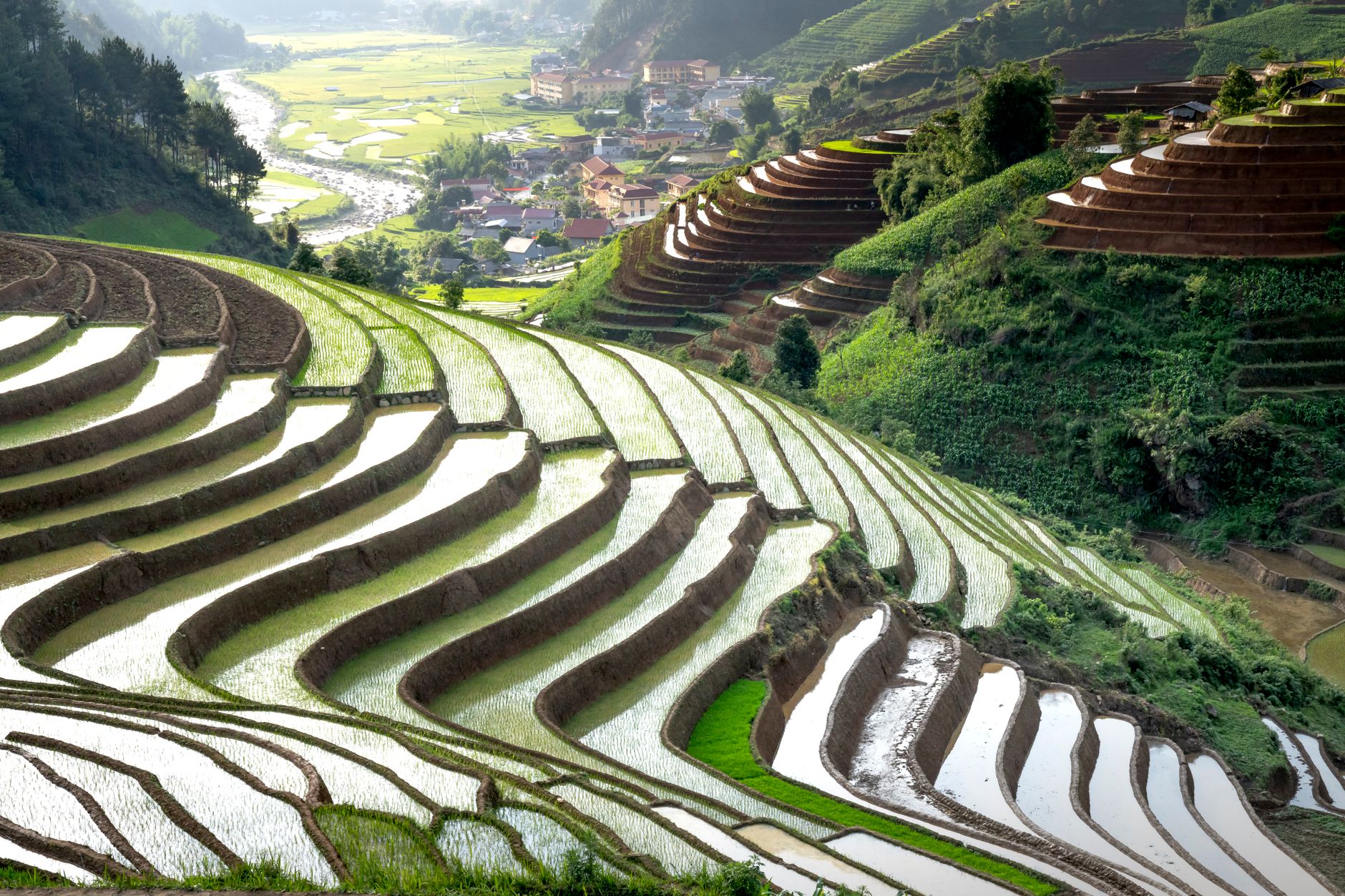
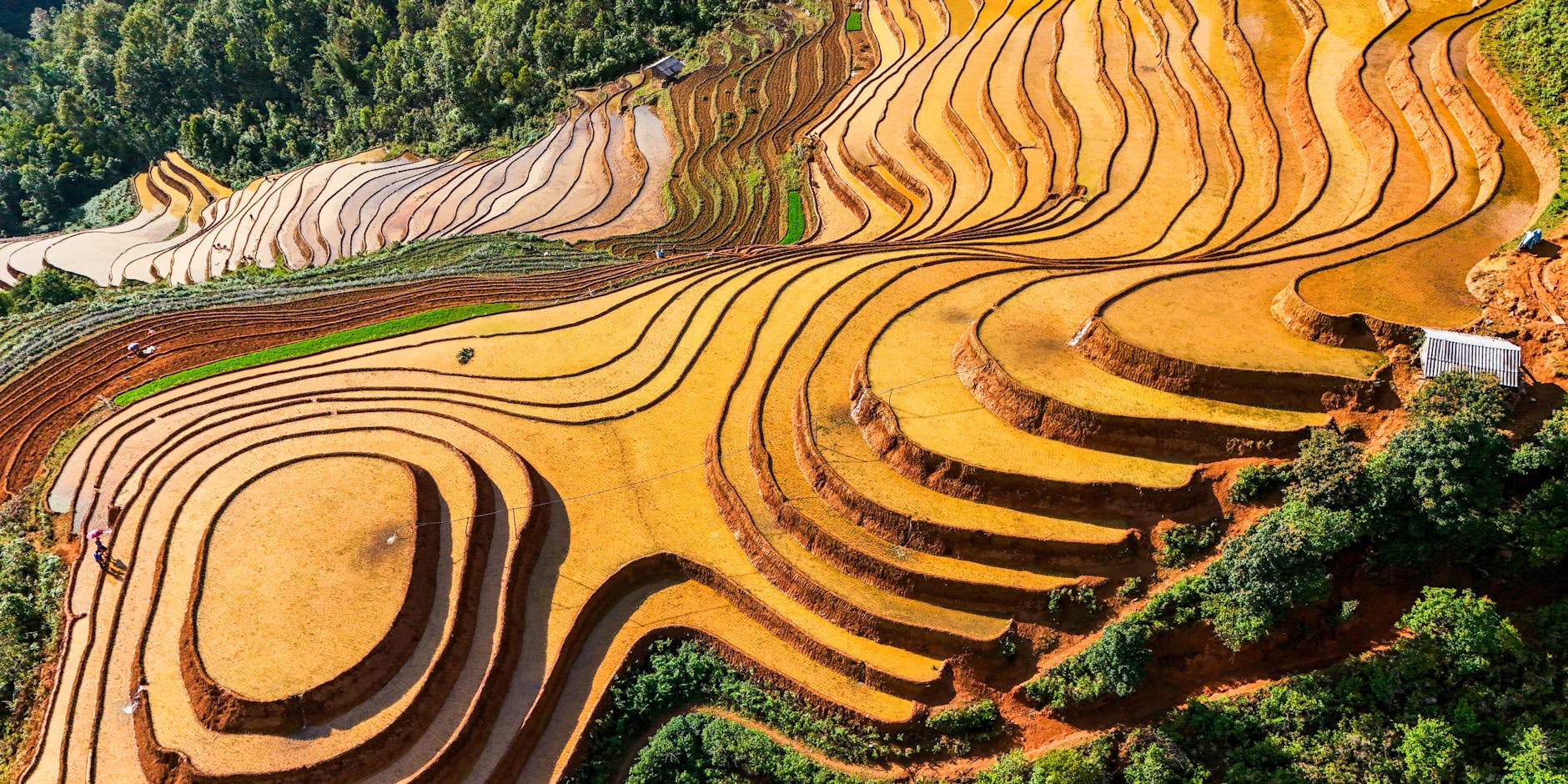
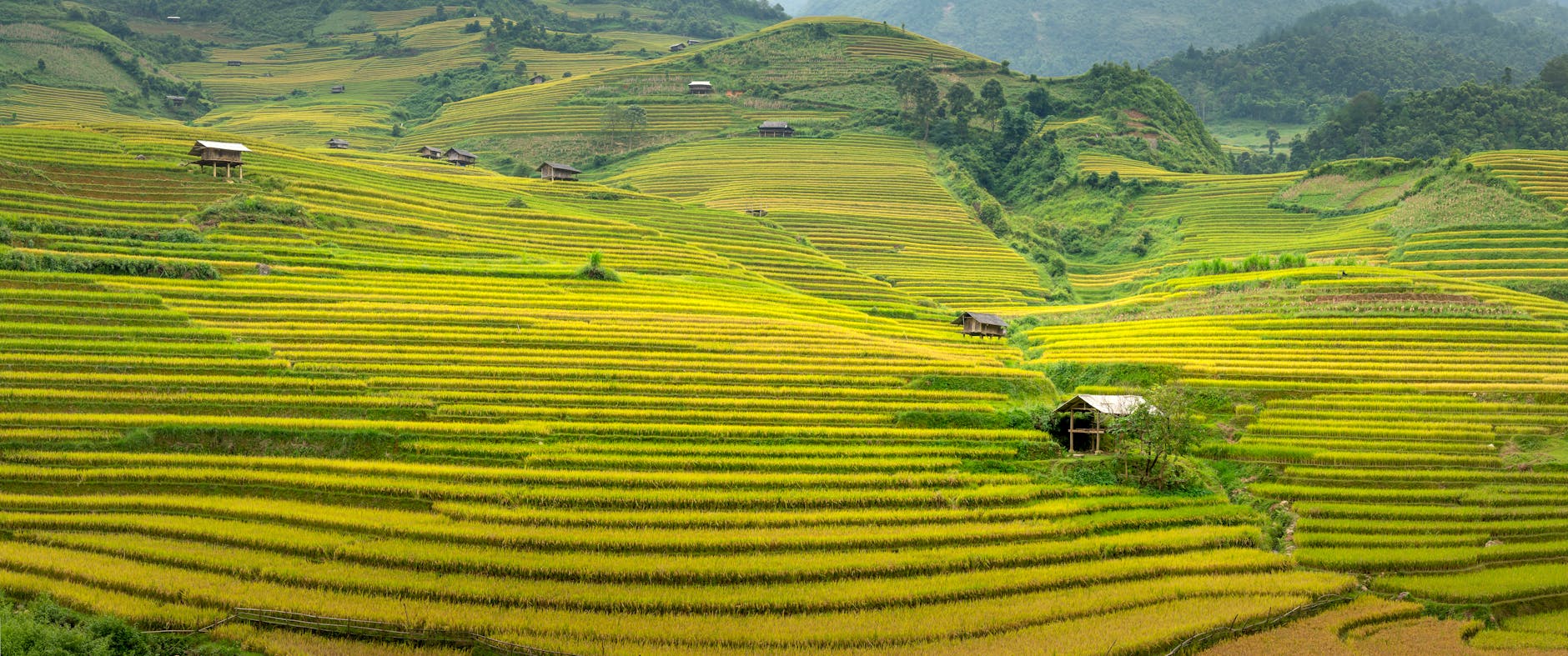
These terraces hold national heritage status. Harvest runs roughly September to early October, with water-filling from May to June. Paragliding happens around harvest, so check that year's festival dates. The 2026 season has passed, and the next harvest arrives in September 2027.
Tú Lệ and Nghĩa Lộ (Mường Lò)
Thái culture shapes this valley: green sticky rice, xòe dance, and the Mường Lò culture and tourism festival, which opened on 16 October 2026. Treat it as ongoing or just ended, and check the next edition. Unofficial resales of free festival tickets appeared in 2026, so buy only through official channels.
Thác Bà lake
Vietnam's largest artificial lake holds over 1,300 islands. It works as a quiet alternative rather than a headline attraction.
Suối Giàng and Ta Chì Nhù
Ancient Shan Tuyết tea trees and trekking routes reward travelers with extra time.
When to go: month-by-month reality check
Sa Pa averages 228 rainy days a year. July rainfall peaks at 461 mm across 25.6 rainy days. January recorded a low of −6.1 °C, while Lào Cai city reaches average highs of 32.7 °C from June to August.
| Month | Sa Pa temp range | Rainfall / rainy days | Terraces | Events | Verdict |
|---|---|---|---|---|---|
| Jan | Cold, near 0 °C nights | Low | Bare | Tết prep | Cold, occasional snow |
| Feb | Cold | Low | Bare | Gầu Tào, Lồng Tồng begin | Festival window opens |
| Mar | Mild | Low | Bare | Festival season | Blossoms, good visibility |
| Apr | Mild | Moderate | Bare | Fewer events | Comfortable |
| May | Warm | Rising | Water-filling | Local festivals | Green terraces start |
| Jun | Hot | High | Green growth | Few | Rain builds |
| Jul | Hot | 461 mm, 25.6 days | Green | Few | Wettest month, landslide risk |
| Aug | Warm | High | Green to gold | Few | Rain continues |
| Sep | Mild | Falling | Golden harvest | Paragliding | Peak terrace season |
| Oct | Mild | Low | Golden harvest | Mường Lò festival | Best overall window |
| Nov | Cool | Low | Bare | Few | Clear skies |
| Dec | Cold | Low | Bare | Few | Snow possible |
Terrace calendar
Water-pouring runs May to June, green growth June to August, golden harvest mid-September to October, and bare fields November to April.
Winter and snow
December to February brings cold, fog and occasional snow. Sa Pa nights drop near 0 °C, and snow is never guaranteed.
Rainy season risk
July to September brings landslides and road closures. Typhoon Yagi in 2024 caused severe floods and a landslide disaster. In 2026, floods damaged about 2,355 ha of farmland, worth over VND 295 billion ($11 million). Check road status before travel.
Festival windows
Gầu Tào (Hmong), Lồng Tồng (Tày) and Roóng Pọc (Giáy) usually fall from late January to March. With Tết on 6 February 2027, the likely window runs February to March 2027. Verify local dates closer to travel.
Where to stay
Sa Pa town vs Mường Hoa valley vs village homestays
Town offers walkability but noise and fog. Mường Hoa valley trades convenience for views. Village homestays give immersion but limited heating and hot water in winter.
Lào Cai city
Book here only for early trains, border logistics or a budget stop.
Bắc Hà, Mù Cang Chải, Y Tý
Small guesthouses and homestays dominate. Book ahead in harvest season, and expect limited heating in winter.
Price bands
| Style | Lodging | Food | Transport | Daily total |
|---|---|---|---|---|
| Budget | 150,000–350,000 VND ($6–13) | 100,000–200,000 VND ($4–8) | 100,000–200,000 VND ($4–8) | 350,000–750,000 VND ($13–29) |
| Mid-range | 400,000–900,000 VND ($15–35) | 250,000–450,000 VND ($10–17) | 300,000–600,000 VND ($12–23) | 950,000–1,950,000 VND ($37–75) |
| Comfortable | 1,000,000–3,000,000 VND ($38–115) | 500,000–900,000 VND ($19–35) | 700,000–1,500,000 VND ($27–58) | 2,200,000–5,400,000 VND ($85–208) |
Weekends and harvest season push prices sharply higher.
How many days to stay and sample itineraries
2 to 3 days
Sa Pa only, reached by night train or limousine.
4 to 5 days
Sa Pa plus Bắc Hà (timed for Sunday) or Y Tý.
7 to 9 days
The full loop: Hà Nội, Nghĩa Lộ or Tú Lệ, Mù Cang Chải, Sa Pa, Bắc Hà, back to Hà Nội. Travel time makes this tiring, so a driver helps.
What to skip if short on time
Skip Lào Cai city unless transiting, and skip Thác Bà lake if you have under a week.
Food, money and practical tips
What to eat
Smoked buffalo (thịt trâu gác bếp), cold-water sturgeon and salmon, lợn cắp nách, five-colour sticky rice (xôi ngũ sắc), thắng cố, Mường Khương chili sauce, San Lùng and táo mèo wine, and Tú Lệ cốm.
Money and budget
ATMs exist in Sa Pa and Lào Cai city but thin out in remote communes. Carry cash for homestays, markets and small vendors.
Health and safety
Pack cold gear, respect altitude on Fansipan, and take motorbike accident risk seriously. Travel insurance matters here. Watch for touts claiming attractions are closed, fake guides, and resold train tickets.
Latest news in short
The 2025 merger reshaped administrative names. Road projects continue. The Lào Cai–Hà Nội–Hải Phòng railway stays in land clearance. The Mường Lò festival opened 16 October 2026, and flood damage earlier in 2026 affected farmland, so check road conditions in the rainy season.
FAQ
Q: Which region of Vietnam is Lào Cai in? A: Northern Vietnam, in the Northwest (Tây Bắc Bộ) geographically and the Northern Midlands and Mountains region economically. It borders Yunnan, China, for about 182 km, plus Tuyên Quang, Phú Thọ, Lai Châu and Sơn La.
Q: What does "Lào Cai" mean? A: It derives from Lão Nhai (老街), "old street" or "old market". Hmong pronunciation became "Lao Cai", the French recorded it as Lao-Kay, and "Lào Cai" became standard after November 1950.
Q: Who is famous from Lào Cai? A: The region is known more for historical figures than celebrities, including the Hmong chieftain Hoàng A Tưởng, associated with the Bắc Hà palace, and figures tied to the 1930 Yên Bái uprising in the merged province.
Q: What is the latest news for visitors to Lào Cai? A: The province now includes Yên Bái, the Mường Lò festival opened on 16 October 2026, and the Lào Cai–Hà Nội–Hải Phòng railway remains in land clearance. Flooding in 2026 damaged farmland, so check road conditions in the rainy season.
Q: Is Lào Cai the same as Sa Pa? A: No. Sa Pa is a highland tourist area inside the province, about 35 km from Lào Cai city, the border gateway. Most travelers go straight from the station to Sa Pa and skip the city.
Q: When is the best time to visit Lào Cai? A: Mid-September to October for golden terraces, and March to May for milder weather and blossoms. Avoid July to August if your schedule is fixed, since rain, fog and landslide risk peak.
Q: Can foreigners cross into China at Lào Cai? A: Yes, via the Lào Cai–Hekou crossing, but a Chinese visa or an applicable exemption is required, and conditions change. Verify before travel.
Q: How many days are enough for Lào Cai? A: Two to three days for Sa Pa alone, four to five days with Bắc Hà or Y Tý, and a week or more for a loop including Mù Cang Chải and Nghĩa Lộ.