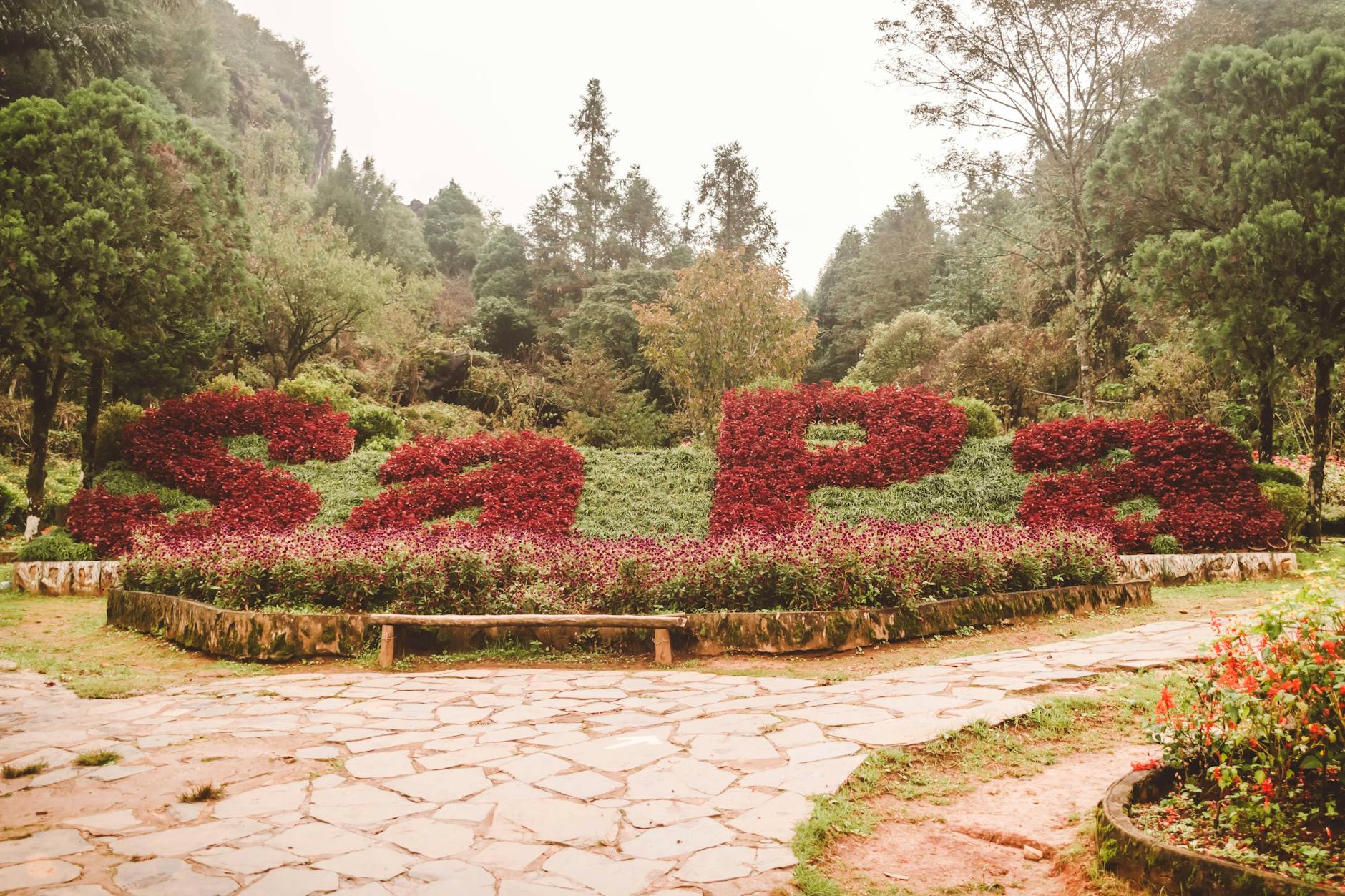
How the Hanoi to Sa Pa Journey Really Works
The geography of northern Vietnam imposes a reality that many travelers ignore until it's too late. Sa Pa does not have a train station. The railway line ends in Lao Cai, a border city with China located 35 km northwest of Sa Pa. The train journey covers 296 km from Hanoi to Lao Cai. Then, a second transport is needed to go up the mountain to Sa Pa.
The bus, on the other hand, covers the 320 km by road and drops you off directly in the center of Sa Pa, on Cầu Mây Street or the main square. There is no intermediate transfer. You arrive, get off, and you're in the town.
This logistical detail makes a huge difference in the first-day experience. With the train, you arrive in Lao Cai between 5:30 AM and 6:30 AM. With the bus, you arrive in Sa Pa between 3:00 AM and 4:00 AM, or between 11:00 AM and 12:00 PM if you take a daytime bus.
Night Train to Sa Pa: What You Need to Know
Night trains to Sa Pa are an institution of tourism in Vietnam. They are not high-speed trains. They are trains on the unified Hanoi-Lao Cai line, with carriages managed by private operators who rent space from Vietnam Railways.
Main Operators in 2026:
| Operator | Assigned Train | Cabin Type | One-way Price (VND) | One-way Price (USD) | Quality |
|---|---|---|---|---|---|
| Fansipan Express | SP1/SP3 | Shared 4-berth | 850,000 | 33 | High |
| Fansipan Express | SP1/SP3 | VIP 2-bed | 1,500,000 | 58 | High |
| Chapa Express | SP1/SP3 | Shared 4-berth | 800,000 | 31 | High |
| Chapa Express | SP1/SP3 | VIP 2-bed | 1,400,000 | 54 | High |
| Livitrans | SP3 | Shared 4-berth | 650,000 | 25 | Medium |
| Livitrans | SP3 | VIP 2-bed | 1,200,000 | 46 | Medium |
| Orient Express | SP1 | Shared 4-berth | 700,000 | 27 | Medium |
| Sapaly Express | SP1/SP3 | Shared 4-berth | 750,000 | 29 | Medium |
| Violette Express | SP3 | Shared 4-berth | 600,000 | 23 | Low-Medium |
| King Express | SP1/SP3 | Shared 4-berth | 550,000 | 21 | Low |
The indicated prices are for purchase at the ticket counter at Hanoi station. On online platforms like 12GoAsia or Baolau, the same tickets cost between 30% and 50% more.
Departure Times:
- SP1: departs Hanoi at 9:40 PM, arrives in Lao Cai at 5:30 AM
- SP3: departs Hanoi at 10:00 PM, arrives in Lao Cai at 6:10 AM
What the Ticket Includes:
- Assigned bed in shared or private cabin
- One bottle of water (500 ml)
- A light snack (cookies or a small cake)
- Blanket and pillow
- Wet wipe
What is Not Included:
- Dinner on board (no dining car on these trains)
- Transfer from Lao Cai to Sa Pa
- Travel insurance
Night Bus to Sa Pa: The Modern Alternative
The night bus to Sa Pa has improved greatly since the opening of the Noi Bai-Lao Cai highway in 2014. Previously, the journey took 8-9 hours on mountain roads. Now it's 5-6 hours on the highway, with a final 35 km stretch on a conventional road.
Main Companies in 2026:
| Company | Duration | Price (VND) | Price (USD) | Seat Type | Included Services |
|---|---|---|---|---|---|
| Sapa Express | 5.5 h | 350,000 | 14 | 180° reclining bed | Water, blanket, wifi |
| Sapa Shuttle Bus | 5.5 h | 300,000 | 12 | 160° reclining bed | Water, blanket |
| Inter Bus Lines | 6 h | 250,000 | 10 | 160° reclining bed | Water |
| Sapa Luxury | 5 h | 450,000 | 18 | Individual curtained cabin | Water, blanket, wifi, snack |
| King Express Bus | 6 h | 200,000 | 8 | 150° reclining bed | Water |
Departure Times:
- Night buses: 9:00 PM to 11:00 PM (arrival 3:00 AM to 5:00 AM)
- Daytime buses: 6:00 AM to 8:00 AM (arrival 11:00 AM to 2:00 PM)
- Afternoon buses: 2:00 PM to 4:00 PM (arrival 7:00 PM to 10:00 PM)
Practical Tip: If you take the night bus, you arrive in Sa Pa between 3:00 AM and 5:00 AM. Make sure you have accommodation booked and confirm they accept check-in at that time. Some hotels close their reception after midnight.
Direct Comparison: Train vs Night Bus
| Criteria | Train | Bus | Winner |
|---|---|---|---|
| Minimum Price | 550,000 VND (21 USD) | 200,000 VND (8 USD) | Bus |
| Total Door-to-Door Duration | 9-10 h (includes Lao Cai-Sa Pa transfer) | 5-6 h | Bus |
| Sleep Quality | Good (horizontal bed, less movement) | Acceptable (reclining bed, curves) | Train |
| Cleanliness | Varies by operator | Varies by company | Tie |
| Safety | High (occasional theft in shared cabins) | Medium-High (road accidents) | Train |
| Privacy | Possible (private cabin) | Possible (individual curtained cabin) | Tie |
| Cultural Experience | High (classic Vietnamese journey) | Low (modern bus, no charm) | Train |
| Arrival Logistics | Bad (need to arrange transfer) | Excellent (arrive directly in center) | Bus |
The Experience of Traveling by Night Train
Train beds measure 1.83 meters long by 62 cm wide. They are narrow but allow you to sleep fully stretched out. The train movement is constant but predictable, a rhythmic swaying on the tracks. There are no sharp curves like on the mountain road.
Train noise is moderate. You can hear the wheels hitting the rails and the whistle at crossings. The carriages have air conditioning which is usually too cold. The blanket provided is thin. Bring a jacket or thick sweater.
Bathrooms are at the end of each carriage. They are Vietnamese-style toilets: a squat toilet, toilet paper you must bring yourself, and water to wash your hands from a tap over a small sink. Don't expect impeccable cleanliness at 3 AM.
Warning: In shared 4-berth cabins, theft occurs. Bring a small padlock to secure your backpack to the bed frame. Keep your phone, wallet, and passport in a fanny pack or bag that sleeps with you.
Onboard service includes a visit from the attendant offering free drinks (tea or instant coffee) and snacks. Don't expect a full menu. Bring your own dinner or buy something at Hanoi station before boarding.
The Experience of Traveling by Night Bus
Vietnamese sleeper buses have two rows of reclining beds, usually in a 2-1 or 2-2 configuration. The beds recline up to 160 or 180 degrees, depending on the company. Legroom is limited if you are taller than 1.75 meters.
Engine noise is constant. Cheaper buses have louder engines and harder suspensions. The mountain road between Lao Cai and Sa Pa has sharp curves for the last 35 km. In these sections, the bus brakes, accelerates, and turns constantly. Sleeping in these conditions is difficult.
Buses make one technical stop mid-journey, usually at a highway service station. The stop lasts 15-20 minutes. There are toilets (with toilet paper you must bring) and snack shops. Use it to stretch your legs.
Practical Tip: If you travel by night bus, sit on the top row (the one above the driver) if you want less movement. The rear seats suffer more from the curves.
Security for belongings on the bus is worse than on the train. Large backpacks go in the lower luggage compartment. Small backpacks you can keep with you on the bed, but space is limited. Bring a small bag with your valuables and leave the big one below.
How to Get from Lao Cai to Sa Pa if You Choose the Train
If you take the train, upon arriving in Lao Cai a chaotic scene awaits you. The station is full of minibus and taxi drivers offering to take you to Sa Pa. The prices they initially ask are inflated.
Real Options:
- Shared minibus: 30,000-50,000 VND per person (1-2 USD). This is the cheapest option. The minibus waits to fill up (about 12 people) before departing. The wait can be 15 to 30 minutes.
- Private taxi: 200,000-300,000 VND (8-12 USD). Negotiate the price before getting in. Use recognized taxi companies like Mai Linh or Vinasun.
- Local bus: 20,000 VND (0.80 USD). Departs from Lao Cai bus station, 1 km from the train station. Ask for bus number 1 or 2 going to Sa Pa.
- Hotel pickup: Some hotels in Sa Pa offer free pickup if you book accommodation with them. Ask before booking.
Warning: Do not pay more than 50,000 VND for the shared minibus. If a driver asks for 100,000 VND or more, they are trying to scam you. Walk to another vehicle or look for the local bus stop.
Safety and Real Risks of Each Option
Night Train:
- Theft in shared cabins: the risk is real, especially if you travel alone and share a cabin with strangers. Use a padlock and keep valuables with you.
- Falls from the top bunk: the safety railing is low. If you move a lot while sleeping, request a lower bunk.
- Delays: trains in Vietnam are frequently delayed. A 30-60 minute delay is common.
Night Bus:
- Traffic accidents: the Hanoi-Sa Pa road has mountain sections with sharp curves. Accidents happen, especially with low-cost bus companies that maintain their vehicles poorly. Official statistics are unreliable, but local press reports record several serious accidents per year on this route.
- Fatigued drivers: night bus drivers work long shifts. Some drive under the effects of fatigue or stimulants.
- Faulty brakes: on long downhill mountain stretches, brakes can overheat. Low-cost companies sometimes do not maintain brakes properly.
Tip for Solo Female Travelers: For solo female travelers, the train in a private VIP 2-bed cabin offers more security than the night bus. On the bus, you are in an open space with other passengers all night. On the train, a private cabin with a lockable door gives you total control over your space.
Which is Better According to Your Trip Type?
Travelers with limited time: Night bus. You arrive directly in Sa Pa and gain 3-4 hours of time the next day.
Tight budget: Night bus. From 200,000 VND (8 USD) compared to 550,000 VND (21 USD) for the cheapest train.
Families with children: Train in a private VIP 2-bed cabin. Children can sleep stretched out and there is space to move. The bathroom is nearby.
Couples seeking privacy: Train in a VIP 2-bed cabin. The door locks and there is intimacy. On the bus, individual curtained cabins offer visual privacy but not auditory privacy.
Backpackers: Night bus. It is cheaper and faster. The price difference allows for an extra day of accommodation in Sa Pa.
Travelers with back problems or reduced mobility: Train in a lower berth. Sleeping stretched out without sudden movement is better for the back than a reclining bed on a bus that takes curves.
Those who prioritize experience over efficiency: Night train. The experience of traveling by train through northern Vietnam is part of the trip. The bus is just transport.
How to Book and Avoid Scams
Buy at Hanoi station: Hanoi train station (Ga Hà Nội) has ticket counters selling tickets for SP1 and SP3 trains. Prices are official. Arrive at least 2 hours before departure to make the purchase.
Buy at local agencies: Travel agencies in Hanoi's Old Quarter sell train and bus tickets. Prices are 10-20% higher than at the ticket counter, but you save time and queues.
Buy online: Platforms like 12GoAsia and Baolau sell tickets with a 30-50% surcharge. They are useful if you travel in high season and want to secure your seat. The prices you see online include commissions not shown at the ticket counter.
Signs of Overpricing:
- A train ticket costing more than 1,500,000 VND (58 USD) for a 4-berth cabin is overpriced.
- A bus ticket costing more than 500,000 VND (20 USD) for a normal journey is overpriced.
- Agencies offering "exclusive tickets" or "special carriages" are usually selling the same ticket as the ticket counter with a higher margin.
Practical Tip: If you arrive in Hanoi and plan to travel to Sa Pa in the next 2-3 days, buy the ticket in person at the train station or at the Sapa Express office on Lương Văn Can Street. You will save between 100,000 and 300,000 VND.
Frequently Asked Questions Answered
Q: What is the schedule for trains from Hanoi to Sa Pa? The SP1 and SP3 night trains depart Hanoi between 9:40 PM and 10:00 PM. They arrive in Lao Cai between 5:30 AM and 6:10 AM the next day. There is no direct train to Sa Pa. The train stops in Lao Cai, 35 km from Sa Pa.
Q: Is there a night train from Sa Pa to Hanoi? Return trains depart from Lao Cai, not Sa Pa. The SP2 and SP4 trains depart Lao Cai between 8:35 PM and 9:05 PM and arrive in Hanoi between 4:45 AM and 5:09 AM. You need to take a minibus or taxi from Sa Pa to Lao Cai before departure.
Q: What time does the night train from Hanoi to Sa Pa leave? There are two main departures. The SP1 train departs at 9:40 PM and the SP3 at 10:00 PM. Both take between 8 and 9 hours to reach Lao Cai. Schedules may vary slightly depending on the operator and season.
Q: What is better, the night bus or the train for going to Sa Pa? It depends on priorities. The bus is faster (5-6 hours), cheaper (from 200,000 VND), and drops you off in the center of Sa Pa. The train offers more space to sleep stretched out and a more traditional experience, but requires an extra transfer from Lao Cai (35 km) and costs twice as much or more.
Q: Is the night bus from Hanoi to Sa Pa safe? Generally yes, but there are risks. The Hanoi-Sa Pa road has mountain sections with sharp curves. Vietnamese drivers are usually experienced, but accidents happen, especially with low-cost bus companies. It is recommended to choose recognized companies like Sapa Express or Inter Bus Lines.
Q: Can I book the night train to Sa Pa online? Yes, through platforms like 12GoAsia or Baolau. However, online prices are usually 30-50% more expensive than buying at Hanoi station or local agencies. If you have time, buying in person saves money, but in high season tickets sell out.
Q: Which train operator to Sa Pa is the best? Fansipan Express and Chapa Express have the best ratings for cleanliness and service. Orient Express and Livitrans offer good value for money. Avoid carriages managed directly by Vietnam Railways (without an operator name) if you seek comfort.
Q: How much does the transfer from Lao Cai to Sa Pa cost? The shared minibus costs between 30,000 and 50,000 VND per person (1-2 USD). A private taxi costs between 200,000 and 300,000 VND (8-12 USD). Some hotels offer free pickup if you book accommodation with them. Be wary of prices exceeding 100,000 VND on the minibus.
For more information on planning your trip to northern Vietnam, check out our complete guide to Visiting Sapa and the detailed comparison of Hanoi to Sapa in 2026: Trains, Buses & Costs Compared.