This guide breaks down Hue's weather month by month, explains how the festival calendar shifts demand, and gives a straight answer on when to book your flights.
The short answer: when to go
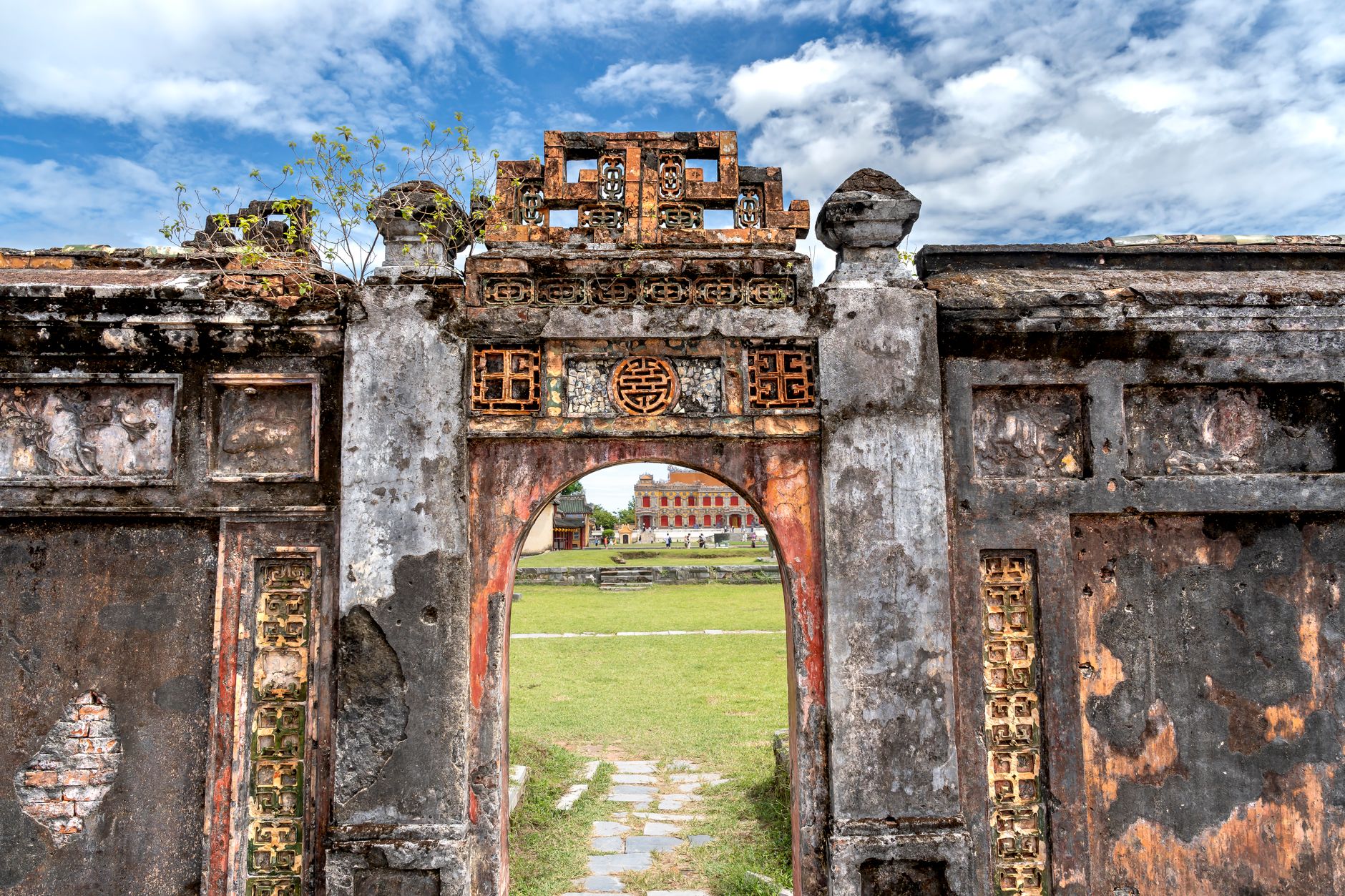
The sweet spot runs from February through April. Rain tapers off, temperatures sit between 20°C and 32°C, and the sky clears enough for the Citadel's purple walls and the tombs' lakes to photograph well. March is the pick of the bunch. The tail end of the northeast monsoon has passed, the humidity drops, and the city feels fresh without the oppressive heat of May.
The worst months are October and November. Hue receives its heaviest rainfall of the year, and the Perfume River regularly breaches its banks. Streets flood, some tombs close, and the drive to Da Nang through the Hai Van Pass can become hazardous. If your schedule only allows autumn travel, plan for indoor activities and pack sandals that handle water.
Hue weather by season
Spring (February to April): the reliable window
February starts cool. Mornings sit around 17°C, and a light jacket helps until midday. The rain has mostly stopped, though drizzly days still appear. March and April warm up steadily. By late April, the temperature climbs past 33°C, and the sun gets serious.
This is also festival season. The Hue Festival, a biennial celebration of the city's imperial heritage, runs in even-numbered years. In 2026, it lands in April. The festival brings parades, ao dai shows, and traditional music to the Citadel. It also brings crowds and higher hotel prices. Book accommodation three months ahead if you plan to attend. For the full festival rundown, see the dedicated Hue Festival guide.
Summer (May to August): hot, humid, and quiet
Summer in Hue is uncomfortable. Temperatures regularly hit 38°C, and the lack of ocean breeze makes the city feel like a brick oven. The Citadel's open courtyards offer no shade, and walking the walls at midday drains most people within an hour.
The upside: fewer tourists, cheaper hotels, and long daylight hours. Start sightseeing at 7am, retreat for a long lunch and a nap, then resume at 4pm. The royal tombs, especially Minh Mang and Khai Dinh, have shaded corridors that make them more bearable than the Citadel. Thuan An Beach, 15 kilometers east, provides a proper escape. The water stays calm and the beach bars serve cold beer.
Autumn (September to November): the flood risk
September brings the first serious rain. October is the wettest month of the year, with an average of 600mm falling across 20 days. November remains wet but slightly less intense.
Flooding is a real risk in October and November. The low-lying areas near the Perfume River, including parts of the south bank, can sit under a meter of water for days. When this happens, motorbikes stop, schools close, and some hotels lose power. The Citadel's walls keep the imperial enclosure mostly dry, but the surrounding streets become impassable.
If you arrive during a flood warning, contact your hotel directly. Most have contingency plans and can arrange transport to higher ground. The airport at Phu Bai, 15 kilometers south, rarely closes, so leaving is usually possible. For more on typhoon season across the region, check the central Vietnam typhoon guide.
Winter (December to January): cool, grey, and atmospheric
December and January bring the coolest weather of the year. Daytime highs hover around 23°C, and nights drop to 15°C. The rain eases compared to autumn, but overcast skies dominate. This is the best time for photography if you want moody shots of the Citadel reflected in wet stone.
The cold surprises many visitors. Hue's winter chill feels damp and penetrating, and the city's buildings lack central heating. Pack a fleece or light down jacket. The upside: January is one of the quietest months, and hotel prices drop to their annual low.
Hue festival calendar: what changes when you visit
Hue runs on a festival rhythm that affects both crowds and prices. Here is what to expect throughout the year.
Tet (late January or February)
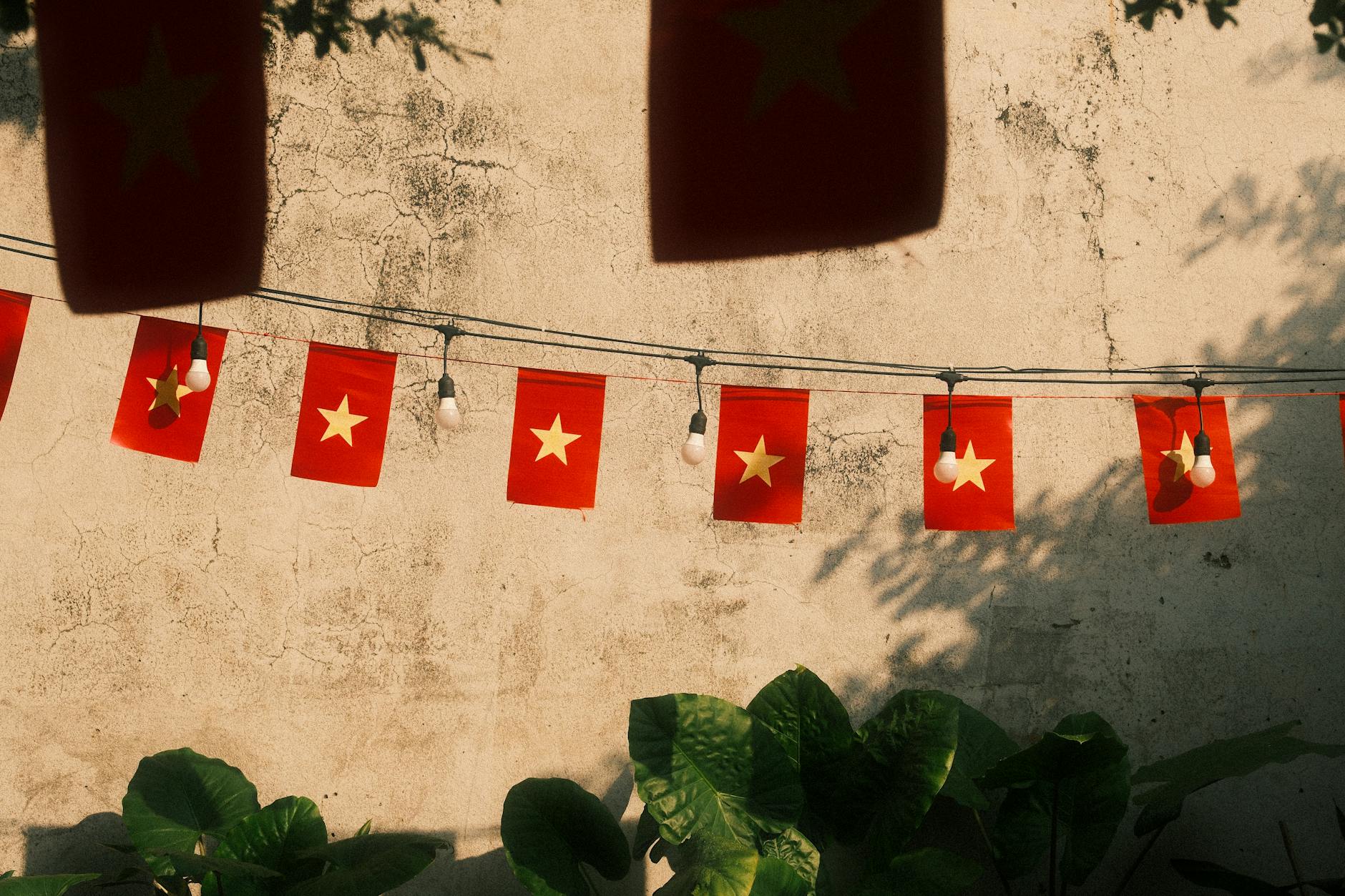
Tet, the Lunar New Year, shuts down Vietnam. In 2026, Tet falls on February 17. The week before and after sees the city transform. Markets overflow with peach blossoms and banh chung, families return to their hometowns, and many restaurants close for several days. The Citadel and tombs remain open but operate on reduced hours.
Traveling during Tet has one major advantage: the city feels genuinely local. Families gather in parks, children fly kites, and the festive atmosphere is unlike anything else. The downside: transport books out weeks ahead, and many small eateries shut completely. If you plan to visit during Tet, read the Tet survival guide and book everything early.
Hue Festival (April, even-numbered years)
The Hue Festival is the city's signature event. It runs for about a week in April and includes opening ceremonies at the Citadel's Noon Gate, ao dai fashion shows, royal court music performances, and a food fair along the riverfront.
The 2026 edition runs from April 24 to May 1. Expect the city to feel busy but not overwhelming. The festival attracts mostly domestic tourists and a smaller number of international visitors. Hotels in the south bank fill up first. If you want to stay near the action, book by January.
Hung Kings Festival (10th day of the third lunar month)
This national holiday honors Vietnam's legendary founders. In Hue, the main celebrations happen at the Hung Kings Temple on the north bank. Expect incense offerings, traditional music, and a steady stream of locals paying respects. The holiday falls on April 25 in 2026, which overlaps with the Hue Festival. The city gets noticeably busier during this period.
Mid-Autumn Festival (September or October)
The Mid-Autumn Festival falls on the 15th day of the eighth lunar month, which lands on September 25 in 2026. Hue celebrates with lantern processions through the Citadel, mooncake stalls, and lion dances. The festival atmosphere is family-oriented and charming. The weather, however, is starting to turn wet. If the festival is your priority, plan for rain.
Month-by-month breakdown
| Month | Avg high | Avg low | Rainfall | Crowds | Verdict |
|---|---|---|---|---|---|
| January | 23°C | 15°C | 120mm | Low | Cool, grey, quiet |
| February | 25°C | 17°C | 50mm | Low | Good, Tet disruption possible |
| March | 28°C | 19°C | 40mm | Medium | Best month overall |
| April | 32°C | 22°C | 60mm | High | Good, festival crowds |
| May | 35°C | 25°C | 90mm | Medium | Hot but manageable |
| June | 37°C | 27°C | 60mm | Medium | Very hot |
| July | 38°C | 28°C | 50mm | Medium | Hottest month |
| August | 37°C | 27°C | 130mm | Medium | Hot, rain returning |
| September | 33°C | 24°C | 300mm | Low | Wet, flood risk begins |
| October | 29°C | 22°C | 600mm | Low | Heaviest rain, flooding |
| November | 26°C | 19°C | 400mm | Low | Wet, flood risk continues |
| December | 23°C | 16°C | 200mm | Low | Cool, damp, atmospheric |
How the weather affects sightseeing
Hue's attractions split into two categories: the Citadel and the tombs. Both are outdoor experiences, and neither works well in heavy rain.
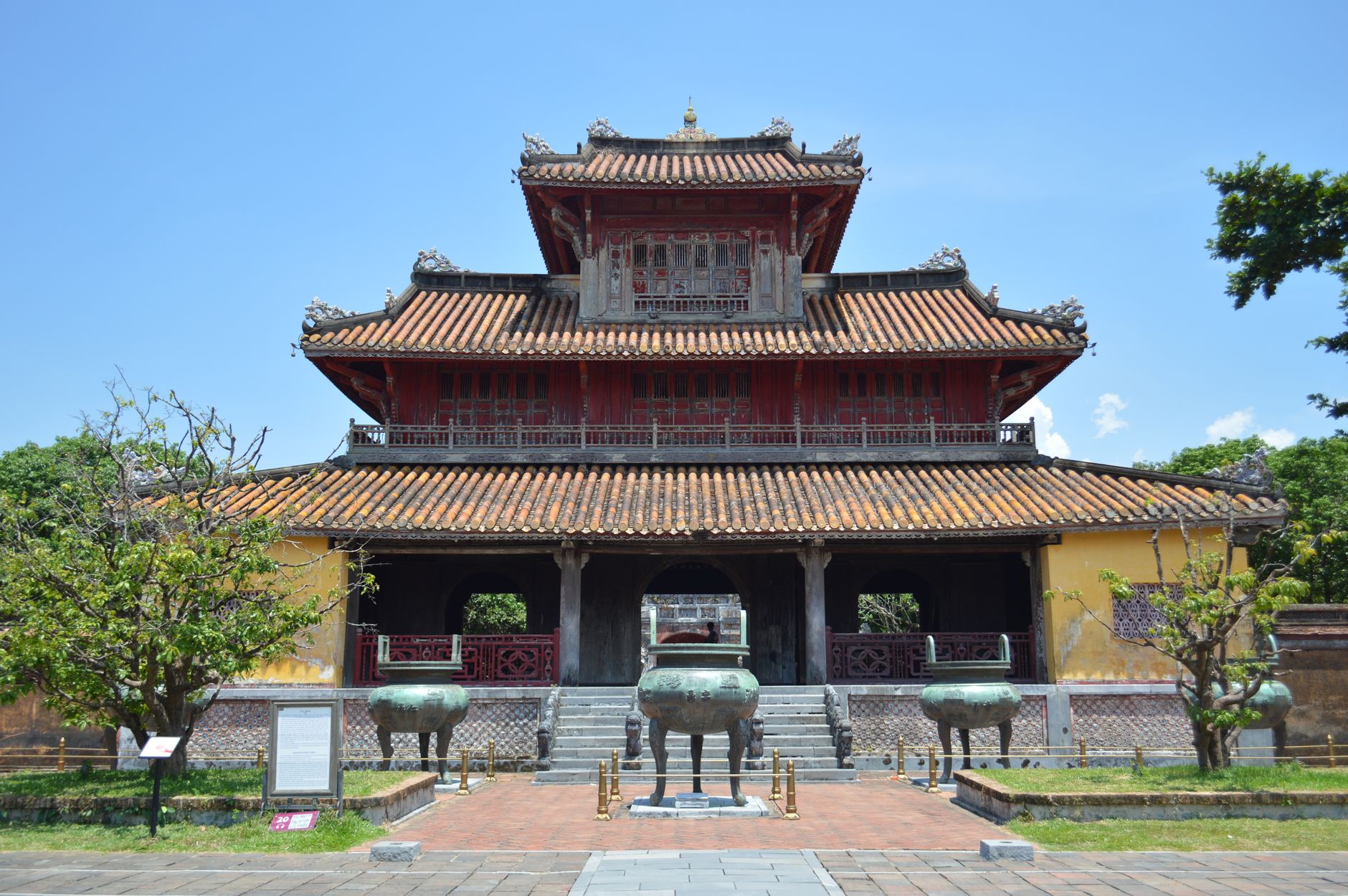
The Imperial Citadel is a large walled complex on the north bank. The main sights, including the Noon Gate, Thai Hoa Palace, and Forbidden Purple City, involve significant walking across open courtyards. In summer heat, this becomes exhausting. In October rain, it becomes miserable. The best conditions are February through April, when the temperature allows a relaxed three-hour visit.
The royal tombs scatter across the city's southwest. Each requires its own entry ticket and involves walking through gardens and along lakes. Minh Mang Tomb offers the most pleasant grounds, with shaded paths and a large lake. Khai Dinh Tomb is smaller but has the most impressive architecture. Tu Duc Tomb sits in a pine forest and feels the most peaceful. None of these are worth visiting in a downpour. The full list of attractions is covered in the Hue things to do guide.
The Perfume River itself changes character with the seasons. During dry months, the water runs low and green. During autumn floods, it turns brown and rises several meters. Boat trips along the river, including the classic route to Thien Mu Pagoda, operate year-round but run fewer departures in heavy rain.
Where to stay by season
Your choice of neighborhood matters more in Hue than in most Vietnamese cities because of the flood risk.
The south bank, centered around Le Loi Street and the night market, holds most of the hotels, restaurants, and bars. It floods first when the river rises. During October and November, check flood forecasts before booking ground-floor rooms.
The north bank, near the Citadel, sits slightly higher. It feels more local and quieter at night. The area around the Dong Ba Market offers cheap guesthouses and easy access to the Citadel's main gate.
For a full breakdown of neighborhoods and hotel picks, see the Hue accommodation guide.
Practical considerations for each season
Packing for Hue's weather
Hue's climate demands layers. Even in March, mornings can start cool and afternoons turn hot. A light jacket, a rain shell, and comfortable walking shoes cover most situations. For summer, add a hat, sunscreen, and a refillable water bottle. For winter, bring a fleece and consider a compact umbrella.
Getting around in the rain
Hue's streets flood quickly during heavy rain. Motorbikes struggle in water above the wheel hub, and walking becomes impossible. When this happens, the cyclo drivers disappear and Grab motorbikes stop accepting rides. The best option is a Grab car, which handles flooded streets better. If you book a hotel with a driver service, they will know which routes stay passable.
The Hai Van Pass connection
Hue sits 100 kilometers north of Da Nang, connected by the Hai Van Pass. The mountain road offers stunning views but closes occasionally during typhoons and heavy rain. The alternative is the Hai Van Tunnel, which stays open in most conditions. If you plan to travel between Hue and Da Nang by motorbike, check the weather forecast and avoid the pass during October and November. The Da Nang weather guide has more detail on the regional patterns.
Budget planning by season
Hue is one of Vietnam's more affordable cities, but prices swing with demand.
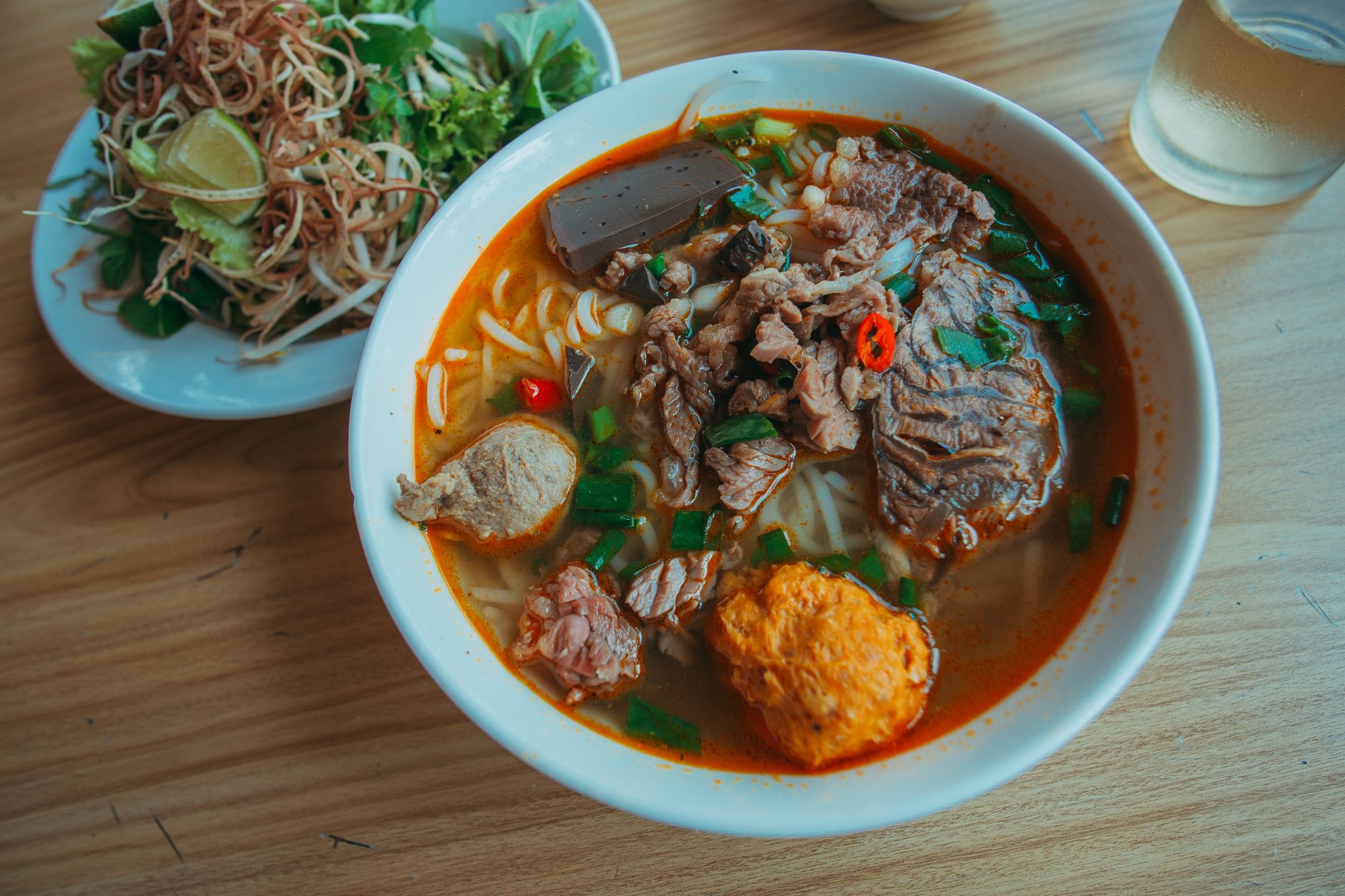
Low season (September to January) sees hotel rooms drop to around 400,000 VND ($16) for a decent double in the south bank. Mid-range hotels, which charge 1,200,000 VND ($47) in peak season, drop to 700,000 VND ($28). Restaurants keep their prices steady year-round, with a bowl of bun bo Hue costing 50,000 VND ($2) regardless of season.
High season (February to April) brings prices up 30 to 50 percent. The Hue Festival in April pushes rates higher still. Book at least two months ahead if you want a specific hotel.
Tet is a special case. Hotels fill with Vietnamese families visiting relatives, and many restaurants close. If you stay during Tet, eat at hotel restaurants or the few street stalls that remain open. The city's food scene is covered in the Hue food guide.
Final verdict
Hue rewards visitors who time it right. The February to April window offers the best balance of weather, accessibility, and atmosphere. March stands out as the single best month: dry, warm, and free of festival crowds. If you can only travel in summer, go early in the morning and accept the heat. If autumn is your only option, monitor flood warnings and keep your itinerary flexible.
The city's imperial heritage deserves more than a rushed stopover between Da Nang and Hanoi. Give it two full days, pick the right season, and Hue will be the highlight of your Vietnam trip.
FAQ
Q: What is the best month to visit Hue? March offers the best conditions. Rain has stopped, temperatures sit around 28°C, and the city has recovered from winter's grey. April works too, but the Hue Festival brings crowds and higher prices.
Q: Does it rain all day in Hue during October? No. October rain comes in bursts, often heavy downpours that last an hour or two, followed by overcast skies. But the cumulative rainfall is massive, and flooding can persist for days. Plan indoor activities and stay flexible.
Q: Is Hue worth visiting during Tet? Yes, but with preparation. The city feels festive and local, and the crowds are lighter than in Hanoi or Hoi An. The main challenges are restaurant closures and limited transport. Book everything in advance and confirm opening hours.
Q: How many days should I spend in Hue? Two full days covers the Citadel, the main tombs, and a river cruise. Three days allows for a DMZ tour or a trip to Bach Ma National Park. The DMZ excursion from Hue is covered in this guide.
Q: What should I pack for Hue in February? A light jacket for mornings and evenings, a rain shell for sudden showers, and comfortable walking shoes. Daytime temperatures reach 25°C, so you will not need heavy winter clothing. A scarf helps at the Citadel, where the wind picks up.
Q: Does the Hue Festival happen every year? No. The main Hue Festival runs biennially in even-numbered years. The 2026 edition runs from April 24 to May 1. Smaller events, including the autumn food festival, happen annually but draw far fewer visitors.