Is Hà Tiên worth visiting? The short answer
Yes, for the right traveller. Hà Tiên suits slow travellers, cyclists, history and food lovers, and anyone moving between Vietnam and Cambodia. The town sits at 10.38°N, 104.48°E, roughly 340 km from Saigon and 8 km from the frontier. It has a population of about 100,000 and a compact centre wedged between the Giang Thành river and the sea.
Skip it if you want resort beaches and nightlife. The coast here is modest and local, not a sunbathing destination. Skip it too if you have only one spare day in the Delta, because the travel eats the time.
Stay two nights. That covers the hills, the caves, the market, a seafood dinner and a bicycle loop without rushing. One night works as a transit stop. Three nights lets you add the Hải Tặc islands or a side trip into Cambodia.
Hà Tiên at a glance: city, town or province?
Is Hà Tiên a city or a town?
Hà Tiên became a provincial city in 2018. Older guidebooks, maps and even some Vietnamese signage still call it a thị xã, which means town. That label is out of date.
The bigger change came in 2025, when Kiên Giang province merged into An Giang. Hà Tiên now belongs to An Giang, not Kiên Giang. Bus tickets, hotel addresses and booking sites may still list the old province for a while, so do not be confused if you see both names. Verify the current ward structure before you travel, since administrative boundaries in Vietnam shift often.
Why is it called Hà Tiên?
The Sino-Vietnamese name 河仙 means "river fairy" or "river immortal". Local legend says water nymphs appeared at Đông Hồ lake, and the name stuck. The area had earlier names too: Mang Khảm, Phương Thành, and the Khmer name Banteay Meas. Each layer reflects a different period of control.
A short history that explains what you see
Around 1700, a Chinese merchant-adventurer named Mạc Cửu arrived from Leizhou and settled the area. In 1708 he placed the territory under the Nguyễn lords, which tied Hà Tiên to Vietnamese rule while keeping its Chinese character.
His son, Mạc Thiên Tứ, turned the town into a literary and trading centre. He founded the Chiêu Anh Các poetry circle in 1736 and wrote the "Ten Views of Hà Tiên", a set of poems describing local landmarks that still shape how the town presents itself.
The good years ended in 1771, when Siamese forces attacked and sacked Hà Tiên. The principality declined, though the town survived as a port and border post.
Today you can still read the layers: Chinese-style temples and tombs, Vietnamese pagodas, and a Khmer community with its own temples and festivals. That mix is the reason the town feels different from the rest of the Delta.
How to get to Hà Tiên
This is the section that decides most trips. Hà Tiên is reachable by boat, bus and car, but not by train. Ignore any source that lists a rail fare.
From Phú Quốc (fast boat)
Fast boats cross from Phú Quốc to Hà Tiên in about 1 to 1.5 hours, depending on the operator and the port. Fares sit in the low hundreds of thousands of VND (roughly $10 to $20). Boats leave from several piers on Phú Quốc, so check which one your ticket uses.
Rough seas can cancel sailings in the wet season, especially September and October. Build a buffer day into your plan if you have a flight to catch. The Hà Tiên pier is a short taxi or motorbike ride from the centre.
Some guides list a 45 km crossing or a 73 km crossing with a "train" fare. Neither is reliable. There is no train, and distances vary by route and port.
From Saigon, Cần Thơ, Châu Đốc and Rạch Giá (bus and car)
Buses and limousine vans run from all the main Delta hubs. A sleeper bus from Saigon takes about 8 to 9 hours. From Cần Thơ, plan on 5 to 6 hours. Châu Đốc is about 2.5 hours away and Rạch Giá about 2 hours.
Fares vary by operator and comfort level. Limousine vans cost more than sleeper buses but are faster and drop you closer to the centre. The Hà Tiên bus station sits a short ride from the waterfront.
| Origin | Mode | Duration | Cost (VND/USD) | Best for |
|---|---|---|---|---|
| Phú Quốc | Fast boat | 1 to 1.5 hours | Low hundreds of thousands (about $10 to $20) | Island hoppers |
| Saigon | Sleeper bus or limousine van | 8 to 9 hours | Mid hundreds of thousands (about $15 to $25) | Long-haul arrivals |
| Cần Thơ | Bus or van | 5 to 6 hours | Low to mid hundreds of thousands | Delta circuit |
| Châu Đốc | Bus or van | About 2.5 hours | Low hundreds of thousands | Mekong route |
| Rạch Giá | Bus or van | About 2 hours | Low hundreds of thousands | Ferry connections |
By air
There is no operating commercial airport in Hà Tiên. Rạch Giá airport, about 90 to 100 km away, has limited flights. Phú Quốc (PQC) is the realistic hub: fly there, then take the boat.
From Cambodia
The Xà Xía to Prek Chak crossing is about 8 km from town. The border section below covers the procedure.
Getting around Hà Tiên: bikes, scooters and taxis
The centre is walkable. The surrounding sights are 5 to 25 km apart, so you need wheels for the hills and the coast.
Bicycle hire is informal. Ask at your guesthouse. Expect to pay less than the dated 2018 figure of about $7 per day that some guides still quote. Motorbike hire is available with a valid licence and insurance, though enforcement varies. Grab and local taxis operate in town, and xe ôm motorbike taxis wait near the market.
The roads are flat and quiet, which makes this one of the easiest places in the Delta for cycling. Stay alert near the border, where trucks move fast, and avoid unlit rural roads after dark.
What to see in Hà Tiên: the town and the hills
Town core
Start at the market precinct. It is best in the early morning and stays lively until about 10:00. Around it, the old shophouse streets and the heritage quarter near Mạc Cửu and Mạc Công Du streets reward a slow walk. The waterfront promenade and the Đông Hồ estuary are good at sunset, when swiftlet houses release their birds in swirling flights.
Mạc Cửu tomb complex and temple
Mạc Cửu's tomb sits on Bình San hill, known locally as Núi Lăng. The climb is short and the lookout over the town and rice plains is the best in the area. Allow an hour.
Tam Bảo and Phù Dung pagodas
These two pagodas hold early Sino-Vietnamese heritage and a quiet atmosphere. Phù Dung is tied to a local legend about a concubine. Both are free to enter, though donations are welcome.
Thạch Động and Hang (Hải Sơn) pagoda caves
The limestone hills east of town hold cave temples. Thạch Động Thôn Vân cave is one of the "Ten Views" and remains the most visited. Hang pagoda, also called Hải Sơn, is larger and darker. Wear shoes with grip.
The main hills to know: Núi Lăng (Bình San), Núi Đá Dựng, Núi Tô Châu, Thạch Động, and the hills near Mũi Nai and Pháo Đài. Each takes under an hour unless you linger.
Coast and islets
Mũi Nai and Pháo Đài mark the coastal edge, with the old fort area nearby. Hòn Phụ Tử, the Father and Son rock, sits offshore and is visible from the coast road. The beaches near Hòn Chông are modest and local rather than resort sand. The Hải Tặc (Pirate) archipelago is reachable by boat, but sea conditions and permits vary. Verify access before you commit.
Honest skip list
Some beaches get oversold in older guides. The "hot springs" claim that circulates online is unverified, so do not plan around it. If a tout promises a resort-style beach, ask to see photos taken this year.
| Sight | Distance from centre | Time needed | Entry fee | Worth it? |
|---|---|---|---|---|
| Market precinct | In town | 1 hour | Free | Yes, early morning |
| Mạc Cửu tomb (Bình San) | About 2 km | 1 hour | Free | Yes |
| Tam Bảo and Phù Dung pagodas | In town | 1 hour | Free | Yes |
| Thạch Động cave | About 5 km | 1 hour | Small fee, verify | Yes |
| Hang (Hải Sơn) pagoda | About 7 km | 1 hour | Free | Yes |
| Mũi Nai and Pháo Đài | About 8 km | 2 hours | Free | Yes for the walk |
| Hòn Phụ Tử viewpoint | About 10 km | 30 minutes | Free | Yes if passing |
| Hải Tặc islands | By boat | Half day | Varies | Only in calm seas |
Crossing into Cambodia: Hà Tiên to Kep and Kampot
The Xà Xía (Hà Tiên) to Prek Chak border
The crossing is about 8 km from town. Opening hours are usually daytime only, so verify before you go. Third-country nationals can use this international crossing.
Visas and paperwork
Get a Cambodian e-visa in advance if you can. Visa on arrival costs about $30, though fees change, so verify. If you hold a single-entry Vietnamese e-visa, it becomes void once you exit, so plan your re-entry carefully. Print your documents. Border officers may ask for proof of onward travel.
Onward transport
Kep is about 35 to 40 km from the border. Kampot is about 60 km. Phnom Penh is a longer drive. Options include motorbike taxi, minibus and private car. Agree on the price before you move.
Scams and risks
Ignore unofficial "fees" and anyone offering to handle your passport. Use official counters only. Moneychangers at the border give poor rates, so change money in town or in Kep. Overcharging taxis are common, so fix the fare first.
| Step | Detail | Cost | Risk or scam |
|---|---|---|---|
| Exit Vietnam | Xà Xía checkpoint, about 8 km from town | Free | Unofficial fees |
| Enter Cambodia | Prek Chak checkpoint | Free, e-visa about $30 | Passport handlers |
| Get to Kep | 35 to 40 km by taxi or minibus | Negotiate first | Overcharging |
| Continue to Kampot | About 60 km | Negotiate first | Fake "fixed" prices |
Keep your passport in your own hands at all times. No legitimate official needs a "helper" to carry it.
Where to stay in Hà Tiên
Best areas
The heritage pocket between Mạc Công Du and Mạc Cửu streets is quiet, leafy and close to the market. The waterfront gives you views and easy access to evening food. The quieter river edge suits light sleepers. Skip the bland hotel strip on the outskirts unless you have a car.
Budget, mid-range and upscale
Guesthouse nhà nghỉ rooms run ₫200,000 to ₫350,000 (about $8 to $13). Mid-range hotels cost ₫500,000 to ₫900,000 (about $19 to $35). Upscale properties start around ₫1,200,000 (about $46) and up. Bargain on weekdays, and book ahead during Vietnamese holidays and summer weekends.
Most hotel lists date from 2018, so prices are stale. Check current listings before you book, and treat categories as a guide rather than a guarantee.
What to eat in Hà Tiên
Dishes to try
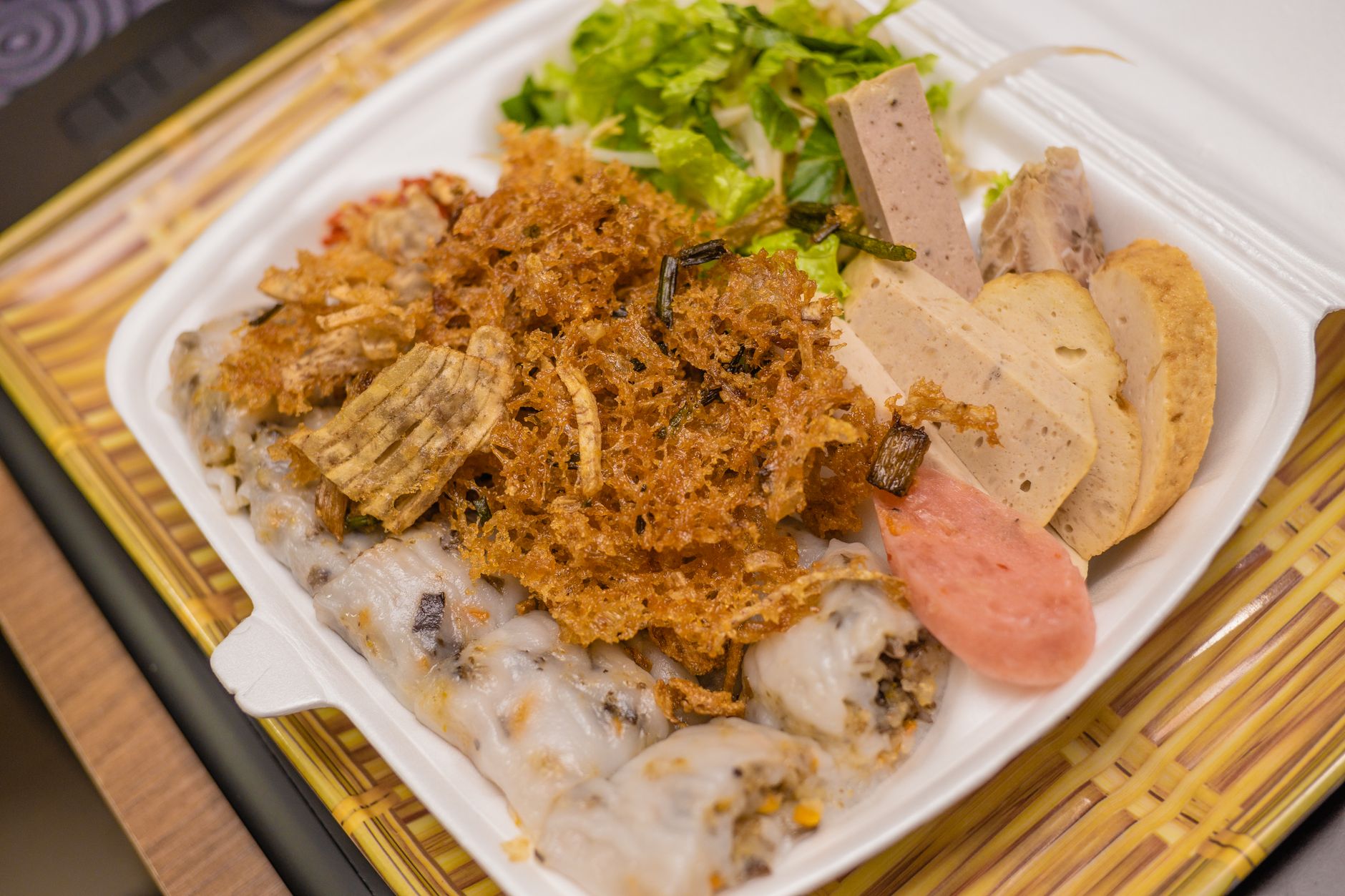
Bún kèn is the local signature: a coconut-curry fish noodle soup with Khmer roots. Blue crab (ghẹ) and squid come straight off the boats. Bún cá and bánh canh are the everyday noodle bowls. Hủ tiếu, snail and shellfish stalls, and market breakfasts round out the day.
Where and when
The morning market is the best breakfast stop. Evening street food lines the river. A night market may operate, so check locally. Street dishes cost ₫25,000 to ₫50,000 (about $1 to $2). A full seafood meal runs ₫150,000 to ₫400,000 (about $6 to $15).
| Dish | What it is | Where to find it | Typical price |
|---|---|---|---|
| Bún kèn | Coconut-curry fish noodle soup | Market and local eateries | ₫25,000 to ₫50,000 |
| Blue crab (ghẹ) | Steamed or grilled crab | Waterfront restaurants | ₫150,000 to ₫400,000 per meal |
| Squid | Grilled or stir-fried | Waterfront and market | ₫100,000 to ₫250,000 |
| Bún cá | Fish noodle soup | Market stalls | ₫25,000 to ₫40,000 |
| Bánh canh | Thick noodle soup | Street stalls | ₫25,000 to ₫40,000 |
Seafood honesty
Ask the price per kilogram before you order. Watch the weighing. Fresh seafood sells out early, so eat before 20:00 if you want the best pick.
Coffee and cafés
Waterfront and floating cafés serve strong Vietnamese coffee. They are good spots to wait out an afternoon shower.
Best time to visit Hà Tiên and what the weather is really like
The dry season runs roughly November to April. Daytime highs sit around 30 to 32°C and monthly rain stays under about 127 mm. The wet season runs May to October, with peak rain in September and October at about 249 to 338 mm a month.
Ignore the "15 to 32°C" range that some guides quote. It does not match local records.
Right now, in mid-October 2026, you are in peak wet season. Expect afternoon downpours, possible boat cancellations and lush green scenery, plus fewer visitors and lower hotel prices. Midday from 12:00 to 14:00 is hot, so plan outdoor sights for mornings and evenings.
| Month | Highs/lows | Rain (mm) | Sea conditions | Verdict |
|---|---|---|---|---|
| January | 30/22°C | Low | Calm | Best |
| April | 32/25°C | Low | Calm | Hot but good |
| July | 31/25°C | Moderate | Choppy at times | Fair |
| September | 30/24°C | 249 to 338 | Rough | Wet |
| October | 30/24°C | 249 to 338 | Rough | Wettest |
| December | 30/22°C | Low | Calm | Best |
Events and festivals
Tết, Lunar New Year, falls in late January or February and brings closures and busy transport for several days either side. The Mạc Cửu commemoration festival is traditionally held around the first full moon of the lunar new year, so check locally with the temple committee. Khmer Chol Chnam Thmay, the Khmer New Year, falls in mid-April.
How many days do you need? Sample itineraries
One day (transit stop)
Market in the morning. Mạc Cửu tomb before the heat. Seafood lunch. Waterfront at sunset. Late boat or bus out.
Two days (recommended)
Day one covers the town core, the tomb and the pagodas. Day two adds the caves, the Mũi Nai coast, a bicycle loop and the swiftlet sunset.
Three days
Add the Hải Tặc islands in calm weather, or a Cambodia side trip to Kep or Kampot. Keep one slow rural day for canal roads and villages.
Rainy-day plan
The covered market, cafés, temples and any heritage houses that are open will fill a wet afternoon.
Practical tips, costs and safety
Daily budget
A backpacker day costs about ₫350,000 (about $13). Mid-range travel runs about ₫1,000,000 (about $38). A comfortable day sits near ₫2,400,000 (about $92). Add boat and transfer costs on top.
| Style | Accommodation | Food | Transport | Total (VND/USD) |
|---|---|---|---|---|
| Backpacker | ₫200,000 | ₫100,000 | ₫50,000 | ₫350,000 (about $13) |
| Mid-range | ₫600,000 | ₫250,000 | ₫150,000 | ₫1,000,000 (about $38) |
| Comfortable | ₫1,500,000 | ₫600,000 | ₫300,000 | ₫2,400,000 (about $92) |
Money and connectivity
ATMs are available in town, and the Co.opmart supermarket on Mạc Công Du is useful for supplies. Break large ₫500,000 notes at the supermarket or a bank. Local SIM cards and Wi-Fi are widely available.
Health and safety
Sun and heat are the main risks. Use mosquito protection, since dengue is present in the Delta. Drink bottled water. Pharmacies are easy to find. Motorbike accidents are the biggest danger, so ride slowly. Near the border, stay on official roads and keep your passport secure.
Legal notes
You need a Vietnamese licence or a recognised international permit to ride a motorbike legally. Carry your passport near the border, since checks happen.
Etiquette
Dress modestly at temples. Remove your shoes before entering pagoda buildings. Respect Khmer religious sites the same way.
Where to go next
Phú Quốc is 1 to 1.5 hours by fast boat. Rạch Giá, the ferry base for Nam Du, is about 2 hours by road. Châu Đốc is about 2.5 hours, and Cần Thơ about 5 to 6. Kep is 35 to 40 km across the border, and Kampot about 60 km.
FAQ
Q: Is Hà Tiên a city or a town? Hà Tiên became a provincial city in 2018, so older sources that call it a thị xã are out of date. Since 2025 it has belonged to the enlarged An Giang province, after Kiên Giang merged into it. Local signage and older maps may still use the former name.
Q: Why is it called Hà Tiên? The name 河仙 means "river fairy" or "river immortal". Local legend says water nymphs visited Đông Hồ lake. The area also had earlier Vietnamese and Khmer names, including Banteay Meas.
Q: What mountains and hills are in Hà Tiên? A cluster of limestone and granite hills rings the town, including Bình San (Núi Lăng, with Mạc Cửu's tomb), Núi Đá Dựng, Núi Tô Châu and the Thạch Động hills. Hòn Phụ Tử rock sits offshore and is visible from the coast road.
Q: What is Hà Tiên known for eating? Seafood such as blue crab, squid and shellfish, plus bún kèn and market street food. Street dishes cost ₫25,000 to ₫50,000 (about $1 to $2). The food section above lists where to find them.
Q: How do I get from Phú Quốc to Hà Tiên? By fast boat in about 1 to 1.5 hours, with fares in the low hundreds of thousands of VND. Check the port names and the last departure, and allow a buffer day in the wet season when rough seas can cancel sailings.
Q: Can I cross from Hà Tiên into Cambodia? Yes, via the Xà Xía to Prek Chak border, about 8 km from town. Get a Cambodian e-visa in advance if possible, carry printed documents and check that your Vietnamese visa allows re-entry. Kep is roughly 35 to 40 km away and Kampot roughly 60 km.
Q: How many days should I spend in Hà Tiên? One day works as a transit stop. Two nights is ideal for the sights, food and a bike ride, and three nights adds an island or Cambodia side trip.
Q: When is the best time to visit Hà Tiên? November to April is driest and most comfortable. September and October are the wettest months, which matters now in October 2026 for boats and outdoor plans.