Cat Ba Island is the gateway to Ha Long Bay without the crowds, as covered in our Cat Ba Island: Your Unpolished Base for Ha Long Bay Without the Crowds guide. But the shopping scene here deserves its own attention. Unlike Hanoi or Ho Chi Minh City, Cat Ba Town is small. The selection is limited. The prices are generally fair if you know where to go.
What you need to know before shopping in Cat Ba Town
Shopping in Cat Ba Town is a different experience from larger Vietnamese cities. The town has one main commercial street, 1-4 Street, and a central market. That is basically it.
What to expect: Limited variety. Most shops sell the same items. Prices are higher than in mainland cities because goods must be shipped to the island. But prices are lower than in tourist-focused areas of Ha Long Bay.
When to shop: The market operates from 5:00 AM to 8:00 PM daily. The best time is between 6:00 AM and 8:00 AM when fishing boats have just unloaded their catch. Afternoon shopping means fewer options and less fresh seafood.
How to avoid overpaying: Compare prices at three stalls before buying anything. Walk away if something feels expensive. Vendors often call tourists back with a lower price.
Pro tip: Bring a reusable bag. Market vendors charge 2,000 to 5,000 VND for plastic bags. Small shops on 1-4 Street do the same.
Cat Ba Market: The heart of local commerce
The main market is the central hub for fresh food, household goods, and some souvenirs. It sits in the middle of town, a short walk from the waterfront. The building is basic. Concrete floors, open stalls, fluorescent lighting. Do not expect air conditioning or polished displays.
The market is divided into sections: seafood, meat, vegetables, and dry goods. Each section has its own character and rules.
Seafood section
Freshness and variety are the main draws. Local species include mantis shrimp, blue crab, squid, grouper, and several types of clams and oysters. Prices are significantly lower than in restaurants, but buyers need to negotiate.
A typical negotiation starts at 30 to 50 percent above the final price. Vendors quote high for tourists. Do not take the first price as final.
What to look for: Fish should have clear eyes and bright red gills. Shrimp should be firm and smell like the ocean, not ammonia. Crabs should be moving. Shellfish should be closed or close when tapped.
Dry goods and souvenirs
Dried seafood dominates this section: squid, shrimp, fish, and seaweed snacks. Quality varies widely. Some vendors sell products that have been stored too long.
How to check quality: Smell the product. Fresh dried seafood has a mild ocean scent. Anything that smells overly fishy or sour has gone bad. Check for mold, especially in corners of packaging. Squid should be flexible, not brittle. White spots indicate spoilage.
Other items include local fish sauce (nuoc mam), rice crackers, and packaged instant noodles. The fish sauce from Cat Hai island is worth buying. More on that below.
Produce and meat section
Vegetables are seasonal and locally grown. Exotic fruits like dragon fruit, rambutan, and mangosteen appear when in season. The selection is smaller than in Hanoi markets but adequate for self-catering.
The meat section is small and operates under basic conditions. Refrigeration is limited. Travelers with sensitive stomachs should exercise caution with raw meat purchases. Stick to vegetables and seafood unless you can verify the meat is fresh.
Seafood shopping: How to buy and where to cook it
Buying fresh seafood at the market is common, but visitors need a plan for cooking or preparing it. Not everyone has access to a kitchen.
Restaurants that prepare your catch
Several restaurants near the market will cook seafood purchased by customers for a preparation fee. This fee typically ranges from 30,000 to 50,000 VND ($1.25 to $2.00) per kilogram. Not all restaurants advertise this service, so asking directly is necessary.
How it works: Buy your seafood at the market. Bring it to the restaurant. Tell them how you want it cooked (steamed, grilled, fried, in soup). Pay the preparation fee and order drinks or rice separately. The restaurant keeps the shells and scraps.
Warning: Some restaurants will swap your fresh seafood for lower-quality stock. Watch your catch go into the kitchen. Better yet, choose a restaurant that cooks in front of you.
Street food vendors
In the evening, vendors set up along the waterfront selling grilled seafood, fried bananas, and local snacks. These are affordable and convenient, with most items costing 10,000 to 40,000 VND ($0.40 to $1.60).
Quality and hygiene vary. Choose stalls with high turnover. If locals are eating there, it is safe. If the stall is empty, move on.
Souvenir shopping: What to buy and what to skip
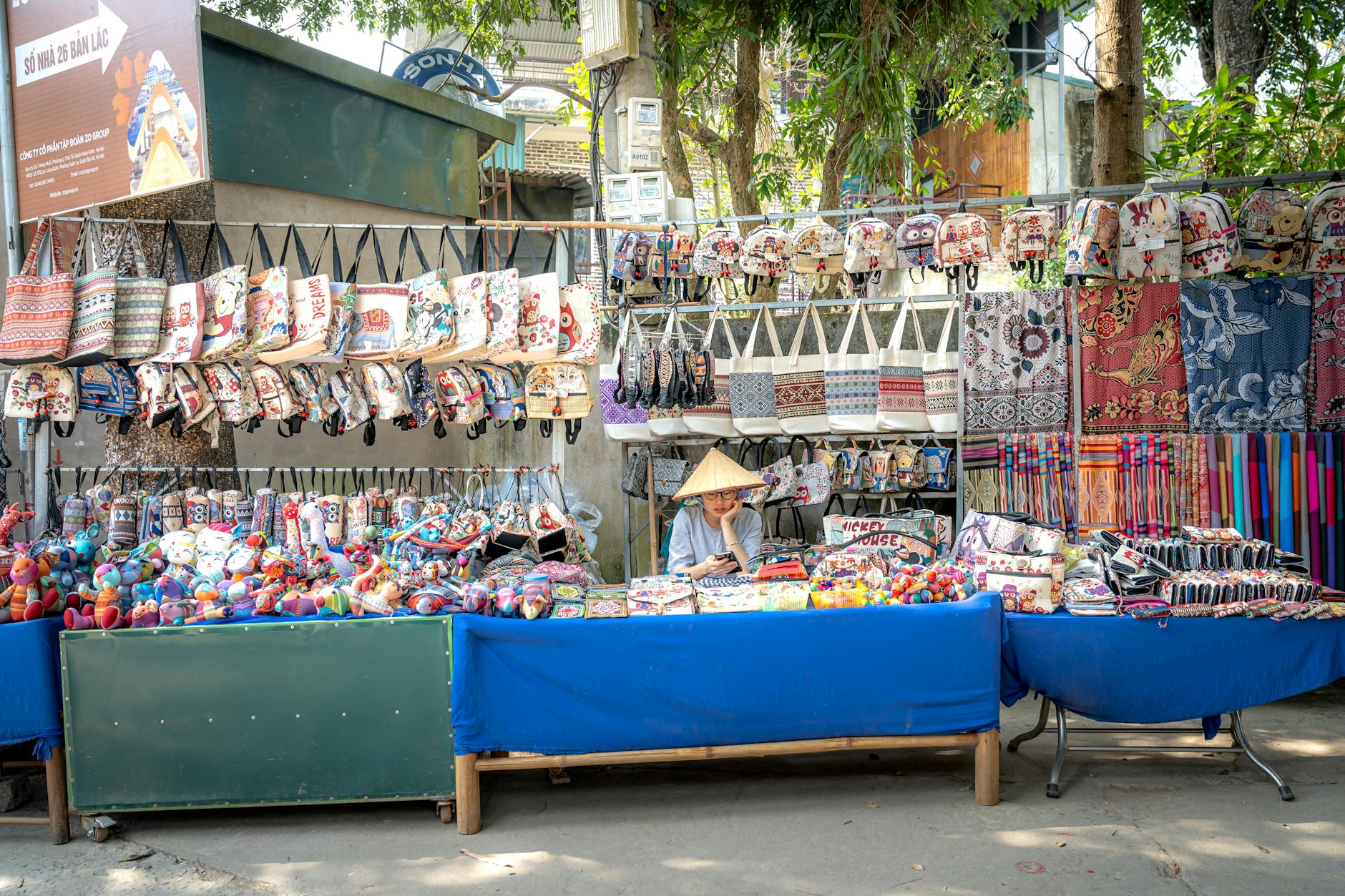
Cat Ba Town's souvenir options are limited compared to larger Vietnamese cities. Most shops along 1-4 Street sell similar items: t-shirts, keychains, postcards, and lacquerware. Quality is generally low, and prices are inflated for tourists.
Worth buying
Dried seafood makes a practical souvenir if properly packaged. Ask vendors to vacuum-seal your purchase. This prevents odor and spoilage during travel.
Local fish sauce from Cat Hai is considered high quality. Look for dark amber color and a strong, complex aroma. Cheap imitations are common. Read the label. Authentic Cat Hai fish sauce lists only two ingredients: fish and salt.
Handmade textiles from ethnic minority vendors occasionally appear at the market, though selection is unpredictable. If you see something you like, buy it. It may not be there tomorrow.
Pearl jewelry is sold at several shops, but authenticity is questionable without proper certification. If you want real pearls, buy from a reputable jeweler in Hanoi or Ho Chi Minh City instead.
Skip these items
Mass-produced "handicrafts" imported from China are common. These include wooden carvings, ceramic figurines, and embroidered textiles that look authentic but are factory-made. Check the bottom of items for "Made in China" stickers.
Knockoff designer goods are low quality. Bags, sunglasses, and watches sold on the street will fall apart within weeks. Not worth buying even at low prices.
Pre-packaged "local specialties" sold in tourist shops often contain preservatives and taste nothing like the fresh versions. The vacuum-sealed banh trang (rice paper) and packaged noodle soups are the same products available in any Vietnamese supermarket.
Shell products sold near beaches may have been illegally harvested. Vietnam has regulations protecting certain marine species. Buying shell souvenirs supports unsustainable harvesting practices.
For a broader perspective on Vietnamese souvenirs and what to avoid, read our guide on Common Scams in Vietnam: 12 Tourist Traps to Avoid in 2026.
Cannon Fort area: Small shops and local crafts
The road leading to Cannon Fort passes several small shops selling drinks, snacks, and basic souvenirs. These are geared toward tourists making the climb and charge higher prices than the market.
Nothing here is unique or worth seeking out specifically. The shops sell the same t-shirts and keychains found on 1-4 Street. Buy your water and snacks before you start the climb to avoid paying double.
For more on what to do on the island, including the Cannon Fort hike, see our Cat Ba Island things to do: The complete 2026 travel guide.
Night market and evening stalls
A small night market operates along the waterfront during peak season (May to September). It features clothing, accessories, and street food. The selection is similar to what is available during the day, but the atmosphere is more relaxed.
What to expect: Stalls selling cheap jewelry, printed t-shirts, and phone accessories. A few food stalls with grilled meats and seafood. Some vendors selling handmade lanterns and decorative items.
Prices: Slightly higher than the day market due to the tourist-friendly timing. Bargaining is still expected.
When to go: The night market starts around 6:00 PM and runs until 10:00 PM or later. Best visited after dinner when the weather is cooler.
Specialty foods and local products
Cat Ba Island produces several unique food items worth seeking out. These are not available in other parts of Vietnam.
Cat Hai fish sauce
Produced on the neighboring island of Cat Hai, this fish sauce is known for its rich flavor and high protein content. It is sold in plastic bottles at the market and in some souvenir shops.
How to identify authentic Cat Hai fish sauce: It has a dark amber color and a strong, complex aroma. The label should indicate it is from Cat Hai. Cheap imitations are lighter in color and have a simpler, saltier taste. Price is a clue: authentic sauce costs 50,000 to 100,000 VND ($2.00 to $4.00) per liter.
Dried squid and cuttlefish
These are the most popular edible souvenirs. Quality dried squid should be flexible, not brittle, with a natural ocean smell. Avoid anything that smells overly fishy or has white spots, which indicate spoilage.
Price range: 200,000 to 500,000 VND ($8.00 to $20.00) per kilogram depending on size and quality. Smaller squid cost less. Larger, thicker squid cost more.
How to eat it: Dried squid is typically grilled over charcoal until it puffs up, then shredded and dipped in chili salt. Street vendors sell it this way. At home, you can toast it in a dry pan.
Seaweed snacks
Locally harvested seaweed is dried and seasoned for snacking. It is lighter and less sweet than Japanese nori. Available at the market and some grocery stores for 20,000 to 50,000 VND ($0.80 to $2.00) per pack.
Where to buy practical items and supplies
For travelers who forgot essentials or need to restock, Cat Ba Town has several convenience stores and pharmacies.
Convenience stores
Small grocery stores along 1-4 Street sell water, snacks, toiletries, and basic medicines. Prices are higher than in Hanoi but still reasonable. A 1.5-liter bottle of water costs 8,000 to 12,000 VND ($0.35 to $0.50).
What they stock: Instant noodles, cookies, crackers, canned drinks, beer, sunscreen, insect repellent, shampoo, soap, and basic painkillers. Selection is limited. Do not expect specialty items.
Pharmacies
Several pharmacies operate in town, selling over-the-counter medications, sunscreen, insect repellent, and basic first aid supplies. Staff may have limited English.
What you can buy: Paracetamol, ibuprofen, antihistamines, oral rehydration salts, bandages, antiseptic cream, motion sickness pills. For a full list of what is available at Vietnamese pharmacies, read our guide on Vietnamese Pharmacies: What Travelers Can Buy Over the Counter.
What to bring from home: Prescription medications, specialized medications, high-quality sunscreen (local brands often have lower SPF), and contact lens solution.
Motorbike rental shops
Most motorbike rental shops also sell basic repair supplies, helmets, and rain ponchos. Helmet quality varies. Inspect before purchasing. Prices for a basic helmet start at 100,000 VND ($4.00).
For more on renting a bike legally, see Renting a Motorbike in Vietnam: The Legal Truth Nobody Tells Tourists.
Prices and bargaining: What to expect
Bargaining is expected at the market and with street vendors. Fixed prices are standard at convenience stores and restaurants.
Market price guidelines
Fresh seafood prices fluctuate daily based on catch volume. The table below shows general ranges.
| Item | Peak season price/kg | Low season price/kg | Negotiation range |
|---|---|---|---|
| Shrimp | 150,000-300,000 VND ($6.00-$12.00) | 120,000-250,000 VND ($4.80-$10.00) | Start at 50-60% of quoted price |
| Blue crab | 100,000-250,000 VND ($4.00-$10.00) | 80,000-200,000 VND ($3.20-$8.00) | Start at 50-70% of quoted price |
| Squid | 80,000-200,000 VND ($3.20-$8.00) | 60,000-150,000 VND ($2.40-$6.00) | Start at 50-60% of quoted price |
| Grouper | 120,000-250,000 VND ($4.80-$10.00) | 100,000-200,000 VND ($4.00-$8.00) | Start at 60-70% of quoted price |
| Clams | 30,000-60,000 VND ($1.20-$2.40) | 25,000-50,000 VND ($1.00-$2.00) | Start at 60-70% of quoted price |
How to bargain respectfully
Start by asking the price, then offer 50 to 70 percent of the quoted amount. Be prepared to walk away if the price does not come down. Aggressive bargaining is frowned upon. Maintaining a friendly demeanor is more effective.
Pro tip: Rounding up a few thousand dong is appreciated by vendors. If the final price is 47,000 VND, paying 50,000 VND and saying "keep the change" builds goodwill.
For a complete guide to negotiating in Vietnam, read Bargaining in Vietnam: Complete Guide to Negotiating Like a Local in 2026.
What to avoid: Scams and low-quality goods
Cat Ba Town has fewer scams than major tourist destinations like Hanoi or Ho Chi Minh City, but some common tricks exist.
Overpriced souvenirs
Shops targeting tourists on 1-4 Street often charge two to three times the market price for identical items. Compare prices before buying. The market generally offers better value.
Fake brand products
Knockoff clothing, bags, and electronics are sold openly. Quality is poor, and returns are not possible. These items are not worth buying even at low prices.
Seafood weight tricks
Some vendors add water to seafood or use inaccurate scales to increase weight. Watch the weighing process. Ask for the seafood to be cleaned before weighing. Using a trusted vendor recommended by locals is the best protection.
Motorbike rental deposit scams
Some rental shops demand a passport as deposit. Others charge for minor scratches that existed before you rented. Take photos of the bike before riding. Use shops that accept cash deposits instead of passports.
Seasonal considerations: When shopping is best
Shopping options change significantly between peak season (May to September) and low season (October to April).
| Location | Peak season hours | Low season hours | Best time to visit |
|---|---|---|---|
| Main market | 5:00 AM - 8:00 PM | 6:00 AM - 6:00 PM | 6:00 AM - 8:00 AM |
| Night market | 6:00 PM - 10:00 PM | Closed | 7:00 PM - 8:00 PM |
| Souvenir shops on 1-4 Street | 8:00 AM - 9:00 PM | 9:00 AM - 6:00 PM | Late morning |
| Convenience stores | 7:00 AM - 10:00 PM | 7:00 AM - 9:00 PM | Any time |
Peak season (May to September)
More vendors operate, the night market is active, and souvenir selection is broader. Prices are higher, and bargaining is more challenging. Crowds make shopping less pleasant.
Low season (October to April)
Fewer vendors, reduced hours, and limited selection. Prices are lower, and bargaining is easier. Some shops close entirely. The market remains open but with fewer stalls.
For more on timing your visit to Vietnam, see The Best and Worst Months to Visit Vietnam: A Region-by-Region Guide.
FAQ
Q: Is it safe to eat seafood bought at Cat Ba market? A: Yes, if it is fresh and cooked properly. Buy from stalls with high turnover, check for clear eyes and firm flesh on fish, and ensure shellfish are alive before purchase. Have seafood cooked immediately or keep it on ice.
Q: Can I bargain at Cat Ba market? A: Yes, bargaining is expected at the market and with street vendors. Start at 50 to 70 percent of the quoted price and negotiate respectfully. Fixed prices apply at convenience stores, restaurants, and some souvenir shops.
Q: What souvenirs should I buy in Cat Ba? A: Dried seafood, Cat Hai fish sauce, and local seaweed snacks are practical and authentic. Avoid mass-produced handicrafts from China and knockoff brand items.
Q: Where can I buy fresh seafood in Cat Ba Town? A: The main market in the center of town is the primary source. Fishing boats also sell directly at Ben Beo Harbour in the early morning. Some vendors near Cat Co beaches sell seafood at higher prices.
Q: Is Cat Ba market open every day? A: Yes, it operates daily from approximately 5:00 AM to 8:00 PM. The seafood section is most active between 6:00 AM and 9:00 AM. Sunday hours may be slightly reduced.
Q: Can I use credit cards for shopping in Cat Ba? A: Most market vendors and small shops accept cash only. Some larger souvenir shops and convenience stores accept cards, but cash is essential for market shopping.
Q: How much does dried squid cost in Cat Ba? A: Prices range from 200,000 to 500,000 VND ($8.00 to $20.00) per kilogram depending on size and quality. Bargaining is expected.
Q: Are there any shopping scams in Cat Ba Town? A: Scams are less common than in Hanoi, but some vendors inflate prices for tourists, use inaccurate scales for seafood, or sell low-quality knockoffs. Comparing prices and inspecting goods carefully helps avoid problems.