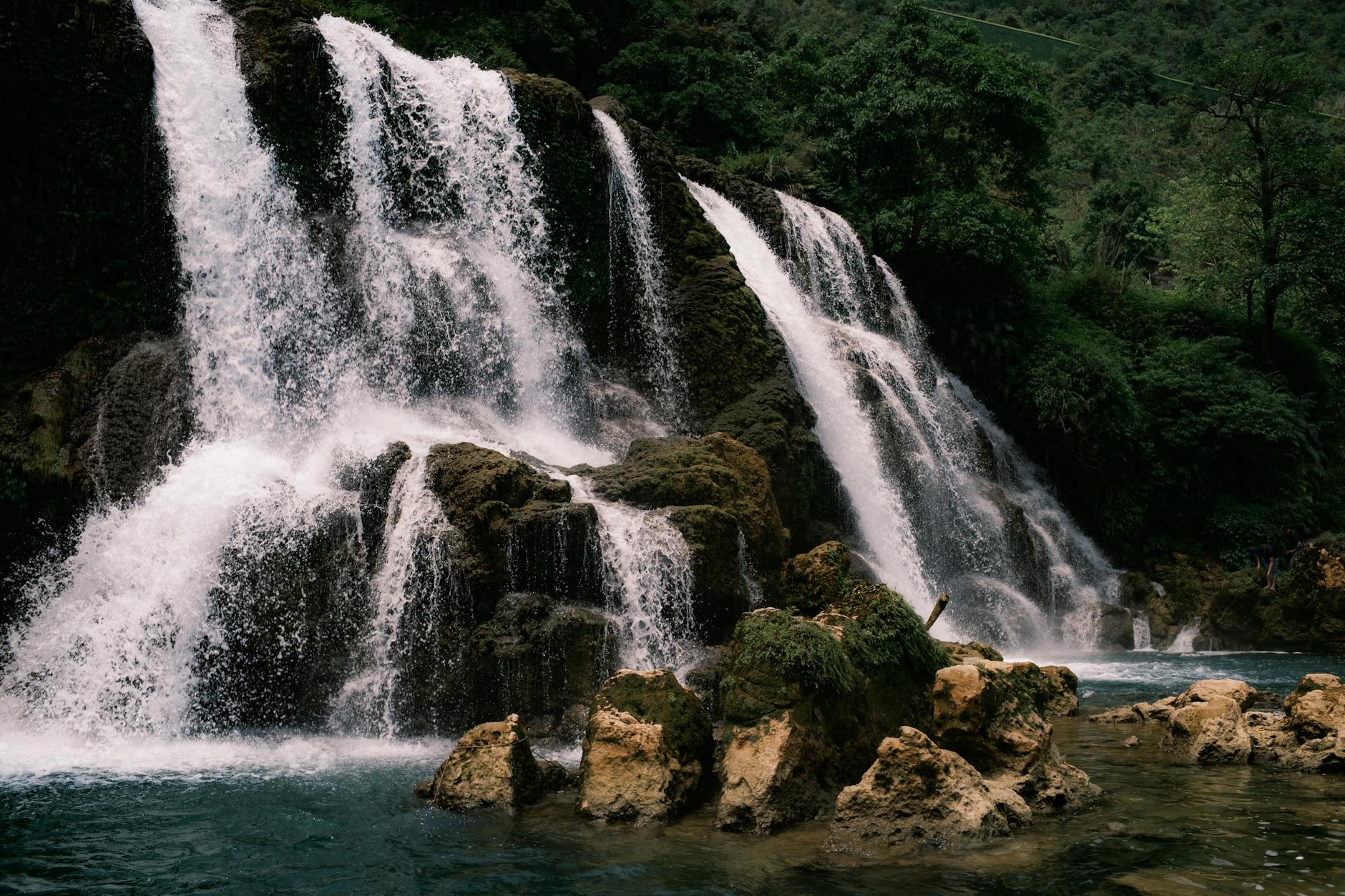
Cao Bang is often called "the next Ha Giang." Travel blogs hype it as Vietnam's last frontier. But is it actually worth the long bus ride from Hanoi?
This guide cuts through the hype. It gives you a practical, no-nonsense plan for visiting Cao Bang in 2026. You will learn how to get there, what to see, where to stay, and what most travel blogs won't tell you about safety, permits, and road conditions.
What you need to know before going to Cao Bang
Cao Bang sits in Vietnam's far north, sharing a border with China. It became a UNESCO Global Geopark in 2018, a designation that recognizes its geological significance and biodiversity. The province covers 6,700 square kilometers but has a fraction of the tourists that Ha Giang or Sapa receive.
This is not a place for travelers who want convenience. Cao Bang is remote. English is not widely spoken outside tourist sites. ATMs are scarce near the main attractions. Road conditions vary dramatically. You need to plan ahead.
The reward for this extra effort is genuine solitude. You can stand at Ban Gioc Waterfall with only a handful of other people. You can drive mountain passes without dodging tour buses. You can stay in villages where tourism is still a novelty, not a business model.
Is Cao Bang worth visiting in 2026?
Yes, but only for the right traveler.
Cao Bang offers landscapes comparable to Ha Giang with far fewer tourists. The karst mountains are just as dramatic. The rice paddies are just as green. The mountain passes are just as thrilling. What you gain in solitude, you lose in infrastructure. There are fewer homestays, fewer restaurants, and fewer English speakers.
One Fodor's trip report described Cao Bang as "the therapy" to Ha Giang's "adrenaline." This is accurate. Ha Giang delivers a social, party-oriented loop experience. Cao Bang delivers quiet mornings, empty roads, and genuine cultural encounters.
Choose Cao Bang if you want:
- Solitude and uncrowded attractions
- Deeper cultural immersion with ethnic minority communities
- Raw, undeveloped landscapes
- A slower, more contemplative travel pace
Choose Ha Giang if you want:
- A social scene with other backpackers
- Well-developed tourist infrastructure
- Easy-to-find English-speaking guides
- The classic loop experience with organized tours
How to get to Cao Bang from Hanoi and other cities
Cao Bang is 280 kilometers from Hanoi. The journey takes 6 to 9 hours depending on your transport choice and road conditions.
| Mode | Duration | Cost (VND) | Cost (USD) | Best for | Drawbacks |
|---|---|---|---|---|---|
| Sleeper bus | 7-9 hours | 250,000-350,000 | $10-14 | Budget travelers | Cramped, bumpy, cold AC |
| Limousine van | 6-7 hours | 400,000-550,000 | $16-22 | Comfort seekers | Limited availability |
| Private car | 6-7 hours | 2,000,000-3,000,000 | $80-120 | Groups, families | Expensive for solo travelers |
| Motorbike | 8-10 hours | Fuel + 200,000 | $8+ fuel | Adventurers | Exhausting, dangerous at night |
Buses depart from Hanoi's My Dinh and Giap Bat stations. Book through 12GoAsia or your hotel. The road passes through Bac Kan and includes winding mountain sections. Motion sickness is common. Bring medicine.
From Ha Giang, the journey takes 4-5 hours by motorbike or bus. The route crosses the Ma Phuc Pass and offers stunning scenery. From Sapa, expect 6-7 hours via Lao Cai and Bac Ha.
Warning: Do not arrive in Cao Bang after dark. The mountain roads are poorly lit. Fog rolls in unpredictably. Truck drivers use high beams that blind oncoming traffic. Plan to arrive by 4pm.
Getting around Cao Bang: motorbike, easy rider, or car?
Self-driving
Renting a motorbike in Cao Bang costs 150,000-250,000 VND ($6-10) per day for a semi-automatic. A manual bike costs 200,000-350,000 VND ($8-14). Roads are mixed quality. National highways QL3 and QL4A have heavy truck traffic. Gravel roads to viewpoints like Angel Eye Mountain require confident handling.
Only experienced riders should self-drive. The Cao Bang Loop involves steep climbs, blind corners, and unpredictable surfaces. Beginners should read our guide on renting a motorbike in Vietnam before making a decision.
Easy rider or private car
Hiring an easy rider costs 500,000-800,000 VND ($20-32) per day plus fuel. A private car with driver costs 1,200,000-1,800,000 VND ($48-72) per day. This option is worth the money for travelers who want to enjoy the scenery without focusing on the road.
Taxi and bus
Grab does not work in Cao Bang. Taxis are available in Cao Bang city but scarce elsewhere. Arrange rides through your accommodation. Local buses connect major towns but run infrequently.
Border permit requirement
A border zone permit is required to visit Ban Gioc Waterfall and surrounding areas. Solo travelers can obtain it at the Immigration Office in Cao Bang city. The process takes 30 minutes and costs 50,000 VND ($2). Tour operators typically handle this for you. Do not skip this step. Checkpoints do exist.
When to visit Cao Bang: seasonal breakdown
| Month | Temp range | Rainfall | Crowd level | Waterfall flow | Recommendation |
|---|---|---|---|---|---|
| Jan-Feb | 10-18°C | Low | Low | Moderate | Good, but cold |
| Mar-Apr | 15-25°C | Low | Low | Moderate | Excellent |
| May-Jun | 22-32°C | High | Low | Strong | Rainy, slippery roads |
| Jul-Aug | 24-33°C | Very high | Low | Strong | Avoid, landslide risk |
| Sep-Oct | 20-28°C | Moderate | Moderate | Strong | Golden rice season |
| Nov-Dec | 12-22°C | Low | Moderate | Moderate | Good, clear skies |
The dry season from October to April offers the best travel conditions. Roads are dry. Skies are clear. Temperatures are comfortable for hiking and driving.
The rainy season from May to September brings heavy downpours. Landslides occur on mountain roads. The waterfall flows strongly but access can be difficult.
Pro tip: Visit Ban Gioc Waterfall between 10:30am and 1pm. A dam upstream releases water during these hours, creating the most dramatic flow. Arriving at 2pm ensures you see the waterfall at its peak.
The best things to do in Cao Bang
Ban Gioc Waterfall
Ban Gioc is the main reason most travelers come to Cao Bang. It is the largest waterfall in Southeast Asia by volume. The water cascades over multiple tiers of limestone into a turquoise pool below.
Practical details:
- Entrance fee: 45,000 VND ($1.80)
- Boat ride: 50,000 VND ($2) per person
- Best time: 10:30am-1pm (dam release)
- Drones: Not allowed (military border zone)
- Cell service: Weak to nonexistent
The boat ride takes you close to the waterfall. You will get wet. Bring a waterproof bag for electronics.
Nguom Ngao Cave (Tiger Cave)
This cave system extends 2,144 meters, with 948 meters open to tourists. The formations include stalactites, stalagmites, and a lotus-shaped rock formation unique to this cave.
Practical details:
- Entrance fee: 45,000 VND ($1.80)
- Time needed: 1-1.5 hours
- Footwear: Non-slip shoes required
- Lighting: Provided but bring a headlamp
The path is well-maintained but slippery in sections. The lotus formation near the end is worth the walk.
Angel Eye Mountain (Nui Mat Than)
This mountain features a 50-meter hole through its peak, resembling an eye. The viewpoint offers panoramic views of the surrounding valley.
Practical details:
- Entrance fee: Free
- Access: Steep gravel road, 2km from main road
- Time needed: 30 minutes at the viewpoint
- Best time: Late afternoon for golden light
The access road is rough. A motorbike with good tires is essential. Skip this in wet weather.
Truc Lam Phat Tich Pagoda
This pagoda sits on a hill overlooking Ban Gioc Waterfall. The steep walk up rewards you with the best elevated views of the waterfall and the surrounding valley.
Practical details:
- Entrance fee: Free
- Time needed: 30-45 minutes
- Parking scam: You can drive to the top. Locals may try to charge you for parking at the bottom. Ignore them and drive up.
Phong Nam Valley
Travel blogs call Phong Nam Valley a "fairyland." The description fits. Rice paddies stretch between limestone karsts. Water buffalo graze in the fields. Homestays offer valley views and home-cooked meals.
Practical details:
- Location: 15km from Ban Gioc
- Time needed: 1-2 hours for exploration
- Accommodation: Homestays available from 150,000 VND ($6) per night
Khuoi Ky Stone Village
This 400-year-old Tay village features houses built entirely from stone. The roofs are made of stone tiles. The walls are stacked stone blocks. The village offers a homestay experience that feels genuinely authentic.
Practical details:
- Location: 5km from Ban Gioc
- Entrance fee: Free
- Homestay: 150,000-250,000 VND ($6-10) per night
- Cultural note: Ask permission before photographing residents
Pac Bo Historical Complex
This site marks where Ho Chi Minh lived after returning to Vietnam in 1941. The complex includes his cave shelter, Lenin Stream, and a small museum.
Practical details:
- Entrance fee: 30,000 VND ($1.20)
- Time needed: 1-2 hours
- Best for: History enthusiasts
- Note: The water in Lenin Stream is strikingly blue
Craft villages: Phuc Sen blacksmiths, Dia Tren paper makers
Phuc Sen village has been making knives and agricultural tools for centuries. The blacksmiths use traditional techniques passed down through generations. You can watch them work and buy hand-forged knives.
Dia Tren paper village is more special. Only three families remain who practice the traditional paper-making craft. The paper is made from the bark of the local "do" tree. This is not a tourist performance. It is a dying craft that you can witness in real time.
Practical details:
- Phuc Sen: 30km from Cao Bang city, free to visit
- Dia Tren: 40km from Cao Bang city, free to visit
- Best time: Morning, when craftspeople are working
Ma Phuc Pass and Khau Coc Cha Pass
Ma Phuc Pass features 14 hairpin turns carved into a mountainside. The road offers sweeping views of the valley below. Khau Coc Cha Pass is less dramatic but more remote, with fewer vehicles and more solitude.
Practical details:
- Ma Phuc Pass: 20km from Cao Bang city
- Khau Coc Cha Pass: 60km from Cao Bang city
- Time needed: 30 minutes to drive each pass
- Viewpoint hikes: Short trails at both passes
Thang Hen Lake System
This system of 36 interconnected lakes sits in a valley surrounded by limestone peaks. The lakes appear and disappear depending on the season. In the dry season, some lakes become grassy meadows.
Practical details:
- Location: 30km from Cao Bang city
- Entrance fee: Free
- Best time: Rainy season for full lakes
- Viewpoint: Tuyet Tinh Coc offers the best panorama
Bao Lac and the Black Lolo people
Bao Lac district is home to the Black Lolo ethnic group. Their traditional dress features indigo-dyed fabric with silver jewelry. The village receives very few foreign visitors. Cultural immersion here is genuine.
Practical details:
- Location: 100km from Cao Bang city
- Time needed: Half day to full day
- Accommodation: Basic homestays available
- Language: Bring a translator app
The Cao Bang Loop: a 3-day itinerary
This itinerary covers the main attractions without rushing. Adjust based on your available time.
Day 1: Ma Phuc Pass to Ban Gioc (115km)
Morning: Drive from Cao Bang city over Ma Phuc Pass. Stop at the viewpoint for photos. Continue to Phong Nam Valley for lunch.
Afternoon: Arrive at Ban Gioc Waterfall around 1pm for peak flow. Take the boat ride. Visit Truc Lam Phat Tich Pagoda for elevated views.
Evening: Stay at Khuoi Ky Stone Village. Eat dinner with a local family.
Day 2: Caves and craft villages (85km)
Morning: Visit Nguom Ngao Cave. Spend 1.5 hours exploring the formations.
Afternoon: Drive to Phuc Sen blacksmith village. Continue to Dia Tren paper village. End at Angel Eye Mountain for sunset.
Evening: Return to Cao Bang city or stay in a Phong Nam Valley homestay.
Day 3: History and mountain passes (140km)
Morning: Visit Pac Bo Historical Complex. Drive over Khau Coc Cha Pass.
Afternoon: Continue to Bao Lac. Visit the Black Lolo village. Return to Cao Bang city by evening.
Pro tip: This loop can be done in 2 days if you skip the craft villages or Bao Lac. For a deeper experience, add a fourth day for Thang Hen Lake and the Tuyet Tinh Coc viewpoint.
Where to stay in Cao Bang
| Area | Type | Price range (VND) | Price range (USD) | Best for |
|---|---|---|---|---|
| Cao Bang city | Hotels, guesthouses | 200,000-500,000 | $8-20 | Base for exploration |
| Khuoi Ky Village | Stone house homestays | 150,000-250,000 | $6-10 | Cultural immersion |
| Phong Nam Valley | Valley view homestays | 150,000-300,000 | $6-12 | Scenic views |
| Near Ban Gioc | Basic guesthouses | 200,000-400,000 | $8-16 | Waterfall convenience |
Cao Bang city has the widest range of accommodation options. Stay here if you want restaurants, ATMs, and easy access to transport.
Khuoi Ky Village offers the most authentic experience. The stone houses are cool in summer and warm in winter. Meals are included in the homestay price.
What to eat in Cao Bang
Cao Bang's cuisine differs from Hanoi's. The flavors are bolder. The ingredients are local.
Pho Chua (sour noodle soup) is the signature dish. Rice noodles are served in a tangy broth with pork, peanuts, and herbs. The sourness comes from fermented rice. Find it at street stalls in Cao Bang city for 30,000-40,000 VND ($1.20-1.60).
Banh Cuon (steamed rice rolls) are filled with minced pork and wood ear mushrooms. They are served with fried shallots and fish sauce. A plate costs 20,000-30,000 VND ($0.80-1.20).
Smoked sausage is a Tay specialty. The sausages are smoked over wood fires for days. They have a dense texture and intense flavor. Buy them at Cao Bang market for 80,000-120,000 VND ($3.20-4.80) per kilogram.
Budget note: Food costs are higher near Ban Gioc. Expect to pay 200,000-250,000 VND ($8-10) per person per day for three meals in the Ban Gioc area. In Cao Bang city, the same costs 100,000-150,000 VND ($4-6).
Practical tips for a smooth trip
Cash situation: ATMs exist in Cao Bang city but not near Ban Gioc or other attractions. Withdraw enough cash before leaving the city. Most homestays and small restaurants do not accept cards.
Phone and data: Cell service is unreliable in mountain areas. Download offline maps before you go. Google Maps works for navigation. Vietnamobile and Viettel have the best coverage in the region.
Packing list:
- Layers (mornings and evenings are cold even in summer)
- Good walking shoes (for caves and viewpoints)
- Rain gear (sudden downpours happen year-round)
- Headlamp (for caves and power outages)
- Motion sickness medicine (for the winding roads)
Language barriers: English is limited outside tourist sites. Download Google Translate with Vietnamese language pack. Learn basic phrases: "cam on" (thank you), "bao nhieu?" (how much?), "khong" (no).
Culture shock: This is not a touristy area. Locals will stare. Children will shout "hello" repeatedly. Smile and wave. Do not take photos of people without asking.
Is Cao Bang safe? Real risks and how to manage them
Cao Bang is safe from violent crime. The real risks are environmental.
Road accidents are the biggest danger. Trucks on QL3 and QL4A drive aggressively. Blind corners hide oncoming traffic. Gravel roads to viewpoints become slippery in rain. Always wear a helmet. Drive defensively. Never ride after dark.
Remote location means help is far away. If your motorbike breaks down, you may wait hours for assistance. Carry basic tools and a phone with offline maps. Learn basic motorbike repair before you go.
Weather risks include fog, landslides, and cold temperatures. Fog can reduce visibility to 10 meters on mountain passes. Landslides close roads during heavy rain. Temperatures drop to 5°C in winter. Pack accordingly.
Health considerations: Motion sickness is common on the winding roads. Food hygiene is generally good but stick to cooked foods at street stalls. Carry a basic first aid kit.
For a more detailed safety assessment, read our guide on is Vietnam safe in 2026.
FAQ
Q: Is Cao Bang worth visiting? A: Yes, for travelers seeking uncrowded natural beauty and authentic cultural experiences. It offers landscapes comparable to Ha Giang with far fewer tourists, but requires more planning and a longer journey from Hanoi.
Q: How long do you need in Cao Bang? A: Minimum 2 full days for Ban Gioc and the main sights. 3 days is ideal for the full Cao Bang Loop including craft villages, Angel Eye Mountain, and cultural stops.
Q: Is Ha Giang or Cao Bang better? A: It depends on travel style. Ha Giang offers a more social, adrenaline-focused experience with well-developed tourist infrastructure. Cao Bang provides solitude, deeper cultural immersion, and equally stunning landscapes with fewer crowds.
Q: Do I need a permit for Ban Gioc Waterfall? A: Yes. A border zone permit is required to visit Ban Gioc Waterfall and surrounding areas. Solo travelers can obtain it at the Immigration Office in Cao Bang City. Tour operators typically handle this for you.
Q: Can I use Grab in Cao Bang? A: No. Grab does not operate reliably in Cao Bang. Taxis are available but should be arranged through your accommodation or restaurant.
Q: What is the best time of day to visit Ban Gioc Waterfall? A: Between 10:30am and 1:00pm, when the upstream dam releases water, creating full flow. Arriving around 2:00pm ensures the most dramatic waterfall experience.
Q: Is it safe to drive a motorbike in Cao Bang? A: Only for experienced riders. Roads are mixed quality with heavy truck traffic on main highways. Steep gravel roads to some viewpoints require a geared bike and confident handling. Beginners should hire an easy rider or private car.