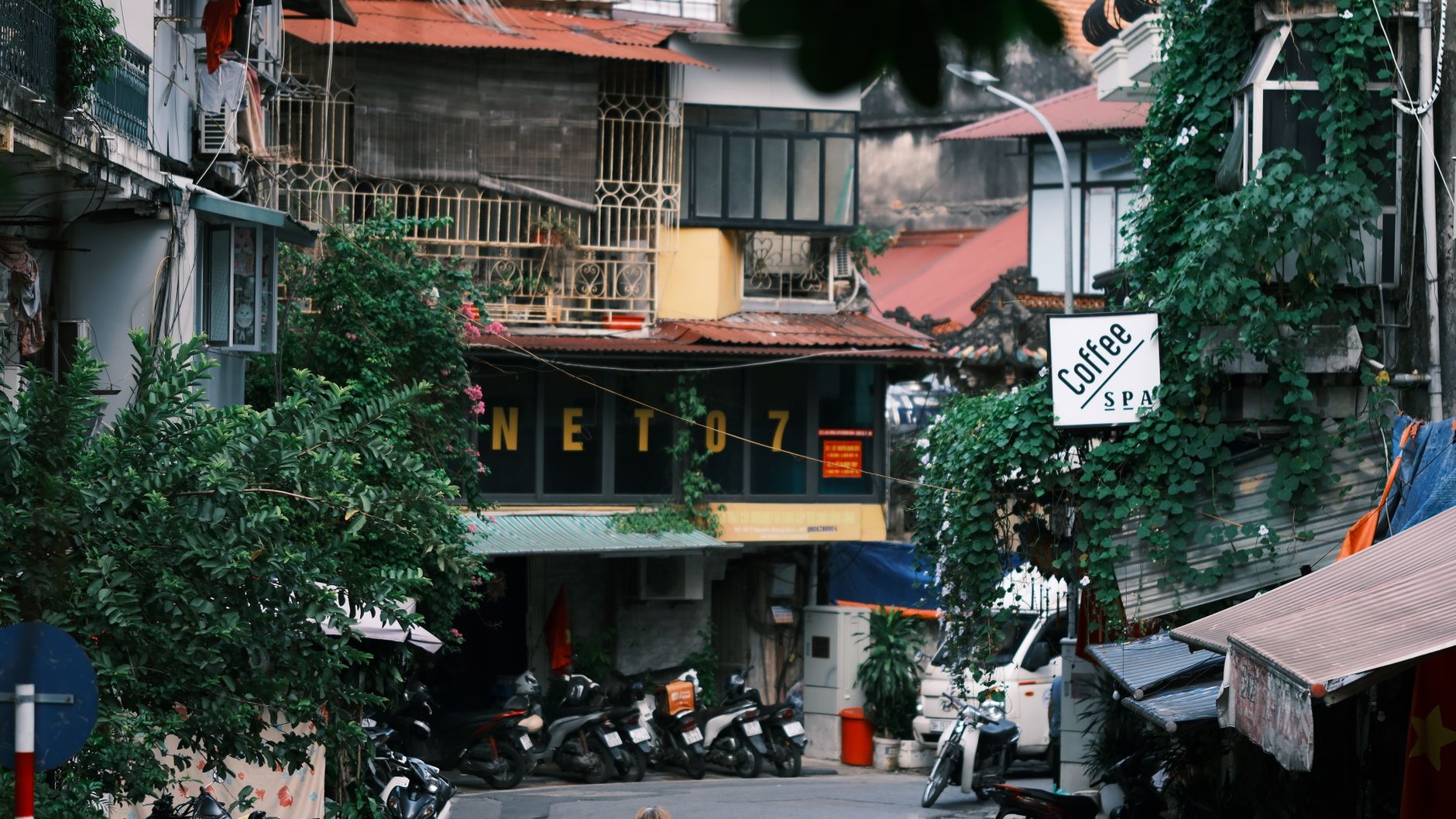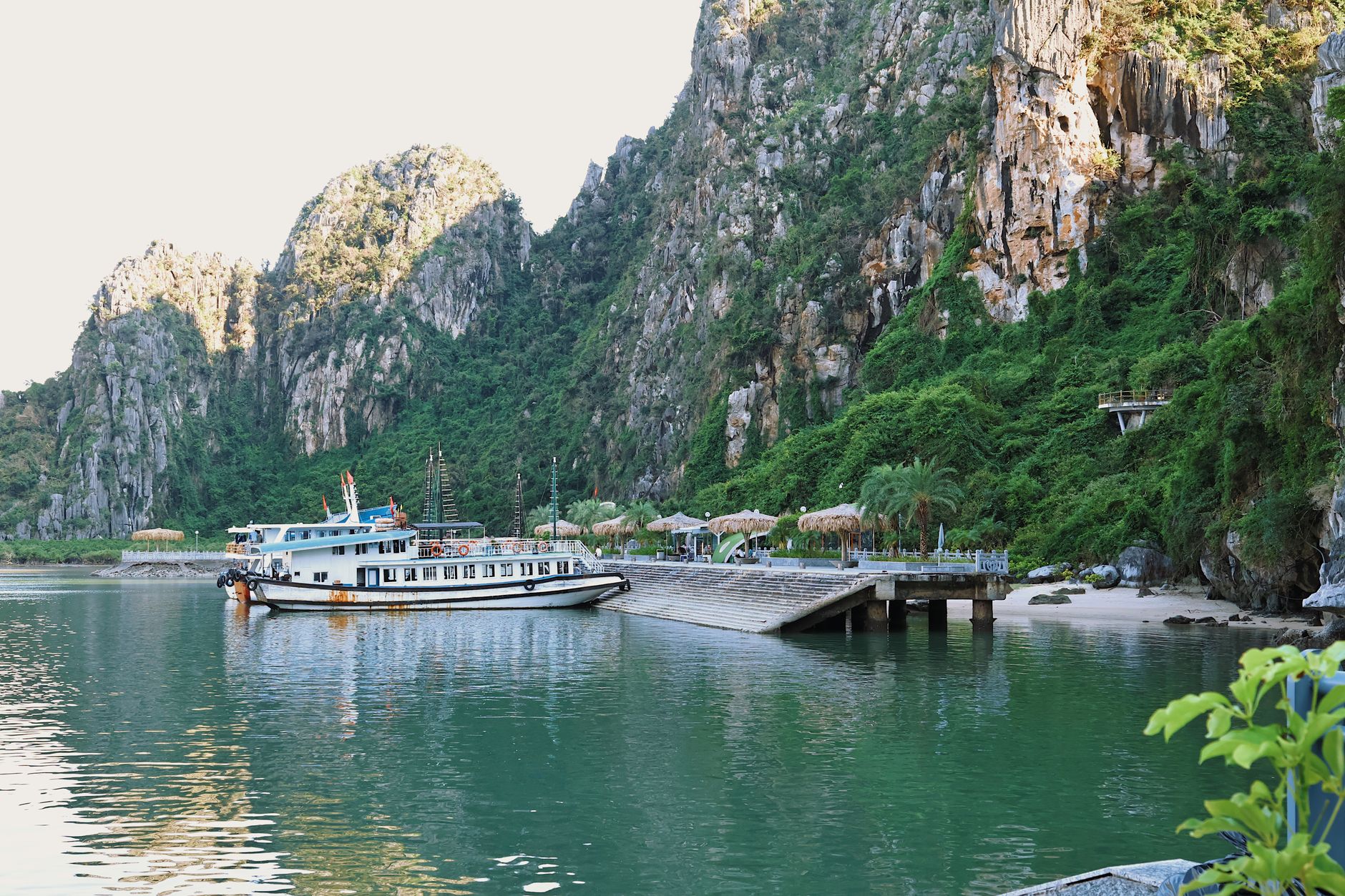
But the gap year experience in Vietnam comes with its own set of rules. Visa regulations changed significantly in recent years. Budgets vary wildly depending on whether you stay in dormitories or private rooms, eat street food or sit-down restaurants, and travel by bus or fly between cities. This guide breaks down what things actually cost in 2026 and how to handle the paperwork without getting stuck.
Practical tip: don't forget travel insurance before heading to Vietnam — Heymondo applies an automatic 15% discount through our partner link, no code needed.
Visas for long stays: what students need to know in 2026
The e-visa system is the main route for most nationalities. Since August 2023, Vietnam has offered e-visas valid for 90 days with multiple entries. The fee is $25 for a single entry and $50 for multiple entries. Processing takes three to five working days, though it can stretch longer during peak periods around Tet.
The application process happens entirely online through the official government portal. You will need a passport valid for at least six months, a digital passport photo, and a scanned copy of your passport data page. Make the photo for free with our Vietnam visa photo generator. The form asks for your entry and exit dates, ports of entry, and accommodation details. Make sure the information matches your actual travel plans. Immigration officers do check.
Students from visa-exempt countries, including many Western European nations, Japan, South Korea, and several others, can enter without a visa for periods ranging from 15 to 45 days. Check the current list before booking flights. If you plan to stay longer than your exemption allows, you will need to apply for an e-visa or visit an immigration office to extend.
For gap year travelers planning to stay three months or more, the 90-day multiple entry e-visa is the most practical option. You can enter once and stay the full 90 days, or leave and re-enter during that window. Some travelers do a visa run to Cambodia or Laos to reset their visa, which is cheaper than applying for a new one from abroad. The border crossings between Vietnam and Cambodia are straightforward and well-traveled.
One important note: the e-visa is tied to the specific port of entry you list on your application. If you plan to enter through Hanoi and exit through Ho Chi Minh City, list both ports correctly. Changing your entry point after approval requires a new application.
Daily budget breakdown: what things really cost
Vietnam is cheap, but the range of what you can spend is wide. A disciplined student can get by on 700,000 VND ($28) per day. A traveler who wants private rooms, organized tours, and the occasional flight will spend double that. Here is what the numbers look like in 2026.
| Expense | Budget option | Mid-range option |
|---|---|---|
| Dorm bed (hostel) | 120,000 to 200,000 VND ($5 to $8) | 250,000 to 400,000 VND ($10 to $16) |
| Private room (guesthouse) | 250,000 to 400,000 VND ($10 to $16) | 500,000 to 1,000,000 VND ($20 to $40) |
| Street food meal | 30,000 to 50,000 VND ($1.20 to $2) | 80,000 to 150,000 VND ($3.20 to $6) |
| Restaurant meal | 80,000 to 150,000 VND ($3.20 to $6) | 200,000 to 350,000 VND ($8 to $14) |
| Local bus (city) | 7,000 to 15,000 VND ($0.30 to $0.60) | Grab car 40,000 to 80,000 VND ($1.60 to $3.20) |
| Sleeper bus (long distance) | 250,000 to 400,000 VND ($10 to $16) | VIP cabin bus 500,000 to 700,000 VND ($20 to $28) |
| Train (hard sleeper) | 400,000 to 600,000 VND ($16 to $24) | Soft sleeper 700,000 to 1,200,000 VND ($28 to $48) |
| Motorbike rental (per day) | 150,000 to 200,000 VND ($6 to $8) | 250,000 to 350,000 VND ($10 to $14) |
| Laundry (per kilo) | 20,000 to 30,000 VND ($0.80 to $1.20) | 40,000 to 60,000 VND ($1.60 to $2.40) |
| Beer (local) | 15,000 to 25,000 VND ($0.60 to $1) | 40,000 to 70,000 VND ($1.60 to $2.80) |
Street food is where you save the most. A bowl of bun cha in Hanoi costs 40,000 to 60,000 VND ($1.60 to $2.40). Banh mi from a street cart runs 20,000 to 35,000 VND ($0.80 to $1.40). Com tam, broken rice with grilled pork, costs about 50,000 VND ($2) in Ho Chi Minh City. Eating like a local keeps your food budget under 200,000 VND ($8) per day.
Hostels in Vietnam have improved dramatically. Many now offer private pods, lockers, fast wifi, and free breakfast. The best value hostels cluster in Hanoi's Old Quarter, Ho Chi Minh City's District 1, and Da Nang's My An area near the beach. For a detailed breakdown of what to expect, read the guide to hostels in Vietnam.
Where your money goes: accommodation and transport
Accommodation is the biggest daily expense for most gap year travelers. A dorm bed in a decent hostel costs 150,000 to 250,000 VND ($6 to $10) in Hanoi and Ho Chi Minh City. Prices drop to 100,000 to 150,000 VND ($4 to $6) in smaller cities like Ninh Binh, Hue, and Da Lat. During peak season from December to February, expect prices to rise 20 to 30 percent.
Private rooms in guesthouses offer a step up without breaking the bank. A basic double room with air conditioning and a private bathroom costs 250,000 to 400,000 VND ($10 to $16) outside the big cities. In Hanoi or Saigon, the same room runs 350,000 to 600,000 VND ($14 to $24) depending on location.
Transport eats up a large chunk of any long-term budget. Sleeper buses connect most major destinations and cost 250,000 to 400,000 VND ($10 to $16) for routes like Hanoi to Ninh Binh or Da Nang to Hoi An. The overnight bus from Hanoi to Da Lat costs around 500,000 to 700,000 VND ($20 to $28). Trains are more comfortable but slightly more expensive. The Reunification Express from Hanoi to Hue costs 600,000 to 900,000 VND ($24 to $36) for a soft sleeper berth.
Domestic flights are surprisingly affordable if booked in advance. Vietjet and Bamboo Airways regularly offer fares between Hanoi, Da Nang, and Ho Chi Minh City for 500,000 to 900,000 VND ($20 to $36) one way. Budget airlines charge extra for checked luggage, so pack light or factor in the baggage fee.
For travelers planning to cover long distances over several weeks, buying a motorbike is a popular option. A used Honda Win or similar bike costs 15 to 25 million VND ($600 to $1,000) in Hanoi. You can sell it in Ho Chi Minh City for close to what you paid if the bike is in good condition. This is a serious commitment, though. Read the guide to driving in Vietnam before you commit to two wheels.
Regional cost differences: where to stretch your money
Vietnam's three regions have different price levels. The north, centered on Hanoi, is the cheapest for food and accommodation. A bowl of pho in Hanoi costs 40,000 to 50,000 VND ($1.60 to $2). The same bowl in Ho Chi Minh City runs 50,000 to 65,000 VND ($2 to $2.60). Hostel prices follow a similar pattern.
Central Vietnam, including Hue, Hoi An, and Da Nang, sits in the middle. Hoi An is the most expensive of the three, driven by tourism demand. A dorm bed in Hoi An costs 180,000 to 280,000 VND ($7.20 to $11.20), and restaurant meals run 20 to 30 percent higher than in Hanoi. Hue is noticeably cheaper. The imperial city offers some of the best value accommodation in the country, with private rooms available for 200,000 to 300,000 VND ($8 to $12) per night. Check the neighborhood guide for Hue to find the right base.
The south, particularly Ho Chi Minh City, has the highest accommodation prices in the country. A dorm bed in District 1 costs 200,000 to 300,000 VND ($8 to $12). However, street food remains cheap, and the city has an extensive network of budget eateries. The Mekong Delta region is the most affordable area overall, with homestays costing 150,000 to 250,000 VND ($6 to $10) including meals.
Da Lat and Ninh Binh offer excellent value for nature-focused travelers. Da Lat's cool climate and cheap guesthouses make it a popular base for digital nomads and students. Ninh Binh, with its limestone karsts and rice paddies, has a growing hostel scene with beds from 120,000 VND ($4.80). The daily budget guide for Ninh Binh breaks down exact costs.
Working and studying in Vietnam: legal options for students
Gap year travelers cannot legally work in Vietnam on a tourist visa. The e-visa and visa exemptions do not include work permission. Teaching English, freelance writing, or working remotely for a foreign company while in Vietnam is a gray area. In practice, many travelers do it, but the legal risk is real. Immigration authorities have increased checks on foreigners working without permits, particularly in Hanoi and Ho Chi Minh City.
Students enrolled in a Vietnamese university can apply for a student visa, which allows part-time work with permission from the school. Exchange programs through universities in your home country are the most straightforward route. Several Vietnamese universities offer semester or year-long programs in English, including Vietnam National University in Hanoi and Ho Chi Minh City, and the University of Da Nang.
For those interested in volunteering, organizations like Volunteer in Vietnam and the Vietnam Volunteer Network place travelers in teaching, environmental, and community projects. These programs typically require a commitment of one to three months and charge a placement fee. They do not provide a visa pathway, so you will still need a tourist e-visa.
Digital nomads face a different situation. Vietnam does not have a dedicated digital nomad visa as of 2026. The 90-day e-visa with multiple entries is the most practical option for remote workers. Some travelers do border runs to renew their visa, but this becomes tedious and expensive over time. The guide to digital nomads in Vietnam covers the practicalities in more detail.
Money management: ATMs, cards, and cash
Vietnam is still a cash-first economy, but card acceptance is growing. Most hotels, restaurants in tourist areas, and larger shops accept Visa and Mastercard. Smaller vendors, street food stalls, and markets are cash only. ATMs are everywhere in cities and towns, though fees add up. Most banks charge 20,000 to 40,000 VND ($0.80 to $1.60) per withdrawal, and your home bank may add a foreign transaction fee.
The best strategy is to withdraw larger amounts less frequently. Take out 2,000,000 to 3,000,000 VND ($80 to $120) at a time and keep it in a money belt or hidden pouch. Avoid withdrawing from ATMs in tourist hotspots like Hoi An's old town or Hanoi's Hoan Kiem district, where fees run higher. Banks like Vietcombank, BIDV, and Techcombank have reliable ATM networks with reasonable fees.
For exchanging cash, gold shops often give better rates than banks, especially in Ho Chi Minh City's District 5 and Hanoi's Hang Bac Street. The exchange guide compares rates across banks, ATMs, and gold shops. Keep your receipts and exchange money in small amounts to avoid carrying large sums.
Mobile payment apps are gaining traction. MoMo and ZaloPay are the most popular local options, but they require a Vietnamese bank account and phone number. Grab, the ride-hailing app, accepts international credit cards and is the easiest way to pay for transport without cash. Most travelers use a combination of cash for daily expenses and cards for larger purchases like hotels and flights.
Seasonal planning: when to travel and what it costs
Vietnam's climate varies dramatically by region, which affects both your packing list and your budget. The dry season in the south runs from December to April. Central Vietnam sees its best weather from February to August. The north has four distinct seasons, with cooler temperatures from November to March.
Peak tourist season runs from December to February, when travelers escape winter in the Northern Hemisphere. Prices for accommodation and tours spike 20 to 30 percent during this period. The weeks around Tet, Vietnam's Lunar New Year, are the busiest and most expensive time to travel. Many businesses close for a week or more. The Tet survival guide explains what to expect.
The shoulder seasons of September to November and March to May offer the best balance of good weather and reasonable prices. Crowds thin out, and you can often negotiate better rates on accommodation. The rainy season from June to August brings afternoon downpours, especially in the north, but also the lowest prices of the year. For budget travelers, this is the cheapest time to visit. The monsoon planning guide covers how to make the most of the wet season.
January is one of the coldest months in the north, with temperatures in Hanoi dropping to 15°C (59°F). Central Vietnam stays warm and dry. The January weather guide breaks down conditions by region. If you plan to travel for several months, start in the north during autumn, move south as winter sets in, and finish in the Mekong Delta during the dry season.
Making your money last: practical savings tips
The biggest expenses for gap year travelers are transport, accommodation, and alcohol. You can cut each one significantly with a little planning.
Book long-distance buses and trains a few days in advance through apps like Vexere or redBus. Walk-up tickets at the station are usually cheaper, but availability can be tight on popular routes. Overnight buses save you a night of accommodation, which effectively reduces your daily cost by 150,000 to 250,000 VND ($6 to $10). The sleeper bus guide compares options across major routes.
Hostels that include breakfast save you 30,000 to 50,000 VND ($1.20 to $2) per day. Many hostels also have kitchens where you can cook simple meals. Buy fruit and snacks from local markets rather than convenience stores. A kilo of mangoes costs 20,000 to 30,000 VND ($0.80 to $1.20) at a market, versus 50,000 VND ($2) at a tourist shop.
Alcohol is where budgets blow up. A bottle of local beer costs 15,000 to 25,000 VND ($0.60 to $1) at a shop, but 40,000 to 70,000 VND ($1.60 to $2.80) at a bar. Bia hoi, Hanoi's fresh beer, costs as little as 5,000 VND ($0.20) per glass. Drinking at street stalls and local bars keeps your social life affordable.
For laundry, most hostels charge 20,000 to 30,000 VND ($0.80 to $1.20) per kilo. Some offer free laundry for guests staying a week or more. Hand-washing your own clothes costs nothing and is easy in Vietnam's warm climate. The laundry guide explains the typical process and prices.
Finally, negotiate on longer stays. Most guesthouses and hostels offer discounts for weekly or monthly bookings. A private room in Hue or Da Lat that costs 300,000 VND ($12) per night can drop to 200,000 VND ($8) per night if you commit to a month. This is common practice, especially during the low season.
FAQ
Q: Can I extend my Vietnam e-visa without leaving the country? A: No. The e-visa cannot be extended from within Vietnam. You must exit and re-enter the country, or apply for a new visa from abroad. Visa runs to Cambodia or Laos are the most common solution for travelers who want to stay longer.
Q: What is the cheapest way to travel between Hanoi and Ho Chi Minh City? A: The overnight sleeper bus is the cheapest option, costing 600,000 to 900,000 VND ($24 to $36) for the 35 to 40 hour journey. Budget flights are faster and often cost only slightly more if booked in advance. Trains are more comfortable but more expensive.
Q: Is it safe to rent a motorbike in Vietnam as a student? A: Renting a motorbike is common and generally safe if you have experience riding. You need a valid international driving permit that includes motorcycle endorsement. Many travelers ride without one, but the legal risk is real. Read the driving guide before you commit.
Q: How much money should I budget for a three month trip? A: A disciplined budget traveler can manage on 70 to 90 million VND ($2,800 to $3,600) for three months, excluding international flights. This assumes dorm accommodation, street food, and ground transport. Add 20 to 30 percent if you want private rooms and organized tours.
Q: Do I need travel insurance for Vietnam? A: Travel insurance is not required for the e-visa, but it is strongly recommended. Medical costs in Vietnam are low compared to Western countries, but serious accidents or illnesses can still be expensive. The insurance guide explains what coverage to look for.
Q: Can I work remotely in Vietnam on a tourist visa? A: Technically no. The tourist visa does not permit work. In practice, many digital nomads work remotely while on a tourist e-visa, but this carries legal risk. The digital nomad guide covers the details and alternatives.
Q: What happens if I overstay my visa in Vietnam? A: Overstaying results in a fine of 500,000 VND ($20) per day, up to a maximum of 15 million VND ($600). Serious overstays can lead to deportation or a ban on re-entry. Always extend your visa or leave before the expiration date.