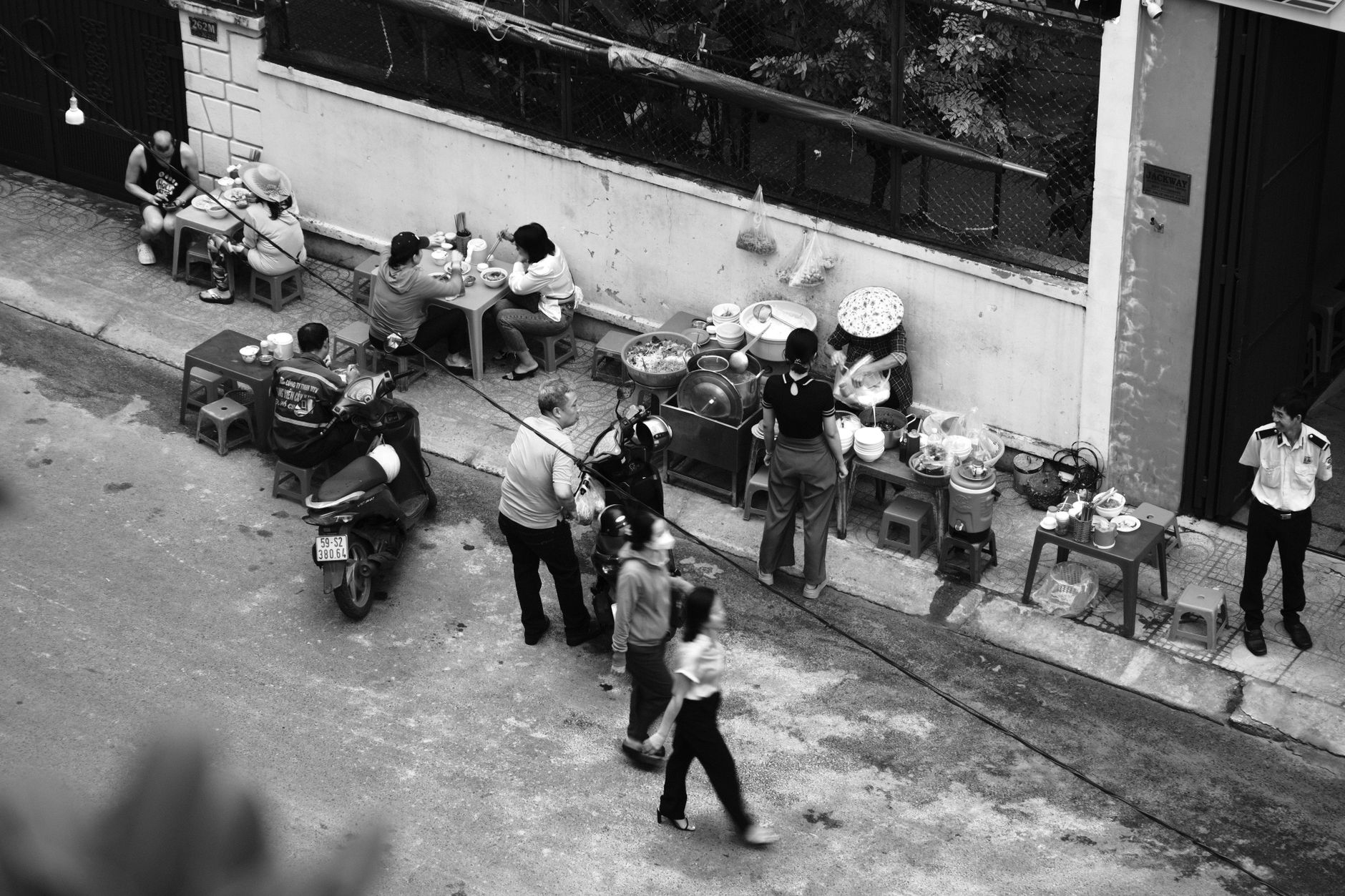
This noodle soup offers something different. It has a tangy, tomato-red broth. It features crab meatballs that float like clouds. It comes loaded with fresh herbs, fried tofu, and sometimes pork blood. The flavor is briny, umami, and slightly sweet.
This guide explains what goes into the bowl. It covers regional differences from Hanoi to Saigon. It tells you where to find the best versions and how to order like a local.
What is bun rieu? A quick introduction
Bun rieu is a Vietnamese rice noodle soup. The broth uses pork bones or chicken stock as a base. Fresh tomatoes give it acidity and color. Dried shrimp and fermented shrimp paste add deep umami. Annatto seeds or chili oil create the signature red hue.
The defining element is the rieu: a mixture of crab meat, eggs, and seasonings. This mixture is dropped into the simmering broth. It forms pillowy clusters that float to the surface. These crab cakes are tender, savory, and slightly sweet.
The noodles are thin rice vermicelli (bun). Toppings vary by region but often include fried tofu, cha lua (Vietnamese pork sausage), and congealed pork blood. A massive platter of fresh herbs and vegetables arrives on the side.
The dish originated in northern Vietnam. It spread south and evolved. Today, you find different versions in every major city.
The broth: what gives bun rieu its signature flavor
The broth is the heart of the dish. It starts with pork bones simmered for one to two hours. Some cooks use chicken for a lighter result.
Fresh tomatoes are added next. They break down and release their juices. This gives the broth a tangy, slightly sweet foundation.
Dried shrimp provides concentrated umami. The shrimp are soaked then ground or added whole. Fermented shrimp paste (mam tom) follows. This ingredient is pungent and salty. It is what gives bun rieu its distinctive depth.
Annatto seeds or chili oil create the red color. Many people assume tomatoes alone make the broth red. That is not accurate. Tomatoes contribute color, but annatto oil is what gives the soup its vibrant orange-red appearance.
The rieu mixture is the final addition. It combines crab paste, ground pork, eggs, and seasonings. The mixture is spooned into the boiling broth. It cooks quickly and rises to the surface.
Pro tip: The broth is not spicy by default. Heat comes from chili oil or fresh chilies added at the table.
What makes bun rieu different from pho and bun bo Hue
Many travelers wonder how to choose between Vietnam's famous noodle soups. The differences are clear once you understand the basics.
| Feature | Pho | Bun bo Hue | Bun rieu |
|---|---|---|---|
| Broth base | Beef bones, charred onion, ginger | Beef and pork bones, lemongrass | Pork bones, tomatoes, crab |
| Noodle type | Flat rice noodles (banh pho) | Thick round rice noodles | Thin rice vermicelli (bun) |
| Main protein | Sliced beef or chicken | Beef shank, pork hock, congealed blood | Crab meatballs, pork, tofu |
| Flavor profile | Savory, aromatic, clean | Spicy, funky, rich | Tangy, briny, umami |
| Signature garnish | Basil, bean sprouts, lime | Cabbage, mint, lime, banana blossom | Water spinach, perilla, banana blossom |
| Typical price (street) | 30,000-50,000 VND | 35,000-55,000 VND | 30,000-60,000 VND |
Pho is the safest entry point. Its broth is familiar and mild. Bun bo Hue is bolder. It packs heat from chili and funk from shrimp paste. Bun rieu sits in the middle. It is tangy and briny but not spicy.
The biggest difference is the crab. No other Vietnamese noodle soup uses crab as a primary protein. That makes bun rieu unique.
Regional variations: from Hanoi to Saigon
Bun rieu changes shape as you travel south. The broth gets richer. The toppings multiply. The flavor becomes more assertive.
Bun rieu in northern Vietnam (Hanoi and beyond)
This is the original style. The broth is lighter and clearer. Tomatoes are used more sparingly. The crab flavor takes center stage.
Toppings are minimal. You get the crab meatballs, maybe some pork, and a few herbs. Fried tofu is uncommon. Congealed blood is rare. The garnish platter includes perilla, mint, and lime. That is it.
Northern bun rieu is for purists. It lets the crab shine. The broth is less sweet and more savory.
Where to try it:
- Bun rieu Hang Luoc, Hang Luoc Street, Hoan Kiem District. Open for breakfast and lunch.
- Bun rieu cua at 11 Hang Hom. Famous for its rich crab flavor.
Bun rieu in central Vietnam (Hue, Da Nang)
Central Vietnam adds spice. Hue is the chili capital of the country. Its bun rieu reflects that.
The broth may include more chili oil. Some versions add snails (bun rieu oc) or fish (bun rieu ca). These are regional specialties you rarely find elsewhere.
The toppings stay relatively simple. But the heat level is higher. If you like spicy food, this is the version to seek out.
Where to try it:
- Street stalls near Dong Ba Market in Hue. Look for bun rieu oc.
- Da Nang street food stalls near Han Market.
Bun rieu in southern Vietnam (Ho Chi Minh City, Mekong Delta)
This is the version most tourists encounter. It is loaded. It is bold. It is unforgettable.
The broth is richer and redder. More tomatoes and more annatto oil create a deep orange color. The shrimp paste flavor is stronger.
Toppings multiply. Fried tofu is standard. Cha lua (pork sausage) is common. Congealed pork blood (tiet) appears frequently. Some bowls include extra shrimp or even crab claws.
The garnish platter is massive. It includes water spinach (rau muong), banana blossom (bap chuoi), bean sprouts, perilla, mint, and sawtooth herb. A small bowl of mam tom (fermented shrimp paste) arrives on the side for dipping.
Where to try it:
- Bun Rieu Thang Long, 31F Tue Tinh Street, District 11. Well-regarded by locals.
- Bun rieu at 258 Nguyen Trai, District 1. Popular and busy.
- Street stalls in District 4 and District 5. Cheap and authentic.
Warning: Southern bun rieu has a stronger shrimp paste flavor. First-timers should add mam tom sparingly.
Is bun rieu healthy? Nutritional breakdown
A standard bowl contains 350 to 500 calories. The exact number depends on toppings.
The protein content is solid. Crab, pork, and eggs provide roughly 20 to 30 grams per bowl. The broth is lower in fat than pho or bun bo Hue. Tomatoes add vitamin C and lycopene. Fresh herbs provide antioxidants and fiber.
The main concern is sodium. Fish sauce and shrimp paste are both high in salt. A single bowl can contain 1,000 to 1,500 milligrams of sodium. That is half the daily recommended intake.
For most travelers, this is not a problem. Bun rieu is a meal, not a daily habit. It fits well into a balanced diet.
What does bun rieu taste like? A flavor profile
Imagine tomato soup meets crab cake. Then add fish sauce, shrimp paste, and fresh herbs.
The first sip hits you with tanginess from tomatoes. Then the briny umami of crab and shrimp paste follows. The broth is not heavy. It is light but deeply flavored.
The crab meatballs are soft and tender. They break apart easily. Each bite gives you a mix of crab, egg, and subtle seasonings.
The noodles are thin and chewy. They soak up the broth without becoming mushy.
The fresh herbs provide contrast. Water spinach is crunchy. Perilla is minty and slightly spicy. Banana blossom adds a mild, artichoke-like flavor.
Fried tofu adds texture. It absorbs the broth and stays crispy on the outside. Congealed blood has a silky, iron-rich taste that some love and others avoid.
The overall experience is bright, savory, and complex. It is not heavy like pho. It is not fiery like bun bo Hue. It is something in between.
Where to find the best bun rieu in Vietnam
These recommendations focus on street stalls and local restaurants. No tourist traps. No overpriced versions.
Hanoi
The northern capital keeps it simple. Look for stalls that specialize in bun rieu cua (with extra crab).
- Bun rieu Hang Luoc: Hang Luoc Street, Hoan Kiem District. Open from 6:00 AM to 1:00 PM. Classic northern style.
- 11 Hang Hom: Famous for its rich, crab-forward broth. Expect a line at lunch.
What to expect: smaller portions, less toppings, more crab flavor. Prices range from 30,000 to 45,000 VND.
Ho Chi Minh City
Saigon offers the most extravagant bowls. Toppings are plentiful. Portions are generous.
- Bun Rieu Thang Long: 31F Tue Tinh Street, District 11. Open from 6:00 AM to 10:00 PM. Consistent quality.
- 258 Nguyen Trai: District 1. Popular with locals. English menu available.
- District 4 street stalls: Along Vo Van Kiet Street. No English. Point at what you want.
What to expect: loaded bowls, stronger shrimp paste, fried tofu standard. Prices range from 40,000 to 60,000 VND.
Da Nang and Hue
Central Vietnam offers unique variations. Seek out bun rieu oc (with snails) in Hue.
- Dong Ba Market stalls: Hue. Look for vendors selling bun rieu oc.
- Han Market area: Da Nang. Several stalls serve bun rieu with a spicy twist.
What to expect: spicier broth, experimental toppings, smaller portions. Prices range from 35,000 to 50,000 VND.
How to order bun rieu like a local
Follow these steps for a smooth experience.
- Find a seat. At street stalls, sit on the small plastic stools. At restaurants, grab a table.
- Order. Say "Mot to bun rieu" (one bowl of bun rieu). Specify toppings if you have preferences: "Khong tiet" (no blood), "Khong dau" (no tofu), "Them cha lua" (extra pork sausage).
- Wait for the garnish platter. It arrives with your bowl. Do not dump everything in at once.
- Add herbs gradually. Start with a few leaves. Taste the broth. Add more if you like.
- Squeeze lime. One wedge is usually enough.
- Add chili. Use fresh slices or chili oil. Start small.
- Mix everything. Use chopsticks to combine noodles, broth, and toppings.
- Taste the broth. Decide if you want shrimp paste. Add a tiny spoonful if you do. Stir and taste again.
- Slurp. Noodles and broth together. That is the correct way.
- Dip toppings. Fried tofu and cha lua taste great dipped in mam tom.
Pro tip: If the shrimp paste smell is too strong, skip it. The broth is flavorful enough on its own.
Common questions about bun rieu (answered)
Q: How does bun rieu differ from other Vietnamese soups? A: Bun rieu uses a tomato and crab-based broth with thin vermicelli noodles. Pho uses beef bones and flat noodles. Bun bo Hue uses beef and pork with lemongrass and thick noodles. The crab meatballs are unique to bun rieu.
Q: What is the broth of bun rieu made from? A: The broth starts with pork bones or chicken stock. Tomatoes, dried shrimp, fermented shrimp paste, fish sauce, and annatto oil or chili oil are added. The crab and egg mixture cooks directly in the broth.
Q: Is bun rieu healthy? A: A bowl contains 350 to 500 calories with 20 to 30 grams of protein. It is lower in fat than pho or bun bo Hue. Sodium is high due to fish sauce and shrimp paste.
Q: What is Anthony Bourdain's favorite Vietnamese soup? A: Anthony Bourdain loved bun cha, which he ate with President Obama in Hanoi. He praised bun rieu during his travels but it was not his top pick.
Q: Is bun rieu gluten free? A: Yes, traditional bun rieu is naturally gluten free. The noodles are rice-based. The broth contains no wheat. Travelers with celiac disease should confirm no soy sauce is used.
Q: What does bun rieu taste like? A: The broth is tangy, slightly sweet, and briny. The crab meatballs are tender and savory. Fresh herbs add crunch and brightness. The dish is not spicy by default.
Q: What is the difference between bun rieu cua and regular bun rieu? A: "Cua" means crab. Bun rieu cua includes visible chunks of crab meat as a topping. Regular bun rieu uses crab paste mixed with eggs for the meatballs.
The bottom line: should you try bun rieu?
Bun rieu is not for everyone. The fermented shrimp paste has a strong smell. The crab flavor is briny and unfamiliar to many Western palates. The congealed blood can be off-putting.
But for travelers who want to explore beyond pho, bun rieu is essential. It represents a different side of Vietnamese cuisine. It is lighter than pho but more complex. It is tangy, savory, and deeply satisfying.
Start with a northern version if you are nervous. The flavors are milder. Work your way south as you build confidence.
Best time to eat it: breakfast or lunch. It is not a heavy dinner option. The broth is light enough for the morning but substantial enough to fuel an afternoon of sightseeing.
Bring an open mind. Bring your appetite. Leave your preconceptions behind.