Vietnam visa photo requirements: size and official rules
The Vietnamese format is 4 × 6 cm, which no European photo booth and no phone camera produces. Here are the real rules, read on the official portal on October 23, 2026, for each type of application, with the source of each one.
The short answer
A JPEG file in 4 × 6 cm proportions (portrait, 2:3), under 2 MB, white background, face looking straight, no glasses, no hat, formal clothes, recent photo.
- Required
- : JPEG, 4 × 6 cm, under 2 MB
- Our file
- : 945 × 1,417 px, under 1 MB, to pass every version of the portal
2 identical printed photos of 4 × 6 cm: white background, face looking straight, no glasses, no hat, formal clothes, recent photo.
- Required
- : printed 4 × 6 cm photos, white background
- Our files
- : 10 × 15 cm (4 × 6 in) sheet of 4 photos for a lab, or A4 PDF of 8 photos to print at home at 100 %
1 or 2 printed photos of 4 × 6 cm depending on the mission (check with yours): white background, face looking straight, no glasses, no hat, formal clothes, recent photo.
- Required
- : printed 4 × 6 cm photos, white background
- Our files
- : 10 × 15 cm (4 × 6 in) sheet of 4 photos for a lab, or A4 PDF of 8 photos to print at home at 100 %
Free, in your browser (except the white background, on request), nothing is stored.
The e-visa asks for two images: your portrait and the data page of your passport.
1. Your portrait
- Plain white background, no shadow
- Facing the camera, mouth closed
- No glasses, no hat
- JPEG 4 × 6 cm, under 2 MB
2. Your passport data page
- All 4 corners visible
- No glare, no blur
- The 2 lines of characters at the bottom readable
- JPEG, under 2 MB
Good photo, refused photos
One good photo and the most common mistakes.
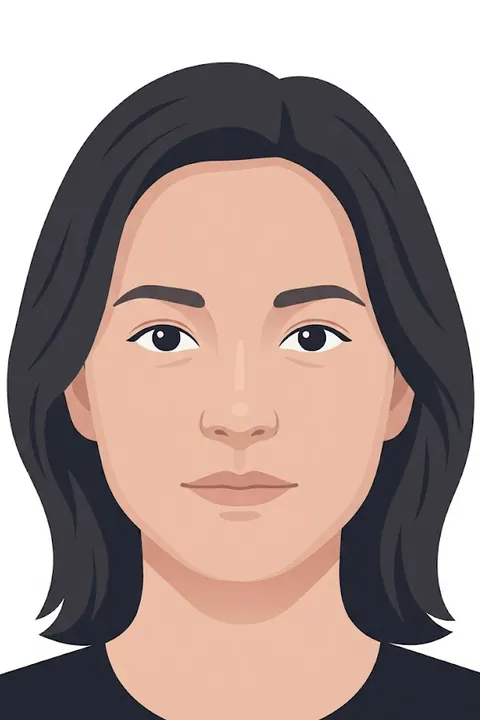
Good photo: white background, facing the camera, head between the lines 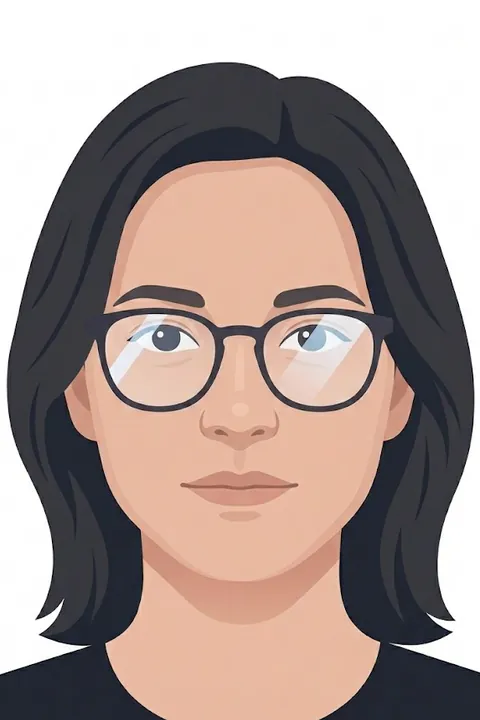
Glasses 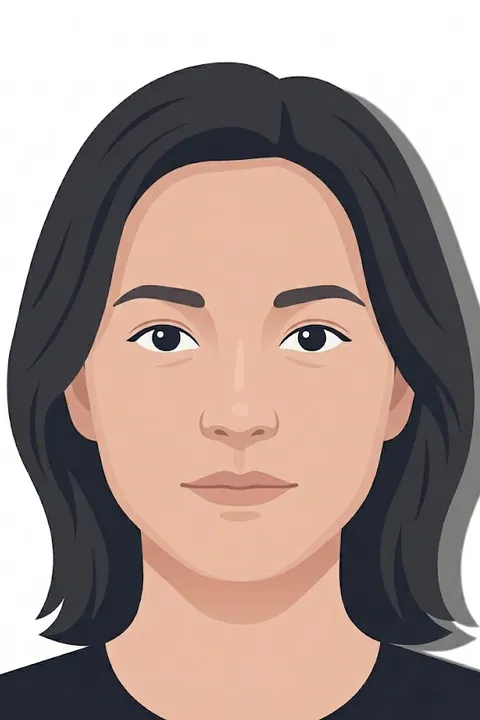
Shadow behind the head 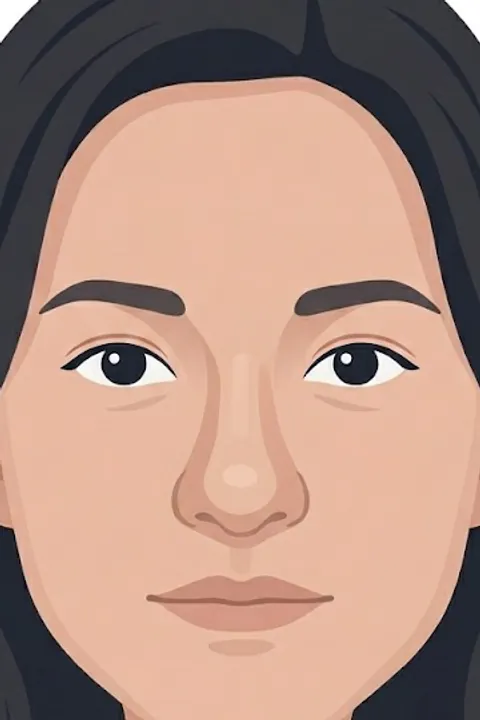
Too close (selfie) 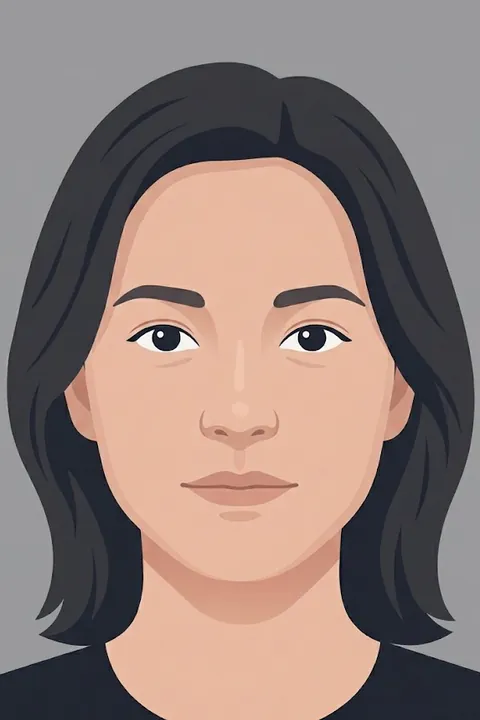
Grey background 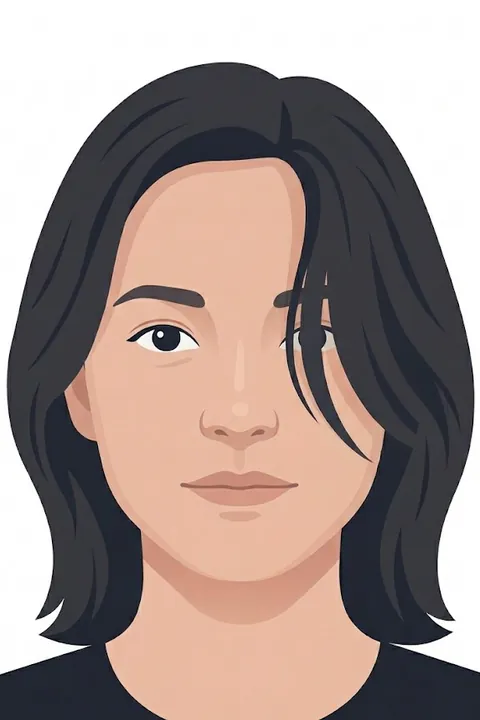
Hair over the face
The requirements, by type of application
What the chosen application asks for, with the source of each rule. “Recommended” means an international photo standard often copied by third-party sites, not a written Vietnamese rule.
| Rule | Source |
|---|---|
| Size4 × 6 cm proportions (portrait 2:3) | Official e-visa portal; NA1 form |
| Size4 × 6 cm | Official e-visa portal; NA1 form |
| Number1 file for the portrait (plus 1 image of the passport data page) | Official e-visa portal; NA1 form; embassies |
| Number2 identical prints | Official e-visa portal; NA1 form; embassies |
| Number1 or 2 prints, depending on the mission | Official e-visa portal; NA1 form; embassies |
| File formatJPG / JPEG (not HEIC, not PNG) | Official e-visa portal |
| File formatPaper | Official e-visa portal |
| File weightUnder 2 MB | Official e-visa portal |
| BackgroundWhite | Official e-visa portal; NA1 form |
| FaceLooking straight, uncovered | Official e-visa portal |
| GlassesNo glasses | Official e-visa portal; NA1 form |
| GlassesSunglasses refused; clear glasses: ask the mission | Official e-visa portal; NA1 form |
| HatNo hat (religious or medical reasons: face fully visible) | Official e-visa portal; international practice |
| ClothesFormal, polite clothes | Official e-visa portal |
| Age of the photoRecent (less than 6 months recommended) | Official e-visa portal (“newly taken”) |
| Head size70–80 % of the photo height recommended (the generator aims for 72 %) | International standard (ICAO), not Vietnamese |
| Head size70–80 % of the photo height recommended (the generator's sheet aims for 72 %) | International standard (ICAO), not Vietnamese |
Why your usual ID photo does not fit
Photo booths in Europe print 3.5 × 4.5 cm, and US photos are 2 × 2 inches (5 × 5 cm, square): neither is the Vietnamese 4 × 6 cm (2:3). Some websites still say “4 × 6 cm or 2 × 2 inches”: a square photo is not the same shape.
Phone photos are landscape or 4:3, weigh 3 to 12 MB and, on iPhone, are often saved as HEIC, a format the portal does not accept. Our photo generator solves all three: 2:3 framing, JPEG, under 1 MB.
How to take a good photo at home
- The wall: stand half a metre in front of a plain white or very light wall, nothing behind you.
- The light: face a window, daylight on your face, no flash and no shadow behind you.
- The distance: ask someone to hold the phone 1.5 m away, at eye level, without zoom.
- What you wear: glasses off, hair away from your face, a top with sleeves (formal clothes are part of the rule), neutral expression, mouth closed.
- Several shots: take a few and keep the sharpest one, looking straight at the camera.
For a baby, lay them on a white sheet and photograph from above; eyes open is ideal but not always possible. Each child needs their own photo.
The second upload: your passport page
The e-visa form also asks for a picture of your passport data page. The portal reads it automatically to fill in the form, so it must be sharp, with all four corners visible, no reflection, and the two lines of characters at the bottom readable. JPEG, under 2 MB. Most refusals “for unclear photos” come from this page, not from the portrait.
Printed photos: before you leave, or in Vietnam
For a visa on arrival or an embassy application you need printed 4 × 6 cm photos. The generator offers two files: the 10 × 15 cm sheet (4 photos), to print as a normal photo (10 × 15 cm or 4 × 6 in, the most common print size) at a photo kiosk, a supermarket photo lab or a pharmacy, and an A4 PDF (8 photos) to print at home at 100 %, with no fit to page, with a 5 cm check ruler. Then cut along the marks.
In Vietnam, photo studios (look for “chụp ảnh thẻ”) make 4 × 6 cm photos in a few minutes for a small fee, and some airports have a photo counter near the visa on arrival desk. Do not count on it if you land late at night.
Why sources disagree
You will read 50 KB, 1 MB, 2 MB or 10 MB depending on the site. The official portal evisa.gov.vn says under 2 MB in its current form (one other text in the same portal mentions 10 MB). The 50 KB limit comes from an old guide of the Immigration Department written for the previous portal, and the 1,024 KB limit from the previous portal itself. A file under 1 MB therefore passes the current portal as well as the old 1,024 KB limit, which is why the generator aims for it.
The official text says no glasses, with no exception. Some sites say clear glasses are tolerated: do not take the risk. Head-size percentages come from international passport photo standards, not from a Vietnamese text: useful as guidance, not a written rule.
Frequently asked questions
What size is a Vietnam visa photo?
4 × 6 cm (portrait, width 4 cm, height 6 cm). For the e-visa, you need a JPEG file in these proportions, under 2 MB (our generator makes a 945 × 1,417 px file under 1 MB); for a visa on arrival or an embassy, printed photos of 4 × 6 cm.
Can I wear glasses on my Vietnam visa photo?
No. The official portal says “no glasses”, without exception. Remove them, even clear prescription glasses.
Can I wear a headscarf or religious head covering?
The portal says “no hat”. In practice, a head covering worn for religious or medical reasons is accepted if the whole face, from chin to forehead, is clearly visible.
Can I reuse my passport photo?
Yes if it is recent (less than 6 months is the usual guidance) and meets the rules, but a scan of the photo printed in your passport is not suitable: take or reuse the original digital photo and crop it to 4 × 6.
What happens if my photo is rejected?
The portal blocks some files at upload (“image size exceeds 2 MB”, “image quality is too low”). After submission, an unclear photo can lead to a refusal; you then apply again and pay the fee again. Taking care of the photo beforehand avoids this.
Do children need their own photo?
Yes, each traveller needs their own photo, babies included. For a baby, a photo taken from above on a white sheet works well.
Ready to make your photo?
Free, in your browser (except the white background, on request), nothing is stored.
Independent site, not affiliated with the Vietnamese government. Rules read on the official portal and in official documents on October 23, 2026; they can change. Always follow the instructions shown on evisa.gov.vn when you apply.