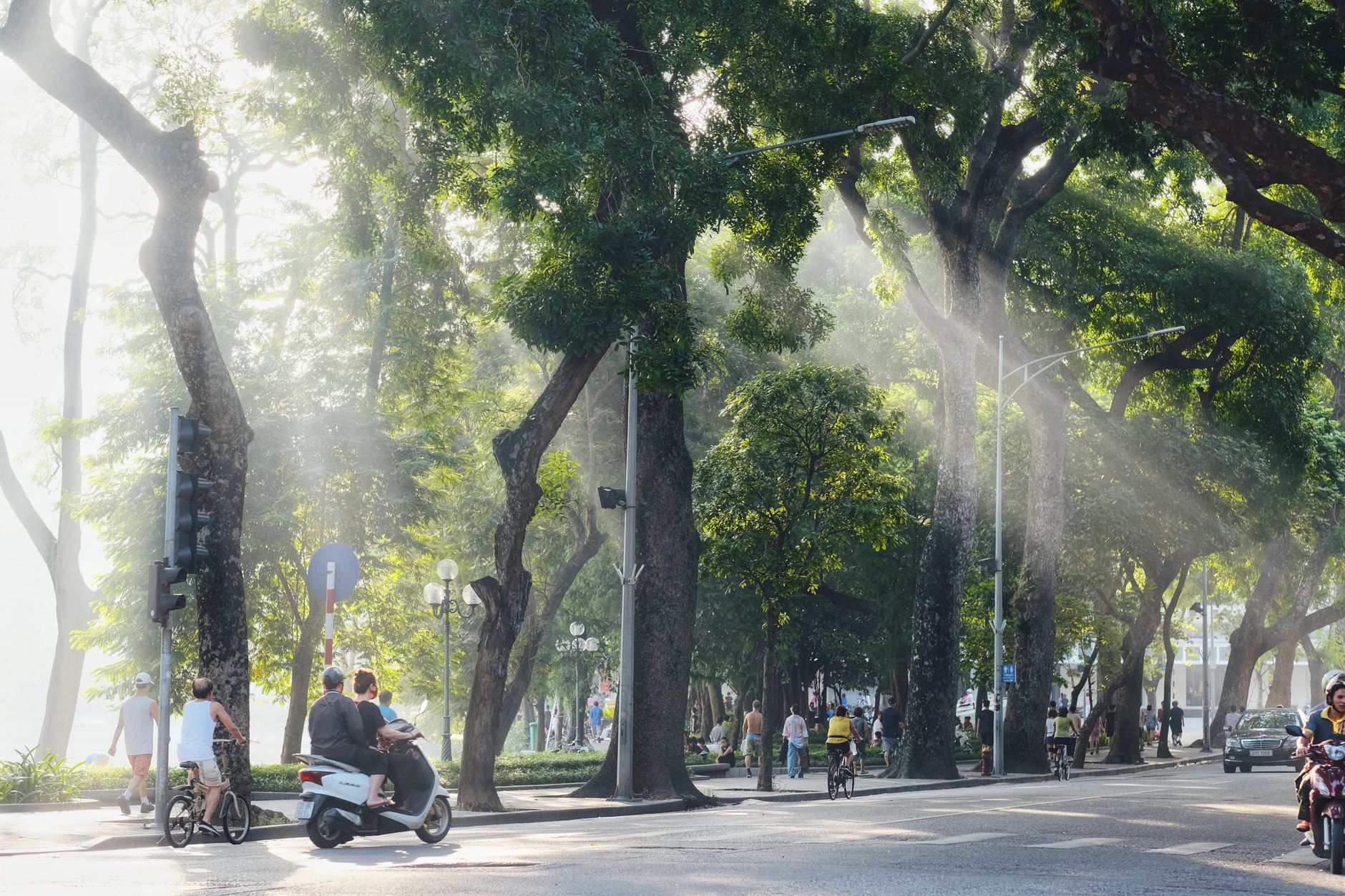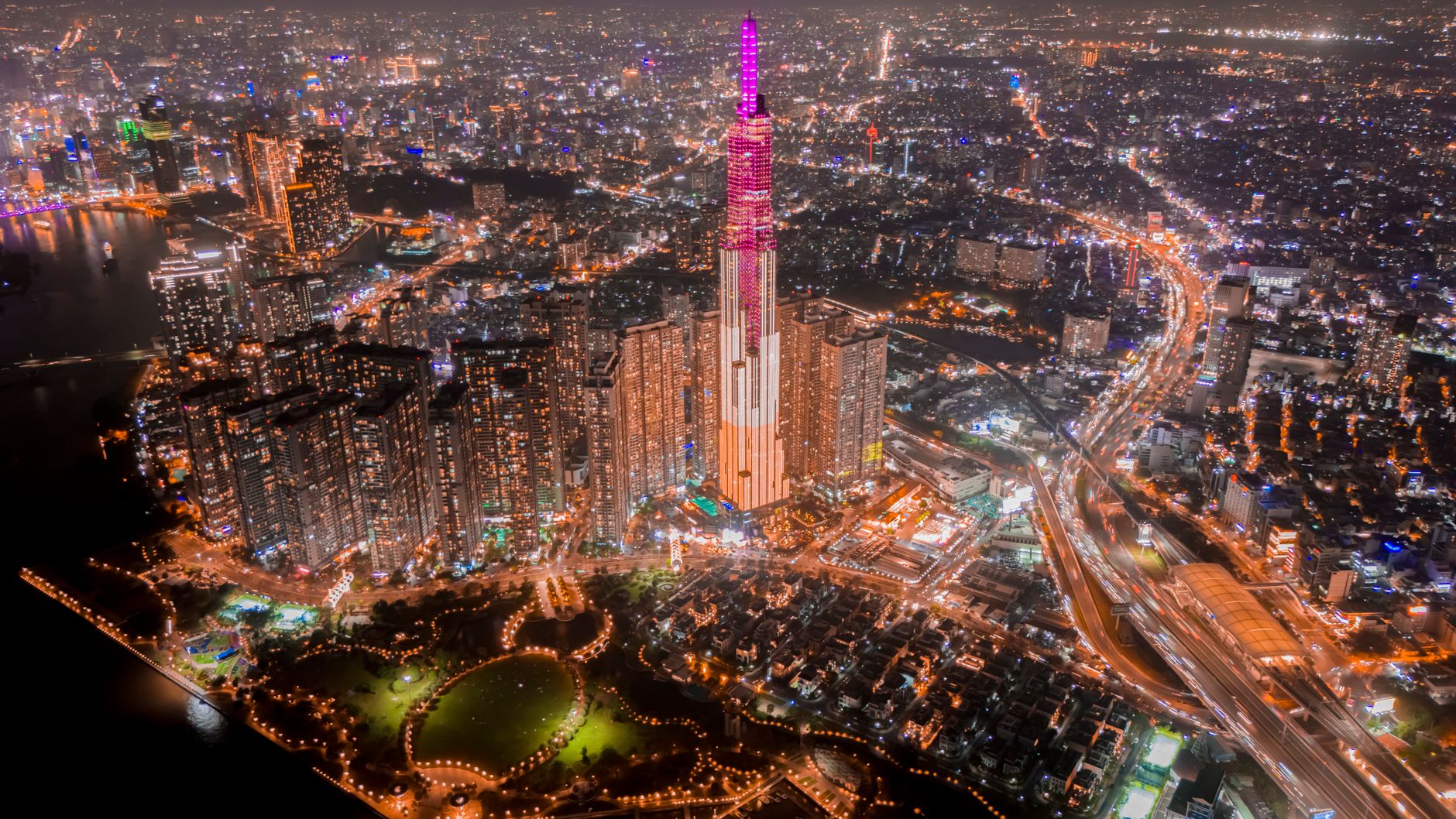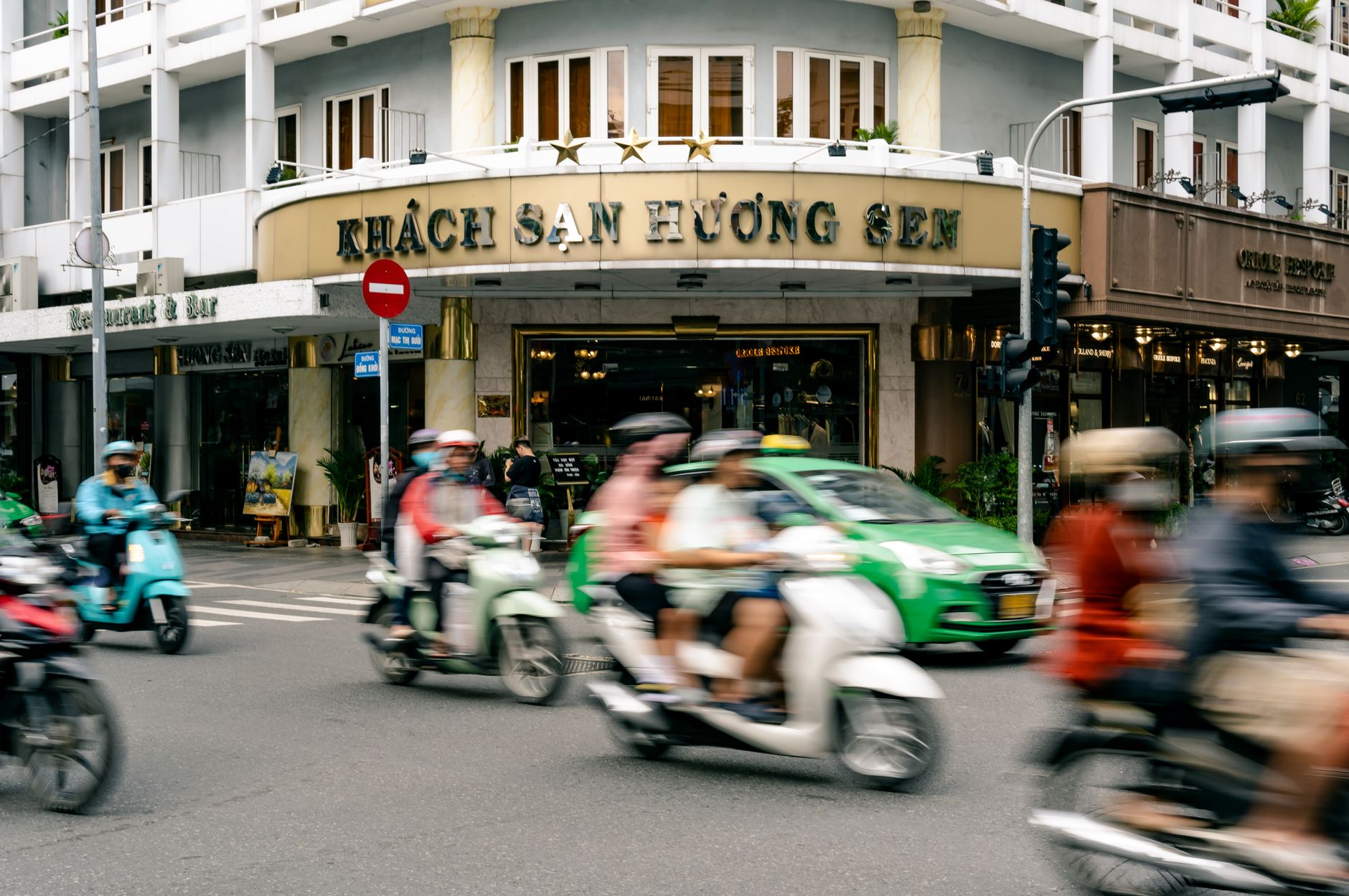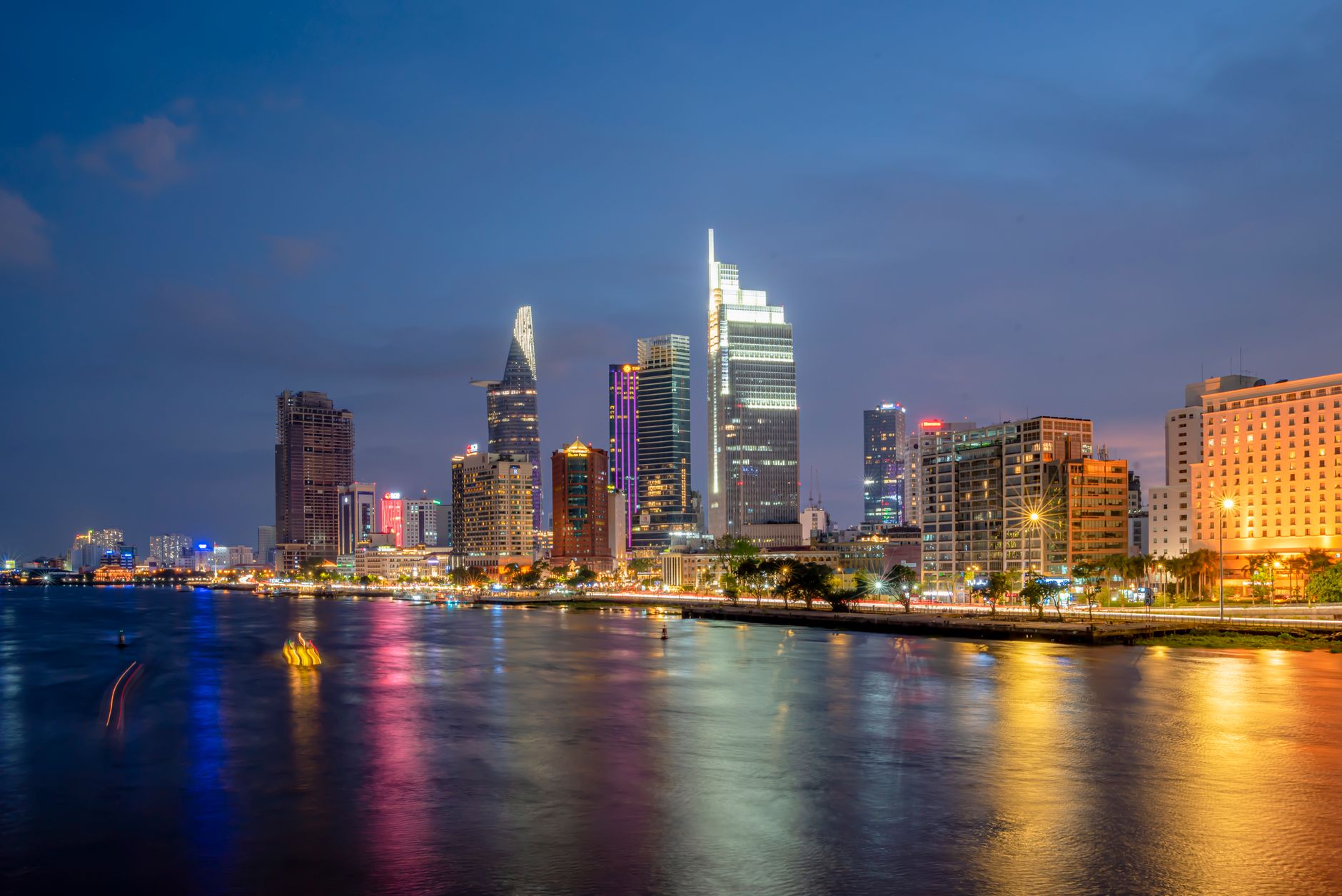
The real Ho Chi Minh City is a grid of alleys where whole neighborhoods eat, sleep and work within a few hundred meters. It is a city of specialty coffee shops hidden behind motorcycle repair stores. It is street food stalls that have served the same dish for forty years. It is the fastest-growing metro system in Southeast Asia, with Line 1 finally running through the city.
This guide covers what to do in Ho Chi Minh City beyond the standard circuit. It includes the neighborhoods worth your time, the food you should actually seek out, and the practical details that make the difference between a good trip and a frustrating one.
The neighborhoods worth your time
District 1 is where most visitors stay, and for good reason. The colonial architecture, the museums, the riverfront and the bulk of the nightlife all sit here. But it is also the most tourist-priced part of the city. A bowl of pho in District 1 costs 60,000-80,000 VND ($2.40-3.20). The same bowl in District 4 costs 40,000-50,000 VND ($1.60-2.00).
District 3 borders District 1 to the west and offers the best of both worlds. It has the French colonial villas, the Pink Church (Tan Dinh Church) and some of the city's best coffee shops. It is also where many of Saigon's old families still live, which means the food scene runs deep. Try the broken rice at Com Tam Ba Thien on Cao Thang Street, or the banh mi at Huynh Hoa on Phu Nhuan Street, which many locals consider the best in the city.
District 4 sits across the canal from District 1, connected by the Tran Hung Dao Bridge. It was once the city's most notorious district, a place guidebooks warned you to avoid. Those days are gone. District 4 is now where young Saigonese go for cheap seafood and late-night hotpot. The streets around Vo Van Kiet and Nguyen Tat Thanh fill with plastic stools every evening. This is where you eat like a local, not like a tourist.
District 5, the heart of Chinatown, is a different city entirely. The narrow streets around Thien Hau Temple and the Binh Tay Market are packed with Chinese-Vietnamese businesses, herbal medicine shops and some of the best dim sum outside of Hong Kong. The district is at its most atmospheric in the early morning, when the markets open and the streets are still cool.
Coffee culture beyond the tourist cafes
The specialty coffee scene in Ho Chi Minh City has exploded over the past five years. This is not the egg coffee of Hanoi or the rustic cafes of the central highlands. This is a generation of young Vietnamese roasters who grew up with robusta, then discovered what single-origin arabica could do.
Workshop Coffee on To Duc Thang Street in District 1 is the most established of the specialty shops. It occupies a converted apartment building and serves some of the best pour-over coffee in the city. A filter coffee costs 80,000-120,000 VND ($3.20-4.80). The staff speak English and will happily explain the origins of each bean.
The Coffee House and Katinat are Vietnamese chains that have invested heavily in their store design. They are not specialty roasters, but they are consistent and comfortable. More importantly, they show you how young Saigonese actually consume coffee. They sit for hours, working on laptops, meeting friends, or just watching the street below.
For something more traditional, find a sidewalk cafe that serves ca phe sua da (iced milk coffee) for 15,000-25,000 VND ($0.60-1.00). The coffee will be robusta, strong and sweet. It will also be the most authentic coffee experience in the city. These stalls are everywhere. Look for the clusters of plastic stools under a tree, or outside a shop that has set up a low table and a thermos of hot water.
The city's coffee culture connects to the wider Vietnamese tradition. For a deeper look at how coffee fits into daily life across the country, the guide to Vietnamese coffee covers the full range from egg coffee to salt coffee.
The food you should actually seek out
Ho Chi Minh City's food scene is the most diverse in Vietnam. The city absorbed waves of migrants from every region, and each wave brought its own cuisine. The result is a city where you can eat your way across the country without leaving the metro area.
Start with hu tieu, the southern noodle soup that is not pho. It comes with pork, shrimp and a clear broth, and it is served everywhere from street stalls to proper restaurants. The best bowls are in Chinatown, where the Chinese-Vietnamese community has perfected the recipe. A bowl costs 40,000-60,000 VND ($1.60-2.40).
Com tam (broken rice) is the definitive Saigon lunch. The rice is served with a grilled pork chop, a fried egg and a slice of pickled carrot and daikon. The best version in the city is at Com Tam Ba Ghien in District 3, a no-frills shop that has been serving the same dish for decades. A plate costs 50,000-70,000 VND ($2.00-2.80).
Banh xeo (sizzling pancakes) are another southern specialty. The crispy rice flour pancake is stuffed with pork, shrimp and bean sprouts, then wrapped in lettuce with fresh herbs and dipped in nuoc cham. Try them at Banh Xeo 46A in District 1, where the cooks work over giant cast-iron pans.
For dessert, look for che, the sweet soup that comes in endless variations. The stalls around the Ben Thanh Market area serve bowls of che with coconut milk, beans, jellies and fruit for 20,000-30,000 VND ($0.80-1.20). The guide to che explains the different styles and what to order.
The street food scene rewards exploration. The alleys around the Pham Ngu Lao backpacker area are touristy, but the food is still decent. Walk a few blocks in any direction and the prices drop and the quality rises. The guide to eating for $1 in Saigon breaks down how the plastic stool economy works.
Museums and history without the crowds
The War Remnants Museum is the most visited museum in the city, and it deserves the attention. But it is also emotionally heavy, and the crowds can be overwhelming. Visit it early in the morning, ideally on a weekday, and give yourself at least two hours. The guide to the War Remnants Museum covers what to expect and how to plan your visit.
The Independence Palace is the other major historical site, and it is a fascinating time capsule. The building has been preserved as it was on April 30, 1975, when a North Vietnamese tank crashed through its gates. The war rooms, the basement communications center and the rooftop helipad are all intact. The audio guide is worth the extra 20,000 VND ($0.80).
For something different, visit the Museum of Vietnamese History in District 1. It covers the full arc of Vietnamese history, from prehistoric times through the Nguyen dynasty, with a strong collection of Cham sculpture. The museum is quiet, even on weekends, and the air conditioning works well. Entry costs 40,000 VND ($1.60).
The Ho Chi Minh City Museum on Ly Tu Trong Street is often overlooked. The building itself is a neo-classical mansion from the French colonial period, and the exhibits cover the city's history from its founding through the modern era. The collection is uneven, but the building and the grounds are worth the visit.
For a different perspective on the Vietnam War, consider the Cu Chi Tunnels. The tunnel complex is about 70 kilometers from the city center, and a half-day trip is enough to see the main sites. The tours are well-organized, and you can crawl through a section of the tunnels if you are not claustrophobic. The guide to visiting Cu Chi covers the logistics and what to expect.
Markets that are not Ben Thanh
Ben Thanh Market is the city's most famous market, and it is also the most tourist-priced. The stalls near the main entrance sell souvenirs and knockoff goods at inflated prices. The food court is expensive and mediocre. Go once, take a photo of the clock tower, and move on.
Binh Tay Market in District 5 is the real deal. The market building is a beautiful example of French colonial architecture, and the surrounding streets are packed with wholesale traders. This is where locals shop for dried goods, spices, textiles and household items. The food stalls in the center serve some of the best hu tieu in the city.
Tan Dinh Market in District 1 is smaller and more manageable. It is housed in a pink and yellow colonial building and sells a mix of fresh produce, clothing and household goods. The market is popular with local shoppers, not tourists, which means the prices are fair.
The night markets along the river in District 1 are pleasant for a stroll, but they are mostly aimed at tourists. The street food is overpriced and the souvenirs are generic. Skip them and head to the food streets of District 4 instead.
Day trips from the city
Ho Chi Minh City is the base for two classic day trips: the Cu Chi Tunnels and the Mekong Delta. Both can be done in a day, though the Mekong Delta really deserves at least two.
The Cu Chi Tunnels are the more straightforward option. The site is a preserved section of the tunnel network that the Viet Cong used during the war. You can crawl through a section of the tunnels, see the booby traps and the underground command posts, and try the cassava that the soldiers ate. The tours depart from the city center and take about five hours round trip.
The Mekong Delta is a different experience. The day trips from the city usually include a bus ride to My Tho or Ben Tre, a boat trip through the canals, a visit to a coconut candy workshop and a lunch of elephant ear fish. The day trips are efficient, but they only scratch the surface. The full guide to the Mekong Delta covers how to plan a longer trip.
For a shorter escape, consider the weekend getaways guide, which includes options that work within 48 hours.
Practical information for 2026
Getting around: Grab is the dominant ride-hailing app, and it works well for both cars and motorbikes. A motorbike ride within District 1 costs 15,000-30,000 VND ($0.60-1.20). Cars cost 40,000-80,000 VND ($1.60-3.20). The new Metro Line 1 runs from Ben Thanh to Suoi Tien, but it is more useful for locals than tourists. The guide to whether Grab works in Vietnam covers the details.
Money: Cash is still king in Ho Chi Minh City. Most street stalls, small shops and markets do not accept cards. ATMs are everywhere, but the fees add up. The guide to exchanging money in Vietnam covers the best rates and where to change cash.
Weather: The dry season from December to April is the best time to visit. The rainy season from May to November brings daily downpours, usually in the afternoon. The rain is heavy but brief, and the city keeps moving. The guide to Vietnam in January covers the weather and crowds for the peak season.
Safety: Ho Chi Minh City is safe for travelers, but the traffic is chaotic and the sidewalks are uneven. Watch your belongings, especially on motorbikes and in crowded markets. The guide to theft and pickpockets covers the common scams and how to avoid them.
Where to stay: District 1 is the most convenient base, but it is also the most expensive. District 3 offers better value and a more local feel. District 4 is cheaper still, and the food scene is excellent. The guide to where to stay in Ho Chi Minh City breaks down the neighborhoods and hotel options by budget.
Is Ho Chi Minh City worth more than two days?
Yes. The standard two-day itinerary covers the major sights, but it misses the city's character. Ho Chi Minh City rewards time. The longer you stay, the more you notice the layers: the French colonial buildings behind the modern facades, the ancient temples hidden in the alleys, the food traditions that go back generations.
Three days is enough for the highlights and a few neighborhoods. Five days allows for the Cu Chi Tunnels, a Mekong Delta trip and a proper exploration of the food scene. A week is better still, and the city works well as a base for exploring the south of Vietnam.
The city connects easily to the rest of the country. The train to Nha Trang takes about seven hours, and flights to Da Nang, Hanoi and Phu Quoc depart regularly. The guide to the north-south train journey covers the rail options, and the guide to domestic flights compares the airlines.
Ho Chi Minh City is not a city you visit once and check off. It is a city you return to, and each visit reveals something new.
FAQ
Q: How many days do I need in Ho Chi Minh City? Three days is the minimum for the main sights and a couple of neighborhoods. Five days allows for day trips to Cu Chi and the Mekong Delta. A week is enough to explore the food scene properly and take a slower pace.
Q: Is Ho Chi Minh City safe for tourists? Yes. Violent crime is rare. The main risks are petty theft, especially on motorbikes, and the chaotic traffic. Keep your phone in your pocket when crossing the street, and use common sense in crowded areas.
Q: What is the best time of year to visit Ho Chi Minh City? December to April is the dry season and the most comfortable time to visit. The weather is hot but less humid, and the rain is minimal. May to November is wetter, but the rain usually comes in short afternoon bursts.
Q: How much does a day in Ho Chi Minh City cost? A budget traveler can get by on 600,000-800,000 VND ($24-32) per day including a hostel, street food and public transport. A mid-range traveler should budget 1,200,000-1,800,000 VND ($48-72) for a hotel, restaurant meals and Grab rides.
Q: Do I need to speak Vietnamese to get around? No. English is common in tourist areas, and the Grab app works in English. Learning a few phrases like "cam on" (thank you) and "bao nhieu" (how much) helps, especially in markets and with older locals.
Q: What should I avoid in Ho Chi Minh City? Avoid the cyclo tours, which are overpriced and often lead to commission shops. Avoid the taxis at the airport that do not use the meter. Avoid the street vendors who approach you aggressively. None of these are dangerous, but they are all a waste of money.
Q: Is the Cu Chi Tunnels tour worth it? Yes, if you are interested in the Vietnam War. The tunnels are a unique piece of history, and the half-day tour is efficient. The tour is not for everyone, especially those with claustrophobia or mobility issues. The guide to visiting Cu Chi covers the options.