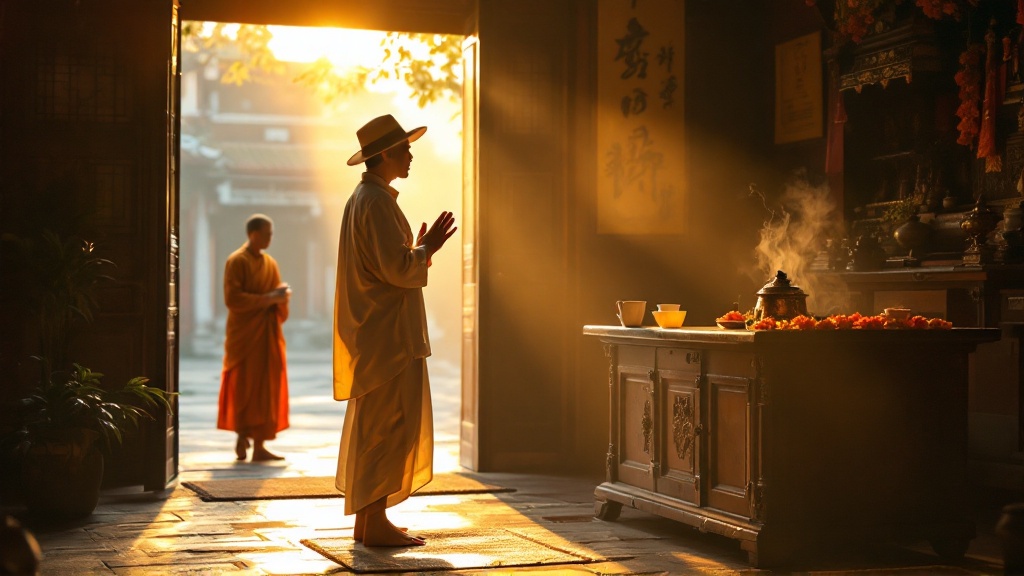
Vietnamese culture has clear rules about respect that rarely appear in guidebooks. Breaking them won't land you in trouble, but it will create awkwardness. And in a country where hospitality runs deep, most travelers want to get it right.
This article maps every major taboo a traveler needs to know. It explains why these rules matter and what happens when you break them. No fluff, no tour promotions. Just honest, practical advice for visiting Vietnam in 2026.
The foundation: Why respect works differently in Vietnam
Three core concepts underpin every rule of respect in Vietnam. Understanding them helps you make sense of behaviors that might otherwise seem confusing.
Hierarchy based on age. Age determines how you address someone, how you greet them, and who eats first at a meal. A person older than you automatically deserves more respect, regardless of their job or social status.
Saving face. Public embarrassment is deeply painful in Vietnamese culture. People avoid direct confrontation, criticism, and refusal to protect everyone's dignity. A smile can mean embarrassment rather than happiness. Someone might say yes when they mean no.
Collective mindset. The group matters more than the individual. Decisions are made with family or community harmony in mind. Standing out or drawing attention to yourself can be seen as selfish.
These three pillars explain why a simple interaction can feel complex. They also explain why the rules that follow exist.
Greetings and addressing people: Getting it right from the first moment
The most common interaction a traveler has can go wrong in several ways.
The age question: Why Vietnamese ask "How old are you?"
This is not rude in Vietnam. It is standard procedure.
Vietnamese uses a complex system of pronouns based on age, gender, and relationship. You cannot address someone correctly without knowing their approximate age. The pronoun system includes words like anh (older brother), chị (older sister), em (younger person), cô (aunt), chú (uncle), ông (grandfather), and bà (grandmother).
When you meet someone, they need to know if you are older or younger than them. That is why they ask your age. Answer honestly.
Practical advice: when in doubt, use bạn ơi (hey friend) or wait to be addressed first. Most Vietnamese will offer you a pronoun to use.
Handshakes, bows, and physical contact
Handshakes are common among men and in formal settings. Use your right hand. A two-handed handshake (left hand supporting the right wrist or elbow) shows extra respect for elders or authority figures.
Women often bow or nod rather than shake hands, especially with men. A slight bow with hands clasped at chest level is the traditional greeting.
Hugging is reserved for close family. Touching someone of the opposite sex in public can cause discomfort. Even a friendly hand on the shoulder can feel awkward.
Eye contact: Less is more
Looking directly at an elder or authority figure for too long can be seen as a challenge. Lowering the gaze shows respect.
This contradicts Western norms and frequently causes misunderstandings. A Vietnamese person who avoids eye contact is not being dishonest or shifty. They are showing respect.
The biggest greeting mistakes travelers make
- Using the left hand to shake or pass items. The left hand is considered unclean.
- Calling someone by their last name. Vietnamese use first names with honorifics.
- Not greeting the oldest person first in a group.
- Remaining seated when greeting an elder. Stand up.
| Person you are greeting | Correct pronoun | Greeting action | What to avoid |
|---|---|---|---|
| Older man | Anh | Slight bow or two-handed handshake | Direct eye contact, first name only |
| Older woman | Chị | Slight bow or nod | Hugging, touching |
| Elderly man | Ông | Deeper bow, wait for them to initiate | Calling by name, initiating handshake |
| Elderly woman | Bà | Deeper bow, lower gaze | Direct eye contact, physical contact |
| Younger person | Em | Nod or smile | Using formal pronouns for peers |
| Monk | Thầy | Press palms together at chest, bow deeply | Touching, shaking hands, standing above them |
Body language and gestures: What your hands and feet are saying
Travelers often offend without speaking a word.
Pointing and summoning: The wrong way to get attention
Pointing with one finger is how you call animals. The correct way to point is with the whole hand, palm facing up.
Summoning someone with an upward finger gesture is deeply insulting. It is only used for inferiors or dogs. The proper hand signal is palm down, fingers waving toward you.
The head and feet: Sacred and profane
The head is considered the most sacred part of the body, where the spirit resides. Never touch someone's head, including children. Never pat, ruffle, or touch anyone's head. Never pass objects over someone's head.
Feet are the lowest and dirtiest part of the body. Pointing feet at someone, showing the soles, or using feet to move objects is disrespectful. Do not point your feet at altars, religious objects, or people sitting on the floor.
Hands on hips, crossed arms, and other postures
Standing with hands on hips signals arrogance. Crossing arms can be seen as disrespectful or closed off. Putting hands in pockets while speaking to someone older conveys lack of respect.
Sit with both feet on the floor. Do not stretch your legs out with feet pointing toward anyone.
Gestures with hidden meanings
Crossed fingers (index and middle finger crossed) is an obscene gesture in Vietnam. It refers to female anatomy. Never use it for good luck.
The OK sign (thumb and forefinger circle) means zero or poor quality, not approval. Winking is considered indecent, especially toward the opposite sex.
The smile that means something else
Vietnamese smile when they are embarrassed, uncomfortable, apologizing, or disagreeing. Not just when happy.
This is one of the most confusing cultural signals for Westerners. If you express anger or frustration and the other person smiles, they are not mocking you. They are trying to diffuse tension and save face for both of you.
| Gesture | What it means in Vietnam | What it means in the West | Safe alternative |
|---|---|---|---|
| Crossed fingers | Obscene gesture | Good luck | Thumbs up |
| OK sign | Zero, poor quality | Approval | Thumbs up |
| Winking | Indecent, flirtatious | Friendly signal | Smile |
| Pointing with one finger | Calling animals | Pointing at objects | Whole hand, palm up |
| Summoning with upward finger | Insulting, for inferiors | Come here | Palm down, fingers waving |
| Hands on hips | Arrogance | Confidence | Hands at sides |
| Patting head | Deeply disrespectful | Affection | Never touch head |
Temple and spiritual site etiquette
Places of worship have strict rules that travelers frequently violate.
Dress code: What to wear and what to avoid
Shoulders and knees must be covered. No hats inside temples. No shoes on temple grounds or inside prayer halls.
Sheer fabrics and visible undergarments are particularly offensive. Women should carry a scarf to cover shoulders. Men should wear long pants instead of shorts.
Behavior inside temples
Speak quietly. Do not laugh loudly or make phone calls. Do not touch statues or religious objects. Do not take photos where prohibited.
Never walk in front of someone who is praying. Never sit with feet pointing toward the altar. Always sit or kneel with feet tucked behind you.
Ground altars and spirit houses
Many homes and businesses have small altars at ground level or outside. Never step over them or walk directly in front of them. Never point feet toward them.
These are offerings to spirits and ancestors. Treat them with the same respect as a temple altar.
| Action | Correct behavior | Incorrect behavior | Why it matters |
|---|---|---|---|
| Entering temple | Remove shoes, cover shoulders and knees | Wearing shoes, showing skin | Sacred space requires modesty |
| Inside prayer hall | Sit with feet tucked, speak quietly | Point feet at altar, talk loudly | Disrespect to Buddha and monks |
| Photography | Ask permission, follow signs | Taking photos of worshippers | Privacy and respect for ritual |
| Touching objects | Keep hands to yourself | Touching statues or relics | Religious objects are sacred |
| Ground altars | Walk around, avoid pointing feet | Stepping over or in front of | Spirit offerings are sacred |
Dining and food customs: Table manners that matter
Meals are communal and hierarchical. Breaking the rules can offend your host deeply.
Chopstick rules: What not to do
Sticking chopsticks upright in a bowl of rice resembles incense at a funeral. This is one of the most serious dining taboos.
Never pass food from chopsticks to chopsticks. This is a funeral ritual where bones are passed between chopsticks after cremation.
Never use chopsticks to point or gesture. Place idle chopsticks on the chopstick rest or across your bowl, not sticking into food.
The hierarchy of eating
Wait for the oldest person to start eating before you begin. The youngest or lowest-status person often serves rice and pours drinks.
Do not start eating before elders. Do not finish your food before the oldest person finishes. If you finish early, sit quietly and wait.
Serving and receiving food
Pass dishes with both hands or your right hand only. Never use your left hand.
If someone serves you food, it is polite to accept. Refusing food repeatedly can offend. The host will typically put the best pieces of meat into your bowl. This is hospitality, not a test.
Drinking etiquette
When toasting, say một, hai, ba, dô (one, two, three, cheers) and drink together. Younger people should lower their glass below the elder's glass when clinking.
It is common for people to pour drinks for each other rather than for themselves. Pour for others at the table. Drinking alone without inviting others is rude.
Tipping and paying the bill
The person who invited pays. The most senior person pays. Splitting the bill is not customary.
Tipping is not expected in most restaurants but appreciated for exceptional service. Round up the bill or leave 5-10 percent.
Gifts and hospitality: What to bring and what to avoid
If invited to a Vietnamese home, the wrong gift can cause offense.
Good gifts and bad gifts
Safe gifts: fruit, sweets, flowers, incense, tea, or soft drinks.
Never give anything black. Never give handkerchiefs (associated with farewell). Never give yellow flowers or chrysanthemums (funeral associations). Never give sharp objects (they sever relationships).
Gift wrapping should be colorful. Never use white (death) or black.
| Gift type | Appropriate? | Why or why not | Occasion |
|---|---|---|---|
| Fresh fruit | Yes | Healthy, practical, affordable | Any visit |
| Sweets or cakes | Yes | Shared with family | Any visit |
| Flowers (except yellow) | Yes | Bright colors welcome | Celebrations |
| Chrysanthemums | No | Funeral associations | Never |
| Handkerchiefs | No | Associated with farewell | Never |
| Sharp objects | No | Severs relationships | Never |
| Black items | No | Color of mourning | Never |
| Alcohol | Yes | For adult hosts | Dinner parties |
How to give and receive gifts
Gifts are often refused on the first offer. This is politeness, not rejection. Insist gently and the gift will be accepted.
The giver should downplay the value of the gift. The recipient should show gratitude. Use both hands when giving or receiving.
Shoes off, always
Remove shoes before entering any home. Watch for shoe racks or piles at the entrance. Some temples and even some shops require this.
Wearing shoes inside a home is a clear sign of disrespect. Bring slip-on shoes for easy removal.
Public behavior: What not to do in the street
Public displays of affection
Holding hands with a romantic partner is acceptable in cities. Kissing, hugging, and touching are not, especially outside major cities.
Same-sex friends holding hands or linking arms is normal and platonic. Do not assume this indicates a romantic relationship.
Dress codes in public
Shorts and tank tops are common among tourists but can offend locals, especially outside tourist areas.
Men should not go shirtless in public, even at the beach when walking to the water. Swimwear is for the beach or pool only, not for streets or shops.
Losing your temper
Raising your voice, arguing loudly, or showing anger in public causes everyone to lose face. This is seen as a sign of weakness, not strength.
Vietnamese may smile or laugh when you are angry. This is discomfort, not mockery. Stay calm. A quiet, patient approach gets better results.
Photography etiquette
Always ask before photographing people. Taking photos of three people together is considered bad luck for the person in the middle.
Do not photograph religious ceremonies without permission. Do not photograph military or government buildings.
Staring and personal space
Vietnamese may stare at foreigners, especially in rural areas. This is curiosity, not aggression. Children may touch the arm hair of Westerners.
Respond with a smile, not irritation. Staring back angrily creates unnecessary tension.
Conversations and relationships: What not to say
Topics to avoid
Politics, especially the Vietnam War and Ho Chi Minh jokes. Criticism of the government. Sexual topics. Comments about someone's poverty or appearance. Direct criticism of anyone (causes loss of face).
How to say no without saying no
Vietnamese rarely say "no" directly. "Maybe," "I will think about it," or a smile often means no. Pressing for a clear answer puts everyone in an uncomfortable position.
Learn to read indirect refusals. If someone hesitates or gives a vague answer, accept it as a no.
Compliments and thanks
Do not expect "thank you" for a compliment. Receiving praise with a smile or denial is correct.
Parents and teachers do not thank children for small services. A smile suffices.
Praising someone too much can be seen as flattery or mockery. Keep compliments simple and genuine.
Asking personal questions
Vietnamese may ask about age, marital status, income, and family. These are normal relationship-building questions, not intrusive.
Foreigners should answer honestly or politely deflect. If you are over 30 and unmarried, some Vietnamese may feel sympathy. Saying you are married can simplify interactions.
Business and formal situations
Business card etiquette
Present and receive business cards with both hands. Take a moment to look at the card before putting it away.
Never write on someone's business card in their presence. Place cards on the table during meetings, not in pockets.
Punctuality and appointments
Vietnamese are punctual for professional appointments but may arrive late to social gatherings to avoid appearing overeager.
Never make promises you cannot keep. Breaking a promise causes serious loss of face and trust.
Hierarchy in meetings
Address the most senior person first. Allow elders to speak first. Do not interrupt.
Decisions may take longer than expected because consensus is valued over individual authority. Be patient.
What to do if you make a mistake
A sincere apology and a smile go a long way. Vietnamese are generally forgiving of foreigners who make honest mistakes, especially if they show they are trying to learn.
If you accidentally offend someone, say xin lỗi (sorry) with a genuine tone. Do not make excuses. Do not argue. Just apologize and move on.
Most Vietnamese understand that foreigners do not know all the rules. They appreciate the effort more than the perfection.
FAQ
Q: What does it mean when a Vietnamese person bows to you? A bow or nod of the head is a sign of respect, especially when greeting someone older or of higher status. The depth of the bow indicates the level of respect. A slight nod is standard for peers. A deeper bow is for elders or authority figures.
Q: Is it rude to touch someone's head in Vietnam? Yes. The head is considered the most sacred part of the body, where the spirit resides. Touching someone's head, including a child's, is deeply disrespectful. Never pat, ruffle, or touch anyone's head. Never pass objects over someone's head.
Q: Do Vietnamese bow to elders? Yes. When greeting elders, Vietnamese typically bow slightly or nod while using the appropriate honorific pronoun. The bow is accompanied by lowering the gaze. Younger people should initiate the greeting and wait for the elder to acknowledge them.
Q: What are some Vietnamese cultural taboos? Major taboos include touching someone's head, pointing feet at people or altars, sticking chopsticks upright in rice, giving handkerchiefs or black items as gifts, public displays of affection, losing your temper in public, and using crossed fingers, which is an obscene gesture.
Q: Is it rude to say no directly in Vietnam? Yes. Direct refusal causes loss of face for both parties. Vietnamese typically use indirect language. "Maybe," "I will think about it," a smile, or silence means no. Pressing for a clear answer puts everyone in an uncomfortable position.
Q: What should I wear to a temple in Vietnam? Cover shoulders and knees. Remove shoes and hats before entering. Avoid sheer fabrics, visible undergarments, and revealing clothing. Women should carry a scarf to cover shoulders. Men should wear long pants instead of shorts.
Q: Is it rude to ask someone's age in Vietnam? No. Asking age is standard when meeting someone because it determines which pronoun and level of respect to use. This is considered polite, not intrusive. Travelers should expect to be asked their age and can ask in return.
Q: What does crossed fingers mean in Vietnam? Crossed fingers, with index and middle finger crossed, is an obscene gesture in Vietnam referring to female anatomy. Never use it for good luck or any other purpose. The OK sign, with thumb and forefinger in a circle, means zero or poor quality.