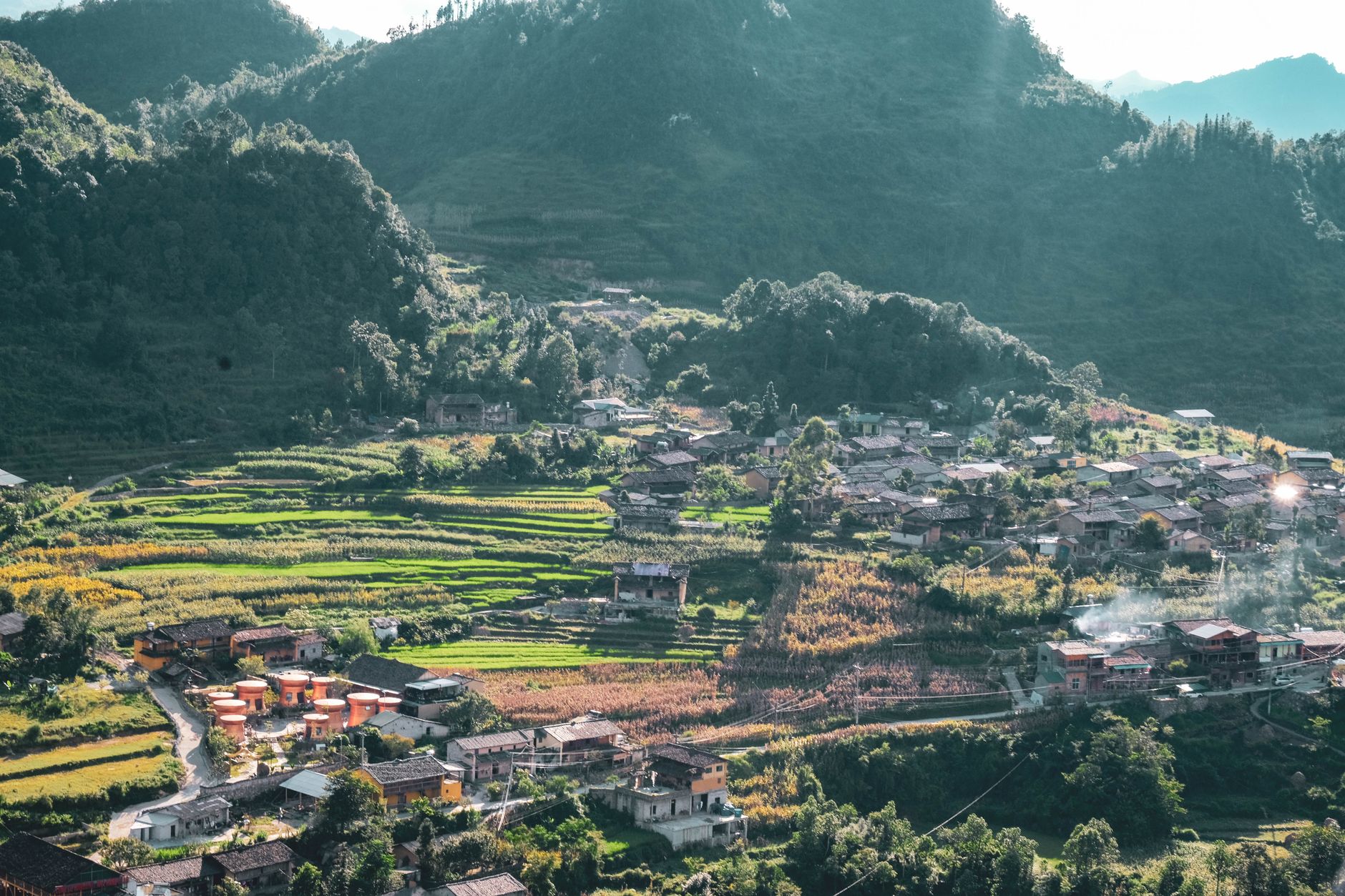
What this itinerary covers and why it works
This route is a concentrated northern loop. Hanoi serves as the hub, with excursions to Sapa (rice terraces and hill tribe villages), Ha Giang (mountain passes and ethnic markets), and Ninh Binh (karst landscapes and river caves). The loop is tight but achievable using night buses and strategic planning.
The most common mistake travelers make is trying to add Ha Long Bay to this itinerary. Do not do it. Ha Long Bay is a full 2-3 day detour east of Hanoi. Add it to a longer trip or skip it entirely. The route below already demands significant travel time.
Route options: clockwise vs. counterclockwise
Option A: Hanoi > Ninh Binh > Sapa > Ha Giang > Hanoi (recommended for first-timers)
This route starts with the easiest destination (Ninh Binh, 2 hours from Hanoi) and builds toward the most demanding (Ha Giang). You get accustomed to Vietnam's transport and culture before tackling the Ha Giang Loop. The scenic drive from Sapa to Ha Giang through the Hoang Lien Son mountains is a bonus.
Option B: Hanoi > Ha Giang > Sapa > Ninh Binh > Hanoi (better for those prioritizing Ha Giang)
This option puts Ha Giang first when your energy is highest. The downside is a 6-7 hour bus from Hanoi to Ha Giang on day one, followed immediately by the physically demanding loop. Save this for experienced travelers who know they want Ha Giang as the trip centerpiece.
Day-by-day breakdown: the 10-day plan
Days 1-2: Hanoi arrival and orientation
Day 1: Arrival and settling in
Noi Bai Airport to the Old Quarter takes 30-45 minutes. A Grab car costs 200,000-300,000 VND ($8-12). Airport taxis charge 350,000-450,000 VND ($14-18). The public bus (route 86) costs 45,000 VND ($1.80) and runs every 20-30 minutes from 5:00 AM to midnight.
Skip the crowded museums on day one. Walk Hoan Kiem Lake in the late afternoon, then explore the Old Quarter's 36 streets. Each street historically specialized in one trade: Hang Bac (silver), Hang Gai (silk), Hang Ma (paper offerings). The evening food scene on Ta Hien Street (Beer Corner) is chaotic but worth one beer for the atmosphere.
Warning: Common scams at Hoan Kiem Lake include people offering to "help" you take photos then demanding payment, and fake charity collectors with clipboards. A polite but firm "no" is sufficient.
Day 2: Hanoi essentials
Start with a bowl of pho at Pho Thin (13 Lo Duc) or bun cha at Bun Cha Huong Lien (24 Le Van Huu), the restaurant where Obama and Bourdain ate. Then visit the Women's Museum (30,000 VND / $1.20). It is more engaging than the Ethnology Museum and less crowded.
Train Street is technically open again but access is restricted. Local cafes along the tracks charge 50,000-100,000 VND ($2-4) for a drink and a seat. The train passes twice daily around 3:00 PM and 7:00 PM. Check local schedules as they change.
For the afternoon, choose one: Temple of Literature (30,000 VND), Ho Chi Minh Mausoleum (free, but closed Monday and Friday), or a street food walking tour. Do not try to do all three.
Days 3-4: Ninh Binh
Getting there: Bus from Hanoi's Giap Bat station or My Dinh station. The journey takes 2-2.5 hours and costs 100,000-150,000 VND ($4-6). Limousine vans cost 200,000-250,000 VND ($8-10) and pick up from the Old Quarter.
Day 3: Tam Coc and Mua Cave
Rent a bicycle (50,000-100,000 VND / $2-4 per day) or hire a taxi for the day. Start at Mua Cave viewpoint before 8:00 AM. The climb is 500 steep stone steps. At the top, you get the iconic view of the Ngo Dong River winding through karst mountains. Entry is 100,000 VND ($4).
In the afternoon, take the Tam Coc boat ride (150,000 VND / $6 per person, plus optional tip of 50,000-100,000 VND / $2-4 per rower). The rowers use their feet to paddle, which is genuine but also a performance for tourists. The 1.5-hour ride passes through three caves. Expect aggressive touts at the dock selling drinks and snacks at inflated prices.
Day 4: Trang An or Bai Dinh
Trang An boat tour (250,000 VND / $10) takes 3 hours and passes through more caves than Tam Coc. It is less touristy and feels more remote. Bai Dinh Pagoda is the largest Buddhist complex in Vietnam but requires a half-day commitment. Entry is free but the electric car to the main hall costs 60,000 VND ($2.40).
Pro tip: Stay in Tam Coc, not Ninh Binh city. Tam Coc has better restaurants, bike rentals, and direct access to the main attractions. Ninh Binh city is 7 km away and offers little for tourists.
Days 5-6: Sapa
Getting there: Overnight bus from Ninh Binh to Sapa takes 8-10 hours. Buses depart around 7:00-8:00 PM and arrive 5:00-6:00 AM. Cost: 250,000-400,000 VND ($10-16). The train option requires a bus to Hanoi first, then a train to Lao Cai (8 hours, 350,000-700,000 VND / $14-28), then a 1-hour bus up the mountain to Sapa.
Day 5: Arrival and valley trek
Arrive early. Drop bags at a homestay in Ta Van or Lao Chai, not in Sapa town. These villages sit in the Muong Hoa Valley where the rice terraces are. A standard afternoon trek covers 6-8 km through terraced fields and minority villages (Hmong, Red Dao, Giay). Hire a local guide at your homestay for 300,000-500,000 VND ($12-20) for a half-day.
Day 6: Fansipan or Cat Cat
Fansipan cable car costs 750,000 VND ($30) round trip. The summit is often clouded. If visibility is below 50 meters, skip it. You will pay $30 to see nothing but grey. Check the webcam at the cable car station before buying tickets.
Cat Cat Village is a 2-hour walk from Sapa town. It is heavily commercialized with souvenir stalls and staged cultural shows. Go early (before 9:00 AM) to avoid crowds. The waterfall at the bottom is genuine.
Reality check: Many Sapa "village visits" are now tourist performances. Genuine cultural exchange requires staying overnight with a local family, not a day-tripper tour. Book a homestay in Ta Van, not a hotel in Sapa town.
Days 7-9: Ha Giang Loop
Getting there: Bus from Sapa to Ha Giang City takes 6-7 hours. Cost: 200,000-300,000 VND ($8-12). Buses depart around 7:00-8:00 AM. Arrive by early afternoon.
Day 7: Travel day and preparation
Arrive in Ha Giang City. Rent a motorbike or arrange an easy rider. Standard motorbike rental is 200,000-400,000 VND ($8-16) per day. Easy rider (you ride pillion with a local driver) costs 800,000-1,200,000 VND ($32-48) per day including bike, driver, fuel, and meals. Car with driver costs 1,500,000-2,500,000 VND ($60-100) per day.
Days 8-9: The loop (2-day standard route)
Standard itinerary:
- Day 8: Ha Giang City > Quan Ba Heaven Gate > Yen Minh > Dong Van (150 km, 6-7 hours riding)
- Day 9: Dong Van > Ma Pi Leng Pass > Meo Vac > return to Ha Giang (120 km, 5-6 hours riding)
Ma Pi Leng Pass is the highlight. The road clings to cliffs 1,200 meters above the Nho Que River. Stop at the viewpoint near kilometer 17 for the classic photo.
Safety warning: The Ha Giang Loop has narrow roads, loose gravel, blind corners, and frequent trucks. In 2025, multiple foreign tourists died in motorbike accidents on the loop. Do not self-drive if you have less than 6 months of motorbike experience. Rain makes the roads treacherous. Landslides are common in July and August. Always wear a helmet. Carry travel insurance that covers motorbike accidents.
Day 10: Return to Hanoi and departure
Bus from Ha Giang to Hanoi takes 6-7 hours. Cost: 250,000-350,000 VND ($10-14). Buses depart throughout the morning. Arrive in Hanoi by 2:00-3:00 PM. If your flight departs before 8:00 PM, book a later flight or add an 11th day as a buffer.
How to get from one place to another
| Route | Mode | Duration | Cost (VND/USD) | Notes |
|---|---|---|---|---|
| Hanoi to Ninh Binh | Bus | 2-2.5 hours | 100,000-250,000 ($4-10) | Multiple daily departures |
| Ninh Binh to Sapa | Night bus | 8-10 hours | 250,000-400,000 ($10-16) | Departs 7-8 PM |
| Sapa to Ha Giang | Day bus | 6-7 hours | 200,000-300,000 ($8-12) | Departs 7-8 AM |
| Ha Giang to Hanoi | Day bus | 6-7 hours | 250,000-350,000 ($10-14) | Multiple morning departures |
| Hanoi to Sapa | Night train | 8 hours | 350,000-700,000 ($14-28) | Via Lao Cai, then bus up |
Book buses through your hotel or a reputable agency like Sinh Tourist. Avoid booking through random Facebook groups or unverified websites. Fake booking sites are common.
Where to stay: accommodation by budget and style
| Destination | Budget ($10-20/night) | Mid-range ($20-50/night) | Comfort ($50+/night) | Best area |
|---|---|---|---|---|
| Hanoi | Hanoi Central Hostel | La Siesta Hotel Trendy | Sofitel Legend Metropole | Old Quarter |
| Ninh Binh | Tam Coc Homestay | Tam Coc Garden Resort | Ninh Binh Legend Hotel | Tam Coc |
| Sapa | Sapa Eco Homestay | Sapa Panorama Hotel | Hotel de la Coupole | Ta Van (homestay) or Sapa town (hotel) |
| Ha Giang | Ha Giang Hostel | Hoang Ngoc Hotel | Ha Giang Panorama | Ha Giang City or Dong Van |
Homestays in Sapa and Ha Giang are basic. Expect shared bathrooms, thin walls, cold showers, and limited privacy. The trade-off is genuine interaction with local families and meals cooked over wood fires.
Best time to visit: weather, crowds, and rice terrace seasons
| Month | Temperature | Conditions | Best for | Avoid for |
|---|---|---|---|---|
| January-February | 10-18°C | Cold, foggy, occasional sun | Clear views (rare) | Sapa fog, Ha Giang cold |
| March-April | 15-25°C | Spring, moderate rain | Green rice terraces | Ninh Binh heat |
| May-August | 20-35°C | Hot, humid, rainy season | Green rice, fewer crowds | Landslides in Ha Giang |
| September-October | 18-28°C | Cool, dry, golden harvest | Golden rice terraces (Sapa), clear roads (Ha Giang) | Nothing |
| November-December | 12-22°C | Cool, dry, clear skies | Good for all destinations | Cold in Sapa and Ha Giang |
Sapa's best months are September-October (golden rice) and March-April (green rice). Ha Giang is best September-November when roads are dry. Ninh Binh is pleasant year-round but hot (35°C+) in June-August.
What to pack for northern Vietnam
General: Cash (ATMs work in cities but not in remote villages), power bank, eSIM or local SIM card, insect repellent with DEET, sunscreen, reusable water bottle.
Sapa trekking: Waterproof hiking boots, rain jacket, fleece or warm layer (mornings are 10-15°C even in summer), trekking poles, quick-dry clothing.
Ha Giang Loop: Full-coverage clothing for sun protection, motorcycle gloves, bandana or mask for dust, waterproof jacket, sturdy closed-toe shoes.
Ninh Binh: Lightweight clothing, hat, comfortable walking shoes, swimsuit for boat rides.
Laundry services are available everywhere and cost 20,000-40,000 VND ($0.80-1.60) per kilogram. Do not overpack.
Safety, health, and practical tips
Road safety: Vietnam has one of the highest road fatality rates in Southeast Asia. Motorbike accidents are the leading cause of tourist injury and death. Always wear a helmet. Do not ride at night. Avoid riding in rain.
Food safety: Street food is generally safe if the stall is busy and the food is cooked fresh. Avoid raw vegetables washed in tap water. Ice in drinks is commercially produced and safe. Traveler's diarrhea is common. Carry oral rehydration salts and Imodium.
Scams: Common scams include taxi overcharging (use Grab instead), fake tour bookings, inflated prices at tourist sites, and "broken meter" taxi tricks. Always agree on prices before services.
Health: Recommended vaccinations include hepatitis A, typhoid, and tetanus. Travel insurance is essential. Hospitals in Hanoi (Vinmec, Hanoi French Hospital) and Sapa (Sapa General Hospital) are adequate. Ha Giang has basic medical facilities only. For serious emergencies, evacuation to Hanoi is required.
Legal: An International Driving Permit (IDP) is required for motorbikes. Vietnam does not recognize IDPs issued by some countries. Check before renting. Without a valid license, your insurance will not cover accidents.
Money matters: costs, currency, and budgeting
| Category | Budget ($30-40/day) | Mid-range ($60-80/day) | Comfort ($100+/day) |
|---|---|---|---|
| Accommodation | Dorm bed ($5-10) | Private room ($15-30) | Hotel ($40-80) |
| Food | Street food ($5-8) | Restaurant meals ($10-15) | Fine dining ($20-40) |
| Transport | Local bus ($2-5) | Limousine van ($8-12) | Private car ($40-60) |
| Activities | Self-guided ($5-10) | Guided tours ($15-30) | Private tours ($50-100) |
Cash is king in rural areas. ATMs charge 30,000-50,000 VND ($1.20-2) per withdrawal. Cards are accepted in Hanoi, Sapa town, and Ninh Binh city but not in remote villages. Exchange rates at gold shops are better than banks. Tipping is not expected but appreciated for guides and drivers (50,000-100,000 VND / $2-4 per day).
Frequently asked questions
Q: What is the 10 day itinerary for North Vietnam?
A typical 10-day northern Vietnam itinerary covers Hanoi (2 days), Ninh Binh (2 days), Sapa (2 days), and the Ha Giang Loop (3 days), with 1 day for travel between destinations. The route can be done clockwise (Hanoi > Ninh Binh > Sapa > Ha Giang > Hanoi) or counterclockwise.
Q: How many days do you need in Ninh Binh, Vietnam?
Two days is sufficient for Ninh Binh's highlights: one day for Tam Coc boat ride and Mua Cave viewpoint, another for Trang An or Bai Dinh Pagoda. Travelers with more time can add a day for cycling through rural villages or visiting Cuc Phuong National Park.
Q: What are some hidden gems in Vietnam?
In northern Vietnam, hidden gems include Hoang Su Phi rice terraces (less crowded than Sapa), Ban Gioc Waterfall near the Chinese border, Ba Be National Park's emerald lake, and the remote villages of the Ha Giang Loop beyond the standard tourist route.
Q: How many days do you need in Northern Vietnam?
A minimum of 7 days allows for a rushed version of the highlights. 10-12 days is ideal for a comfortable pace covering Hanoi, Ninh Binh, Sapa, and Ha Giang without sacrificing depth. Travelers with 14+ days can add Ha Long Bay or explore deeper into the northwest.
Q: Is the Ha Giang Loop safe for beginners?
The Ha Giang Loop is not recommended for beginner riders. The roads are narrow, winding, and often in poor condition, with steep drops, loose gravel, and frequent trucks. Beginners should hire an easy rider (a local driver) or travel by car instead of self-driving.
Q: Can you do Sapa and Ha Giang in the same trip?
Yes, but it requires careful planning. The bus from Sapa to Ha Giang takes 6-7 hours, and both destinations involve significant physical activity. Travelers should allocate at least 2 days for Sapa and 3 days for Ha Giang to avoid burnout.
Q: What is the best month to visit Sapa?
September and October are the best months for Sapa, when the rice terraces turn golden and the weather is cool and dry. March and April are also good for green rice fields and moderate temperatures. Avoid December through February when heavy fog often obscures views.
Q: Do I need a visa to visit Vietnam?
Many nationalities (including US, UK, Australian, and most European passport holders) can enter Vietnam visa-free for up to 45 days. Travelers from other countries need to apply for an e-visa or visa on arrival. Always check the latest requirements before booking, as policies change.