Which Ho Chi Minh museum? Clearing up the confusion
The name is shared by several unrelated venues, and search results mix them freely. Before planning anything, confirm which one you actually want.
The Ho Chi Minh Museum in Hanoi (this guide)
The museum at 19 Ngoc Ha Street, in the Ba Dinh district, opened on 19 May 1990 to mark the 100th anniversary of Ho Chi Minh's birth. It is the head museum of the national system of Ho Chi Minh sites and the largest single exhibition about his life in the country.
Not to be confused with
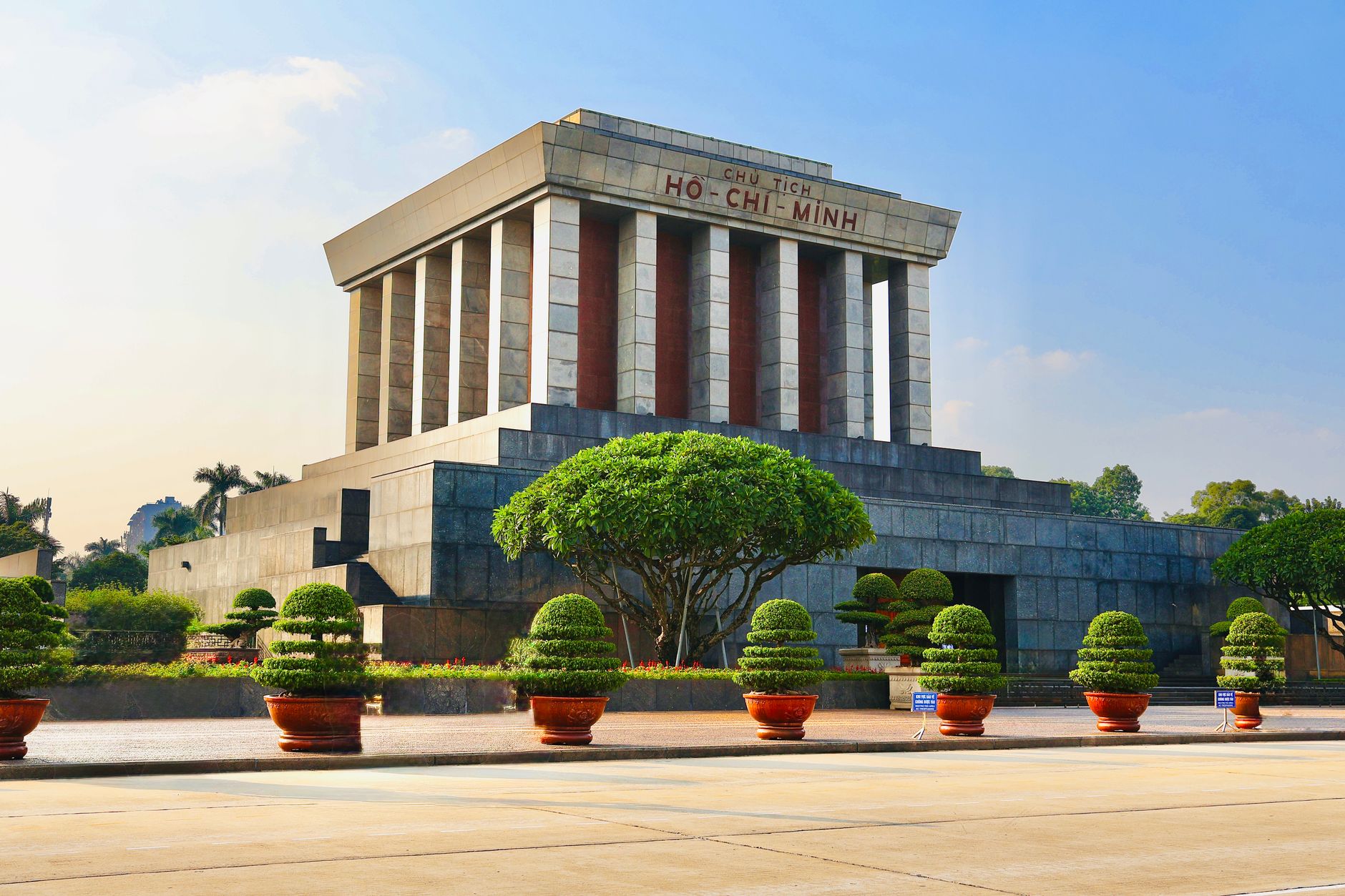
- Ho Chi Minh Mausoleum: a separate building about 10 minutes' walk away. Free entry, a different experience entirely, and the one most tour groups queue for.
- Ho Chi Minh City Museum: Gia Long Palace at 65 Ly Tu Trong, in Saigon. A colonial-era building about the city, not the man.
- History Museum of Ho Chi Minh City: 2 Nguyen Binh Khiem, also Saigon. Archaeology and Vietnamese history.
- Ho Chi Minh Campaign Museum: Saigon. Focused on the 1975 spring offensive.
- Branch museums: the Ben Nha Rong branch in Saigon's District 4, where Ho Chi Minh left Vietnam in 1911, and a branch in Hue.
Why Saigon carries his name
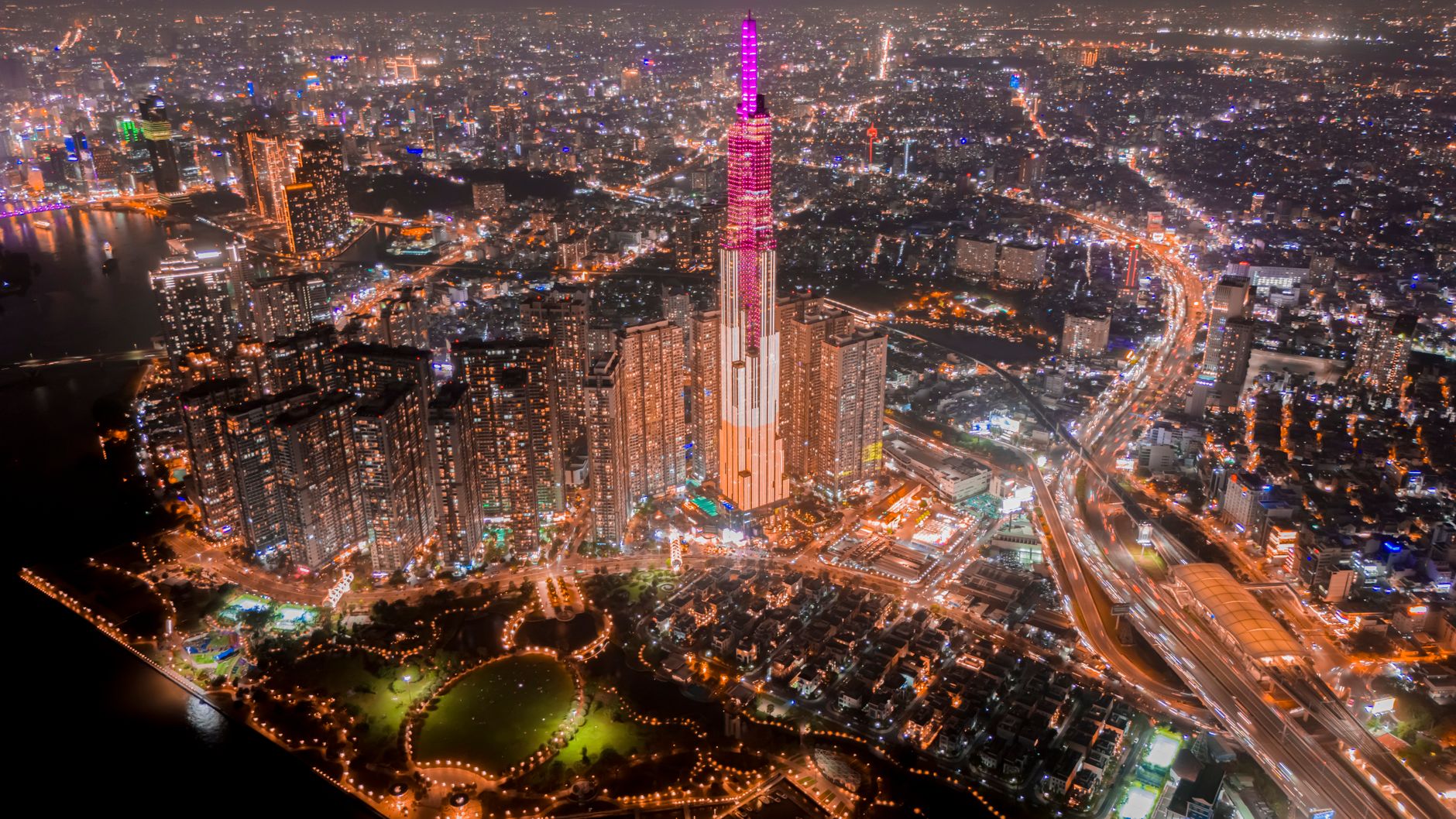
The city was renamed Ho Chi Minh City in July 1976, after reunification, to honour the man who led the independence movement. Many locals and travellers still say Saigon, particularly for District 1.
| Which "Ho Chi Minh Museum" do you mean? | City | Address | Entry fee | Typical visit | Best for |
|---|---|---|---|---|---|
| Ho Chi Minh Museum | Hanoi | 19 Ngoc Ha, Ba Dinh | VND 40,000 (US$1.55) | 1.5 to 2 hours | The official life story, Ba Dinh complex |
| Ho Chi Minh Mausoleum | Hanoi | Ba Dinh Square | Free | 30 to 45 minutes | Paying respects, the embalmed body |
| Ho Chi Minh City Museum | Saigon | 65 Ly Tu Trong, District 1 | About VND 30,000 (US$1.15) | 1 to 1.5 hours | Colonial architecture, city history |
| History Museum of Ho Chi Minh City | Saigon | 2 Nguyen Binh Khiem, District 1 | VND 30,000 (US$1.15) | 1.5 hours | Archaeology, regional history |
| Ben Nha Rong branch | Saigon | District 4, riverside | Small fee | 1 hour | The 1911 departure story |
Quick facts at a glance
| Item | Detail | Last verified |
|---|---|---|
| Address | 19 Ngoc Ha Street, Ba Dinh, Hanoi | 2026 |
| Vietnamese name | Bảo tàng Hồ Chí Minh | 2026 |
| Opened | 19 May 1990 | 2026 |
| Ticket price | VND 40,000 (US$1.55) for foreign visitors | 2026 |
| Free entry | Vietnamese citizens, disabled visitors, ICOM members | 2026 |
| Hours | Roughly 8:00 to 11:30 and 13:30 to 16:30 | 2026 |
| Closed | Monday; Friday needs confirmation | 2026 |
| Time needed | 1.5 to 2 hours standard | 2026 |
| Dress code | Shoulders and knees covered | 2026 |
| Verdict | Worth it if political history interests you or you are already at Ba Dinh | 2026 |
Prices and hours change without much notice at state-run sites. Confirm at the Gate 19 ticket counter or on the official museum site before you build a morning around it.
Is it worth it? An honest verdict
Many guides either gush about the museum or say nothing useful. Here is a straight answer by traveller type.
Worth it if
You want to understand how Vietnam officially remembers its 20th-century history. The museum is the clearest single statement of the state narrative, and it is well organised. It is also worth it if you are already visiting the Mausoleum and Presidential Palace area, since the museum sits within walking distance, or if you have a weather-proof half-day and the heat or rain has ruined outdoor plans.
Skip or shorten if
You have only one day in Hanoi and want the Old Quarter, street food and Hoan Kiem Lake. You have little interest in political history. Or you are travelling with young children who will tire quickly in a quiet, text-heavy exhibition.
Context to keep in mind
The museum is state-run and tells the official narrative of Ho Chi Minh's life and the Party. It was built with Soviet assistance in the 1980s, and the design influence is visible in the abstract art installations and the monumental scale. This is not critical historiography. Readers wanting other perspectives can pair it with the Vietnam Museum of Ethnology or the Hoa Lo Prison exhibition, and with independent books. The tone here stays factual rather than polemical.
Opening hours and days closed
This is where published sources are thinnest, and where sources disagree. Verify against the official museum site and on arrival.
Standard weekly schedule
The museum runs two sessions a day with a hard lunch closure. Monday is closed. Friday is listed as closed by the current source, but confirm whether that is a full or partial closure before you go, since some sources describe Friday as open.
| Day | Morning | Afternoon | Notes |
|---|---|---|---|
| Monday | Closed | Closed | Full closure |
| Tuesday | 8:00 to 11:30 | 13:30 to 16:30 | Standard |
| Wednesday | 8:00 to 11:30 | 13:30 to 16:30 | Standard |
| Thursday | 8:00 to 11:30 | 13:30 to 16:30 | Standard |
| Friday | Confirm locally | Confirm locally | Source conflict |
| Saturday | 8:00 to 11:30 | 13:30 to 16:30 | Busier with families |
| Sunday | 8:00 to 11:30 | 13:30 to 16:30 | Busier with families |
The lunch gap and how to plan around it
Arrive by 8:00 or after 14:00. Never at noon. The closure is not flexible, and staff will turn you away at the gate even if you have travelled across the city.
Public holidays and special dates
Expect closures or heavy crowds around Tet, Vietnam's lunar new year. The next Tet falls in February 2027, and state sites typically close for several days around it. National Day on 2 September and Ho Chi Minh's birthday on 19 May can bring free entry or special events, plus large domestic crowds.
The Mausoleum maintenance closure
The Mausoleum normally closes for annual maintenance for roughly two months in autumn, usually September to November or December. Since today falls in that window, check the current status before building a Ba Dinh day around it. The museum itself usually stays open, which makes it a useful fallback when the Mausoleum is shut.
Tickets and prices
Museum entrance fee
Foreign visitors pay about VND 40,000 (US$1.55) per the current source. Vietnamese citizens, disabled visitors and ICOM members enter free. Re-verify at the counter, since state pricing is updated periodically.
Where to buy
The ticket counter sits at Gate 19 on Ngoc Ha Street. No online booking is needed and queues are rarely a problem. Bring cash in small notes, as card acceptance is not guaranteed.
Separate tickets in the Ho Chi Minh complex
The Mausoleum is free. The Presidential Palace relic site, including the stilt house, garage and fish pond, follows its own rules. A combined ticket may or may not exist, so confirm at the counter rather than assuming.
Optional extras
English-language guided tours, audio guides, photography permits and bag storage availability change often. Ask at the counter on the day. Where details are unconfirmed here, treat them as unconfirmed rather than assuming they exist.
Price scams and fake "tickets"
Touts near Ba Dinh Square occasionally sell "skip the line" or "VIP" access to what is either free or cheap. Ignore them. Buy at the official counter only.
Dress code and rules of conduct
Few guides cover this in depth, and visitors are regularly turned away at the Mausoleum next door. Get it right the first time.
Museum
Modest, respectful clothing is recommended. Shoulders and knees covered is the safe standard. Photography rules vary: flash, tripods and drones are generally restricted, so check signage.
Mausoleum rules to know the same day
Shoulders and knees covered. No hats. Hands out of pockets. Silence. No photography inside. Bags and cameras checked or stored. A non-stop file past the body. Staff will remove visitors for disrespect, and there is no appeal.
Practical health and comfort
Hanoi summers from June to August are hot and humid. Winters are cool and damp. Most of the museum is indoor and air-conditioned, but there is outdoor walking between sites.
Security
Expect bag screening. Restrictions apply around Ba Dinh Square, and drones are banned in the government district.
| Site | Allowed | Not allowed |
|---|---|---|
| Museum | Modest clothing, small bags | Flash, tripods, drones |
| Mausoleum | Covered shoulders and knees | Hats, photography, hands in pockets |
| Presidential Palace area | Modest clothing | Touching exhibits, loud groups |
How to get there
From the Old Quarter and Hoan Kiem Lake
The distance is about 3 to 4 km. A Grab or XanhSM ride costs roughly VND 30,000 to 60,000 (US$1.15 to US$2.30) and takes 10 to 20 minutes depending on traffic. Walking takes 45 to 60 minutes and is possible but hot.
Bus
Route 09A is cited as stopping about 5 minutes' walk away. Local bus fares run about VND 7,000 (US$0.27). Verify other routes locally.
Taxi and ride-hailing tips
Use the meter or an app. Avoid unmarked cabs. Point the app to the Ngoc Ha gate, not the Mausoleum, or you may be dropped at the wrong entrance.
Which gate?
The museum entrance is on Ngoc Ha. The Mausoleum entrance is on the Hung Vuong and Ngoc Ha side. The Presidential Palace area has its own entrance. Check the layout on arrival, since the three are close but not interchangeable.
Parking
On-site parking exists for cars and motorbikes. Motorbike rental in Hanoi is not recommended for first-timers because of the traffic.
| Starting point | Mode | Duration | Cost | Notes |
|---|---|---|---|---|
| Old Quarter | Grab or XanhSM | 10 to 20 min | VND 30,000 to 60,000 | Point to Ngoc Ha gate |
| Old Quarter | Walk | 45 to 60 min | Free | Hot in summer |
| Hoan Kiem Lake | Bus 09A | 20 to 30 min | VND 7,000 | 5 min walk from stop |
| Ba Dinh Square | Walk | 10 min | Free | Between museum and Mausoleum |
What to see inside: floor-by-floor guide
Building and layout
Three storeys. Square blocks with cut corners form a white lotus shape, with four petal-shaped blocks on the upper level facing four directions. The grounds include trees and an artificial lake. Inside, the atmosphere is quiet and monumental, and the large symbolic art installations surprise many first-time visitors with their abstract, Soviet-influenced aesthetic.
Section 1, biography in eight themes
The chronology runs from 1890 to 1969. Look for the 1911 departure, his years in France, Russia and China, the founding of the Communist Party in 1930, the August Revolution and the 1945 Declaration of Independence, Dien Bien Phu, and the Testament manuscripts. The display uses a three-layer system: large pictures, core artifacts, and open-book documents. Understanding that structure stops the visit from feeling like a blur.
Section 2, the seven image space complexes
These are recreations of the homeland, the Nghe Tinh Soviets, the Pac Bo cave, Dien Bien Phu, the writing of the Testament, the memorial room, and the 1975 victory. They are the most visual and photogenic parts, and the best choice for a short visit.
Section 3, world-history themes
Eight topics run from colonialism and the October Revolution to the Cold War and "Vietnam today". This section is the most ideological and the first to skip when time is short.
Top highlights if short on time
- The 1911 departure display
- The 1945 Declaration of Independence
- The Dien Bien Phu recreation
- The Testament manuscripts
- The Pac Bo cave recreation
- The memorial room
- The 1975 victory complex
- The lotus-shaped building itself
Language and signage
English interpretation exists but is uneven. A translation app helps for the document cases. Confirm current audio-guide availability at the counter.
How long to allow and a half-day itinerary
Time needed
An express visit takes 60 to 75 minutes. A standard visit takes 1.5 to 2 hours. The full complex, including the Mausoleum, stilt house, museum and One Pillar Pagoda, takes 3.5 to 4.5 hours.
| Visitor type | Museum only | Full complex |
|---|---|---|
| Express | 60 to 75 min | Not advised |
| Standard | 1.5 to 2 hours | 3.5 hours |
| History fan | 2.5 hours | 4.5 hours |
| Family with children | 1 hour | 2.5 hours |
Sample route A, morning start
Join the Mausoleum queue early, then walk the Presidential Palace grounds and stilt house. Break for lunch during the museum's closure. Return for the museum in the afternoon session.
Sample route B, if the Mausoleum is closed or skipped
Museum in the morning, Presidential Palace area next, then One Pillar Pagoda. In the afternoon, add the Temple of Literature or the Vietnam Military History Museum.
Best time of day and week
Weekday mornings are calmer. Domestic school groups and tour coaches peak mid-morning. Weekends bring families and longer queues.
Accessibility
Lifts and ramps exist, wheelchair access is possible, and disabled visitors enter free. Seating is limited. Confirm specific needs with staff on arrival.
Ho Chi Minh Museum vs other Hanoi and Vietnam museums
Hanoi alternatives compared
| Museum | Theme | Entry fee | Time needed | Best for |
|---|---|---|---|---|
| Ho Chi Minh Museum | Political history | VND 40,000 | 1.5 to 2 hours | Official narrative |
| Vietnam Military History Museum | War | VND 40,000 | 2 hours | Military history |
| Hoa Lo Prison | War, colonial | VND 30,000 | 1.5 hours | Sobering context |
| Vietnam Museum of Ethnology | Culture | VND 40,000 | 2 to 3 hours | Families, culture |
| Vietnam Women's Museum | Social history | VND 40,000 | 1.5 hours | Underrepresented voices |
| National Museum of Vietnamese History | General history | VND 40,000 | 1.5 hours | Broad overview |
| Vietnam Fine Arts Museum | Art | VND 40,000 | 1.5 hours | Art lovers |
Where the Ho Chi Minh Museum ranks
For political history, it ranks first in Hanoi. For war history, the Military History Museum and Hoa Lo rank higher. For culture, the Ethnology Museum wins. For families, the Ethnology Museum is easier.
War museums in Saigon
The War Remnants Museum is what most travellers mean by "Vietnam War museum". Allow 2 to 3 hours, and note that some photographs are graphic.
Ho Chi Minh City museums that share the name
The Ho Chi Minh City Museum charges about VND 30,000 (US$1.15) per one source and VND 15,000 per an older one, so treat the figure as approximate. The History Museum charges VND 30,000 and closes Mondays. The Ben Nha Rong branch covers the 1911 departure. Only worth a visit if you are already in Saigon.
Nearby sights and where to eat
Within walking distance
The Mausoleum, Presidential Palace and stilt house, One Pillar Pagoda, Ba Dinh Square, Vietnam Military History Museum, Quan Thanh Temple and Truc Bach Lake. The Temple of Literature is a short ride away.
Eating and drinking
Cafés and local restaurants cluster around Ngoc Ha, Doi Can and Truc Bach. Expect simple, inexpensive meals, with a bowl of pho or a banh mi typically costing VND 30,000 to 60,000 (US$1.15 to US$2.30).
Money and toilets
ATMs are nearby. Toilets are inside the museum. Water refills are limited, so carry your own bottle.
Practical tips, risks and common mistakes
Mistakes that waste a morning
Showing up on a Monday or Friday. Arriving at noon. Going to the wrong gate. Dressing in shorts for the Mausoleum. Booking a taxi to "Ho Chi Minh Museum" with the app set to Saigon.
Honest risks
Hanoi traffic when crossing roads. Heat exhaustion in summer. Pickpockets in crowds. Motorbike-taxi overcharging. And the legal and cultural sensitivity of disrespect towards Ho Chi Minh or his image.
Etiquette on political topics
Keep conversation low-key and avoid mocking displays. This is a state institution, and staff and other visitors take it seriously.
Seasonal timing
Best months are October to December and March to April. Autumn is Mausoleum closure season, so the museum becomes the main draw. Tet is either very crowded or closed.
FAQ
Q: How much is the Ho Chi Minh Museum entrance fee? Foreign visitors pay about VND 40,000 (US$1.55), and Vietnamese citizens, disabled visitors and ICOM members enter free. Confirm at the Gate 19 ticket counter, and note that the Mausoleum is a separate, free entry.
Q: Is the Ho Chi Minh Museum open on Mondays and Fridays? Not for a full day, according to the current source. Monday is closed, and Friday needs confirmation. Standard sessions run roughly 8:00 to 11:30 and 13:30 to 16:30, with a hard lunch closure in between.
Q: How long do you need at the Ho Chi Minh Museum? Plan 1.5 to 2 hours for a standard visit, or about 1 hour if you only see the main exhibition. Combining the museum with the Mausoleum and Presidential Palace area takes a half-day, roughly 3.5 to 4.5 hours.
Q: What is the difference between the Ho Chi Minh Museum and the Ho Chi Minh Mausoleum? The museum is an exhibition about his life and Vietnam's revolutionary history. The Mausoleum houses his embalmed body and involves a short, silent walk-past with strict conduct rules. They are about 10 minutes apart on foot and are often visited together.
Q: What should you wear to the Ho Chi Minh Museum and Mausoleum? Cover shoulders and knees, avoid hats and sleeveless tops, and carry little. Staff can refuse entry or remove visitors who do not comply, especially at the Mausoleum.
Q: Which museum is best in Hanoi? It depends on your interest. The Vietnam Museum of Ethnology suits culture, the Vietnam Military History Museum or Hoa Lo suits wartime history, and the Ho Chi Minh Museum suits the official political narrative.
Q: How long do you need at the Vietnam War museum in Saigon? Allow 2 to 3 hours at the War Remnants Museum, and note that some photographs are graphic.
Q: Why is Saigon called Ho Chi Minh City? The city was renamed in 1976 after reunification to honour Ho Chi Minh. Many locals and travellers still say Saigon, especially for District 1.