Discover Vietnam
In-depth guides to help you travel Vietnam like a local — cities, culture, food, and practical tips.
Explore citiesTravel Guides
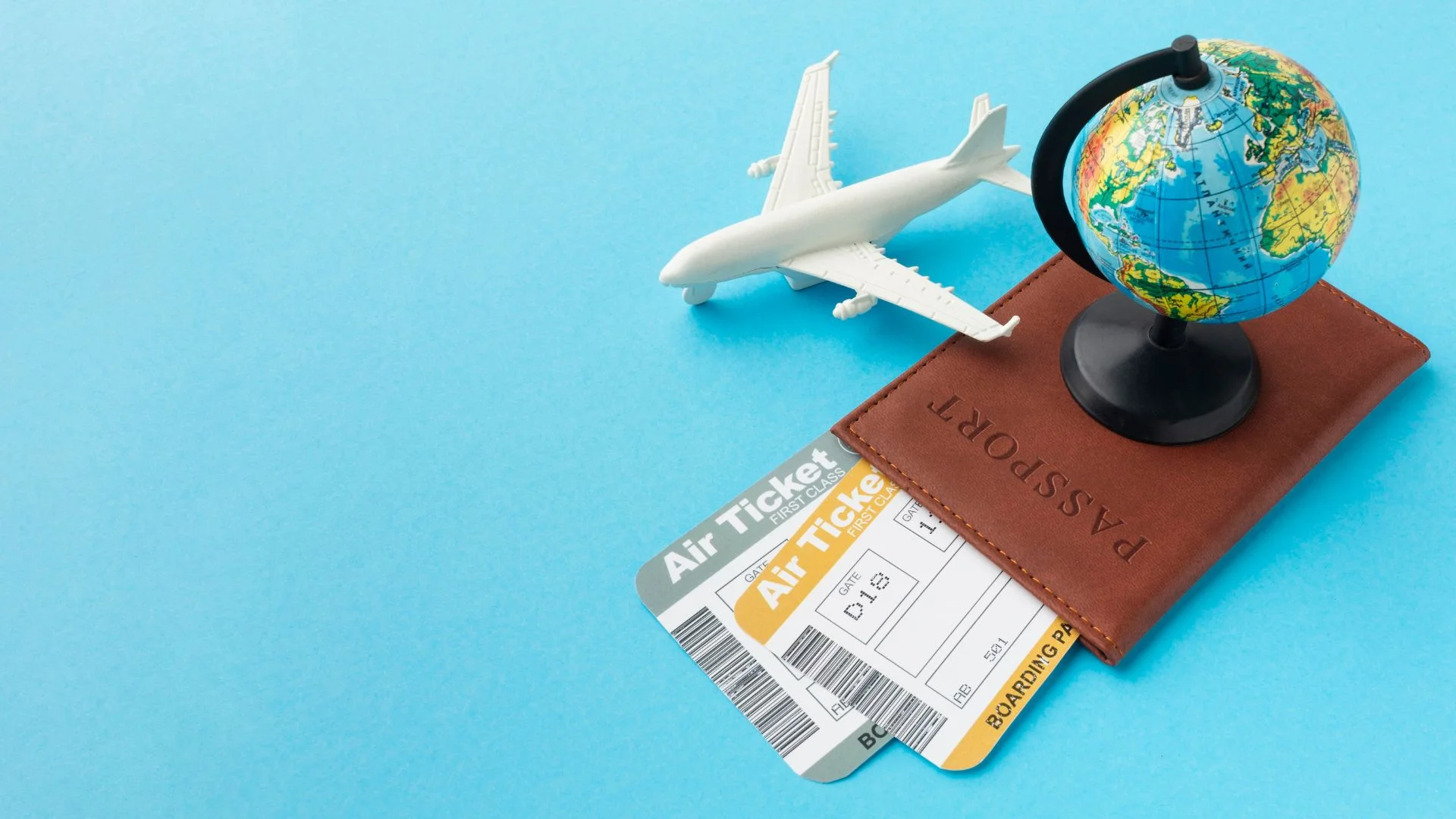
Vietnam E-Visa 2026: Step-by-Step Guide, Rejections & Traps
How to apply for Vietnam's e-visa in 2026 on the official portal, why applications get rejected, and the third-party scams quietly tripling the $25 fee.
Read more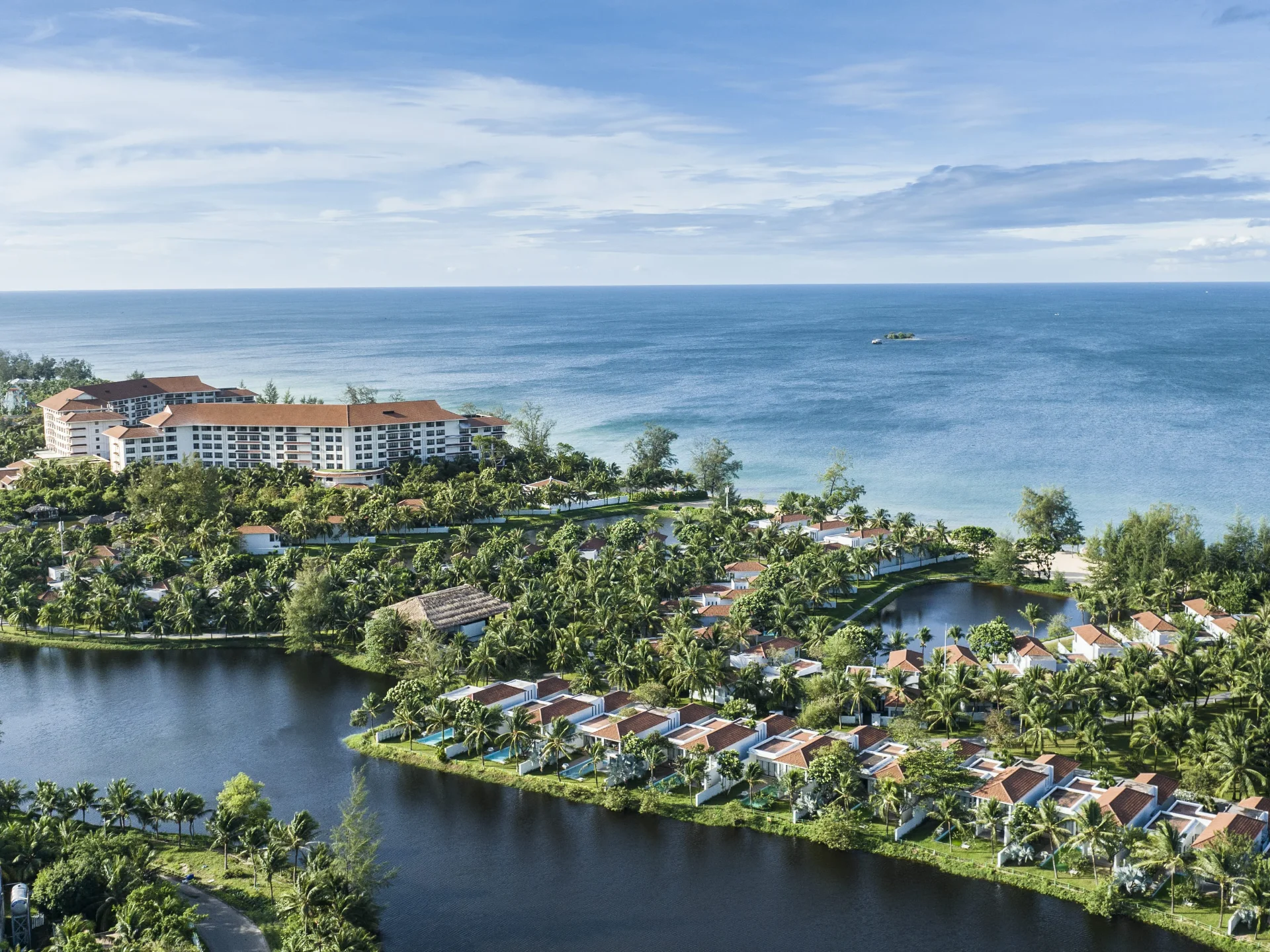
Two Weeks in Vietnam 2026: The Only First-Timer Itinerary You Need
A practical 14-day north-to-south Vietnam itinerary for 2026 covering Hanoi, Ha Long Bay, Hội An, and Ho Chi Minh City — with exact costs, transport tips, and honest trade-offs.
Read more →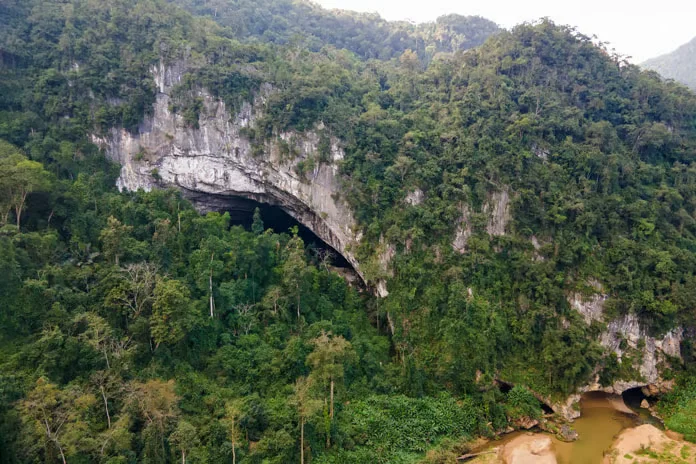
Phong Nha Caves on a Budget: Real Costs & Best Picks
Phong Nha's caves range from $3 entries to $3,000 expeditions — here's how to see the best ones for under $100, from someone who lived there.
Read more →
How much does a Cao Bang loop cost? A complete 2026 budget breakdown
Most guides tell you the Cao Bang loop is "cheap" but never give you the real numbers. This article breaks down every cost you will face — from bike rental deposits to entrance fees to the price of a bowl of pho in Tra Linh — so you can budget accurately and avoid surprises.
Read more →
Where Does Vietnam Rank for Safety? Rankings, Indexes, and Reality for Travelers 2026
Travelers often see conflicting headlines: "Vietnam is the safest in Asia" alongside "Vietnam ranks 4th in Southeast Asia." So what is the truth? This article deciphers international rankings, analyzes real safety indexes, and offers useful advice for your trip.
Read more →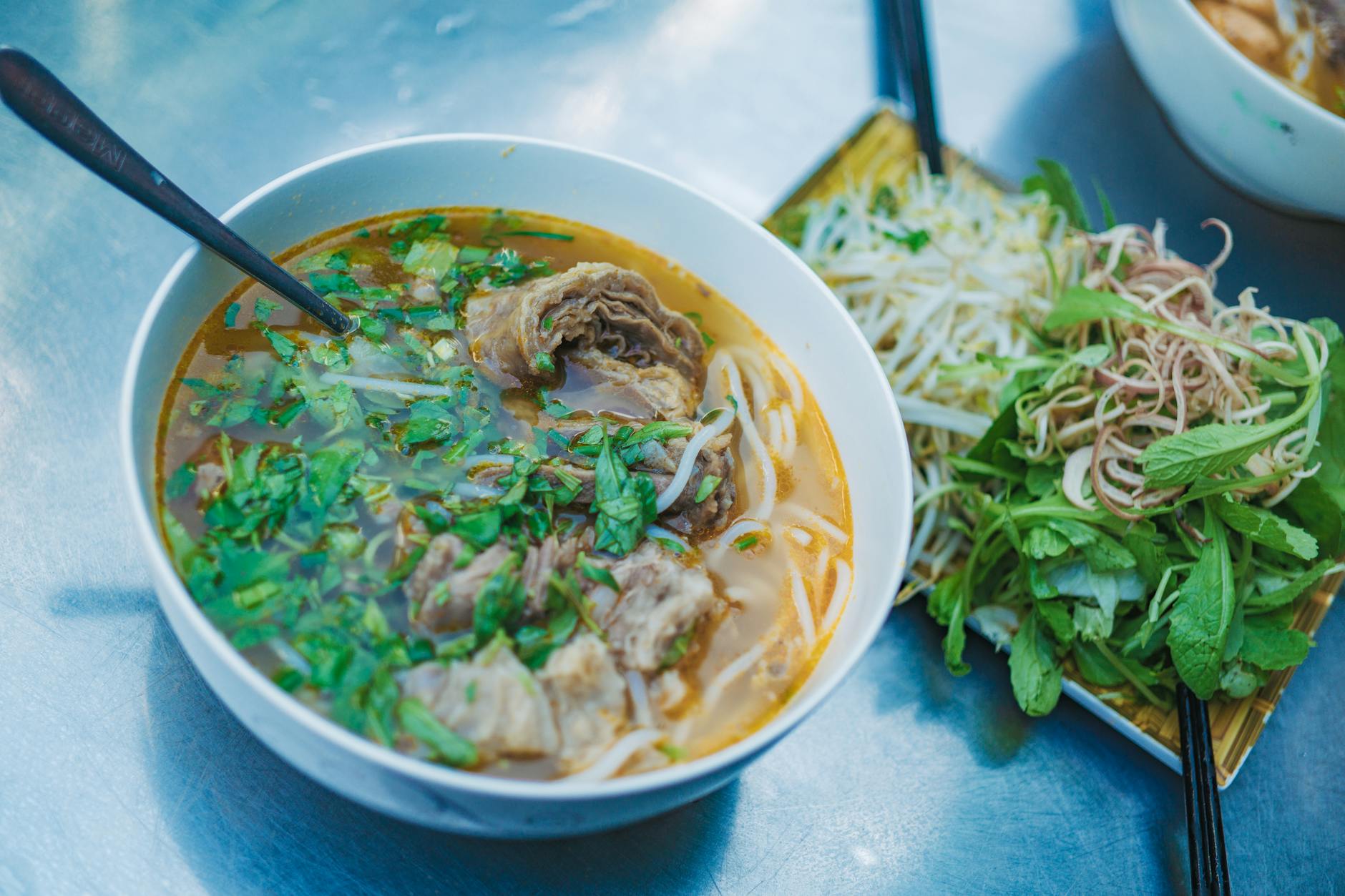
Vietnamese Street Food Safety: How to Eat Everywhere Without Getting Sick
Vietnamese street food is one of the world's great culinary experiences. From steaming bowls of phở at dawn to charcoal-grilled bún chả at lunch and bánh mì at midnight, the country's pavements serve some of the most flavourful, affordable meals on the planet. Yet many travellers arrive paralysed by
Read more →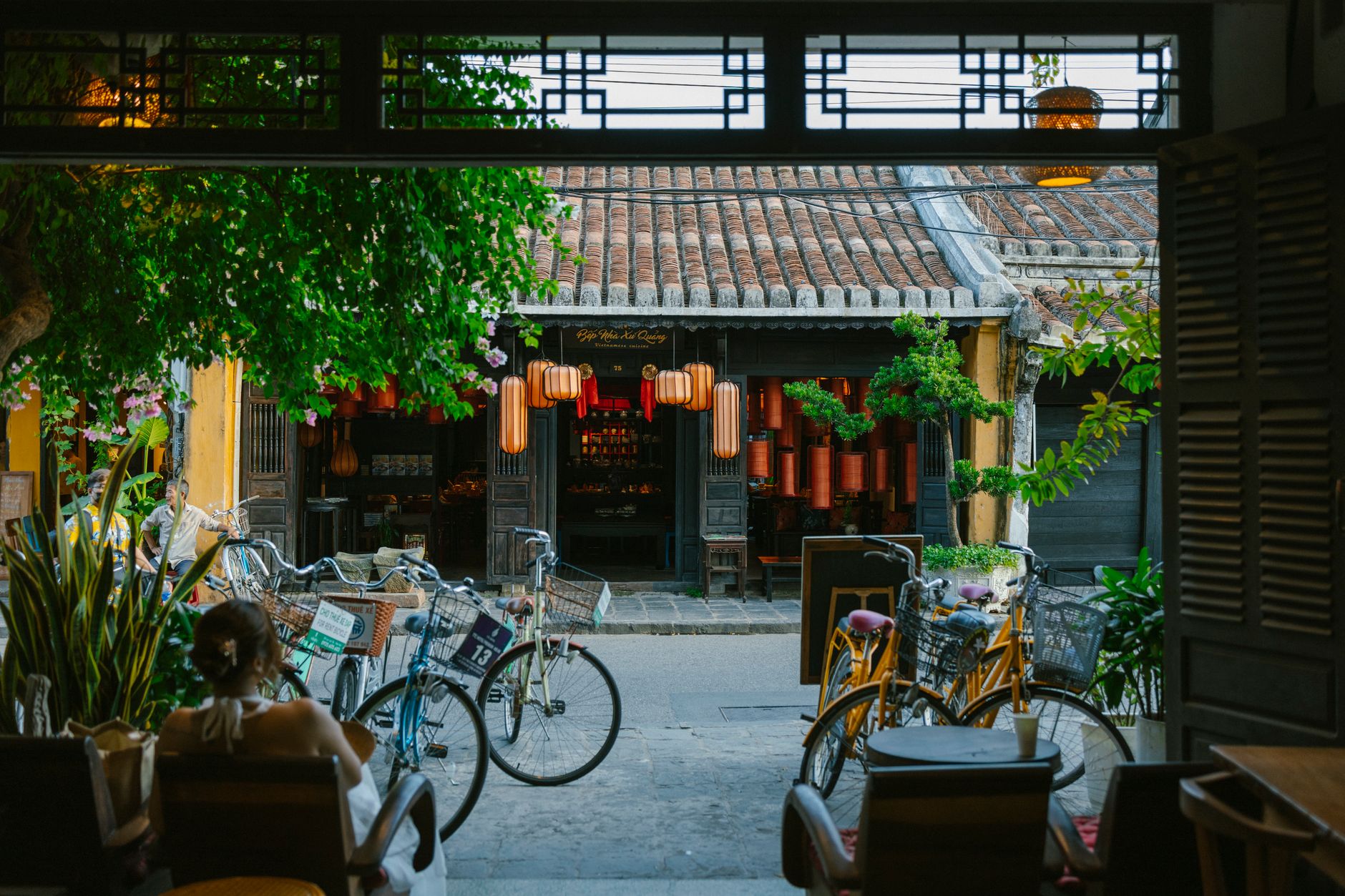
Backpacking Vietnam in 2026: Realistic 1-Month Itinerary & Costs
A verified 30-day Vietnam backpacking route from Hanoi to Ho Chi Minh City with real 2026 prices, honest trade-offs, and the mistakes that wreck budgets.
Read more →
Vietnam Solo Travel 2026: A Safety Guide for First-Time Women
From bag-snatch hotspots to female-only sleeper buses — the real safety playbook for women landing alone in Vietnam in 2026.
Read more →
Vaccinations for Vietnam and Cambodia: The Complete 2026 Travel Health Guide
Most travel health advice for Vietnam and Cambodia is generic, overcautious, or outdated. This guide cuts through the noise with current epidemiology, real-world risk assessment by itinerary type, and honest answers about what you actually need and what you can skip.
Read more →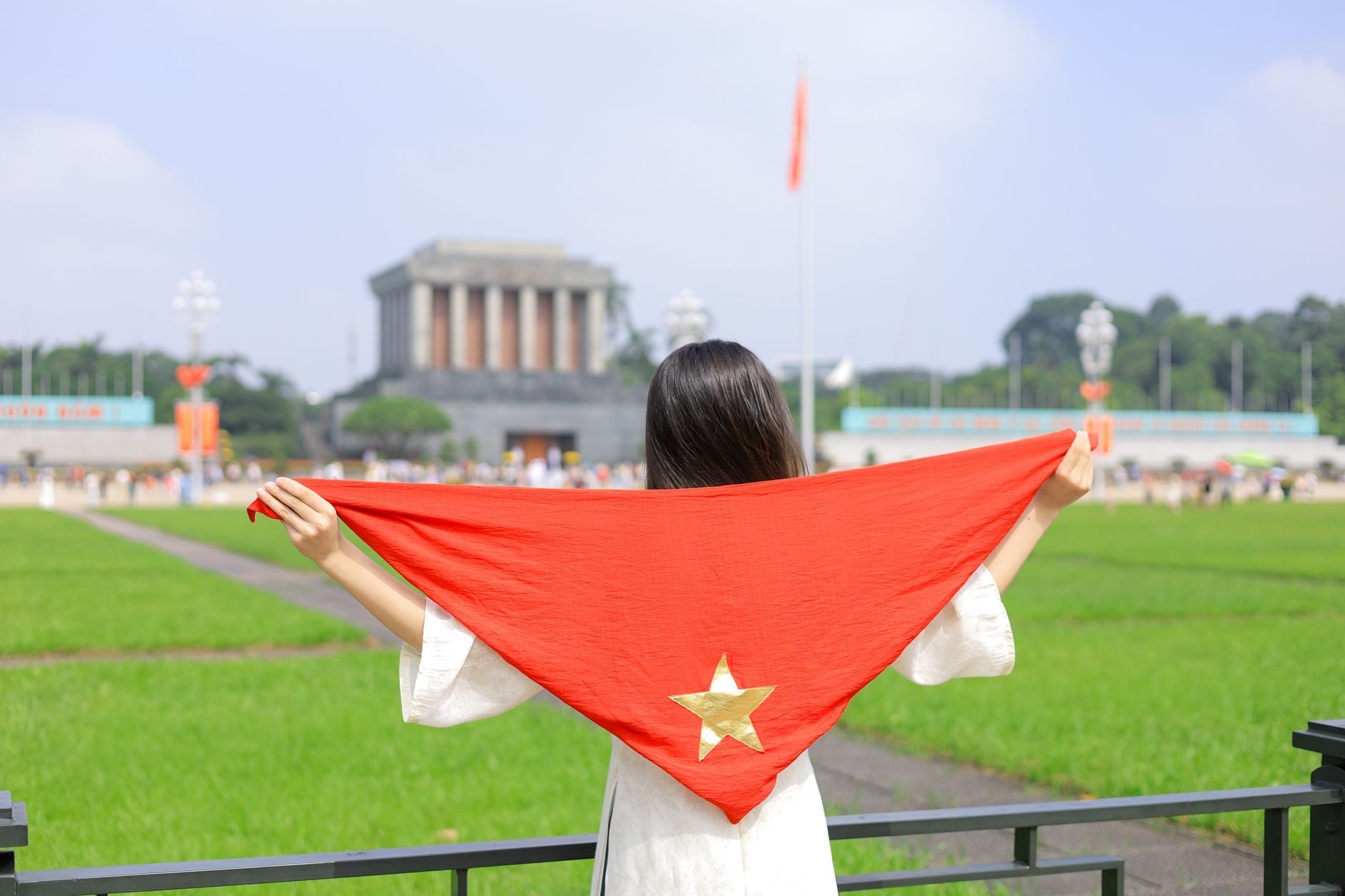
How to dress for Vietnam in October: A complete packing guide for every region
October in Vietnam means three completely different weather experiences depending on where you go. Packing wrong can ruin a day of exploration. This guide breaks down exactly what to wear in Hanoi, Hoi An, Ho Chi Minh City, Sapa, and beyond with specific items, fabrics, and layering strategies for e
Read more →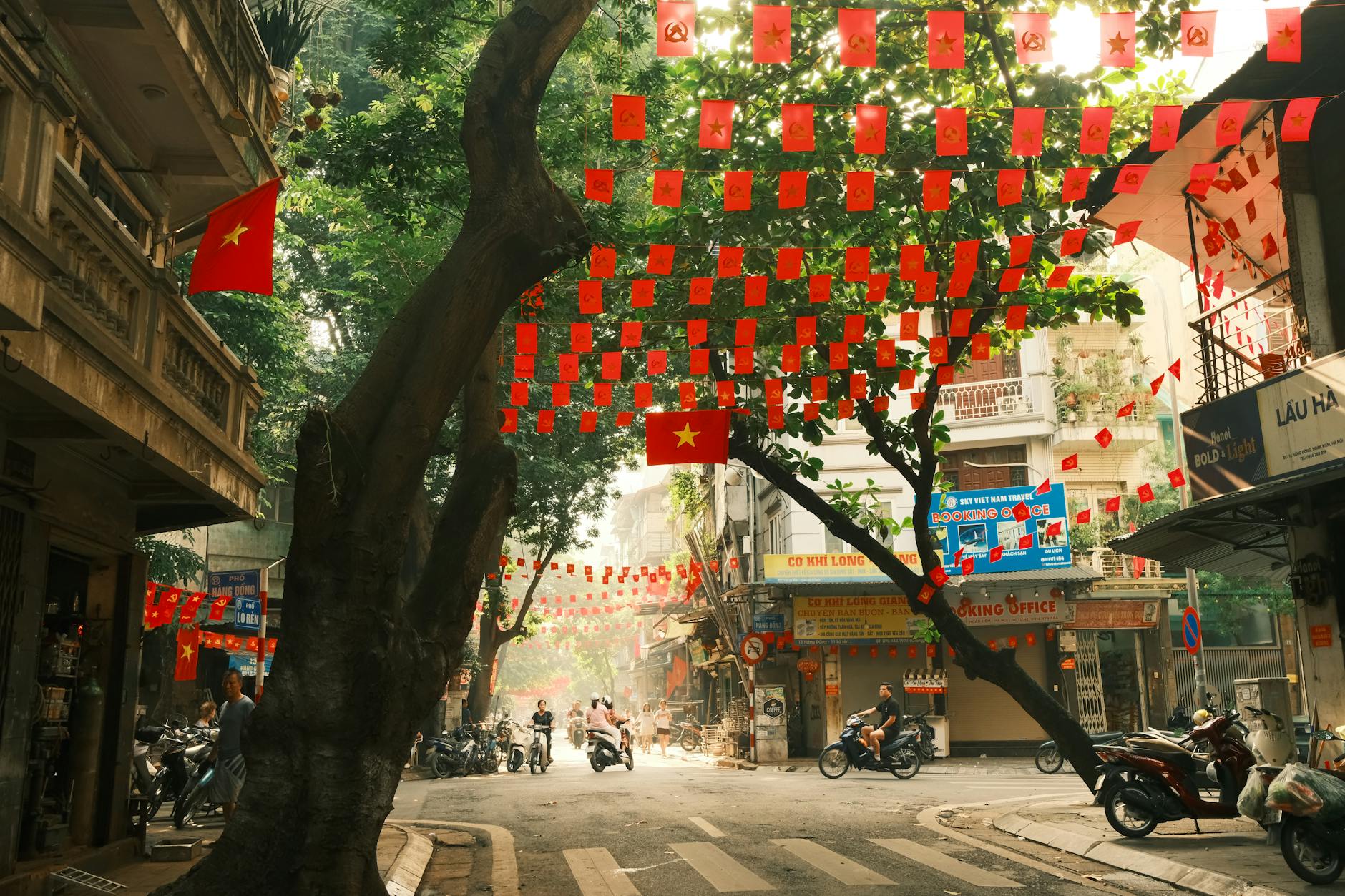
How long does it take to get a Vietnam visa from the USA?
You have a flight to Vietnam in two weeks. Can you get a visa in time? The answer depends on which visa you choose, how carefully you fill out the application, and whether you account for Vietnamese public holidays. This article breaks down every option with exact processing times, real costs, and t
Read more →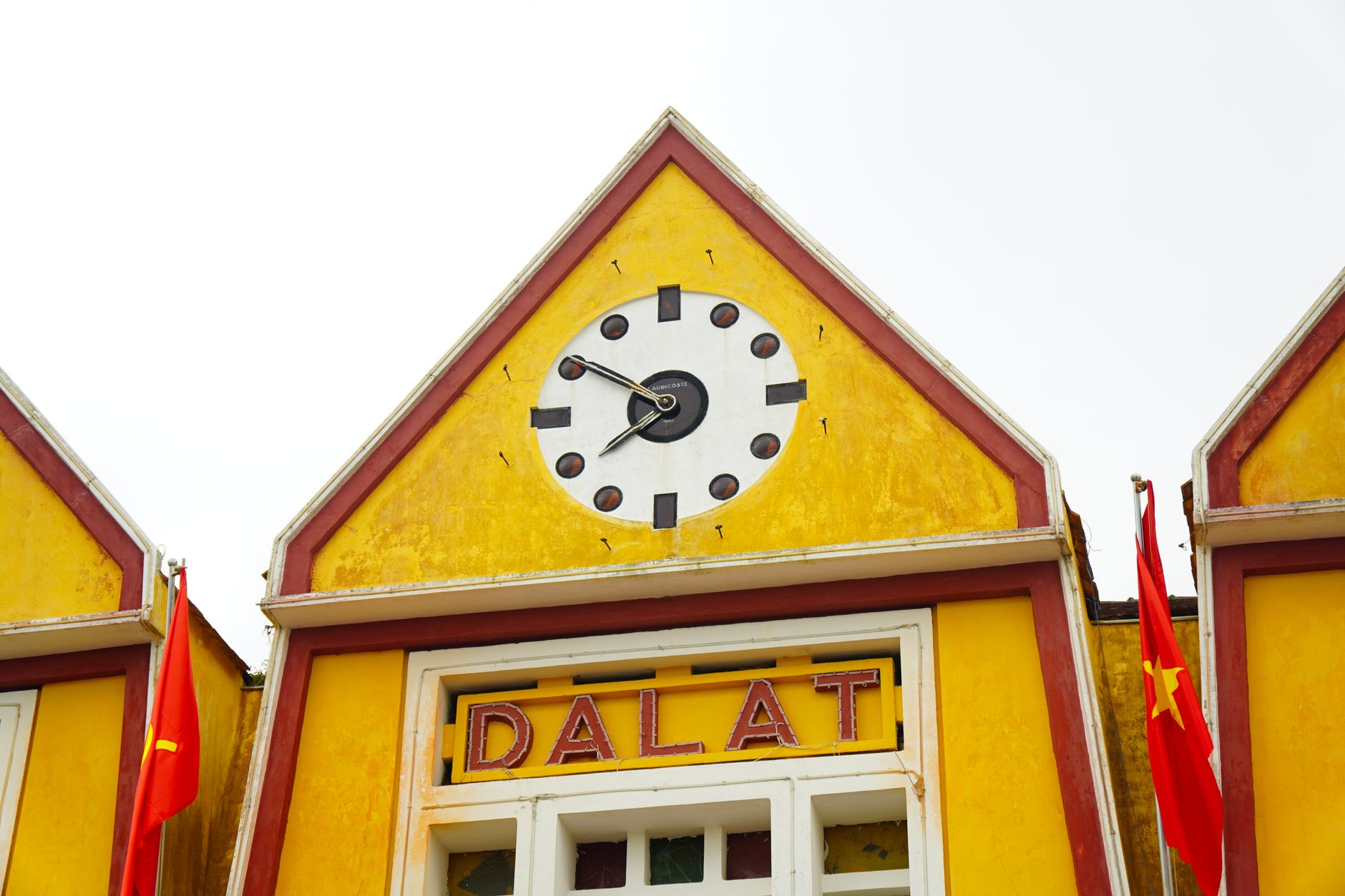
Vietnam e visa processing time urgent
You have booked the flight. The hotels are confirmed. Now you are staring at the Vietnam e-visa application wondering: will it arrive in time?
Read more →
Hospitals and Clinics in Vietnam: A Tourist's Guide to Medical Care in Hanoi, HCMC and Da Nang
Getting sick in a foreign country is stressful. Where do you go when you need a doctor in Vietnam at 2 AM? Which hospitals actually speak English? And how much will a consultation cost before insurance? This guide answers every practical question about accessing medical care in Vietnam's three large
Read more →
Vietnam visa for Indian citizens: Complete 2026 guide
Indian travelers planning a trip to Vietnam in 2026 face a maze of visa options, conflicting information online, and changing regulations. This guide cuts through the confusion with current, verified information on every visa pathway available to Indian passport holders, including the little-known v
Read more →
Which website is legit for a Vietnam visa? The complete 2026 guide to official portals, scams, and safe alternatives
Every day, travelers overpay by $50 to $200 on third-party visa websites. These sites simply resubmit your information to the free government portal and pocket the difference. Some go further. They enter your passport details incorrectly, lose your registration code, or disappear when your applicati
Read more →
Visa Vietnam for Moroccans: Complete Guide 2026
You are Moroccan and dreaming of discovering Vietnam? Good news: the eVisa is now accessible. But be careful, the rules changed in 2023 and pitfalls are numerous. This guide gives you all the factual information to obtain your visa without any nasty surprises.
Read more →
Vietnam trip cost from India for couple: Complete 2026 budget guide
Planning a Vietnam trip as a couple from India means navigating a maze of conflicting price estimates. Package tours quote lump sums that hide real costs. Blog posts use outdated numbers from 2023. This guide breaks down every expense for two people in 2026, from visa fees to street food, so you can
Read more →
3 Weeks in Vietnam: The Perfect North-to-South Itinerary for First-Timers
Vietnam stretches like a dragon’s tail down the South China Sea. Three weeks gives you enough time to trace its spine from Hanoi’s chaotic charm to the Mekong Delta’s floating markets. This route balances iconic landmarks with one genuine offbeat stop that most first-timers miss.
Read more →Can Tho safety in 2026: an honest guide to crime, traffic, and real risks
Can Tho is the largest city in the Mekong Delta, with roughly 1.2 million residents spread across a network of rivers and canals. It is also the most common base for travelers visiting the region's famous floating markets. Most visitors spend one or two nights here before moving on.
Read more →Con Dao hotels on a budget: where to stay without breaking the bank
Con Dao has a reputation problem for budget travellers. Most search results point to Six Senses, the island's ultra-luxury resort where villas start above $500 a night. That creates the impression that this remote archipelago is only for the wealthy. It is not.
Read more →Do Indians need a visa for Vietnam transit?
Indian passport holders transiting through Vietnam face confusing rules that vary depending on whether they stay airside, clear immigration, or catch a domestic connection. This guide explains exactly when a visa is required, when it is not, and how to avoid being denied boarding.
Read more →Vietnam visa on arrival: how it works and who qualifies
The visa on arrival scheme sounds like a magic trick. Apply online, get a letter, fly to Vietnam, and receive your visa stamped at the airport. No embassy visit, no passport mailed away, no waiting in line at a consulate. For many travelers, it is the most practical way to get a Vietnamese visa.
Read more →Vietnam visa exemptions: which nationalities can enter visa-free
Vietnam's visa policy changed more in the last three years than in the previous decade. The country now offers visa-free entry to citizens of 36 countries, expanded the e-visa program to cover most nationalities, and extended stay durations across the board. For many travelers, the question is no lo
Read more →Extending a Vietnam visa: costs, process and visa runs
Vietnam's visa rules changed significantly in 2023, and the system in 2026 is simpler than it used to be. The e-visa now allows a single entry for up to 90 days, which covers most travelers. But what happens when 90 days is not enough?
Read more →Exchanging money in Vietnam: best rates, where to go and what to avoid
The dong is a cash economy. While credit cards work in hotels, upscale restaurants and chain stores, the street food stalls, markets, motorbike repair shops and family-run guesthouses that define Vietnam run on paper money. Getting the exchange right matters more than most travelers expect.
Read more →Travel insurance for Vietnam: what it covers and how to choose a policy
Vietnam is one of the few countries where travel insurance is not just a safety net, it is the difference between a bad story and a financial catastrophe. The healthcare system handles routine issues well enough. But a motorbike crash on the Ha Giang Loop, a dengue fever diagnosis in a provincial cl
Read more →Vietnam for solo female travelers: safety tips and practical advice
Vietnam draws more solo female travelers every year, and for good reason. The country is affordable, the food is exceptional, and the hospitality culture means strangers will often go out of their way to help. But safety is not a single-country story. Vietnam is 1,650 kilometers long, and the experi
Read more →Vietnam on a backpacker budget: costs, routes and money-saving tips
Vietnam has a reputation as one of Southeast Asia's most affordable destinations. That reputation is mostly accurate, but the gap between what backpackers spend and what they think they will spend is often wider than expected. The country is not as cheap as it was a decade ago. Prices in tourist hub
Read more →Vietnam for LGBTQ+ travelers: safety, laws and welcoming destinations
Vietnam is not Thailand. That is the first thing to understand. The country does not have a sprawling, commercialized LGBTQ+ tourism industry, nor does it market itself as a queer paradise. What it offers instead is something quieter: a society where same-sex relationships are legal, generally toler
Read more →Where to stay in Nha Trang: neighborhoods and hotel picks by budget
Nha Trang gets a bad rap from some travelers. They call it overdeveloped, crowded, too Russian, too party-heavy. Those criticisms have some truth, but they miss the point. This is Vietnam's most complete beach city. A 6-kilometer stretch of golden sand, clear water, and a promenade that runs the ent
Read more →Exchanging money in Vietnam: banks, ATMs and gold shops compared
Getting dong in your hand is the first practical task of any Vietnam trip. The good news: Vietnam is a cash-first country where exchanging money is easy. The bad news: the difference between the best and worst exchange options can cost you hundreds of dollars over a two-week trip.
Read more →Nha Trang on a budget: real daily costs in 2026
Nha Trang has a reputation problem. Ask anyone who visited a decade ago and they will describe a sleepy fishing town with a perfect crescent of sand. Ask someone who went in 2023 and they will mention high-rise hotels, Russian tour groups, and a beachfront that felt more like a construction site tha
Read more →Vietnam for LGBTQ+ travelers: safety, laws and welcoming places to stay
Vietnam presents a complex picture for LGBTQ+ travelers. The country has made legal progress but social attitudes lag behind. Same-sex marriage was officially legalized in 2015, yet no anti-discrimination laws protect LGBTQ+ people in housing, employment, or public services. This contradiction shape
Read more →Where to stay in Da Lat: neighborhoods and hotel picks by budget
Da Lat confuses first-time visitors. It is not a beach town. It is not a bustling metropolis. It is a former French hill station tucked into the Central Highlands at 1,500 meters, where pine forests roll over valleys and the weather rarely climbs above 25°C. The city is compact, walkable and built a
Read more →Where to stay in Da Nang: neighborhoods and hotel picks by budget
Da Nang has a split personality, and that is exactly why so many travelers end up staying longer than planned. On one side of the Han River, you have a beach town with high-rise resorts and surf shops. On the other, a working Vietnamese city with markets, coffee shops, and traffic that never quite s
Read more →Hoi An daily budget: what a realistic 2026 trip actually costs
Hoi An has a pricing problem. The Ancient Town itself is free to enter, but everything around it carries a premium that creeps into your wallet. A bowl of cao lau costs three times what it does in a nearby village. A tailored suit runs hundreds of dollars. And the lanterns, the boats, the cooking cl
Read more →Ninh Binh travel costs: a realistic day-by-day budget for 2026
Ninh Binh gets called "Halong Bay on land" so often that the phrase has lost meaning. But the comparison holds. Limestone karsts rise from rice paddies instead of water. Rivers thread through caves instead of between islands. The scenery is genuinely spectacular, and the costs are lower than most tr
Read more →Where to stay in Hue: neighborhoods and hotel picks by budget
Hue is a city that rewards a good base. The imperial capital of Vietnam's last dynasty, the Nguyen emperors, spreads across both banks of the Perfume River. The sights are scattered. The Citadel sits on the north bank. The royal tombs lie in the hills west of town. The food scene hides in alleys and
Read more →Vietnam for students and gap year travelers: budgets and visas
Vietnam remains one of the best value destinations in Southeast Asia for students and gap year travelers. A bowl of pho costs less than a bus ticket in most Western cities. Hostel beds go for the price of a coffee back home. And the country stretches 1,650 kilometers from north to south, giving you
Read more →Phu Quoc daily budget: hotels, food and boat trips priced out
Phu Quoc has a split personality. The north and east coasts are being carved into mega-resorts and casino complexes. The west coast still has fishing villages, guesthouses and beaches where the only sound is waves hitting the shore. Both versions of the island come with very different price tags.
Read more →