Discover Vietnam
In-depth guides to help you travel Vietnam like a local — cities, culture, food, and practical tips.
Explore citiesTravel Guides
Baolau: booking trains, buses and ferries in Vietnam online
Baolau is often the first platform travelers discover when looking to book a sleeper bus or train in Vietnam from abroad. But what can you actually book there, how much does the service cost, and is it better to go through Baolau or book directly with the operator? This guide honestly compares the o
Read moreBus companies in Vietnam: the main operators compared
Between reliable companies, "open tour" buses sold everywhere, and unlicensed buses operating on the margins of the system, travelers looking for a bus company in Vietnam quickly find themselves lost in a maze of contradictory information. This guide reviews the operators you actually encounter on t
Read more →Limousine buses in Vietnam: what they are and how to book
In Vietnam, the word "limousine" does not refer to a luxury car but to a 9- to 11-seat minivan fitted with reclining leather seats and door-to-door service. It is often the best choice for short journeys, and the worst for long overnight trips. Here is how to tell the difference and book at the righ
Read more →
Hospitals and Clinics in Vietnam: A Tourist's Guide to Medical Care in Hanoi, HCMC and Da Nang
Getting sick in a foreign country is stressful. Where do you go when you need a doctor in Vietnam at 2 AM? Which hospitals actually speak English? And how much will a consultation cost before insurance? This guide answers every practical question about accessing medical care in Vietnam's three large
Read more →
Vietnamese Pharmacies: What Travelers Can Buy Over the Counter
Walk down almost any street in Hanoi, Ho Chi Minh City, or even a small district town, and you'll spot a *nhà thuốc* (pharmacy) within a few blocks. They're identified by a green cross sign, often glowing 24 hours a day in tourist neighborhoods. For travelers, Vietnamese pharmacies can be a lifesave
Read more →Airport arrival in Vietnam: immigration, customs and what to expect in 2026
The plane touches down, the cabin lights flicker on, and suddenly the reality of Vietnam hits. Humidity wraps around you like a warm towel the moment the door opens. The jet bridge leads into a corridor of fluorescent lights and glass walls. Somewhere ahead: immigration, baggage, and the chaotic bea
Read more →Drugs and penalties in Vietnam: laws, risks and what travelers get wrong
Vietnam's drug laws are not a gray area. They are severe, enforced, and regularly applied to foreigners. Every year, travelers from Australia, the UK, the US, and Europe are arrested at airports, train stations, and nightlife districts for carrying small amounts of cannabis or other drugs. Some face
Read more →
Mosquitoes, Dengue and Malaria in Vietnam: The Realistic Risk Map for Travelers
Vietnam's mosquitoes are the country's most underestimated travel hazard. They don't make headlines like motorbike accidents or food poisoning, but they cause more confirmed traveler illnesses than both combined in some years. The good news: the actual risk for most visitors in 2026 is far lower tha
Read more →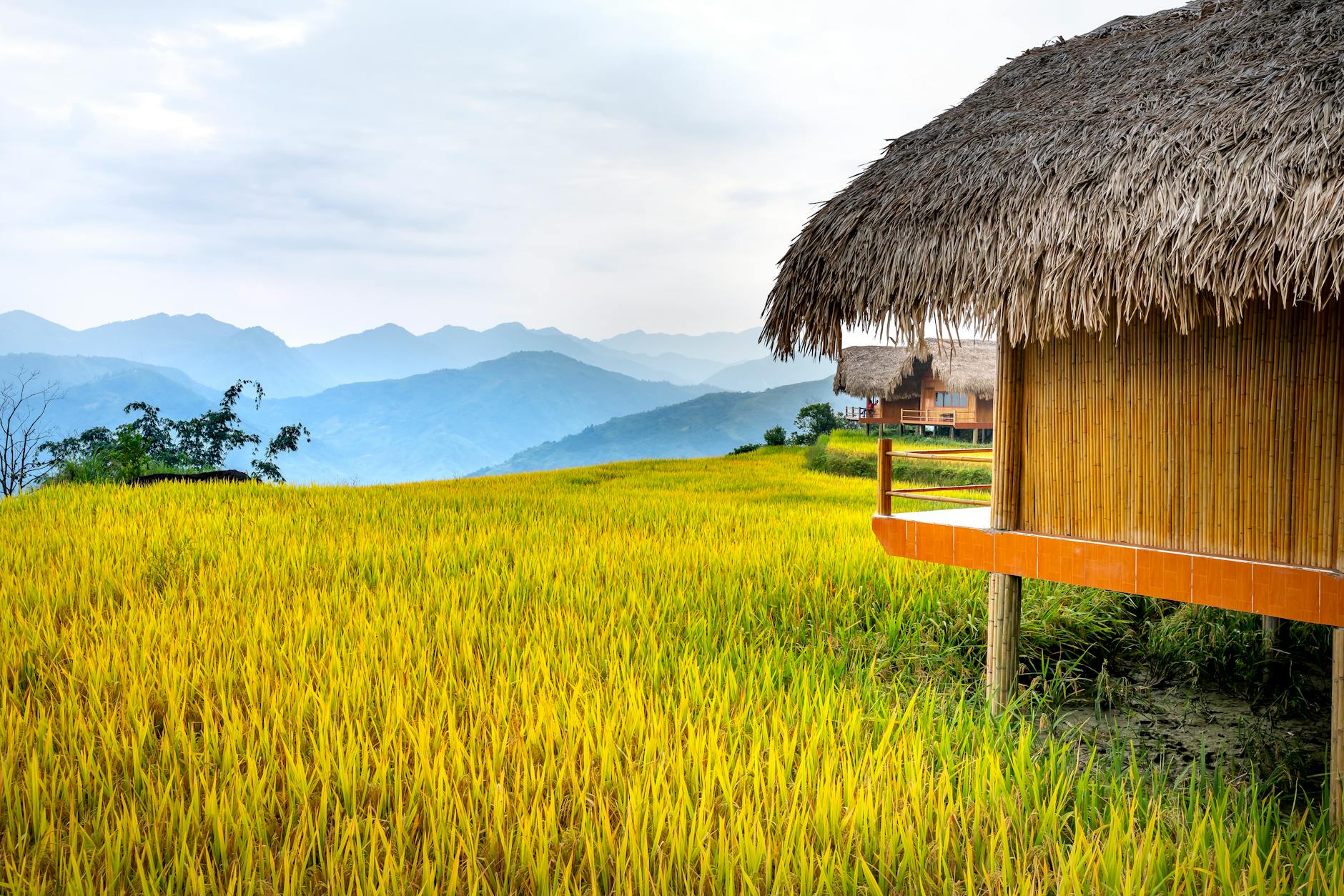
Mai Chau & Pu Luong: Northern Vietnam's Quieter Alternative to Sapa
While Sapa's terraced hills now host cable cars, mega-hotels, and tour buses by the thousand, two valleys to the southwest have quietly held onto the rural Vietnam that travellers once came north to find. Mai Chau, in Hoa Binh province, and Pu Luong Nature Reserve, straddling the border with Thanh H
Read more →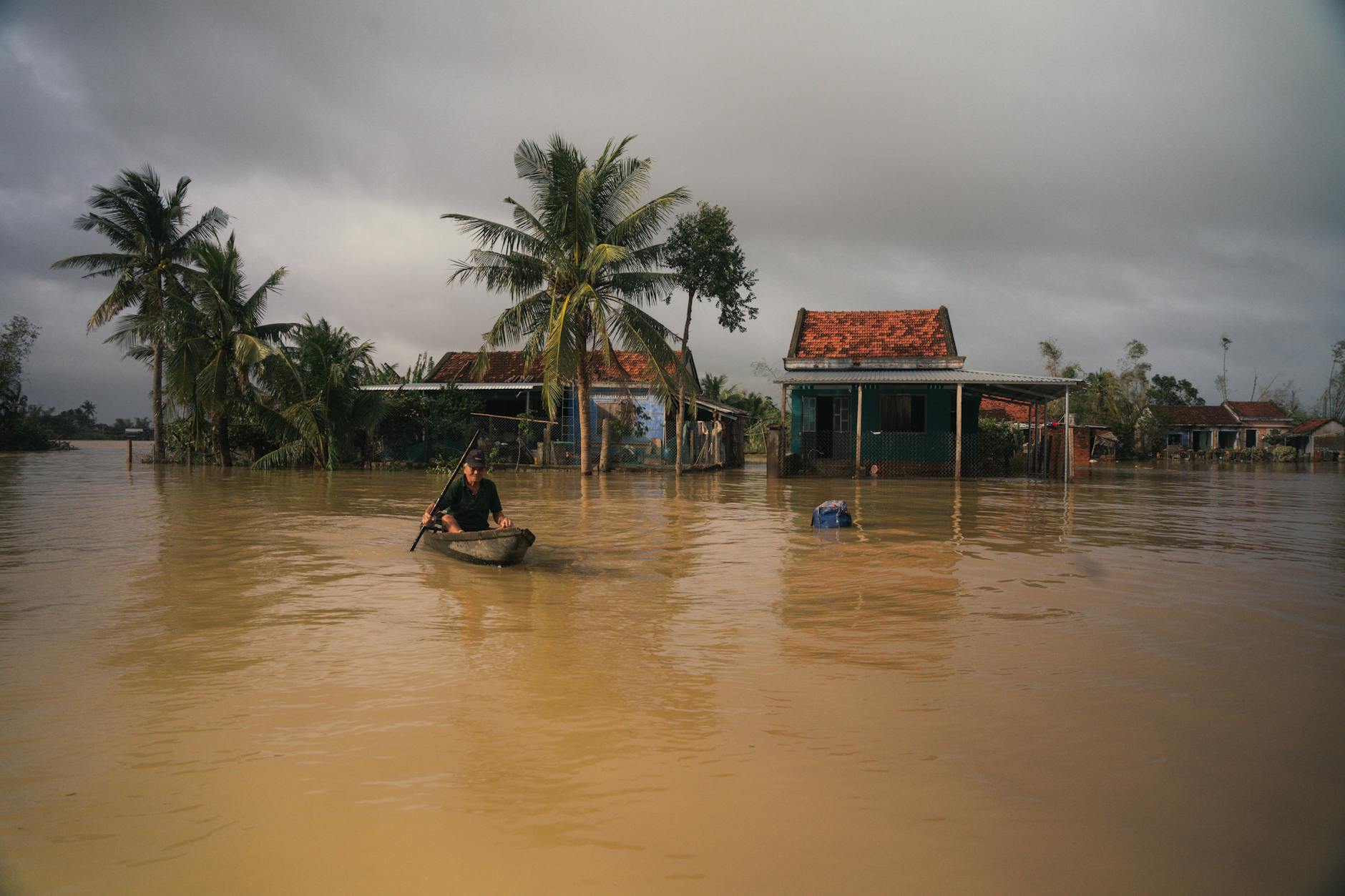
Typhoon Season in Central Vietnam: What Happens If One Hits Your Trip
Central Vietnam's coastline, stretching from Hue down through Da Nang and Hoi An, is one of Southeast Asia's most beautiful travel corridors. It is also one of the most typhoon-prone regions in the country. Between September and November, the South China Sea churns out storm systems that regularly s
Read more →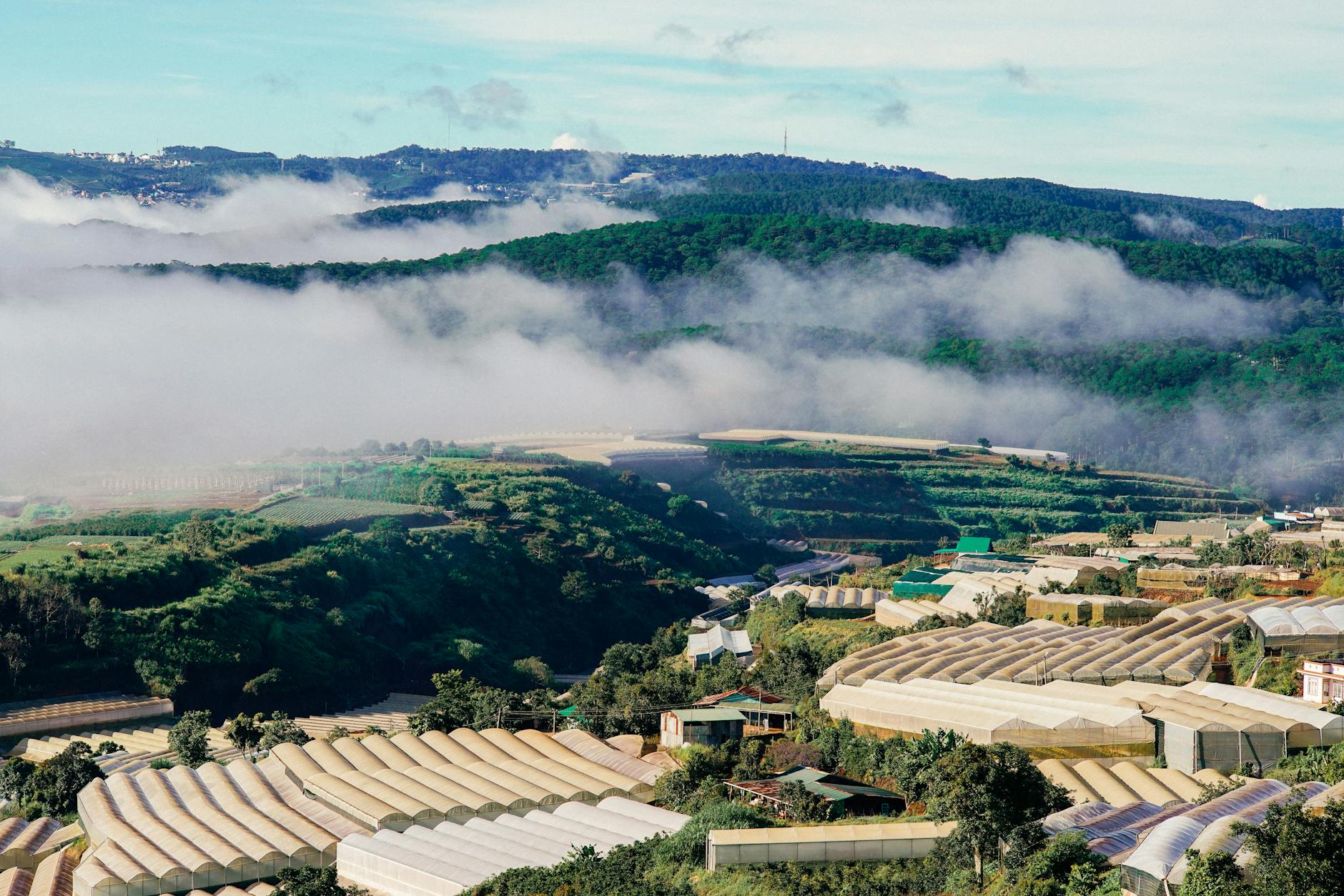
Da Lat: Vietnam's Cool-Weather Highland Escape — Honest 2026 Guide
Perched at 1,500 metres in the Central Highlands, Da Lat trades Vietnam's tropical sweat for pine-scented air, rolling fog, and temperatures that rarely climb above 24°C. The French built it as a hill station in the 1920s, and tour brochures still trot out the "Paris of Vietnam" line — a comparison
Read more →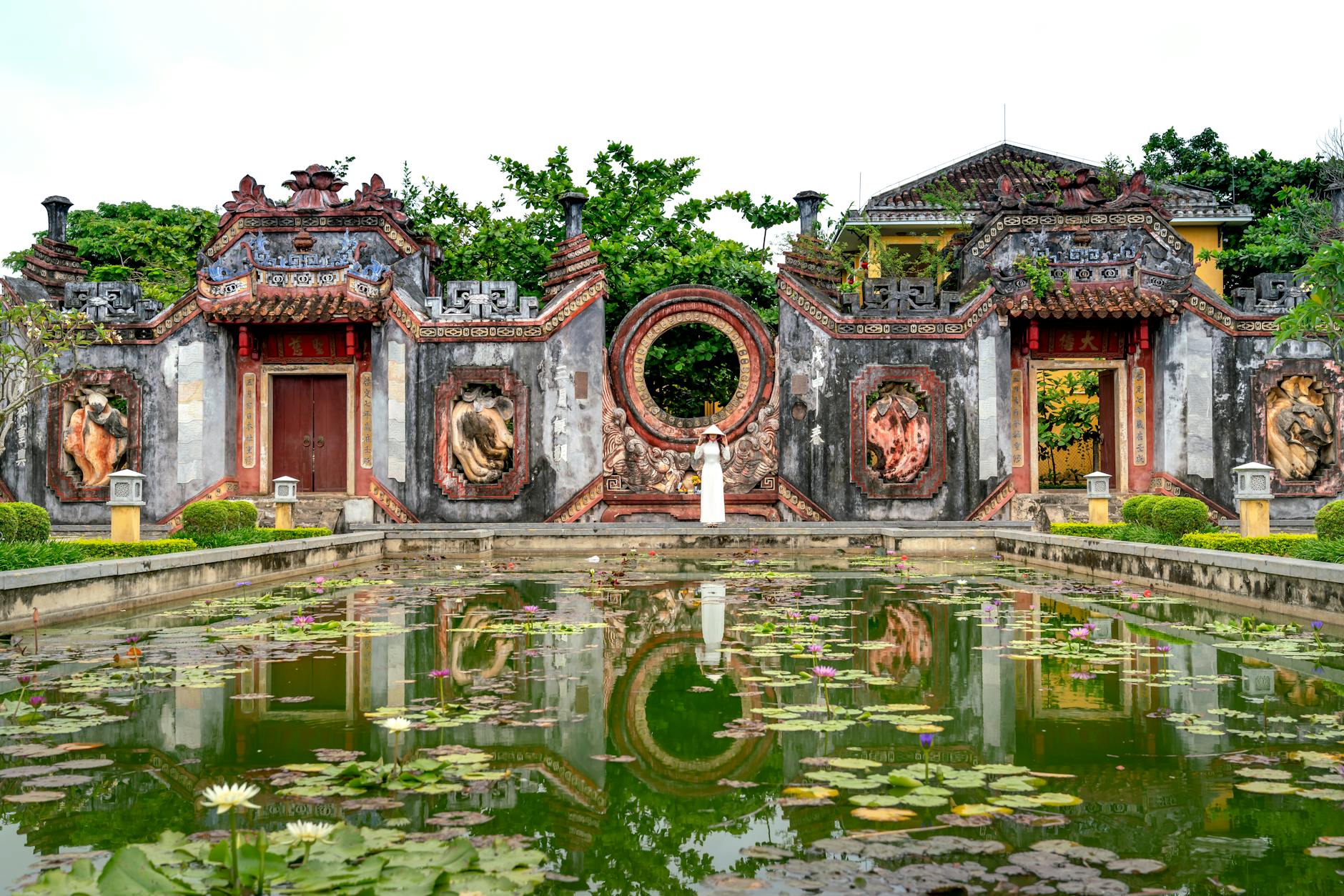
Hoi An & Hue in Late May: The Mistake That Melts Your Trip
Wake up at 5:30 AM in Hoi An to empty lantern-lit streets. Skip the 10 AM collapse in Hue's Citadel. Here's the mistake-proof schedule.
Read more →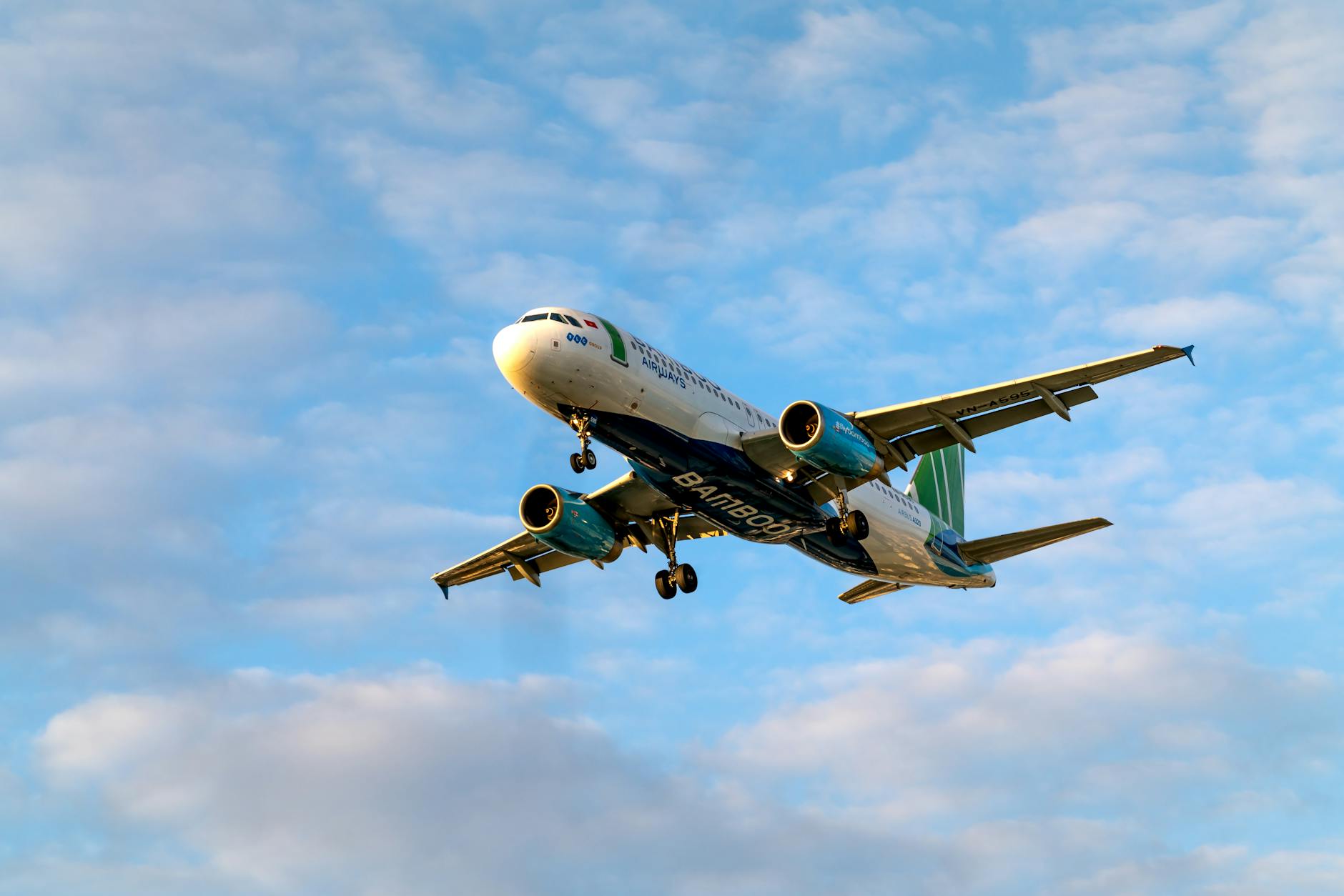
Domestic Flights in Vietnam: Vietjet vs Bamboo vs Vietnam Airlines Honestly Compared
Vietnam's domestic flight network is one of the most active in Southeast Asia, connecting more than 20 airports on a country shaped like a stretched-out coastline. For travellers, flying is often the only sensible way to cover the 1,600 km between Hanoi and Ho Chi Minh City — the train takes 32 hour
Read more →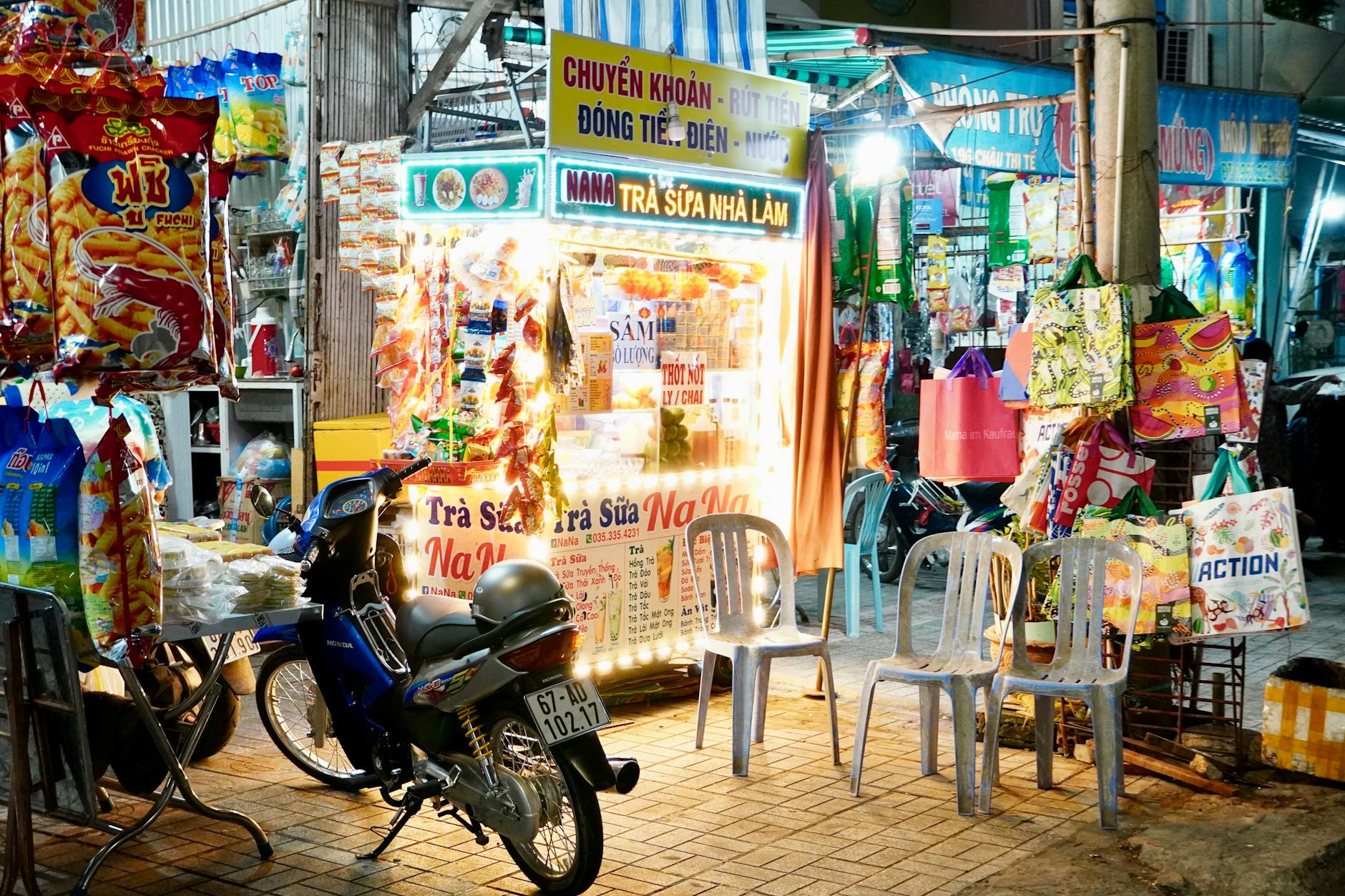
Tipping in Vietnam 2026: When It's Insulting, When It's Expected
Vietnam sits in an awkward middle ground on the global tipping map. Unlike Japan, where leaving cash on the table is a faux pas, or the United States, where it's a moral obligation, Vietnam operates on a sliding scale that shifts dramatically depending on who is being tipped, where the transaction h
Read more →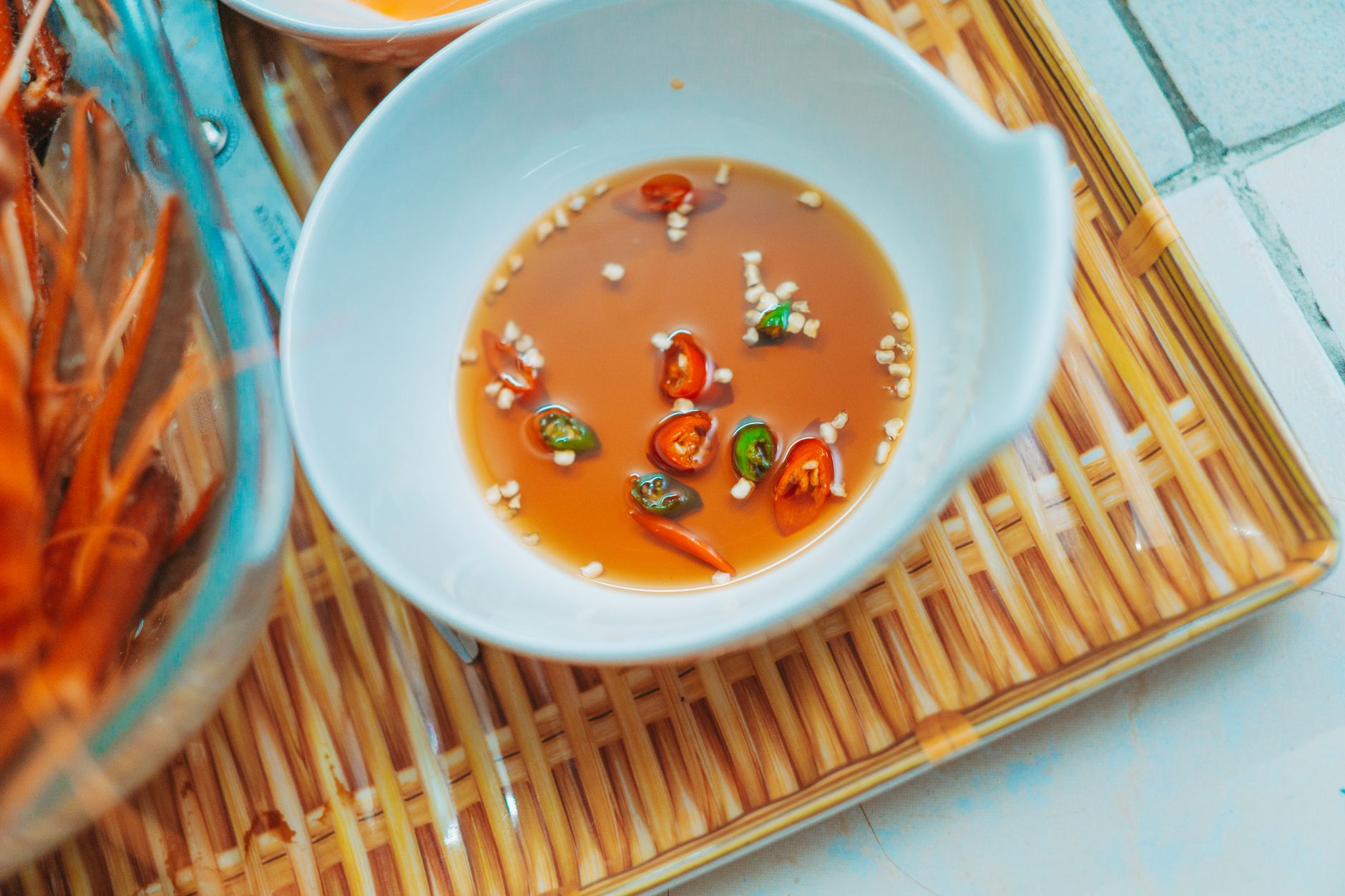
Fish sauce and Vietnamese condiments: nuoc mam, nuoc cham and the table sauces
Every Vietnamese meal comes with a sauce. Walk into any restaurant in Hanoi, Ho Chi Minh City, or a roadside stall in Hoi An, and the table will have a small plastic basket or wooden tray holding bottles and bowls. The brown liquid in the bottle is not the same as the sweet-sour bowl you dip your sp
Read more →Da Lat things to do: waterfalls, farms and the Crazy House
Da Lat confuses first-time visitors. It has no beach, no ancient temples, and no UNESCO sites. Yet it draws more domestic tourists than almost any city in Vietnam. The reason is simple: the weather. At 1,500 meters above sea level, this former French hill station offers something rare in Southeast A
Read more →Ninh Binh: when to visit for the best light on the rice fields
Ninh Binh gets called "Ha Long Bay on land" so often that the phrase has lost all meaning. The comparison is lazy but understandable. Limestone karsts rise from flat rice paddies, rivers curl through dark caves, and the whole landscape looks like a painting that got left out in the rain. But unlike
Read more →Phu Quoc things to do: beaches, cable cars and beyond the resorts
Phu Quoc gets a bad rap in some travel circles. Too developed, they say. Just another island of all-inclusive resorts and Russian tourists. That reputation is partly earned, but it misses the point. The island has changed fast, and the changes have created something unusual: a place where you can sp
Read more →Sapa things to do: treks, markets and villages beyond Fansipan
Sapa gets a lot of attention for one thing: Fansipan, the highest peak in Indochina. The cable car that opened in 2016 changed the game, turning what was a multi-day climb into a 15-minute ride. But Sapa is not just a mountain with a cable car bolted to it. The real reason to come here is the networ
Read more →Hiring a car with driver in Vietnam: prices, agencies and pitfalls to avoid
Vietnam's roads reward travelers who surrender the wheel. A private car with driver solves the country's biggest logistical headache: getting between places that buses reach slowly and trains do not reach at all. It also sidesteps the legal mess of self-driving, which for most foreign visitors means
Read more →What to eat in Mai Chau: local Thai and Muong specialties
Mai Chau is not a food destination in the way Hanoi or Hoi An are. There is no street food culture, no cluster of famous restaurants, and no dish that has been packaged for visitors. What exists instead is a small valley where White Thai and Muong families cook for guests in their stilt houses, and
Read more →Vietnam on a backpacker budget: costs, routes and money-saving tips
Vietnam has a reputation as one of Southeast Asia's most affordable destinations. That reputation is mostly accurate, but the gap between what backpackers spend and what they think they will spend is often wider than expected. The country is not as cheap as it was a decade ago. Prices in tourist hub
Read more →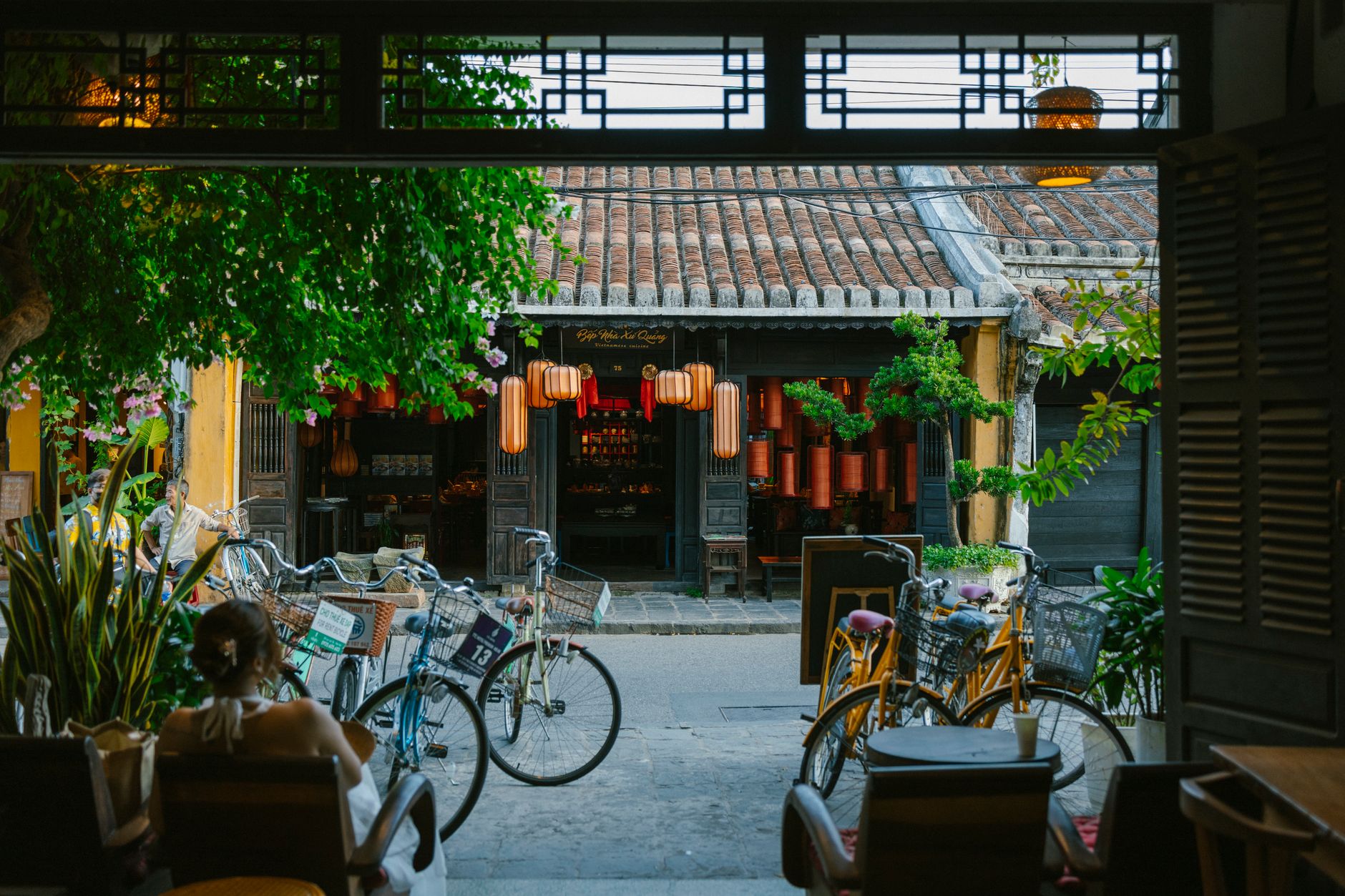
Backpacking Vietnam in 2026: Realistic 1-Month Itinerary & Costs
A verified 30-day Vietnam backpacking route from Hanoi to Ho Chi Minh City with real 2026 prices, honest trade-offs, and the mistakes that wreck budgets.
Read more →Vietjet vs Vietnam Airlines: Baggage, Delays and Real Fares on 5 Popular Routes
Booking a domestic flight in Vietnam looks simple until the fare you clicked at 450,000 VND ($18) becomes 1,200,000 VND ($47) after you add a checked bag and pick a seat. Vietjet and Vietnam Airlines dominate domestic skies, and the gap between their advertised prices and what you actually pay varie
Read more →Where to Eat Bun Bo Hue: The Best Bowls in Hue and Saigon
Bun bo Hue is not pho. Travelers confuse the two constantly, and the mistake costs them. Pho is a clear, gentle beef broth built on star anise and cinnamon. Bun bo Hue is a different animal: a spicy, lemongrass-heavy pork and beef broth, rounded with shrimp paste and chili oil, poured over thick rou
Read more →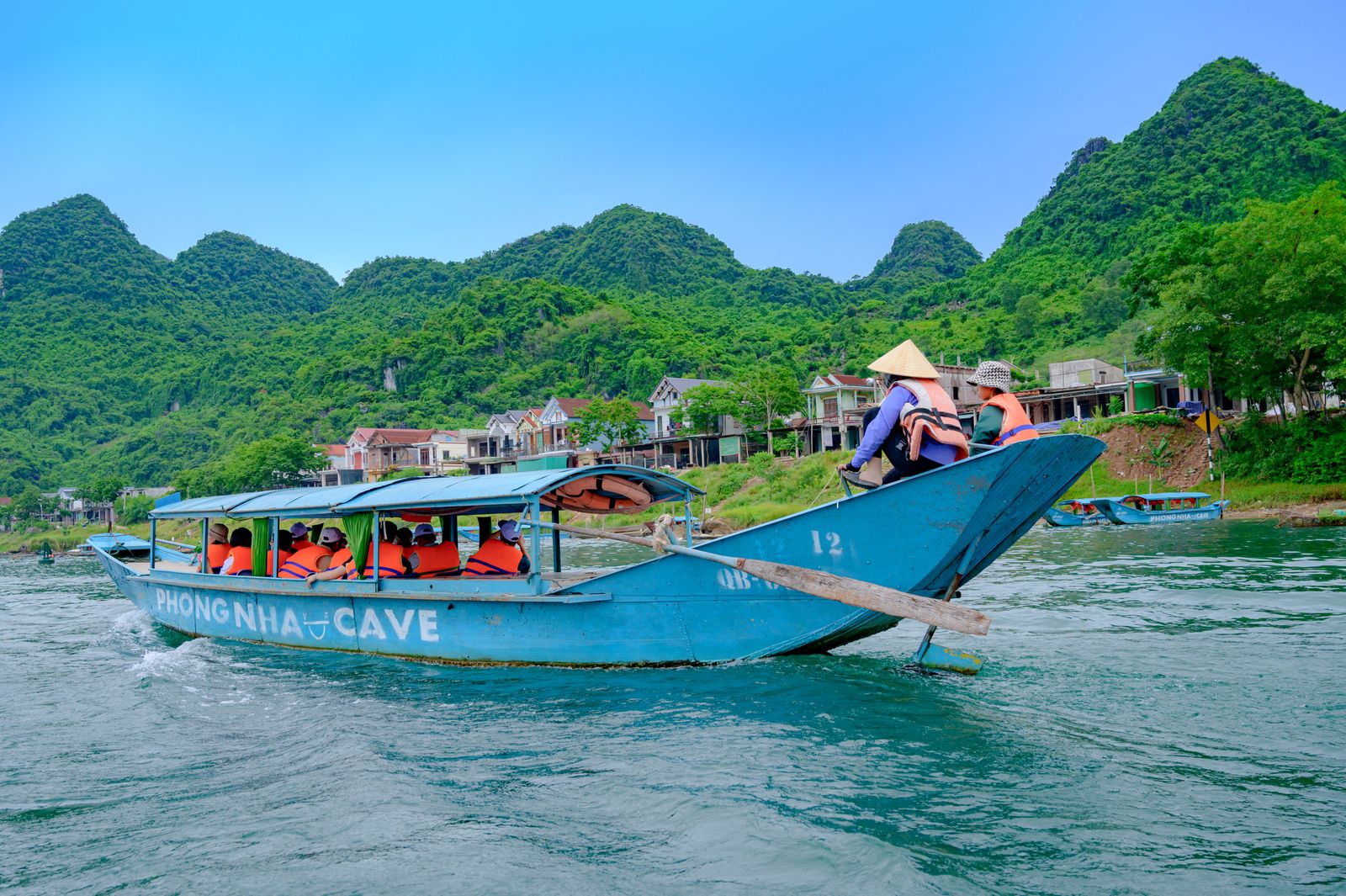
Ninh Binh to Hue via Phong Nha by train: a realistic family itinerary
The route from Ninh Binh to Hue passes directly through the best cave country in Southeast Asia, and most travelers sleep straight through it. Phong Nha Ke Bang National Park sits roughly halfway, and the nearest useful railway station is Dong Hoi, not Dong Ha. Families who plan this leg well can se
Read more →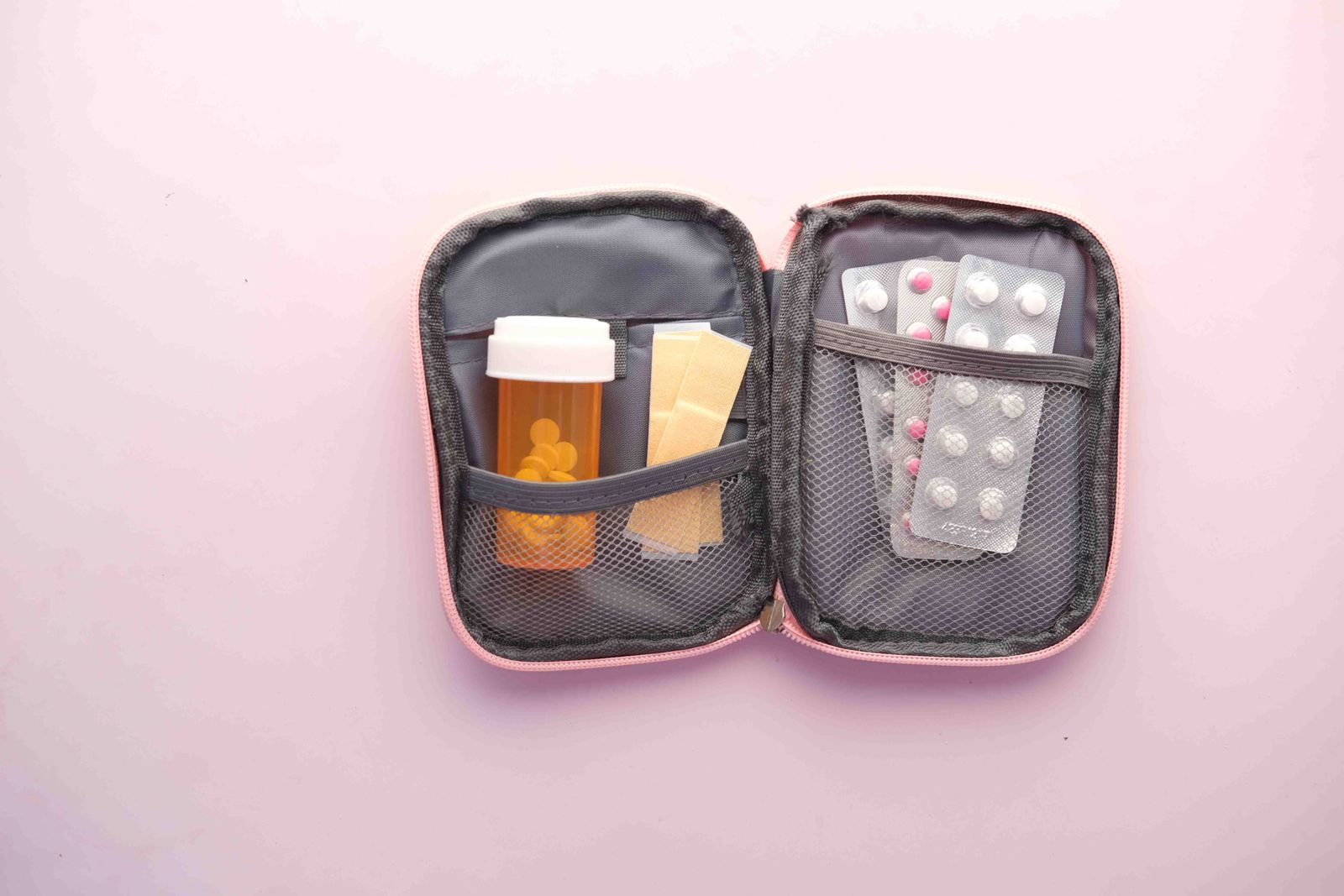
Can you bring psychotropic medication into Vietnam?
Yes, but only a short supply without paperwork from Vietnam. Since 1 July 2025, a traveller may bring up to 10 days of a psychotropic medicine, or 7 days of a narcotic painkiller, with the prescription and a declaration at customs. Anything beyond that needs an import permit issued before arrival.
Read more →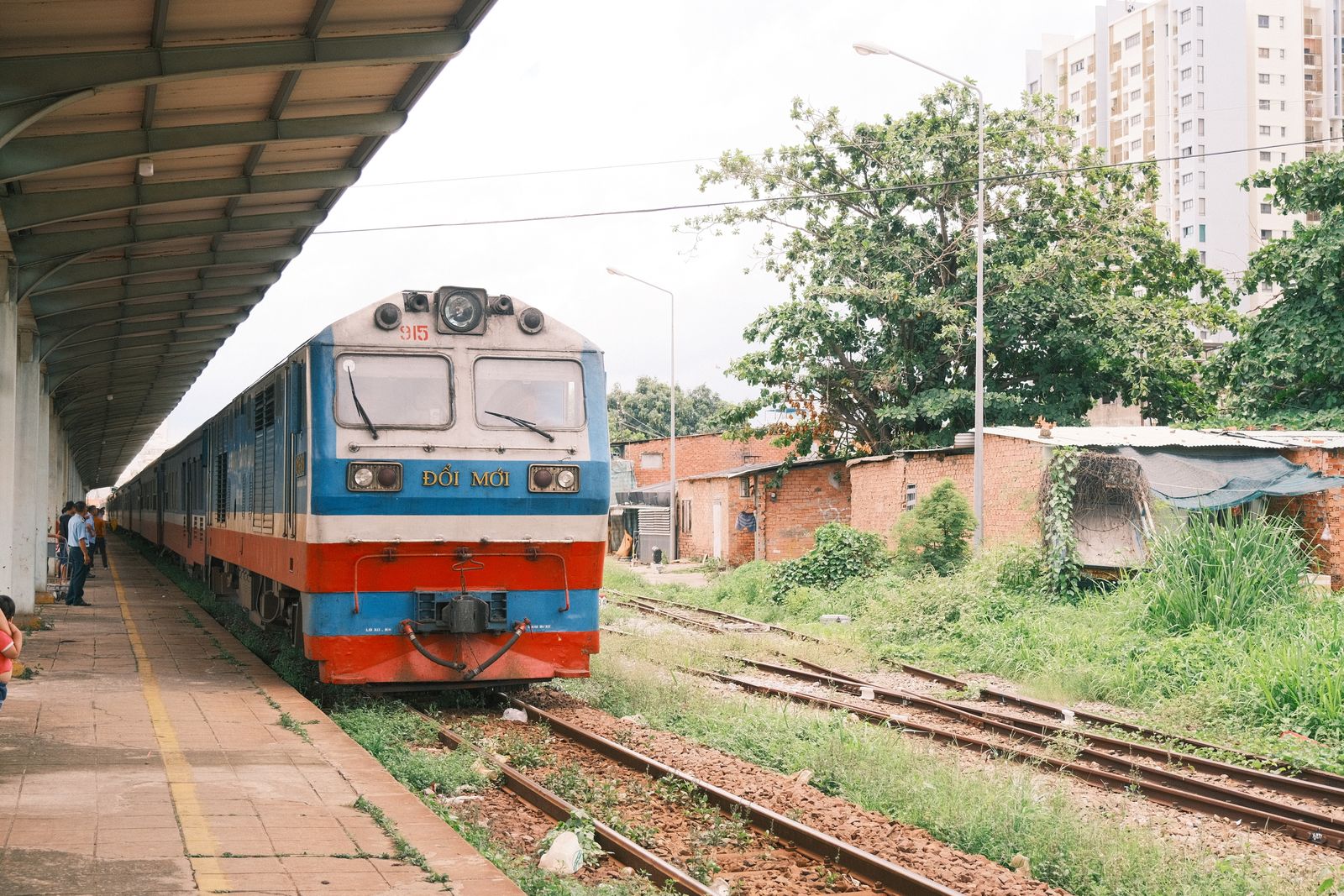
Phong Nha stopover by train: where to leave your luggage between Ninh Binh and Hue
The question arrives in the inbox every few weeks, usually from a parent planning a tight north-to-south rail route. A family travels Ninh Binh to Phong Nha by train, wants to see the caves, then continues to Hue the same evening. Where do the bags go?
Read more →Dengue Fever in Vietnam: Season, Symptoms and What Travelers Should Do
Dengue fever is the most common mosquito-borne illness travelers face in Vietnam. It is not rare, it is not confined to remote jungle areas, and it is not something you can ignore on the assumption that cities are safe. Cases appear in Hanoi's Old Quarter, in District 1 of Ho Chi Minh City, and in b
Read more →Monkey Island in Nha Trang: Is Hon Lao Worth Visiting?
Nha Trang has a monkey island. Most travelers do not know this. The city's tourism machine pushes boat tours, Vinpearl, mud baths, and the same four-island loop that has run for two decades. Hon Lao, sometimes labeled Monkey Island on local maps and tour tickets, sits quietly to the south of the bay
Read more →Central Vietnam floods: when Hoi An and Hue flood and how to travel through it
Every autumn, the same thing happens. Travelers arrive in Hoi An with a two-week plan, a hotel booked on the riverside, and no idea that the water can rise past the ground floor. By the second morning, the street outside is a canal, the tailor is closed, and the bus to Hue has been cancelled.
Read more →Nha Trang Travel Guide 2026: Getting There, Where to Stay and What It Costs
Nha Trang is Vietnam's most direct beach destination for a large chunk of the world. It is one of the few places in the country where a traveler can land at an international airport, clear immigration, and be lying on sand within 45 minutes. It is also one of the few Vietnamese cities where direct f
Read more →Is Vietnam Safe at Night? Late-Night Safety in Saigon and Hanoi
Vietnam has a reputation for being one of the safer countries in Southeast Asia, and that holds up after dark in most places. Violent crime against tourists is rare. What does happen, and happens often enough to matter, is opportunistic theft: a phone grabbed from a hand, a bag yanked off a shoulder
Read more →Hanoi Weekend Night Market: What to Eat and Buy on the Old Quarter Walking Street
Every Friday around 6pm, barriers go up along Hang Dao and the motorbikes disappear. What replaces them is a single-file river of people moving north toward Dong Xuan Market, past stalls selling phone cases, coconut bowls, cheap sneakers, and enough grilled skewers to feed a small town.
Read more →Where to Eat Banh Cuon in Hanoi: 8 Addresses for Steamed Rice Rolls
Banh cuon is not pho. It does not have the international fame, the rich broth, or the late-night availability. It is a morning dish, eaten quickly at plastic tables before the city fully wakes up. The rice batter is spread thin over a cloth stretched across a pot of boiling water, steamed for second
Read more →Where to Eat Hu Tieu in Saigon: 10 Shops Locals Swear By
Hu tieu does not get the tourist attention of pho, and that suits Saigon fine. This is the city's working breakfast, a bowl that shows up at 6am on plastic stools and stays available until the last motorbike has parked for the night. Ordering it wrong is easy. Ordering it well takes about five minut
Read more →Sapa to Cao Bang: bus, private car and motorbike routes
Sapa and Cao Bang sit in opposite corners of northern Vietnam. Sapa faces the Chinese border near Lao Cai, wrapped in rice terraces and H'Mong villages. Cao Bang lies far to the east, a limestone plateau of caves, waterfalls and the country's most underrated loop road.
Read more →Where to Eat Banh Mi in Hanoi, Including Anthony Bourdain's Pick
Hanoi does not treat banh mi the way Saigon does. In the south, the sandwich is a full meal stacked with cold cuts, pickles, herbs, chili and sometimes two or three meats. In Hanoi, it is smaller, sharper and often stripped back to one or two fillings. The bread is thinner and crunchier. The pate is
Read more →Food poisoning in Vietnam: what to do, which pharmacy medicines work and when to see a doctor
It happens to most travelers eventually. A banh mi from a street cart, a seafood dinner on the coast, a bowl of bun cha that tasted fine going down. Six hours later the stomach cramps start, and the next 24 hours are spent within sprinting distance of a bathroom.
Read more →Renting an Apartment in Vietnam: Monthly Prices by City in 2026
Vietnam has become a base for remote workers, retirees, and long-stay travelers who want more than a hotel room. Renting an apartment here costs a fraction of what you would pay in Bangkok, Lisbon, or Mexico City. But prices vary enormously between cities, neighborhoods, and apartment types.
Read more →