Discover Vietnam
In-depth guides to help you travel Vietnam like a local — cities, culture, food, and practical tips.
Explore citiesTravel Guides
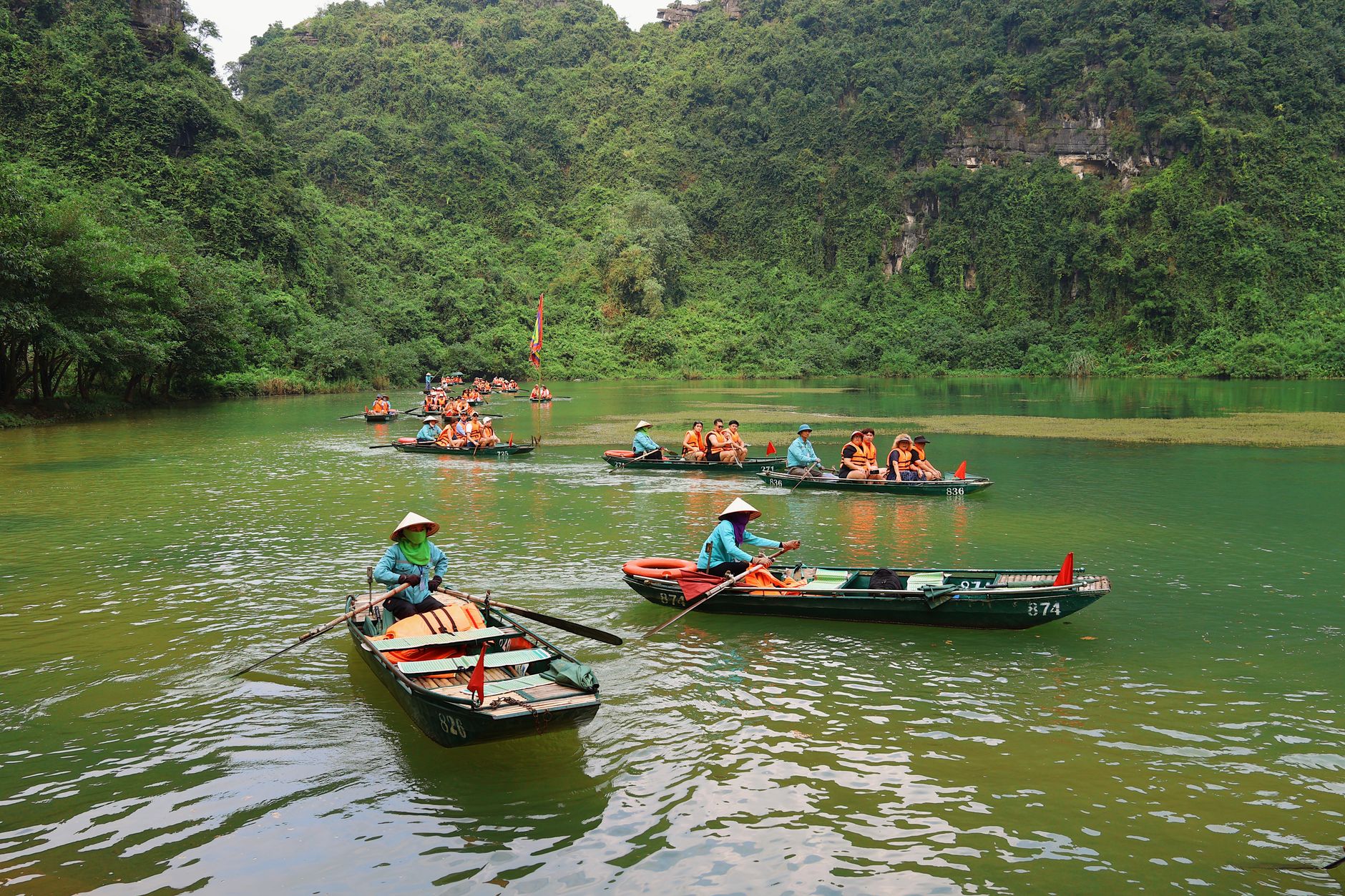
Trang An boat tours: the complete guide to Ninh Binh's karst waterways
Trang An is not a single attraction. It is a 6,172-hectare landscape of limestone towers, flooded valleys, and river caves that Vietnam submitted to UNESCO in 2014 as a mixed cultural and natural World Heritage site. The boat tour through its waterways has become the signature experience of Ninh Bin
Read more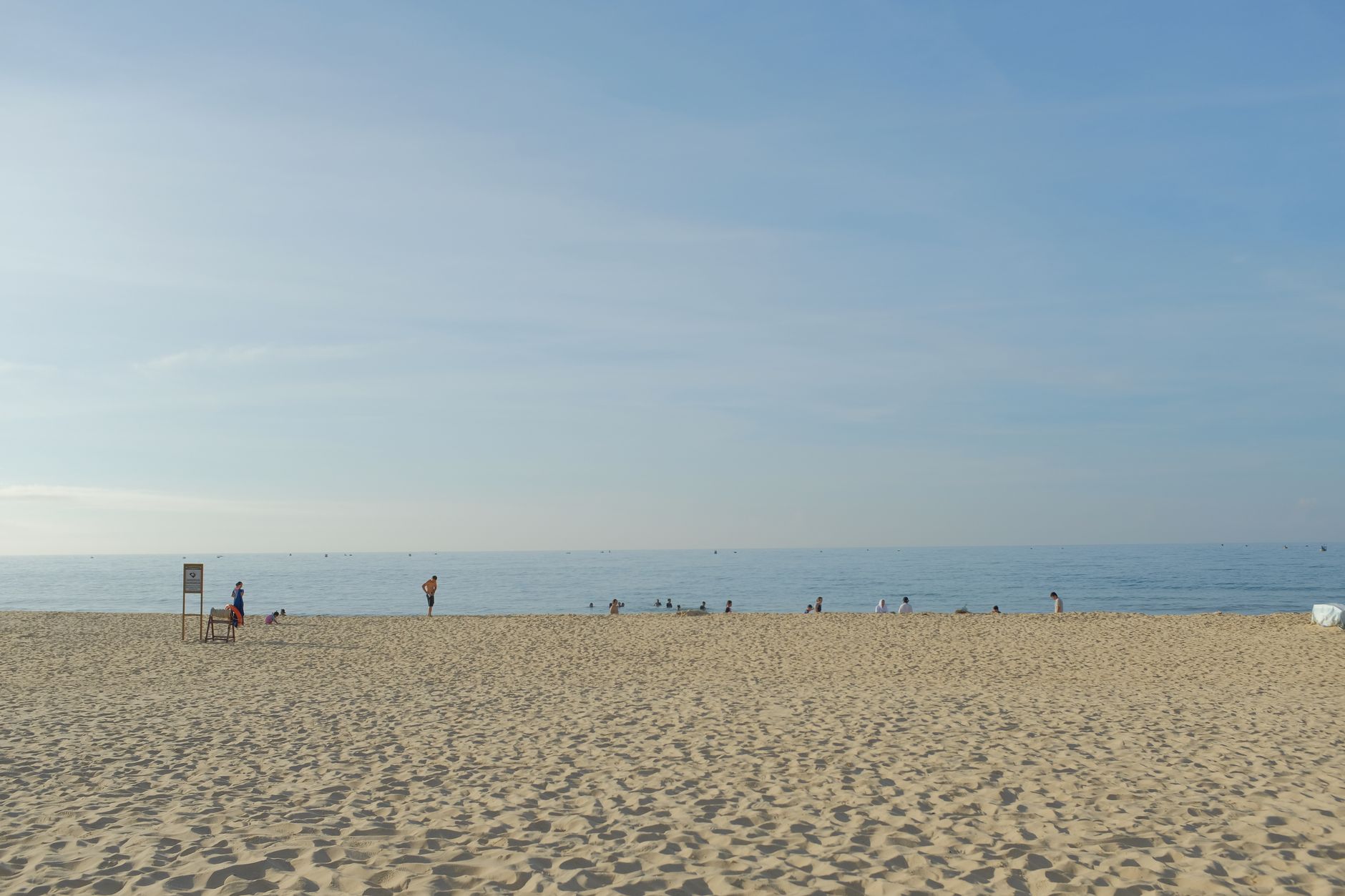
An Bang Beach, Hoi An: practical guide to access, costs, season and where to stay
An Bang is the easiest beach to reach from Hoi An, but most online guides mix outdated prices, conflicting distances and "sunset over the sea" claims that do not match reality. This guide explains what the beach is actually like, what it costs (free entry, but not free sunbeds), when swimming is saf
Read more →Nam Du Islands travel guide: ferry, permits, costs, best season and where to stay
Nam Du is a small archipelago in the Gulf of Thailand that few foreigners reach, and the information online is scattered and often out of date. Competitor pages disagree on whether foreigners need a permit, how long the ferry takes, and whether electricity even works. This guide gives a verified, st
Read more →Sung Sot Cave (Surprise Cave), Ha Long Bay: tickets, access and how to visit
Sung Sot Cave is the most visited cave in Ha Long Bay, yet it cannot be reached on its own. It sits on Bo Hon Island, and getting there takes a boat, a bay entrance ticket and a decent timing strategy to avoid the crowds. This guide covers what the visit is really like, what it costs in 2026, whethe
Read more →Son Tra Peninsula travel guide: what to see, how to get there and what to avoid
Son Tra Peninsula is the green headland that frames Da Nang, and most guides stop at "rent a motorbike and go". This guide covers what travelers actually need: how likely langur sightings really are, what a foreign rider needs legally, which roads and trails are restricted, when the weather shuts th
Read more →Cat Cat Village in Sapa: tickets, hours, how to get there and whether it is worth it (2027)
Cat Cat is the easiest Hmong village to reach from Sapa town, only 2 km away, and also the most commercialised. This guide gives the practical facts (ticket, hours, route, return options, timing) and an honest verdict on who should go, who should skip it and what to do instead.
Read more →Hon Thom cable car in Phu Quoc: tickets, prices and what the ride is really like
Most visitors to Phu Quoc see the cable car before they understand what it is. From the beaches of the south coast, a line of towers marches out across the water toward a green island on the horizon. It looks like a fairground ride. It is actually the longest non-stop three-wire cable car in the wor
Read more →Notre-Dame Cathedral in Ho Chi Minh City: the complete guide to Saigon's red-brick landmark
Notre-Dame Cathedral Basilica of Saigon is the single most photographed building in Ho Chi Minh City, and it has earned that status honestly. Two brick towers, a rose window, and a facade built from material hauled 12,000 kilometres from France sit in the middle of a traffic roundabout in District 1
Read more →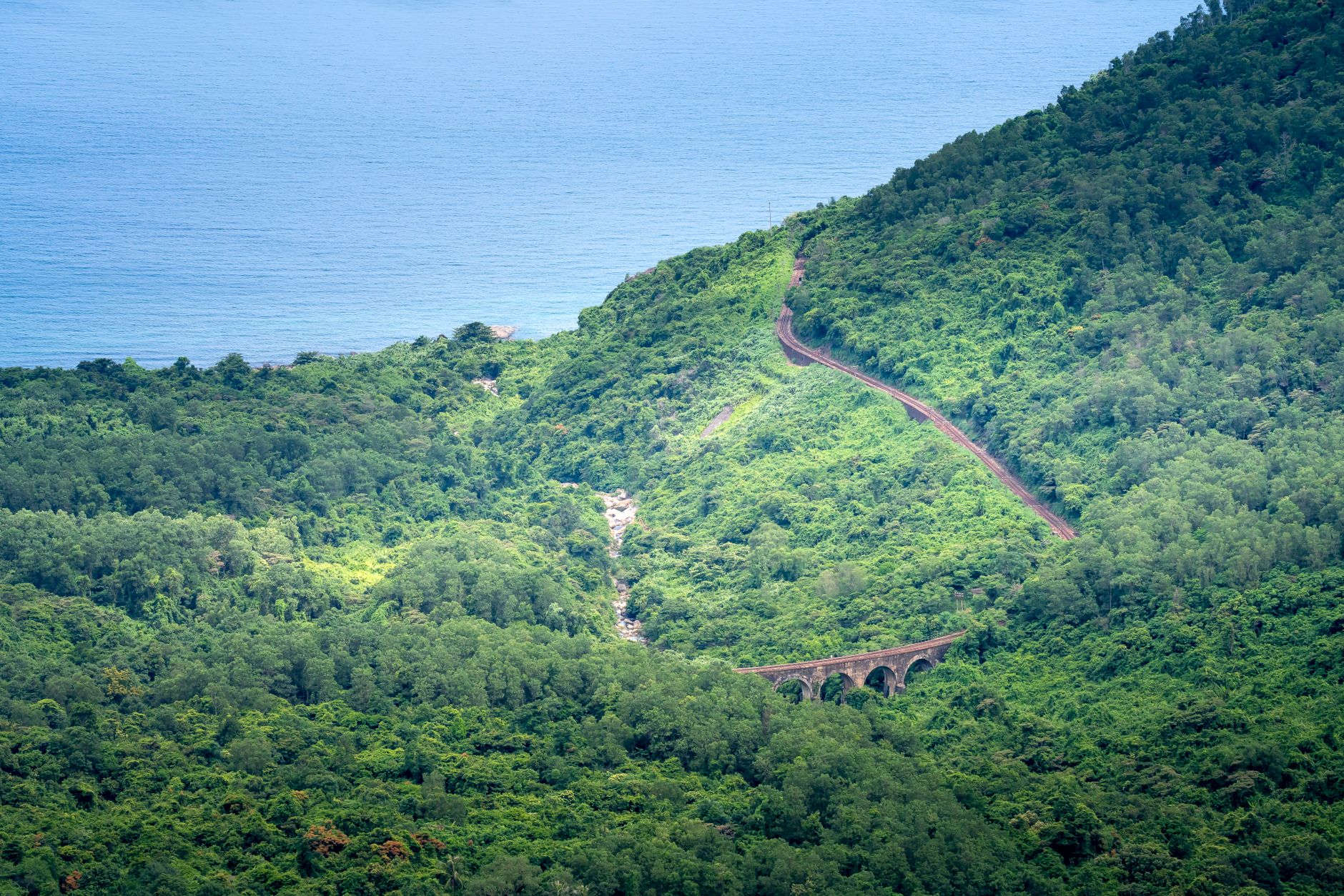
Bach ma national park: a complete guide to Vietnam's forgotten hill station
Bach Ma is what happens when a French colonial resort gets swallowed by jungle and left to the birds. Literally. The park sits on a ridge of the Annamite Range in central Vietnam, halfway between Hue and Da Nang, and it holds one of the richest concentrations of birdlife in the country. It also hold
Read more →Linh Son Pagoda in Da Lat: the complete guide to the city's hilltop sanctuary
Linh Son Pagoda is the one major religious site in Da Lat that most visitors walk past without noticing. It sits on a low hill just off Nguyen Van Troi street, a few minutes from the lake, and it does not have the postcard drama of the Crazy House or the cable car. What it has instead is something r
Read more →Central Post Office in Saigon: the complete guide to Ho Chi Minh City's colonial landmark
The Central Post Office in Saigon is one of the few working buildings in Vietnam where the architecture matters more than the mail. Every day thousands of people walk through its arched entrance on Cong xa Paris square, look up at the steel vaulting, take the same photograph, and walk out again. Tha
Read more →Hoa Lu ancient capital: a complete guide to Vietnam's first imperial city
Most travelers treat Ninh Binh as a day trip from Hanoi: a boat ride through Trang An, a climb at Mua Cave, a photo at Tam Coc, then back to the bus. Hoa Lu ancient capital, the reason this landscape mattered in the first place, often gets a rushed 45 minutes at the end of the day.
Read more →Imperial Citadel of Thang Long: a complete guide to Hanoi's UNESCO fortress
Most visitors to Hanoi walk past the Imperial Citadel of Thang Long without realising what sits behind the yellow walls on Hoang Dieu Street. It is not the flashiest sight in the city. There is no gilded temple complex like Hue, no soaring cathedral, no lake with a legend attached. What the citadel
Read more →Long Beach, Phu Quoc: the complete guide to Bai Truong
Long Beach is the reason most people end up in Phu Quoc without quite planning it. The island's main runway of sand, known locally as Bai Truong, stretches about 20 km down the west coast, and almost every road, resort and seafood shack on this side of the island is pinned to it. It is not the prett
Read more →Basket boats in Hoi An: a complete guide to the Cam Thanh coconut forest
The round basket boat is one of the strangest and most photogenic objects in Vietnam. It has no keel, no bow and no stern. It looks like a giant woven bowl, and it spins on the water like a coin. At Cam Thanh, a water coconut forest on the eastern edge of Hoi An, hundreds of these boats carry visito
Read more →Dong Xuan Market in Hanoi: the complete guide to the Old Quarter's landmark bazaar
Dong Xuan Market is the largest covered market in Hanoi and the anchor of the Old Quarter's northern edge. It has burned down, been rebuilt, survived war and now sells everything from wholesale fabric to plastic souvenirs. This guide covers what you actually see inside, how to get there, what to pay
Read more →Train Street Hanoi: the complete guide to Phung Hung and the railway alley
The first thing to understand about Train Street is that it is not a tourist attraction. It is a working railway line that runs through a residential neighbourhood in Hanoi's Old Quarter, and the people who live along it are not performers. They are families who have hung laundry, parked motorbikes
Read more →Long Bien bridge in Hanoi: the complete guide to the city's steel survivor
Long Bien Bridge is not a monument you visit and tick off. It is a working piece of infrastructure that happens to be one of the most photographed, most walked, and most emotionally loaded structures in Vietnam. Trains still cross it. Motorbikes still stream over it. Farmers still sell vegetables on
Read more →Tam Dao National Park: the complete guide to Hanoi's mountain escape
Tam Dao is the closest thing Hanoi has to a mountain retreat. On a clear morning you can stand on a stone church terrace at 900 metres, look down through cloud, and understand why the French built a hill station here in 1902. It is not Sapa. It is not Ha Giang. It is a small, strange, often foggy to
Read more →Bich Dong Pagoda: the complete guide to Ninh Binh's cliff-carved sanctuary
Bich Dong Pagoda is the rare Vietnamese temple that rewards a slow visit rather than a photo stop. Carved into the side of a limestone karst near Tam Coc, it stacks three separate shrines up a single mountainside, connected by stone stairs, dark cave passages and a courtyard that smells of incense a
Read more →Tran Quoc pagoda in Hanoi: opening hours, dress code and what to see
Most guides tell you Tran Quoc Pagoda is free and open all day. Both claims are wrong or incomplete. The pagoda closes at midday, the dress code is enforced at the gate, and the stupa everyone photographs is only about 25 years old, not 1,500. Here is what you actually need to know before you go.
Read more →Vietnam Museum of Ethnology in Hanoi: tickets, opening hours and what not to miss
The Vietnam Museum of Ethnology is widely called the best museum in Hanoi, yet most travellers arrive unprepared. They turn up on a Monday when it is shut, budget one hour for a site that needs three, or skip the outdoor garden that is the real reason to come. This guide covers the tickets, the timi
Read more →Independence Palace in Ho Chi Minh City: tickets, opening hours and what to see
The Independence Palace is where the Vietnam War ended on 30 April 1975, and it remains one of the most intact presidential buildings in Southeast Asia. This guide answers the practical questions that decide whether a visit works: which ticket to buy, how the opening hours actually function, what to
Read more →Bai Tu Long Bay: the quieter side of Ha Long, and how to choose a cruise
Everyone planning a trip to northern Vietnam's limestone seascape runs into the same question: Ha Long, Bai Tu Long or Lan Ha? The three sit within the same geological formation, share the same water, and appear in the same brochures. They are not interchangeable.
Read more →Ho Chi Minh mausoleum: opening hours, free entry and the dress code
The mausoleum opens only five mornings a week, closes for roughly two months every year, and turns away visitors daily for wearing shorts. Entry is free, but the rules are strict and rarely explained clearly. This guide covers the exact hours, the dress code, security screening and the rest of the B
Read more →Marble Mountains in Da Nang: caves, pagodas, the lift and the monkeys
Most guides tell you the Marble Mountains are worth a visit and leave you unprepared for the 40,000 VND ticket, the 15,000 VND lift, the slippery marble steps, and the fact that the monkeys everyone mentions are not actually here. This guide covers what you will really find across the five limestone
Read more →Temple of Literature in Hanoi: tickets, dress code and what to look at
The Temple of Literature is Vietnam's first university, founded in 1070, and the single best place in Hanoi to understand why this country treats exam success as a national virtue. This guide gives you the practical facts (tickets, hours, dress code, transport) and then decodes the five courtyards i
Read more →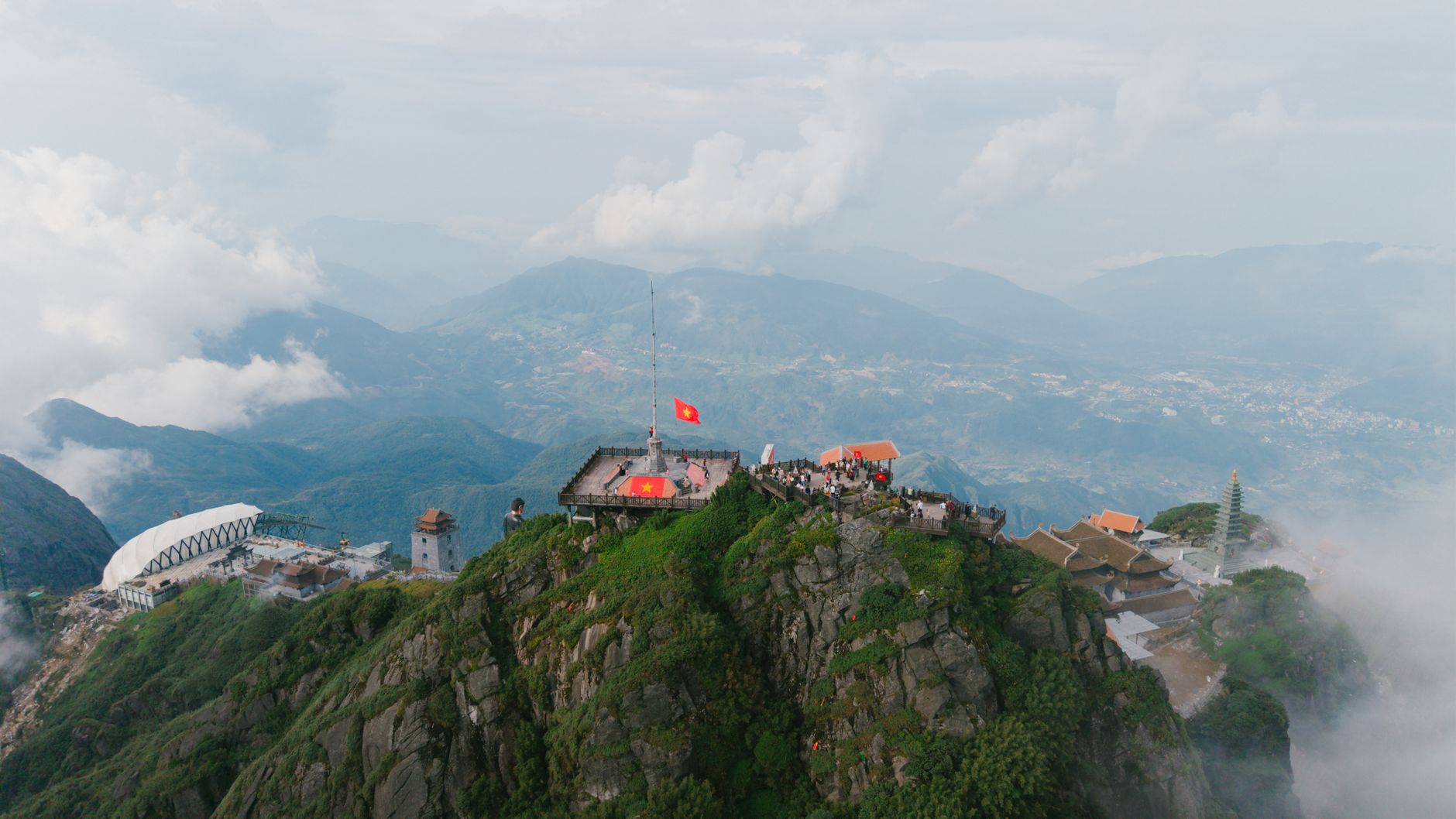
Fansipan: cable car versus trek to the roof of Indochina
Fansipan is the highest point in Vietnam and all of Indochina at 3,147 metres, and there are now two completely different ways to stand on it: a 15 to 20 minute cable car ride, or a two-day climb through mud, bamboo and cloud forest. This guide compares the real numbers, the real difficulty and the
Read more →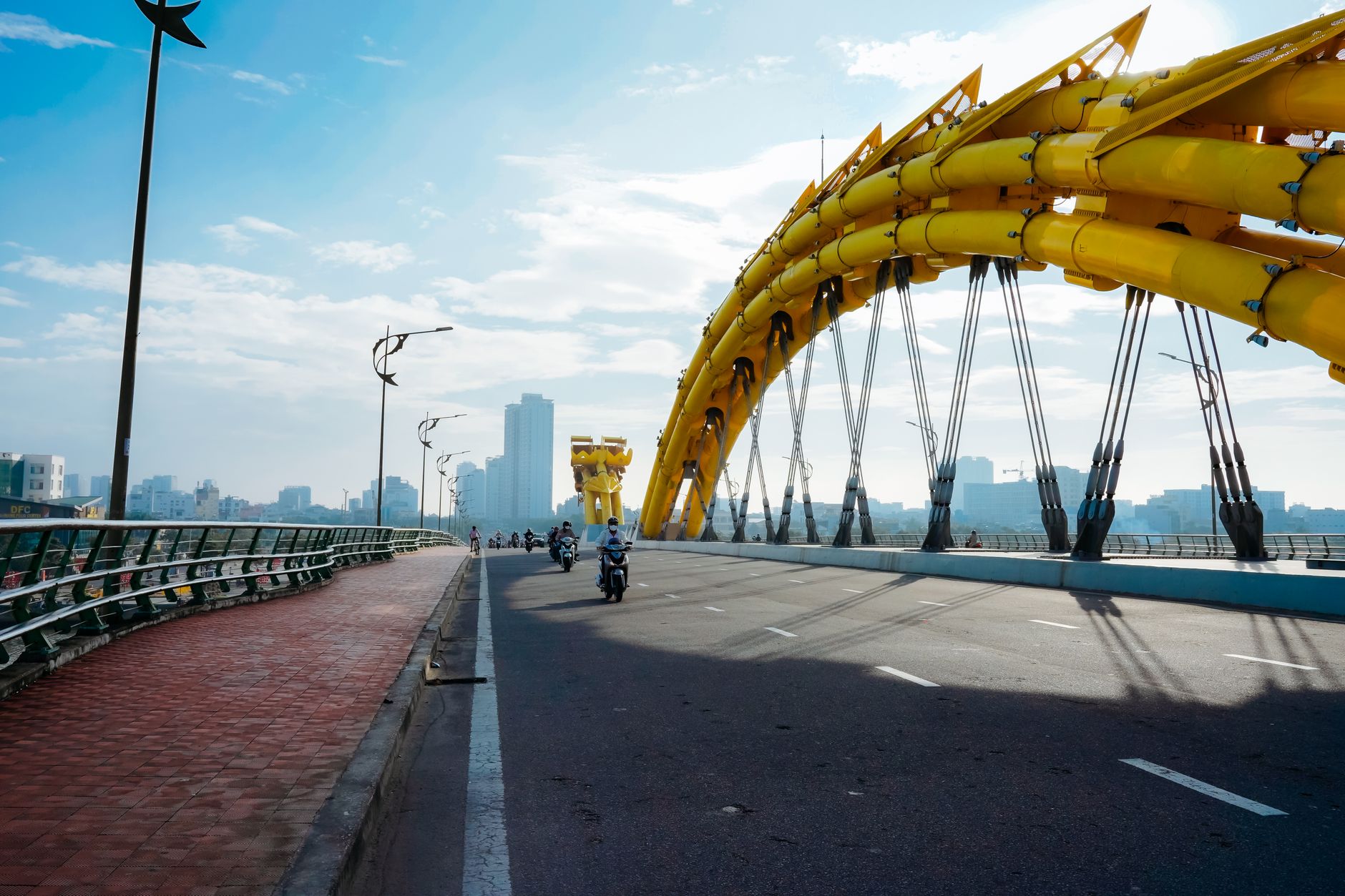
Dragon Bridge in Da Nang: fire show times and the best photo spots
The Dragon Bridge breathes fire every weekend. That single fact pulls thousands of people onto the Han River promenade each Saturday and Sunday night, phones raised, kids on shoulders, motorbikes parked three deep along the curb. The show lasts about ten minutes. The crowd control, the jostling for
Read more →
War Remnants Museum Ho Chi Minh City: A Visitor's Guide
The War Remnants Museum opened in 1975, just months after the end of the Vietnam War. Originally called the "Exhibition House for US and Puppet Crimes," the name changed in 1990 to the current title. This shift reflects a broader move toward historical documentation rather than pure propaganda.
Read more →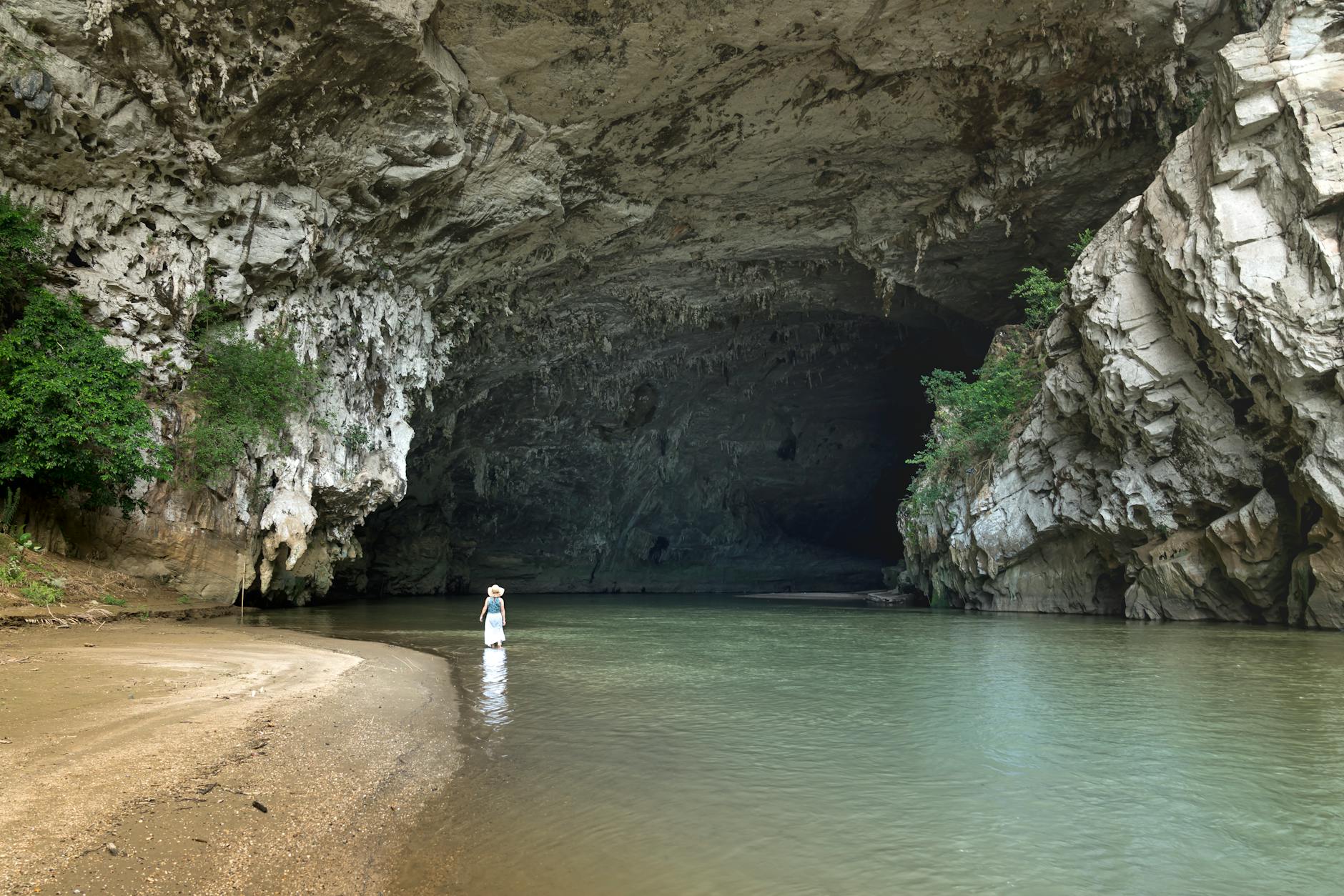
Phong Nha-Ke Bang National Park Tickets: Complete 2027 Price Guide and Cave Selection
Planning a trip to Phong Nha-Ke Bang National Park means navigating a confusing system of separate tickets, tour packages, and entry fees. Unlike national parks in most countries, Phong Nha has no single entrance gate or all-inclusive pass. Each cave charges its own admission, and some require manda
Read more →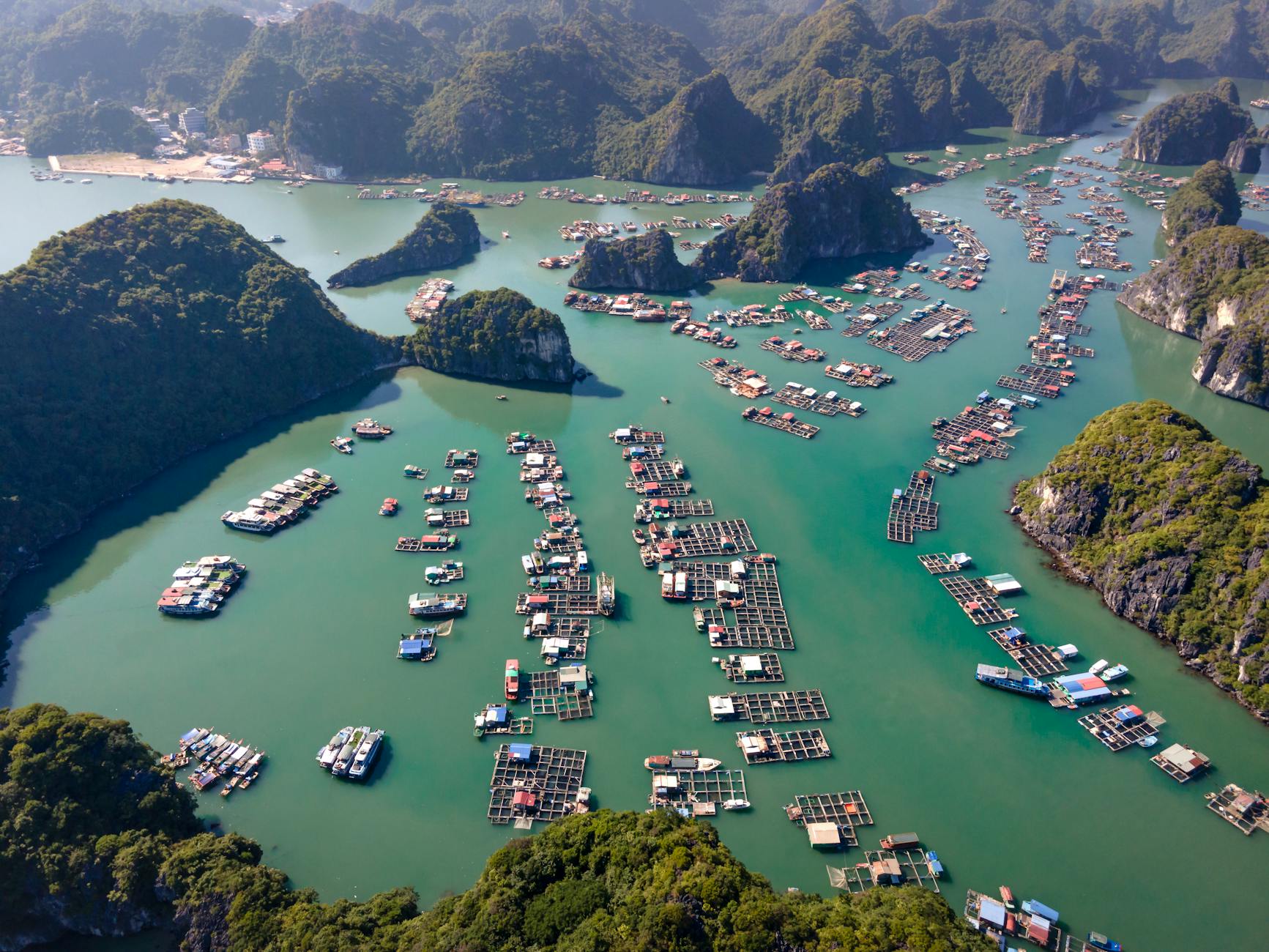
Cat Ba Town restaurants: The honest local's guide to eating well
Cat Ba Town is in the middle of a massive waterfront redevelopment. The harbor views that once defined dining here are now hidden behind construction fencing. Many online guides still recommend the same three tourist spots as if nothing changed.
Read more →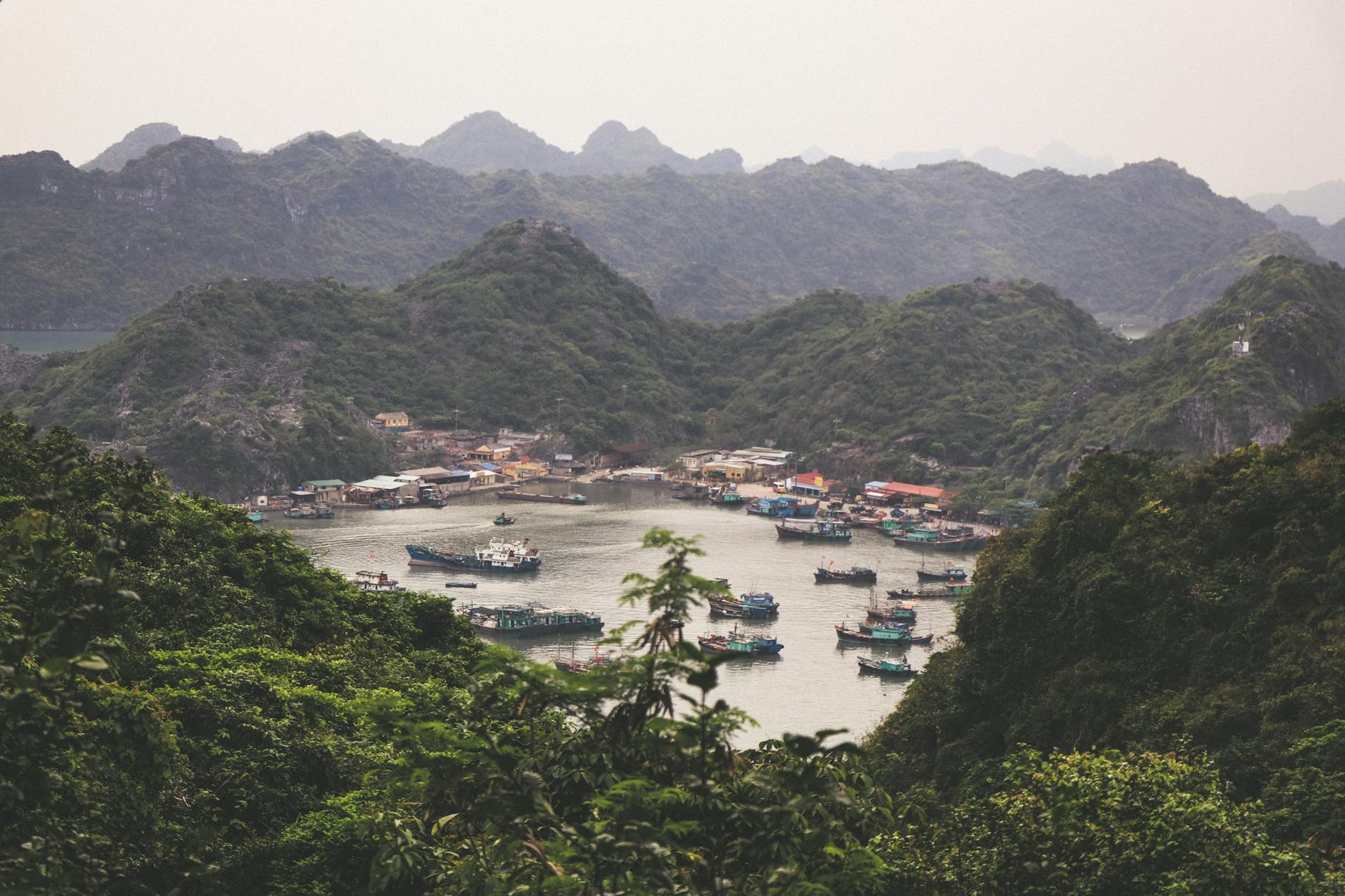
What is the main town on Cat Ba Island? A complete guide to Cat Ba Town
Meta description: Cat Ba Town is the main hub on Cat Ba Island, Vietnam. Here is an honest guide covering what to expect, where to stay, and how to navigate the 2026 construction.
Read more →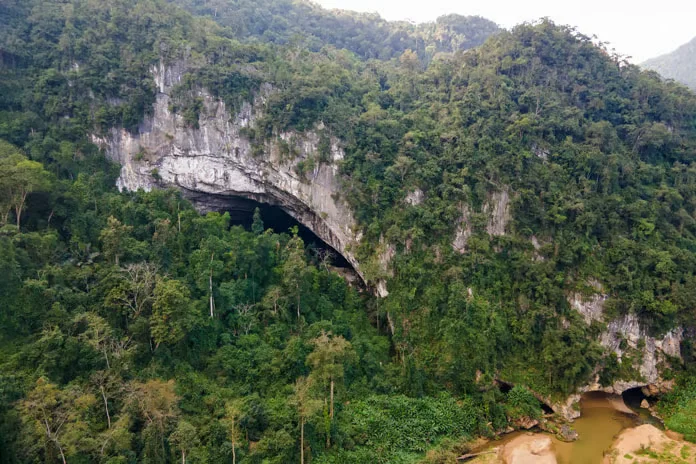
Phong Nha Caves on a Budget: Real Costs & Best Picks
Phong Nha's caves range from $3 entries to $3,000 expeditions — here's how to see the best ones for under $100, from someone who lived there.
Read more →Ninh Binh travel costs: a realistic day-by-day budget for 2027
Ninh Binh gets called "Halong Bay on land" so often that the phrase has lost meaning. But the comparison holds. Limestone karsts rise from rice paddies instead of water. Rivers thread through caves instead of between islands. The scenery is genuinely spectacular, and the costs are lower than most tr
Read more →Hoi An daily budget: what a realistic 2027 trip actually costs
Hoi An has a pricing problem. The Ancient Town itself is free to enter, but everything around it carries a premium that creeps into your wallet. A bowl of cao lau costs three times what it does in a nearby village. A tailored suit runs hundreds of dollars. And the lanterns, the boats, the cooking cl
Read more →Renting an Apartment in Vietnam: Monthly Prices by City in 2027
Vietnam has become a base for remote workers, retirees, and long-stay travelers who want more than a hotel room. Renting an apartment here costs a fraction of what you would pay in Bangkok, Lisbon, or Mexico City. But prices vary enormously between cities, neighborhoods, and apartment types.
Read more →
Vietnam trip cost from India for couple: Complete 2027 budget guide
Planning a Vietnam trip as a couple from India means navigating a maze of conflicting price estimates. Package tours quote lump sums that hide real costs. Blog posts use outdated numbers from 2023. This guide breaks down every expense for two people in 2026, from visa fees to street food, so you can
Read more →
Vietnam visa for Indian citizens: Complete 2027 guide
Indian travelers planning a trip to Vietnam in 2026 face a maze of visa options, conflicting information online, and changing regulations. This guide cuts through the confusion with current, verified information on every visa pathway available to Indian passport holders, including the little-known v
Read more →Ho Chi Minh City travel costs: what to budget per day in 2027
Ho Chi Minh City moves fast. Motorbikes flood every intersection, sidewalk vendors fry banh xeo on portable grills, and coffee shops spill onto the pavement from dawn until late. The city rewards travelers who plan a budget before arriving, because costs vary wildly depending on where you eat, sleep
Read more →