Discover Vietnam
In-depth guides to help you travel Vietnam like a local — cities, culture, food, and practical tips.
Explore citiesTravel Guides
Modern Vietnam costume male for sale: the 2026 buyer's guide
Most guides treat the men's ao dai as a museum piece. A modern Vietnamese male costume is a tailored garment you can actually buy today, in person or online, for $80 to $250. This guide covers exactly where to get one, what to pay, how to get the fit right, and when it's appropriate to wear it as a
Read moreMon Cheri Cruise Halong Bay price: the honest 2026 cost guide
A Halong Bay cruise is often the most expensive single item in a Vietnam itinerary, and Mon Cheri sits firmly in the luxury tier. The published rates look steep. But the price travelers actually pay is often lower, sometimes significantly so.
Read more →Do Indians need a visa for Vietnam transit?
Indian passport holders transiting through Vietnam face confusing rules that vary depending on whether they stay airside, clear immigration, or catch a domestic connection. This guide explains exactly when a visa is required, when it is not, and how to avoid being denied boarding.
Read more →redBus Vietnam in 2026: the honest guide to booking bus tickets online
Vietnam's bus network moves millions of passengers every year. For travelers, the challenge is figuring out which platform to use, which bus type to pick, and what happens when plans change. redBus Vietnam is one of the biggest online ticketing platforms in the country, but most guides skip the prac
Read more →InterContinental Danang Sun Peninsula Resort prices: the complete 2026 cost guide
Planning a stay at the InterContinental Danang Sun Peninsula Resort but unsure what it actually costs? This guide breaks down every price point, from entry-level rooms to private villas, plus dining, spa, activities, and the fees nobody mentions. By the end, you will know exactly what budget you nee
Read more →Phong Nha Weather: Complete Month-by-Month Guide, Rainy Season & Best Time to Visit
Phong Nha is one of Vietnam's most spectacular destinations, but its unpredictable weather can disrupt a poorly planned itinerary. Between monsoons, flash floods, and suffocating heat, here's everything you need to know to choose the right time and enjoy the caves safely.
Read more →Vexere Vietnam bus: the complete guide to booking and riding in 2026
Vietnam's transport network runs on sleeper buses. They connect Hanoi to Sapa, Ho Chi Minh City to Da Lat, and every province in between. Vexere, the country's largest booking platform, puts thousands of these departures at your fingertips. But booking as a foreigner comes with quirks: payment failu
Read more →Cao Bằng weather: month-by-month guide and best time to visit
Most guides say "visit in September or October" without explaining why, or what you sacrifice by following that advice. This guide breaks down Cao Bằng's weather month by month, with honest trade-offs for each season, so you can decide based on your priorities, not a generic best-time list.
Read more →Con Dao hotels on a budget: where to stay without breaking the bank
Con Dao has a reputation problem for budget travellers. Most search results point to Six Senses, the island's ultra-luxury resort where villas start above $500 a night. That creates the impression that this remote archipelago is only for the wealthy. It is not.
Read more →Can Tho safety in 2026: an honest guide to crime, traffic, and real risks
Can Tho is the largest city in the Mekong Delta, with roughly 1.2 million residents spread across a network of rivers and canals. It is also the most common base for travelers visiting the region's famous floating markets. Most visitors spend one or two nights here before moving on.
Read more →What is a VIP cabin bus in Vietnam? The complete 2026 guide
You have seen the photos: private curtained cabins, lie-flat beds, massage seats, and an onboard toilet. But what is a VIP cabin bus in Vietnam actually like, and is it worth paying double the price of a standard sleeper bus? This guide breaks down exactly what you get, what you do not get, and how
Read more →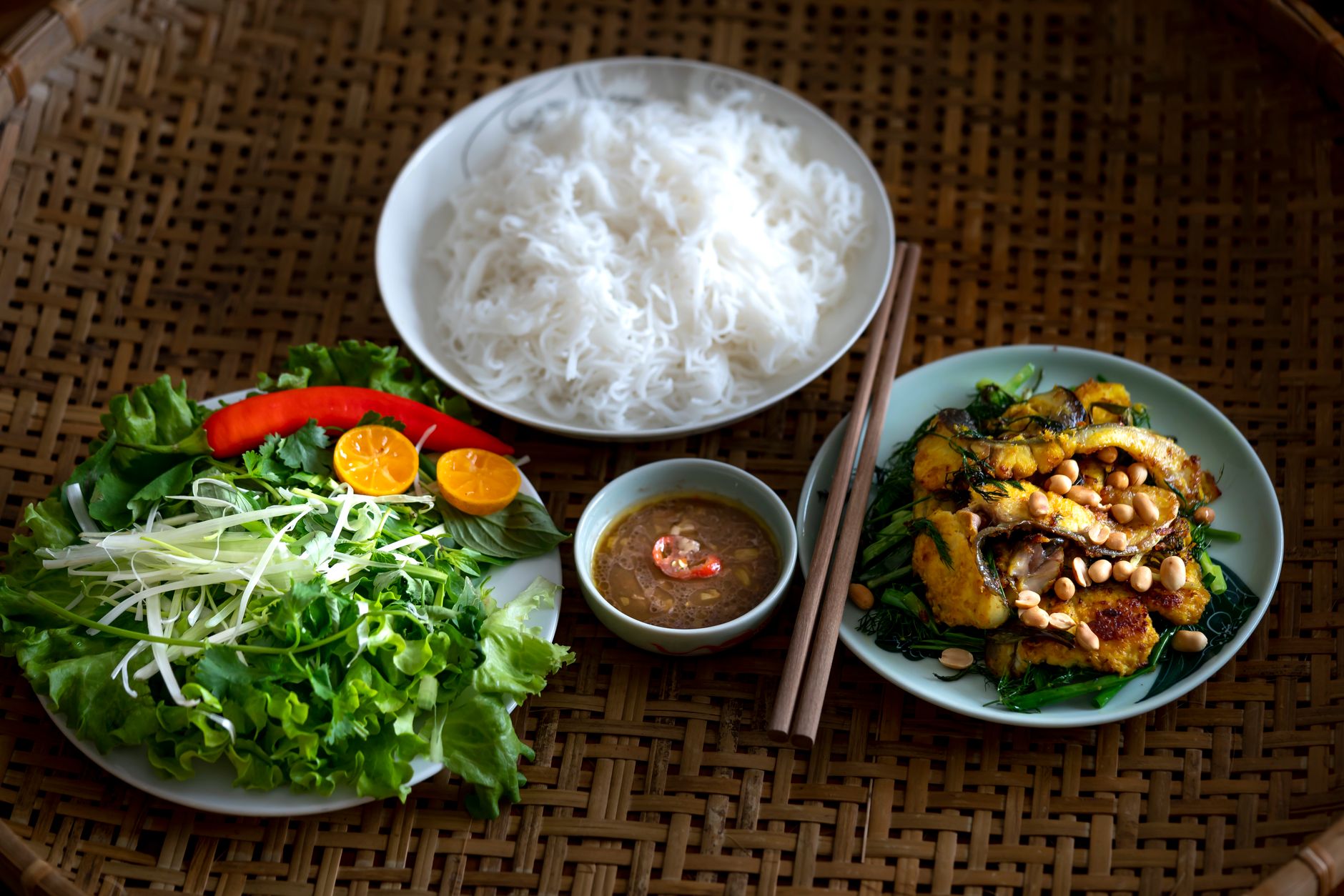
Cha ca la Vong: Hanoi's turmeric fish dish and where to eat it
Hanoi has a handful of dishes that define the city. Pho bo for breakfast. Bun cha for lunch. And for something that feels like a ceremony rather than a meal, cha ca la Vong. This turmeric fish dish comes to the table raw and sizzling. It finishes cooking in front of you. It smells of galangal, shrim
Read more →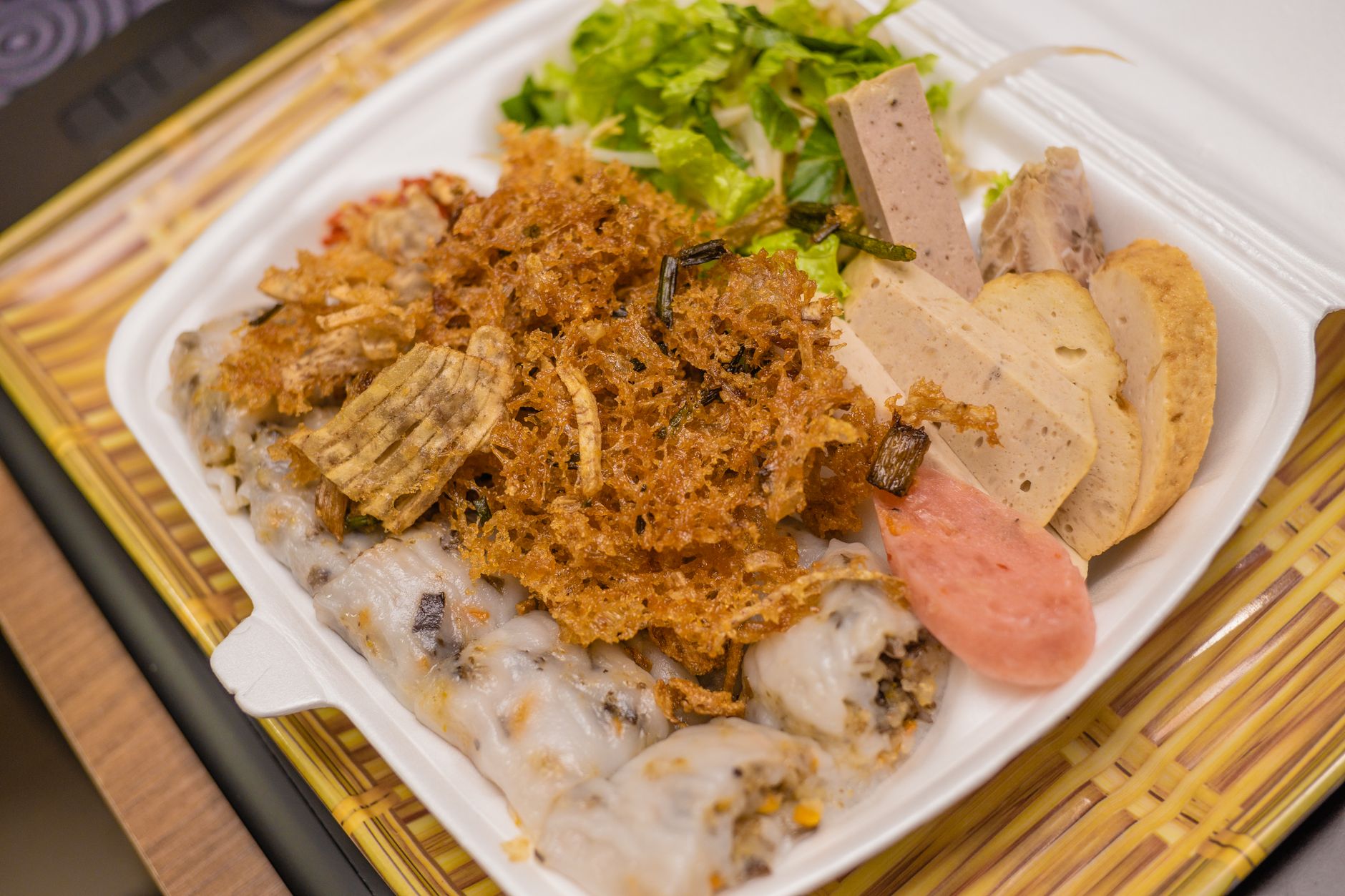
Banh cuon: Vietnam's steamed rice rolls, explained
The steam rises in thick clouds from a drum of boiling water. A woman in a conical hat dips a cloth across a taut drumhead, spreads a thin layer of rice batter, covers it for thirty seconds, then lifts the cloth to reveal a translucent sheet of steamed rice. She flicks it onto a greased board, fills
Read more →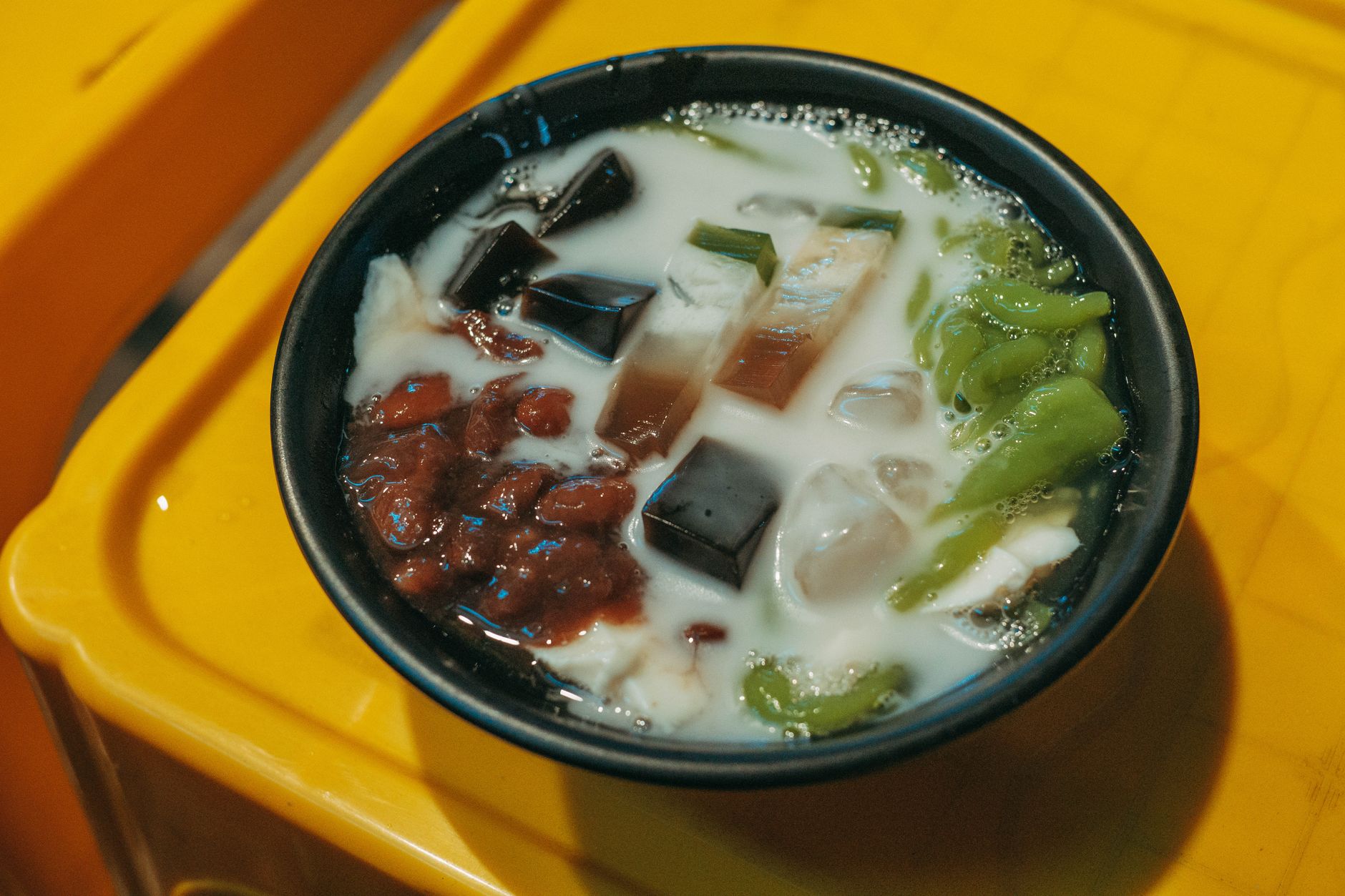
Che: a guide to Vietnam's sweet dessert soups
Vietnamese cuisine gets plenty of attention for its savory depth: the fish sauce caramel of thit kho, the herbal punch of pho, the charred smokiness of bun cha. But the sweet side of the table often gets overlooked. That is a mistake. Che, the catch-all term for Vietnam's dessert soups and puddings,
Read more →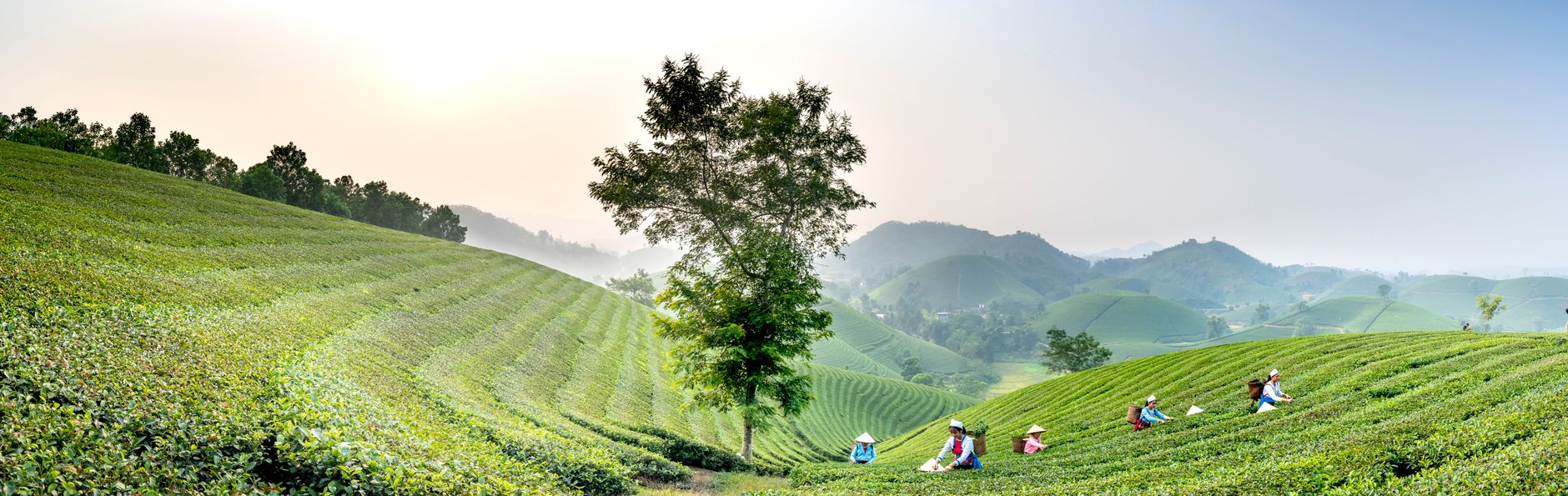
Vietnamese tea culture: from street tea stalls to traditional ceremonies
Vietnam runs on tea. Not coffee, despite what the ca phe enthusiasts will tell you. The same country that made egg coffee famous consumes over 300,000 tonnes of tea leaves annually, and most of it never touches a barista's tools.
Read more →
Ruou can and ruou de: a traveler's guide to Vietnamese rice wine
The first time you see ruou can, it looks less like a drink and more like a ceremony. A clay jar sits on the floor, sealed with a plastic bag or banana leaf. Bamboo straws poke out from the top like a strange bouquet. Someone hands you a straw, and you lean in, sip, and taste something smoky, sweet,
Read more →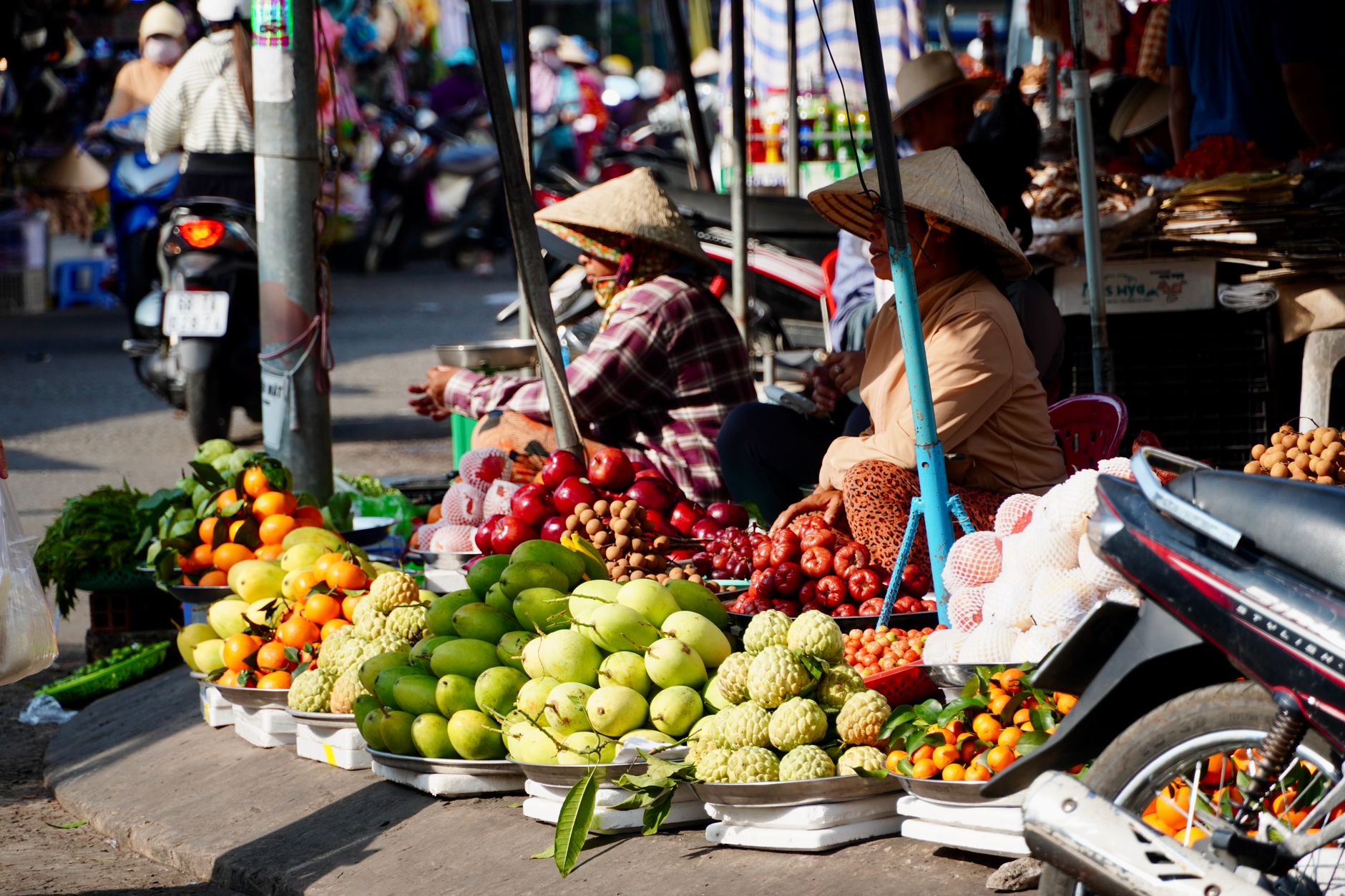
Halal food in Vietnam: where Muslim travelers can eat with confidence
Vietnam welcomes over 18 million international visitors each year, yet Muslim travelers often arrive with a nagging question: what will I actually eat? The short answer is: more than you might expect. The longer answer requires knowing where to look, how to ask, and which cities make halal dining ge
Read more →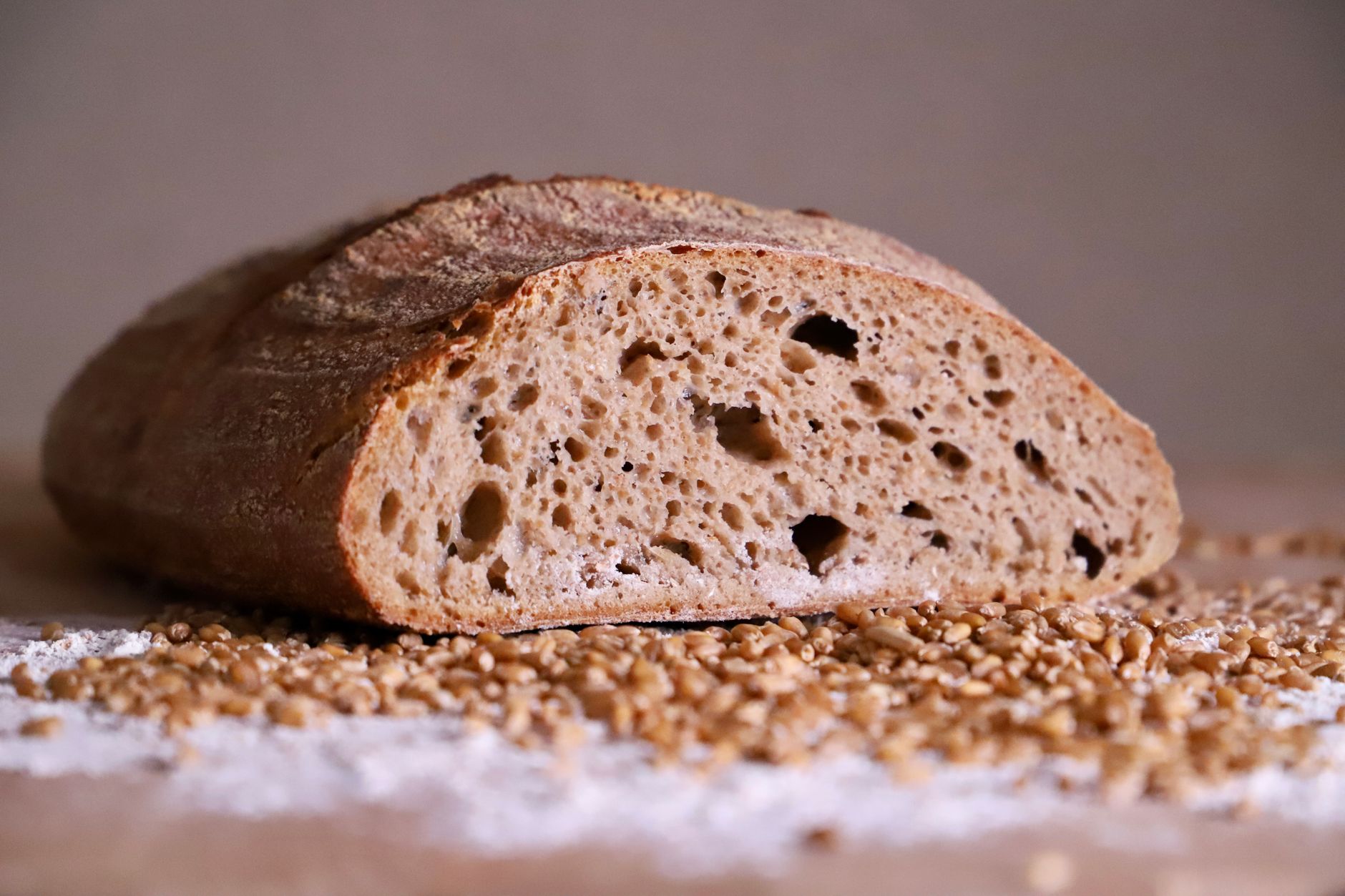
Eating gluten-free in Vietnam: a practical guide for travelers with allergies
Vietnam is a rice-based culinary paradise. Rice noodles, rice paper, rice crackers, rice flour. On paper, it should be one of the easiest countries in Southeast Asia for gluten-free travelers. In practice, it takes work.
Read more →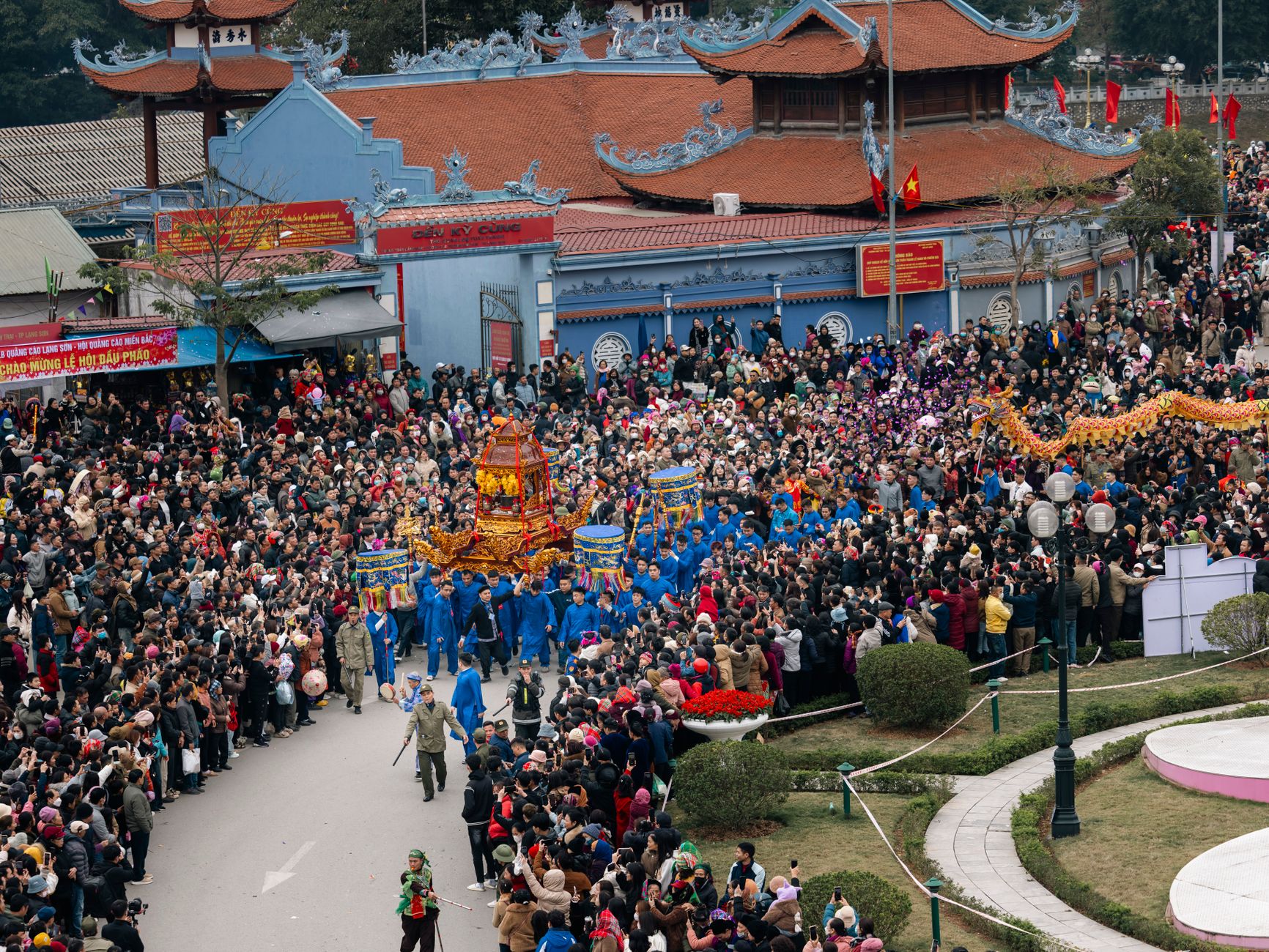
Perfume Pagoda Festival: Vietnam's biggest spring pilgrimage
Every spring, hundreds of thousands of Vietnamese Buddhists make their way to a cluster of temples and caves hidden in the limestone mountains southwest of Hanoi. They come not for a single pagoda, but for a landscape. The Perfume Pagoda, or Chua Huong, is actually a sprawling complex of Buddhist sh
Read more →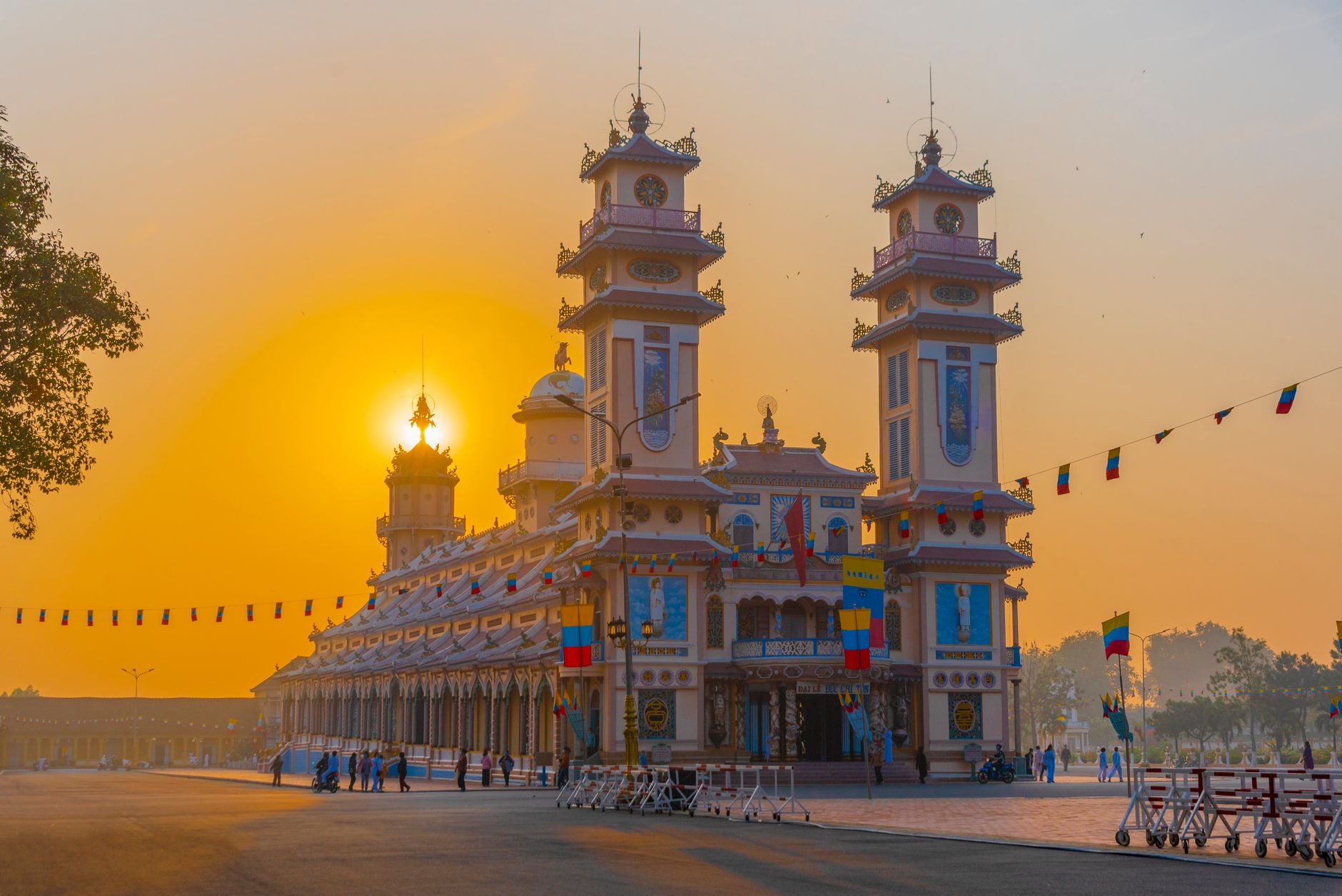
Cao Dai: inside Vietnam's colorful home-grown religion
The Tay Ninh Holy See rises from the flat farmland of southern Vietnam like something from a dream. Its towering facade is painted in blocks of yellow, pink and blue. A divine eye stares down from the main gate. Inside, pillars wrapped in mosaic dragons hold up a vaulted ceiling of clouds and stars.
Read more →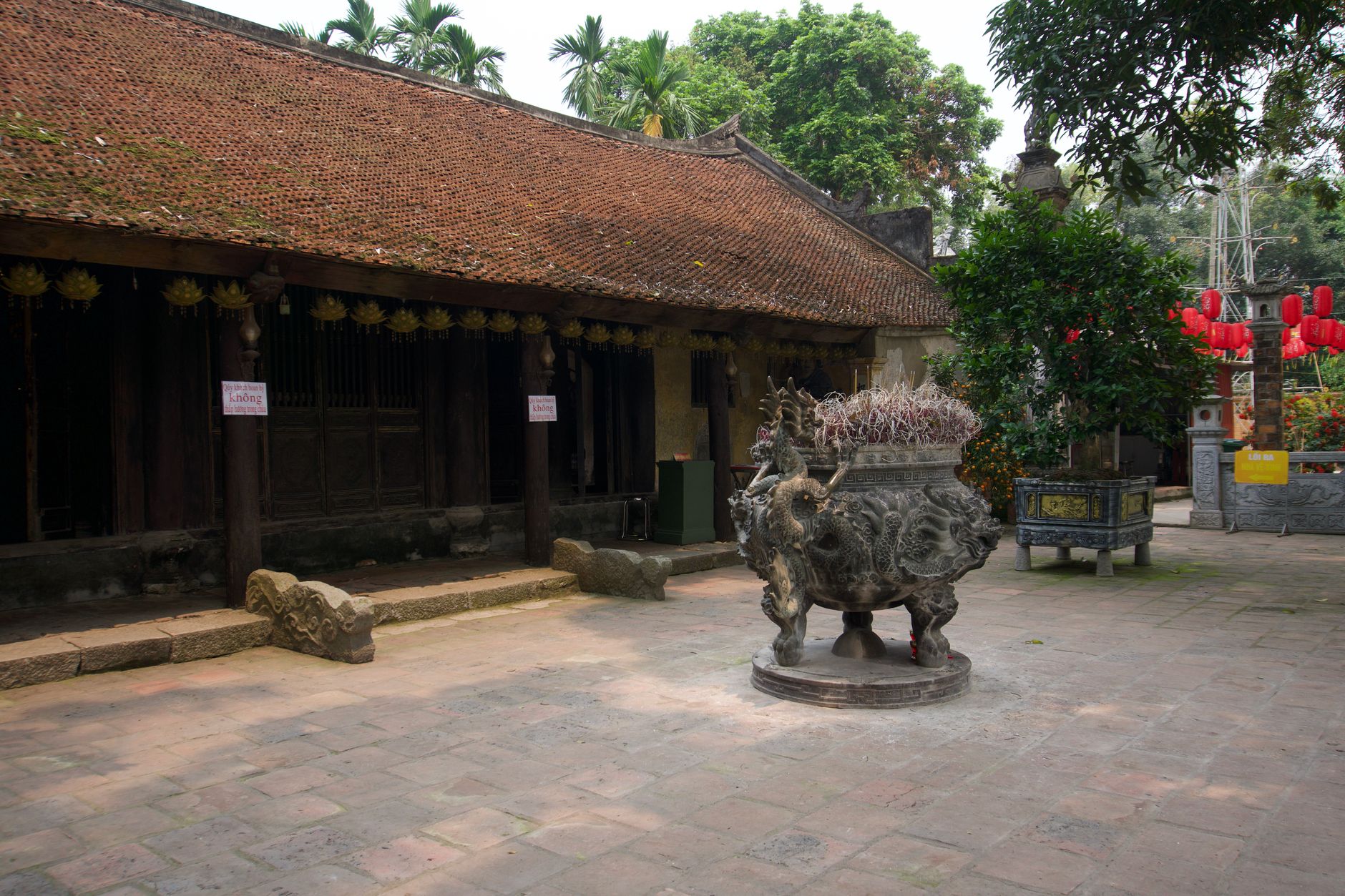
Ancestor worship in Vietnam: altars, rituals and what travelers should know
Walk into any Vietnamese home and you will see it. A small table, usually raised, placed at eye level in the most prominent spot in the house. On it sit a brass incense burner, two candle holders, a small vase of fresh flowers, and often a photograph of someone who has passed. This is the bàn thờ gi
Read more →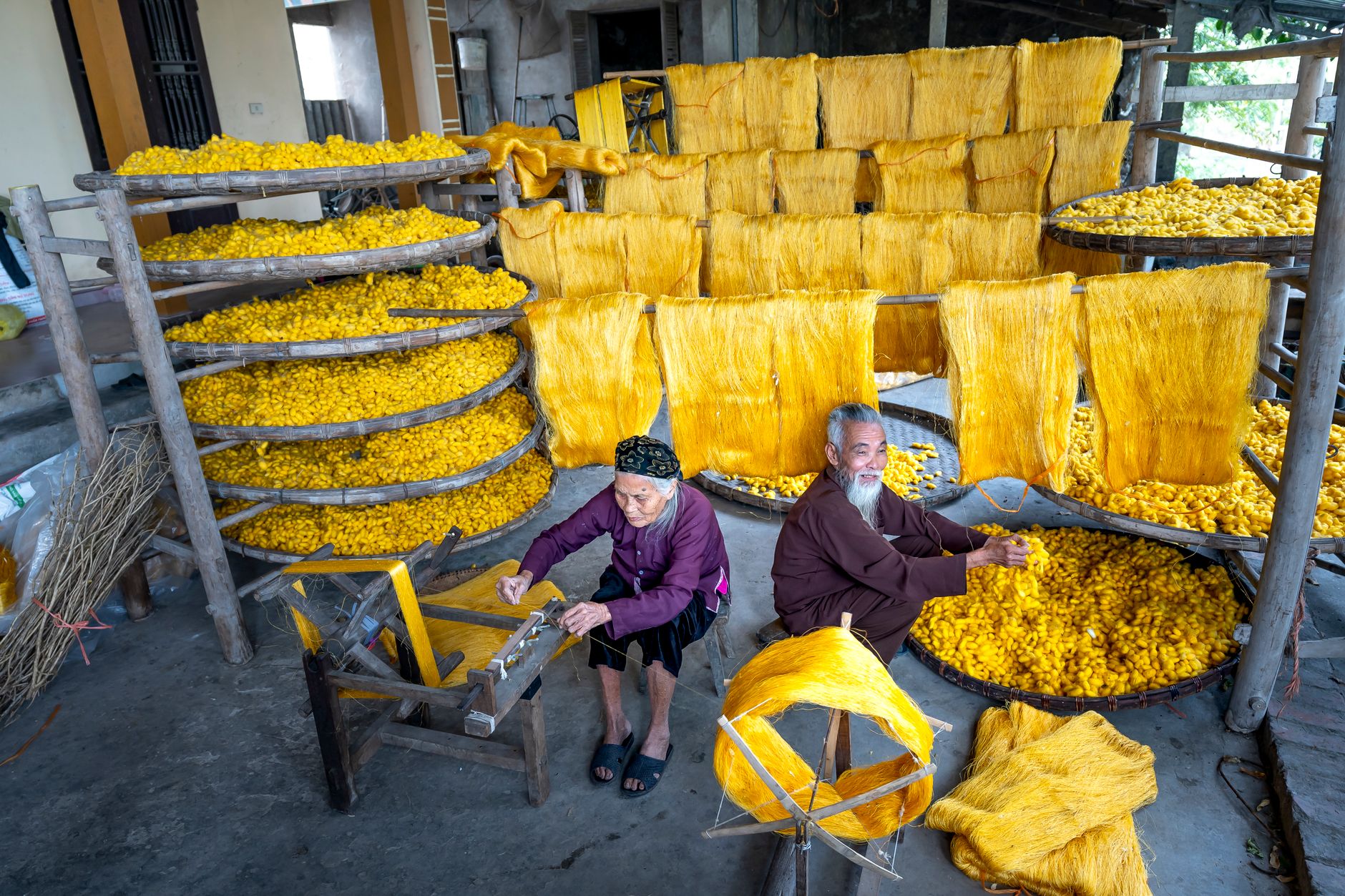
Vietnam's silk villages: Van Phuc, Hoi An and the craft behind the fabric
Silk has shaped Vietnam for over a thousand years. The country's weavers produced cloth for emperors, mandarins, and brides. Today, two villages keep the tradition alive: Van Phuc near Hanoi and the silk village outside Hoi An. Both offer a window into a craft that survives against cheap machine-mad
Read more →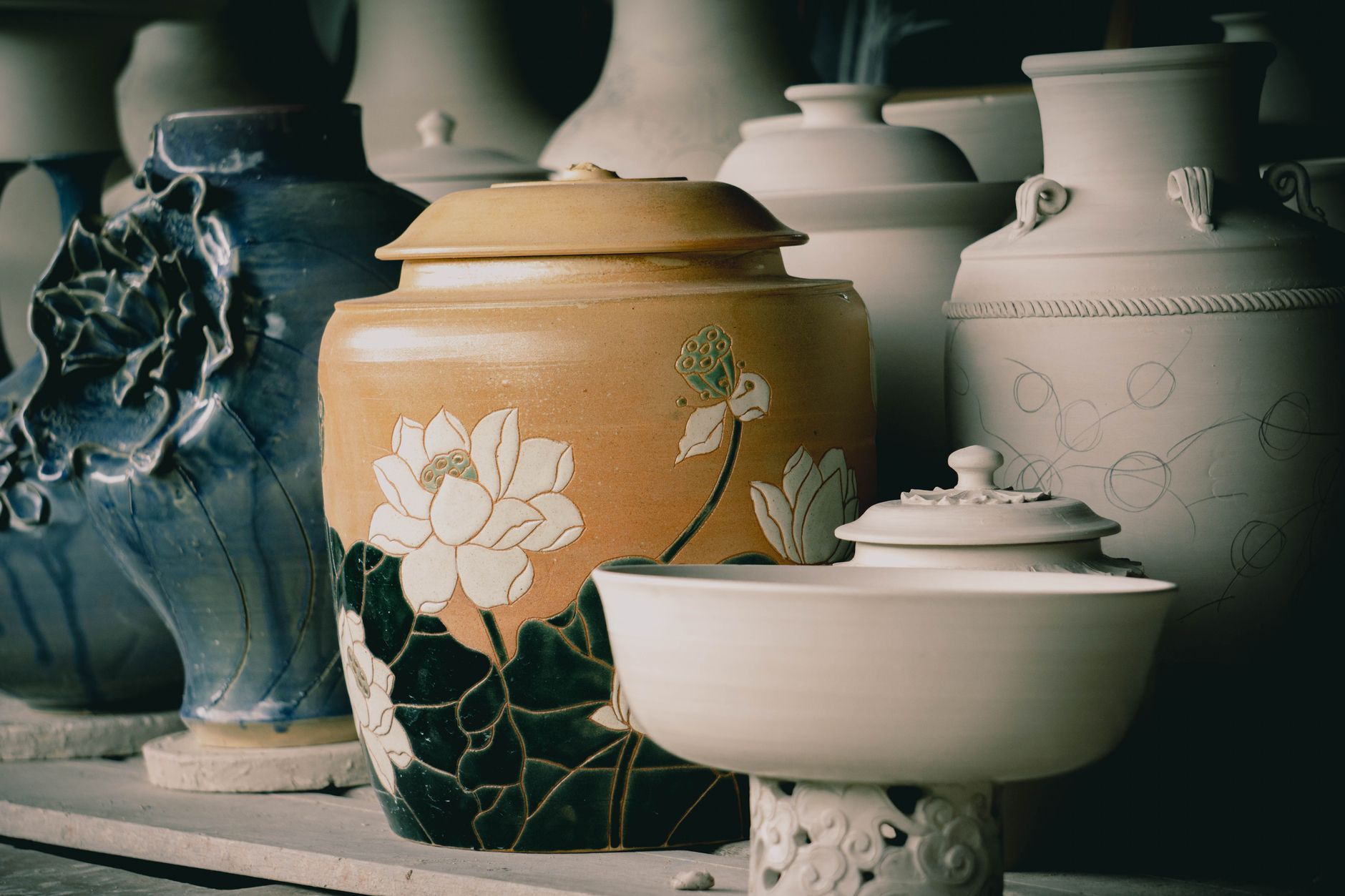
Bat Trang: Hanoi's centuries-old ceramic village
The Red River delta has a way of keeping secrets. Just 13 kilometers from Hanoi's chaotic Old Quarter, past the vegetable farms and the new bridge construction, sits a village that has been shaping clay into art since the 14th century. Bat Trang does not advertise itself. It does not need to. The ce
Read more →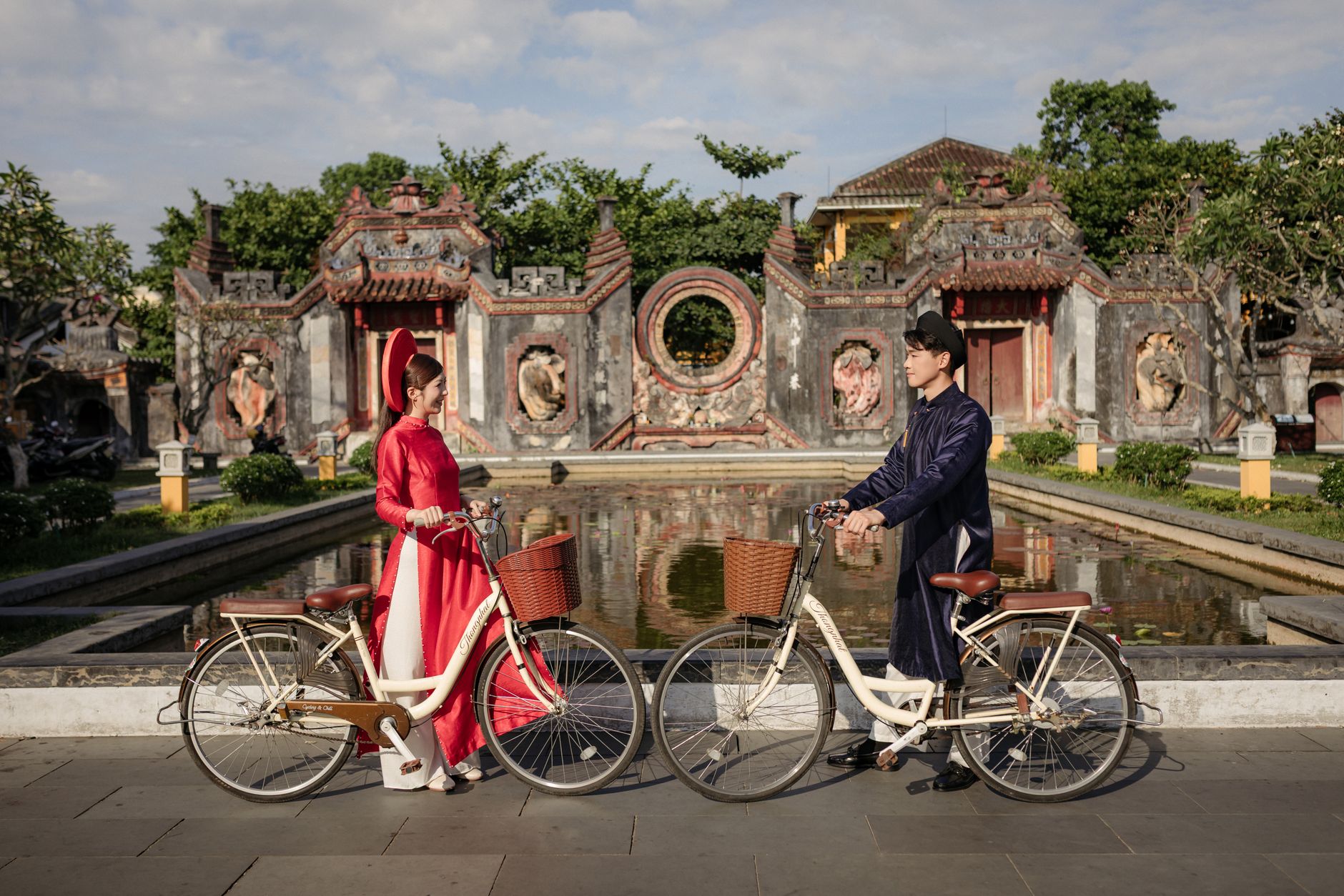
What to wear in Vietnam: temples, cities and cultural etiquette
Vietnam is a country of contrasts. One morning you might be walking through a 1,000-year-old pagoda in Hanoi, and by afternoon you could be crossing the street in Saigon's District 1, surrounded by motorbikes. The way you dress shifts with each setting. Getting it right matters more than most travel
Read more →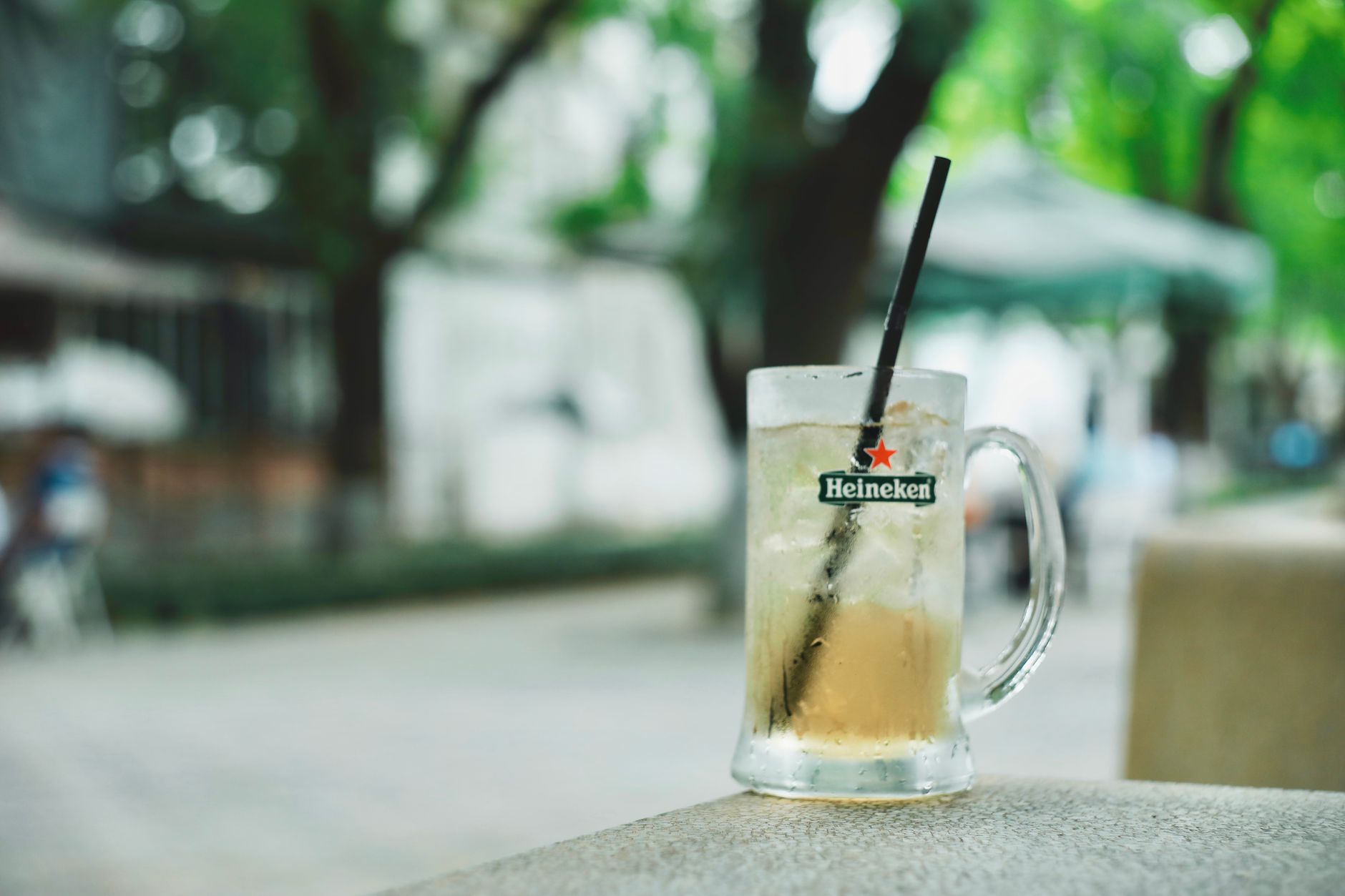
Vietnam nightlife: bars, clubs and night markets by city
Vietnam after dark is not one single experience. The country runs on three different nightlife rhythms, one for each of its major cities. Hanoi is early and atmospheric, with beer consumed on tiny plastic stools before midnight. Ho Chi Minh City is late and loud, with rooftop bars that stay busy unt
Read more →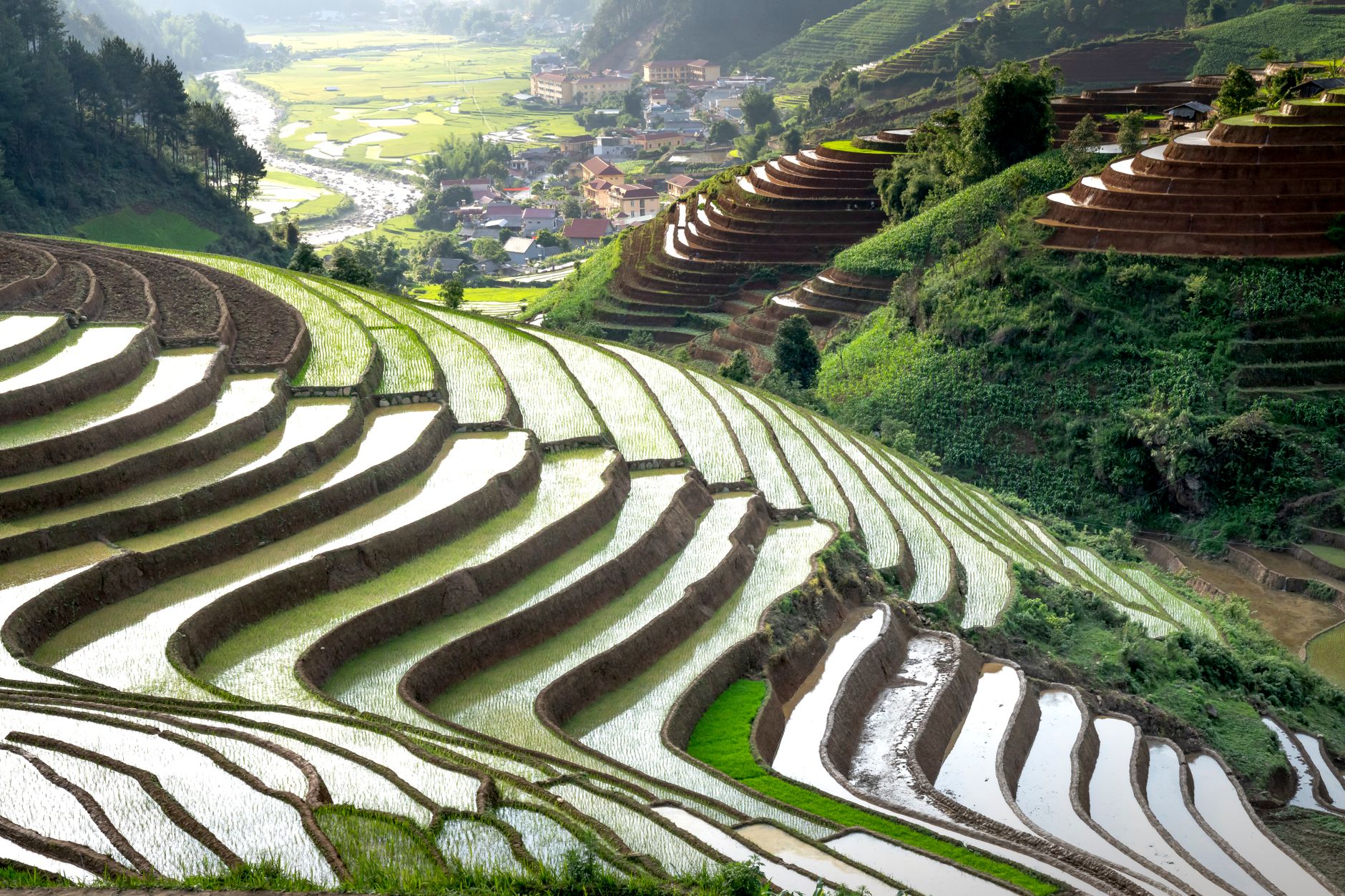
Northwest Vietnam loop: Sapa, Mu Cang Chai and the mountain roads between them
The road between Sapa and Mu Cang Chai cuts through some of the most dramatic terrain in Southeast Asia. Terraced rice fields climb impossibly steep slopes. Minority villages cling to ridgelines above deep river valleys. The air smells of woodsmoke and wet earth. For travelers willing to trade comfo
Read more →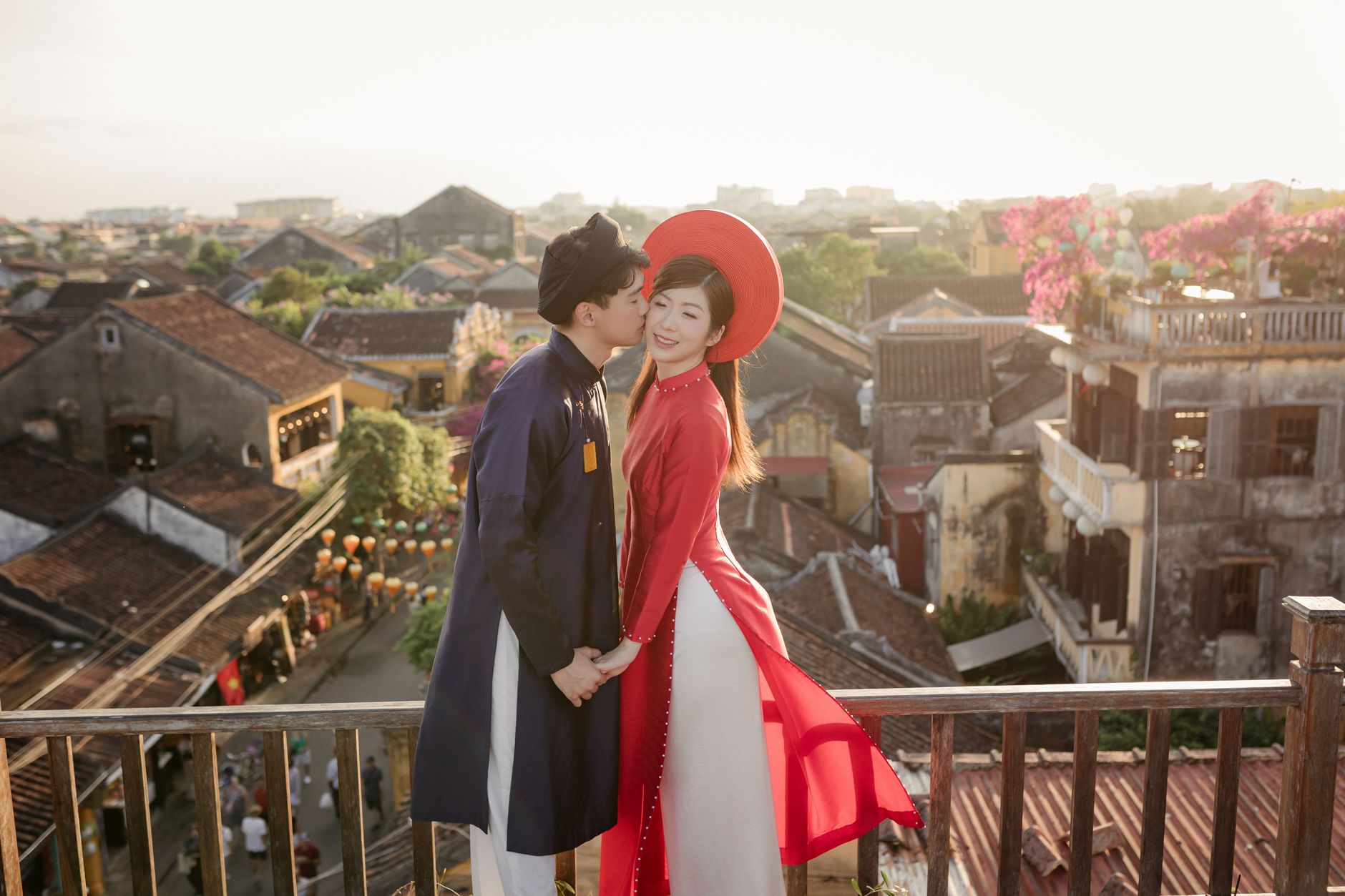
Vietnam honeymoon itinerary: 10 days from beaches to mountains
A honeymoon in Vietnam is not one single experience. It is a sequence of them. One day you are drifting through limestone karsts on a quiet bay. The next you are walking ancient citadel walls in Hue. Then you are on a beach with a coconut in your hand, and after that you are eating banh xeo at a pla
Read more →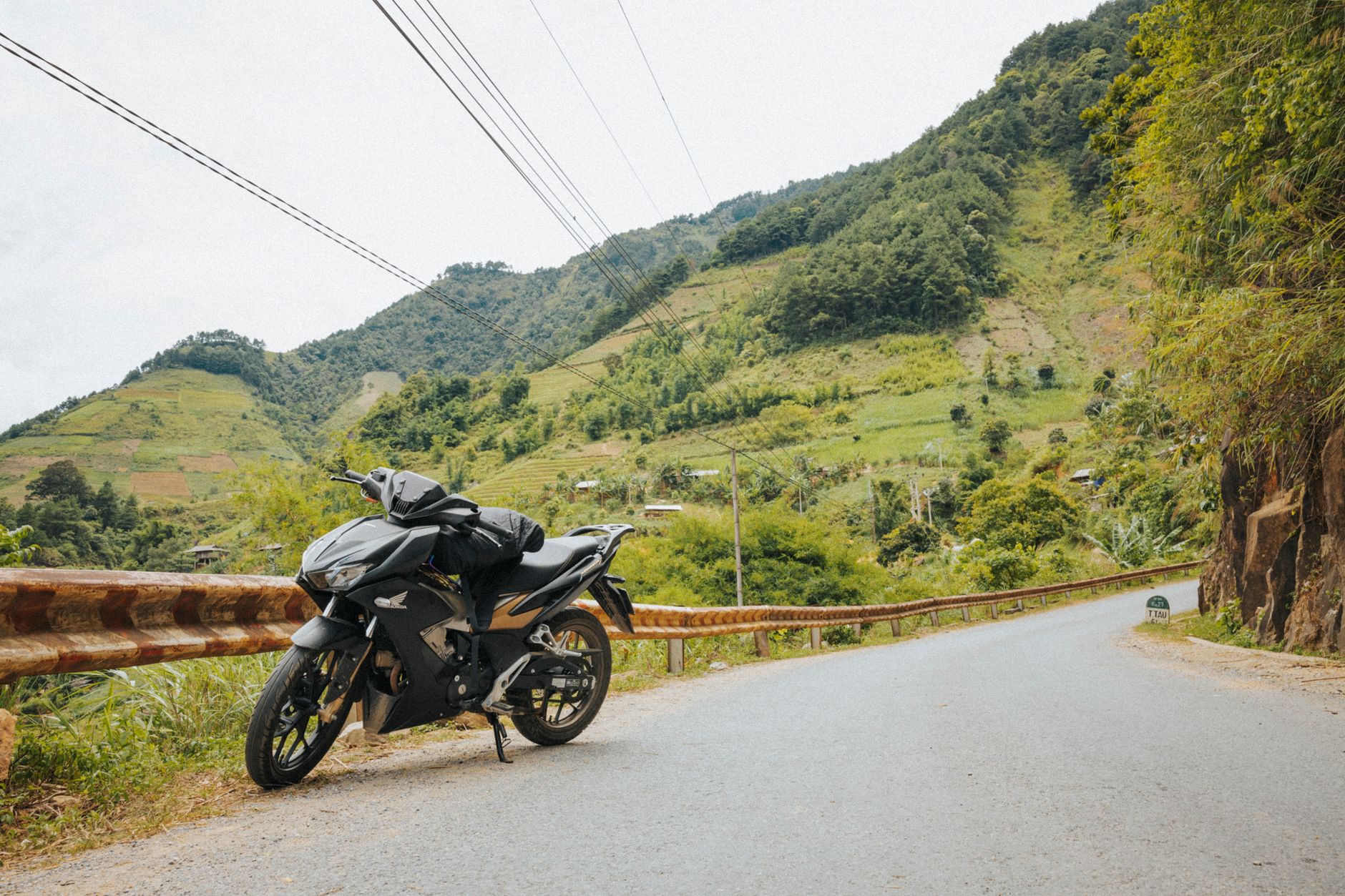
Riding Vietnam north to south: the complete motorbike itinerary
Vietnam is one of the few countries where a motorbike trip across the entire length of the nation remains a genuinely practical undertaking. The country is narrow, the roads are continuous, and the scenery changes dramatically over roughly 2,500 kilometers. From the limestone karsts of the far north
Read more →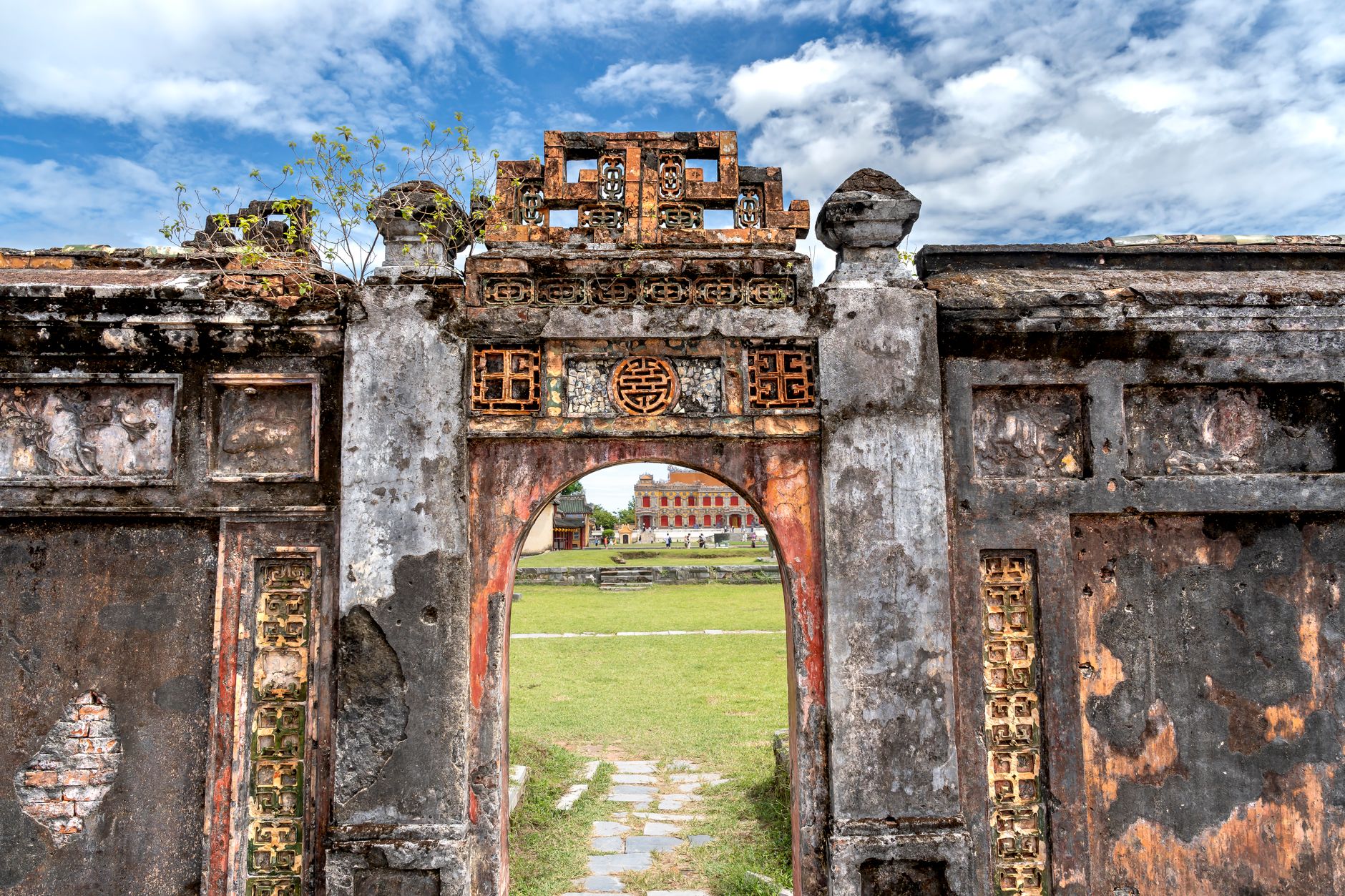
Hanoi to Hue 4 Days 3 Nights by Flight: Independent Travel or Package Tour – Which is More Cost-Effective?
Want to explore Hue for 4 days and 3 nights from Hanoi but torn between going independently or booking a tour? This article provides a detailed analysis of each option, helping you confidently plan with the optimal budget without being tied to tour operators' itineraries.
Read more →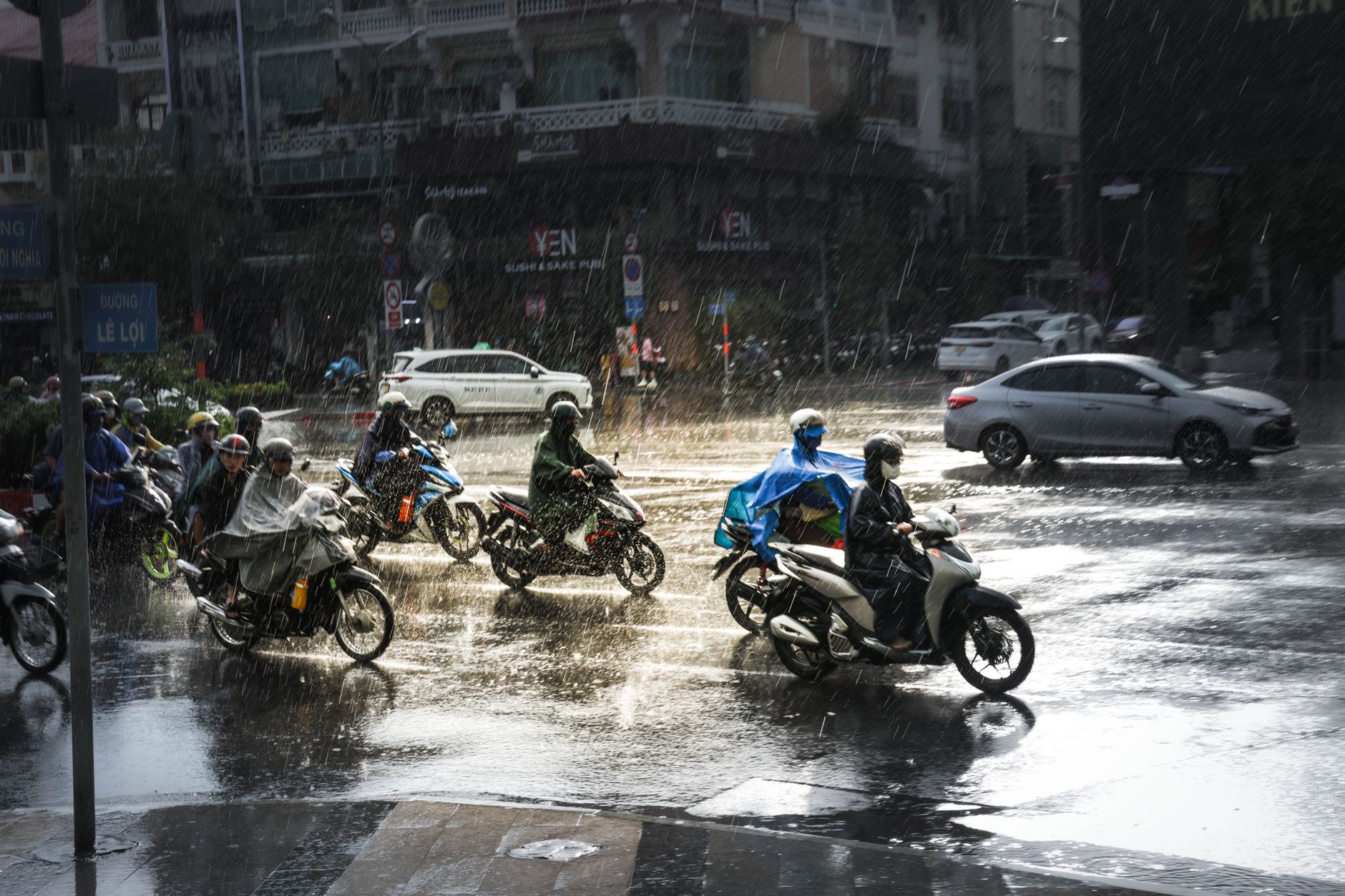
Visiting Vietnam in the rainy season: how to plan around the monsoon
The question arrives in inboxes every week. "Is it worth visiting Vietnam during the rainy season?" The short answer is yes. The longer answer involves understanding that Vietnam does not have one single rainy season. It has three.
Read more →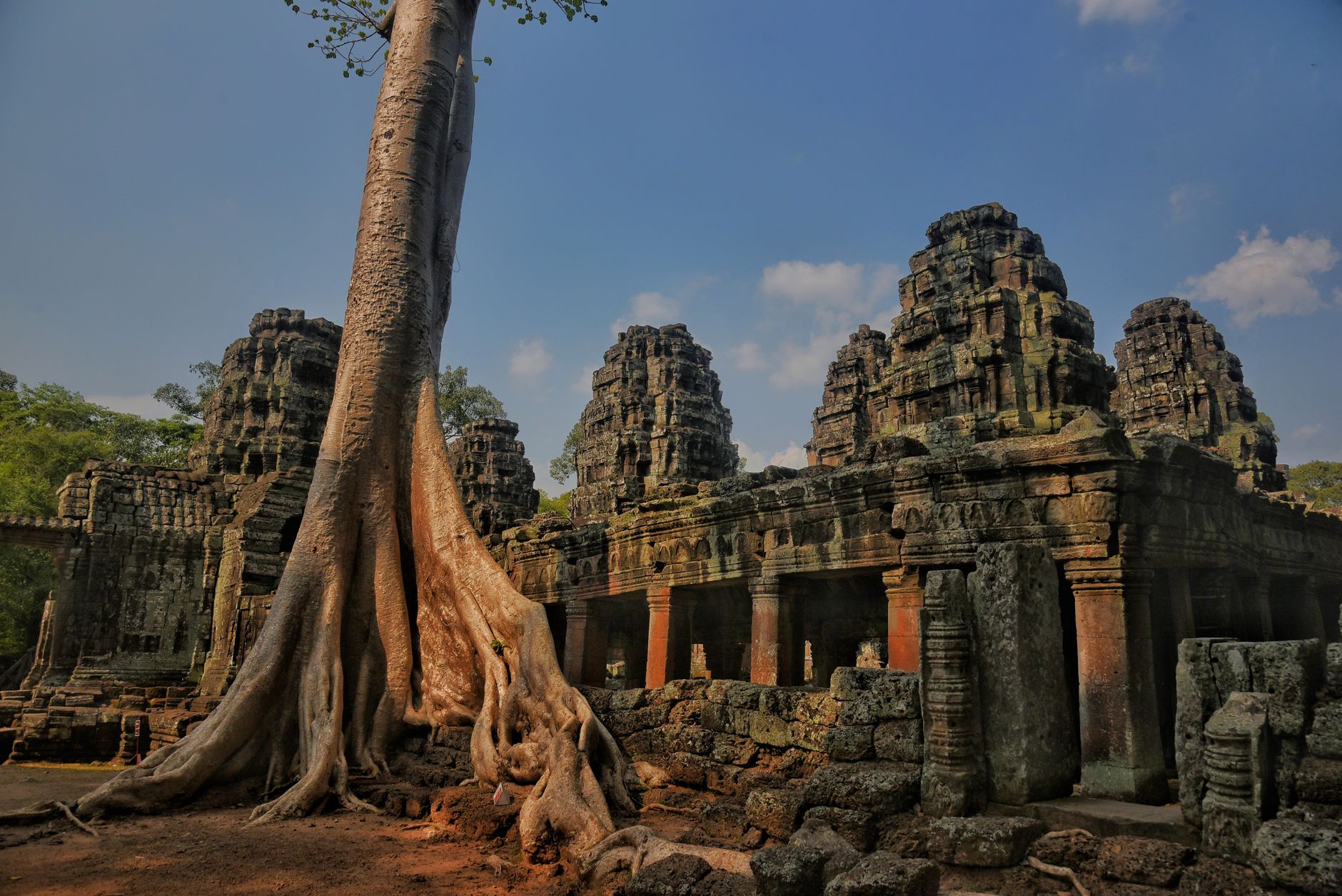
Vietnam and Cambodia combo itinerary: 3 weeks across two countries
Three weeks gives you enough time to see two distinct Southeast Asian countries without rushing. Vietnam and Cambodia share a land border, similar food traditions, and overlapping history. But they feel completely different.
Read more →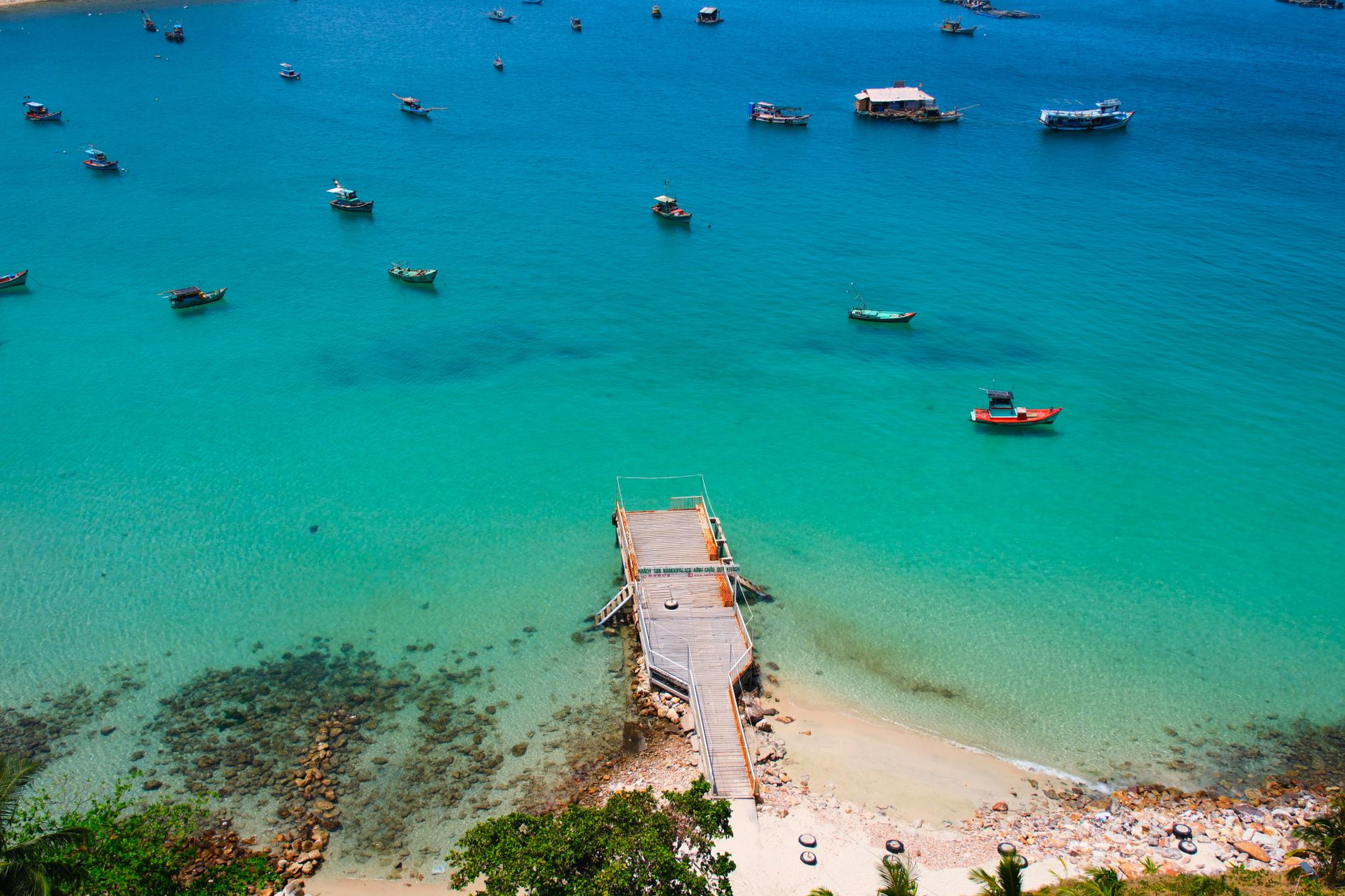
Vietnam family itinerary: 2 weeks with kids from Hanoi to Phu Quoc
Planning a family trip to Vietnam with kids requires balancing adventure with downtime. Children get tired. Parents get stressed. A poorly paced itinerary turns a dream holiday into a logistics nightmare.
Read more →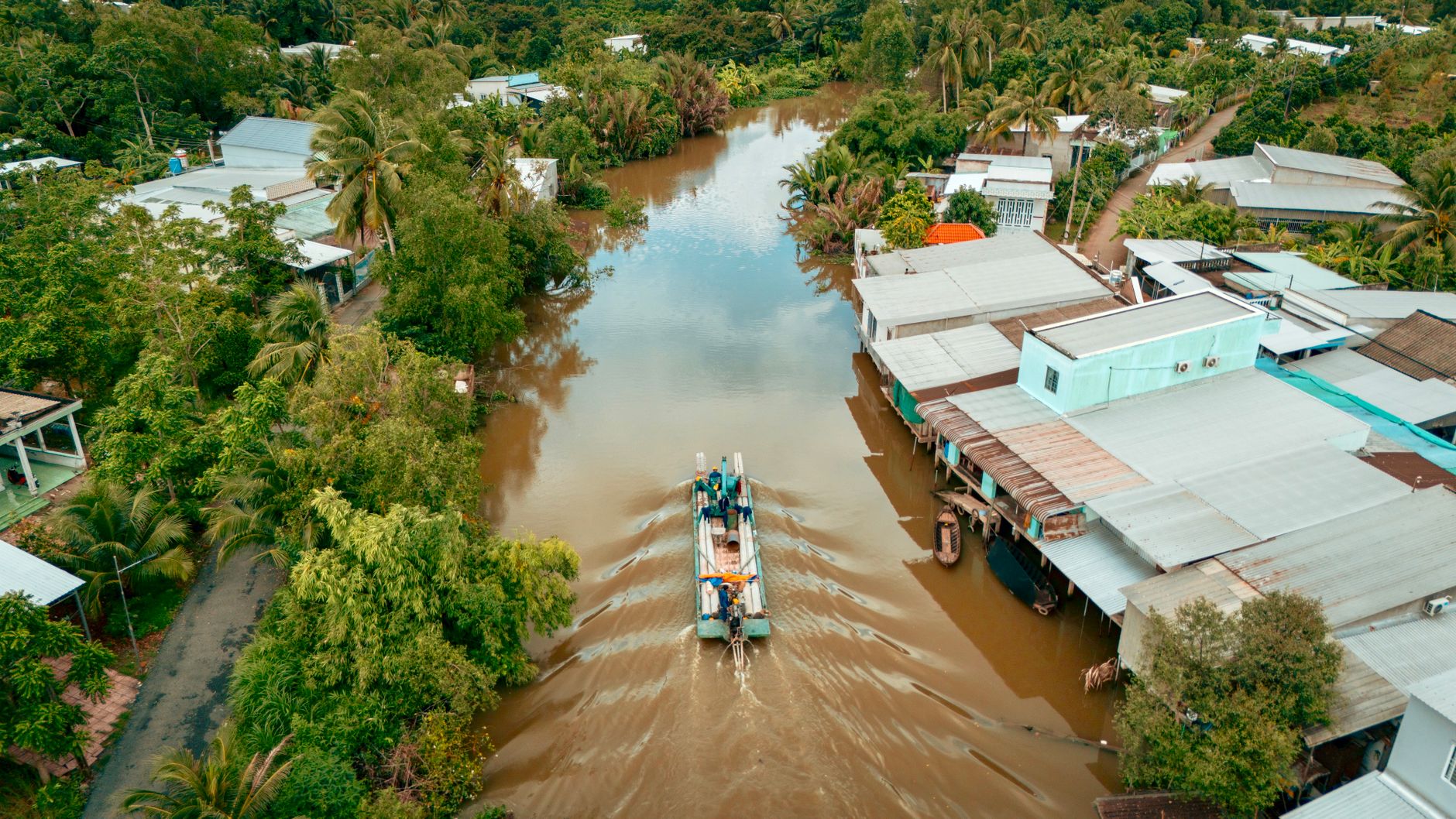
Mekong Delta itinerary: how to plan 2 to 4 days beyond the day trip
The standard day trip from Ho Chi Minh City treats the Mekong Delta like a theme park. A bus picks you up at 7am. You sit on a tourist boat for an hour. You watch a coconut candy demonstration. You eat a mediocre lunch at a "family restaurant" that serves 200 people. By 5pm you are back in Saigon, w
Read more →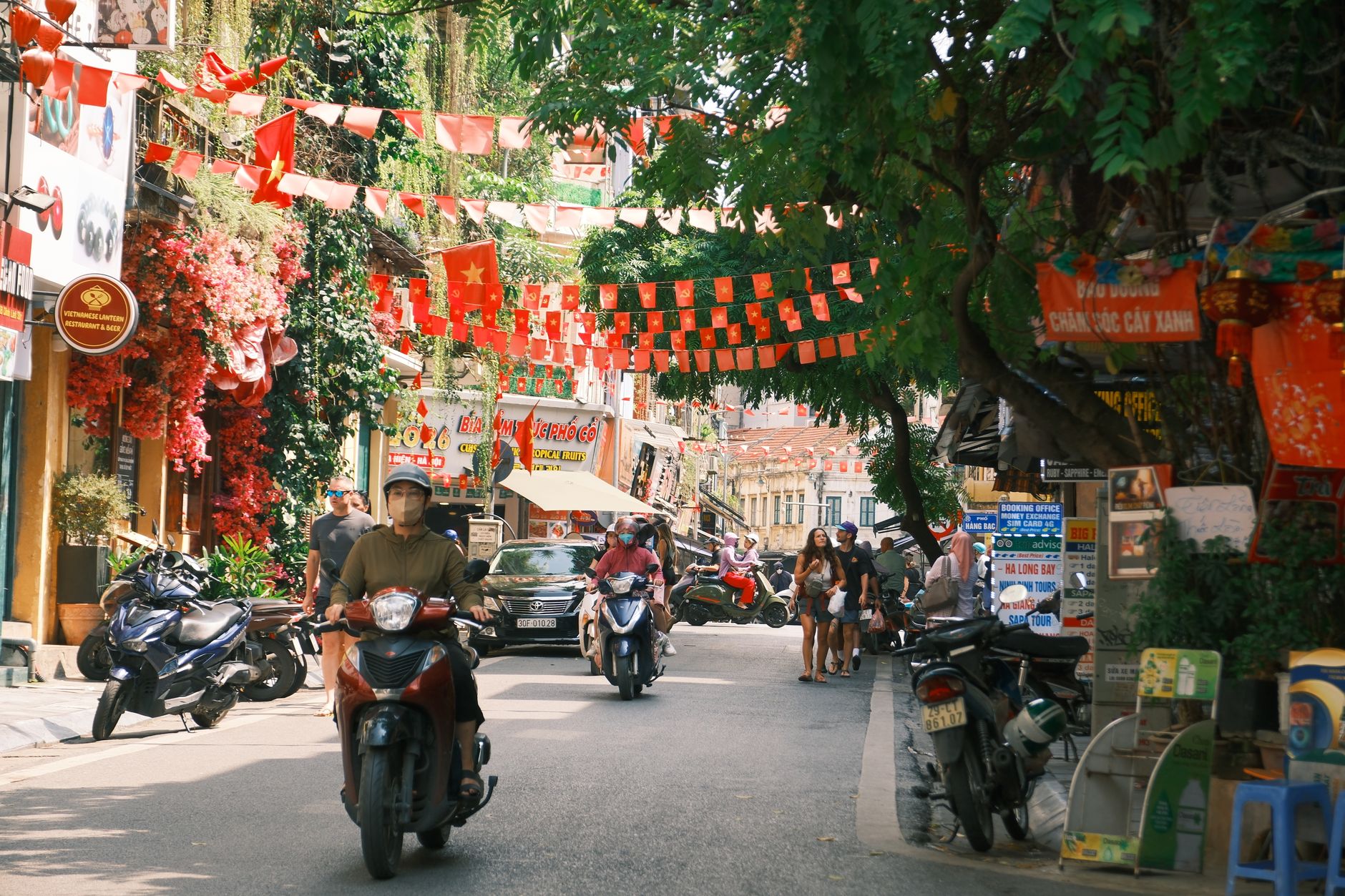
Vietnam by train: routes, tickets and the Reunification Express
The train horn sounds at 6:00 AM in Hanoi. The carriages rattle. Coffee vendors walk the aisles with metal pots. Outside the window, rice paddies spread flat and green toward limestone karsts. This is the Reunification Express, the spine of Vietnam.
Read more →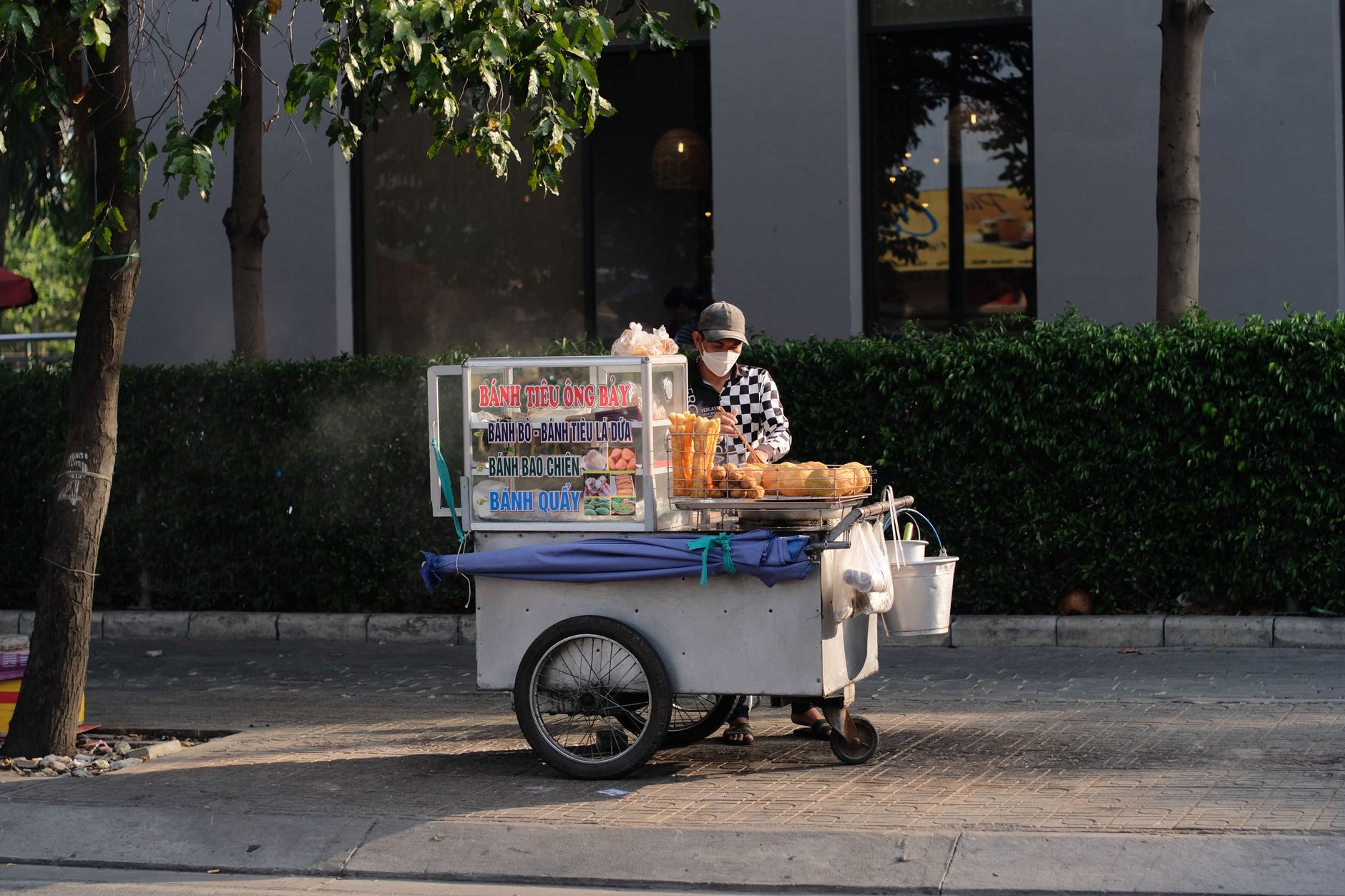
Breakfast in Vietnam: what locals eat and where to join them
The morning light hits Hanoi at 5:30am. The city wakes not with alarm clocks but with the clatter of metal chopsticks on ceramic bowls. Steam rises from aluminum cauldrons on street corners. A woman on a bicycle balances a bamboo pole across her shoulders, baskets of warm bread swinging at each end.
Read more →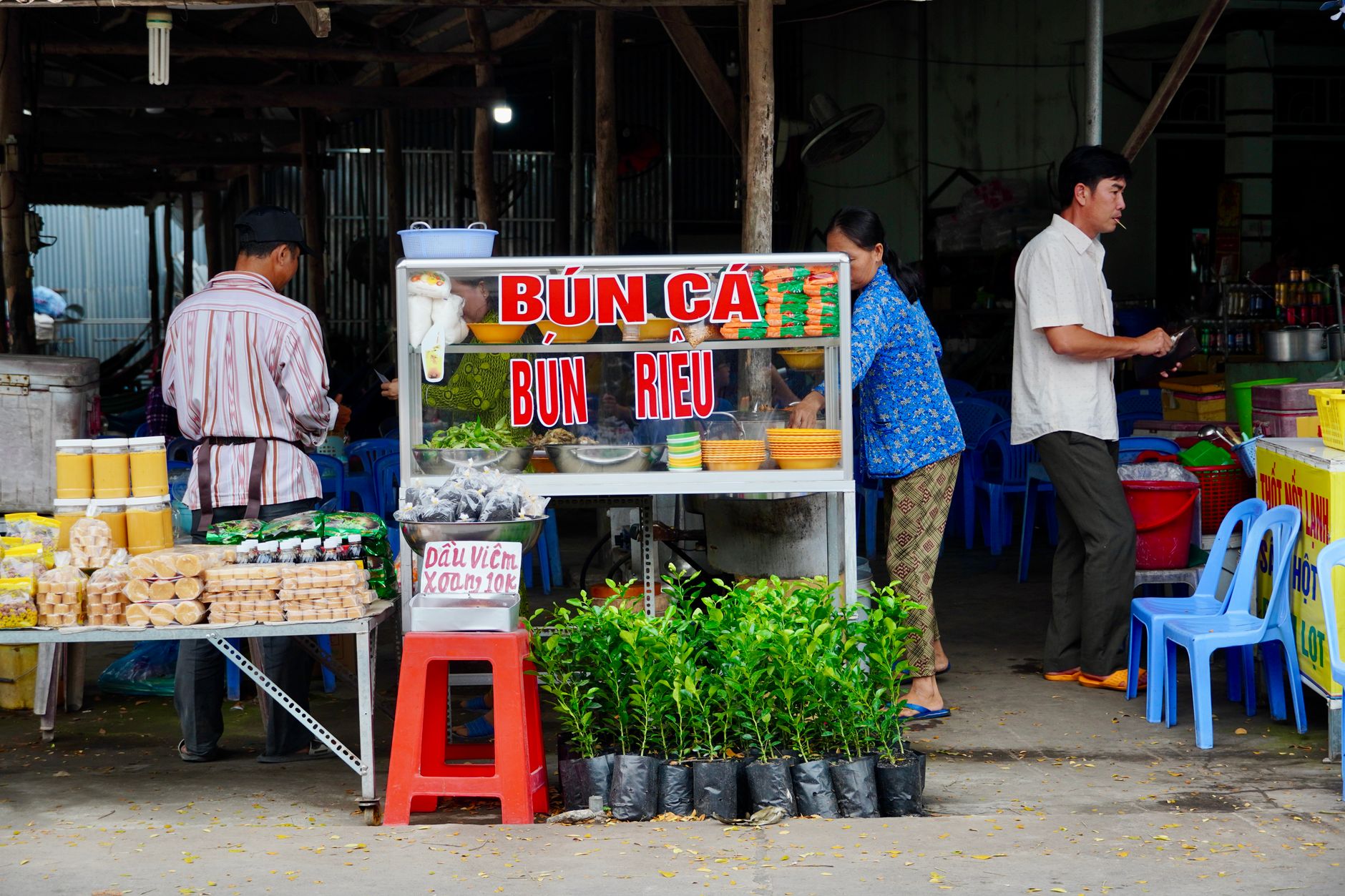
North vs Central vs South: how Vietnamese cuisine changes across the country
Vietnam is a single country with three distinct culinary identities. The food changes more dramatically than the landscape. A bowl of pho in Hanoi tastes nothing like a bowl of pho in Ho Chi Minh City. The same dish can be sweet here, salty there, and fiery somewhere else.
Read more →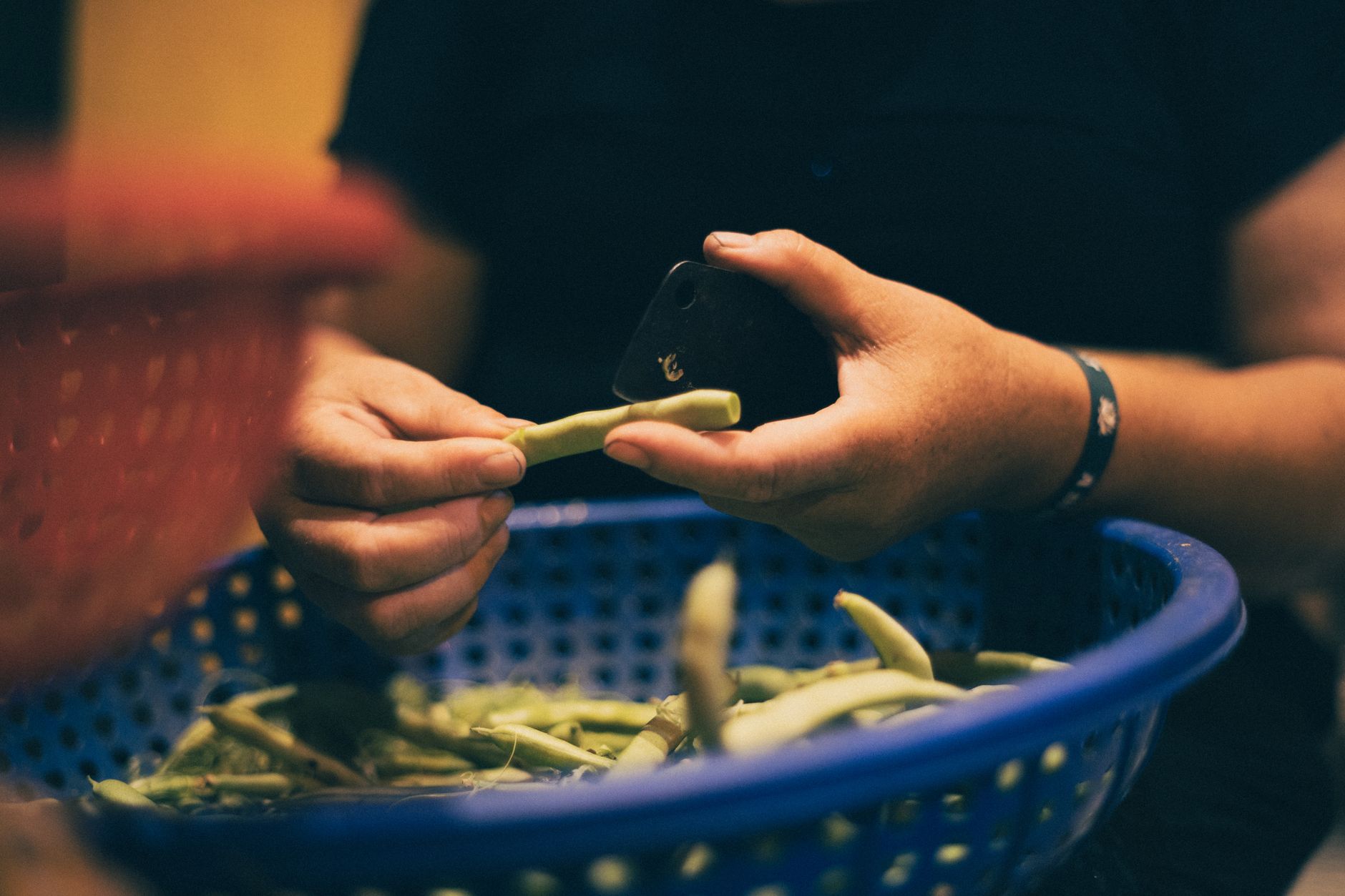
Cooking classes in Vietnam: best cities, prices and what you'll learn
Vietnamese cooking classes have become a standard part of any serious travel itinerary. The reasons are obvious. Street food tours show you what to eat. Cooking classes teach you how to recreate those flavors at home. The gap between eating pho and making pho is wider than most travelers expect.
Read more →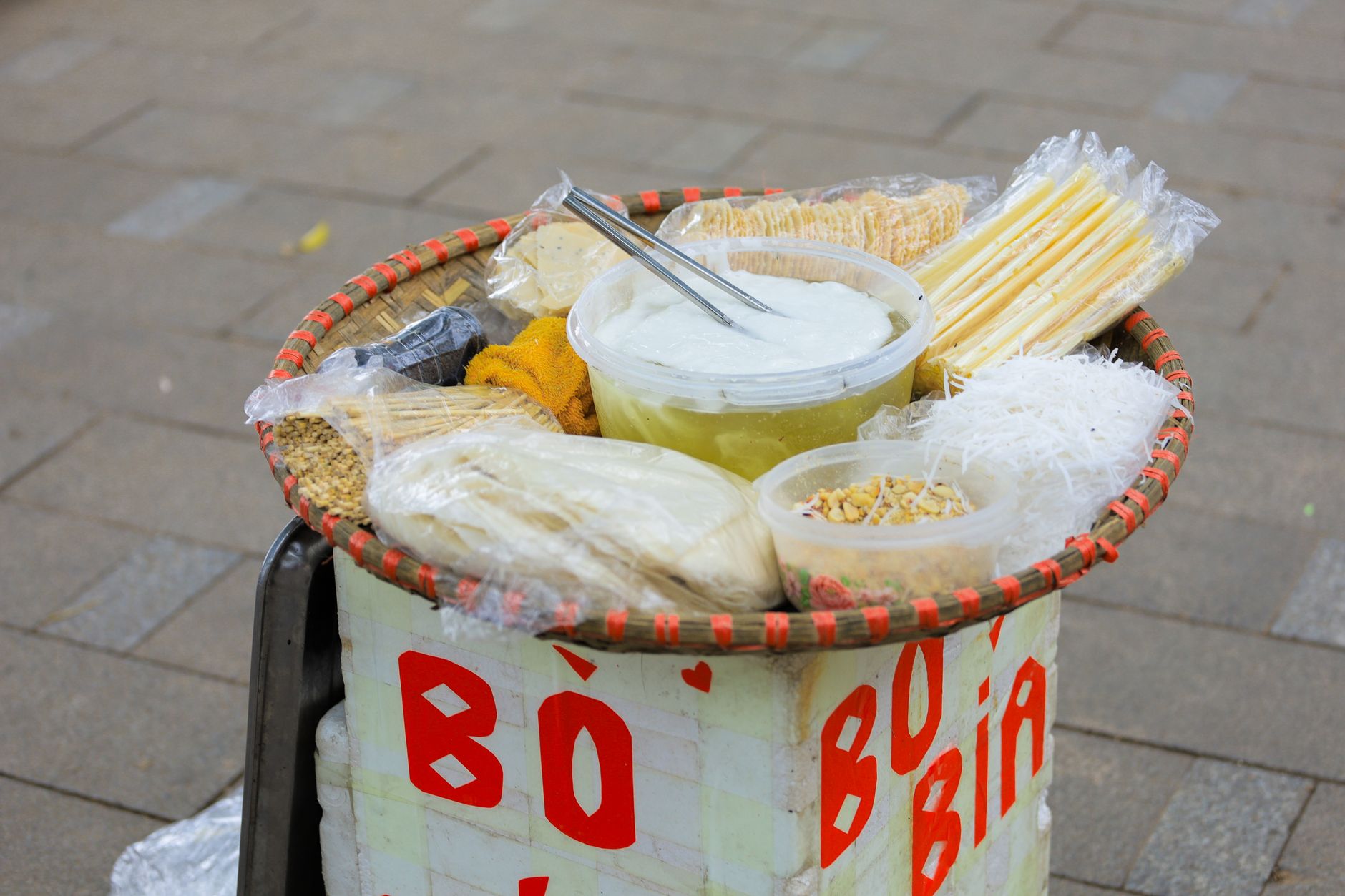
Vietnam's food markets: how to visit, eat and shop like a local
The market is where Vietnam breathes. Not the air-conditioned supermarkets with their fluorescent hum and packaged goods. The real markets. The ones that spill onto sidewalks at 5am, where women in conical hats squat behind pyramids of dragon fruit, where the smell of grilled pork mingles with the d
Read more →
Bia hoi: Hanoi's fresh beer culture and where to drink it
Hanoi's street corners transform at dusk. Plastic stools appear on sidewalks. Groups gather around low tables. A woman with a metal keg pours pale yellow liquid into glasses. The price is almost absurdly low. The beer is fresh, brewed that morning, and consumed within 24 hours. This is bia hoi.
Read more →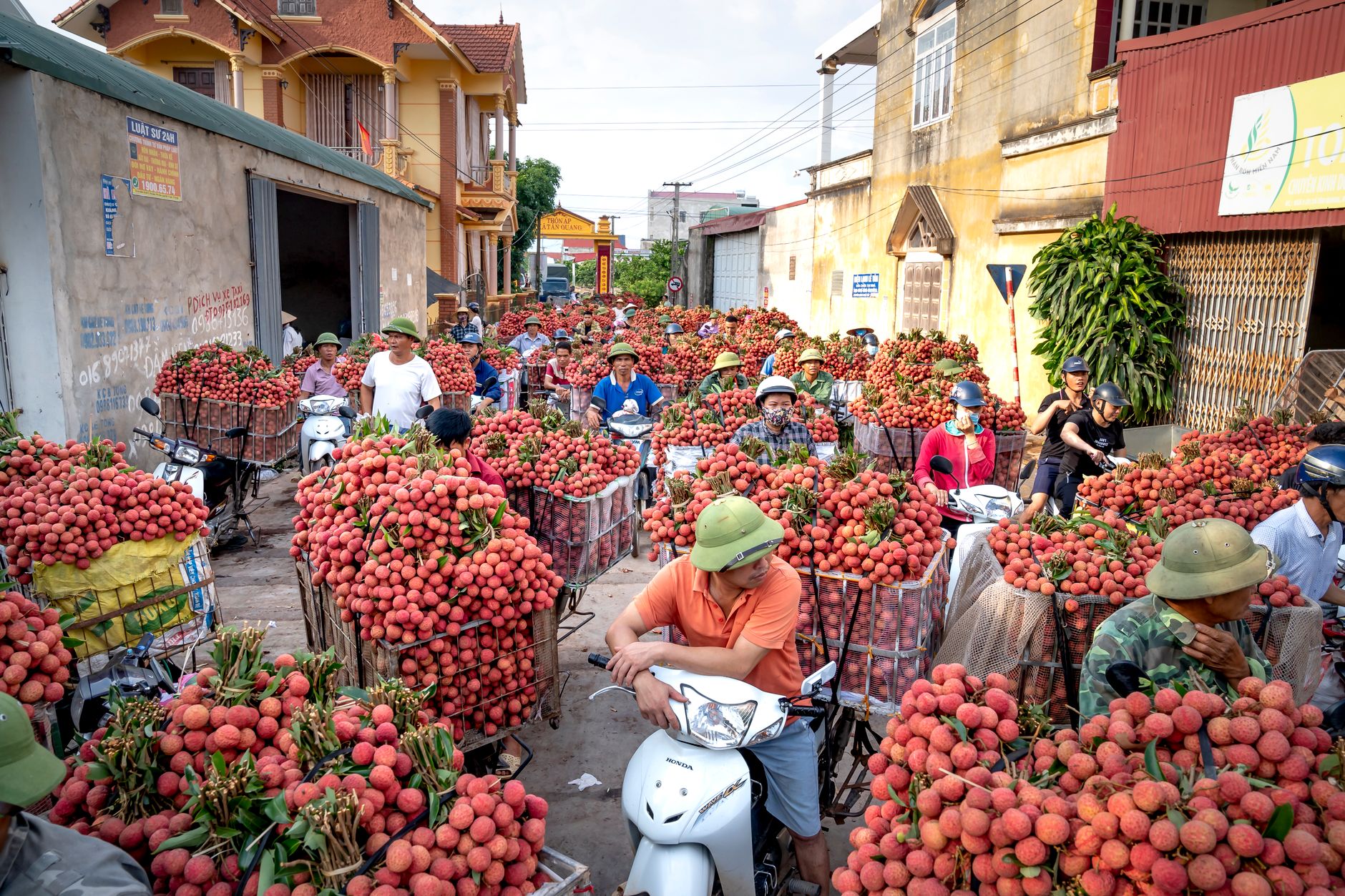
Vietnamese tropical fruit guide: 20 fruits to try and how to eat them
Vietnam is a fruit lover's paradise. The country's long shape, stretching from the temperate north to the tropical south, means you can find different fruits in every region during every season. Street stalls pile high with colorful mounds of dragon fruit, rambutan, and mangosteen. Markets smell of
Read more →